
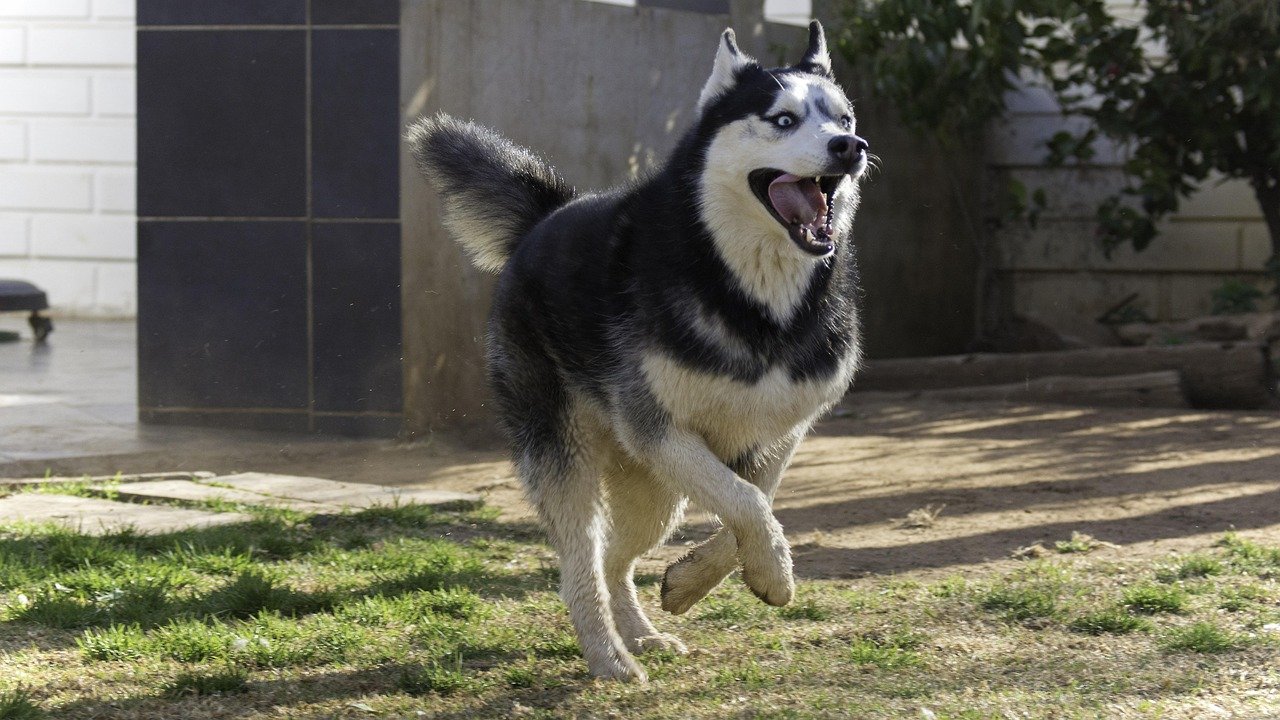
Choosing a dog for your family is one of the most joyful decisions you’ll ever make. There’s nothing quite like the sound of paws tapping across the floor or the sight of a wagging tail greeting you at the door. Dogs bring laughter, comfort, and an unconditional love that fills up every corner of home life.
Yet not every breed fits seamlessly into family dynamics, especially homes bustling with young children, unpredictable schedules, or limited dog-handling experience. Some breeds demand more than daily walks and belly rubs. They need specialized training, constant mental stimulation, or come with temperamental traits that can pose real risks in busy households. Veterinarians and canine behaviorists are quick to point out these mismatches, not because these dogs are bad, but because setting them up in the wrong environment can lead to heartbreak for both the family and the dog. Let’s dive in to discover which breeds require a second thought before joining your crew.
1. American Pit Bull Terrier

The CDC estimates that roughly 4.5 million individuals are bitten by dogs annually in the United States, and pit bulls cause the most human fatalities, with over six times more than the second breed. Pit bulls are responsible for over 60 percent of all fatal dog attacks in the U.S. I know it sounds harsh, considering that many individual Pit Bulls are affectionate and gentle with their families.
They are not a good choice for inexperienced owners, families with smaller children, or people who fear animals, and Pitbulls have been bred to be lethal in fights. Their powerful jaws and unpredictable aggression when improperly trained make them a serious responsibility. Without expert handling from day one, these dogs can misinterpret normal family chaos as threats.
2. Rottweiler

Rottweilers are strikingly handsome with those expressive tan eyebrows and dignified stance. The stoic and intelligent rottweiler is adored worldwide, but their protective nature has resulted in several tragedies, making them the second most dangerous dog breed, responsible for 45 deaths from 2005 to 2017.
Their guarding instincts run deep, which is admirable when properly channeled. Rottweilers are known for their protective instincts which can turn into aggression if they perceive a threat, and they account for around 10 percent of fatal dog attacks annually due to their strength causing severe dog bite injuries. Honestly, families with frequent visitors, neighborhood kids running in and out, or those without time for rigorous socialization may struggle with this breed.
3. Alaskan Malamute
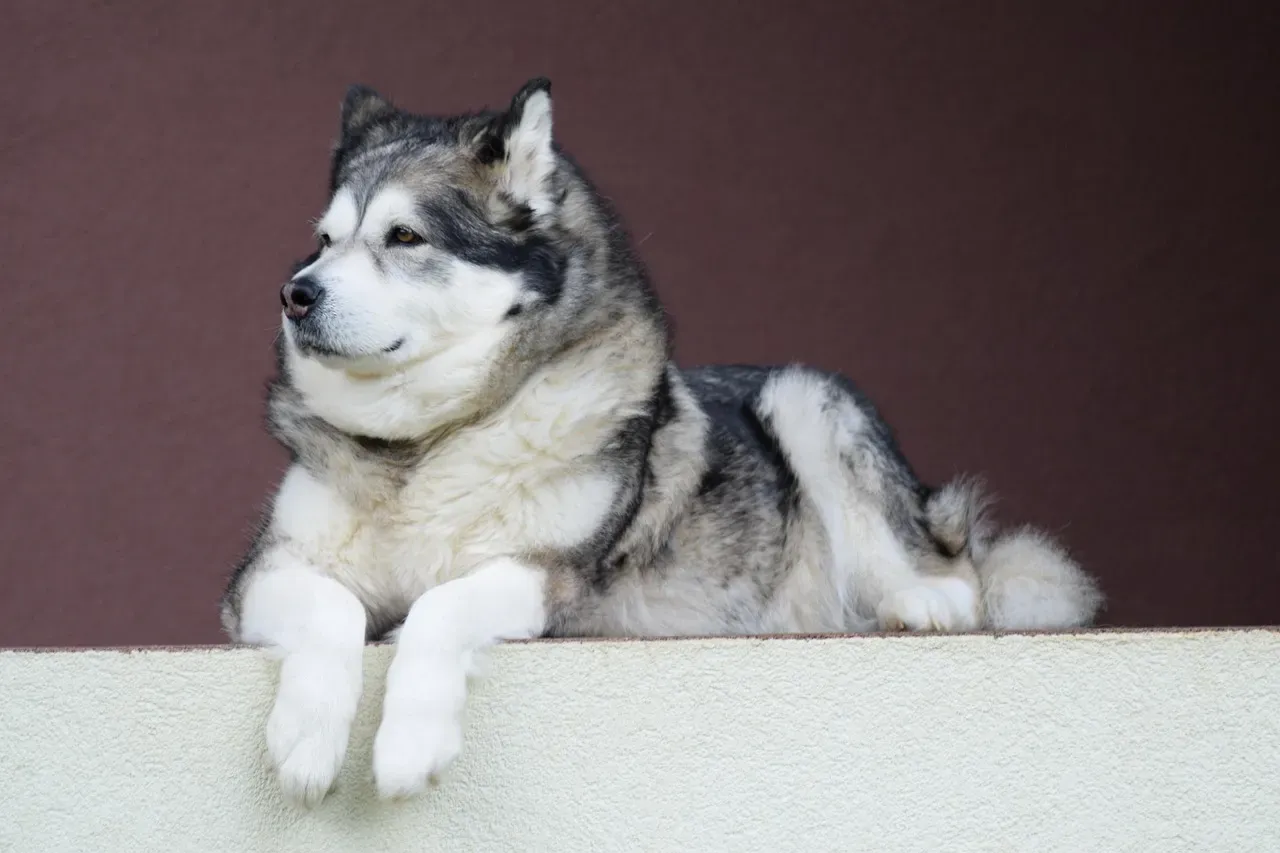
The Alaskan Malamute is a large breed of dog that was originally bred for hunting and working in the Arctic, and they are strong, aggressive, and powerful dogs that can be very dangerous if not properly trained and socialized. These wolf-like beauties look like they stepped off a winter postcard, but beneath that fluffy exterior lies a dog with serious independence.
They are not recommended for first-time dog owners or families with small children. From their ancestors, they retain a strong drive to pursue and capture prey, sometimes manifesting as attacks against other pets or children, with five deaths attributed to Malamute attacks in the United States between 1966 and 1980. Their sheer size and prey drive make them unsuitable for homes with little ones or other small pets.
4. Siberian Husky
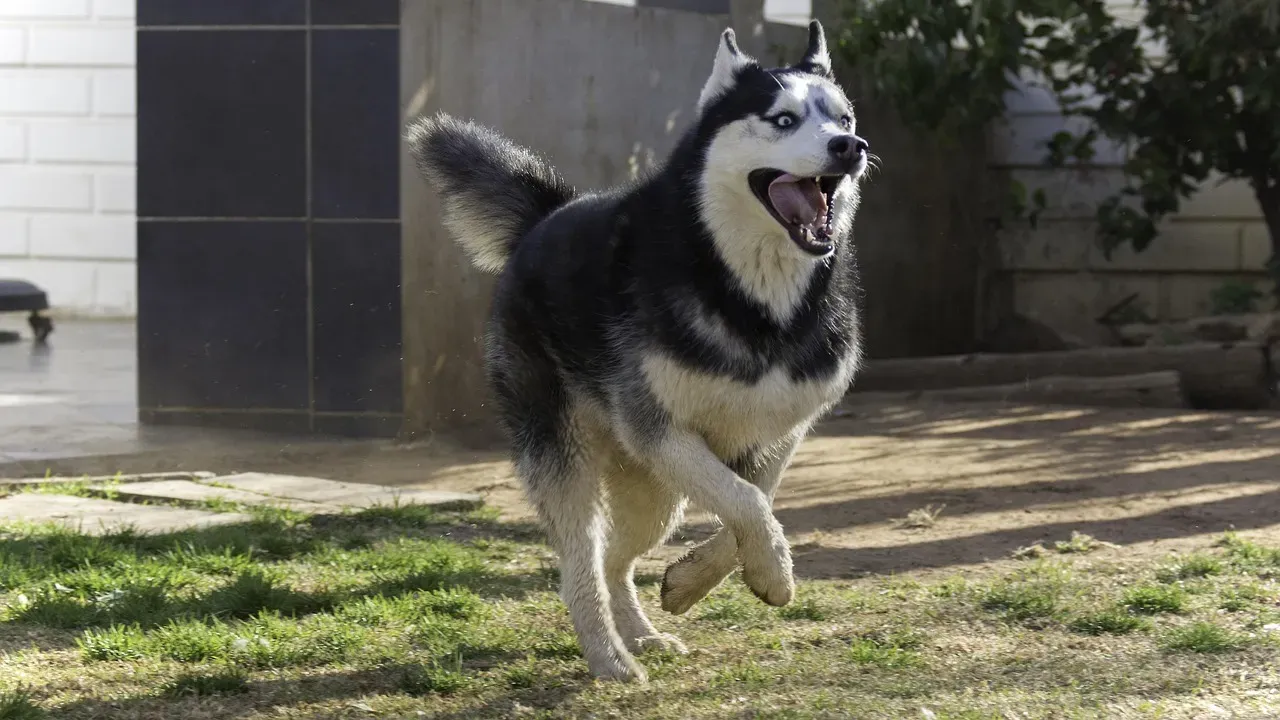
Though sled dogs are known for their friendly and playful nature, Siberian huskies are occasionally involved in serious dog attacks, particularly on children. Their independent streak and strong will can catch inexperienced owners off guard.
Their incredible strength does not exactly make them kid-friendly, and they have an independent and strong-willed nature which means they often try to escape from their yards or homes. Picture this: your Husky spots a squirrel three blocks away and suddenly your fence becomes just a suggestion. They need experienced handlers who understand their unique challenges and can provide endless physical outlets.
5. Akita
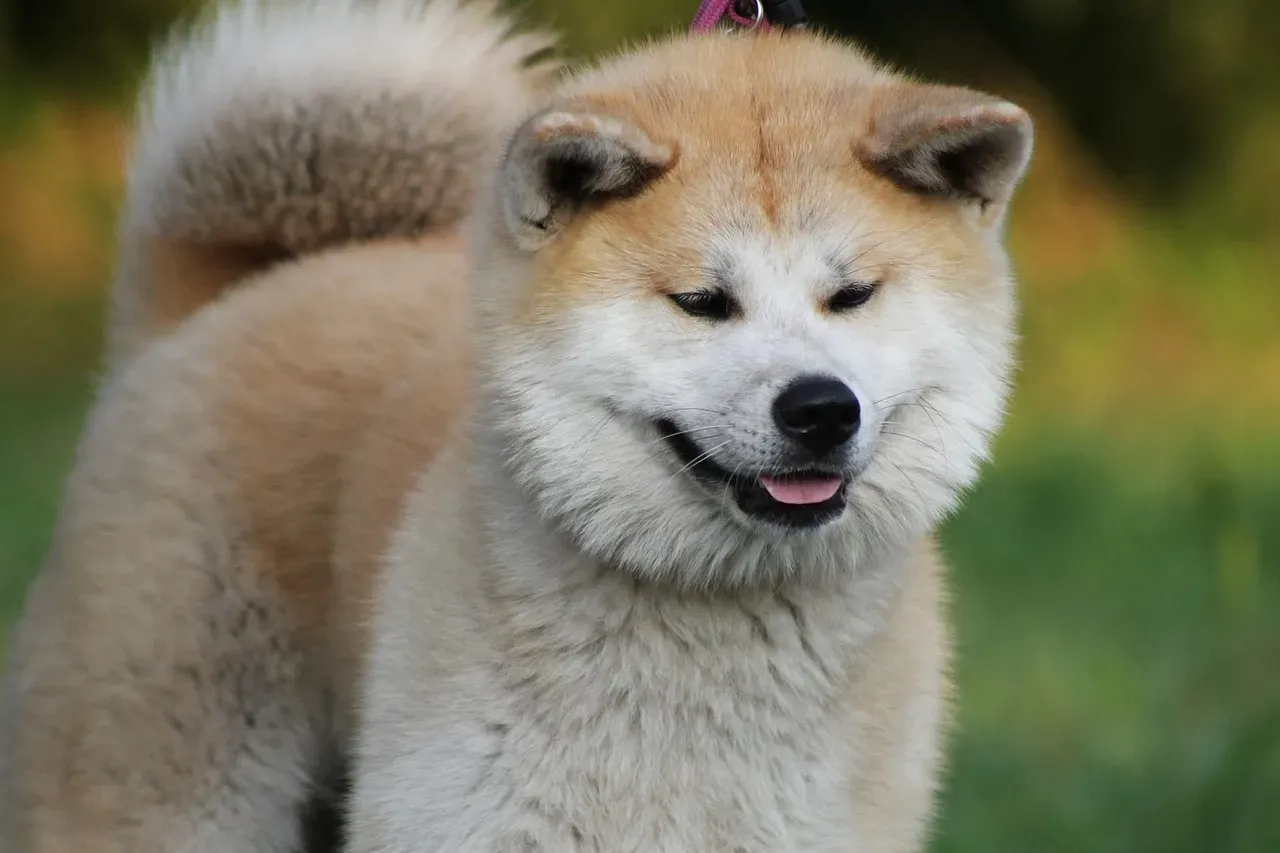
Maybe one of the most stunning breeds you’ll ever see. Akitas are large dogs that can become aggressive with other people or dogs unless they are extremely well-socialized, prone to killing small animals and unlikely to tolerate a child’s teasing, but can be great protective family dogs when well-trained and well-socialized.
The Akita must be socialized and trained from birth to interact with humans and other animals, especially household pets, as they are known to be cautious around new people and to dislike other animals and pets and are not recommended with small families. Let’s be real, not every family has the bandwidth for that level of commitment. This bold breed demands respect and expert guidance that many first-time dog owners simply can’t provide.
6. Chow Chow
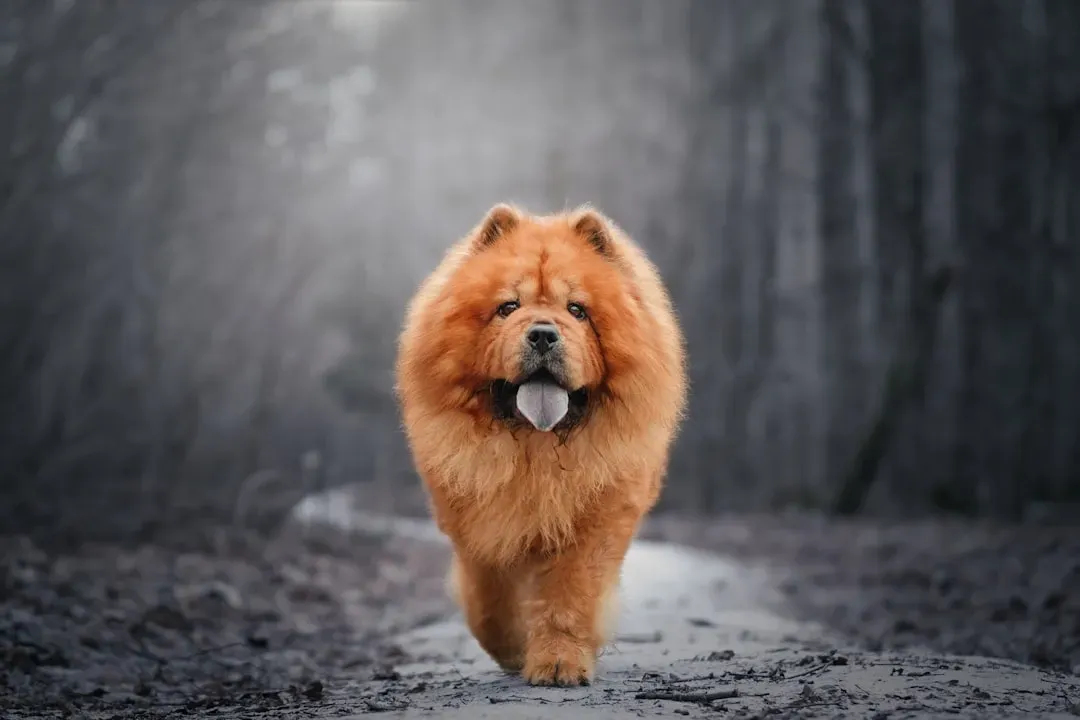
Chow Chows are very independent, strong-willed, and stubborn dogs that can be difficult to train, and without proper socialization, they can easily become aggressive. That fluffy lion-like appearance is undeniably adorable, yet their temperament tells a different story.
Their protective nature and lack of tolerance for teasing or rough handling make them a poor match for families with small children or multiple pets. They’re naturally suspicious of strangers and can react defensively when feeling threatened. Homes with unpredictable toddler behavior or frequent playdates may find this breed challenging to manage safely.
7. Dalmatian

Here’s the thing: those iconic spots made famous by movies masked some real temperament concerns. This breed can be aggressive and a bit stubborn, and constant training is needed to help them mind their manners. Dalmatians originated as war dogs and hunting animals, and today they have a reputation as loyal and friendly companions to their human owners but as wary or even short-tempered with strangers, plus they are a large breed which becomes a recipe for fearsome attacks.
Dalmatians are also high energy and need a healthy dose of daily exercise, and if they get restless, these doggos look to destructive behaviors to relieve their boredom. Families without active lifestyles or those expecting a calm house pet will be sorely disappointed.
8. German Shepherd
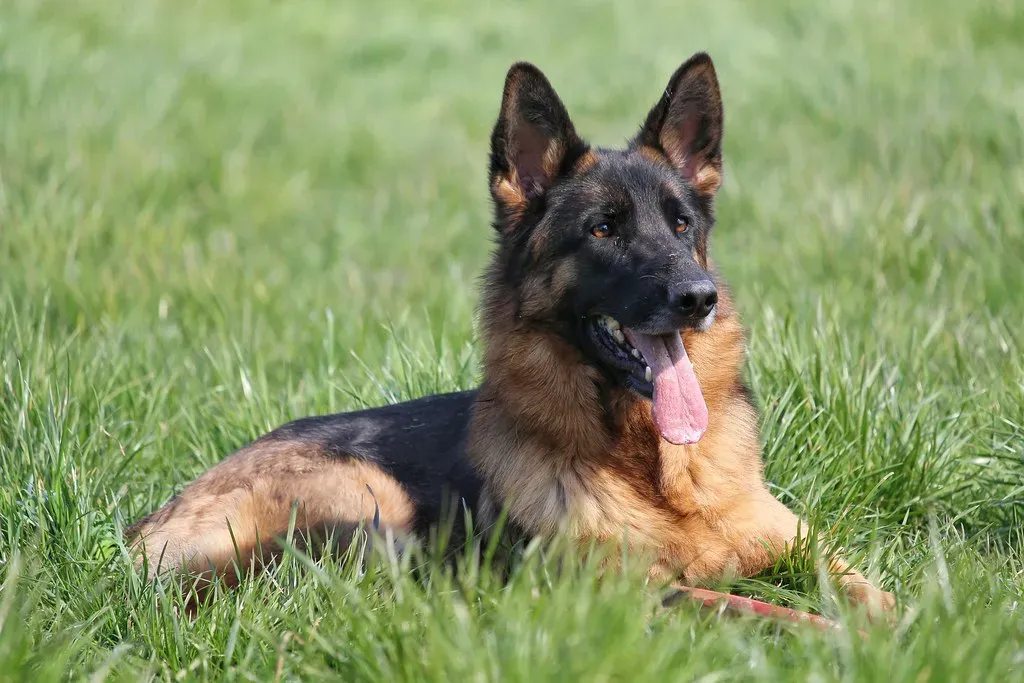
German Shepherds are brilliant, loyal, and incredibly versatile working dogs. Due to the breed’s high prey drive, families with cats and smaller animals should steer clear of the German shepherd, and German shepherds may be more than a novice owner can handle and should be reserved for experienced owners.
Poor training or poor socialization can make them prone to attack humans and smaller dogs, and their considerable jaw strength can exert over 300 pounds of biting force. Their protective instincts combined with their size means mistakes in training can have serious consequences. Busy families who can’t dedicate substantial time to proper socialization might inadvertently create behavioral issues.
9. Doberman Pinscher
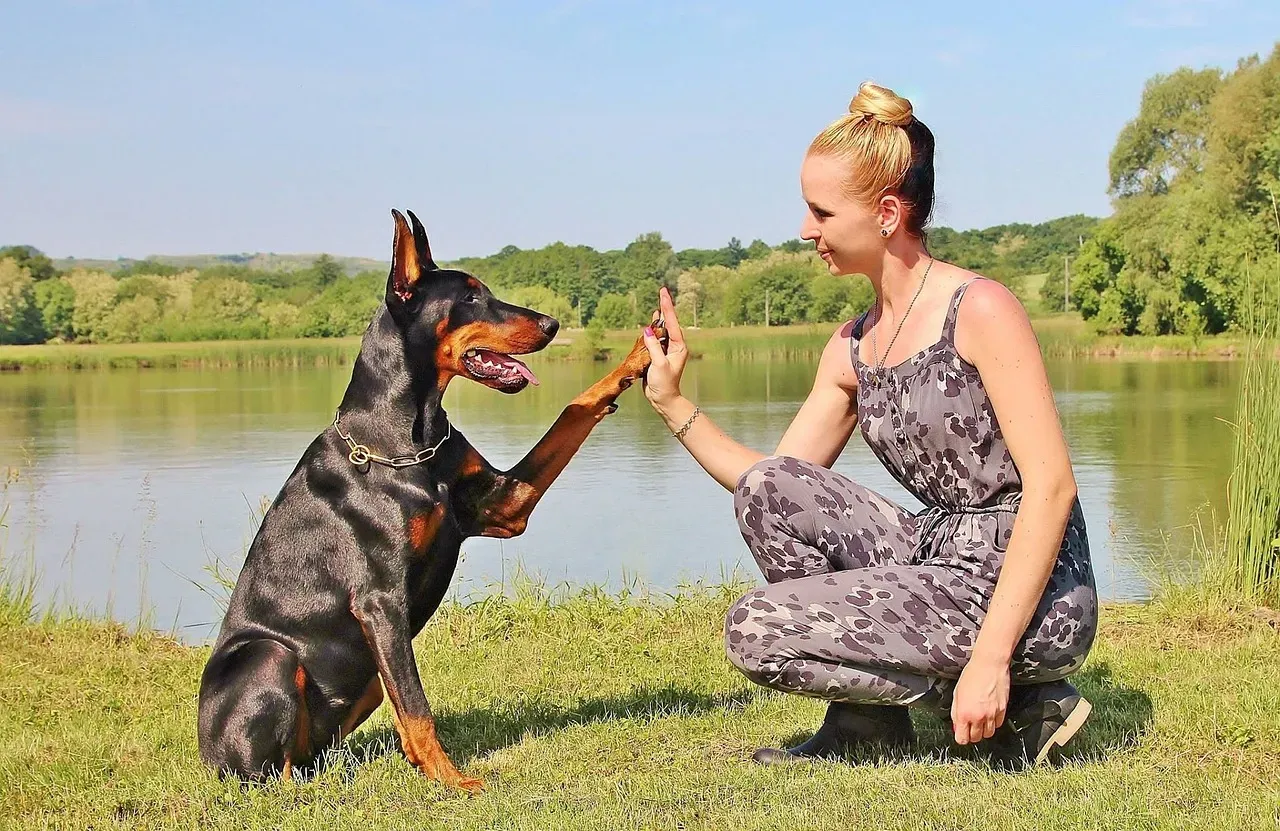
The Doberman was originally bred to be a personal protection dog with traits such as independence, intelligence, and aggressive behavior encouraged and reinforced, and although breeders have tried to tone down the aggression in recent decades, today’s Doberman will often react to strangers with hostility. They’re sleek, athletic, and undeniably striking.
Dobermans don’t have naturally aggressive behavior toward their families but their protective drive can kick into overdrive around strangers or other pets, and they don’t usually play well with other dogs and may view smaller animals as competitors or prey. Homes with constant comings and goings or multiple pets may struggle to keep everyone safe and comfortable.
10. Border Collie
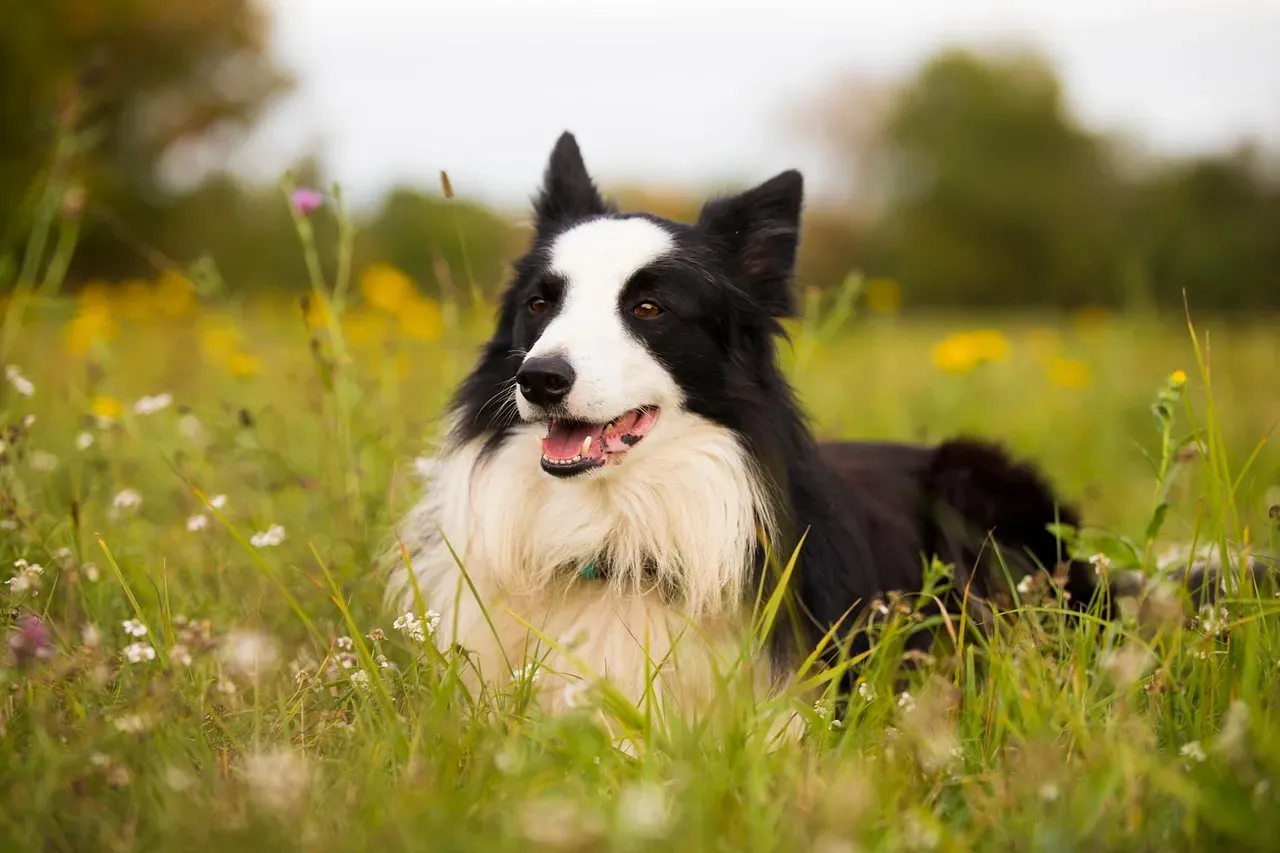
Wait, aren’t Border Collies supposed to be smart and trainable? Absolutely. Many families and new dog owners are tempted to choose a Border Collie puppy, but this decision should never be taken lightly because laser-sharp focus, high intelligence, extreme energy and strong herding instincts make this breed unsuitable for regular family life.
Often considered one of the smartest dog breeds, keeping a Border Collie entertained and exercised can be quite a chore for an owner who is not equally active, and they do best when engaged in a dog sport such as agility or flyball. Without proper outlets, they can become anxious, destructive, and may even try to herd children by nipping at their heels. Regular families looking for a companion rather than a full-time project should think twice.
Conclusion

Choosing the right dog for your family isn’t about labeling breeds as good or bad. It’s about honest matchmaking. These ten breeds bring incredible qualities to the table when placed in the right homes with experienced handlers, proper training, and environments suited to their needs. However, throwing them into unprepared family settings can lead to stress, injuries, and heartbreak on both sides.
If you’re drawn to any of these breeds, take time to honestly assess your lifestyle, experience level, and ability to meet their demanding needs. Consult with veterinarians, professional trainers, and breed-specific rescues before making your decision. Remember, the most loving thing you can do is choose a dog who’ll thrive in your unique family dynamic.
What are your thoughts on breed selection for families? Have you had experience with any of these breeds? Share your story in the comments below.


