
What Secret Signals Does Your Dog Give When They Need Space?
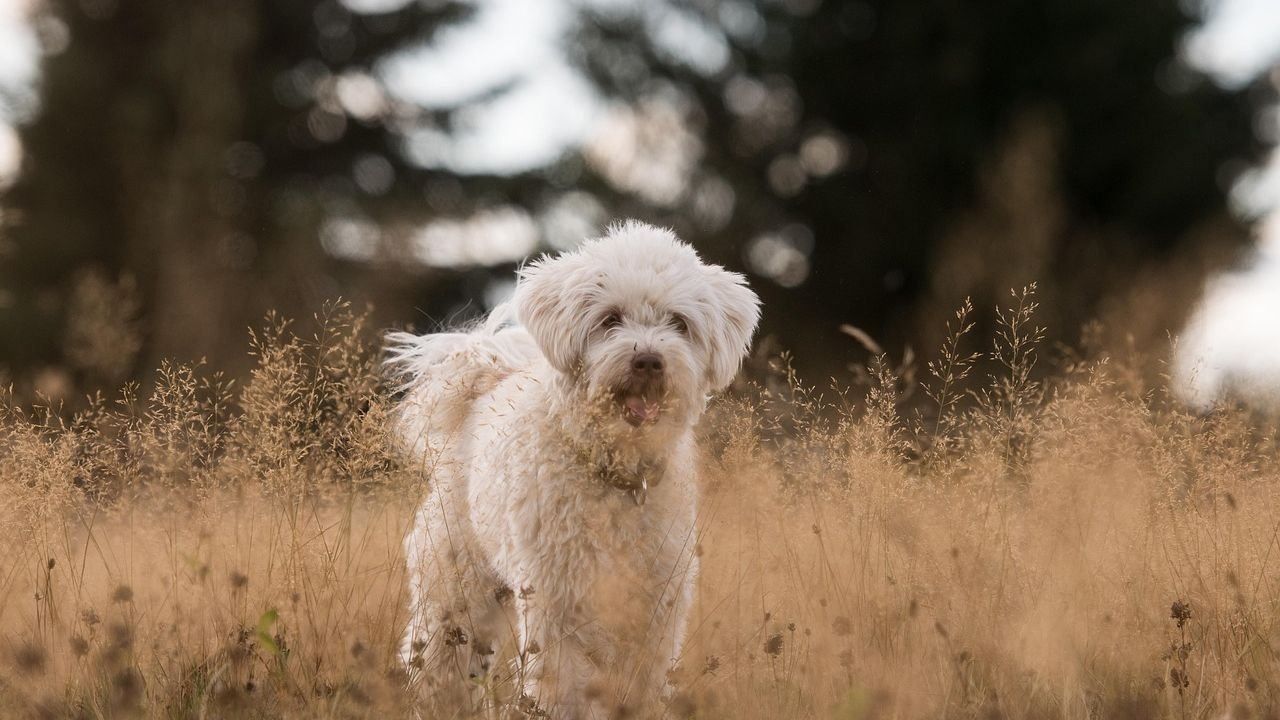
You know that feeling when someone stands just a little too close in line and every fiber of your being wants to step back? Your dog feels that way sometimes too. The difference is, they can’t exactly say “Hey, I need a minute here.” Instead, they’re sending you messages all day long through a sophisticated language of subtle gestures, tiny movements, and fleeting expressions that most of us miss completely.
Here’s the thing. We’re great at noticing the obvious stuff. A wagging tail, a playful bow, maybe even a growl. What we’re not so great at? Catching those quiet whispers your dog offers long before things escalate. Think of it like this: your dog is speaking in lowercase letters, and we’re only listening for the shouts. Let’s change that, shall we?
The Lip Lick That Says More Than Words
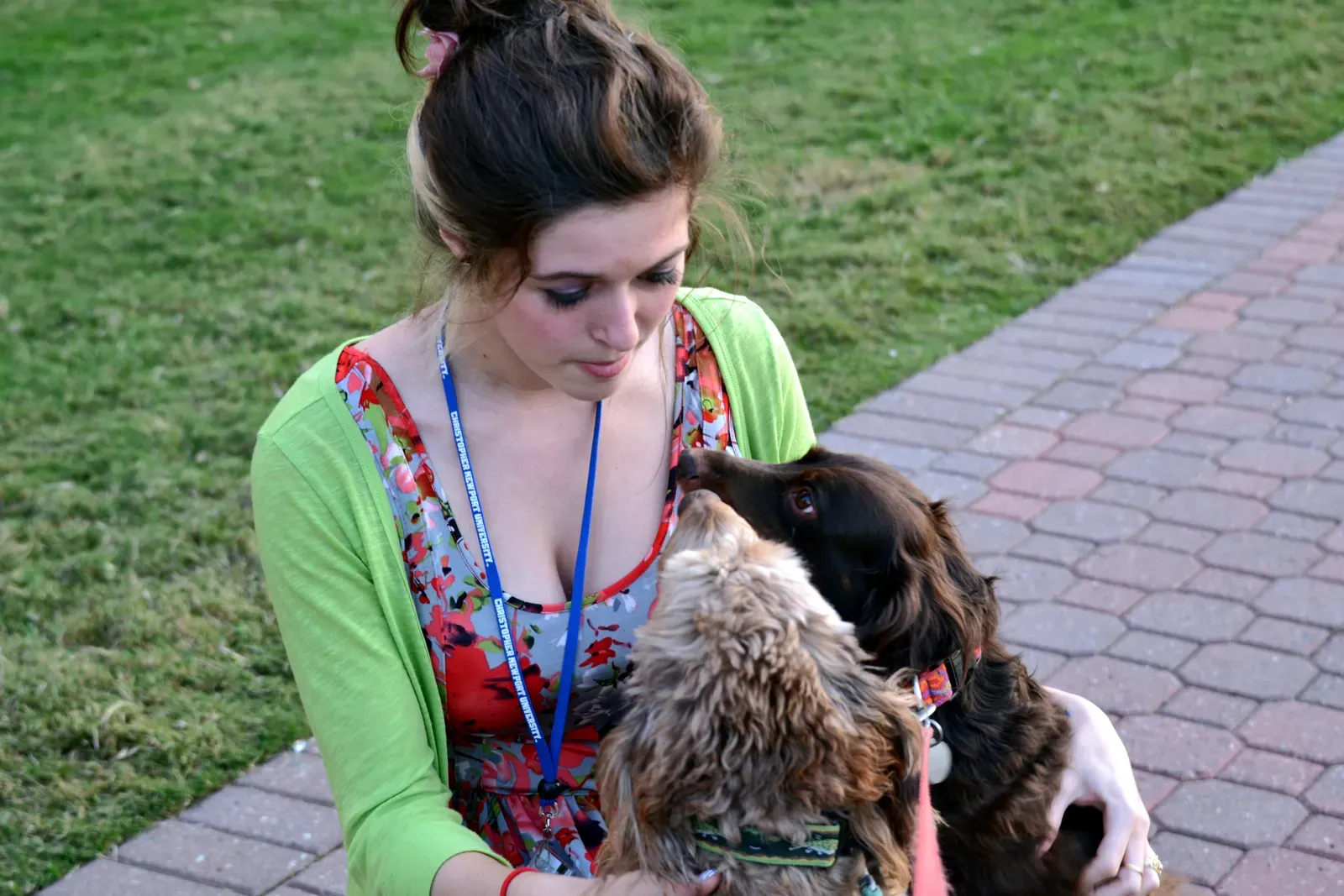
When there’s no food or water around, repeated lip licking may be a calming signal or a way for your dog to self-soothe during a stressful moment. Picture your neighbor reaching down to pat your pup’s head. You see that quick tongue flick, almost like a nervous tic. That’s not about dinner. That’s your dog saying “I’m a bit uncomfortable here.”
Dogs will lick their lips after a delicious meal, but they’ll also do it when they feel anxious, and sometimes the tongue flick is so quick it’s tricky to notice. I’ve watched countless dog owners miss this one entirely because it happens in a blink. Your dog might be standing there looking calm on the surface while their tongue is doing all the talking underneath.
When a Yawn Isn’t Just Tiredness
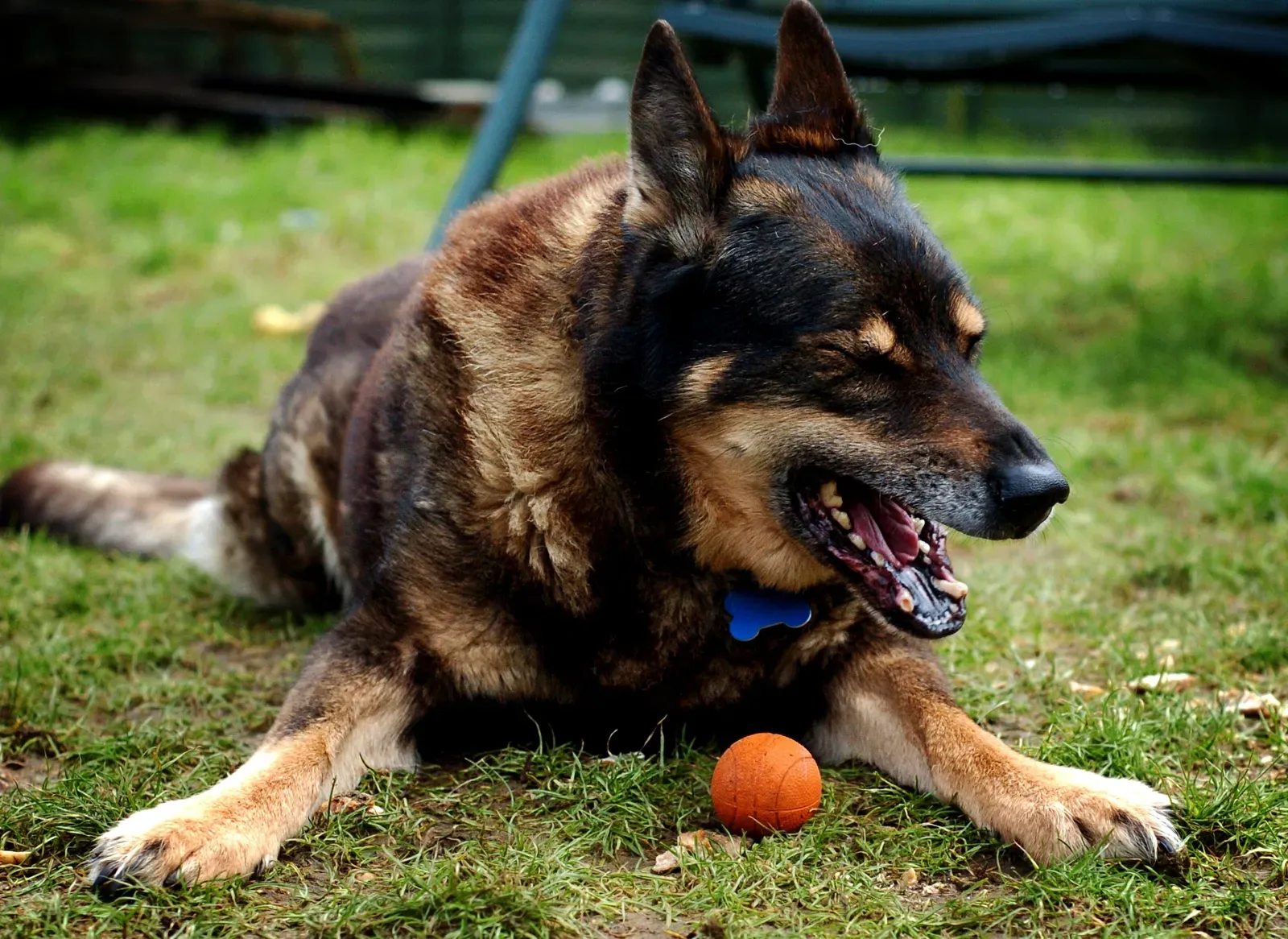
Did your dog just wake up from a nap? Then sure, that yawn makes perfect sense. But dogs yawn when they’re stressed. I know it sounds odd, like discovering your favorite comfort food actually makes you anxious. Yet there it is.
A yawn can mean the dog has just woken up from a nap, but it can also mean he is highly uncomfortable and should be removed from the situation as quickly as possible. The stressed yawn will have the dog open his mouth extra wide, looking a bit exaggerated, or curl the tongue, and he might shake his head slightly as he closes it again. Watch for that exaggerated quality. It’s almost theatrical, like your dog is performing stress relief right in front of you. Context matters enormously here.
The Art of Looking Away
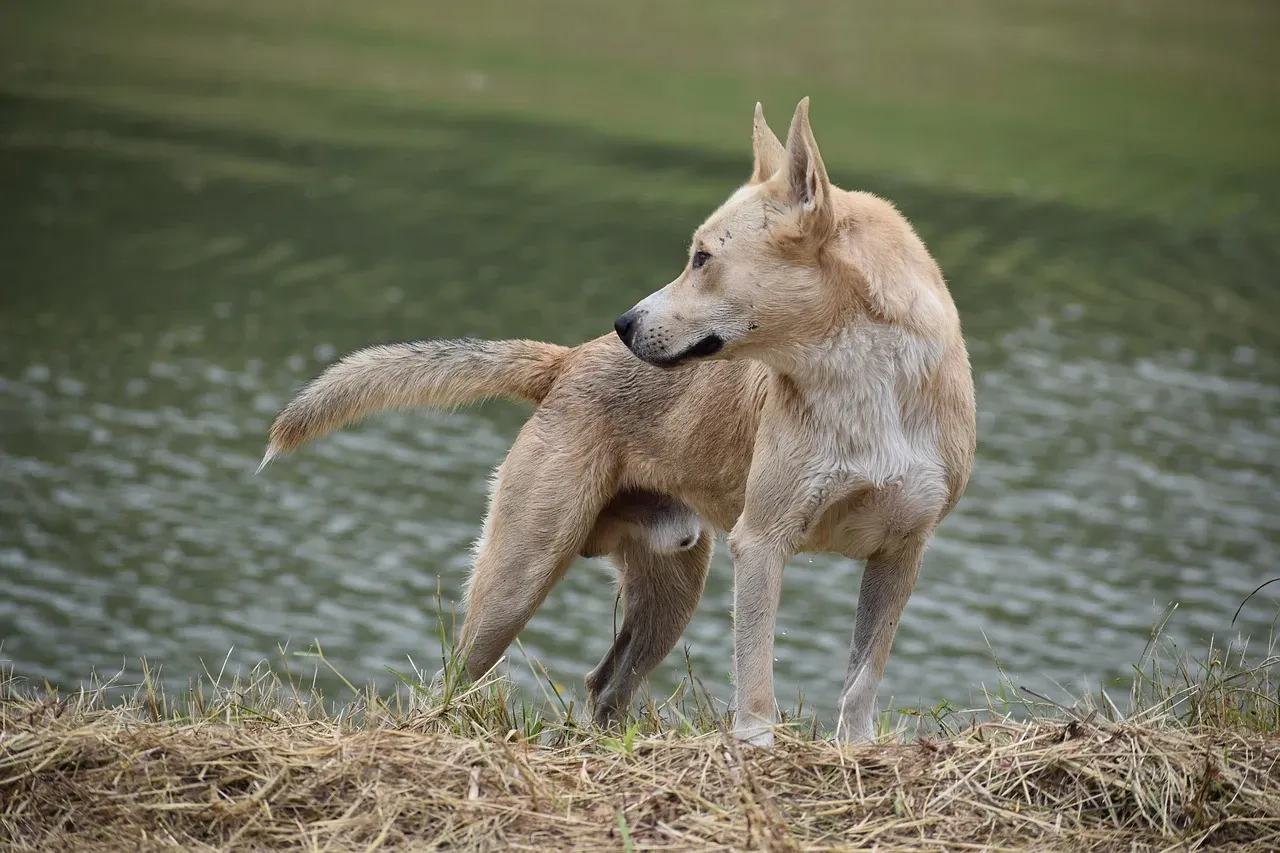
Turning away, refusing to make eye contact, or physically moving away from a stimulus are clear stress signals that indicate the dog wants to increase distance from something uncomfortable. Your dog turns their head away, looks at anything except the stressor, moves behind you, or tries to leave the situation entirely, meaning “I’m not comfortable with this, and I’d like it to stop or I’d like to leave.”
Think about it from your dog’s perspective. Someone is approaching too directly, maybe making intense eye contact. Intense eye contact can be considered a threat. So your clever pup turns their head, breaks that visual connection, and hopes everyone gets the message. It’s actually incredibly polite in dog language.
Sometimes they’ll turn just their head. Other times, they’ll rotate their whole body to face away. Both versions mean the same thing: “Can we dial this down a notch?” Honestly, I think this might be one of the most graceful ways any creature asks for personal space.
Freezing in Place Like a Statue
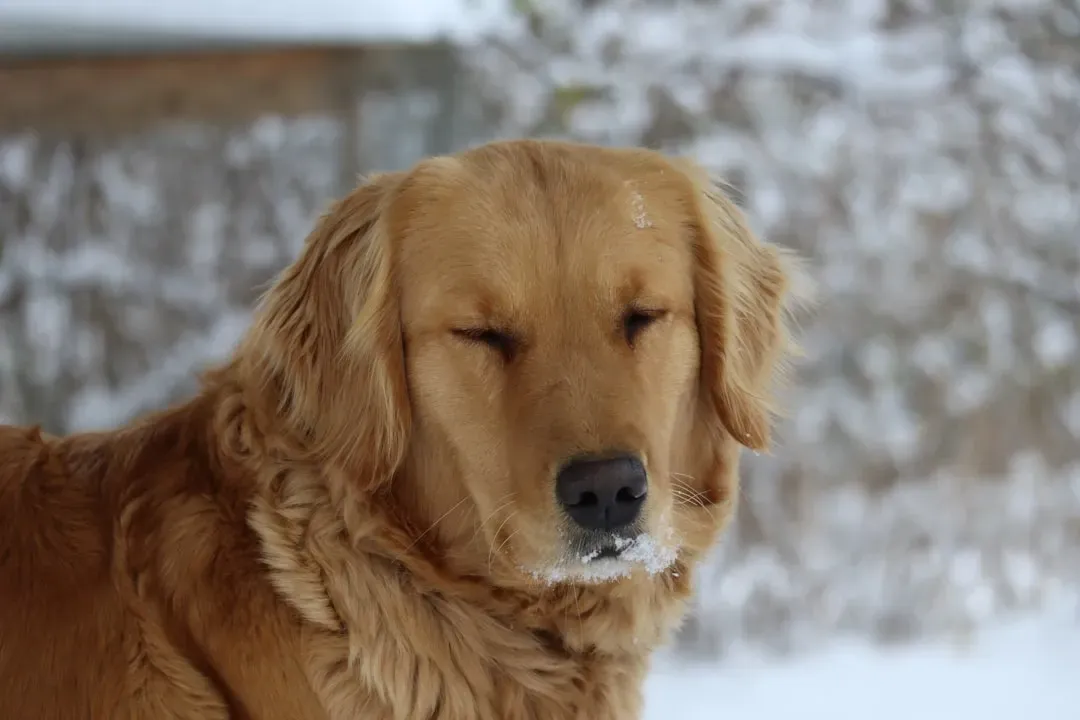
When your dog freezes or gets stiff, they’re often stressed about something they see. In a training context, this can sometimes be seen as submission, but modern dog training practices tell us that the dog is actually shutting down. This can be very dangerous for both you and your dog, and it’s a warning sign that the dog is so stressed that they can’t handle the situation.
Here’s where things get tricky. Some owners see a perfectly still dog and think “Wow, such good behavior!” Really, though? Freezing is when the dog is stopping while standing completely still, sitting or laying down and remaining in that position. When you get angry and aggressive and appear threatening, the dog will often freeze and not move in order to make you be good again. Many owners believe that they have very obedient dogs who is sitting, lying down or standing completely still. That’s not obedience. That’s a dog hitting the panic button.
Displacement Behaviors That Seem Random
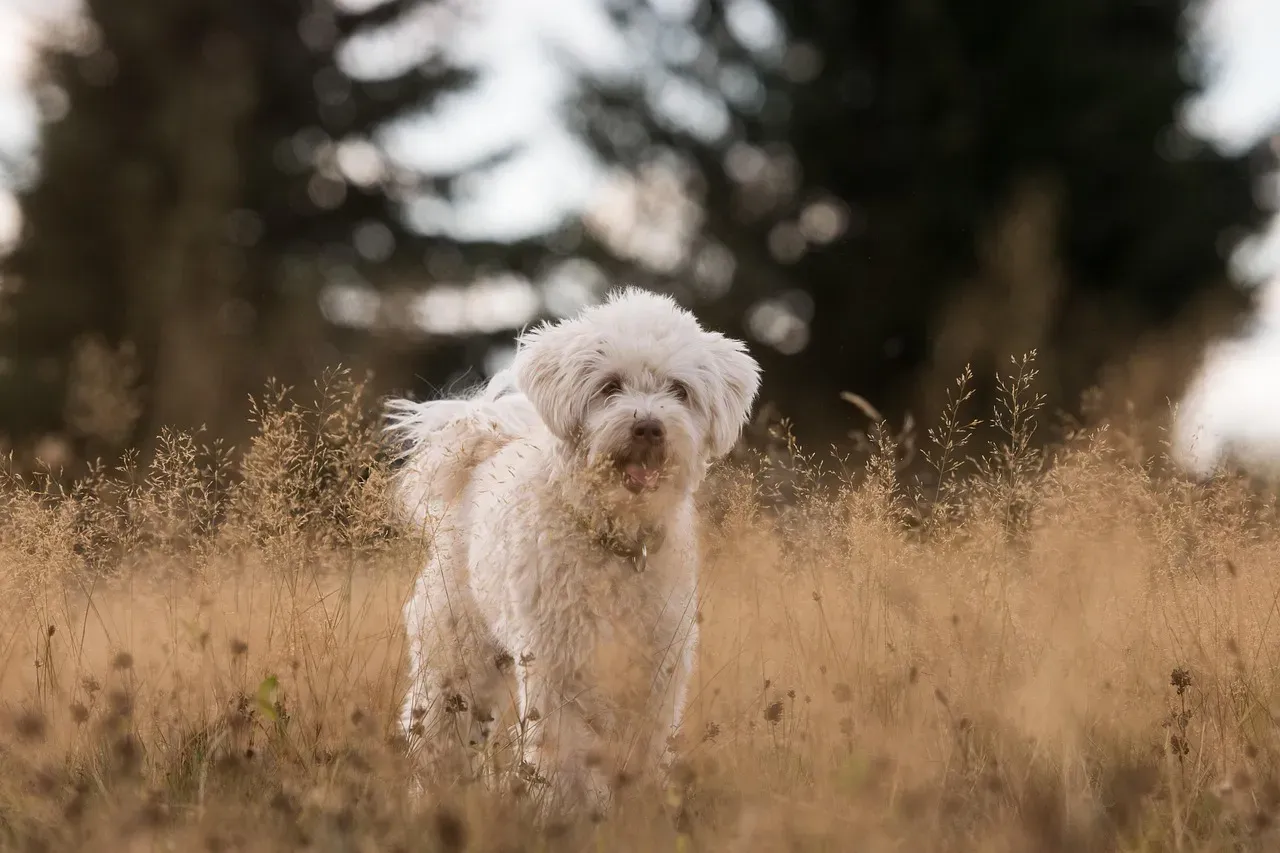
When a dog is stressed, they might show displacement behaviors, also known as calming signals, which can be a variety of activities that might seem inappropriate in the situation. Ever see your dog suddenly start sniffing the ground intensely when there’s clearly nothing there? Or scratching when they don’t have an itch?
Displacement behavior in dogs is when a dog shows an action that seems out of place in the current situation. These behaviors often appear when a dog feels overwhelmed, conflicted, or uncertain. Rather than directly reacting to what is causing the stress, the dog performs a different action to cope. It’s like when you nervously tap your pen during a tense meeting. The pen tapping isn’t the point; managing your internal stress is.
These behaviors include licking the lips, showing the whites of the eye, sniffing the ground, turning away, lifting a front paw, yawning, full-body shaking, and panting. Watch for that sudden shake-off when your dog is completely dry, or the random scratch during introductions to new dogs. Your pup is basically hitting the reset button on their nervous system.
Whale Eye and Other Subtle Face Signals
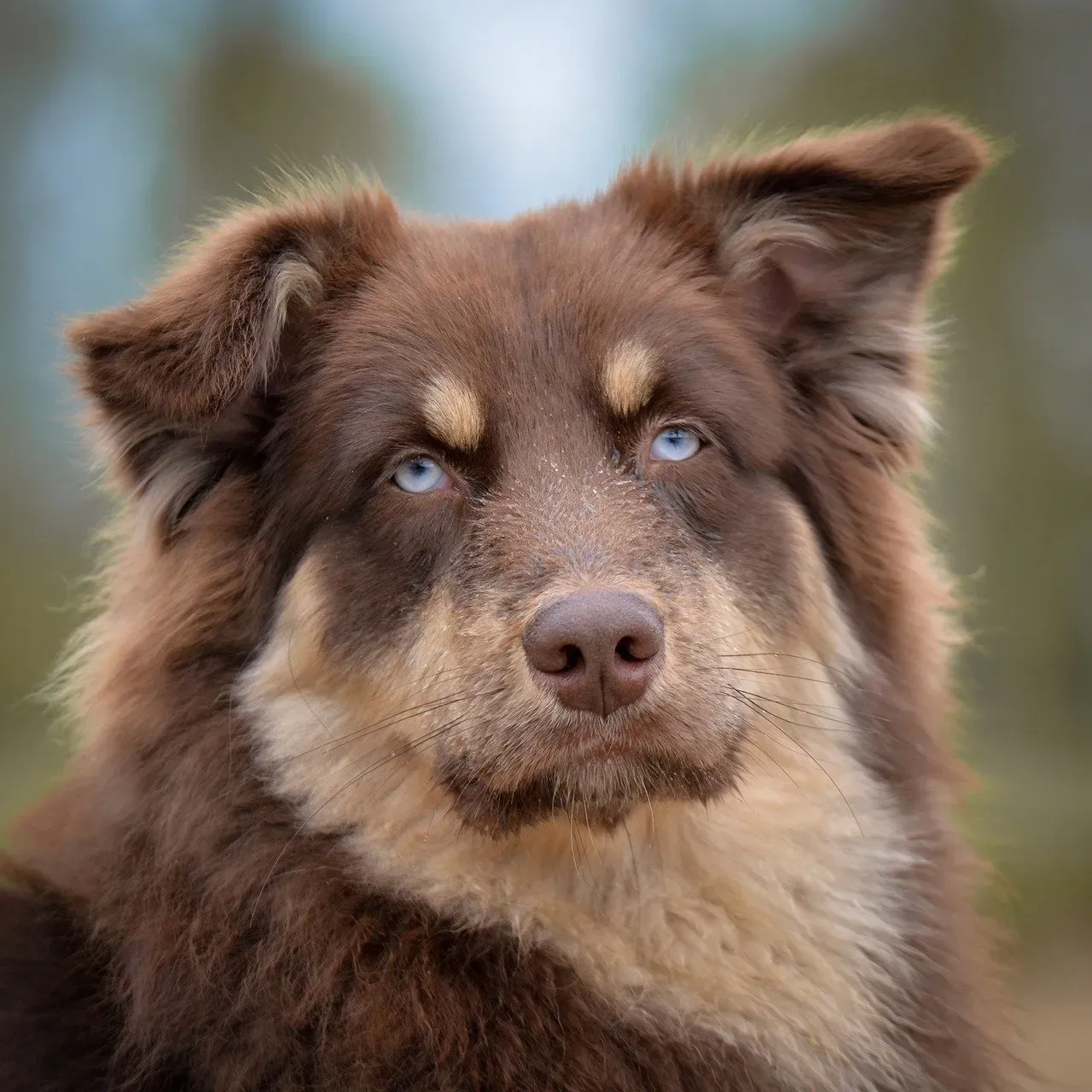
When a dog turns their head but keeps their eyes fixed on something, you’ll see the whites of the eyes, and this “whale eye” often means they feel unsure. Picture the expression someone makes when they’re side-eyeing a situation they don’t trust. That’s whale eye, and it’s your dog’s way of monitoring a threat while trying to appear non-confrontational.
Ears pressed back against their head is also a sign of discomfort. Combine that with a tucked tail, and you’ve got a dog who’s basically screaming “I need space!” in the quietest way possible. A lowered posture, crouching, or trying to make themselves appear small can also be a sign of fear or uncertainty.
The beauty and challenge of understanding these signals? They work together like words in a sentence. One signal might be ambiguous, but three or four happening simultaneously? That’s a clear message you can’t afford to ignore.
Conclusion
Learning your dog’s secret language isn’t just about being a better owner. It’s about honoring the trust they place in you every single day. Dogs naturally use these signals to communicate not only with other dogs, but also with humans, and failure to react to this body language can increase the dog’s stress level, with that stress potentially resulting in the dog escalating his body language to the point of a snap or a bite.
When you start noticing these subtle signals, something beautiful happens. You become your dog’s advocate, their translator in a world that doesn’t always speak their language. You’ll step in before they feel cornered, create space before they feel overwhelmed, and build a relationship based on genuine understanding rather than just commands and obedience.
So next time you’re out with your pup, take a breath and really watch. That lip lick, that head turn, that sudden interest in absolutely nothing on the ground. They’re all part of a conversation your dog desperately wants you to join. What signals have you noticed your dog giving lately?