
7 Worst Dog Breeds for Small Historic Homes in Massachusetts
Living in one of Massachusetts’ charming historic homes feels like stepping back in time. The narrow staircases, compact room sizes, and close quarters with neighbors all add character to these centuries-old properties. Yet if you’re a dog lover hoping to add a four-legged friend to your colonial or Victorian dwelling, not every breed will thrive in these tight spaces.
These historic homes are typically described as small, cute, or quaint, with bungalows being even smaller. The reality is, choosing the wrong breed can lead to stress for both you and your pup. Some dogs simply need more room to roam, higher ceilings to accommodate their size, or wide open spaces to burn off energy. Let’s explore which breeds might struggle most in these beloved but compact New England homes.
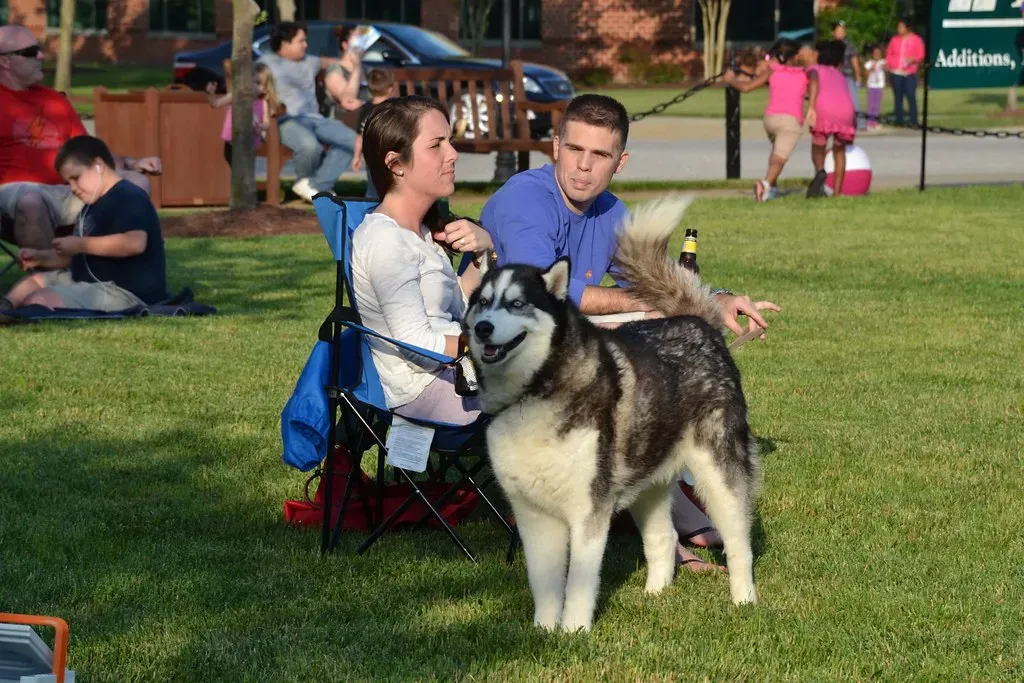
Siberian Husky: The Sled Dog That Needs Wide Open Spaces
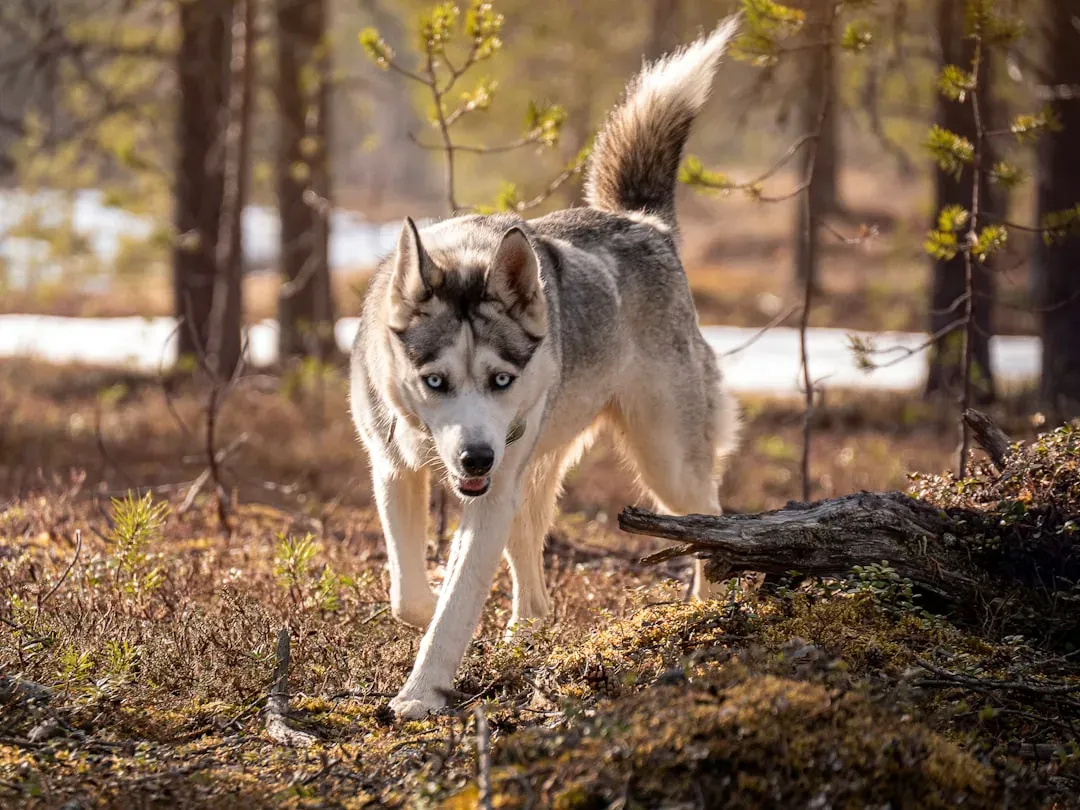
Siberian Huskies are the ultimate sled dogs, friendly and playful, thriving in active homes, though they’ve been known to jump fences when bored. Honestly, trying to keep a Husky happy in a small historic home is like asking a marathon runner to train in a closet. These dogs were bred to run dozens of miles across frozen tundra. Your cozy colonial simply won’t cut it.
The narrow hallways and steep staircases common in Massachusetts historic homes pose another challenge. Siberian Huskies are known for their remarkable endurance and high energy, originally bred for pulling sleds with a natural drive for physical activity, making them independent and strong-willed dogs requiring an active lifestyle to prevent boredom or destruction. Without adequate space and exercise, you’ll likely come home to chewed furniture and howling complaints from neighbors who share your century-old walls.
Here’s the thing: Huskies are also escape artists. If your historic property has a small fenced yard, don’t be surprised if your clever canine finds a way out. They need extensive daily exercise and mental stimulation that a cramped living situation simply can’t provide.
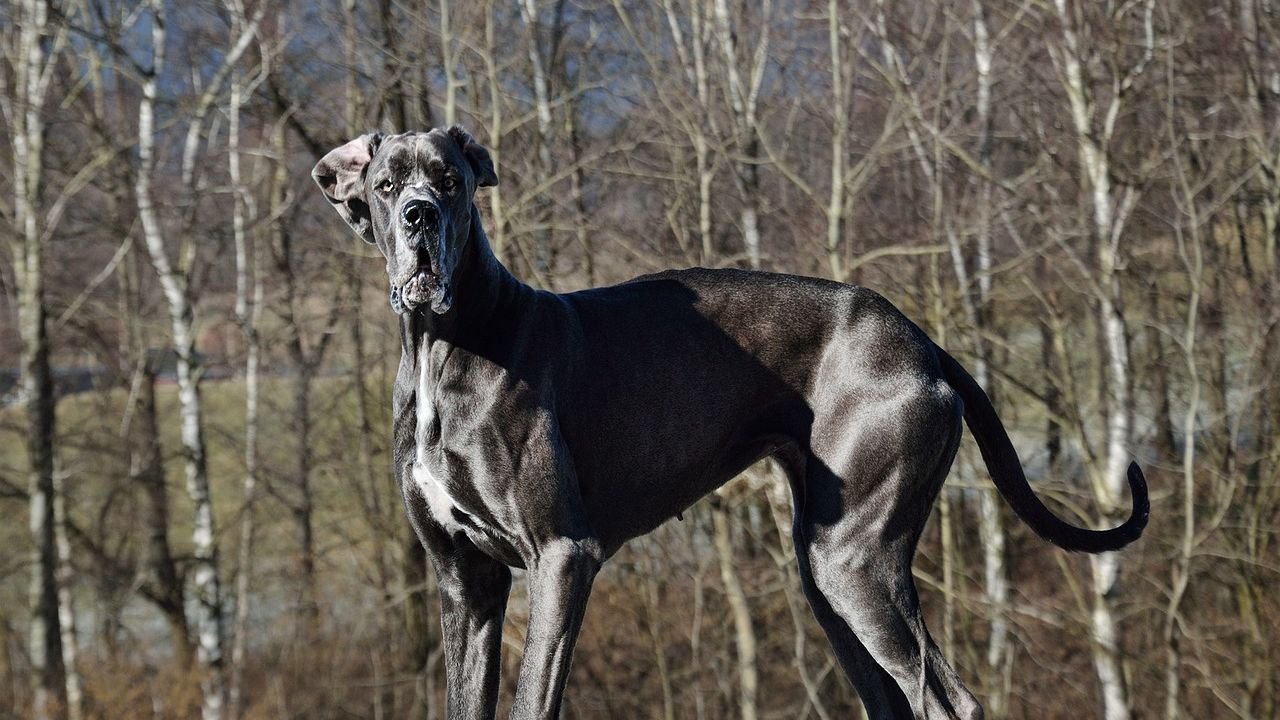
Great Dane: Gentle Giants in Tiny Quarters
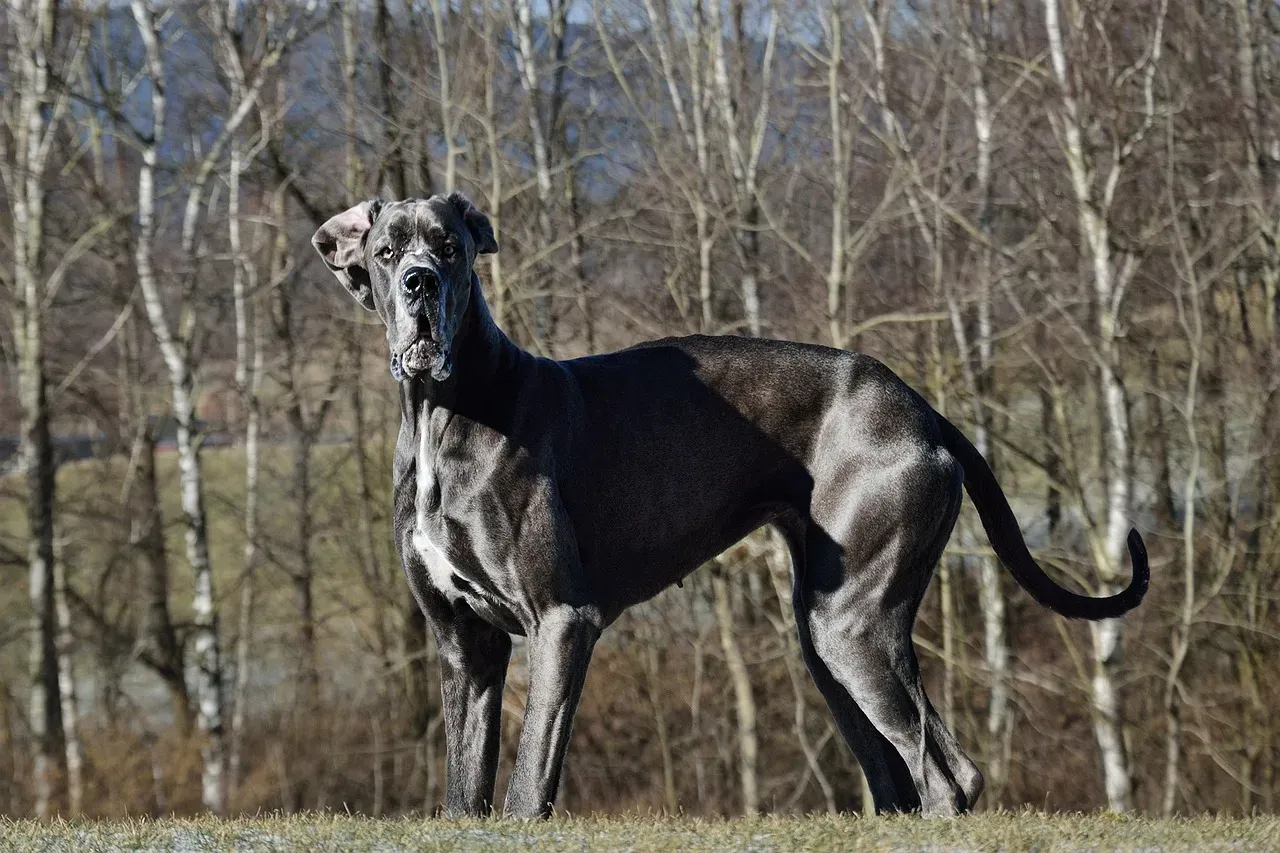
Their large size makes navigating tight spaces or stairs challenging, especially if they develop joint issues later in life, and even their quiet movements can create noise that might disturb neighbors in close quarters. Picture a Great Dane trying to turn around in a narrow Federal-style hallway. It’s not pretty, and it’s certainly not practical.
These dogs can weigh over 150 pounds and stand nearly three feet tall at the shoulder. In a small historic home with low ceilings and compact rooms, a Great Dane will constantly bump into furniture, knock over lamps with their enthusiastic tail wags, and struggle to find comfortable resting spots. Despite their size and strength, Great Danes have delicate joints and are prone to hip and elbow dysplasia.
The steep, narrow staircases found in many Massachusetts historic homes present serious risks for these gentle giants. Their sheer size combined with joint vulnerabilities means every trip up or down those century-old steps could lead to injury. Add in the reality that you might eventually need to carry an injured or elderly Great Dane up those stairs, and you’ve got a recipe for disaster.
Border Collie: Too Smart and Energetic for Confined Spaces

Border Collies, Australian Shepherds, and other herding breeds need a mix of mental and physical stimulation, with activities like agility courses, herding balls, or frisbee games being ideal, requiring at least 60 minutes of physical activity plus additional time for mental enrichment games. These dogs are basically canine geniuses who need jobs to do. Without proper outlets, they become anxious, destructive, and downright miserable.
I think what most people don’t realize is that a bored Border Collie doesn’t just chew a slipper. They’ll systematically dismantle your antique furniture, scratch historic woodwork, and bark incessantly. Herding breeds like Border Collies often do badly in apartments due to lack of space, and without the mental and physical stimulation of outdoor space to run and explore, hyper-intelligent and high-energy breeds can become bored and their mental health can suffer.
The confined rooms and lack of a large yard in most historic Massachusetts properties means your Border Collie won’t get the exercise they desperately need. These dogs were bred to herd sheep across vast pastures all day long. A quick walk around the block won’t satisfy their drive.
German Shepherd: Size, Energy, and Noise Concerns
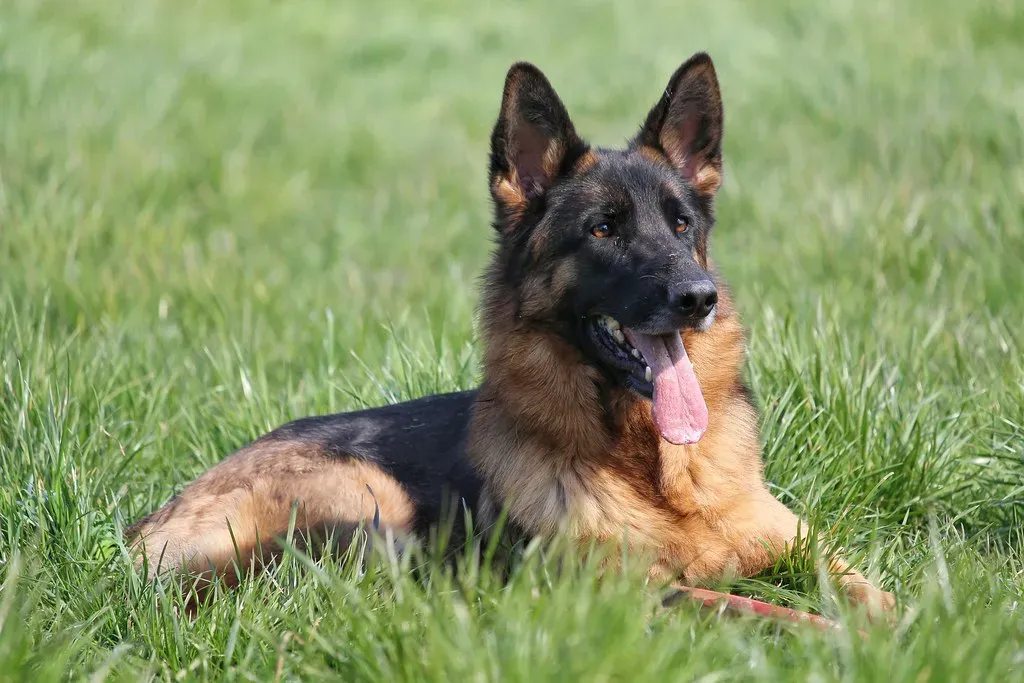
Certain larger breeds like Rottweilers and German Shepherds are especially prone to developing hip dysplasia, and studies have shown being forced to climb stairs can contribute, making stairs not recommended for larger breed puppies. Those charming but steep historic staircases? They’re potential hazards for German Shepherd puppies and senior dogs alike.
German Shepherds are large, powerful dogs that need substantial space and vigorous daily exercise. The typical recommendation for larger breeds like Dobermanns, great Danes, Labrador retrievers, and Rottweilers is more than two hours per day. Meeting those exercise needs when you’re living in a compact historic home with limited yard space becomes a serious challenge.
Let’s be real: German Shepherds are also naturally protective and can be vocal. In close quarters with neighbors sharing thin walls, their alert barking could become a real problem. These dogs need room to patrol and a job to do. A cramped colonial doesn’t offer either.
Weimaraner: The Gray Ghost That Haunts Small Spaces

Weimaraners are known for their striking appearance and boundless energy, originally bred as hunting dogs with high stamina needing a lot of exercise to stay content, making them a great choice for an active companion for running or hiking. Notice the emphasis on “running” and “hiking”? Small historic homes don’t typically come with jogging trails attached.
This breed needs at least 60 to 90 minutes of exercise daily and will thrive in an environment where they can run off-leash in a safe space, making outdoor activities perfect. Your quaint Victorian with a postage-stamp yard simply doesn’t provide what this breed requires. Without proper outlets, Weimaraners become anxious, destructive, and develop behavioral problems.
These dogs also suffer from severe separation anxiety. When you leave them alone in a confined space all day, the results can be devastating. Think destroyed door frames, scratched historic floors, and neighbors complaining about hours of howling.
Dalmatian: High Energy and Historic Don’t Mix
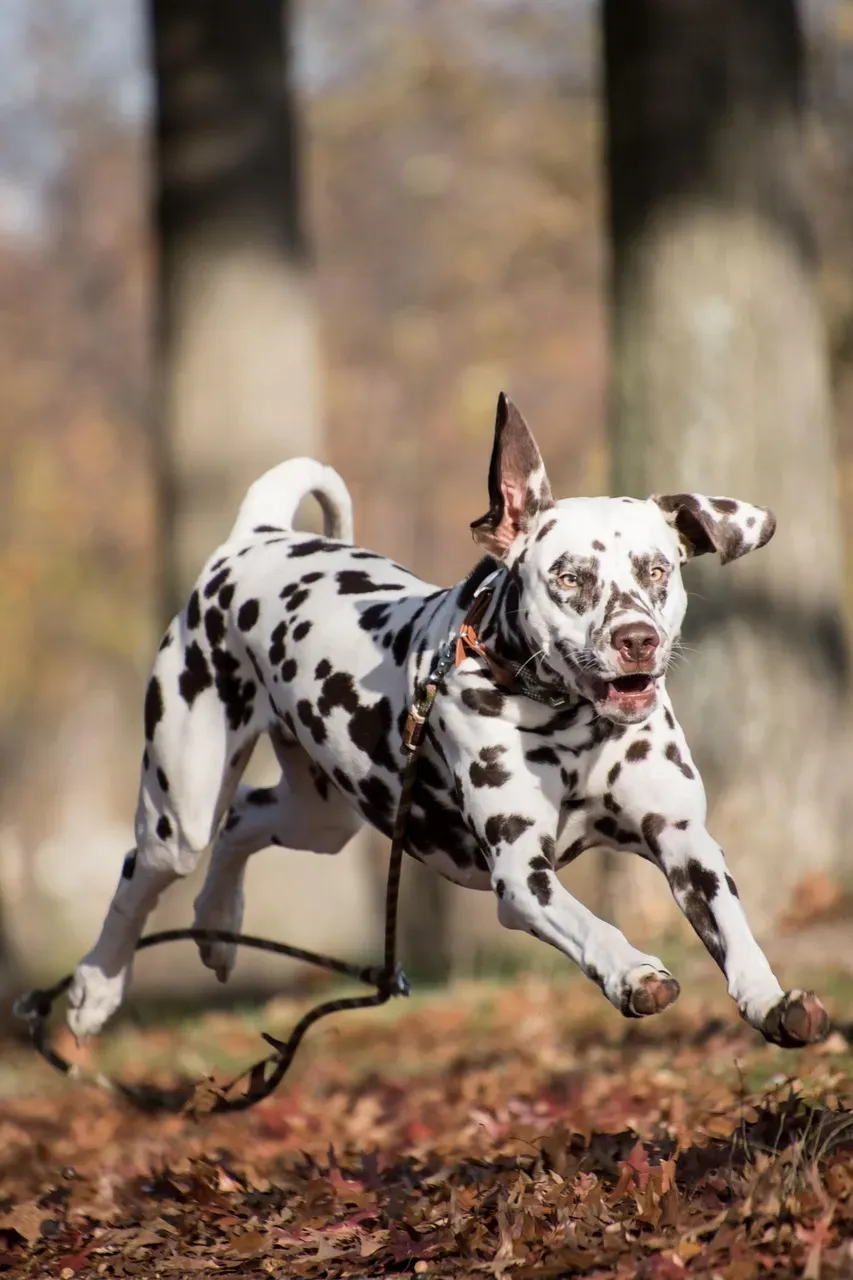
The Dalmatian has a working heritage as a “coach dog,” running alongside horse-drawn carriages for miles, making this a perfect environment for this high-energy breed with endurance that makes it a great running companion. Running alongside carriages for miles. Let that sink in. Now imagine trying to keep that dog happy in a 1,200-square-foot historic home.
Dalmatians need extensive daily exercise and space to move freely. The compact rooms and narrow hallways of historic Massachusetts homes don’t provide enough room for these energetic dogs to burn off their natural energy. Without proper exercise, they become restless and destructive.
They’re also notorious shedders. Those beautiful white coats leave hair everywhere, which becomes especially problematic in small spaces where it accumulates quickly. Add in their tendency toward excessive barking when under-stimulated, and you’ve got a recipe for frustrated neighbors in those close-quarter historic buildings.
Australian Cattle Dog: Bred to Work, Not to Wait

The Australian Cattle Dog, or “Blue Heeler,” is a tough, agile breed originally bred for herding livestock with endless energy and sharp problem-solving skills, doing best in active households, being fiercely loyal and forming strong bonds with their owners. These dogs were designed to work cattle across massive ranches in the Australian outback. Your historic Massachusetts home? Not even close.
Owners of Australian Cattle Dogs in apartments often rearrange their lifestyle completely, running their dogs once if not twice every day, ensuring they play with another dog, play fetch, or take them on two-mile hikes, while providing mental stimulation at work with frozen stuffed Kongs or treat puzzles, because this breed has a lot of energy requiring a specific amount of exercise. Notice how the entire lifestyle revolves around managing this dog’s energy? That’s not sustainable for most people in small historic homes.
Without adequate exercise and mental stimulation, Australian Cattle Dogs become destructive and vocal. They might also try to “herd” family members, especially children, nipping at heels in confined spaces. These behaviors become magnified in tight quarters where the dog feels frustrated and bored.
Finding the Right Fit for Your Historic Home
Choosing a dog for your Massachusetts historic home requires honest assessment of your space and lifestyle. Those steep staircases, compact rooms, and proximity to neighbors all matter when selecting a breed. While the dogs on this list are wonderful companions in the right environment, they struggle in confined historic properties.
The breeds we’ve discussed need extensive exercise, wide open spaces, and room to move freely. Historic homes with their period charm simply can’t accommodate these requirements without significant stress on both dog and owner.
What do you think? Have you tried keeping a high-energy breed in a small historic space? The reality is, sometimes the most loving choice is recognizing when your living situation doesn’t match a particular breed’s needs. Your future furry friend will thank you for choosing wisely.