
8 Small Dog Breeds That Vets Say Should Never Be Kept With Families
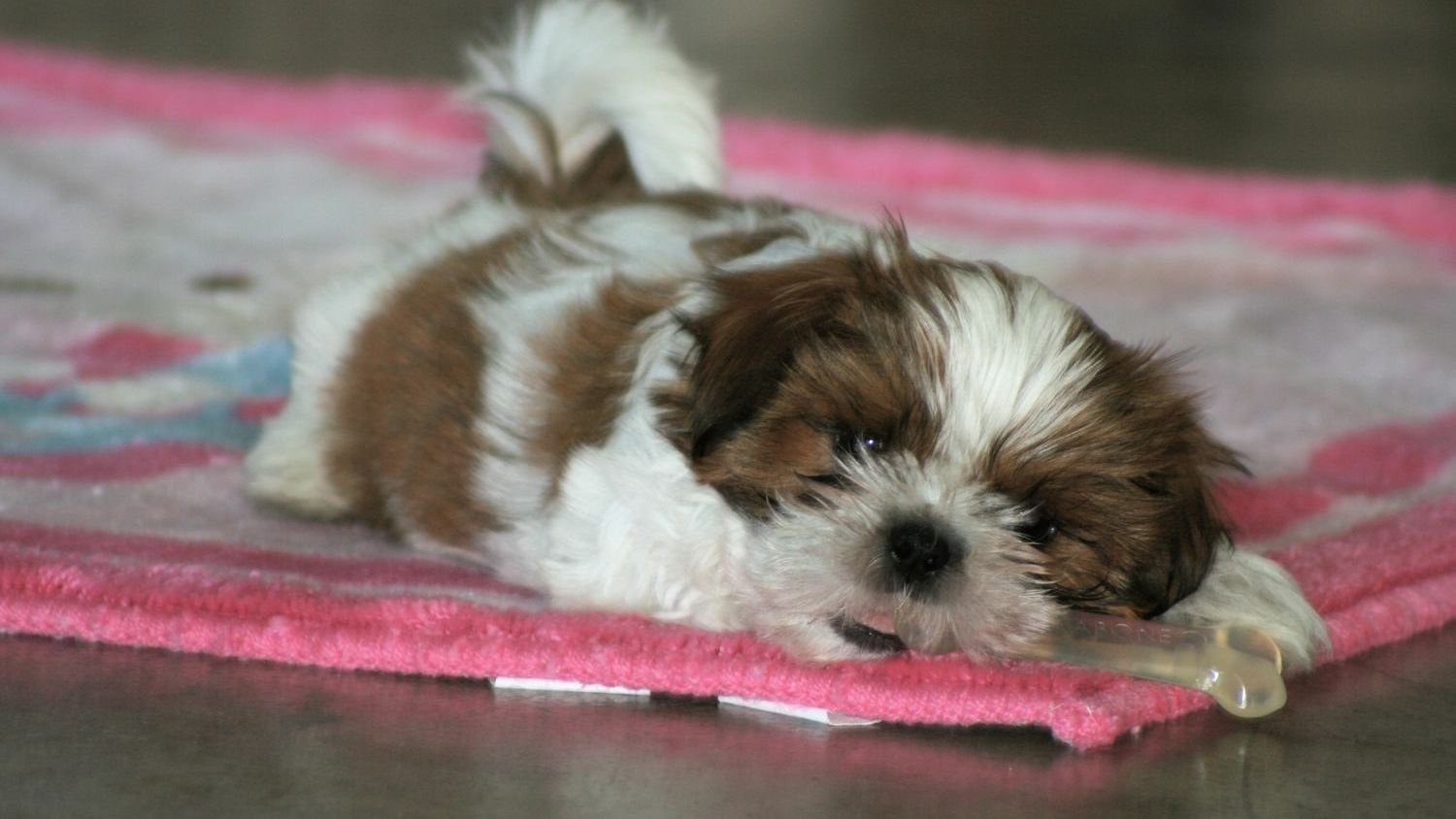
Choosing a dog for your family is one of the most exciting decisions you’ll ever make. You imagine cozy evenings with everyone snuggled on the couch, giggles echoing through the backyard, and a loyal companion who’ll grow up alongside your kids. Yet not all dogs are cut out for the chaos and unpredictability that comes with family life, especially when young children are involved.
Small dogs, with their adorable faces and pocket-sized frames, seem like the perfect fit for homes with limited space. They’re easy to transport, don’t eat as much, and can curl up anywhere. Here’s the thing though: size doesn’t always equal suitability. Some small breeds have temperaments, health challenges, or behavioral tendencies that make them a poor match for families with children. Let’s be real, the last thing you want is a dog who feels constantly stressed or a child who gets nipped because boundaries weren’t respected. So let’s dive into the breeds that veterinarians and canine behavior experts often caution against when it comes to family environments.
Chihuahua: The Tiny Dog With a Mighty Attitude
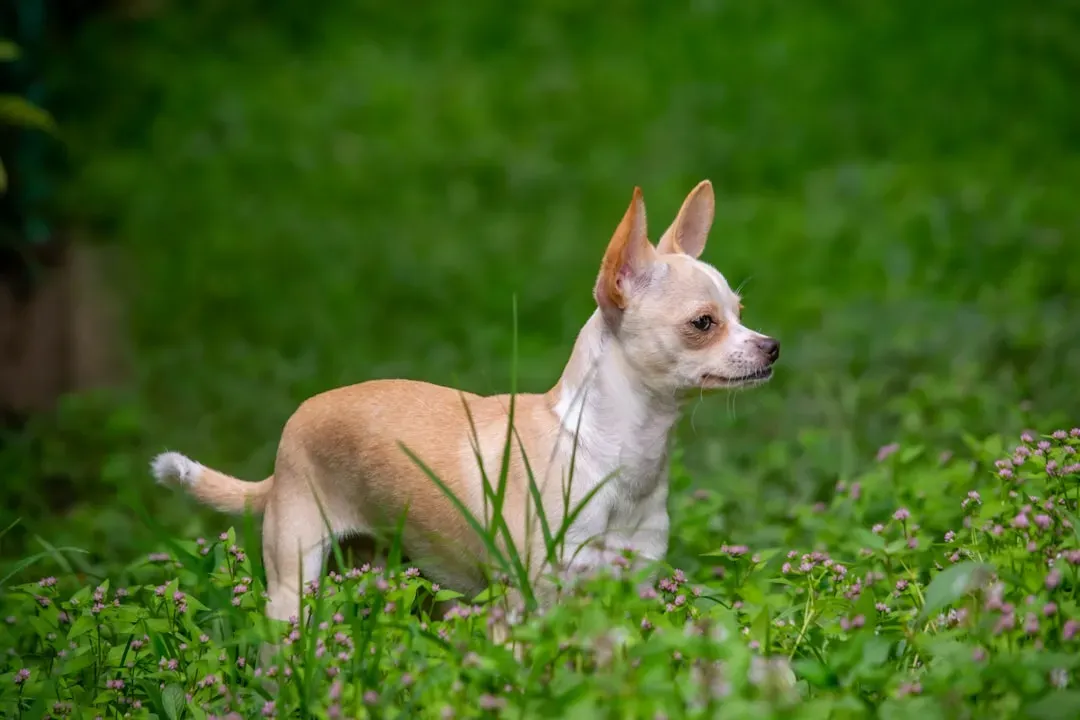
Chihuahuas are known for their big personalities despite being the smallest dog breed, and they can be fiercely loyal to their chosen person but often display suspiciousness towards others. This devotion sounds sweet until you realize it can translate to possessive, reactive behavior around anyone who isn’t their favorite human. Picture a toddler reaching out with sticky fingers, and you’ve got a recipe for stress on both sides.
Many owners find it cute how protective Chihuahuas are, allowing them to indulge in aggressive behaviors like barking, snarling, and lunging that would never be tolerated in larger dogs. This creates a pattern where the dog believes it runs the household. Kids, with their sudden movements and high-pitched voices, can trigger anxiety or defensiveness in these pint-sized pups. Some studies have found that dachshunds are more prone to violence against both other dogs and people than even the most feared big dogs, yet Chihuahuas aren’t far behind in temperament challenges.
Their fragility is another concern. Weighing in at just six pounds or less, a Chihuahua can be seriously injured during rough play or if accidentally stepped on. It’s hard to say for sure, but in homes where chaos is the norm, these delicate dogs are constantly at risk.
Dachshund: The Badger Hunter Who Never Backs Down

Those long bodies and short legs might look comical, yet dachshunds were bred to dig into badger burrows and kill badgers in Germany, and they have willful, aggressive natures and never back down from a fight. This tenacity made them excellent hunters, yet it also means they’re not naturally inclined to tolerate being poked, prodded, or chased by enthusiastic children.
Dachshunds can be aggressive towards strangers and have persistent barking issues, though with proper training they can be social and kid-friendly. The problem is that training requires consistency and patience, two things that can be in short supply in busy family households. Without it, you might end up with a dog who snaps when a child tries to take away a toy or gets too close during mealtime.
Their elongated spine is also incredibly vulnerable to injury. Kids who don’t understand the need for gentle handling might pick up a Dachshund incorrectly, leading to serious back problems or even paralysis. Honestly, the risk just isn’t worth it for most families with young children.
Pekingese: The Imperial Lap Dog With Zero Patience
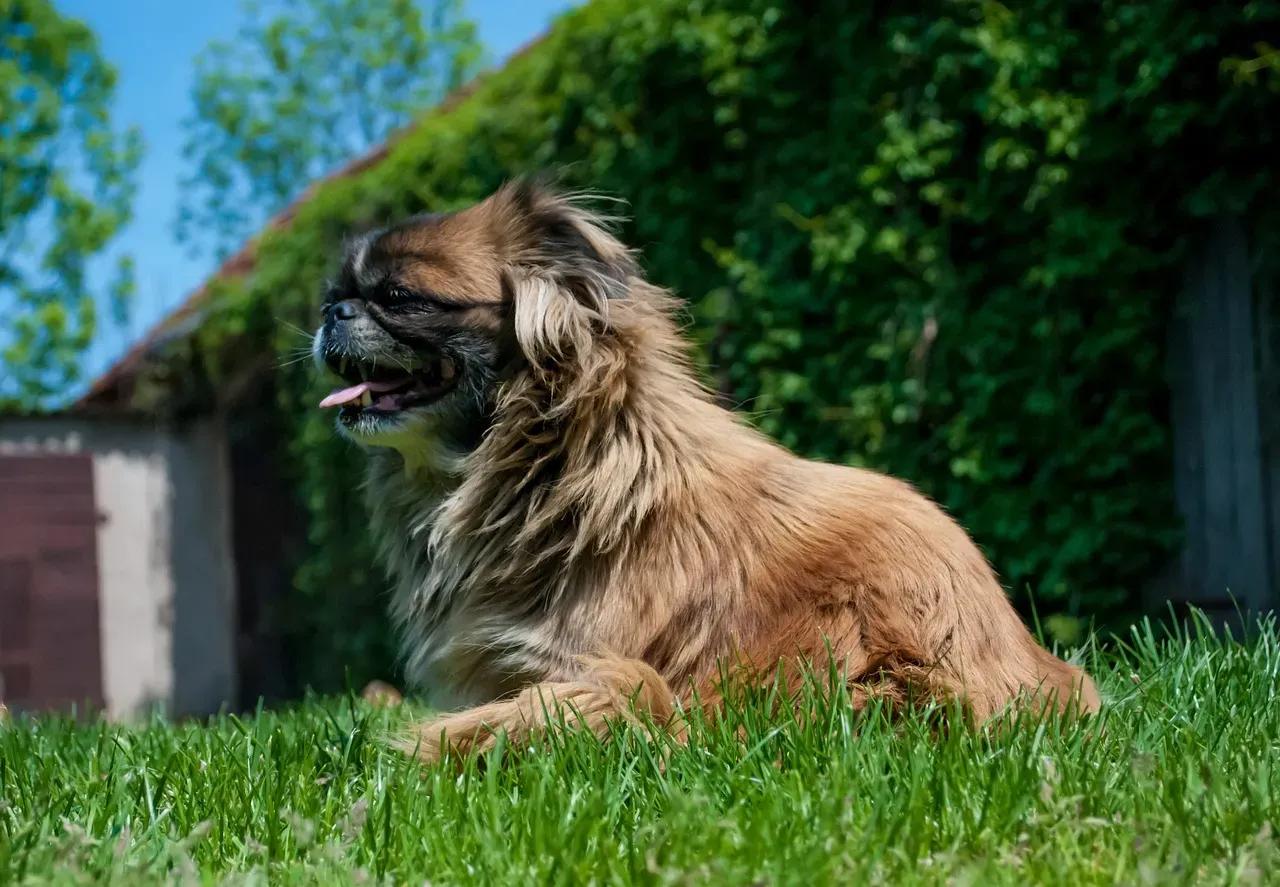
Pekingese do not take well to strangers or children, and they have an impulsive, sensitive temperament fitting for a breed bred in the Chinese Imperial court. These dogs were pampered like royalty for centuries, and that attitude hasn’t gone anywhere. They expect respect, quiet environments, and gentle handling.
Pekingese may not be the right breed for families with young children because they are small dogs that can be injured if play is too rough, or they may snap at a child if frightened. Think about a child accidentally stepping on a Peke’s paw or hugging them too tightly. The dog’s first instinct might be to defend itself with a nip or bite. They are generally good with older children and adults but may not tolerate rough handling or excessive noise, making them better suited for quieter households.
Their flat faces also come with health complications. As brachycephalic dogs, Pekingese are prone to overheating, so exercise in hot weather should be avoided. In a busy family constantly on the go, monitoring a dog’s temperature and ensuring they don’t overexert themselves becomes one more thing to manage.
Jack Russell Terrier: The High-Energy Hunter
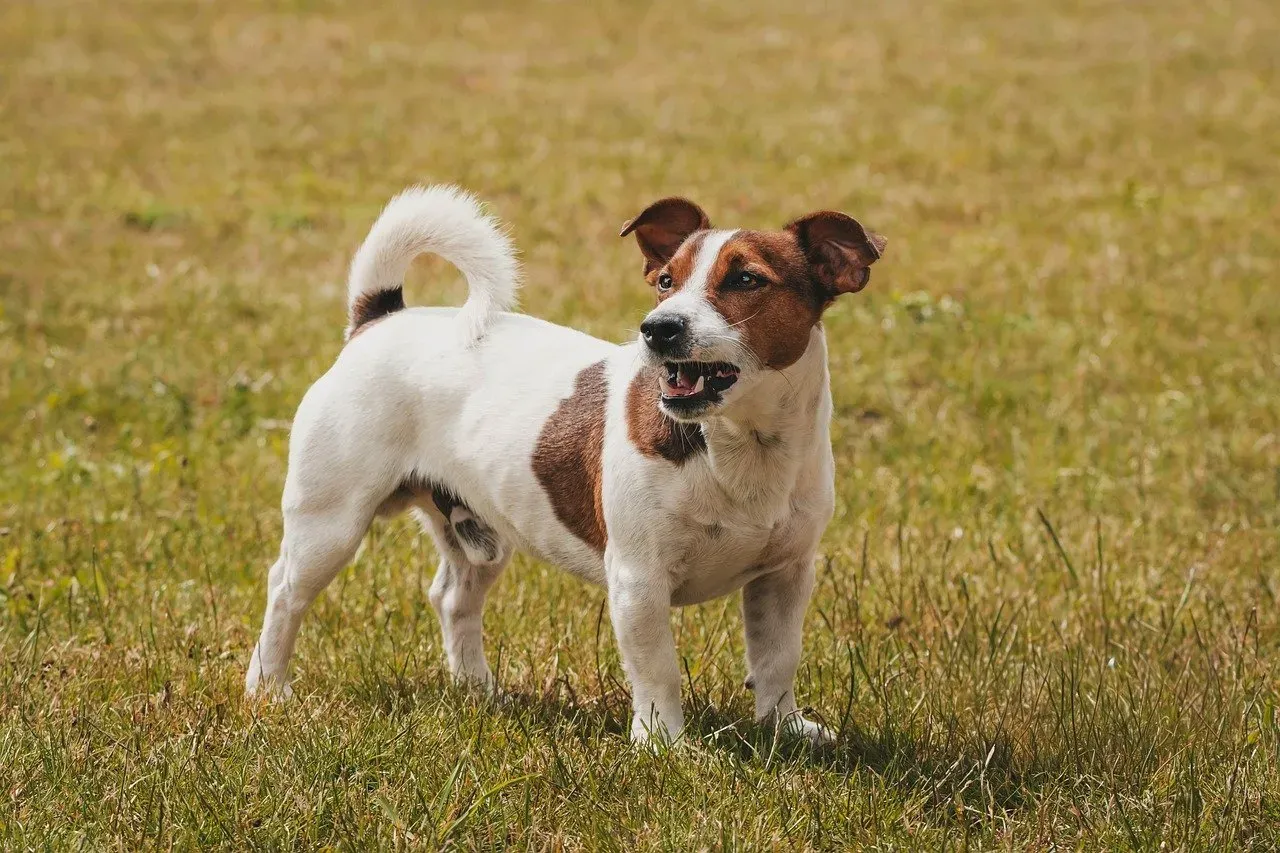
Bred in England for fox hunting, Jack Russell Terriers are intelligent, high-energy dogs. They need constant mental and physical stimulation, which can be exhausting for families already juggling work, school, and extracurricular activities. Without an outlet for their energy, these terriers become destructive, digging up gardens or chewing through furniture.
Jack Russells also have a strong prey drive. Smaller pets like hamsters or guinea pigs aren’t safe around them, and even gentle cats might find themselves being chased. Kids running and squealing can trigger that same hunting instinct, leading to nipping at heels or clothes. It sounds a bit crazy, but these dogs were literally bred to go after fast-moving targets.
Their independent streak makes training a challenge too. Jack Russells are smart enough to know what you want them to do but stubborn enough to decide they’d rather not. For first-time dog owners or families without the time to dedicate to rigorous training, this breed can quickly become overwhelming.
Shih Tzu: The Companion Who Demands Gentle Handling

Shih Tzus are often praised as family dogs, yet there’s a catch. Shih Tzus generally get along well with children, yet their small size makes these dogs vulnerable to injury if handled roughly. Young kids who don’t yet understand how to interact gently with animals can accidentally hurt a Shih Tzu, leading to defensive reactions.
Many breeders of Shih Tzus and other small dogs refuse to sell a young puppy to a family with preschool-age children, insisting upon meeting the entire family before deciding. This isn’t breeders being unreasonable; it’s about protecting both the dog and the child. Young children tend to poke and pull when playing with puppies, which could easily cause eye or joint injuries in a young Shih Tzu.
While Shih Tzus have loving temperaments, they also require extensive grooming. Their long, flowing coats mat easily and need daily brushing. In households where everyone is stretched thin, grooming often falls by the wayside, leading to discomfort and skin issues for the dog.
Yorkshire Terrier: The Feisty Fashionista

Yorkshire Terriers, or Yorkies, might be Instagram-famous with their bows and adorable outfits, yet beneath that glamorous exterior is a terrier through and through. They’re bold, fearless, and surprisingly vocal. Yorkies were originally bred to hunt rats in textile mills, so they have a strong prey drive and a tendency to bark at anything that moves.
Their tiny size, often under seven pounds, makes them incredibly fragile. A child accidentally sitting on a Yorkie or dropping them can result in broken bones or worse. They also don’t tolerate rough play, and their patience with children is limited. If a toddler pulls on their tail or ears, a Yorkie’s response might be to snap.
Training can be tricky too. Yorkies are intelligent yet independent, and they can develop what’s known as small dog syndrome if they’re not properly socialized and given clear boundaries. In families where consistency is hard to maintain, these little dogs can become yappy, demanding, and difficult to manage.
Maltese: The Elegant Companion With Separation Anxiety

Maltese are known for their flowing white coats and, while affectionate, they can be prone to separation anxiety, excessive barking, or snapping if over-coddled or not properly trained. These ancient toy dogs were bred specifically to be pampered companions, which means they don’t handle being left alone or ignored very well.
In families where everyone is constantly coming and going, a Maltese can become anxious and stressed. They might follow you from room to room, whining if you close a door. Kids who want a dog to play fetch with or run around the yard might find a Maltese disappointing, as they prefer quieter, more predictable environments.
Their delicate build is another issue. Maltese are easily injured during enthusiastic play, and their long coats require meticulous grooming to prevent matting. If a family can’t commit to daily brushing and regular vet visits, a Maltese will suffer. Honestly, these dogs thrive best in adult-only homes or with older, more responsible children.
Brussels Griffon: The Sensitive Soul

Brussels Griffons were bred to hunt vermin in stables and are sensitive, intelligent dogs that form strong bonds with their owners, yet without early socialization their inherent wariness can lead to fear-based reactivity or possessiveness. They’re not naturally inclined to trust strangers, and in busy households with lots of visitors, this can become a problem.
Brussels Griffons are also known for being emotionally sensitive. They pick up on tension and stress in the home, and if the environment is chaotic, they can become anxious or withdrawn. Kids who don’t understand a dog’s need for space might overwhelm a Griffon, leading to snapping or hiding behaviors.
Their small size makes them fragile, and their expressive faces, while adorable, can’t hide when they’re uncomfortable. Families need to be exceptionally mindful of a Brussels Griffon’s emotional and physical needs, which can be a tall order when juggling multiple children and their activities.
Conclusion: Choosing the Right Fit for Your Family

Falling in love with a dog’s adorable face is easy. Making sure that dog will thrive in your home takes more thought. If inappropriately trained or poorly socialized, any dog, regardless of breed, can be dangerous for young children, yet some breeds come with temperaments, health issues, or behavioral traits that make them particularly challenging in family environments.
The breeds we’ve discussed aren’t bad dogs. They’re just not ideal for homes with young, unpredictable children. They need quiet, patience, and gentle handling, things that are often in short supply when life gets hectic. If you’re determined to bring one of these breeds home, commit to rigorous training, close supervision, and teaching your children how to respect a dog’s boundaries.
Remember, the goal is to create a happy, safe environment for everyone, two-legged and four-legged alike. Sometimes the most loving decision is recognizing when a particular breed isn’t the right fit. What do you think? Did any of these surprise you?