
10 Signs Your Shelter Dog Has Begun Feeling Safe Around You
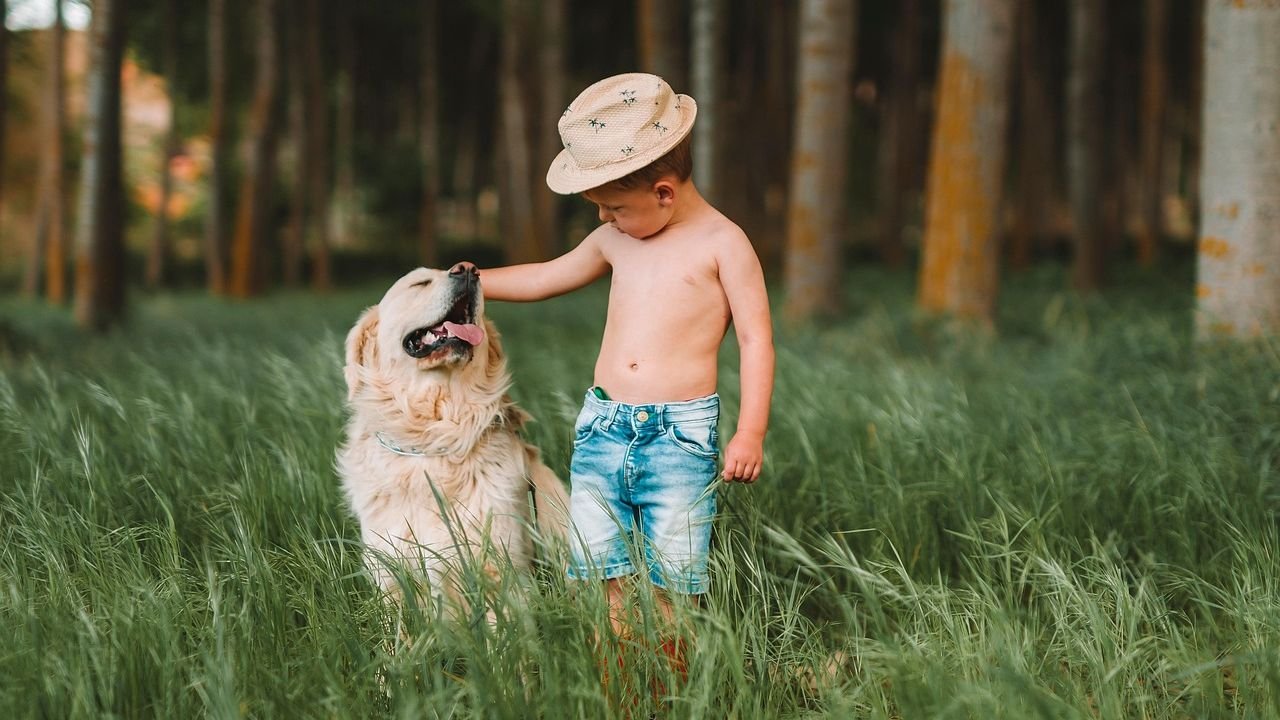
There’s nothing quite like the moment you first bring your shelter dog home. You imagine cuddles, long walks, and that tail wagging nonstop. Then reality sets in. Your new friend might hide under the furniture, refuse dinner, or barely make eye contact. Honestly, it can feel a bit discouraging when you’ve been dreaming of this instant connection.
Here’s the thing though. Trust doesn’t happen overnight, especially for a dog who’s been through uncertainty. Your shelter pup has likely experienced abandonment, stress, or instability. They need time to believe this is real. That you’re real. That this home is forever.
Every dog is different, but there is a rule of thumb to keep in mind: 3 days, 3 weeks, 3 months. The transformation happens gradually, and when it does, it’s pure magic. So let’s dive into the signs that show your rescue dog is finally letting their guard down and starting to trust you completely.
They’re Sleeping Near You or In Your Room
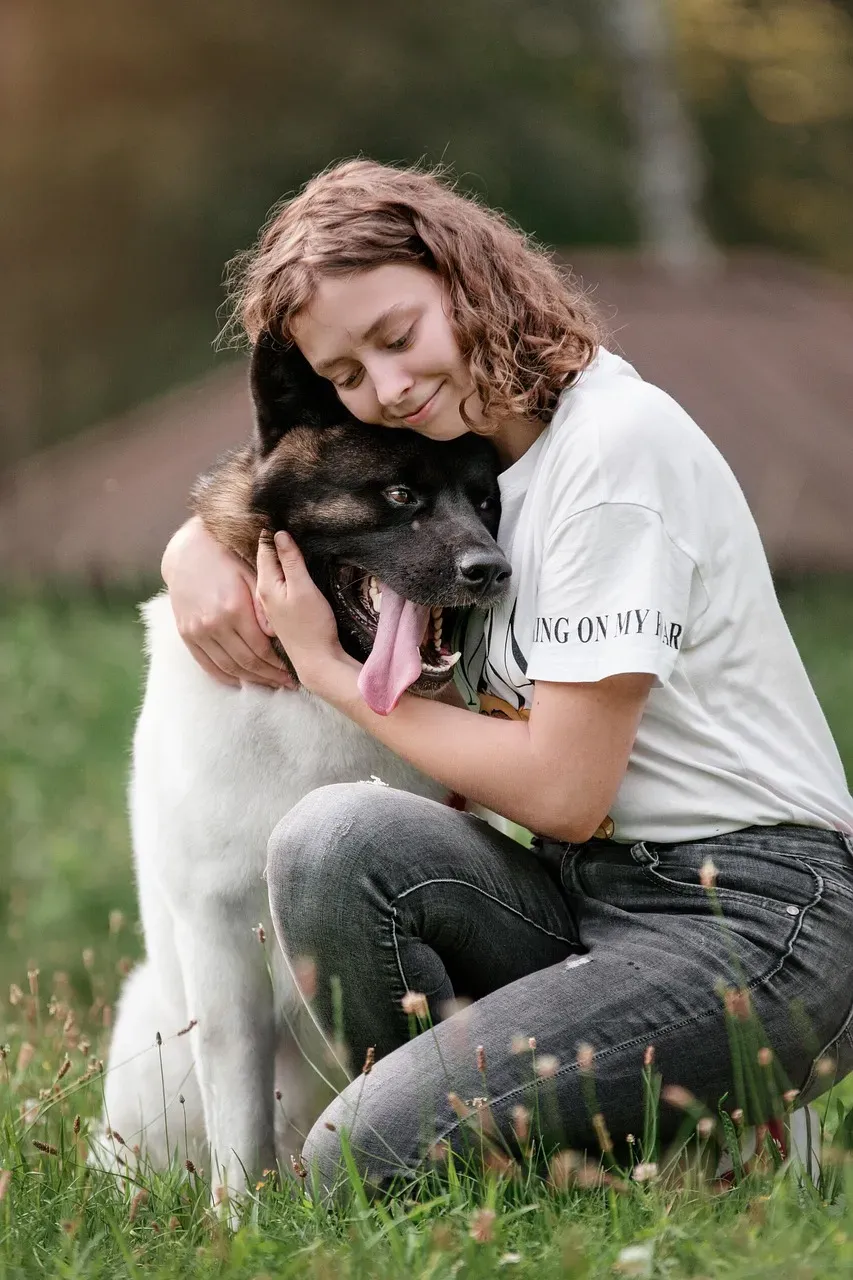
Sleep is a vulnerable state in the animal kingdom, and dogs are no exception. When your dog chooses to sleep near you, on your feet, or in your bed, they demonstrate trust. Think about it. Would you fall asleep next to someone you didn’t feel completely safe with?
Sleeping near you will also accustom your dog to your scent and associate it with safety and security. If your once-wary shelter dog has started curling up beside your bed or even sneaking onto the couch next to you during movie night, that’s huge. They’re telling you they feel protected in your presence.
Their Body Language Looks Relaxed
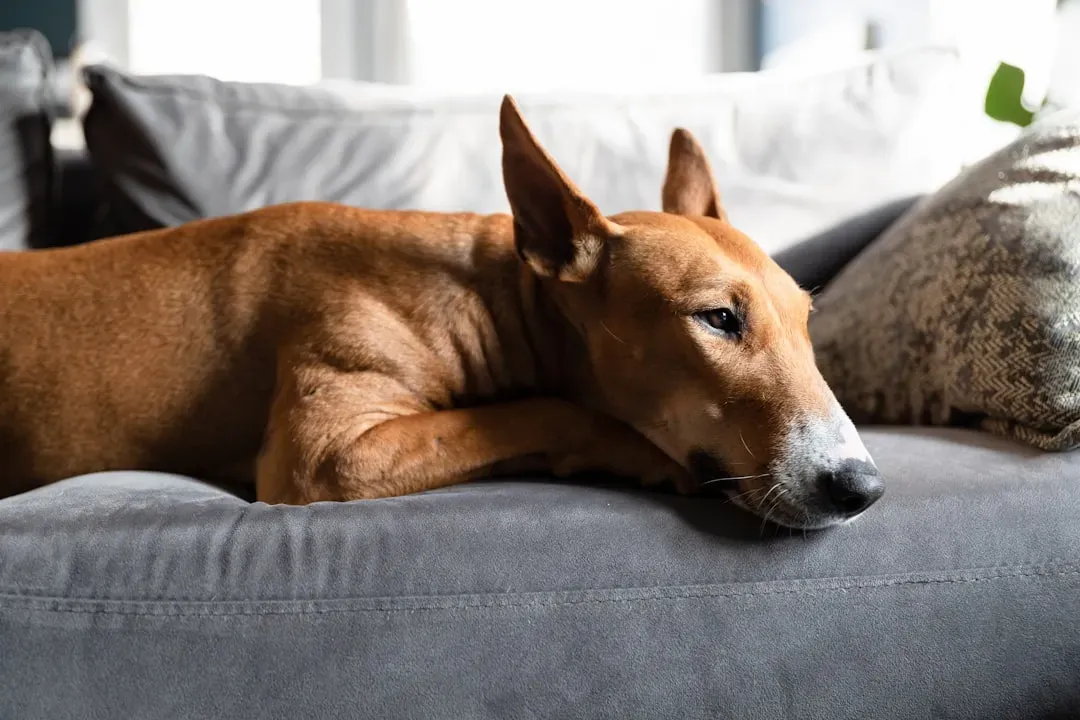
A relaxed dog will have a soft face and body, ears halfway down their head and forward. They might be softly panting or breathing through their nose. Their tail will be held at the same level as their body and might be gently wagging.
When you first brought your dog home, they probably looked tense. Maybe their ears were pinned back or their body seemed stiff. Now you might notice everything about them just looks softer. Their mouth hangs open slightly. Their eyes look calm instead of wide and worried. This shift in body language is one of the clearest signs your dog is decompressing and beginning to feel at home.
They Make Eye Contact Without Looking Away
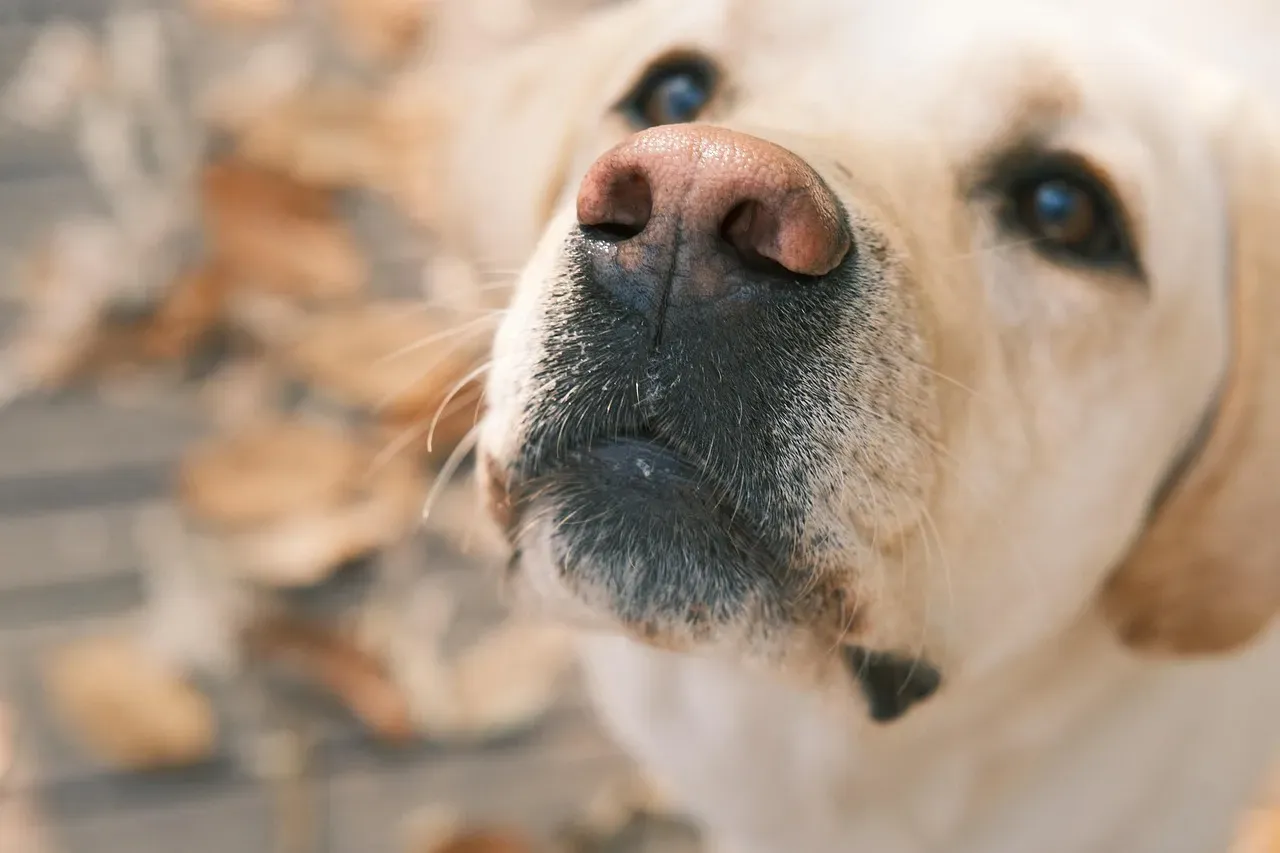
Dogs are generally cautious regarding eye contact, especially with strangers or those they don’t trust. When your dog locks eyes with you without hesitation, it’s a sign they feel safe and comfortable in your presence. Let’s be real, sustained eye contact between you and your dog isn’t just sweet, it’s scientifically significant.
Research from Japanese scientists has revealed that sustained eye contact between dogs and their trusted humans triggers the release of oxytocin in both parties. This “love hormone” is the same one that bonds parents and children. So when your shelter dog gazes into your eyes and doesn’t dart their head away, you’re both getting a love hormone boost. How incredible is that?
They’re Following You From Room to Room
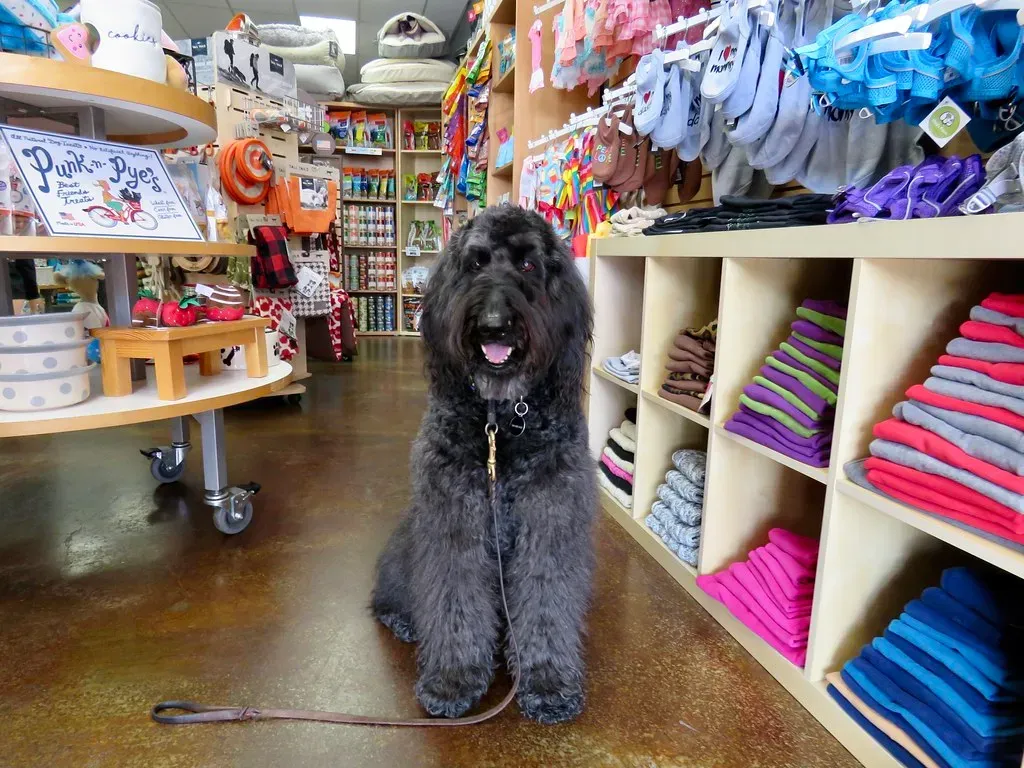
Dogs are naturally social creatures; when they trust someone, they want to stay close to them. If your dog follows you from room to room, it’s a sign that they feel a deep connection with you. This behavior stems from their pack mentality.
Sure, sometimes you might want a little privacy in the bathroom. However, that shadow trailing behind you everywhere? It means your dog considers you their safe person. They want to be wherever you are because you make them feel secure. I know it sounds crazy, but even that slightly annoying constant companionship is actually a beautiful sign of trust.
They Bring You Their Toys or Favorite Items
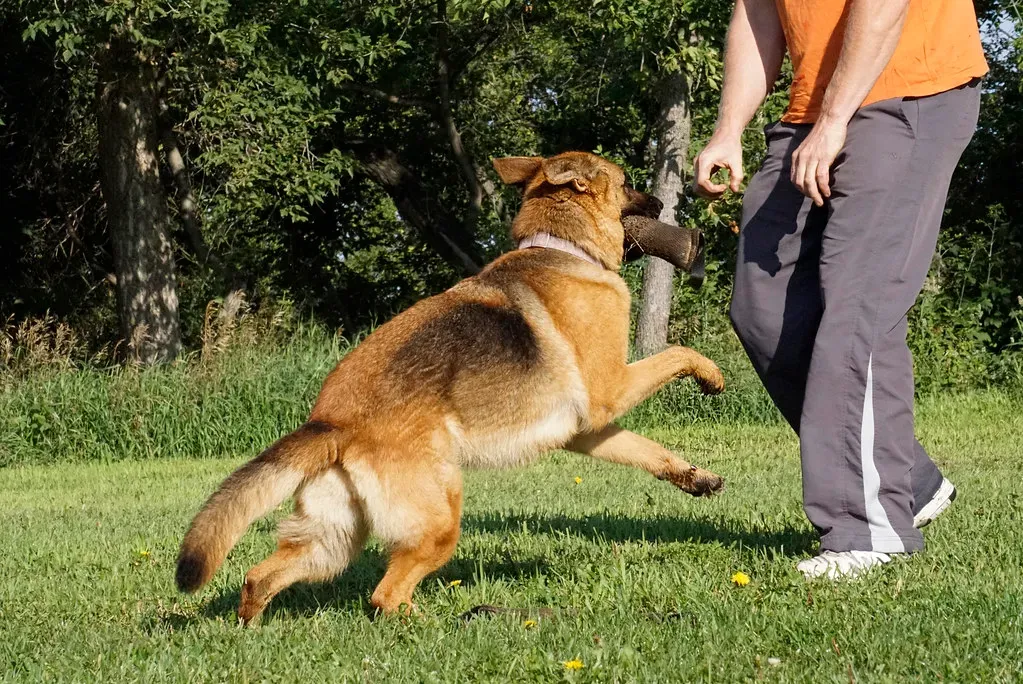
When your dog brings you their favorite toys or special items, they’re demonstrating both trust and a desire to share experiences with you. This behavior mirrors social bonding practices observed in wild canid populations. It’s hard to say for sure, but it seems like they’re including you in their world.
Maybe they drop a slobbery tennis ball at your feet or proudly present you with that squeaky toy they love. They’re not just asking you to play. They’re showing you something precious to them and inviting you to be part of their joy. That’s trust.
Their Appetite Has Returned to Normal
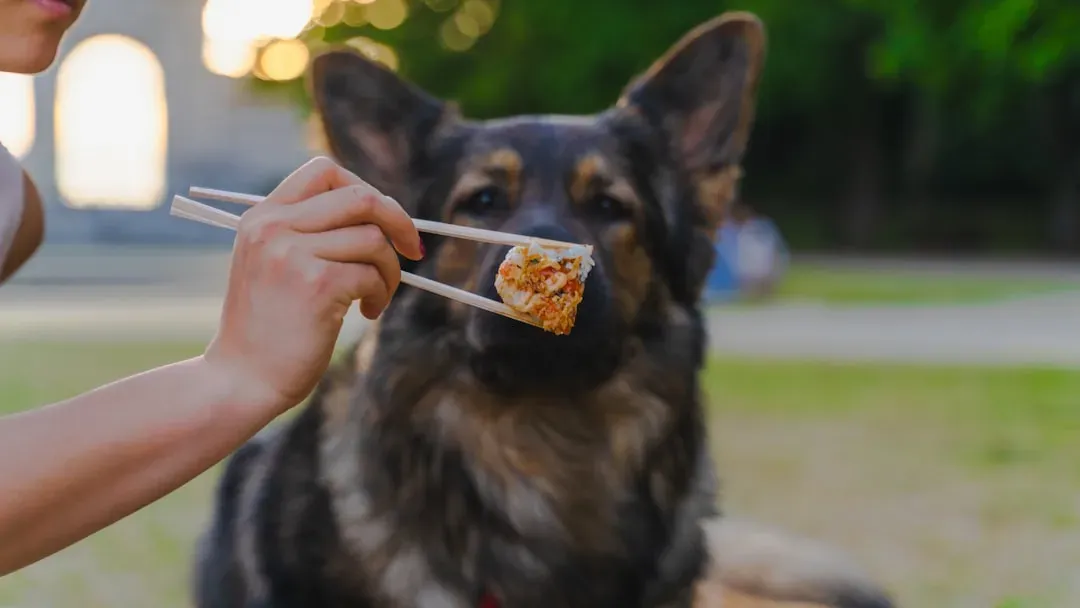
A common sign of chronic stress is reduced appetite or increased digestive problems. However, if your dog suddenly refuses food, it’s a sign of stress. Many newly adopted dogs won’t eat much during those first few stressful days.
Dogs adopted from a shelter or rescue need time to decompress from these often stressful environments. Typically during the first few days in a new home, you’ll see more shutdown behavior or caution at exploring new things. When your dog starts eating regularly, finishing meals enthusiastically, and maybe even doing a little happy dance before dinner, they’re settling in. Food is a precious resource, and eating comfortably means they trust their environment.
They Show You Their Belly
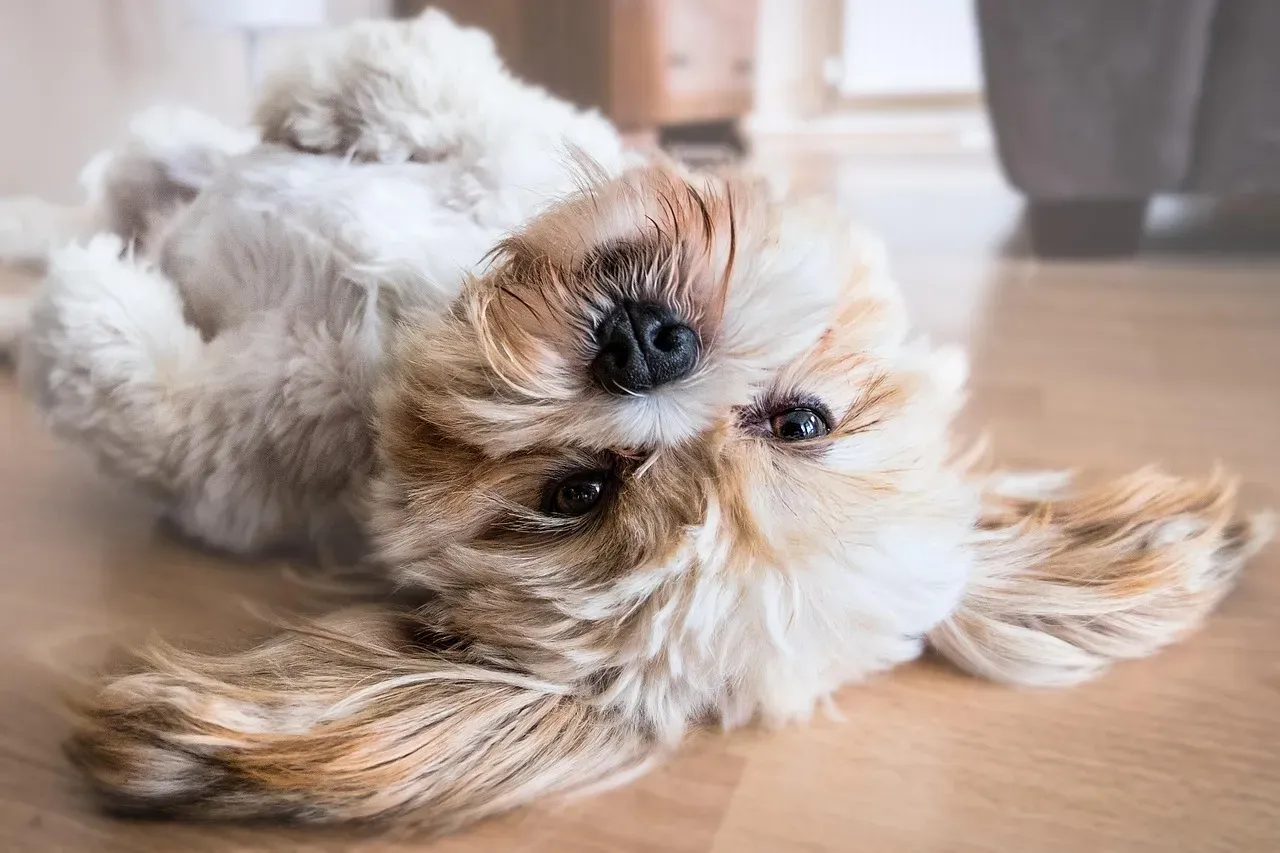
When a dog exposes their belly or turns their back to you, they’re showing ultimate trust because these positions make them vulnerable. This behavior indicates they feel completely safe in your presence. The belly is where all the vital organs live, so exposing it is a massive statement.
A dog that rolls onto their back, exposing their belly may look like a dog soliciting a belly rub, and in a relaxed dog, it often is. But it can actually be a sign of considerable stress and anxiety. Context matters here. If your dog rolls over during playtime with soft eyes and a wiggly body, that’s trust. If they’re stiff or showing other stress signals, give them space.
They Seek Physical Touch and Initiate Affection
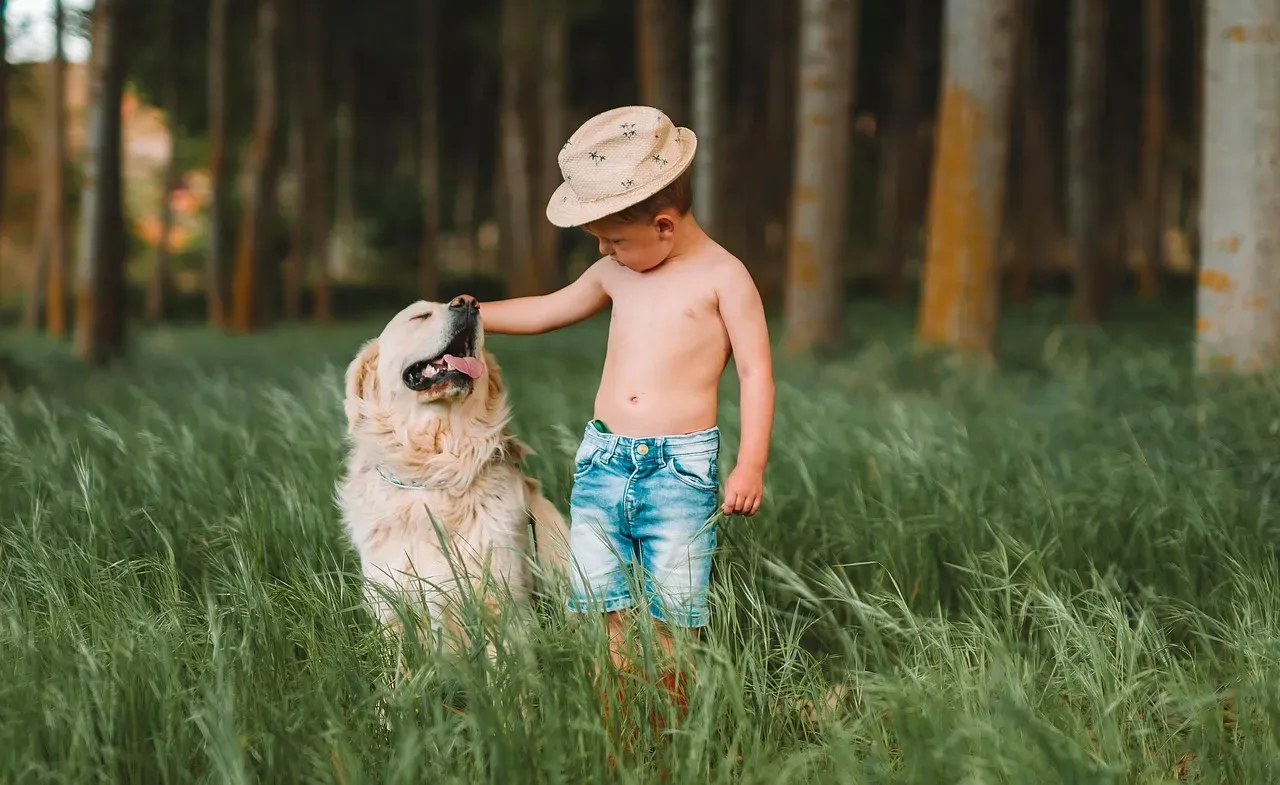
From gentle nudges to hopping onto your lap for a snuggle, dogs initiate physical touch as a form of bonding. This means they trust you enough to seek closeness. Remember those first days when your shelter dog barely let you pet them?
Now they might lean against your leg while you’re cooking. They might rest their head on your knee while you’re working. They might even paw at you for more attention. These aren’t demands, they’re invitations. Your dog is saying they want connection with you and they feel safe enough to ask for it.
They Stay Calm in Stressful Situations When You’re Present
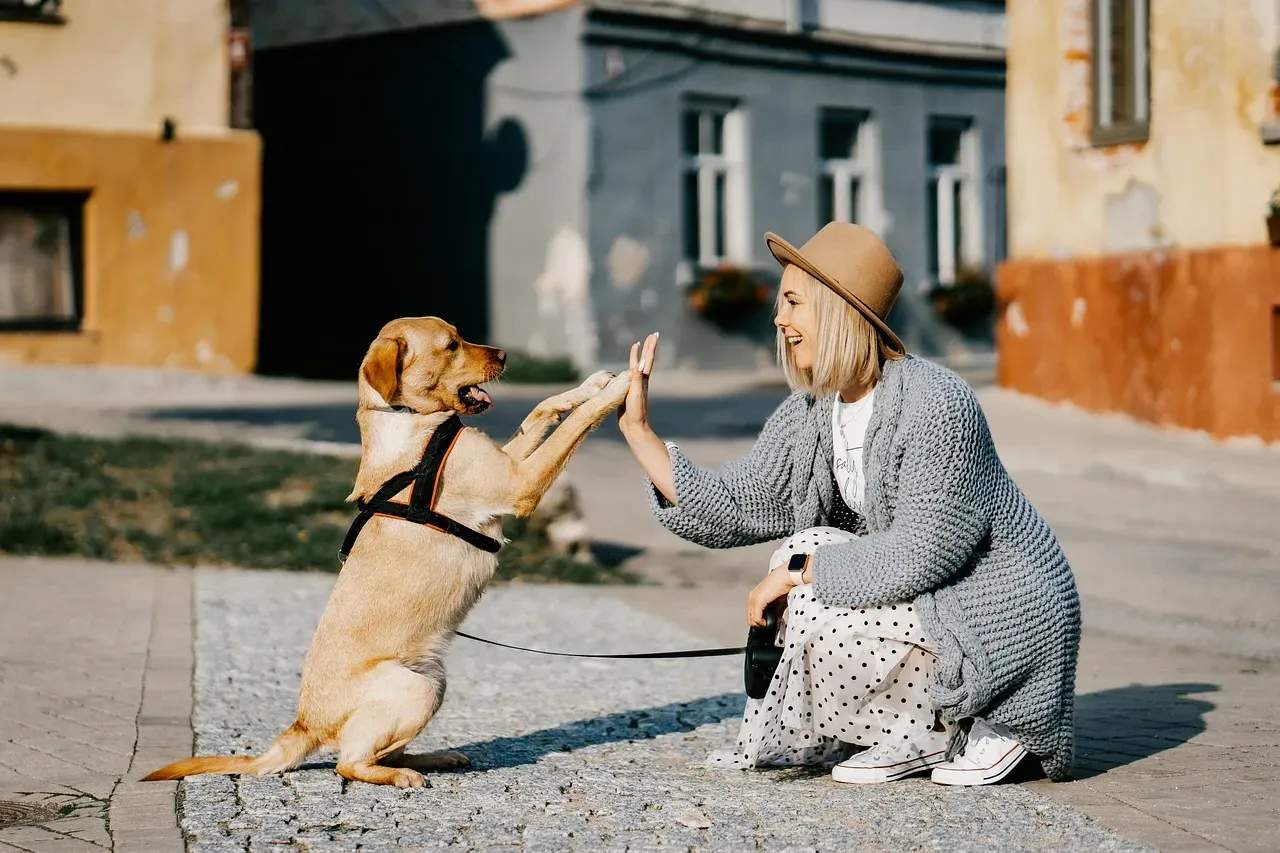
Dogs look to their owners for cues on how to react to unfamiliar or stressful situations. If your dog remains calm and composed when they’re with you, even in stressful environments like the vet’s office or during a thunderstorm, it shows they trust you to handle the situation. Dogs that trust their owners completely will mirror their owner’s calm demeanor.
Whether it’s during a thunderstorm or after a stressful trip to the dog park, dogs who trust their pet parents will come to them, knowing they’ll find comfort and safety. Even dogs with separation anxiety will begin to relax when their trusted human companions are nearby. Their ability to stay calm is a sign that your presence makes them feel secure. This is genuinely one of the most powerful indicators of trust.
They’re Showing You Their True Personality
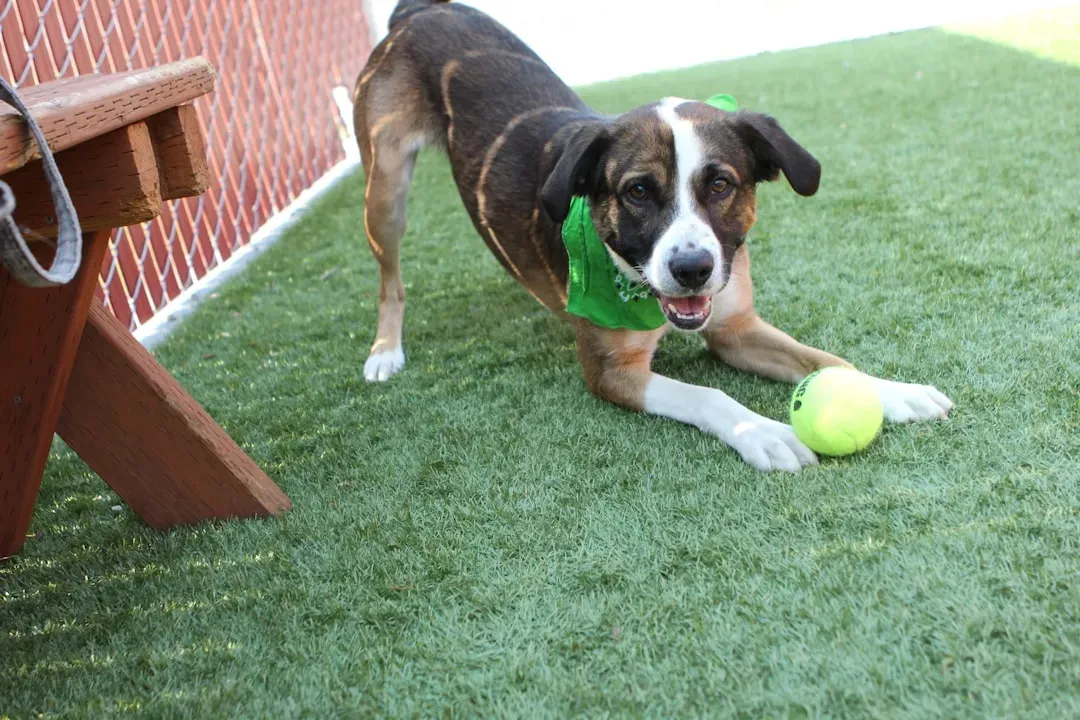
By around three weeks after arriving at their new home, most dogs are getting more comfortable with the routine and starting to show their normal behavior and temperament. That shy dog who barely moved? They might suddenly be zooming around the living room. The one who seemed so calm? Maybe they’re actually a playful goofball.
By this point, your dog’s personality will be fairly clear, and they may begin to form a stronger bond with you and your family. While they are becoming more comfortable, any triggers or past traumas might also start to surface now that they feel secure in their environment. When your dog feels safe enough to be themselves, quirks and all, you’ve earned their trust.
Conclusion
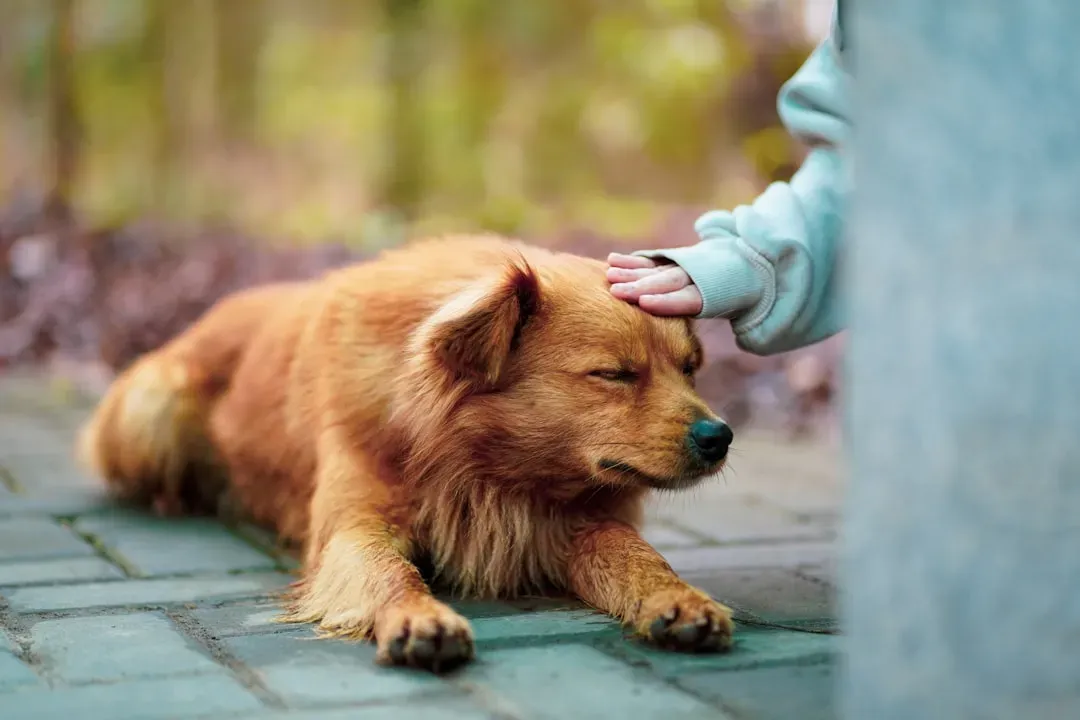
Building trust with a shelter dog isn’t always a smooth journey. Some dogs may take only a few weeks to settle in and learn to trust in their family, while others may take up to a year to truly feel safe and believe that their humans are capable canine parents. Please don’t give up on them after a couple of weeks or months.
These ten signs are proof that patience and consistency pay off. Every small gesture of trust your dog shows is a victory worth celebrating. From that first belly rub to the way they seek you out for comfort, these moments build the foundation of an incredible bond.
So what has been the most meaningful sign of trust your shelter dog has shown you? Share your story in the comments below.