
5 Signs Your Dog Is Secretly Bored and How to Keep Them Entertained

Have you ever walked into a room to find your favorite pillow shredded or your couch cushions gnawed at the corners? You stand there, looking at your dog’s innocent eyes, wondering what on earth happened. Here’s the thing: your pup isn’t misbehaving out of spite.
Dogs don’t wake up plotting revenge. Most of the time, those mysterious behaviors you’re seeing are actually cries for help wrapped in fur and wagging tails. Boredom in dogs is real, surprisingly common, and often overlooked until something valuable gets destroyed.
The tricky part is that dogs can’t exactly tell us they’re bored. Instead, they communicate through their actions, and those signals aren’t always obvious at first glance. So let’s dive into what your dog might be trying to say.
They’re Chewing Everything (And We Mean Everything)
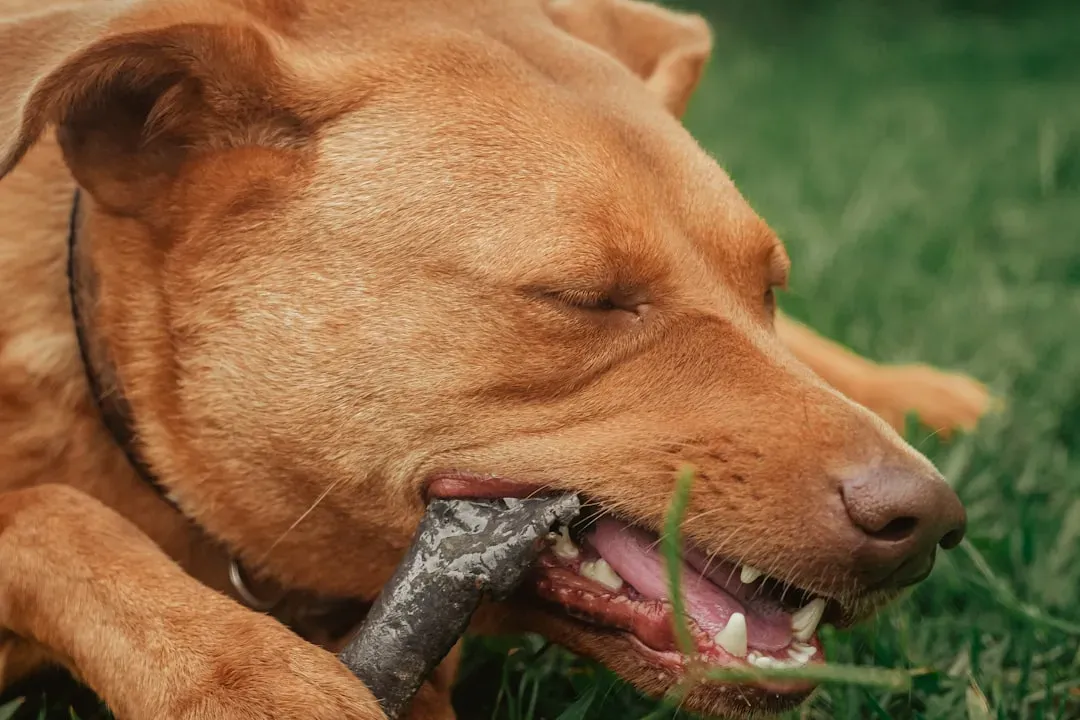
You’ve noticed the furniture looks a little worse for wear lately. Maybe your favorite shoes have mysterious teeth marks, or the coffee table legs are starting to look like chew toys.
When dogs suddenly turn everyday objects into chew toys, boredom might be to blame, as dogs chew when they’re anxious or when they have energy to burn. Chewing shoes and furniture, tearing up pillows or stuffed toys, getting into the trash, or digging at the floor or yard are all common signs your dog is looking for something to do.
Think of it this way: chewing is like your dog’s version of scrolling through their phone. It’s something to occupy their mind and mouth when they’ve got nothing better going on. Chewing is a normal teething and investigative puppy behavior, but it is also a tool our dogs will use throughout their lifetime to self-soothe and relieve stress.
The solution isn’t just putting things out of reach, though that helps. You can give them more rewarding options with food-stuffed kongs, long-lasting chews and LickiMats, and freezing these treats before giving them to your dog will keep them occupied for even longer. Rotate chew toys regularly so there’s always something “new” to discover.
They’re Following You Like a Furry Shadow

Does your dog follow you from room to room, even to the bathroom? While some level of attachment is adorable and normal, excessive clinginess tells a different story.
If your dog is sticking to you like glue and shadowing your every move, it may be their way of telling you they’re bored, anxious, or in need of more stimulation. When your fur baby is whining, nudging, and begging for your attention constantly, they’re most likely bored and need some form of engagement.
Honestly, this one tugs at your heartstrings. Your dog isn’t trying to annoy you. They’re literally desperate for something interesting to happen in their day. If your pup is following you constantly or trying to get your attention, it might be a sign of boredom.
Try setting up scavenger hunts around the house before you settle in for work or relaxation time. Scent games where you hide dog treats or dog toys around the house are fun boredom busters. Even five minutes of hide and seek can give your dog something to focus on besides your every move.
They’re Barking, Whining, or Making Noise for No Clear Reason

The constant barking is driving you up the wall. Your dog stands at the window barking at everything that moves, or whines at you while you’re trying to finish an email.
If your dog barks, whines, jumps or nips at you many times each day, that may be his way of saying he’s bored and wants you to pay attention, and if your dog is constantly bugging another pet in your household, that can be a sign of boredom too. Barking out windows is fairly common, but if it happens all day, every day, boredom is a likely explanation, and some dogs spend the entire day looking out the window and barking at what they see, since it gives them something to do, which is unhealthy for the dog.
I know it sounds crazy, but your dog might just be creating their own entertainment. When there’s nothing stimulating happening inside, the outside world becomes their reality TV.
Get a white noise machine, and block the view to the outside, and before you leave your home, give your dog a meal or snack in a puzzle feeder so they have something to do while you’re gone. Interactive puzzle toys can work wonders for keeping that brilliant canine brain occupied.
They’ve Developed Obsessive or Repetitive Behaviors

Tail chasing might seem cute at first, but when it happens constantly, something’s off. Maybe your dog licks the same spot on their paw over and over, or paces in circles for no apparent reason.
Tail chasing, excessive licking, or spinning in circles can develop into compulsive behaviors when dogs don’t have enough enrichment or healthy outlets to focus their mind and body on. Pets can develop impulsive actions as a form of pet obsessive-compulsive disorder usually as a result of stress, anxiety, or boredom.
These behaviors are serious red flags. Studies have found that animals, similar to humans, become bored and can develop signs of depression or anxiety if left under stimulated for long periods of time, and some animals will even engage in self-stimulating behaviors in an attempt to self-soothe.
Mental enrichment activities can help balance out physical exercise, as dogs need to move their bodies every day, but high-intensity exercises like fetch, running, and playing with other dogs increase adrenaline levels. Try incorporating training sessions that teach new tricks or commands to give your dog’s brain a workout.
They’re Sleeping More Than Usual (Yes, Really)

Wait, sleeping too much is a sign of boredom? It seems counterintuitive, but hear me out.
If your pup is snoozing all day, they might not have enough mental or physical stimulation. Sure, dogs love their naps, but if your pup is snoozing all day out of sheer boredom and not just because they ran a doggie marathon, it might be a sign that they’re lacking enough engagement or stimulation during the day.
Think about those lazy Sunday afternoons when you have absolutely nothing planned. You probably end up napping more than usual simply because there’s nothing better to do. Dogs experience the same thing. A once playful pup who now sleeps all day likely has boredom, not laziness, as the cause, and dogs who aren’t mentally or socially engaged may become anxious, withdrawn, or depressed.
Walks aren’t just about bathroom breaks, they’re a chance for your dog to explore by letting them sniff more, changing up your route, or even adding a little jog to keep things interesting. Long leash walks in nature are a great outlet to encourage dogs to sniff, and you can use a long lead to let your dog choose which way to go, what to smell, when to run and when to walk.
Conclusion: Your Dog Deserves an Enriched Life

The key to a happy and healthy dog is regular enrichment and allowing them to engage in their innate behaviors, such as playing, chasing, smelling, chewing and scavenging, and dogs who don’t receive stimulation tend to find ways to enrich themselves, resulting in unwanted behaviors. The beautiful truth is that preventing boredom doesn’t require fancy equipment or hours of your day.
Small changes make massive differences. Rotating toys weekly, taking different walking routes, practicing short training sessions, and offering puzzle feeders can transform your dog’s daily experience. Enrichment helps to prevent boredom and can help with dog behavior problems, such as anxiety, and it does wonders to improve quality of life and mitigate many training struggles.
Your dog isn’t asking for the world. They’re asking for engagement, purpose, and mental stimulation. When you meet those needs, you’re not just preventing destructive behavior. You’re giving your best friend the fulfilled, joyful life they deserve.
What signs of boredom have you noticed in your own dog? Share your experiences in the comments below.