
Rejected as ‘Too Ugly,’ This Shelter Dog’s Life Changes Forever
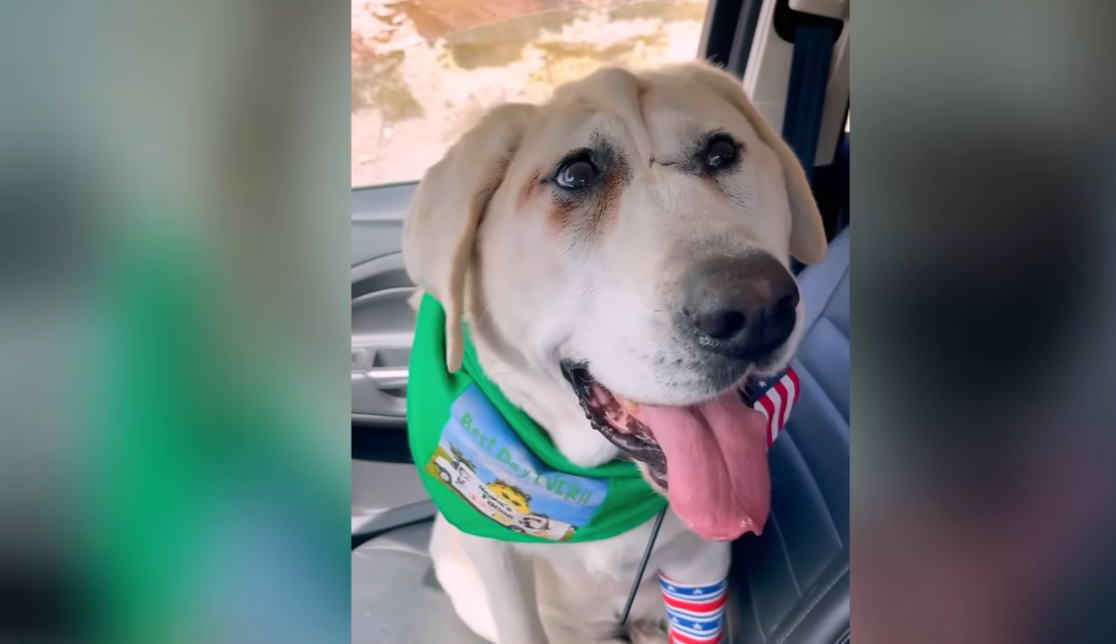
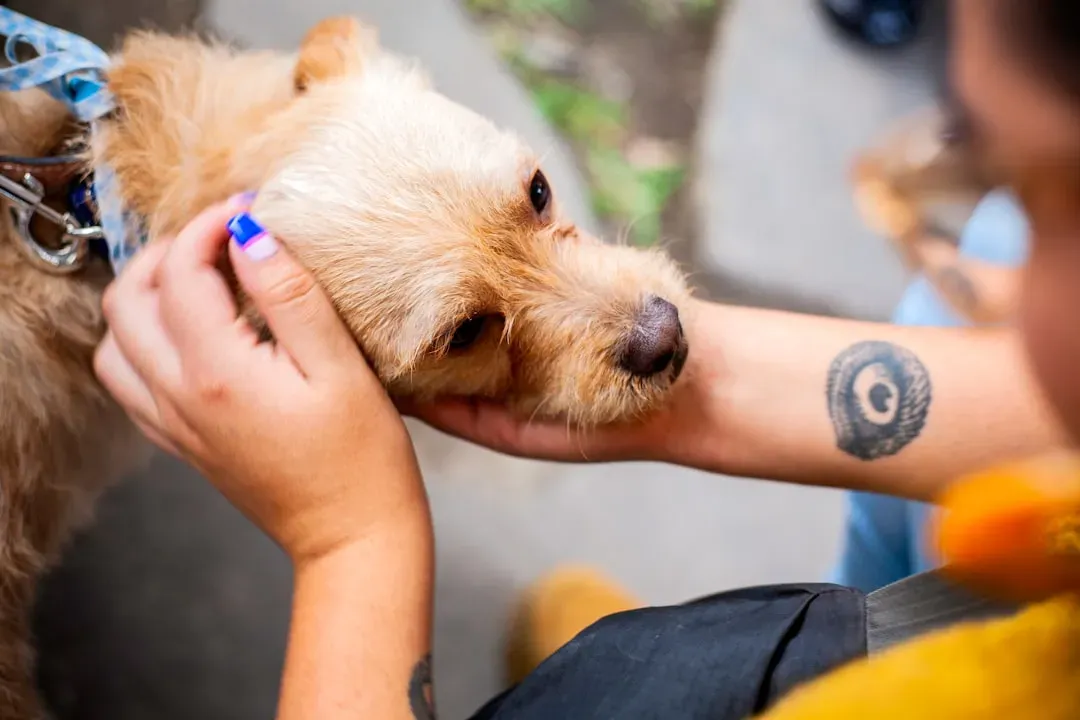
In the crowded world of animal shelters, where first impressions often seal a pet’s fate, one dog’s story stands out as a powerful reminder of what happens when someone looks deeper. For over two years, this pup faced rejection after rejection, his unique features turning away would-be adopters. Staff watched his spirit dim with each passed opportunity. Yet, everything shifted when a single visitor refused to judge by appearances alone.
Here’s the thing: in a society obsessed with perfection, tales like this cut through the noise, challenging us to rethink what makes a companion truly special. What unfolded next not only saved one life but sparked a wave of change in local rescues.
A Shelter Fixture: Battling Appearance Bias
Shelters across the country struggle with dogs whose looks stray from the fluffy, photogenic ideal. This particular dog, marked by bulging eyes, a crooked snout, and patchy fur from old injuries, lingered for more than two years. Prospective owners consistently overlooked him, favoring more conventionally cute options. Shelter staff noted his hopeful tail wags met only turned backs, gradually wearing down his confidence.
Veterinary checks confirmed no serious health problems, just cosmetic scars from an abusive history that spoke of his resilience rather than flaws. Statistics paint a grim picture: dogs with visible deformities face adoption rates up to 70 percent lower than their pristine peers. Let’s be real, this bias keeps too many animals in limbo far longer than they deserve.
The Game-Changer: Sarah Jenkins Steps In
Sarah Jenkins, a 42-year-old graphic designer from suburban Ohio, wandered into the shelter on a whim and spotted something others missed. Amid the barking chaos, the dog’s quiet demeanor caught her eye immediately. She ignored volunteers’ warnings about his “challenging” appearance, zeroing in on his playful spark during their first interaction.
“He wasn’t ugly to me – he was a fighter with a heart of gold,” Jenkins shared later. Her own history of rescuing abused animals gave her the insight to see past the surface. Without hesitation, she signed the adoption papers right there, setting both on a path to transformation.
Beau’s New Chapter: From Outcast to Joyful Companion
Renamed Beau, the dog has flourished in the months since adoption. Loving care and grooming have softened his features, but his radiant happiness steals the show. Daily walks with Jenkins now feature him bounding ahead, tail wagging like a helicopter. Neighbors can’t help but smile at the duo’s infectious energy.
Health improvements abound, from healthy weight gain to eased anxiety, all thanks to a stable home. Jenkins’ social media posts chronicling their journey have drawn thousands of followers, turning personal triumph into public inspiration. This shift proves a nurturing environment unlocks potential no one else bothered to find.
Ripple Effects: Challenging Shelter Norms
Beau’s story extends beyond one happy ending, exposing deeper issues in animal welfare. Over 3.1 million dogs enter U.S. shelters each year, with looks heavily influencing their odds. Efforts like “Ugly Dog Contests” at fairs try to celebrate quirks, but change comes slowly. Jenkins now volunteers, pushing for profiles that highlight personality over pedigree.
Her former shelter reports a 40 percent jump in inquiries for similar dogs, thanks to the buzz. Virtual meet-and-greets are emerging to sidestep snap judgments. What makes this particularly interesting is how one adoption ignited real momentum against overcrowding woes.
Expert Views: Beyond Looks to True Bonds
Animal behaviorists stress that aesthetic judgments rob pets of their shot at loyalty and love. Dr. Emily Carter, a veterinary psychologist, puts it bluntly: “Dogs like Beau thrive on connection, not Instagram appeal – rejection based on looks perpetuates unnecessary euthanasia.” Research backs this, showing “homely” dogs forge bonds just as strong once adopted.
Jenkins notices Beau’s knack for sensing her emotions, offering comfort on rough days. Such insights combat biases and fuel no-kill initiatives. Stories going viral like this one rally public backing for holistic pet evaluations.
Community Surge and Lasting Advocacy
Locals have embraced Beau’s tale, with Jenkins’ fundraisers pulling in $15,000 for shelter upgrades. Pet stores chipped in supplies, and a café launched “Beau’s Brews” to aid rescues. This outpouring shows how personal kindness sparks wider action. She’s even planning a book to share their journey and tackle adoption prejudices.
As post-pandemic shelter strains persist, narratives like this prove essential. Programs matching people with overlooked animals gain ground, promising more lives saved.
Final Thought
Beau’s path from rejection to redemption underscores that real beauty hides in resilience and heart. Empathy doesn’t just change one life; it reshapes communities. Next time you’re eyeing a shelter pup, what overlooked gem might steal your heart? Share your adoption stories in the comments.
Source: Original YouTube Video