
Silent Pit Bull Rescued From Dog-Fighting Ring Learns to Bark With Foster Dad’s Love

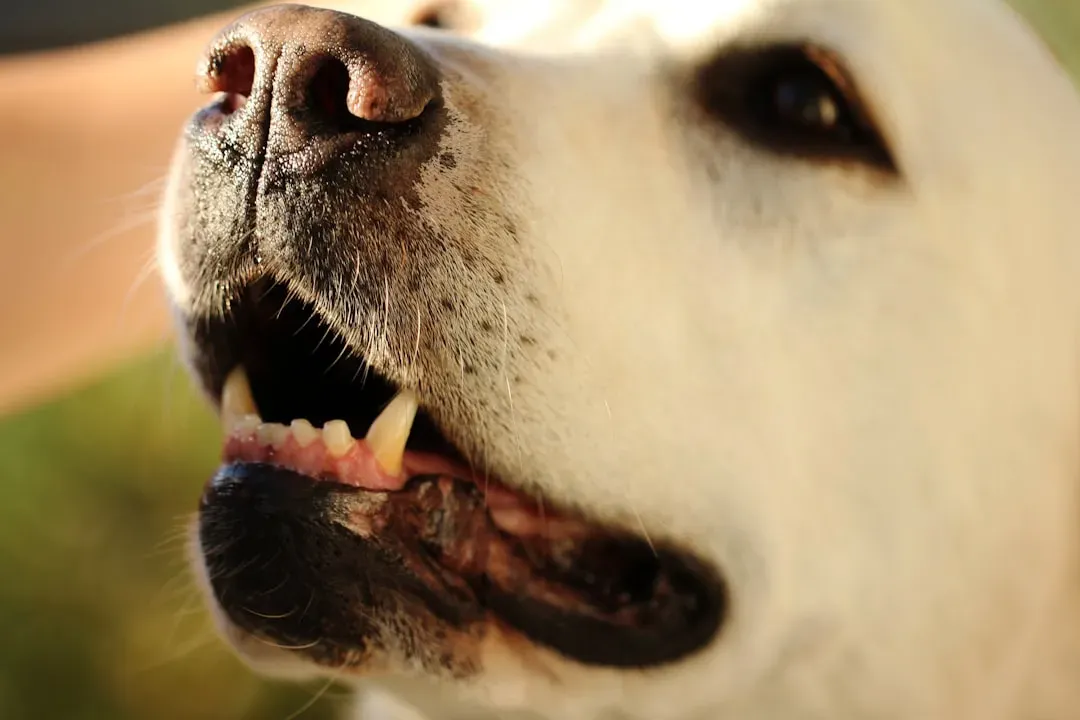
In the brutal underworld of dog fighting, where noise often spells disaster, one pit bull named Scooby learned to survive by staying utterly silent. Rescued from a chaotic bust, he arrived at shelters covered in wounds, his spirit so broken that he refused to bark, whine, or make any sound at all. Caregivers poured in medical care and patience, yet his voice stayed hidden, a haunting reminder of trauma’s grip. What finally unlocked it points to something profoundly human in the animal world.
Let’s be real: stories like this don’t just tug at heartstrings; they challenge everything we think we know about rescue dogs and recovery.
From Fighting Rings to Fragile Sanctuary
Scooby endured years of forced combat in underground rings, emerging with physical scars and a psychological shutdown that left him mute. Rescuers found him during a major operation, his body battered but his silence even more telling. Animal welfare groups see this often in fighting dogs, where vocalizing meant punishment or worse. Weeks of top medical treatment and safe housing followed, yet Scooby stared blankly, ignoring toys and other dogs alike.
His case puzzled even seasoned caregivers. Statistics from groups like the Humane Society show over 70 percent of such rescues battle severe anxiety or withdrawal. For Scooby, silence became his shield, persisting through every rehab effort.
The Deep Roots of Canine Silence
Veterinary behaviorists like Dr. Elena Vasquez describe this as selective mutism, a survival tactic in abusive environments. Dogs go quiet to stay invisible and dodge harm, mirroring human trauma responses. Scooby stood out among tough fighters; he shunned play and socialization, his eyes distant. Shelters share countless similar tales from ring survivors.
Therapy sessions and gradual introductions yielded no barks. The mystery deepened: what could pierce such profound withdrawal? Patience emerged as the key, far from the aggressive fixes tried before.
A Foster Dad’s Quiet Revolution
Mark Thompson, a former firefighter turned rescuer, took Scooby into his home with zero pressure. He sat for hours daily, sharing meals and gentle touches, letting trust build naturally. “I didn’t push him,” Thompson said. “I just let him know he was safe.” Subtle changes appeared over weeks – tail wags, looser posture – but the voice held back.
This low-key bond contrasted sharply with shelter interventions. Thompson’s experience with strays guided him, turning routine days into milestones. Scooby began to lean in, eyes softening with rare connection.
The Breakthrough Bark That Changed Everything
Months in, on a typical evening as Thompson headed out, Scooby planted himself at the door, gaze fixed intently. A deep, resonant bark filled the air for the first time – not fierce, but pure longing. Thompson dropped to his knees, emotional. Veterinarians hailed it as emotional recovery, the moment Scooby saw family, not threat.
“It was like he’d been holding his soul inside, waiting for someone to truly see him,” Thompson shared. This single sound shattered years of silence, proving love’s raw power.
Science, Stigma, and the Fight Ahead
Research from the American Veterinary Medical Association backs this: abused dogs withhold sounds until secure bonds form, akin to PTSD. “Dogs don’t bark for anyone; they bark for those they love and protect,” Dr. Vasquez notes. Shelters now push “trust-first” methods, inspired by Scooby. Dog fighting still ravages thousands yearly, with over 25,000 U.S. seizures in the last decade per ASPCA data.
Pit bull adoptions have jumped 40 percent amid awareness drives, yet underfunded rescues and weak laws persist. Scooby’s story spotlights breeding ops and gambling ties uncovered in raids.
Final Thought
Scooby now romps joyfully, barking through play and walks, officially adopted by Thompson last month. As a therapy dog, he teaches kids about kindness, sparking foster surges. His journey screams resilience: patience resurrects what cruelty breaks. What silent survivor story have you witnessed? Share in the comments.
Source: Original YouTube Video