
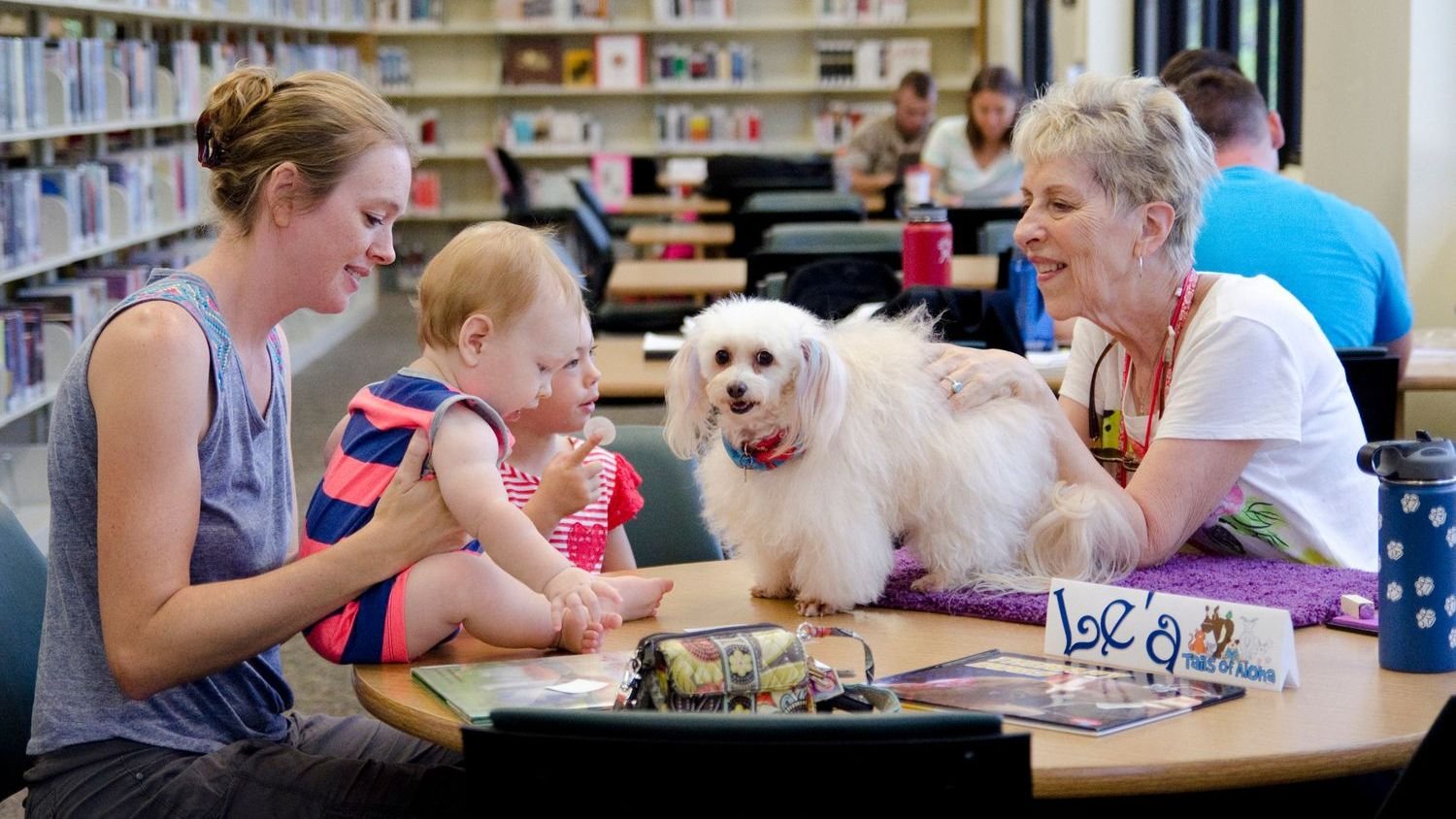
Picture this. You walk into a senior living community and see faces light up as a gentle dog pads through the hallway. Maybe it’s someone who hasn’t smiled in days, suddenly reaching out to stroke soft fur. Or an older adult who struggles with anxiety, visibly relaxing as a calm companion settles beside them. That connection, that moment of pure comfort, is what therapy dogs were born to do.
Seniors can suffer from loneliness, especially if they have diseases such as Alzheimer’s that cause them to forget their loved ones have visited. For countless older adults living in assisted care or simply aging at home, the companionship of a therapy dog brings not just comfort but also a renewed sense of purpose and joy. These remarkable canines aren’t just pets visiting for a quick hello. Therapy dogs should be both friendly and calm, enjoying interaction with people because that’s exactly what they’ll be doing. They’re trained to read emotions, respond with patience, and bring that special kind of healing only a dog can provide.
Honestly, not every breed is cut out for this important work. Personality and behavior are much more important than the breed. Still, certain breeds tend to shine in therapy settings, especially when working with seniors who need gentle energy, steady temperaments, and intuitive understanding. Let’s dive in and explore the breeds that truly excel at this meaningful work.
1. Cavalier King Charles Spaniel – The Comforter
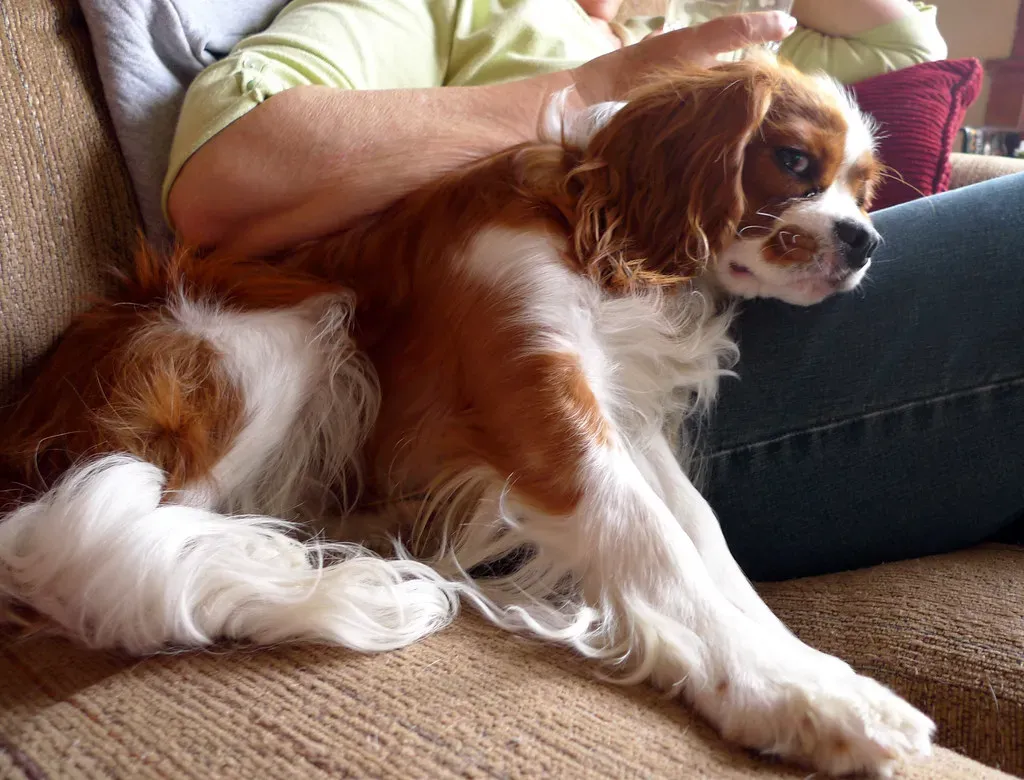
As a breed they are loving, friendly, and aim to please their person, with a size good for the task, small enough to be picked up and placed in residents’ laps or on recliners. These sweet dogs were literally bred to be lap warmers in drafty castles centuries ago. They were often known as ‘comforter’ Spaniels due to their love of lounging on laps, making them amazing therapy dogs, bringing joy and smiles to those in need.
What makes them so special with seniors? Their calm demeanor and mild temperament allow them to interact harmoniously with children, elderly individuals, and those with emotional or physical challenges. They’re incredibly intuitive, picking up on emotional shifts before you even realize something’s wrong. They are flexible, enjoying being around many people or in a one-on-one situation, good with children and older adults, and can be in a quiet environment or one with occasional noise. That adaptability is gold when working in senior facilities where every day brings something different.
2. Golden Retriever – The Gentle Giant

Golden retrievers are gentle, friendly people who respond well to training and are responsive to human emotional needs, making them one of the most common therapy dog breeds. Let’s be real, there’s a reason you see Goldens everywhere in therapy work. They have a gentle temperament which is crucial for therapy work, patient and calm even in stressful environments.
Their empathetic nature allows them to sense when someone is upset or anxious, and they instinctively provide comfort, a natural empathy that is a key factor in their effectiveness as therapy dogs. Think about a senior struggling with depression or recovering from illness. Elderly residents in nursing homes often benefit from interactions with therapy dogs, as Golden Retrievers offer companionship, stimulate memories of past pets, and provide a sense of purpose and joy to residents who may feel isolated or lonely. These dogs don’t just show up. They connect on a level that transcends words, which matters deeply when verbal communication becomes difficult.
3. Poodle – The Intelligent Companion
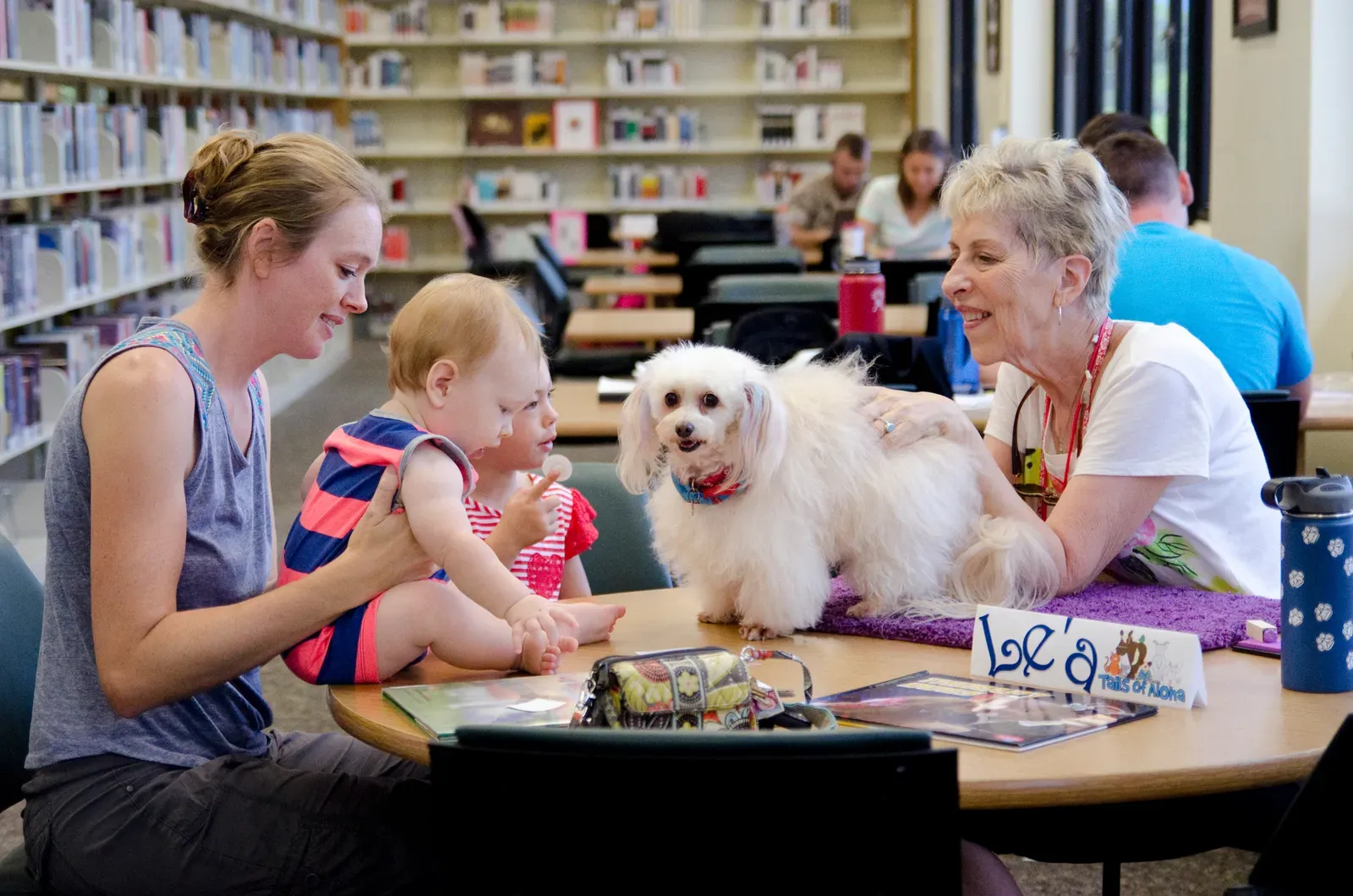
Here’s the thing. Poodles are often used for therapy, which is no surprise as they are one of the most intelligent and obedient dogs. These fluff balls are friendly and loving but not too excitable, so they have just the right energy for the job.
Their keen sense of emotional intelligence allows them to pick up on subtle cues, making them responsive to the emotional needs of the individuals they interact with, a trait pivotal in therapy work as it enables the dog to adapt its behavior according to the emotional state of the person. A Poodle’s calmer demeanor reassures seniors and can become a crucial source of companionship and joy. Poodles also have that hypoallergenic coat, which is huge for seniors with allergies or respiratory sensitivities. They come in different sizes too, from Toy to Standard, so you can match the right fit to the living situation.
4. Labrador Retriever – The Devoted Helper
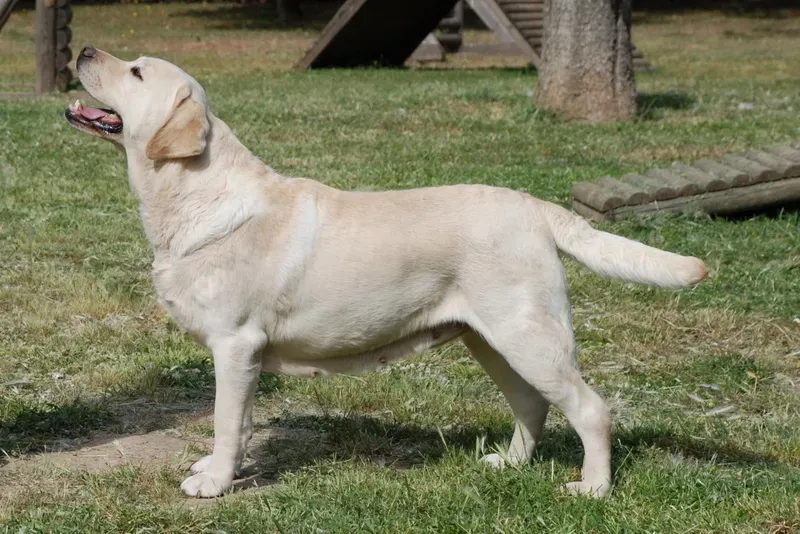
The Labrador Retriever is not only the most popular dog breed in the US but is also commonly used as a therapy dog, in large part due to their gentle temperament and happy-go-lucky nature. Labs just love people. Period. Labs absolutely love to please you so training them is usually a breeze, and they tend to be very perceptive as well as affectionate, so they are great for people suffering from depression or anxiety disorders.
I think what really sets Labs apart is their reliability. They’re steady, predictable, and incredibly patient, which is exactly what seniors need. Labrador retrievers are friendly and even-tempered, but they are also very lively and need a lot of physical activity. That’s something to consider if the senior has mobility limitations, but with proper exercise routines managed by family or staff, Labs become unwavering companions in care facilities.
5. Greyhound – The Quiet Surprise
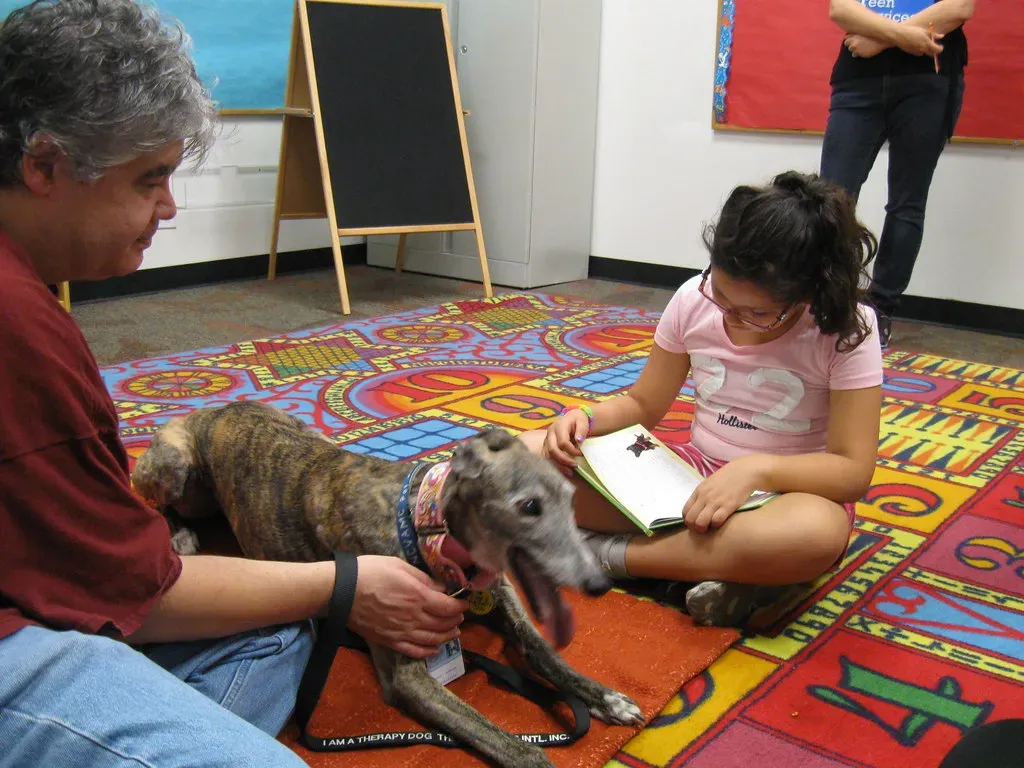
Greyhounds are quite the dark horse when it comes to therapy breeds, as most people don’t expect to see them in such a list. You might picture racing dogs, all speed and nerves. They are, however, incredibly calm, quiet, and affectionate dogs that can provide comfort to patients in a hospital or those in a retirement home setting.
They are usually used as therapy dogs with the elderly as they don’t need much play or exercise, and they’re happy to simply sit on someone’s lap and keep them company. This breed doesn’t have much endurance, so once they’re done running, they’re ready to relax. Perfect for seniors who appreciate quiet companionship without the high energy demands. Greyhounds enjoy daily walks and the rare opportunity to race, but most of them are couch potatoes that enjoy lounging with their owners.
6. Bichon Frise – The Cheerful Spirit
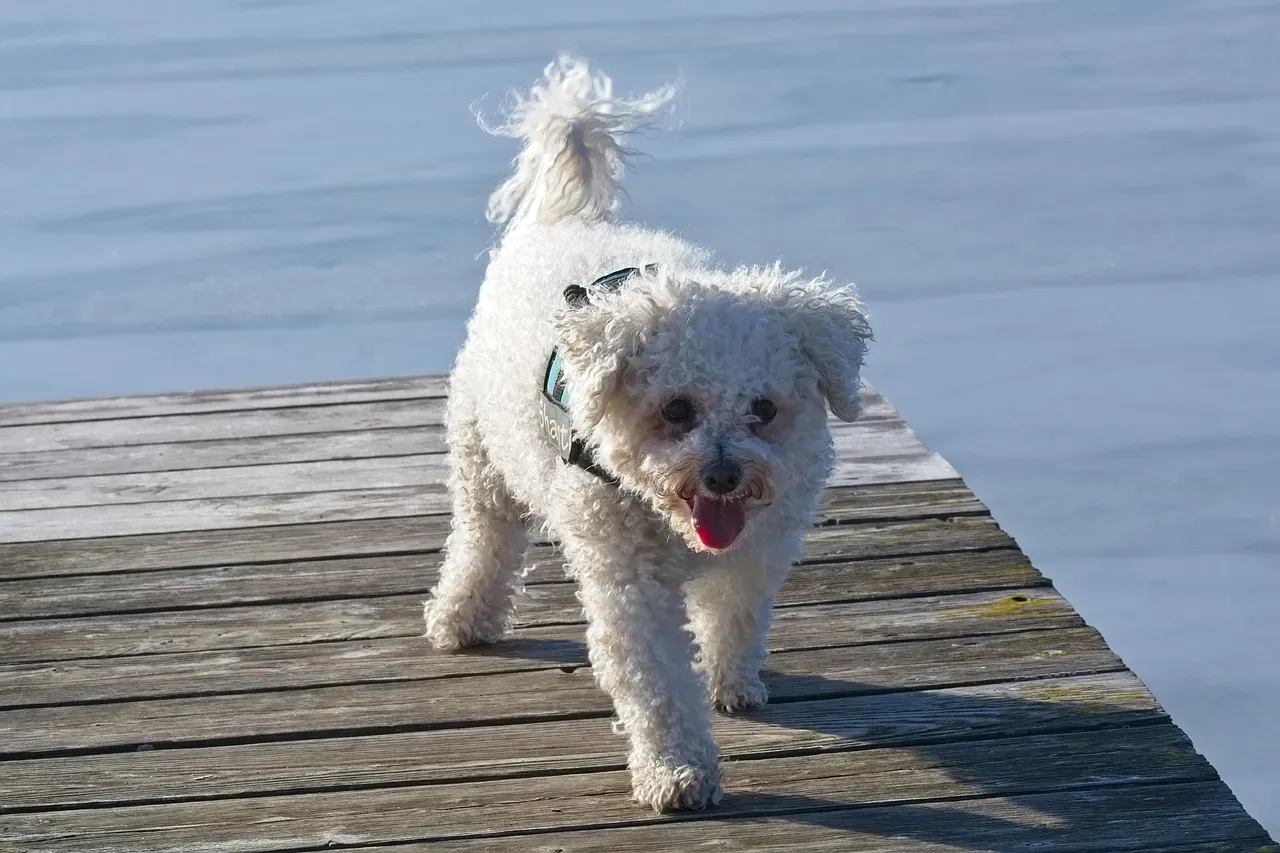
These white powder puffs of a dog are known for their sweet and friendly nature and are perfect for seniors seeking easy companionship, with low-maintenance pups that aren’t difficult to potty train and don’t shed much. Bichons are gentle and playful and they get along well with other pets and children, so you don’t need to put them in another room if the grandkids stop by.
Their cheerful disposition is contagious. Bichon Frises are great for therapy work due to their adaptability and ability to bond quickly with people, being small, affectionate, adaptable, and great for people with allergies. Seniors often respond beautifully to their bubbly energy without feeling overwhelmed. They’re small enough to cuddle easily but sturdy enough for gentle handling. I’ve seen seniors who rarely engage suddenly break into smiles when a Bichon bounces over.
7. Pembroke Welsh Corgi – The Spirited Friend
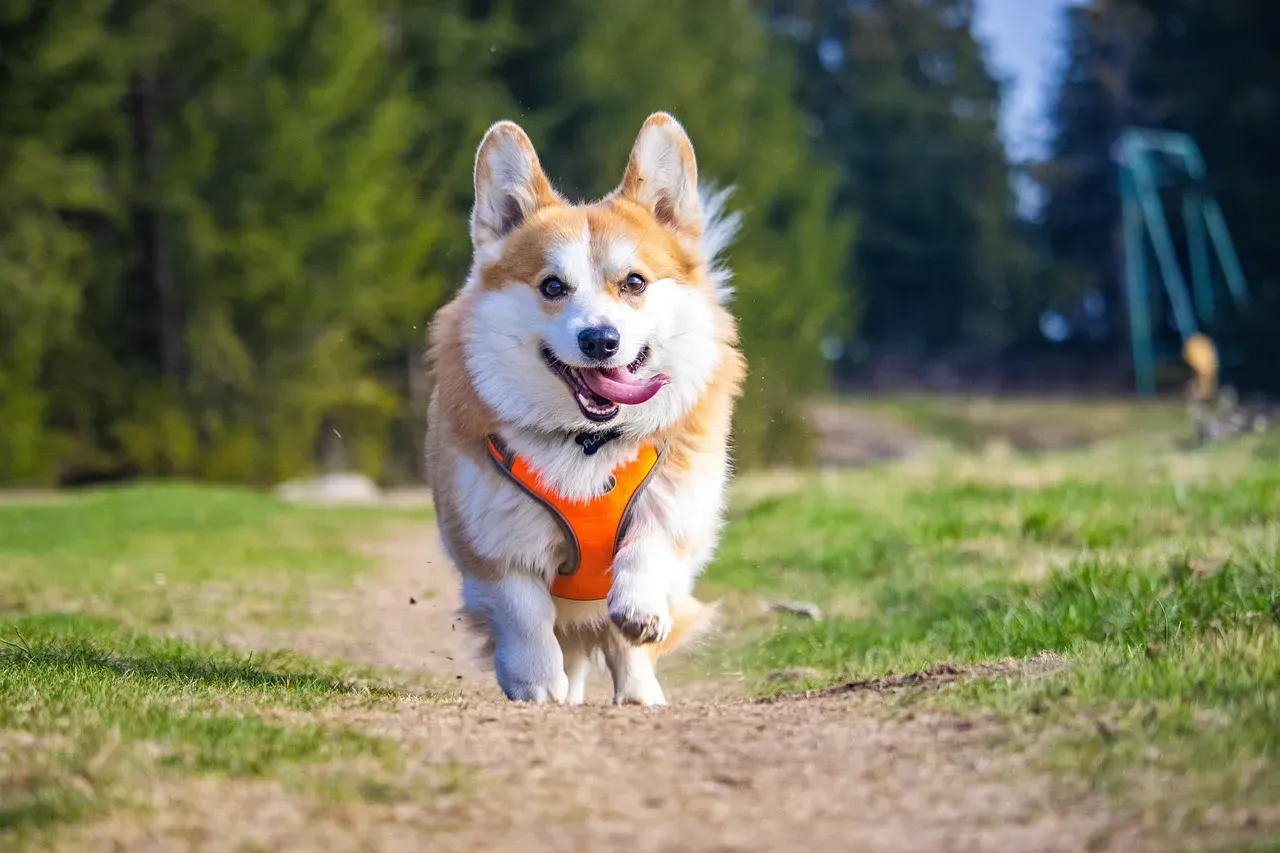
For more active seniors who enjoy outdoor exploration such as walking on nature trails, the lively and adventurous Pembroke Welsh Corgi is a great match. With their cute little legs and sparkly eyes, Corgis win over the hearts of children, adults, and elder folks alike, with a sociable personality that wants to be included in every occasion.
If you’re looking for a small to medium dog that’ll be an excellent friend, the Corgi is a good choice, small enough for most people to handle, weighing 24 to 30 pounds, and intelligent and relatively quick to train. They bring a playful element to therapy visits but know when to dial it back. Your Corgi will require regular exercise, but frequent walks are also sufficient, and they need very little grooming, which can be very convenient. That balance between active and manageable makes them wonderful for seniors who still have some mobility but need a companion who won’t overwhelm them.
8. Pug – The Snuggly Sweetheart
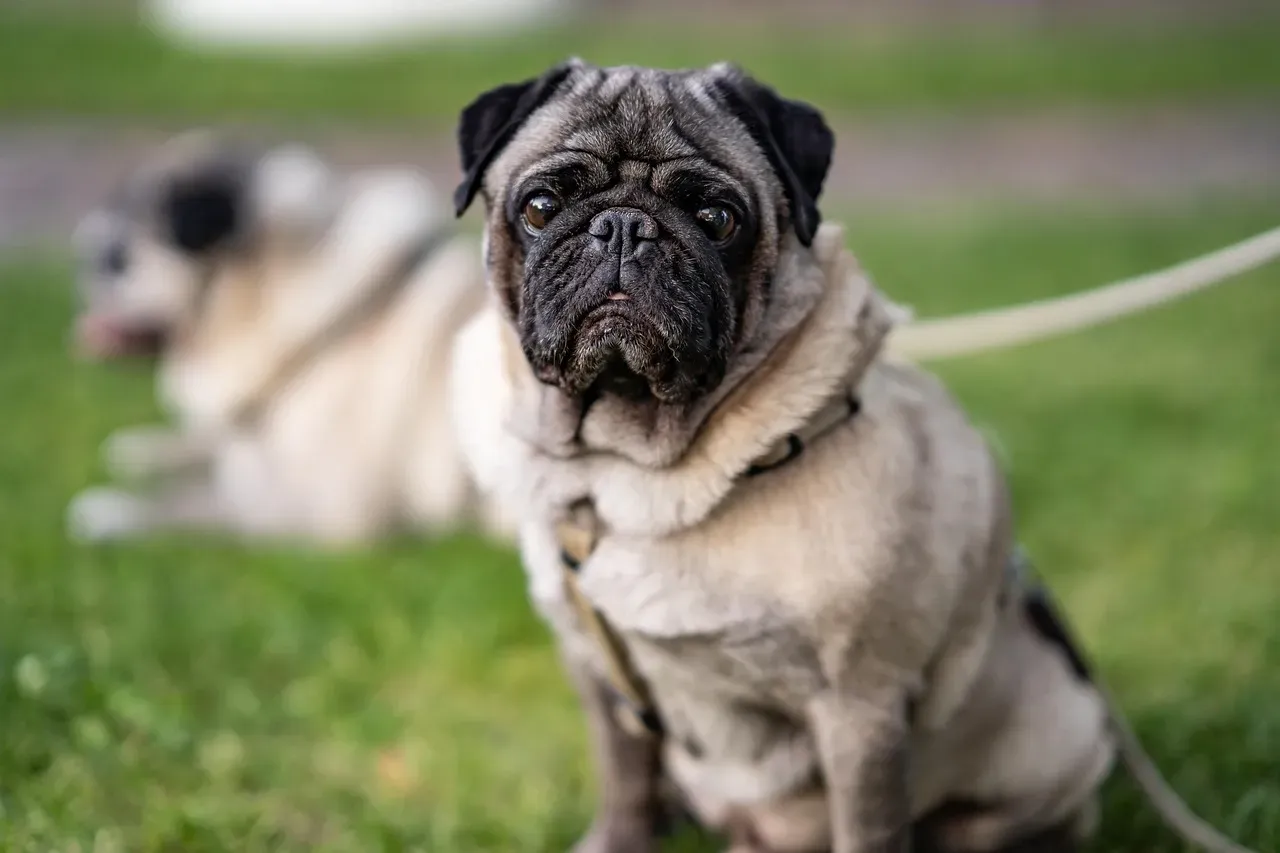
The pug’s motto is “a lot in a little,” a perfect description for this vivacious breed, small in size weighing on average between 14 and 18 pounds, easy to manage and handle, with expressive faces and amiable dispositions. Pugs often work with children and the elderly due to their small size, and their sunny demeanors usually mean they are well-matched to those with mood disorders.
Pugs are less active than most breeds and enjoy lounging, and they don’t want regular walks, only cuddling with their owners on the couch. Honestly, that’s ideal for seniors who prefer quiet, low-key companionship. Brief strolls and short indoor or outdoor play sessions are sufficient for the laidback Pug. Their comical expressions and gentle snorts often bring laughter, which is therapeutic all on its own.
9. Shih Tzu – The Affectionate Companion
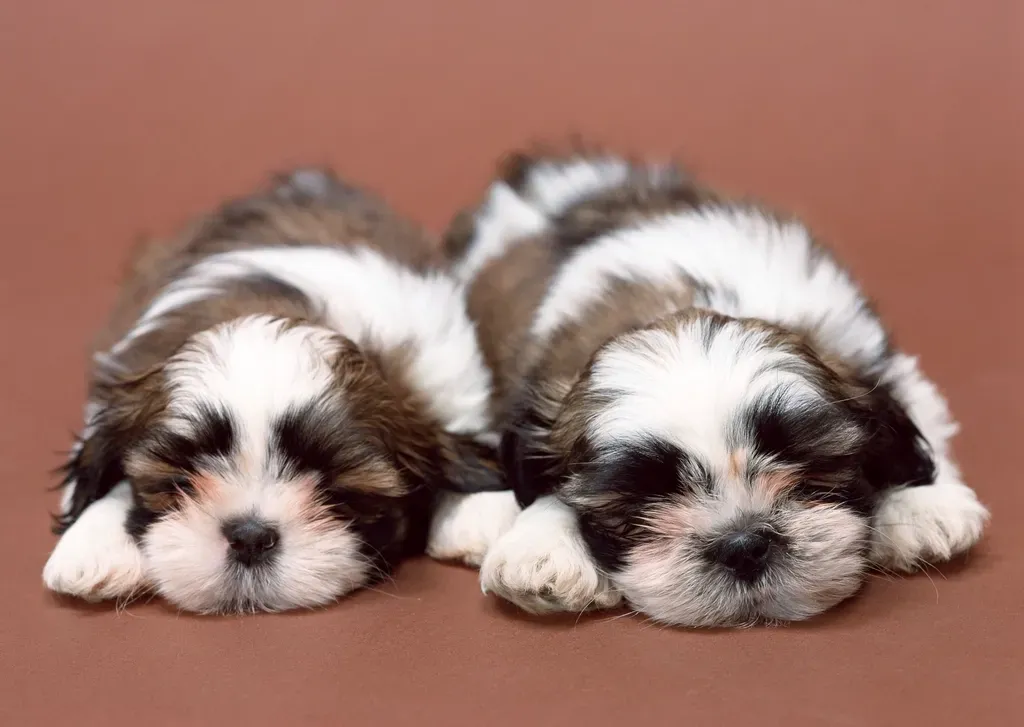
The elegant Shih Tzu prospers with plenty of love and attention, and this outgoing breed is also great with kids, making them a perfect playtime buddy when the grandchildren visit. The Shih Tzu is an affectionate dog who enjoys spending time with their pet parent, whether it’s cuddling or accompanying them throughout the house, and this breed is amiable and welcoming to other people and pets.
Seniors who enjoy a more relaxed lifestyle might prefer a low-energy breed like the Shih Tzu or Cavalier King Charles Spaniel. The Shih Tzu is up for a daily walk if its pet parent is, and this lapdog is more than happy to enjoy down time for the rest of the day. They’re incredibly devoted and thrive on human connection, which creates that beautiful bond seniors often crave. They are small, social, and friendly to kids, however long-haired Shi-Tzu requires regular grooming, which can help seniors preserve fine motor skills.
10. Maltese – The Gentle Healer
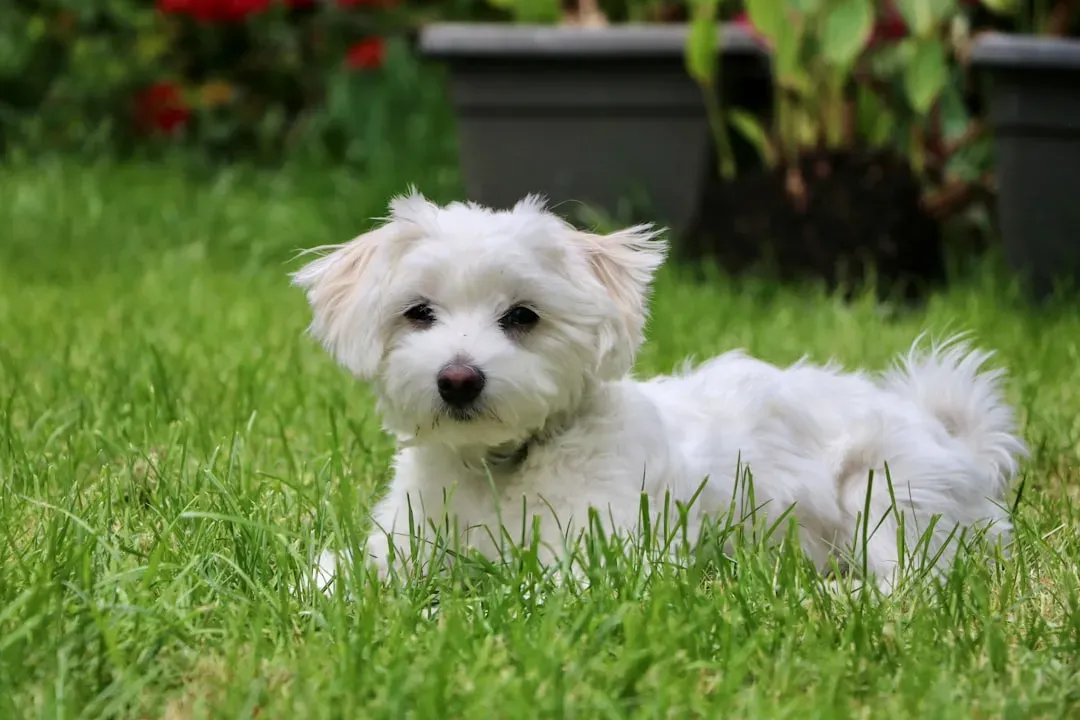
The Maltese lives for the spotlight and basks in the attention a senior can offer, and in return, the senior is comforted by this cute little lapdog, creating a perfect pair. Lively but gentle, the smart Maltese enjoys playtime and is more than happy to entertain others with its cool dog tricks, and often used as a therapy dog, this breed is attentive to the emotions of their pet parent.
Their small size makes them incredibly portable and easy to care for. Lap dogs are great for seniors because they’re small and very happy to be petted all day, and if you want a furry companion that will curl up on your lap at a moment’s notice, the Maltese is a great choice. They have this instinctive ability to sense distress and respond with affection. Seniors in wheelchairs or with limited mobility find Maltese dogs easy to manage yet deeply comforting.
Conclusion
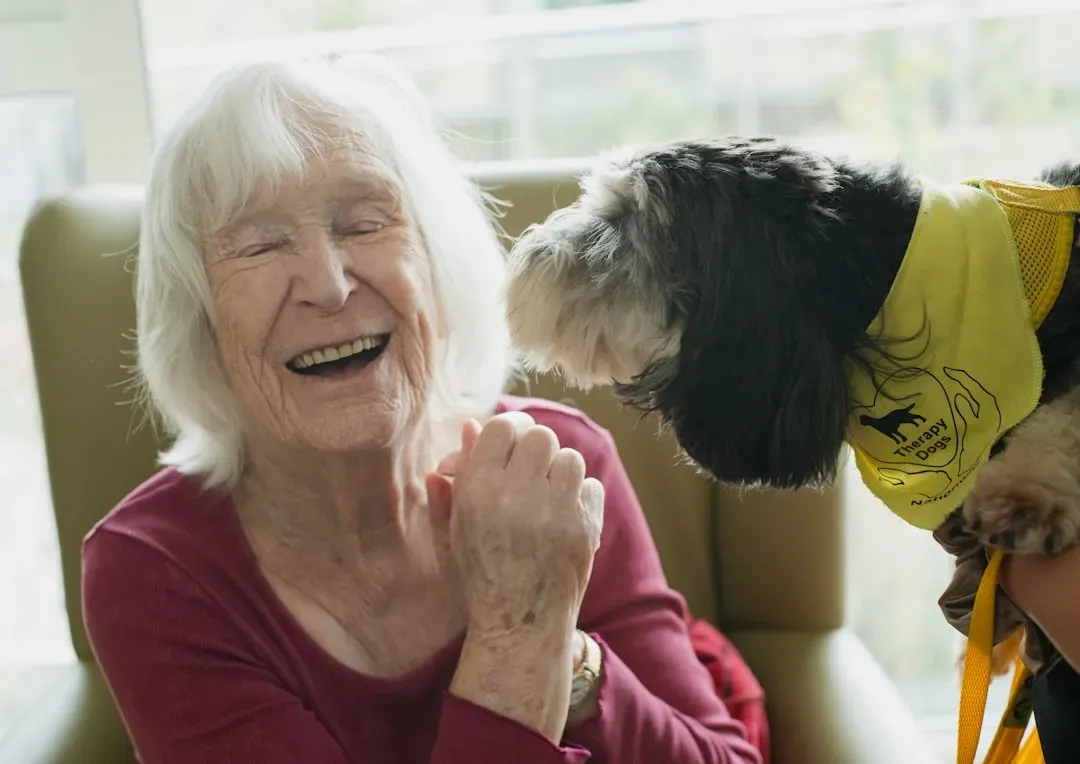
Therapy dogs do something extraordinary. They don’t judge, they don’t demand, and they offer unconditional love exactly when it’s needed most. It only takes 30 minutes of interacting with your pet for your brain to produce endorphins and dopamine, hormones that help us feel happy and improve our well-being. For seniors navigating loneliness, health challenges, or the simple difficulties of aging, these ten breeds bring light into everyday moments.
Therapy dogs should be both friendly and calm, and being calm is a necessity for therapy dogs. Each breed we’ve explored offers something unique, from the Cavalier’s gentle lap cuddles to the Greyhound’s surprising calmness to the Poodle’s brilliant adaptability. The common thread? A temperament built for empathy, patience, and unwavering devotion.
If you’re considering a therapy dog for a senior loved one or thinking about volunteering with your own dog, remember this. It’s not just about the breed. It’s about the bond, the training, and the willingness to bring joy to someone who needs it. What do you think? Have you experienced the magic of therapy dogs firsthand? Share your story in the comments below.


