
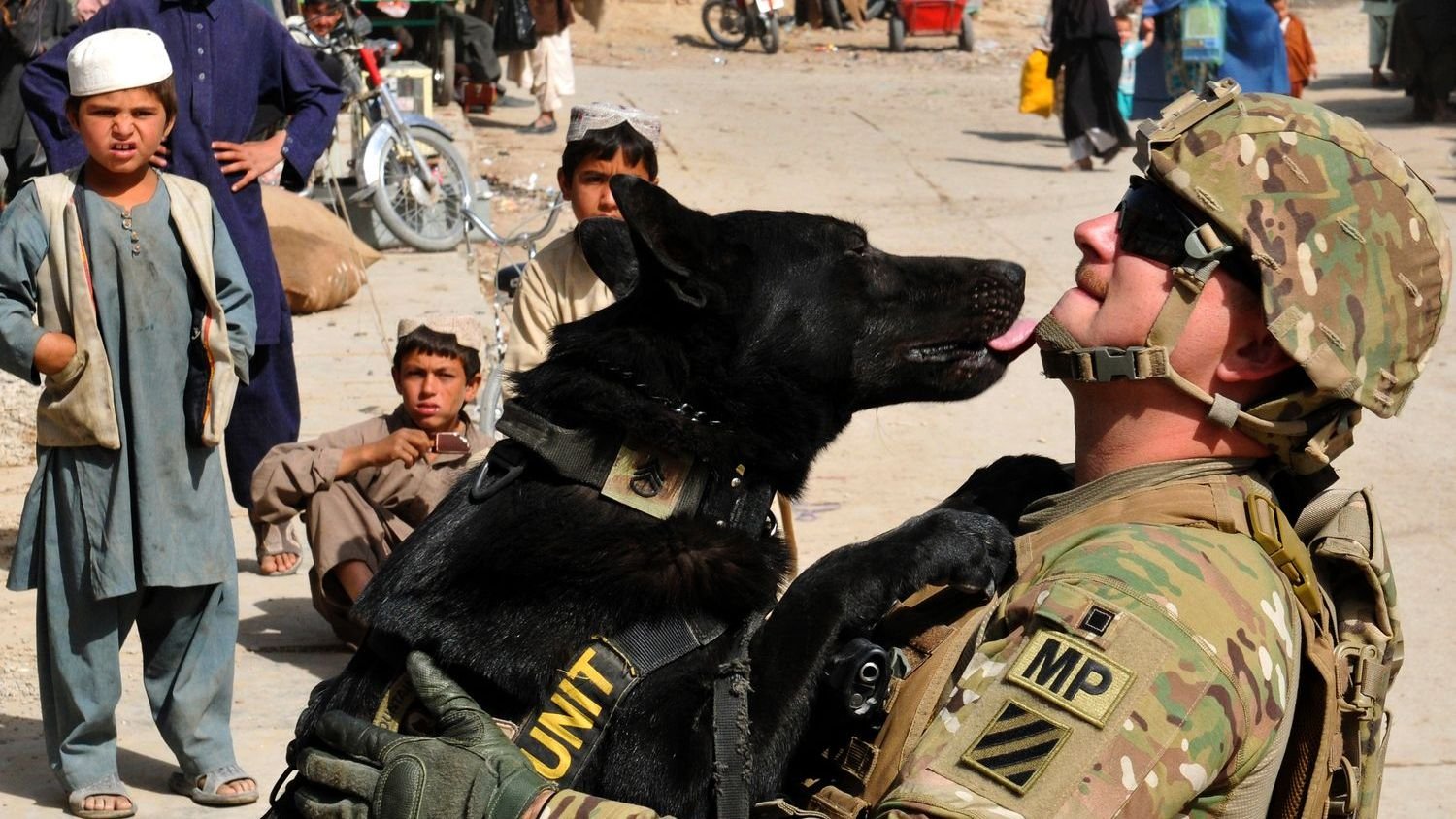
Have you ever noticed how your dog’s ears perk up at certain words, while others seem to send them slinking under the couch? It’s not just your imagination. Our canine companions are far more attuned to our language than we might think, processing not just the sounds we make, but the emotions and intentions behind them. The words we choose, combined with how we say them, can spark pure joy or trigger anxiety in our dogs.
Understanding which words light up your pup’s world and which ones dampen their spirits isn’t just fascinating. It’s essential for building a deeper, more trusting relationship. Let’s dive into the language of dogs and discover how our words shape their daily emotional landscape.
Walk: The Magic Word That Sparks Pure Joy
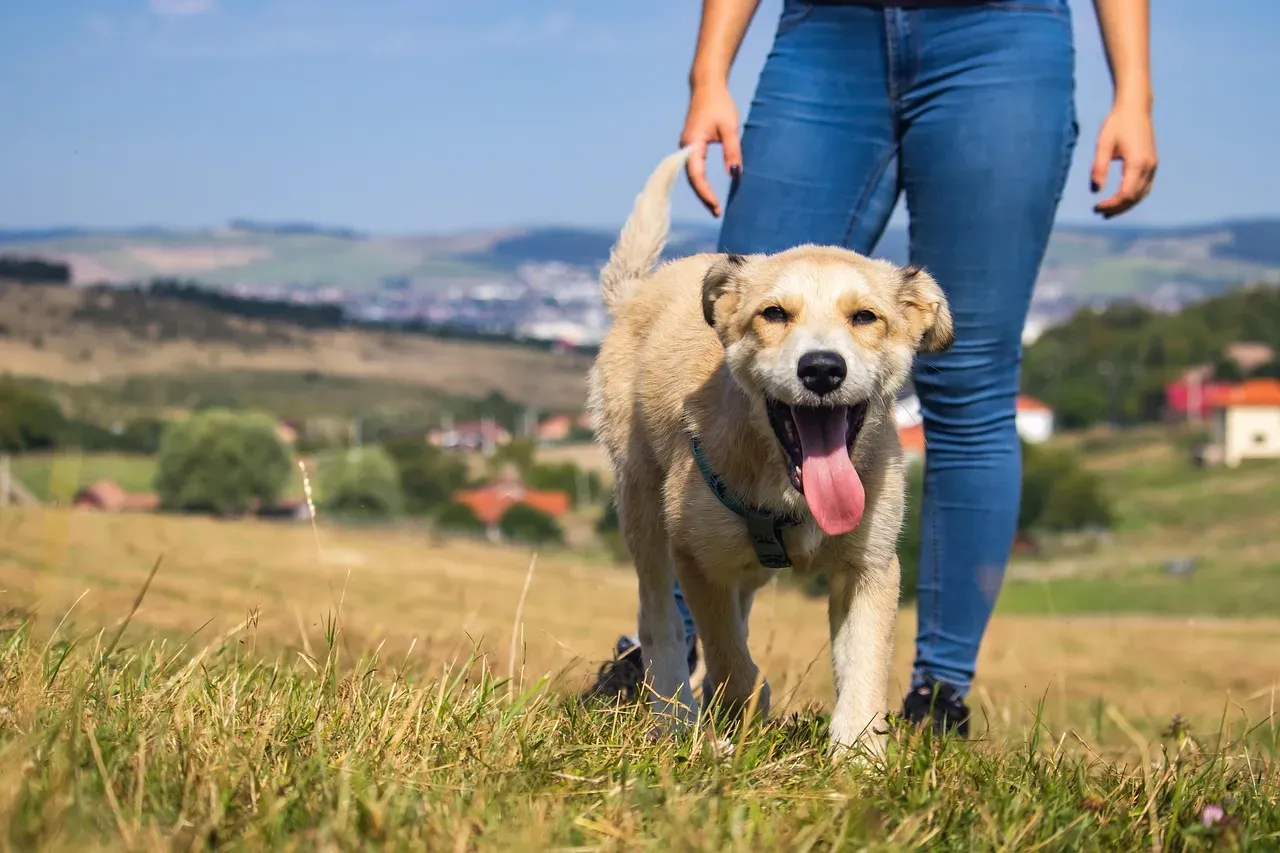
If there’s one word that universally excites dogs, it’s got to be “walk.” The moment this simple four-letter word leaves your lips, watch how your dog transforms into a bouncing bundle of anticipation. Their tail starts wagging at maximum speed, they might spin in circles, and some even grab their leash before you can finish the sentence.
Dogs can predict and respond to what we are trying to say just a fraction of a second after we start saying a word. The word “walk” has become so deeply associated with one of their favorite activities that the mere sound triggers a cascade of happy hormones. It represents adventure, new smells, social interaction, and quality time with you.
Many dog owners have resorted to spelling out W-A-L-K to avoid the premature excitement. Yet clever pups often catch on to this trick too. This demonstrates just how powerful positive word associations can be in a dog’s mind.
Treat: The Universal Language of Love

Right up there with “walk” is another crowd pleaser: “treat.” This word has been reinforced countless times throughout your dog’s life, linking the sound directly to something delicious. If you say “Treat” before grabbing a dog biscuit, your faithful companion will learn to run to the pantry when he hears that word.
What makes “treat” so powerful is its consistency. Unlike more abstract commands, this word delivers an immediate, tangible reward that dogs can taste and enjoy. The association is crystal clear in their minds. Every time they hear it, their brain lights up with anticipation, much like how a child responds to hearing about dessert.
The beauty of this word lies in its simplicity and reliability. Dogs know exactly what’s coming, and that predictability brings them comfort and excitement. It’s become so ingrained in canine vocabulary that many dogs will literally drool at the sound.
Good: Affirmation That Warms Their Heart
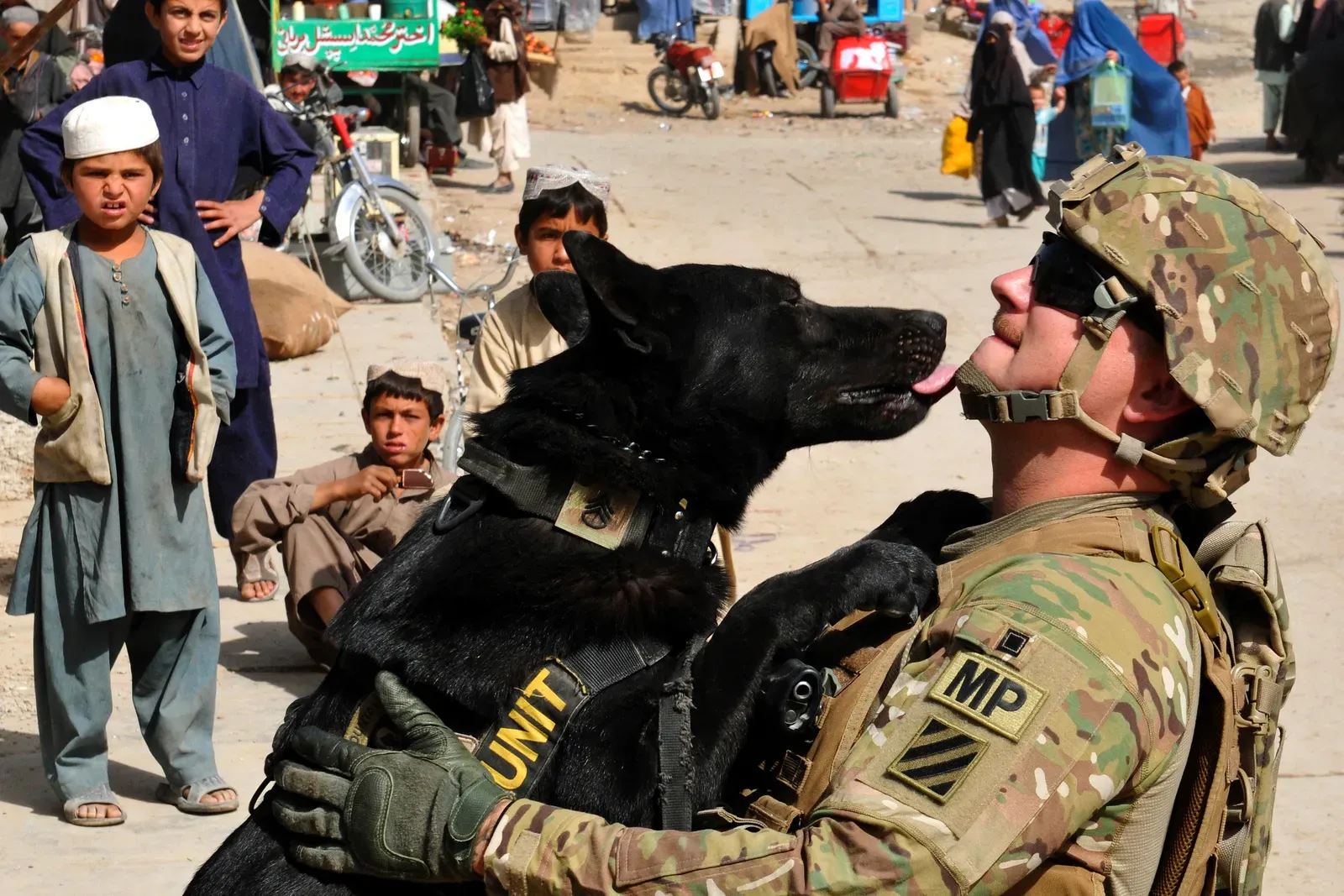
Dogs are social creatures who crave approval from their pack, and you’re the leader of that pack. The word “good,” especially when delivered in a warm, cheerful tone, acts as emotional currency for your pup. It tells them they’ve done something right, that you’re pleased, and that they’re valued.
When they heard words of praise delivered in a praising tone, yet another part of their brain lit up: the reward area. Meaning and tone enhanced each other. This research reveals that dogs don’t just hear the word – they experience it as a genuine reward in their brain’s pleasure centers.
Think about how a toddler beams when praised by a parent. Dogs respond similarly to “good boy” or “good girl.” Their ears relax, their body language softens, and you might notice a gentle tail wag. This single word, paired with your loving tone, strengthens your bond and encourages the behavior you want to see more of.
Dinner or Food: The Call That Never Gets Old
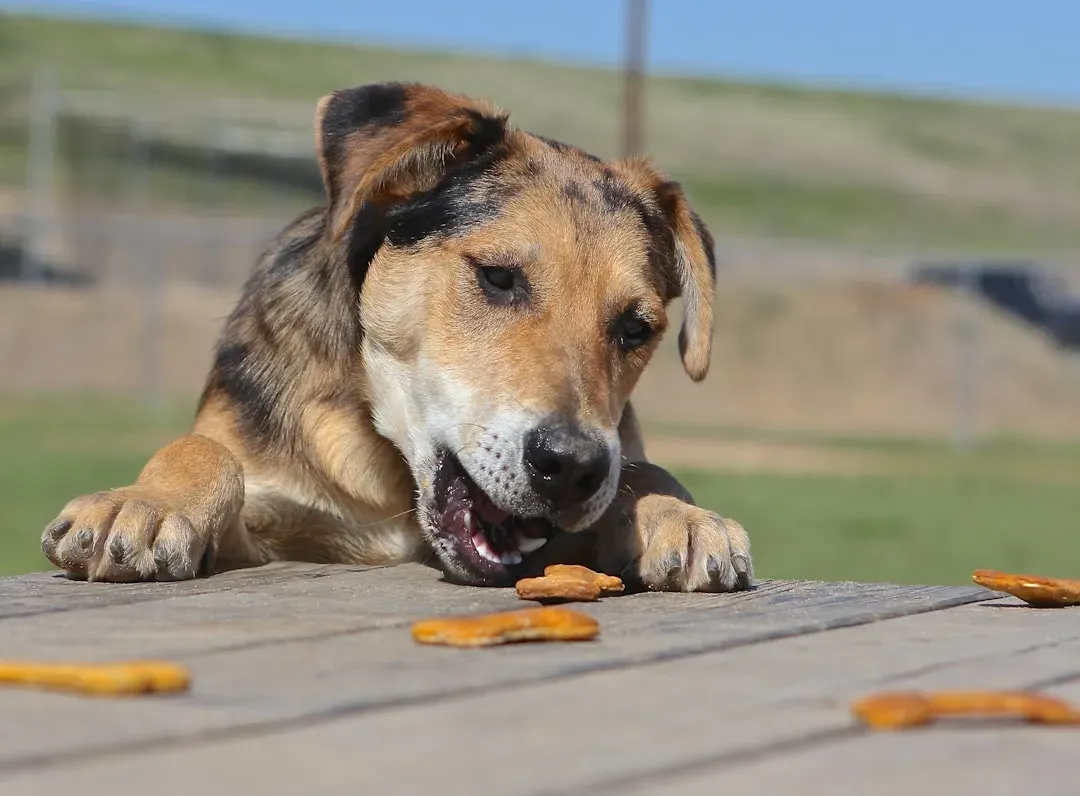
Few things rival the enthusiasm dogs show when mealtime is announced. Words like “dinner,” “food,” or even “hungry” trigger an immediate response. Your dog might race to their bowl, sit expectantly, or perform their entire repertoire of tricks without being asked.
This response makes perfect sense from an evolutionary perspective. Food equals survival, and dogs have been conditioned over thousands of years to pay attention when sustenance is available. In the domestic setting, these words signal not just nutrition but also routine, comfort, and care from their beloved human.
The predictable nature of feeding times helps dogs feel secure. When you announce dinner with their special word, you’re reinforcing that they’re safe, cared for, and that their needs matter. It’s a daily ritual that brings them genuine happiness.
Play: An Invitation to Joy and Connection

The word “play” opens the door to one of a dog’s favorite activities: unstructured fun with you. Whether it means fetch, tug-of-war, or chase, this word signals that it’s time to let loose and enjoy each other’s company. Dogs use human voice intonation as a social referential cue, extracting information about people’s reaction to novel or ambiguous objects and acting accordingly.
When delivered with an enthusiastic, high-pitched tone, “play” becomes irresistible. Your dog understands that you’re offering your time, attention, and energy specifically for their enjoyment. This shared experience strengthens your relationship and provides essential mental and physical stimulation.
Watch how your dog responds differently to “play” versus a command like “sit.” Their entire demeanor shifts from obedience mode to pure excitement. They might bring you toys, bounce around, or engage in that adorable play bow that signals they’re ready for action.
No: The Word That Creates Confusion and Anxiety
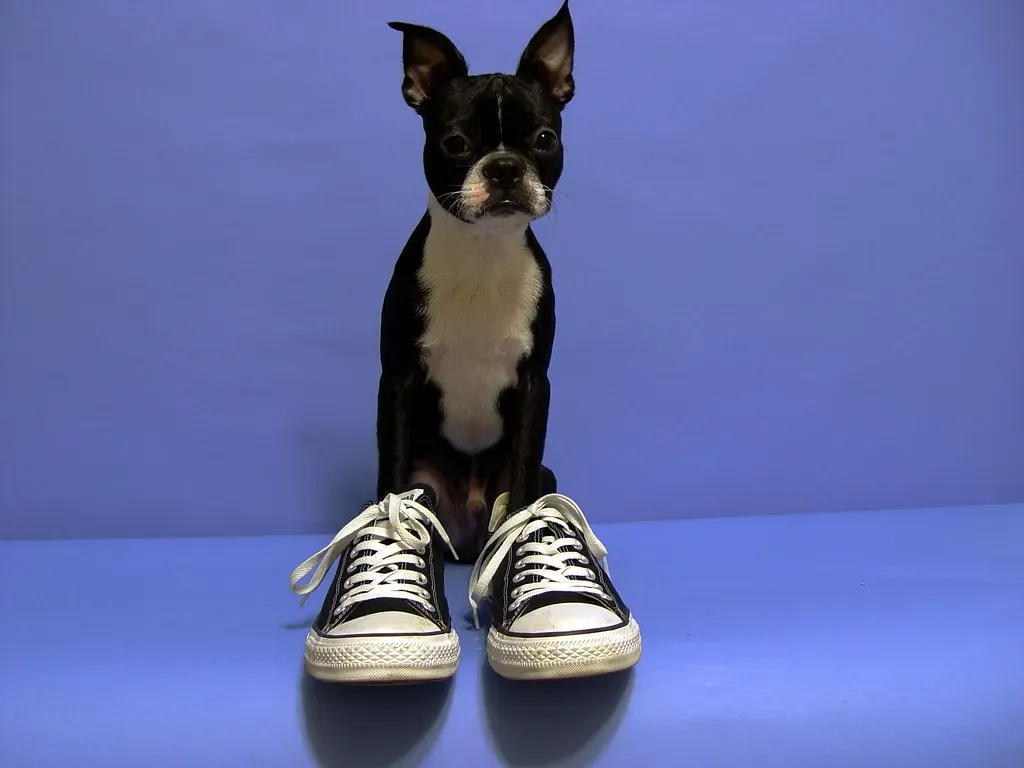
Now we venture into darker territory. The word “no” is probably the most overused negative word in dog training, yet it’s also one of the most problematic. Using clearer, calmer cues – like redirecting with “leave it” or guiding with positive reinforcement – helps your dog learn without feeling stressed or scared.
Here’s the challenge: “no” doesn’t tell your dog what to do instead. It only communicates disapproval without offering direction. Over time, this word becomes associated with your frustration, disappointment, or anger. Dogs pick up on the harsh tone and tense body language that usually accompany “no,” creating stress rather than understanding.
Many dogs will cower, avoid eye contact, or display submissive behaviors when they hear “no” shouted repeatedly. They’re responding to your emotional state, not necessarily understanding what behavior needs to change. This is why modern dog training emphasizes positive redirection over negative prohibition.
Bad Dog: Words That Wound the Bond

The phrase “bad dog” can feel especially harsh to dogs because it’s almost always delivered during tense moments. Unlike “no,” which at least feels neutral, “bad dog” attaches judgment to your dog’s character rather than their behavior. Dogs don’t understand moral concepts like “good” versus “bad” in human terms.
Many dogs learn that this phrase predicts yelling, tension or physical punishment. Over time, “bad dog” becomes a powerful trigger for fear, stress, or appeasement behaviors. You might notice your dog lowering their head, tucking their tail, or even urinating submissively when they hear these words.
The emotional weight behind “bad dog” can damage your relationship. Your pup doesn’t connect the phrase to the specific behavior you’re upset about – they just know you’re angry with them. This creates anxiety and confusion rather than learning. Sensitive dogs may become fearful or even develop behavioral issues as a result of repeated exposure to this harsh phrase.
Vet: A Word That Triggers Instant Dread

Dogs quickly learn this word predicts a place where they’re poked, prodded, restrained or given medicine. Because vet visits often involve unfamiliar smells, new environments, and handling by strangers, the word itself becomes a strong predictor of stress and anxiety.
The challenge with “vet” is that the experiences associated with it are inherently uncomfortable, no matter how gentle the veterinarian. Vaccinations hurt, examinations feel invasive, and the clinical smells are foreign and unsettling. Dogs form these negative associations rapidly.
Some dogs may start pacing, whining, or hiding the moment they hear “vet,” even if you haven’t left the house yet. Others may become overly clingy or alert because they know what’s coming. This word has become so loaded with negative meaning that savvy pet parents often avoid saying it directly, opting for code words or spelling instead.
Goodbye: The Sound of Separation Anxiety

For dogs who struggle with being alone, words like “goodbye,” “bye-bye,” or “see ya” can trigger immediate panic. Words that predict being left alone can cause dogs with separation anxiety to panic as soon as they hear these cues.
These departure words signal that you’re about to leave, and for dogs with strong attachment to their owners, this represents genuine distress. Your dog doesn’t understand that you’ll return in a few hours. They only know that their primary source of security, comfort, and companionship is walking away.
Watch how a dog with separation anxiety responds to goodbye rituals. They might follow you anxiously, whine, bark, or even engage in destructive behaviors once you’re gone. The word itself has become a trigger because it predicts abandonment in their mind, however temporary that abandonment might be.
Come (When Used Negatively): A Command That Lost Its Power
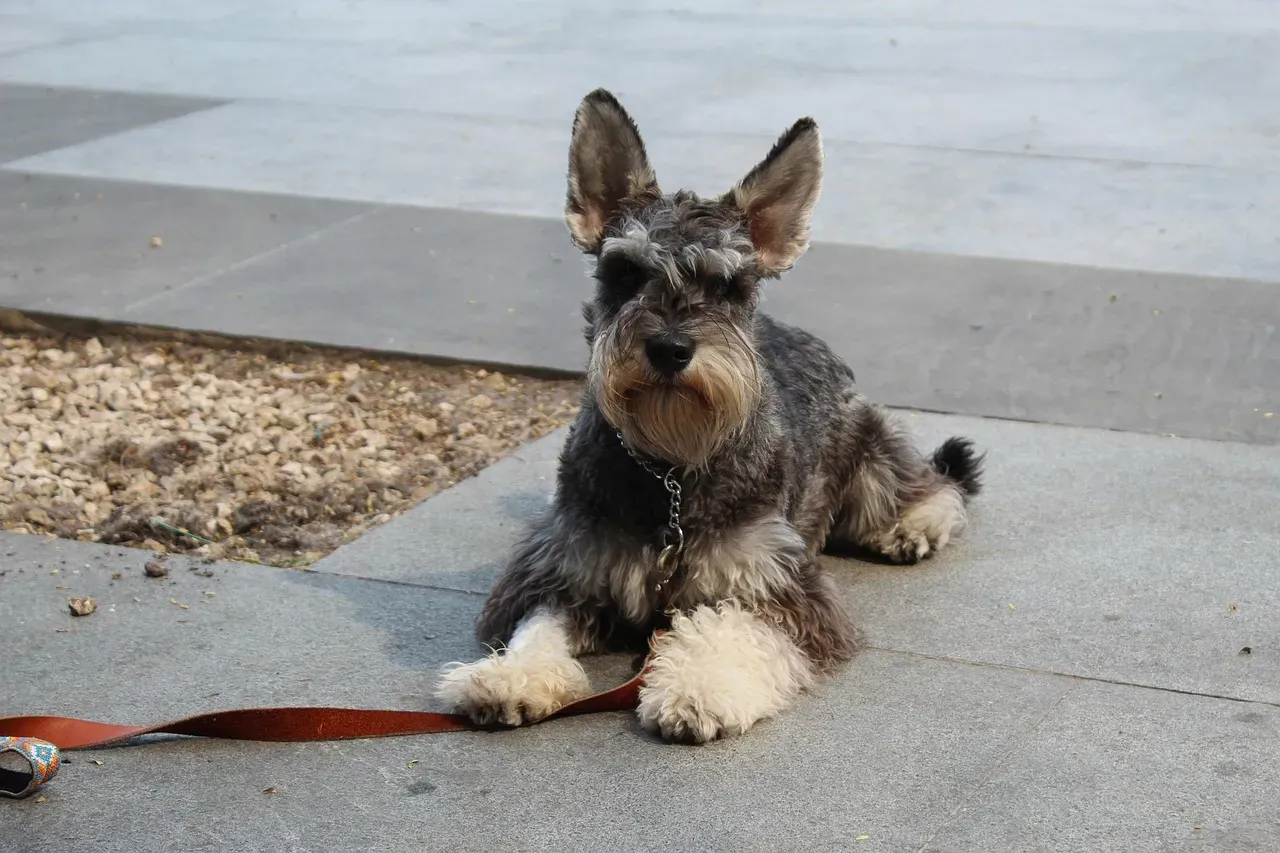
The reaction dogs have to the word “come” often depends entirely on how it’s used. While it’s meant to be a simple recall command, many dogs develop negative associations with it over time. If a dog hears ‘come!’ only when the guardian is frustrated, they learn the command predicts conflict instead of reward.
Think about when you typically say “come” in a stern voice. It’s often when your dog has done something wrong, when playtime needs to end, or when you’re about to do something they dislike – like giving them a bath or trimming their nails. This creates a paradox where the recall command becomes something to avoid rather than obey.
Smart dogs learn to associate a harsh “come” with negative outcomes. They might literally run in the opposite direction or pretend not to hear you. This is why positive trainers emphasize that “come” should always predict something wonderful, never punishment or the end of fun. When this word becomes contaminated with negative associations, it loses all effectiveness and may even trigger avoidance behaviors.
Conclusion: Speaking Your Dog’s Love Language

The words we choose and how we deliver them profoundly impact our dogs’ emotional wellbeing. Positive words like “walk,” “treat,” “good,” “dinner,” and “play” create joy, anticipation, and strengthen your bond. They represent the best parts of your dog’s day and reinforce that you’re their source of happiness and security.
On the flip side, words like “no,” “bad dog,” “vet,” “goodbye,” and a negatively-charged “come” can trigger anxiety, confusion, and even fear. These words often carry emotional baggage that undermines trust and communication between you and your pup.
Experts recommend being aware of your tone and the context around the words you use with your dog. Every new experience should be positive and approached calmly. The less we announce and the more we guide with balanced energy and steady body language, the more predictable and safe the world feels to the dog.
The next time you speak to your furry friend, pause and consider: am I building them up or tearing them down? Your words matter more than you might think. What will you say differently today to make your dog’s tail wag a little harder?


