
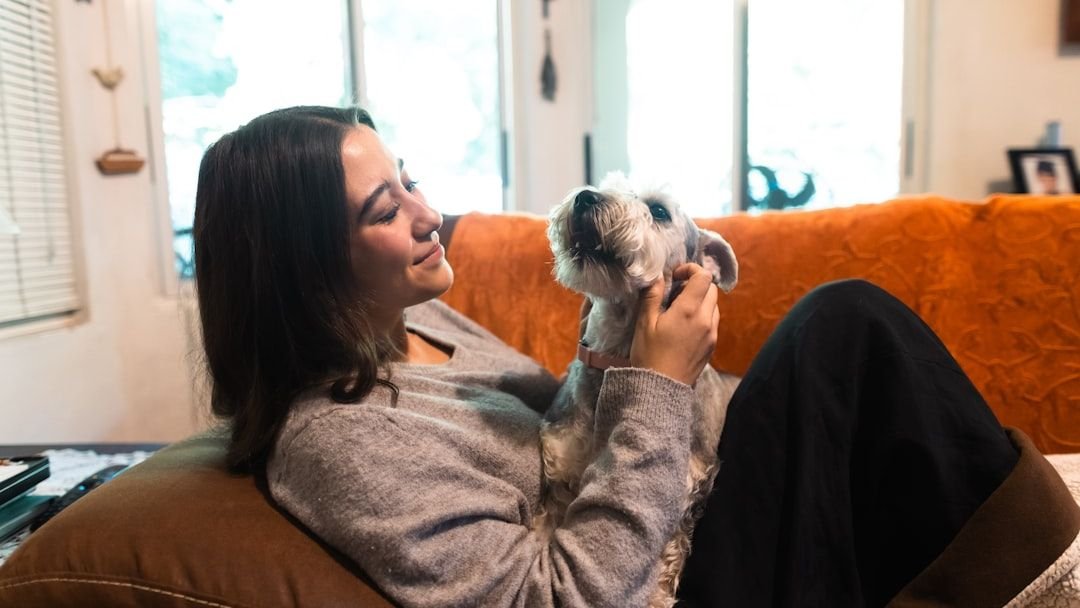
There’s something almost magical about the way dogs communicate with us, even without words. They live alongside us, share our spaces, and somehow pick up on the smallest shifts in our moods and routines. Yet many of us walk through life missing half the conversation our dogs are desperately trying to have. The truth is, dogs are constantly telling us how they feel, especially when they feel truly understood.
When a dog knows you get them, something shifts. They relax in ways they never would around strangers. They seek you out not just for food or walks, but for reassurance and connection. This bond runs deeper than simple obedience or dependency. It’s rooted in trust, recognition, and a mutual understanding that has evolved over thousands of years. Ready to discover the signs your dog feels deeply understood by you? Let’s dive in.
They Hold Your Gaze With Soft Eyes

Eye contact releases oxytocin in both dogs and humans, fostering a meaningful relationship through regularly gazing into your eyes, making it one of the most telling signs your dog trusts you. When your dog looks at you with relaxed, slightly squinted eyes, it’s not just affection. Soft eyes have relaxed lids and sometimes look like squinting, indicating the dog is calm or happy.
This isn’t the hard stare dogs give to perceived threats. It’s a gentle, lingering look that says they feel safe. Soft eye contact builds trust, as gentle, relaxed gazes from your dog are always affectionate, unlike long, hard stares which are signs of dominance or threat. When your dog deliberately makes and holds eye contact with you, they’re not just checking in. They’re communicating a deep level of comfort and understanding.
Their Body Goes Completely Loose Around You
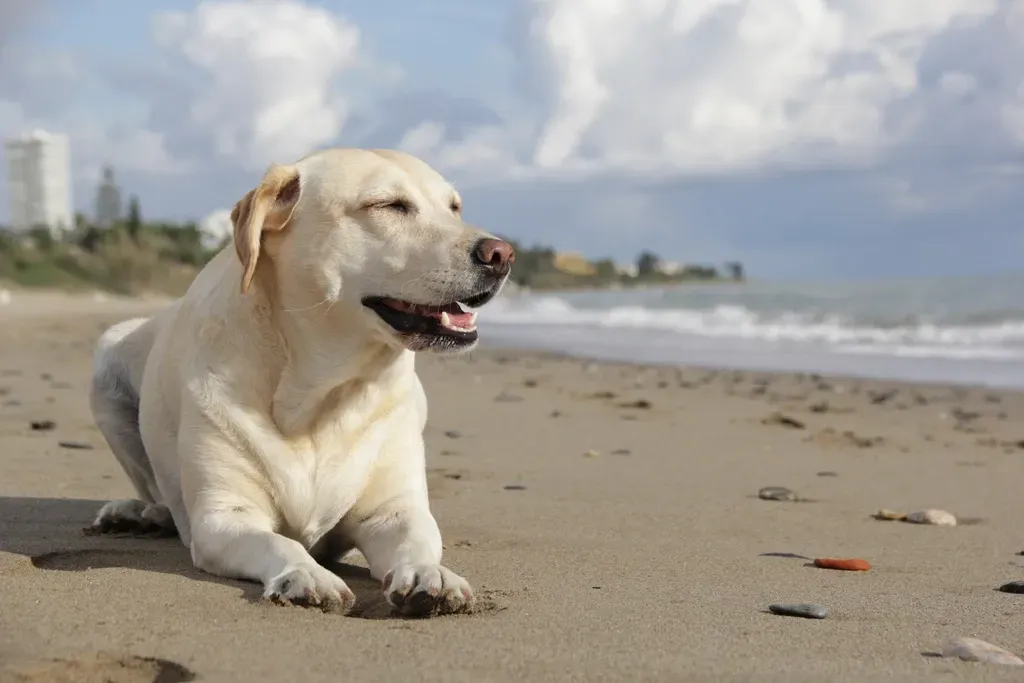
Watch how your dog carries themselves when you’re near. When dogs fully relax around you, stretching out, letting their limbs dangle, or exposing their belly, it’s a sign they trust you completely. A truly understood dog doesn’t hold tension in their muscles or stay alert when you’re around.
Dogs that trust their people display confident and relaxed body posture, keeping their mouths slightly open, eyes blinking often, ears forward, and tails wagging or perky and loose. This kind of relaxation can’t be faked. It’s a physiological response to feeling emotionally secure, the kind of security that only comes when a dog knows their person truly understands their needs.
They Check In With You During Adventures
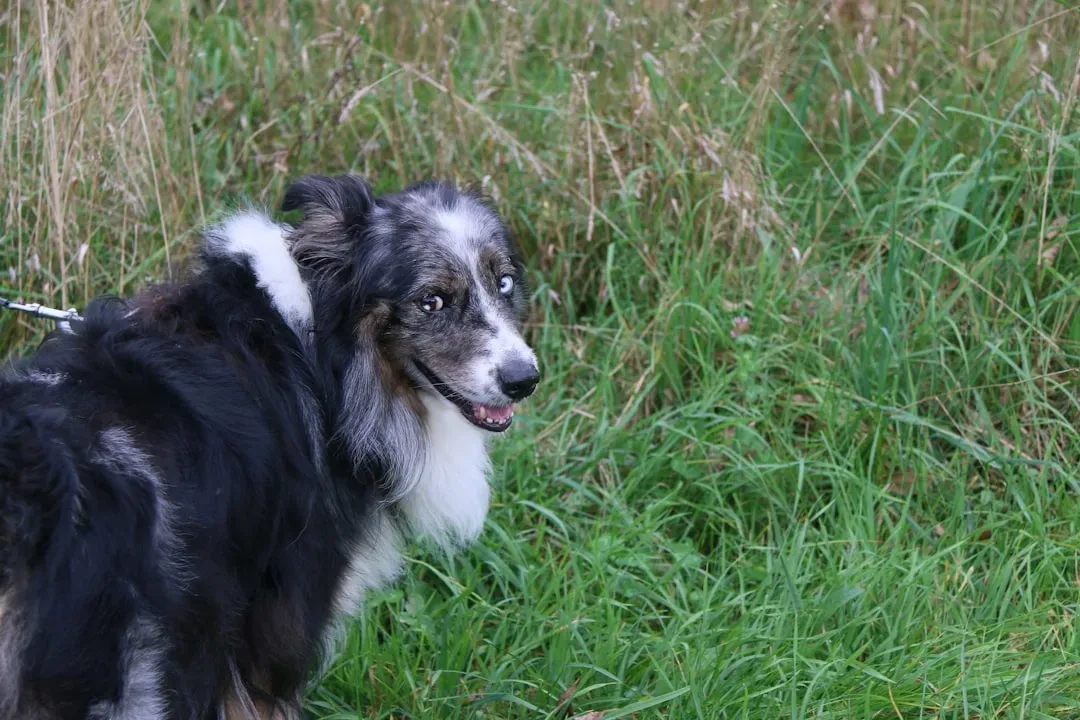
When visiting the dog park or out on the trail, if your dog frequently pauses to check in with you, you have a strong bond. This isn’t about perfect recall or obedience training. It’s something deeper. Even if recall isn’t perfect and focus isn’t one hundred percent, if your dog chooses to check in and orients towards you even in the presence of others, they trust you.
Think about it. Your dog is surrounded by fascinating smells, other animals, and countless distractions. Yet they still look back to see where you are, to make sure you’re okay, to read your emotional state. That’s not dependence. That’s partnership. They want your input because they value your guidance and feel understood by you.
They Seek You Out When Frightened or Unsure
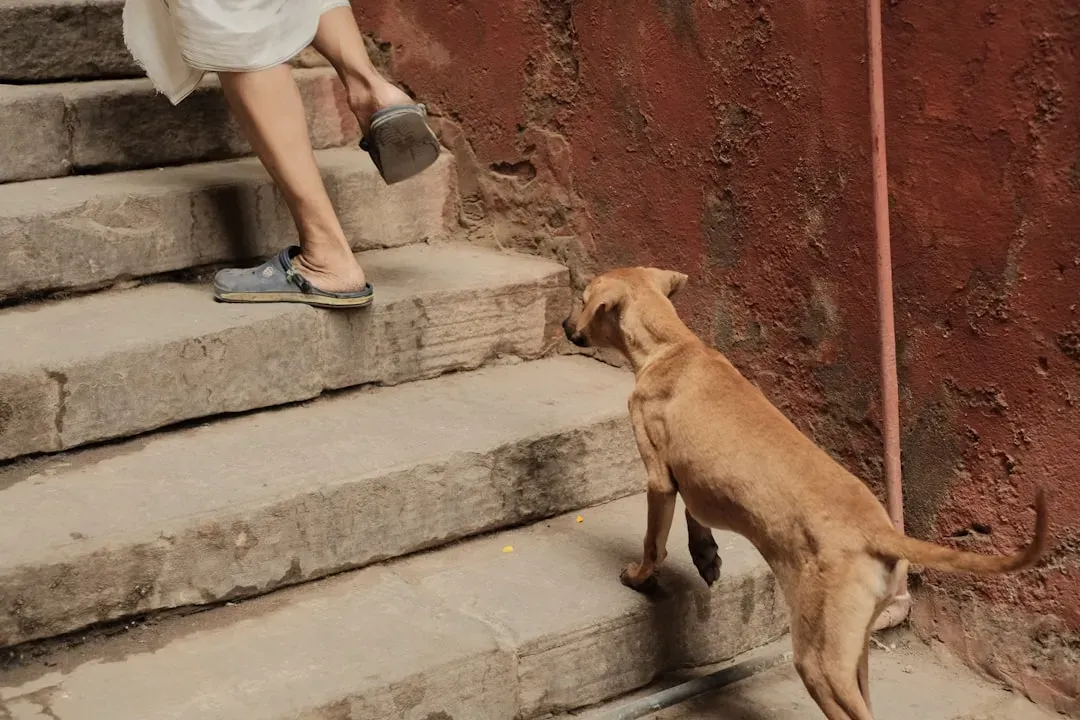
In new or potentially stressful situations, a trusting dog will look to their owner for cues about how to react, showing they value your judgment and rely on you for safety signals. This behavior is sometimes called social referencing. When something startles your dog or they encounter something unfamiliar, do they run to you first?
When your dog is afraid, caught by surprise or unsure and looks to you for guidance, it’s a sign you’re a safe person that your dog trusts to look after them, especially when they don’t feel confident. This is one of the clearest indicators that your dog feels understood. They know you’ll help them make sense of confusing situations rather than dismiss or punish their fears.
They Mirror Your Emotional State
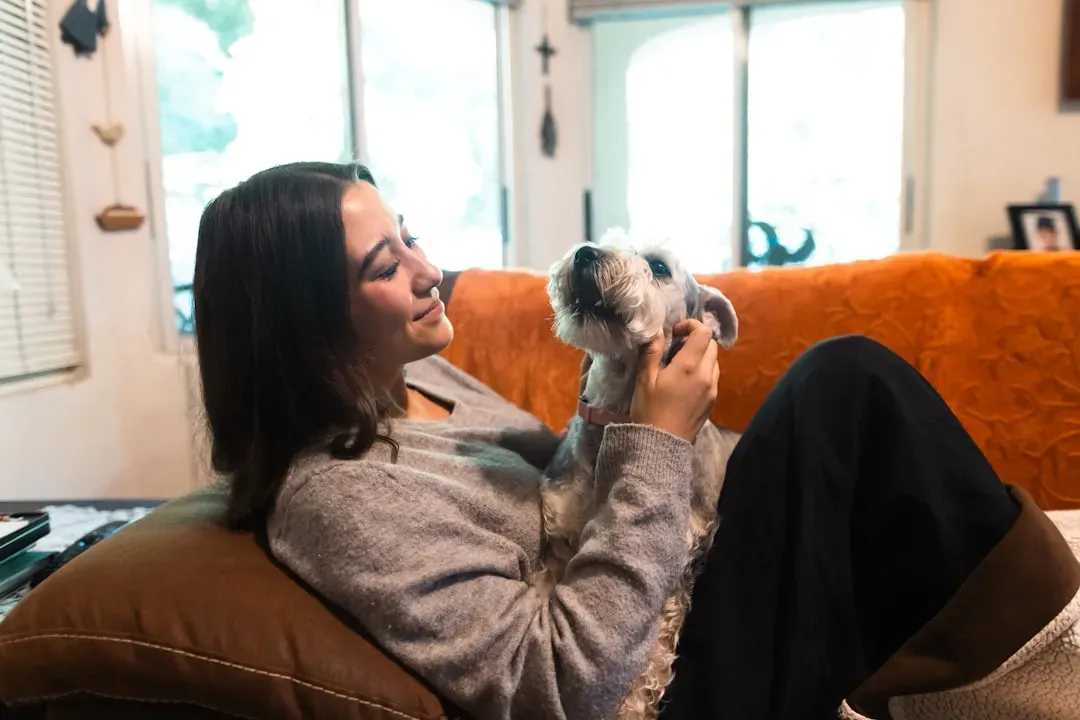
Studies show behavioral and chemical cues from humans can affect dogs, enabling them to not only discriminate between their owners’ fear, excitement, or anger, but also to catch these feelings from their human companions. This emotional contagion is fascinating. Heart rate variability of a dog and its owner often mirror each other during interactions, and when the owner was relaxed or stressed, so was the dog, and vice versa.
Your dog picks up on your emotional landscape in ways that go beyond simple observation. They feel what you feel because you’ve built a relationship where understanding flows both ways. Just as human toddlers look to parents for cues, dogs look to humans for similar signs, and when their people project feelings of calm and confidence, dogs tend to view their surroundings as safe and secure.
They Allow You to Handle Them During Uncomfortable Tasks
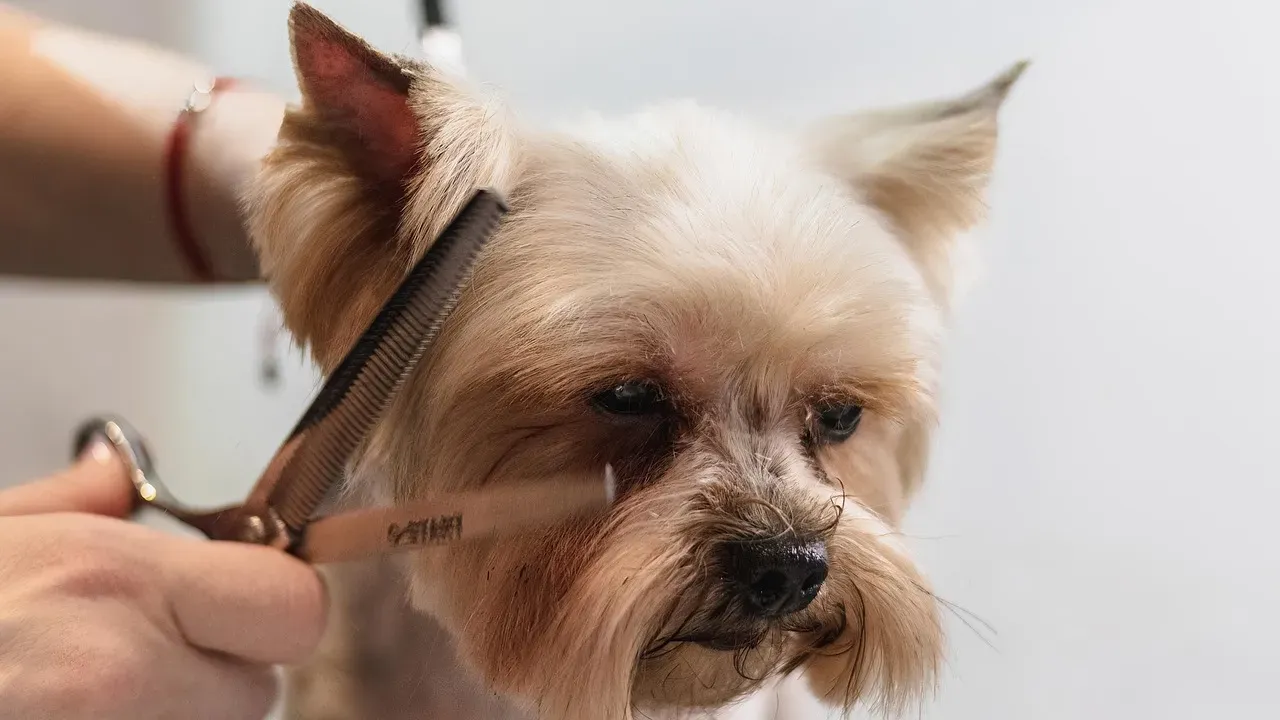
Allowing grooming and care tasks without a fuss is a clear indicator that your pup trusts you, as most handling required for care is awkward if not uncomfortable for dogs. Nail trims, ear cleaning, administering medication – these aren’t fun for dogs. Yet when your dog tolerates these necessary tasks without panicking, it demonstrates profound trust.
If your dog doesn’t particularly like having their nails trimmed or ear drops administered but allows you to do it without losing the plot, this is trust in action. They understand that even though the moment is uncomfortable, you’re not going to hurt them. You’ve proven yourself reliable enough times that they can surrender control, even when vulnerable.
They Show You Their Belly Voluntarily
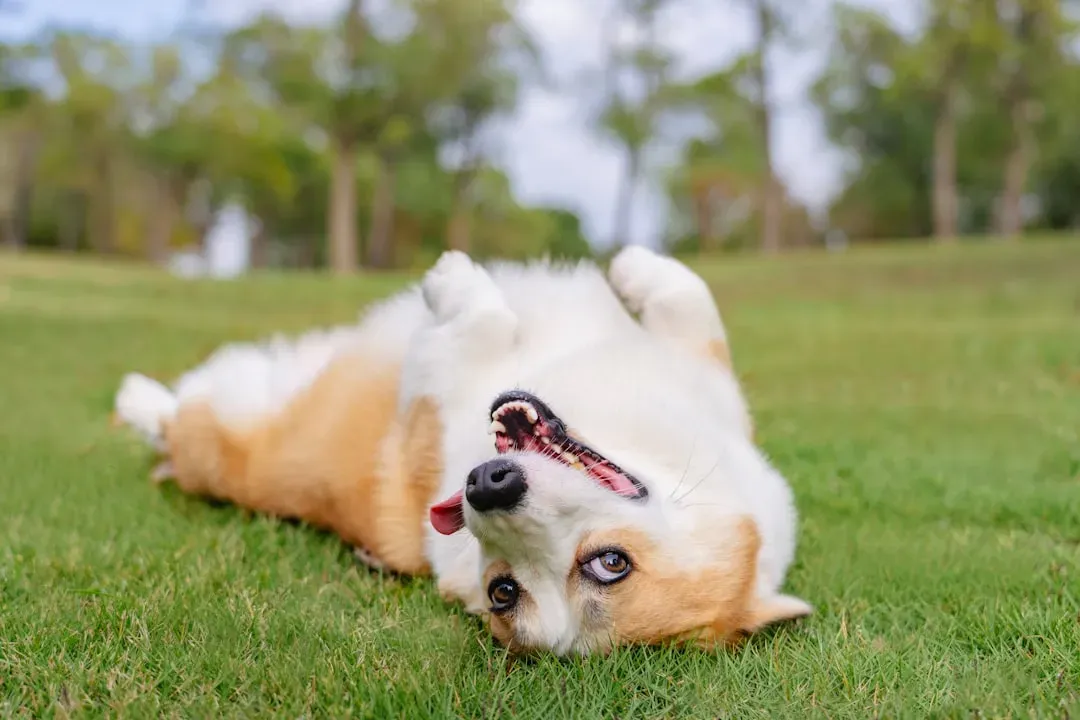
Dogs are at their most vulnerable when rolled on their back, and if your pup exposes their belly, it signals their profound level of trust in you. This isn’t about submission in the outdated dominance sense. It’s about vulnerability and comfort. A dog exposing their tummy shows vulnerability reserved for pack leaders and trusted companions, as the act is not only submissive but also an invitation to gentle interaction.
In the wild, an exposed belly could mean death. Dogs don’t show this to just anyone. When your dog flops over and shows you their most vulnerable area, they’re telling you they feel completely understood and protected in your presence. It’s one of the highest compliments a dog can give.
They Bring You Their Treasured Possessions
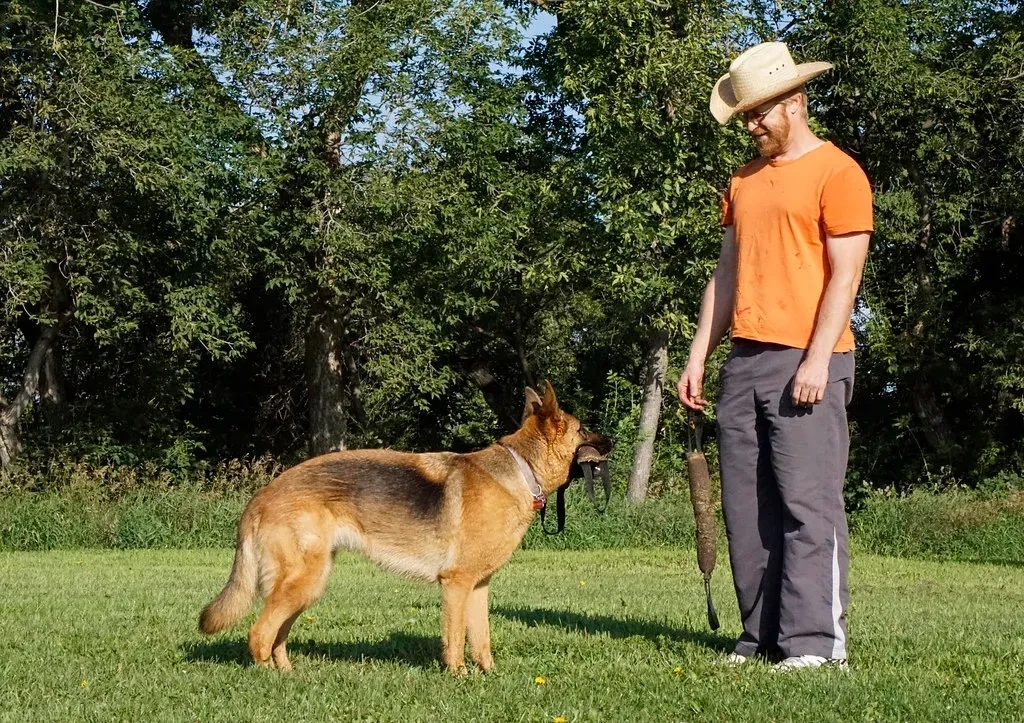
When your dog brings you their cherished item like a favourite toy, they’re demonstrating that they value your presence and want to share something special, showing they feel comfortable and emotionally open with you. This behavior is often misunderstood as a simple request to play, but it runs deeper than that.
When dogs bring favorite toys or special items, they’re demonstrating trust and a desire to share experiences, mirroring social bonding practices observed in wild canid populations. Your dog is inviting you into their world, sharing what matters to them. It’s a gesture of inclusion that says they feel emotionally understood and want to deepen that connection.
They Sleep Deeply in Your Presence

Willingly showing their belly or sleeping in vulnerable positions near you demonstrates they feel entirely safe, as dogs would never expose vulnerable areas to someone they don’t trust completely, with this behavior stemming from their pack mentality. Watch how your dog sleeps when you’re around. Do they sprawl out completely? Do they enter deep REM sleep with twitching paws and muffled barks?
Dogs typically sleep in a place where they are comfortable, so sleeping in an owner’s room could certainly be an indication of comfort. True, deep sleep only happens when a dog feels entirely safe. If your dog can fully let their guard down around you, entering vulnerable sleep states, it means they trust you to keep watch while they rest.
They Stay Calm When You Leave Preparation Signals
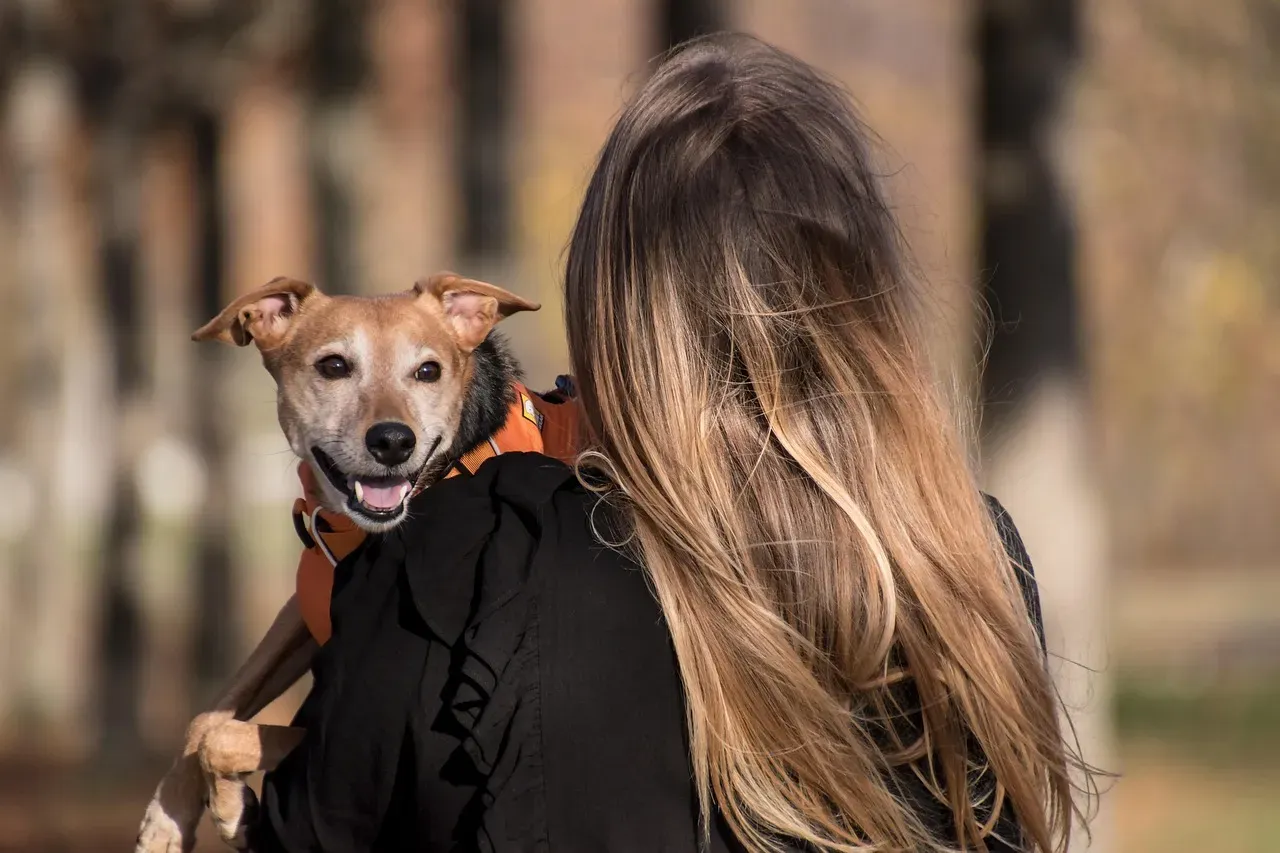
Many dogs become anxious when owners prepare to leave. However, a dog who truly feels understood might show a different response. While some level of disappointment is normal, A close emotional bond with the owner appeared to decrease the arousal of the dogs, though frequent caregiving was associated with increased attachment behaviors and heightened arousal.
When you’ve consistently shown your dog that you always come back, that separations are temporary, they begin to understand the pattern. They may still wish you’d stay, but they don’t panic. This understanding comes from you respecting their emotional needs over time, building a foundation of trust that endures even when you’re apart.
They Express Themselves Freely Around You
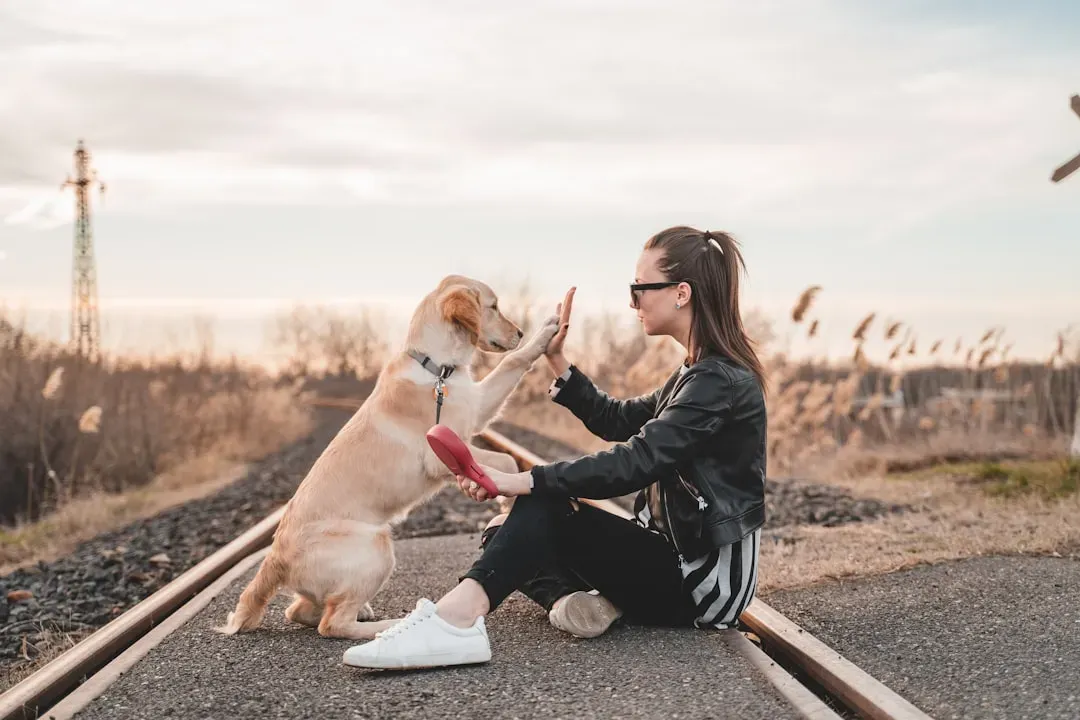
If your dog is confident about expressing themselves, it’s a sign you’ve listened to your dog and welcome their communication, as dogs are sentient beings with their own feelings, and allowing that communication builds tremendous trust and understanding. Does your dog “talk” to you with different vocalizations? Do they nudge your hand when they want something or bring you to what they need?
Dogs who feel understood learn they can communicate their needs without fear of being ignored or punished. They develop a vocabulary of gestures, sounds, and behaviors because you’ve shown them their voice matters. This kind of confident self-expression only emerges when a dog knows their person is genuinely trying to understand them.
They Respond Eagerly During Training Sessions
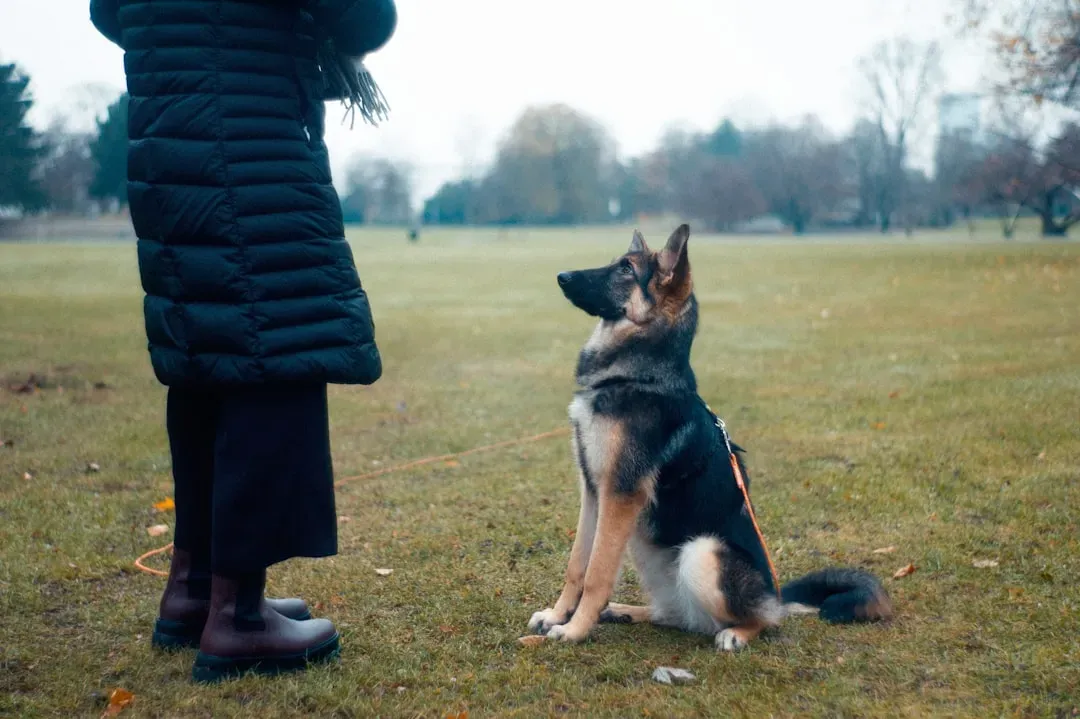
If your dog seems eager and attentive during training, it’s a sign he both respects and trusts you. Training isn’t just about obedience. A big part of ensuring successful training is when there is mutual trust between an owner and their dog, as positive reinforcement enhances trust and makes a dog far more likely to respect their owner’s guidance.
When your dog enthusiastically participates in training, it’s because they enjoy the communication process with you. They’re not performing out of fear or obligation. They’re engaged because the interaction feels good, because you’ve made learning a collaborative experience where they feel understood rather than simply commanded.
Conclusion
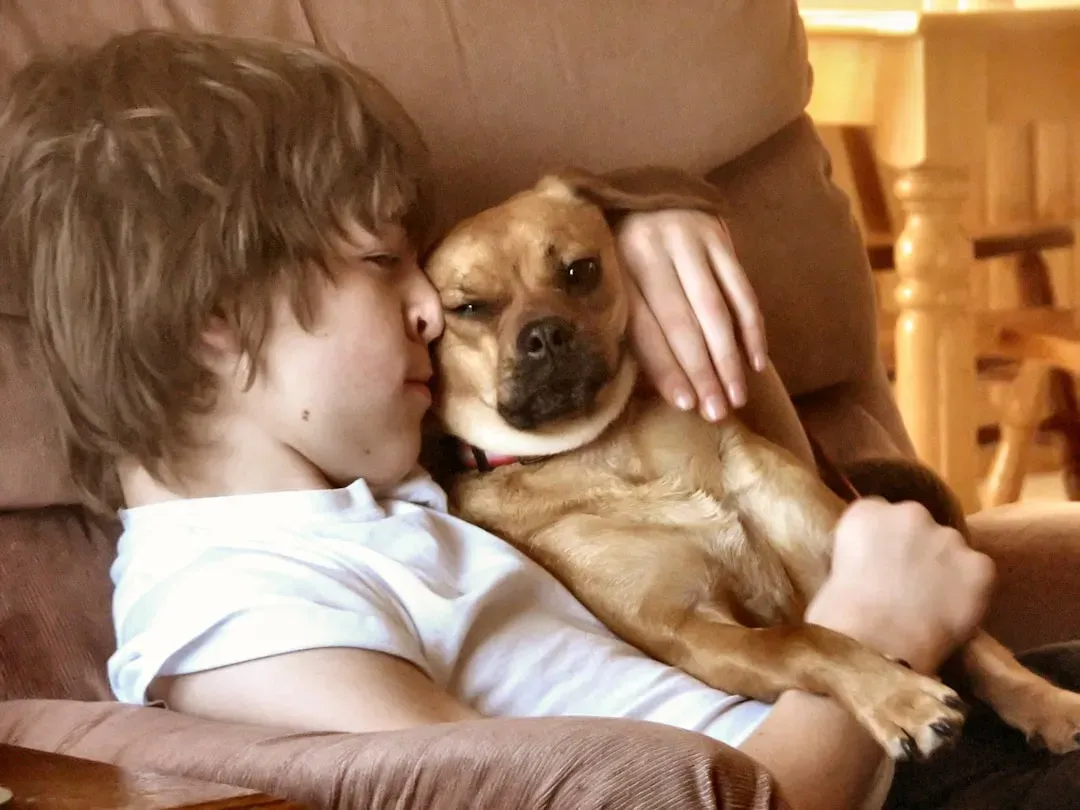
Understanding your dog isn’t about perfection or getting everything right every single time. It’s about paying attention, respecting their emotional landscape, and building a relationship based on mutual trust rather than one-sided control. These twelve signals reveal something beautiful – that your dog doesn’t just love you or depend on you, but genuinely feels seen and understood by you.
That kind of connection transforms the human-dog relationship from mere companionship into true partnership. When you recognize these signals in your own dog, take a moment to appreciate the depth of understanding you’ve built together. It didn’t happen overnight. It came from countless small moments of listening, responding, and respecting who your dog truly is. What signals does your dog show you? Pay close attention today – you might be surprised by what you discover.


