
9 Emotions You Can Pass On To Your Dog And How They Express Them
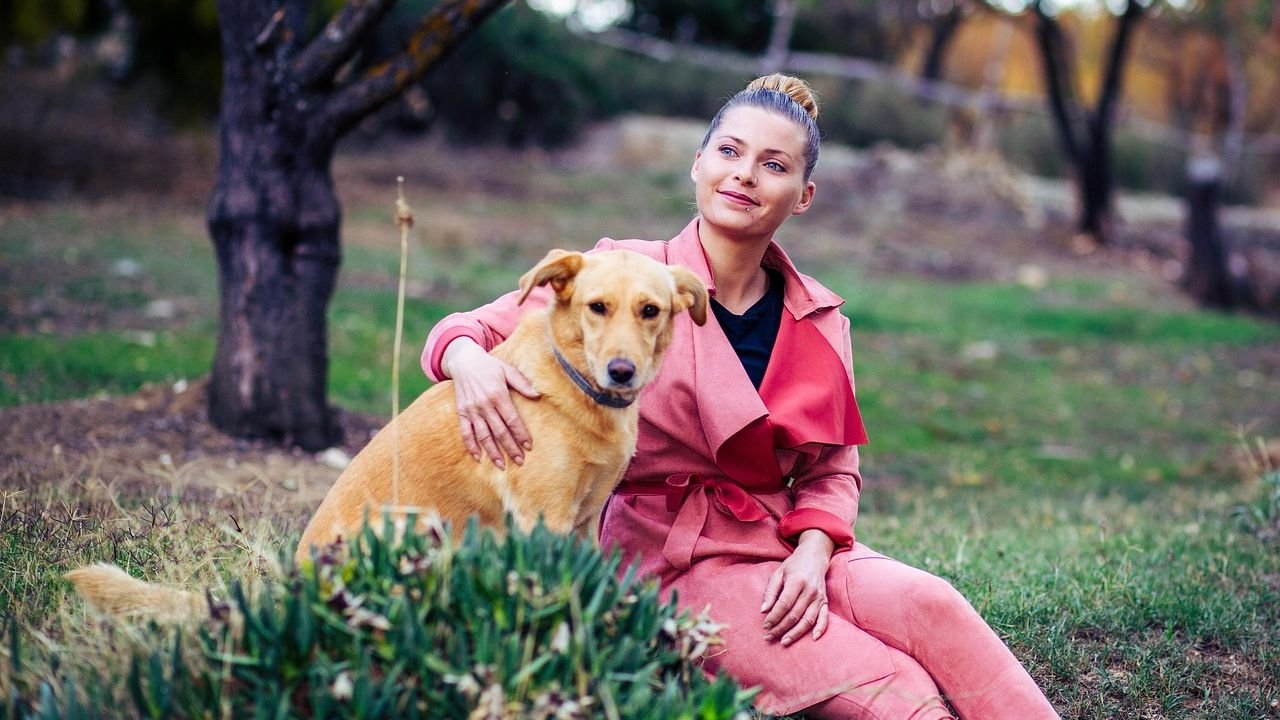
You know that feeling when you walk through the door after a rough day, shoulders tight, jaw clenched, and your dog immediately senses something’s off? Maybe they retreat to their bed, or maybe they stay unusually close, watching your every move. That’s not coincidence. That’s emotional contagion at work. Dogs have acquired human-like communication skills and, likely as a result of the domestication process, the ability to read human emotions, making them incredibly sensitive to what we’re feeling. They don’t just live alongside us. They absorb us.
The truth is, our dogs are emotional mirrors. What we feel, they often feel too. Whether it’s stress before a big meeting, the joy of a weekend morning, or the quiet sadness of a hard season, our canine companions pick up on these emotions in ways that science is only beginning to fully understand. Let’s dive into the nine emotions you’re most likely passing on to your dog and how they show it back to you.
1. Stress and Anxiety

The scientists believe that dogs mirror their owner’s stress level, rather than vice versa, according to research from Linköping University. The results showed significant interspecies correlations in long-term stress where human HCC from both summer and winter samplings correlated strongly with dog HCC. This means if you’re chronically stressed, there’s a very good chance your dog is too.
Dogs express absorbed stress in recognizable ways. Dogs pant when hot, excited, or stressed. If your dog is panting even though they have not exercised, they may be experiencing stress. You might also notice pacing, excessive licking, yawning, or avoidance behaviors. Some dogs become clingy, shadowing you from room to room, while others withdraw completely. When dogs are pacing back and forth, it’s a sign they can’t settle down because something is stressing them.
I think one of the hardest parts about this is realizing that your own anxiety might be creating a feedback loop. Your stress makes them stressed, which then makes you more worried about them. Breaking that cycle requires you to address your own emotional state first.
2. Joy and Excitement
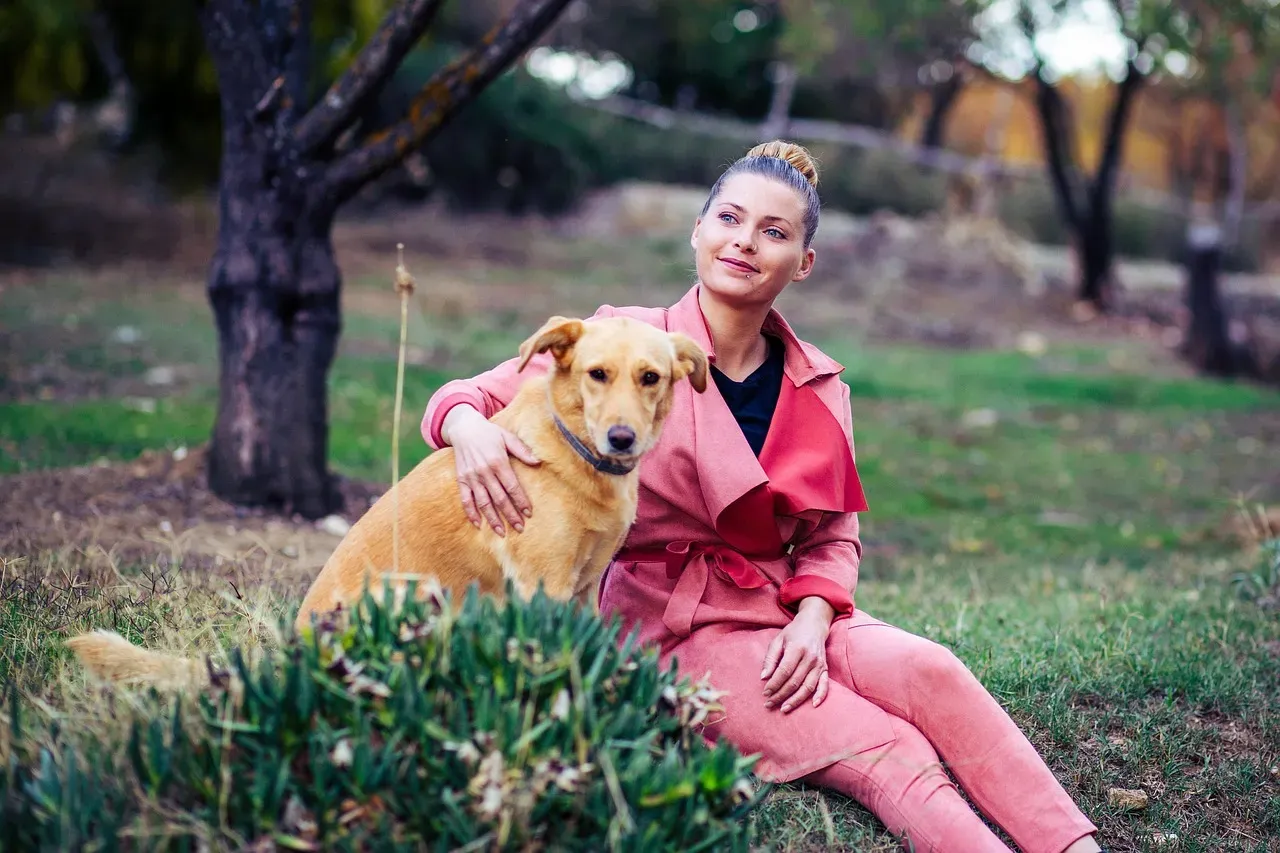
Here’s the good news: positive emotions are just as contagious as negative ones. When you’re genuinely happy, playful, or excited, your dog feels it too. Professor and dog psychology expert Clive Wynne tells National Geographic, “The emotional connection between humans and dogs is the essence of the relationship … dogs are amazingly social beings, so they are easily infected with our warmth and joy”.
Watch your dog when you come home in a great mood versus a bad one. The difference in their greeting is unmistakable. A joyful owner often has a joyful dog. They’ll wag harder, play longer, and their whole body language opens up. You might see the classic “zoomies,” where they race around the house in pure exuberance, or they might grab a toy and prance around showing it off.
Dogs thrive on our positive energy. It’s one reason why playing with your dog when you’re genuinely relaxed and happy strengthens your bond in ways that obligatory, distracted play never can.
3. Sadness and Grief

Yong and Ruffman evaluated dog’s responses to human crying, which was found elicited an increase in cortisol levels both in dogs and humans, together with submissive and alerting behavior in dogs. When you’re sad, your dog knows. In this situation, dogs looked at and approached their owner and engaged in licking and nuzzling behavior toward the owner.
Some dogs become quiet and still when their owner is grieving, lying close but not demanding attention. Others become more physically affectionate, resting their head on your lap or nudging your hand. It’s hard to say for sure, but it seems they’re trying to comfort you in the way they know best.
What’s fascinating is that dogs don’t just react to crying. They respond to the entire emotional atmosphere of sadness, even when you’re trying to hide it. Their behavior becomes softer, more tentative, as if they’re treading carefully around your pain.
4. Fear and Nervousness

Dogs experience emotional contagion from the smell of human stress, leading them to make more ‘pessimistic’ choices, new research finds. Your fear, whether it’s of thunderstorms, strangers at the door, or something more abstract, can transfer directly to your dog. “Dog owners know how attuned their pets are to their emotions, but here we show that even the odour of a stressed, unfamiliar human affects a dog’s emotional state, perception of rewards, and ability to learn. Working dog handlers often describe stress travelling down the lead, but we’ve also shown it can also travel through the air.”
When you’re fearful, dogs often mirror that emotion through body language. Their ears flatten, their tail tucks, and they might try to hide or stay very close to you. Your dog might move away or actively try to avoid whatever is worrying them. Some dogs will try to hide or withdraw from a situation. Others might bolt when frightened, which can be highly dangerous.
Honestly, this is one area where our emotions can inadvertently create behavioral problems. If you tense up every time another dog approaches on a walk, your dog learns that other dogs are something to fear.
5. Calmness and Relaxation
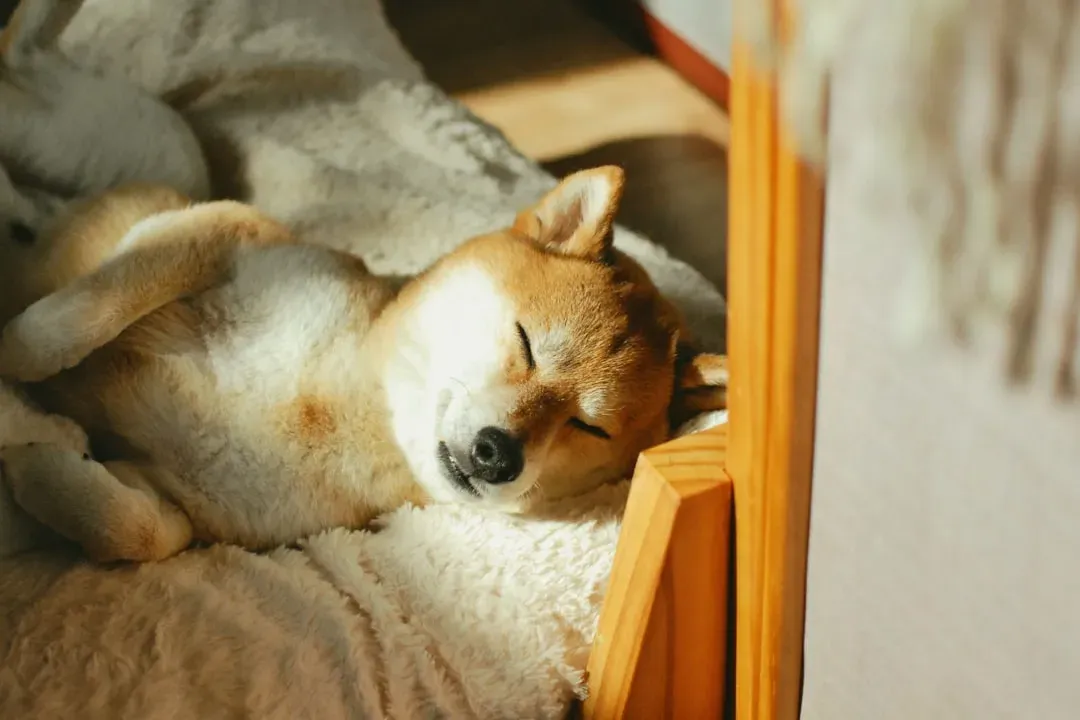
The flip side of stress is calm, and dogs absolutely pick up on this too. When you’re genuinely relaxed, sitting quietly with a book or meditating, your dog often settles nearby in a similar state. A dog living with a calm, emotionally stable owner is more likely to be relaxed, confident, and socially adaptable. Conversely, a dog cohabiting with high emotional tension may exhibit hyperactivity, reactivity, or withdrawal.
A calm dog looks loose and soft. A relaxed dog usually has semi-erect or forward-facing ears, a soft mouth, and round eyes. They will distribute their weight evenly on all four paws. Their breathing is even, their muscles aren’t tense, and they might sigh contentedly or rest their head on their paws.
Creating a calm environment for your dog starts with cultivating it in yourself. It’s not about being perfect. It’s about managing your own nervous system so your dog doesn’t have to carry your tension.
6. Frustration and Irritation

When you’re irritable, short-tempered, or frustrated, your dog picks up on that energy fast. They might become more hyperactive, start engaging in attention-seeking behaviors, or even act out destructively. They might find it difficult to follow well-known requests, like “sit” because the stress response in their body makes it harder to stay still or concentrate. You might find your dog grabs a treat from your hand when they would usually take it gently. They might even refuse to take it at all.
Dogs can also become what looks like “stubborn” when their owner is frustrated. Let’s be real: they’re not being defiant. They’re reacting to your tense, impatient energy. Training sessions that happen when you’re already irritated rarely go well because your dog is too busy managing your emotional state to focus on learning.
Some dogs express frustration they’ve absorbed by mouthing, barking, or engaging in repetitive behaviors like circling. It’s their way of releasing the tension they’ve picked up from you.
7. Excitement and Anticipation
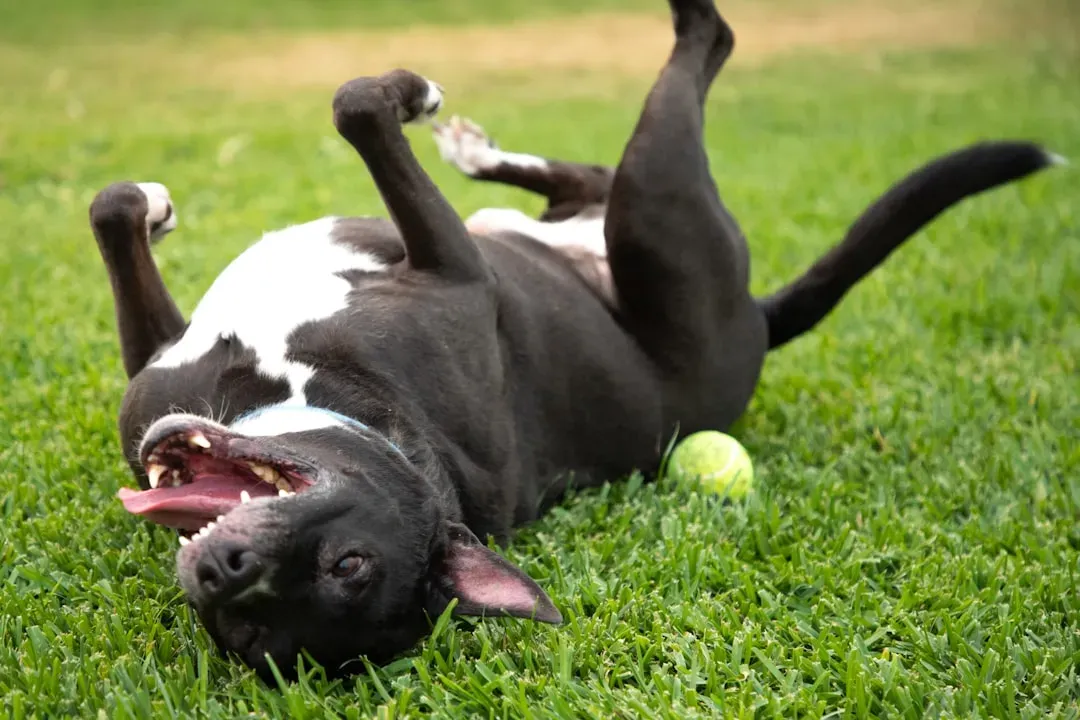
Think about how your dog acts when you grab the leash or say the word “walk.” Their excitement mirrors yours, whether you realize you’re projecting it or not. In a 2017 study, scientists played different kinds of audio for dogs: sounds that indicated positive emotions (like laughing), negative emotions (like crying), or no emotions (like rainfall). The dogs paid significantly more attention to the emotional sounds (both positive and negative) than the non-emotive sounds, and they behaved differently according to whether the sounds were positive or negative. Researchers concluded that dogs can both pick up on human emotions and distinguish between the kinds of emotions humans feel.
Dogs show excitement through jumping, barking, tail wagging, spinning, and bringing you toys. Their whole body gets involved. The anticipation you feel about going somewhere fun or seeing someone you love gets transmitted straight to them.
What’s interesting is how this can escalate. If you get overly excited about something, your dog’s arousal level skyrockets, sometimes to the point where they can’t calm down easily. Managing your own excitement helps them stay in a more balanced emotional state.
8. Affection and Love
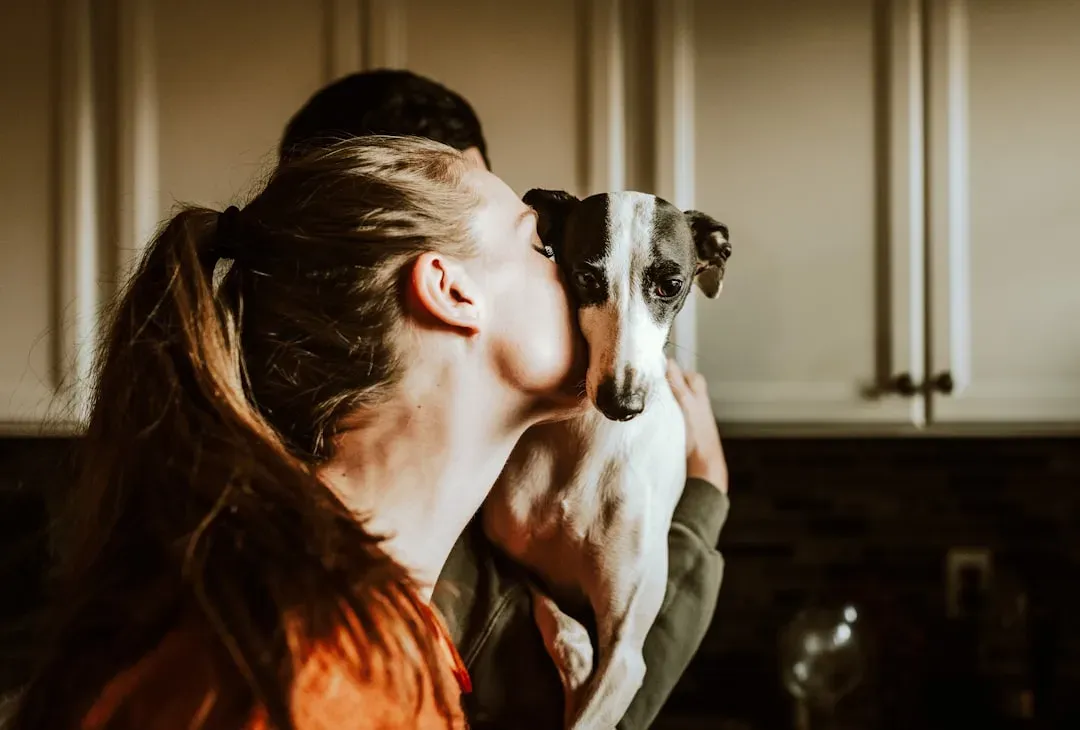
While interacting with each other or even just looking into each other’s eyes, research has found that people and their dogs experience the release of oxytocin, often called the “love hormone” or the “cuddle hormone” – though the hormone’s effects are more complicated than that, given that it can foster trust and generosity in some situations and envy in others. When it comes to bonding, “oxytocin release is stimulated by eye contact or social touch such as petting, and it works both ways – from dog to human and from human to dog; it’s like a feedback loop”.
When you feel genuine affection toward your dog, they respond in kind. They lean into you, maintain soft eye contact, wag their tail in a slow, sweeping motion, and stay physically close. Some dogs will rest their head on you or bring a paw up to touch your hand.
This mutual affection creates a bond that goes beyond simple companionship. It’s a shared emotional experience that actually changes both of your brain chemistries in real time. The love you feel for them, they feel for you.
9. Loneliness and Isolation

Medical conditions, such as pain (dental disease, neurological pain, arthritis, gastrointestinal issues), inflammation, or dog dementia or canine cognitive dysfunction syndrome (CCD or CDS) in senior dogs · Separation anxiety, which happens when your dog doesn’t feel confident and content when separated from family members. (It is estimated that 14–20% of dogs have separation anxiety.) Even when you’re home, if you’re emotionally distant or withdrawn, your dog can feel isolated too.
Dogs express loneliness through destructive behavior, excessive vocalization, or changes in appetite. They might follow you obsessively or lose interest in activities they usually enjoy. One of the early signs of stress, especially situational stress, is retreating. Your dog, who might normally enjoy being the center of attention, might choose to withdraw from the group and hide in a safe place.
Loneliness isn’t just about physical presence. It’s about emotional availability. A dog who lives with someone who’s emotionally checked out often shows signs of chronic stress and insecurity, even if their physical needs are being met.
Conclusion
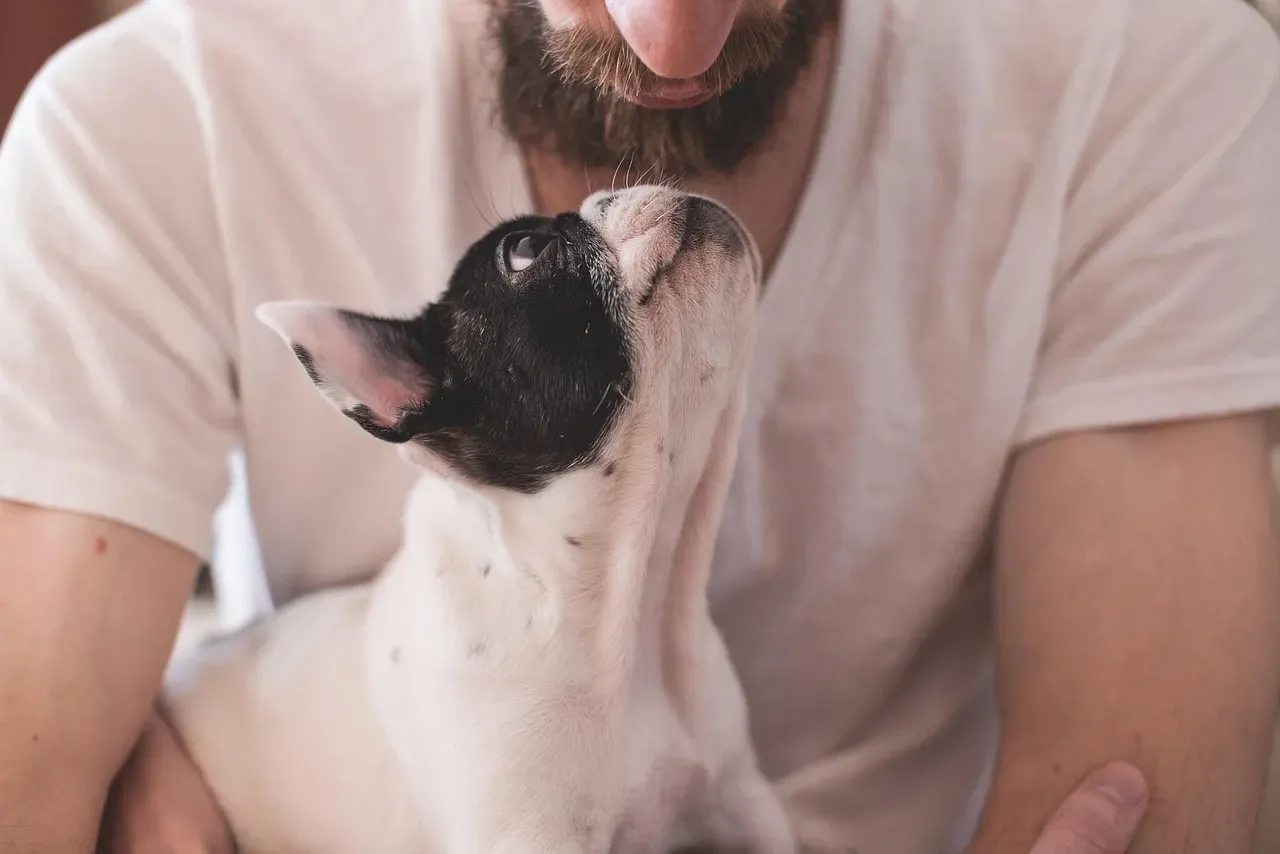
The bond between you and your dog is more than companionship. It’s an emotional exchange that happens constantly, whether you’re aware of it or not. Your stress becomes their stress. Your joy becomes their joy. They don’t just observe your emotions from a distance; they live them alongside you.
Understanding this doesn’t mean you need to be emotionally perfect. It’s impossible to shield your dog from every negative feeling you experience. What matters is awareness. When you recognize how deeply your emotions affect your dog, you can make small changes that benefit both of you. Taking a few deep breaths before a walk, creating calm routines, and managing your own stress aren’t just good for you. They’re good for the furry companion who’s mirroring your every emotional move.
What emotion do you think your dog picks up on most from you? Have you noticed the ways they reflect your moods back to you?