
8 Human Behaviors That Accidentally Create Anxiety in Dogs

You know that feeling when you notice your dog just isn’t quite themselves? Maybe they’re pacing, panting for no reason, or hiding when they usually love being around you. Here’s the uncomfortable truth: sometimes we’re the cause.
I’m not saying you’re a bad dog parent. Honestly, most of us don’t realize we’re doing anything wrong at all. We love our dogs fiercely and want the best for them. Yet certain everyday habits, routines, and reactions can unintentionally trigger stress and anxiety in our four legged companions. The good news is that once you understand what’s happening, you can start making small changes that make a huge difference. Let’s dive into the behaviors that might be accidentally creating anxiety in your dog.
Making a Big Deal Out of Departures and Arrivals
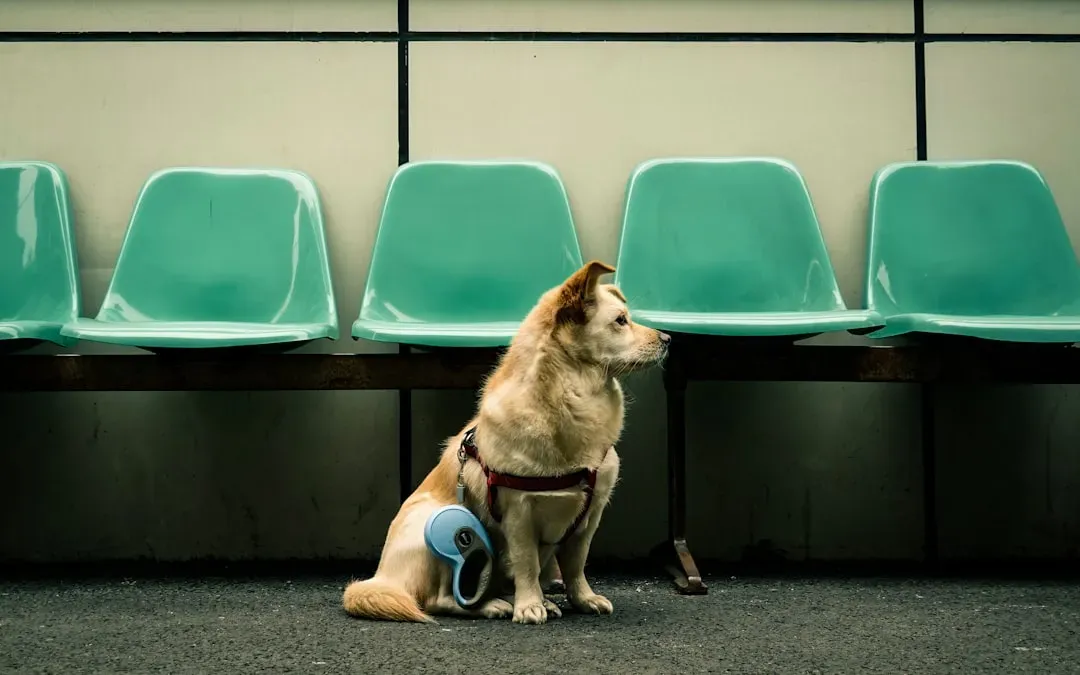
Dogs become extremely anxious and show distress behaviors when they begin to display anxiety as soon as the owners prepare to leave. Think about your morning routine. Do you shower your pup with affection, get down on the floor for hugs, use that special baby voice, and give long goodbyes before heading out the door? It feels loving, right?
Surprisingly, this emotional send off can actually worsen anxiety. Dogs start to get nervous when they see signs you’re about to leave, like putting on your shoes or picking up your keys. Your overly affectionate departure tells them something significant is about to happen, ramping up their stress. The same goes for when you return home. Ignoring your dog prior to leaving and upon arrival prevents reinforcing their excitement and excessive attachment, and exercising your dog for 30 minutes prior to leaving and ignoring them for 10 minutes after you return can help them calm down.
Keep departures and arrivals calm and low key. No dramatic goodbyes or ecstatic reunions. Just a simple, calm acknowledgment helps your dog understand that your leaving and returning is completely normal and nothing to stress about.
Responding to Their Stress Signals With Amusement or Dismissal
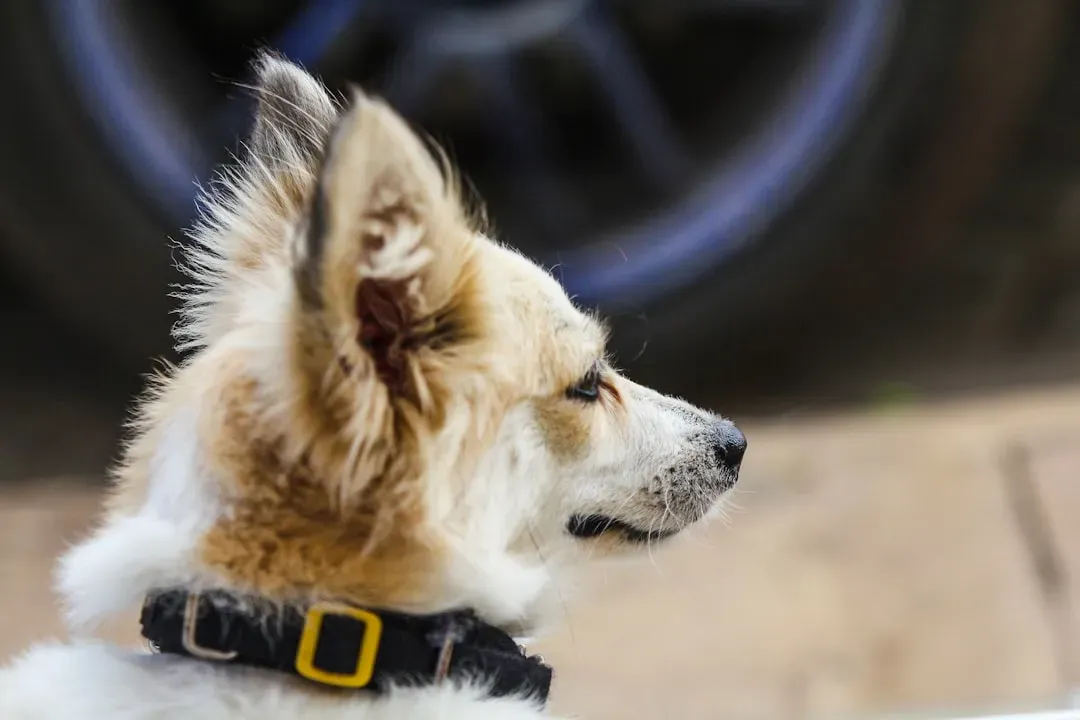
The majority of humans in videos responded to their dogs’ behaviors with amusement and welfare concerns were rarely expressed, suggesting that some owners are underestimating fearfulness in their dogs in response to household noises, and responding inappropriately to dogs’ expressions of fear and anxiety. We’ve all seen those viral videos of dogs freaking out over mundane things like vacuum cleaners or smoke detectors, with owners laughing in the background.
Here’s the thing. What looks funny to us can be genuinely terrifying to them. When we laugh at or dismiss their fear, we’re not providing the reassurance they desperately need. We’re essentially telling them their emotions don’t matter.
These behaviors often serve as cut off signals, attempts by the dog to diffuse tension, avoid confrontation, or communicate discomfort to others in their environment, and when we ignore these early warnings, dogs may feel compelled to escalate to more obvious signals like growling or snapping. Start paying attention to subtle stress signals like lip licking, yawning in odd contexts, whale eye, or ears pinned back. These aren’t cute quirks. They’re your dog’s way of saying they’re uncomfortable, and they deserve to be taken seriously.
Projecting Your Own Anxiety Onto Them
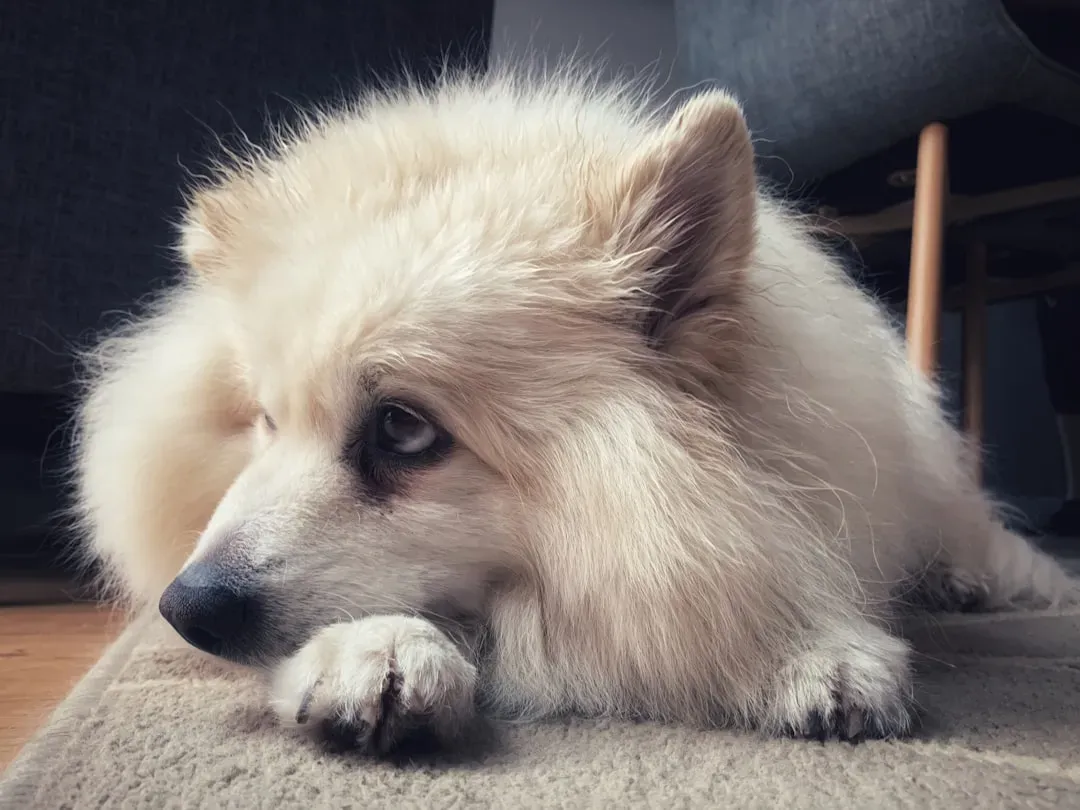
Results showed a significant positive correlation between owners’ trait anxiety and the severity of their dogs’ fear and anxiety related behavior, and this study suggests that owners’ trait anxiety is associated, to some extent, with the occurrence of dogs’ fear and anxiety related behavior problems. Dogs are incredibly perceptive creatures. They pick up on our emotions, our body language, even our breathing patterns.
If you’re constantly anxious, stressed, or on edge, your dog feels it. Dogs may respond to their owners’ anxiety directly through emotional contagion, or owners’ anxiety may affect dogs indirectly via owners’ overprotectiveness or their use of coercive dog training methods. Think about how you act when you’re worried about your dog meeting another dog on a walk. Do you tense up, shorten the leash, hold your breath?
Your dog reads all of that as a signal that something dangerous is approaching. They start to mirror your anxiety, creating a feedback loop. The more anxious you are, the more anxious they become. Work on staying calm and confident in situations where your dog might feel uncertain. Your steady energy becomes their safety net.
Never Letting Them Be Alone, Then Suddenly Disappearing
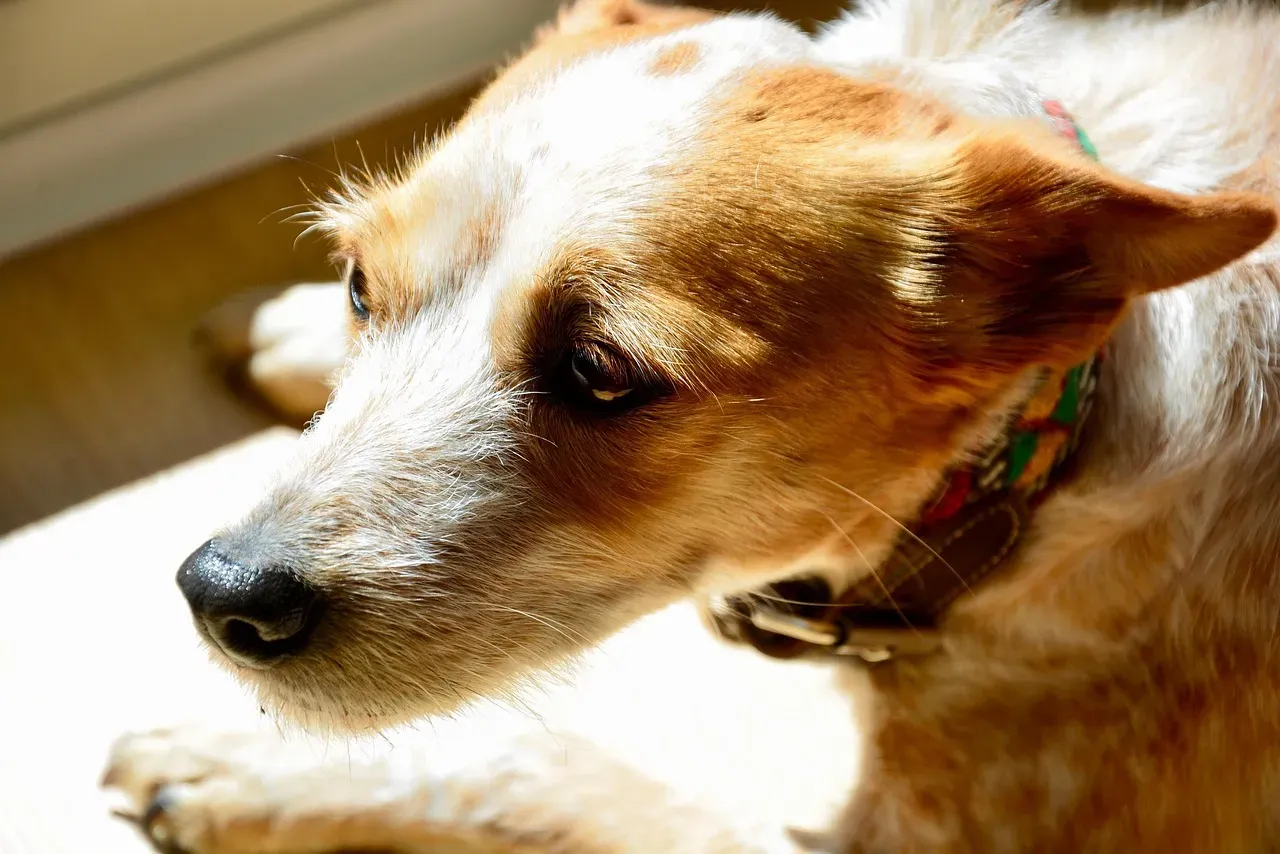
Dogs with separation anxiety usually are overly attached or dependent on family members, become extremely anxious when separated from the owners, and most dogs with separation anxiety try to remain close to their owners, follow them from room to room and rarely spend time outdoors alone. This is a big one, especially for people who work from home or recently adopted a dog during a time when they were home constantly.
Life changes like a sudden switch in schedule, a move to a new house, or the sudden absence of a family member can trigger separation anxiety, and some research has even pointed to a lack of daily exercise as a possible cause, so it’s essential to work on prevention and start treatment at the first sign. If your dog is never alone, they never learn that being by themselves is safe and normal. Then when circumstances change and you have to leave, they panic.
The initial separation period must be short to ensure that the owner’s absence is not associated with problem behaviors and presumably anxiety, so the owner is advised to leave the dog initially for a few seconds and then to re enter the house or room and praise the dog, and the length of separation is gradually increased until the required period of absence is reached without the reoccurrence of the problem behavior. Start teaching your dog that alone time is okay, even when you’re home. Practice short absences. Go to another room, close the door, come back. Gradually increase the time.
Creating Unpredictable Routines and Environments
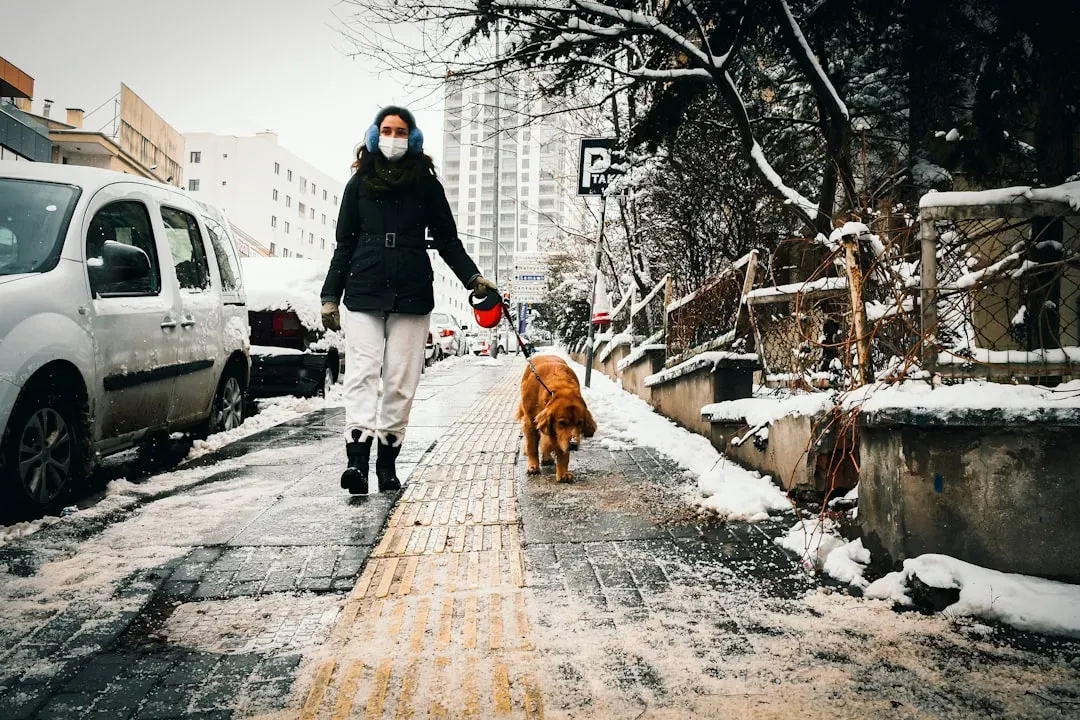
Dogs thrive on predictability. They’re creatures of habit who find comfort in knowing what comes next. When their world is chaotic and unpredictable, anxiety creeps in. Studies have shown that dogs with separation anxiety have likely experienced significant changes in their circumstances, and whether losing their home through surrender or divorce, change or loss of the pets in the home, or a dramatic upheaval in the dog’s routine because of an owner’s move or job change, the dog’s emotional reaction may be mild or it can be severe.
Irregular feeding times, inconsistent walk schedules, or constantly rearranging furniture can all contribute to a dog feeling unsettled. They don’t understand why their world keeps changing, and it makes them anxious about what might change next. Establish consistent daily routines as much as possible. Feed them at the same times, walk them at similar times, and keep their safe spaces consistent. Predictability equals security for dogs.
Forcing Interactions They’re Uncomfortable With
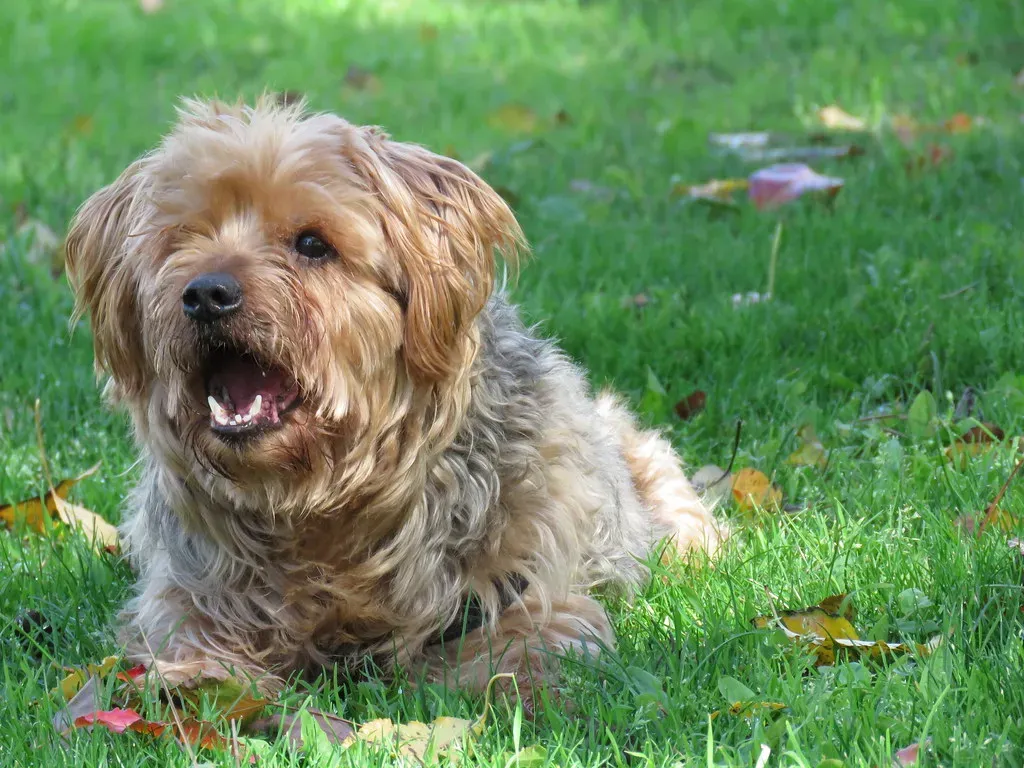
We want our dogs to be social, friendly, and well adjusted. That’s a good goal. However, sometimes in our eagerness to socialize them, we push them into situations they’re clearly uncomfortable with. Some dogs experience anxiety in social situations, especially around unfamiliar dogs or people, and this can manifest as fear aggression, avoidance, or extreme nervousness in social settings, with studies showing that around 17% of dogs are fearful of other dogs, while about 15% are afraid of strangers.
Forcing a fearful dog to interact with other dogs, insisting strangers pet them when they’re backing away, or holding them in place during grooming when they’re showing clear stress signals can actually make their anxiety worse over time. They learn they can’t escape scary situations, which increases their panic. Respect your dog’s boundaries. If they’re showing discomfort, remove them from the situation. Let them approach new experiences at their own pace, and never force interaction.
Punishing or Scolding Anxious Behaviors
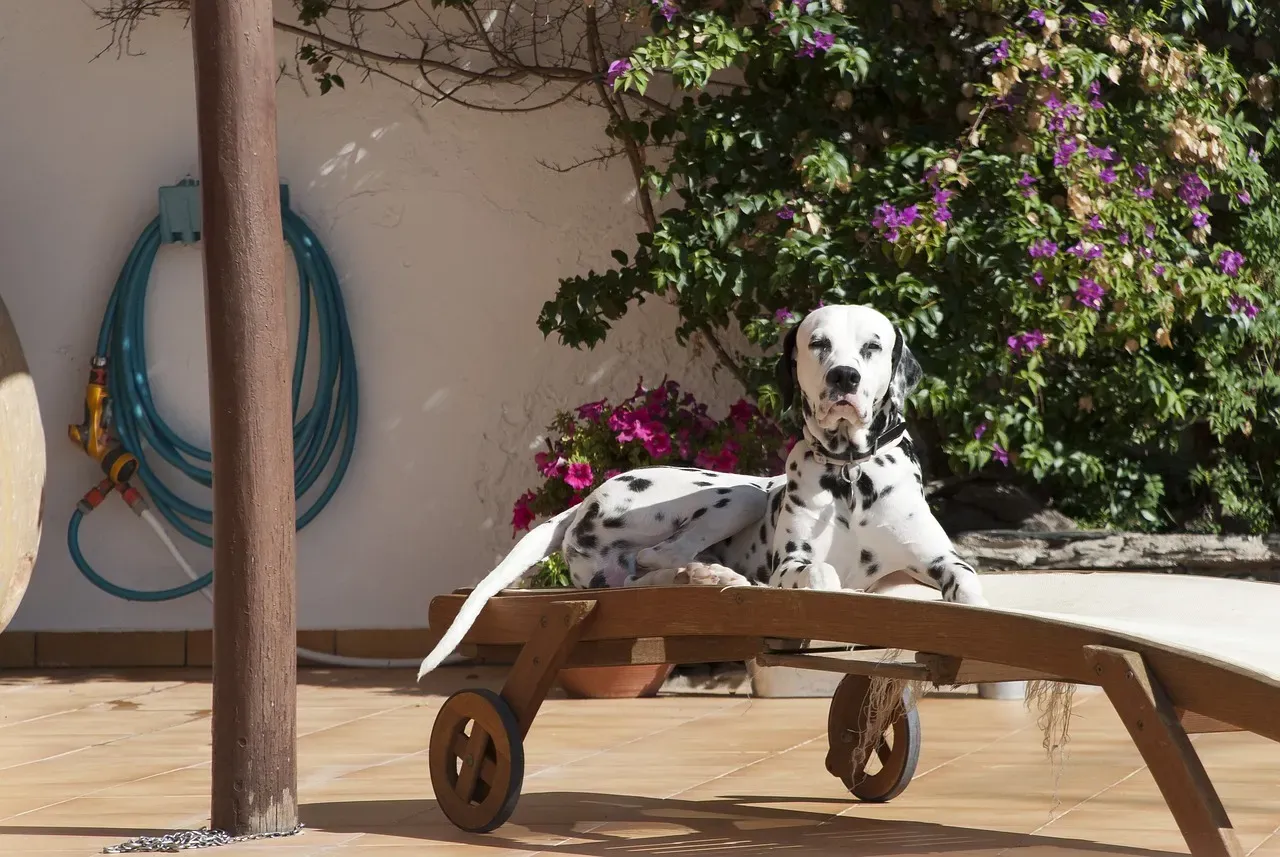
If your dog does something undesirable whilst you’re out, it’s important you don’t show any signs of disapproval, as raising your voice or showing your disappointment might scare your dog and make the situation worse. Coming home to destroyed furniture, accidents on the floor, or complaints from neighbors about barking is frustrating. I get it. However, punishing your dog for these behaviors is one of the worst things you can do.
Dogs aren’t being destructive on purpose; they are not being destructive on purpose; they are reacting to a change in their environment to which they are not accustomed. When you yell at an anxious dog for chewing the couch while you were gone, they don’t connect it to the chewing. They just learn that your arrivals are unpredictable and sometimes scary, which increases their anxiety about you leaving. Never punish your dog, as this will only increase their anxiety and worsen unwanted behaviors. Instead, focus on addressing the root cause of the anxiety and managing the environment to prevent opportunities for anxious behaviors.
Skipping Mental and Physical Exercise
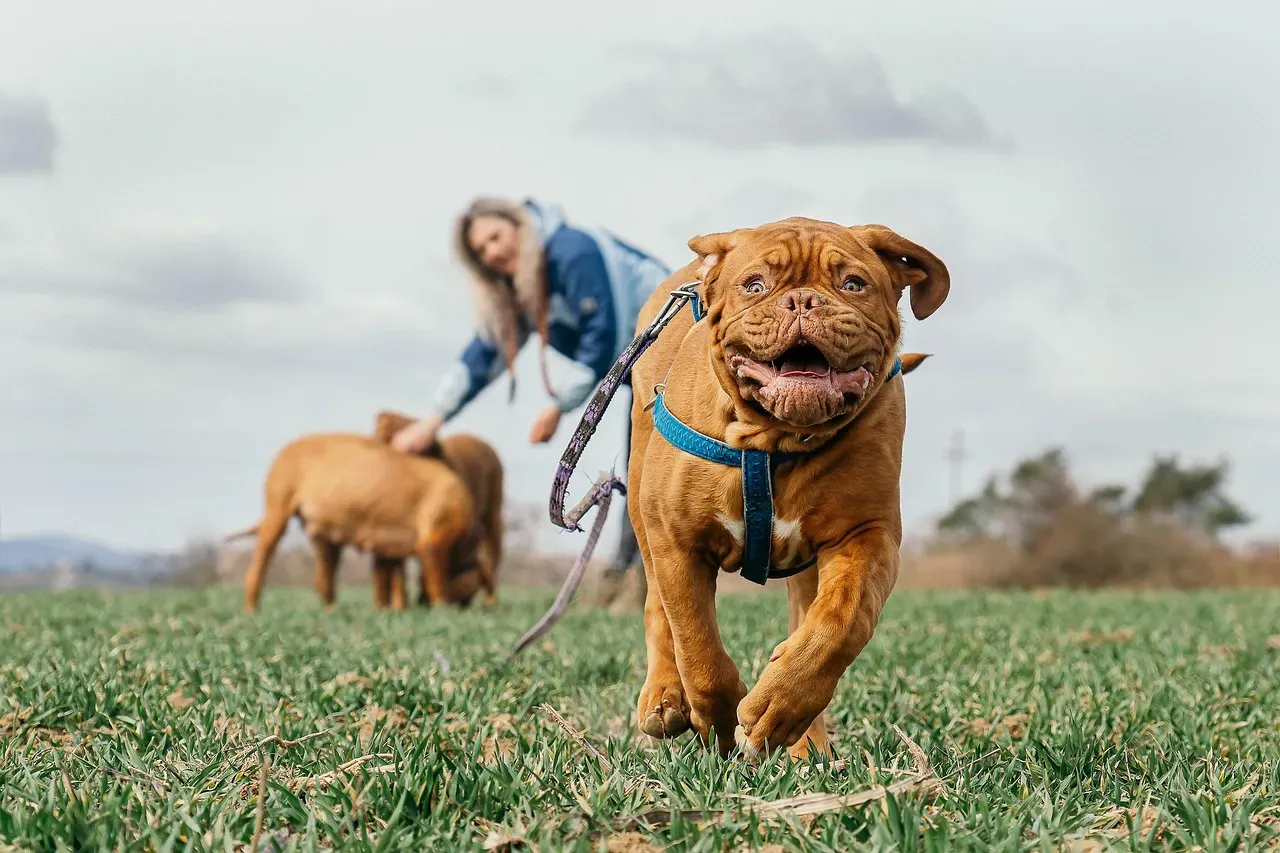
A bored, under stimulated dog is an anxious dog. Early life experiences and exercise were found to associate with anxiety prevalence, and fearful dogs had less socialization experiences and lower quality of maternal care during puppyhood. Dogs need both physical exercise and mental stimulation to feel balanced and secure.
Make sure your pet gets lots of exercise every day, as a tired, happy dog will be less stressed when you leave, and it’s also key that you challenge your pet’s mind. Without adequate outlets for their energy and intelligence, they become restless, hypervigilant, and prone to anxiety. Think about how you feel after sitting inside all day with nothing to do. Restless? Irritable? Dogs feel the same way.
Make daily exercise non negotiable. Not just a quick potty break, but real exercise that gets their heart rate up. Add mental enrichment through puzzle toys, training sessions, scent work, or food dispensing toys. A dog with a tired body and a satisfied mind is far less likely to develop anxiety issues.
Conclusion
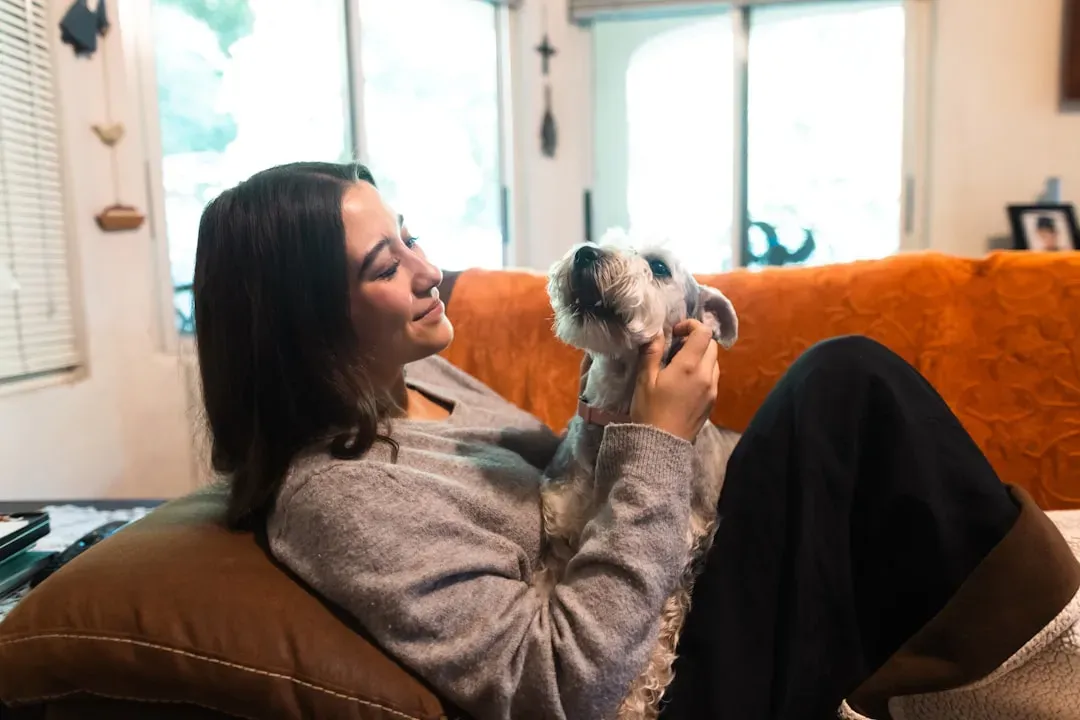
Understanding how our everyday behaviors impact our dogs’ emotional wellbeing is one of the most powerful tools we have as dog owners. The beautiful thing is that most of these issues are completely fixable once you’re aware of them. Small changes in how you leave the house, respond to stress signals, or structure your dog’s day can lead to massive improvements in their anxiety levels.
Remember, anxiety in dogs isn’t a character flaw or bad behavior. The findings suggest some dogs are genetically predisposed to heightened emotional states, which reframes difficult behavior as temperament driven, but it opens the door to potentially more humane approaches. It’s a genuine emotional state that deserves patience, understanding, and appropriate intervention. By making these adjustments and truly listening to what your dog is telling you, you’re not just reducing their anxiety. You’re strengthening your bond and giving them the gift of feeling safe and secure in their world.
What do you think? Have you noticed any of these patterns in your own routines? Sometimes just becoming aware is the first step toward positive change for both you and your beloved dog.