
10 Things Dogs Learn About Their Owners Without Training
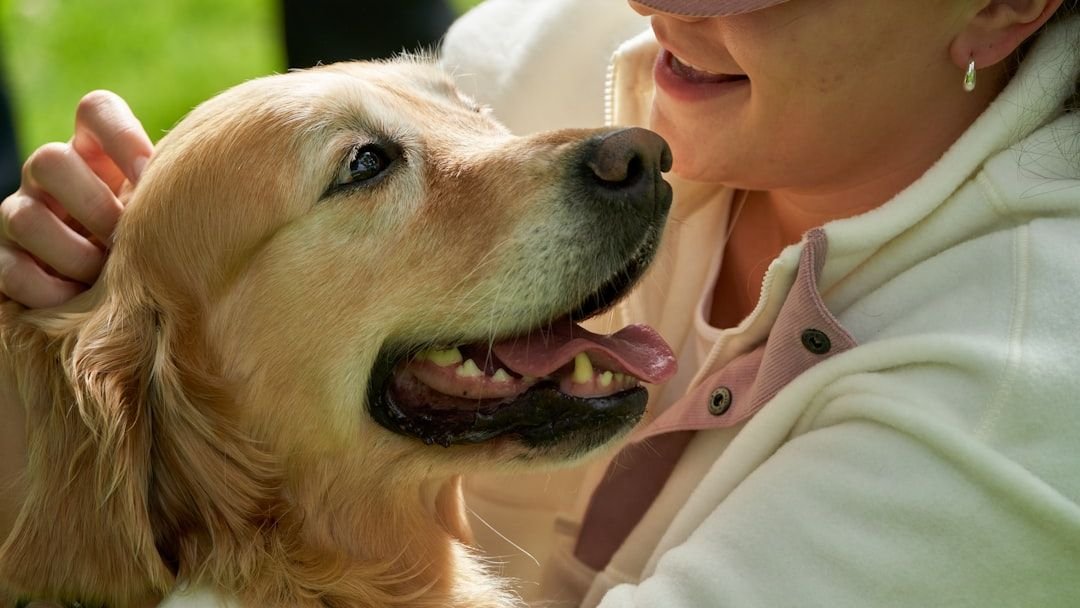
Have you ever noticed your dog watching you with those knowing eyes, seemingly understanding more than we give them credit for? There’s something almost magical about the way dogs tune into our world. They don’t need instruction manuals or formal lessons to decode our lives. Through thousands of years of evolution alongside humans, our canine companions have become expert observers, picking up on the smallest details of who we are and how we live.
It’s a bit like having a silent roommate who knows when you’re sad before you’ve shed a single tear, or who can predict your next move before you’ve even thought it through. Dogs are constantly learning about us, building a mental map of our habits, moods, and quirks. What they figure out might surprise you.
Your Daily Schedule Down to the Minute

Dogs don’t need clocks to know when breakfast is coming or when it’s walk time. This uncanny sense of timing is the result of biology, keen observation, and domestication that tuned dogs to human lives. They’re watching the angle of sunlight streaming through your window, listening to the neighbor’s car starting up, even detecting subtle changes in how the air smells at different times of day.
Like humans, dogs have an internal biological clock that regulates sleep-wake cycles, hormone release, and appetite. Over time, a dog’s circadian rhythm becomes entrained to the rhythms of the household. That’s why your pup starts hovering near the door exactly when you usually arrive home from work. They track household sounds like the morning coffee machine, the sound of keys, or a neighbor’s lawnmower, and activities like hanging a coat or turning on the TV become consistent signals dogs learn to expect.
Honestly, it’s kind of humbling when you realize your dog has memorized your entire routine better than you have. They’ve become mini scientists, conducting daily experiments on human behavior.
Your Emotional State Through Multiple Senses
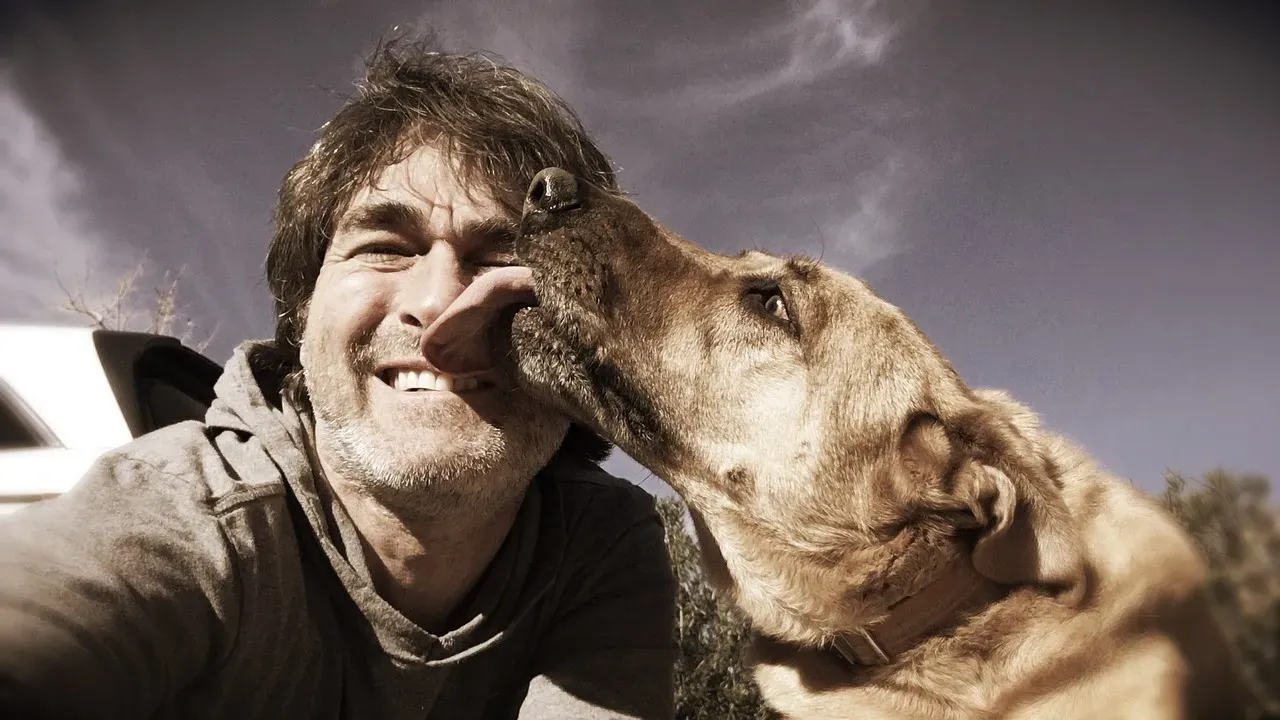
Let’s be real, your dog knows when you’ve had a rough day before you even take your coat off. Dogs can recognize emotions in humans by combining information from different senses, an ability that has never previously been observed outside of humans. They’re not just watching your face droop or hearing the exhaustion in your voice.
When exposed to sweat samples collected from their owners during different emotional states, dogs responded differently to happy or afraid odors, adopting behaviors consistent with the emotions experienced by the humans. When people feel fear or stress, their body chemistry changes, releasing hormones that dogs can actually smell. Research has tested whether baseline and stress odors were distinguishable to dogs, providing evidence that there is a volatile organic compound change associated with the physiological stress response that produces an odor detectable by dogs.
Dogs are basically walking mood rings, except way more accurate. They’re reading the whole package: your slumped shoulders, the pitch of your voice, and yes, even your scent.
Your Body Language Better Than You Read Theirs

Dogs could immediately interpret signals indicating location four times better than apes and more than twice as well as young children, even when the experimenter was a stranger. That’s remarkable when you think about it. Your dog is watching the tiniest shift in your posture, the direction your eyes move, even which way you lean.
Dog owners have experienced simply glancing at where the leash is hanging, only to find their dog headed for the door. This shows that dogs have the ability to read human body language and feel that our movements and gestures contain important cues. They’re paying attention to details we don’t even consciously register ourselves.
Dogs pick up on subtle changes in mood based on slight shifts in body language and can start to mirror those energy changes. If you tense up when another dog approaches on a walk, your pup feels that through the leash and your entire demeanor. They’re constantly calibrating their behavior based on what your body is telling them.
When You’re Sick or In Pain

Considering that dogs can detect cancer, diabetes, and seizures, there’s every reason to believe that dogs know when owners are sick, as illness results in chemical changes in the body and hormones that can be detected by their extraordinary sense of smell. It’s not just about smelling sickness, though that’s impressive enough.
When a normally active owner gets in bed in the middle of the day or takes to the couch and doesn’t move, the dog knows something isn’t quite right, depending on the illness and the symptoms being exhibited. Your dog notices when your routine breaks, when you’re moving differently, or when you’re just not yourself.
Dogs are keen observers of their owners’ behavior and body language, highly attuned to changes such as lethargy, pain, or sadness, and may become more attentive, gentle, or protective towards their sick owners. Many owners report their dogs refusing to leave their side during illness. I think that says something profound about the depth of their awareness and maybe even their capacity for empathy.
The Specific Sounds of Your Preparations
Your dog has cataloged every sound that matters in your household. The jingle of car keys means someone’s leaving. The rustle of a treat bag brings them running. The beep of the microwave might signal dinner prep. They’ve built an entire acoustic library of what comes next.
Unlike humans, dogs don’t tell time by the clock but observe daily cues like daylight changes, body language, and household activity patterns to anticipate what’s coming next. When cues follow a consistent pattern, dogs learn to expect what happens when, which provides emotional stability.
Here’s the thing: they’re not just hearing sounds randomly. Dogs connect specific noises to outcomes. The shower running in the morning means you’ll be leaving soon. The sound of the couch cushions shifting at night signals bedtime. They’re building cause-and-effect relationships all day long, every day.
Who You Like and Who Makes You Uncomfortable
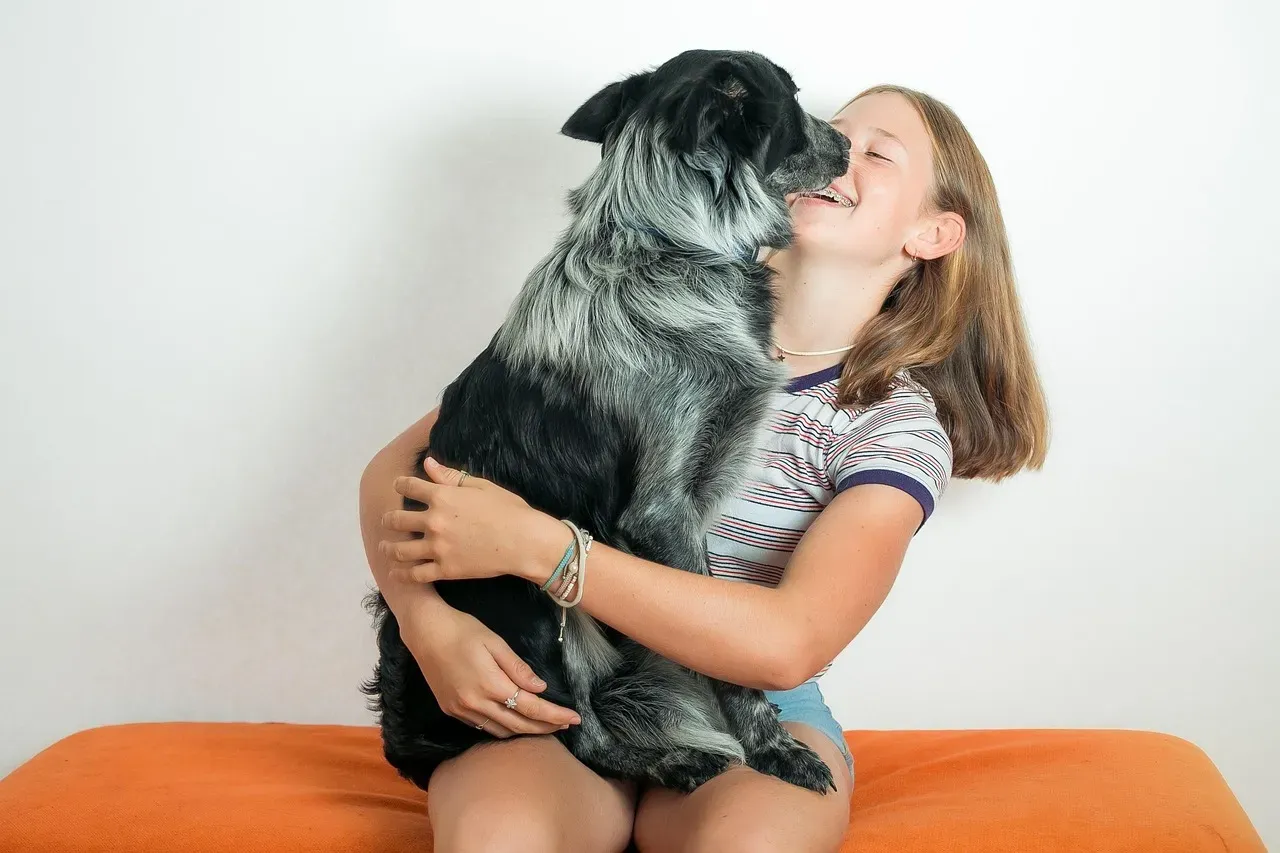
Dogs are incredibly perceptive about your relationships with other people. Through detailed analysis of dog behavior in naturalistic settings, research found that dogs behaved differently depending on the owner’s emotional state, gazing and jumping less at owners when they were sad.
They’re watching how you interact with visitors, how your voice changes with different people, and how relaxed or tense your body becomes. If you’re anxious around someone, your dog picks up on that energy immediately. A human’s stress and anxiety are contagious to their dog, with studies capturing emotional mirroring and the synchronization of stress levels of dogs with their pet parents.
Some dogs even adjust their own behavior based on your comfort level. If you’re warm and welcoming to a guest, they’re more likely to be friendly too. If you’re standoffish, they might position themselves protectively between you and the other person. They’re reading the social dynamics better than some humans do.
Your Unique Walking Patterns and Gait
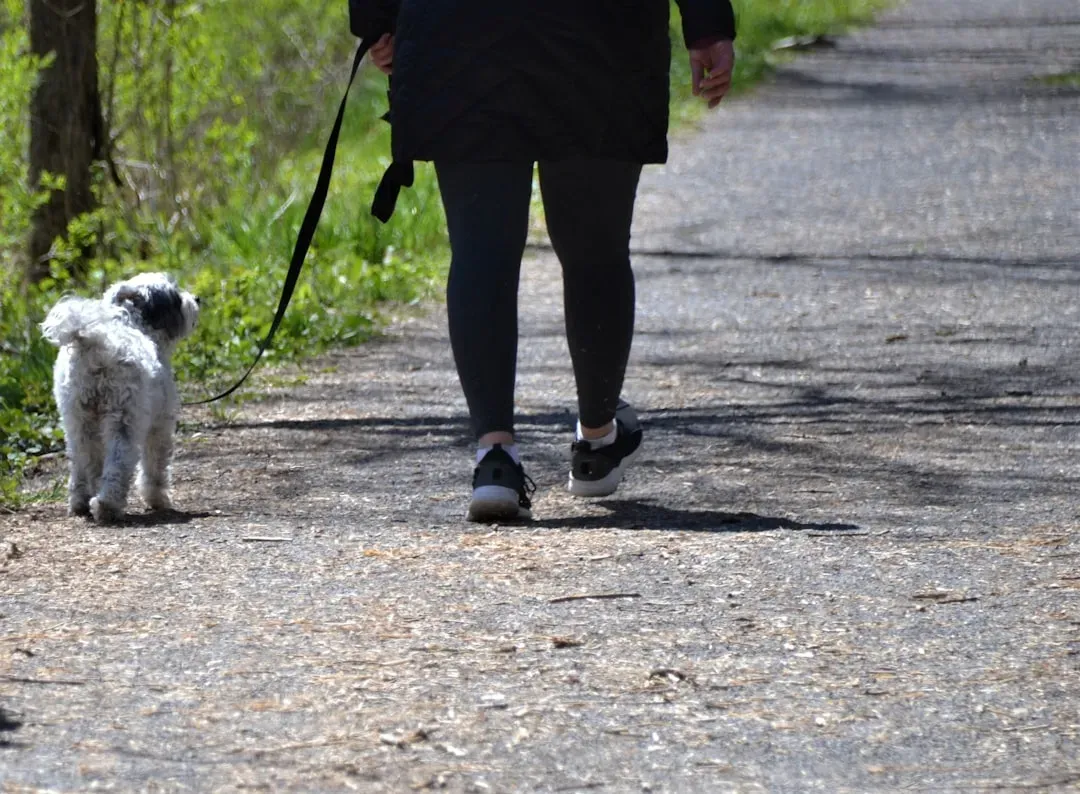
Your dog can recognize the sound of your footsteps from down the hall or even outside the front door. They know the rhythm of your walk, the weight of your step, the pace you typically maintain. This is pure observational learning at its finest.
Long before you reach the door, your dog knows it’s you coming home versus a stranger or another family member. The cadence of your movement is as unique to them as your voice. They’ve probably learned the difference between your “I’m in a hurry” walk and your “relaxed evening stroll” pace too.
This recognition extends beyond just walking. They notice if you’re limping, if you’re moving slower than usual, or if something about your physical movement has changed. It’s all data they’re constantly processing.
Your Stress Levels and Anxiety Patterns

Dogs have an incredible ability to sense their owners’ emotions, especially stress and anxiety, attuned to changes in body language, tone of voice, and even scent, and may offer comfort by licking your face, lying next to you, or staying close.
Previous research suggests that dogs can detect when humans are experiencing stress, with cortisol levels being a product of psychological rather than physical stress. When you’re anxious, your body releases stress hormones that change your scent profile. Dogs can literally smell your worry.
They also recognize behavioral patterns. Maybe you pace when you’re stressed, or you fidget with your phone more, or your voice gets slightly higher. Dogs catalog these patterns and start responding to them. Some become more clingy during your stressful periods, while others might give you space, seeming to understand what you need.
The Difference Between Your ‘Real’ and ‘Fake’ Emotions
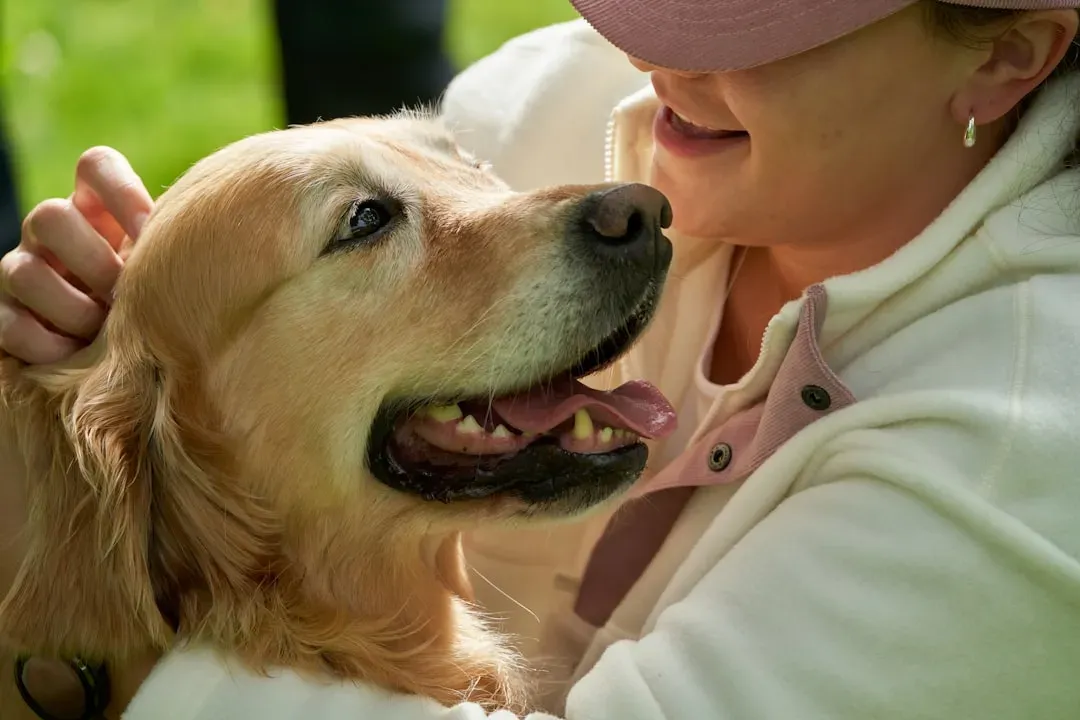
Dog owners were manipulated to genuinely experience emotions of happiness, sadness, and neutrality, and researchers measured how dogs responded to their owners’ authentic emotions in different natural situations. Dogs can tell when you’re truly happy versus putting on a show.
Of eighteen dogs in a study, fifteen approached the owner or investigator when they cried as opposed to only six when they hummed, indicating that dogs emotionally connected with the humans, and that humming people didn’t need comfort. This suggests they’re not just responding to sound or movement but actually recognizing genuine distress.
Your dog knows the difference between your authentic smile and your polite smile for strangers. They can sense when you’re pretending everything’s fine but you’re actually upset. It’s hard to fool someone who’s watching you that closely with that many senses engaged.
Your Nighttime Habits and Sleep Schedule

Dogs learn your bedtime routine down to the smallest detail. They know when you start turning off lights, when you head to the bathroom, when you check the locks on the doors. These evening rituals signal to them that it’s time to settle down.
Dogs need anywhere from twelve to eighteen hours of sleep per day depending on age, breed, and activity level, and without enough rest or a consistent sleep routine, behavior often suffers, as sleep promotes balance and without regular quality sleep, dogs are more likely to be irritable and reactive. By learning your schedule, they can synchronize their own rest patterns with yours.
Some dogs even develop their own pre-sleep routines that mirror yours. They might circle their bed when you’re pulling back your covers, or do a final stretch when you’re putting on pajamas. They’ve internalized the rhythm of your evening so completely that they’re essentially living on the same internal clock.
Conclusion
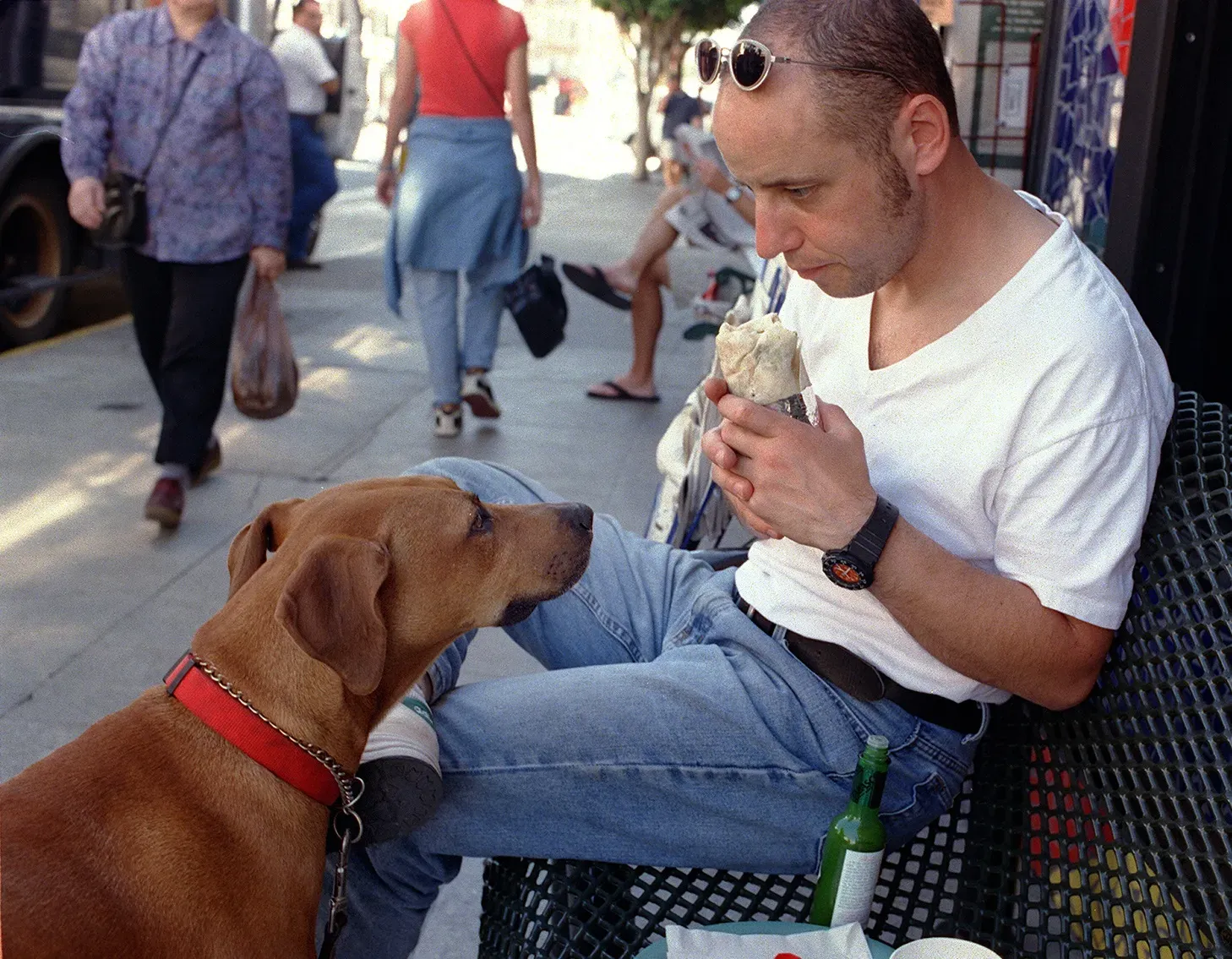
The more we learn about canine cognition, the more we realize our dogs are constantly studying us. They’re observing, analyzing, and responding to details we barely notice ourselves. From tracking our routines and reading our emotional states to detecting illness and recognizing our unique patterns, dogs have become masters at understanding human behavior without a single training session.
This silent learning happens every day, strengthening the bond between species. Your dog isn’t just a pet sharing your space. They’re a companion who knows you deeply, sometimes better than you know yourself. The next time you catch your dog watching you with those thoughtful eyes, remember they’re probably adding another piece to their ever-growing understanding of who you are.
What have you noticed your dog picking up on without training? You might be surprised at how much they’ve already figured out about you.