
Your dog greets you at the door, tail wagging so hard it’s almost a blur. You kneel down, and those soulful eyes lock onto yours with pure joy. Ever wondered what’s really going through their mind in that moment? It’s not just excitement about dinner or a walk. Dogs are emotional record keepers, storing memories of in ways that shape their entire world.
While we often focus on training commands or behavior corrections, the emotional imprint we leave on our dogs runs much deeper. They don’t remember specifics the way we do, yet they hold onto feelings with remarkable precision. That gentle touch after a thunderstorm, the frustration in your voice when they chewed your favorite shoes, the comfort of your scent when you return home – these moments weave together into a tapestry of memory that defines your relationship. Let’s explore the emotional landscapes dogs navigate and discover what truly sticks with them long after the moment has passed.
The Warmth of Your Welcome Home Ritual

Dogs possess long-term memory that can last for years and is built through repeated experiences and emotional connections, allowing them to recognize their owners even after long separations. That daily reunion when you walk through the door isn’t just routine for your dog – it’s an emotional bookmark they revisit constantly. Whether you burst in with enthusiastic greetings or offer a calm, gentle acknowledgment, your dog files away that feeling.
The consistency of your homecoming sets their emotional baseline for safety and belonging. Dogs who receive warm, predictable greetings develop confidence and security. Conversely, if arrivals are unpredictable or laced with stress, dogs may approach these moments with anxiety rather than anticipation. This isn’t about creating fanfare every time – it’s about emotional reliability that tells your dog they matter in your world.
The Sting of Harsh Corrections

Negative experiences, such as trauma or neglect, can lead to lasting memories that may affect a dog’s behavior and emotional state. Let’s be real – we’ve all lost our patience. Maybe your pup shredded the couch cushions or had an accident on the new rug. The sharp tone, the angry body language, even the physical correction – these moments don’t fade quickly from a dog’s emotional memory.
Fear-based memories stick like glue, with one bad experience creating lasting anxiety that surfaces months later. Your dog might not connect the punishment to the specific behavior you intended to correct, but they absolutely remember how frightening or confusing that moment felt. Watch for signs like cowering when you raise your voice, avoiding certain rooms, or freezing when you approach too quickly. These behaviors reveal emotional scars that positive reinforcement can help heal, though it takes patience and consistency.
Your Scent as an Emotional Anchor
A dog’s sense of smell is estimated to be between 1,000 and 100,000 times more sensitive than that of humans, allowing dogs to form deep scent associations with individuals. Imagine experiencing the world primarily through smell, where every person carries a unique signature more distinctive than their face. That’s your dog’s reality. Your scent isn’t just familiar – it’s deeply comforting, a sensory reminder of safety and love.
When a dog smells a familiar person, specific areas of their brain light up – showing not just recognition but also a positive emotional response. This explains why dogs bury themselves in your dirty laundry or sleep on your pillow when you’re away. They’re literally surrounding themselves with the feeling of you. During stressful moments like thunderstorms or fireworks, your scent can provide genuine comfort, which is why leaving an unwashed shirt in their crate or bed can reduce anxiety.
The Security of Predictable Routines

Canines tend to request food, walks, or rest at about the same time each day due to biological rhythms rather than understanding clock time, and these internal cycles help create emotional stability. Dogs thrive on rhythm and pattern. When meals arrive around the same time, walks follow a familiar schedule, and bedtime is predictable, your dog feels anchored in a world that makes sense.
Disrupted routines create low-level stress that accumulates over time. Think about how unsettling it feels when your own schedule gets chaotic – dogs experience similar discomfort, though they can’t articulate it. They remember the emotional security that comes from knowing what happens next. Establishing consistent daily patterns isn’t about rigidity; it’s about giving your dog the gift of predictability in an often unpredictable world.
Your Emotional States Become Theirs
Studies show behavioral and chemical cues from humans can affect dogs in ways that enable them to discriminate between their owners’ fear, excitement, or anger and to catch these feelings from their human companions. Here’s something that might surprise you: your anxiety, joy, or stress doesn’t stay contained within you. Dogs are emotional sponges, absorbing and reflecting the feelings swirling around them.
This interspecies emotional contagion has a psychological, physiological, and behavioral basis, with multiple studies showing transmission depends on the release of certain hormones, body odor changes in humans, and other physiological factors. When you’re stressed before a vet visit, your dog picks up on those chemical signals and mirrors that anxiety. Similarly, your genuine happiness creates positive emotional memories they’ll associate with specific activities or places. Being mindful of your emotional state isn’t about faking cheerfulness – dogs see through that – but rather about recognizing how deeply connected their emotional world is to yours.
The Comfort of Your Touch During Frightening Moments

Thunderstorms, fireworks, loud trucks rumbling past – the world can be terrifying when you’re closer to the ground and wired to hear frequencies humans miss. In those moments of fear, your physical presence becomes an emotional lifeline your dog will never forget. The steady hand stroking their fur, the calm pressure of sitting close, the reassuring weight of your body nearby – these aren’t just momentary comforts.
Positive experiences like affectionate moments with owners create strong emotional associations that enhance memory retention, while negative experiences can lead to lasting memories affecting behavior. Dogs store these rescue moments in their emotional memory bank. They learn that when the world feels dangerous, you’re the safe harbor. This builds trust at the deepest level, creating a bond that extends far beyond basic obedience training.
Times You Prioritized Play Over Productivity

Life gets busy. Work deadlines loom, household chores pile up, and it’s easy to postpone that game of fetch or tug-of-war. Yet those moments when you set everything aside and fully engage with your dog create emotional deposits they draw on for weeks. The pure joy of play isn’t about the toy or the activity – it’s about your undivided attention.
Dogs remember the feeling of being your priority, even if it’s just for fifteen minutes. Watch how your dog’s entire demeanor shifts when you grab their favorite ball or assume that play bow position. They’re not just excited about the game itself; they’re remembering every other time you chose connection over distraction. These playful interactions strengthen your bond in ways that structured training sessions simply can’t replicate.
The Pain of Being Left Behind

Separation anxiety isn’t always about dramatic destruction or incessant barking. Sometimes it’s subtle – the slightly lowered tail when you grab your keys, the resigned sigh as you close the door, the desperate greeting when you return. Dogs don’t replay scenes in their minds; instead, they connect people, places, and experiences with the emotions those situations evoked.
Your departures create emotional experiences your dog processes and remembers. Dogs who’ve experienced abandonment or rehoming carry especially deep emotional memories around being left. This doesn’t mean you shouldn’t leave your dog – that’s unrealistic – but recognizing that your exits and returns matter helps you approach these transitions more thoughtfully. Keeping departures calm and returns low-key can reshape these emotional memories over time.
Shared Quiet Moments That Speak Volumes
Not all meaningful interactions are energetic. Some of the deepest emotional memories form during simple stillness – sitting together on the porch as the sun sets, your dog’s head resting on your lap while you read, or those early morning moments before the household stirs. These quiet connections might seem unremarkable, yet they’re profoundly important.
Time apart doesn’t automatically erase a close bond, and because memory includes scent and emotion, recognition can persist for long gaps, especially when life together was full of consistent, positive interactions. In stillness, dogs feel your presence without demands or expectations. There’s no training goal, no command to follow, just peaceful coexistence. These moments teach your dog that your relationship isn’t transactional – it’s foundational to their sense of belonging.
When You Advocated for Their Needs

Maybe it was stepping between your dog and an overly enthusiastic stranger at the park, calling off a too-rough play session with another dog, or recognizing when they needed space rather than forced socialization. Dogs notice when you read their signals and respond protectively. These moments of advocacy create powerful emotional memories.
Recognizing biases and paying closer attention to dogs’ behavior and cues leads to better understanding and stronger bonds with pets. Your dog may not consciously think “my person protected me,” but they feel the safety that comes from having someone who understands their discomfort and acts on it. This builds trust at a cellular level. Dogs who know their humans will advocate for them show more confidence in new situations because they’ve learned they’re not navigating the world alone.
The Celebration of Small Victories
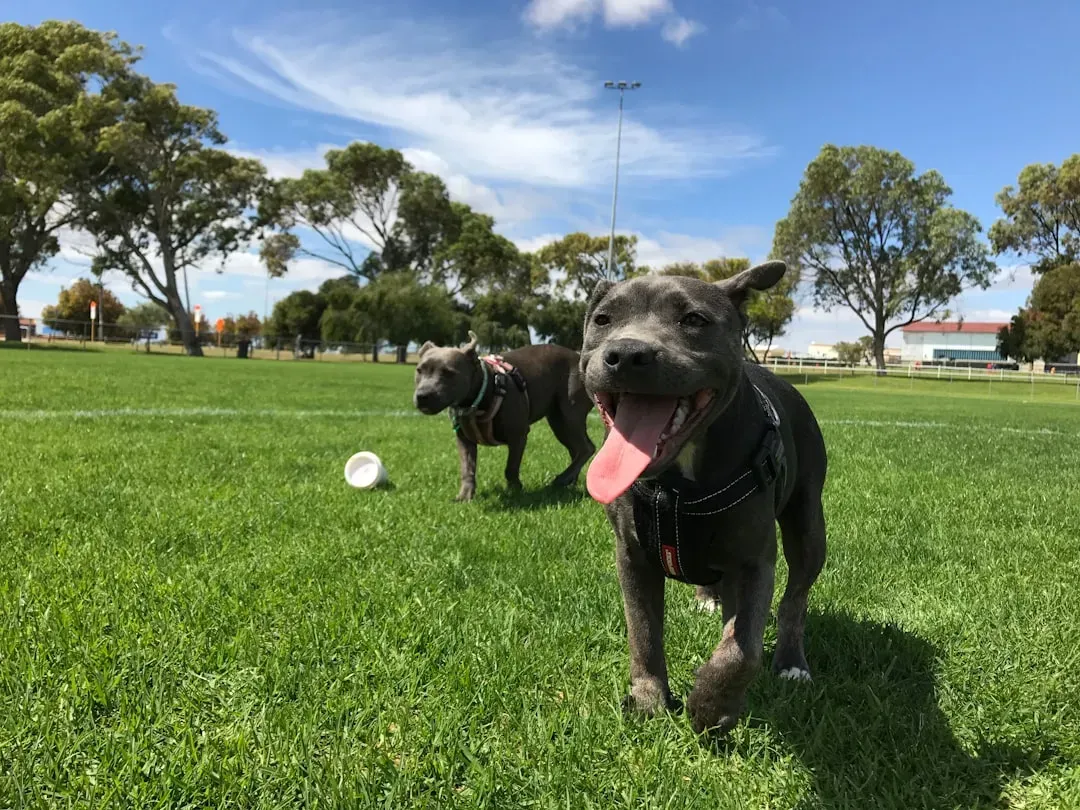
Learning something new can be frustrating for dogs, especially if they’re eager to please but struggling to understand what you want. When breakthrough moments happen – finally mastering that recall command, walking politely past another dog, or conquering fear of the vacuum cleaner – your reaction becomes an emotional milestone they treasure.
Dogs that experienced a more rewarding situation than expected during training showed improved learning success after sleep, indicating that dogs experiencing positive expectancy violation during training sessions benefited from the experience. Enthusiastic praise, genuine excitement, or even a simple smile of pride tells your dog that their efforts matter. These celebrations create emotional highlights in their memory, making them more eager to try new challenges because they remember the joy of success shared with you.
Conclusion
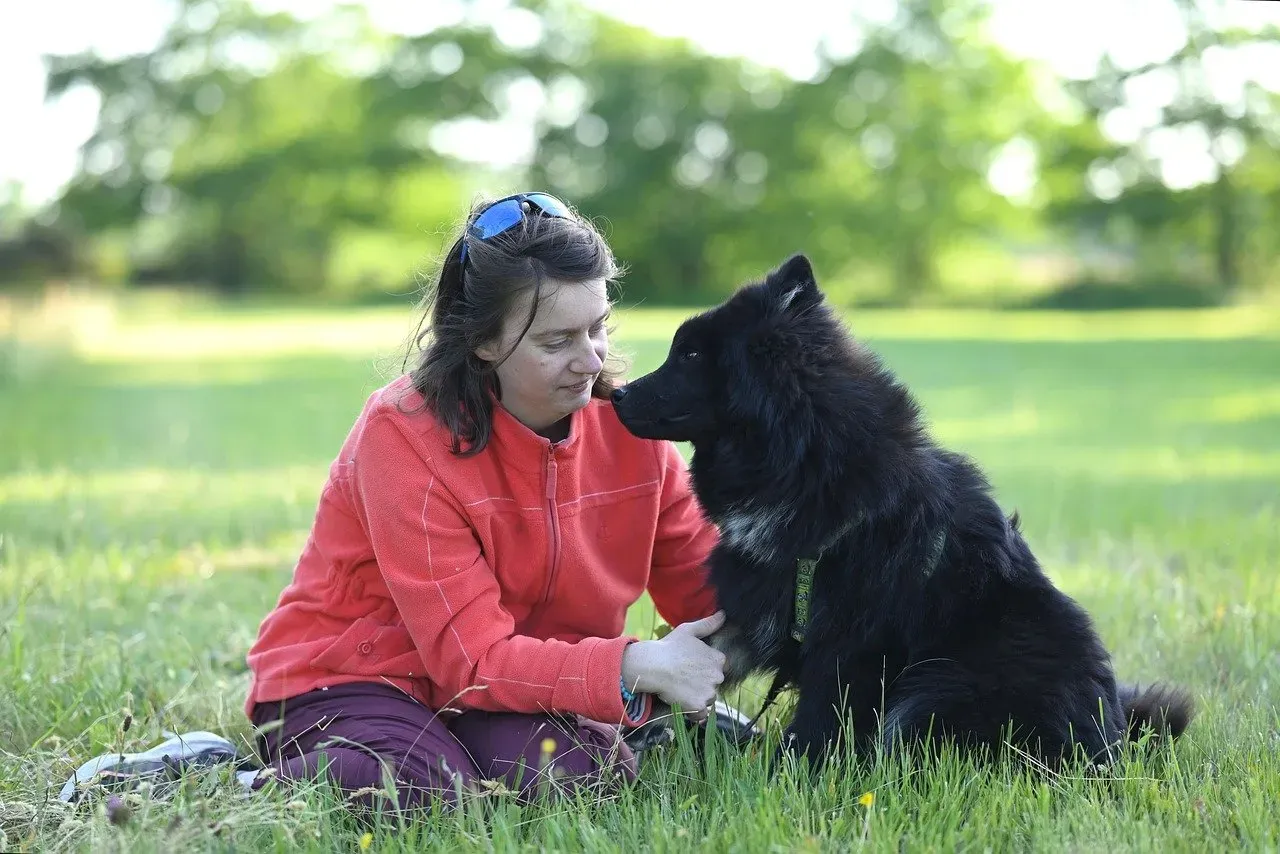
The emotional memories your dog carries aren’t random snapshots – they’re the building blocks of your relationship. Every interaction, whether monumental or mundane, contributes to how your dog feels about themselves, about you, and about the world you share. Understanding that dogs are emotional archivists changes everything about how we approach training, daily routines, and those challenging moments when patience wears thin.
Remember, you’re not just teaching behaviors or managing a pet. You’re shaping an emotional landscape that your dog will navigate for their entire life. The good news? Every day offers fresh opportunities to create positive memories, repair past hurts, and deepen the bond you share. Your dog doesn’t need perfection – they need consistency, kindness, and the assurance that how they feel genuinely matters to you. What emotional memory will you create with your dog today?


