

There’s something magical about watching tiny puppies take their first wobbly steps toward independence. If you’re caring for a litter or expecting one, you’re probably wondering when it’s safe to introduce solid food. It’s not just about filling their bellies; it’s about timing it right so they grow healthy, strong, and ready for the big world ahead. Too early, and you could overwhelm their tiny digestive systems. Too late, and mom might be worn out before her time.
The weaning process is a beautiful, messy adventure that marks one of the most significant milestones in a puppy’s early life. Let’s explore everything you need to know about when and how to make that transition from milk to munchies.
The Perfect Timing Window
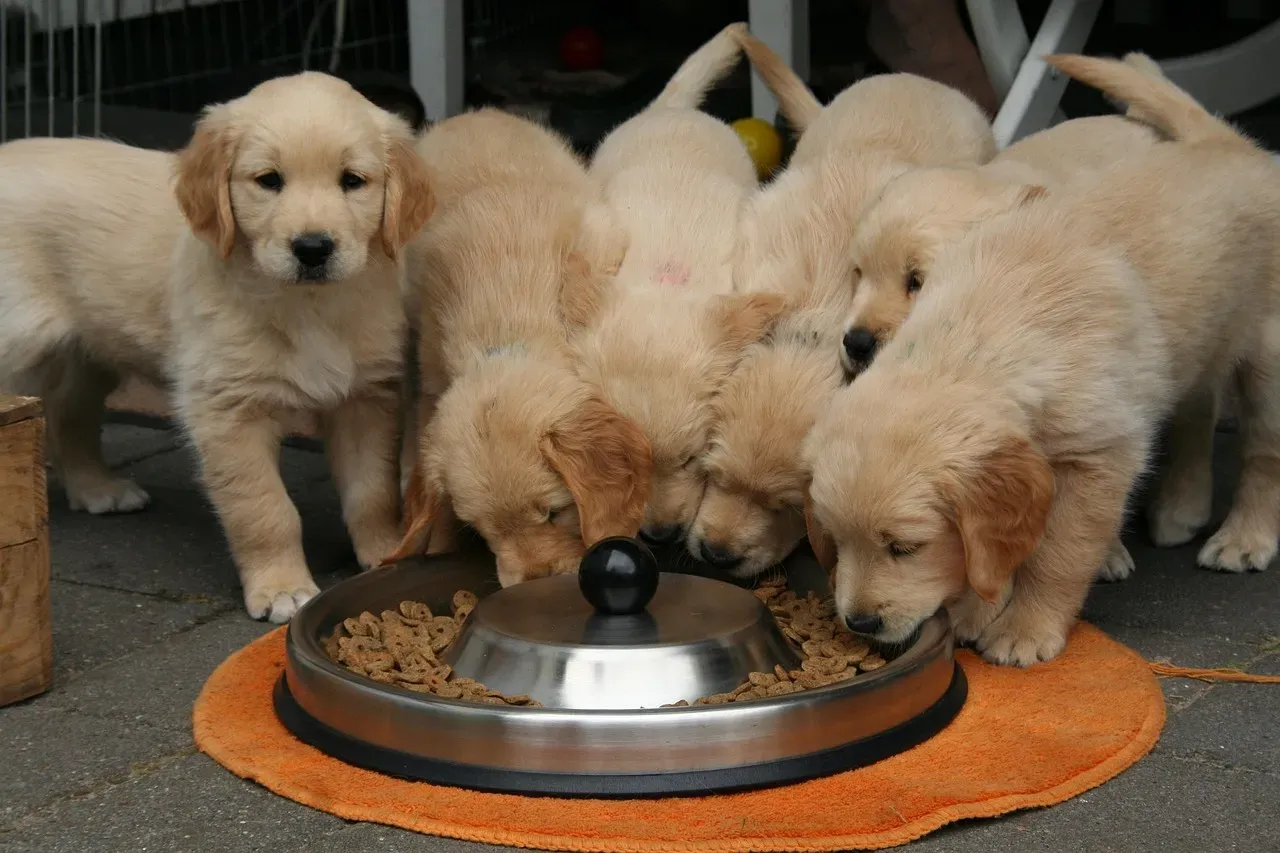
Puppies should begin eating solid food about 3.5 to 4.5 weeks of age. This is when their little bodies are ready to start exploring beyond their mother’s milk. Puppies start to experiment with solid food as early as 3-weeks-old. However, here’s the thing: they’ll still nurse alongside trying solids.
Around the third week, however, puppies typically begin to show an interest in their mother’s solid food, marking the beginning of the weaning process. You’ll notice them getting curious, sniffing around mom’s food bowl, maybe even trying to nibble at her kibble. It’s honestly one of the sweetest sights.
Watch for their baby teeth starting to emerge, usually around three to four weeks old. That’s nature’s signal that they’re developmentally ready. Except for tiny breeds, puppies begin to need more nutrients than mom can provide at three to four weeks of age. When giant breeds reach three weeks of age, they begin to crave more calories.
Making That First Puppy Gruel
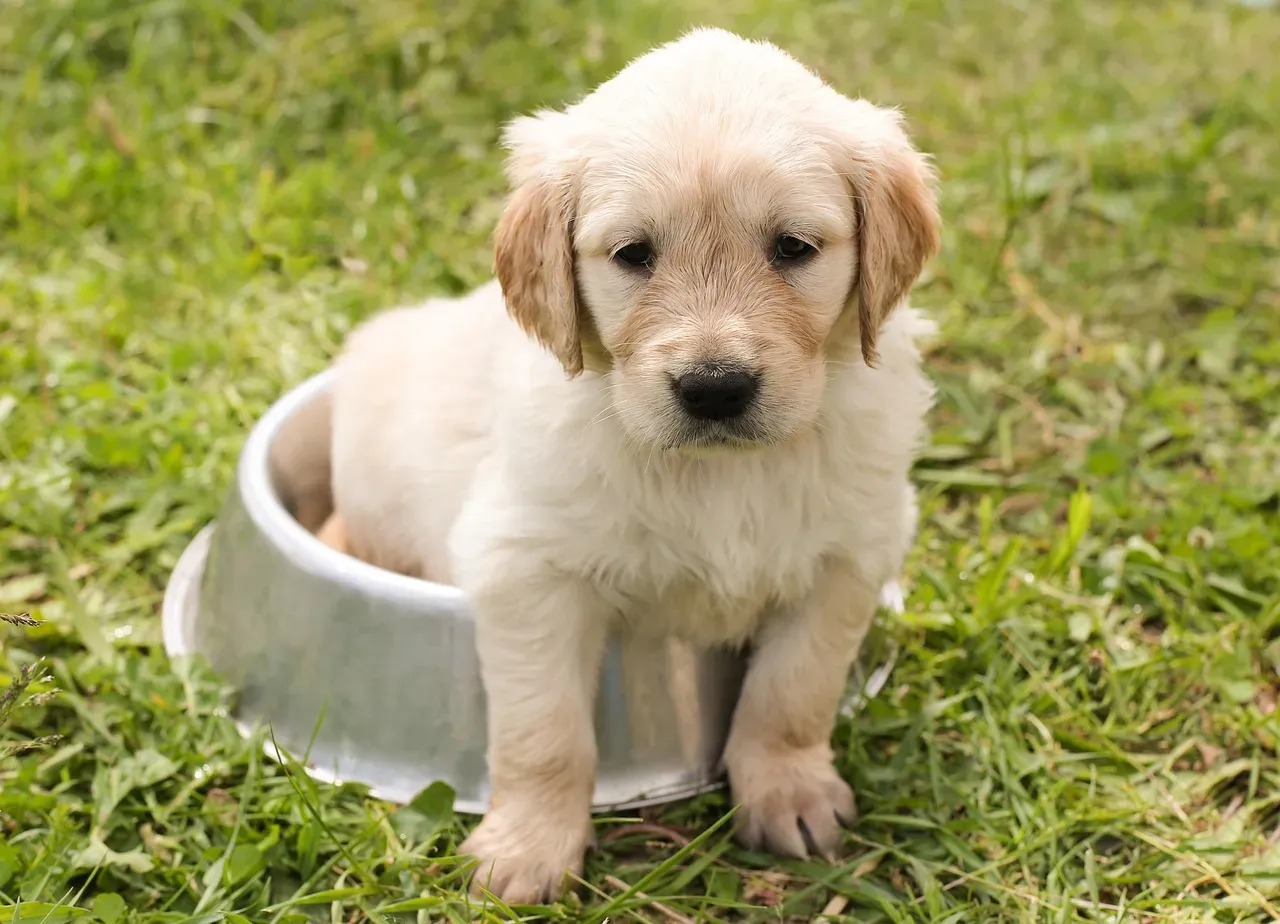
You can’t just plop down a bowl of kibble and expect magic to happen. Initially, make gruel by mixing a milk replacer with a small amount of puppy food soaked in water; place this mixture in a flat saucer. Think of it like baby food for dogs.
The consistency matters more than you’d think. At first, introduce very mushy solid food that is mixed with warm water or puppy formula to make a liquidy gruel. It should be soupy enough that they can lap it up, not so thick that they struggle with it.
To soften dry puppy food, mix the food with hot water, let it sit for about 15 minutes until it starts to soften, then mush it up. When it has cooled to a temperature closer to your body’s own, it’s ready to share with your puppy. Never serve it hot; you don’t want to burn those precious little mouths.
Some puppies need encouragement at first. They might just stare at the bowl like it’s from another planet. Dip your clean finger in the gruel and let them lick it off. Once they get a taste, most catch on pretty quickly.
The Gradual Transition Process
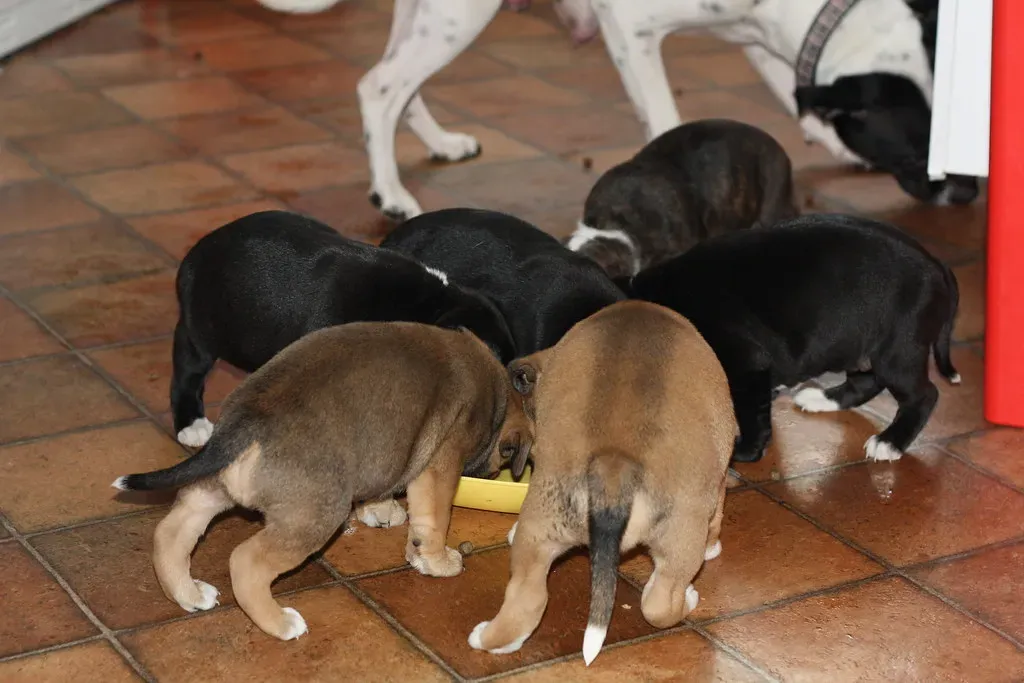
Patience is absolutely key here. Though it can start when a puppy is 3–4 weeks old, the weaning process won’t usually be complete until a puppy is 6–8 weeks old. This isn’t a race; it’s a journey.
The amount of moisture should be decreased daily until they are eating the canned or dry food with little to no moisture added (usually by four to six weeks of age). Each day, you’ll make the mixture a bit thicker, a bit less soupy. The puppies will gradually eat more solid food and nurse less from mom.
During this period, feed puppies small, frequent meals – four times a day is the general recommendation, but check with your veterinarian to ensure your pups are getting what they need. Their tiny tummies can’t hold much at once, so frequent small meals work best.
You’ll know things are going well when the puppies eagerly rush to their feeding dish. Weight gain is your best indicator; puppies should be gaining steadily throughout the weaning period. If anyone’s falling behind, consult your vet right away.
What Mom Needs During This Time
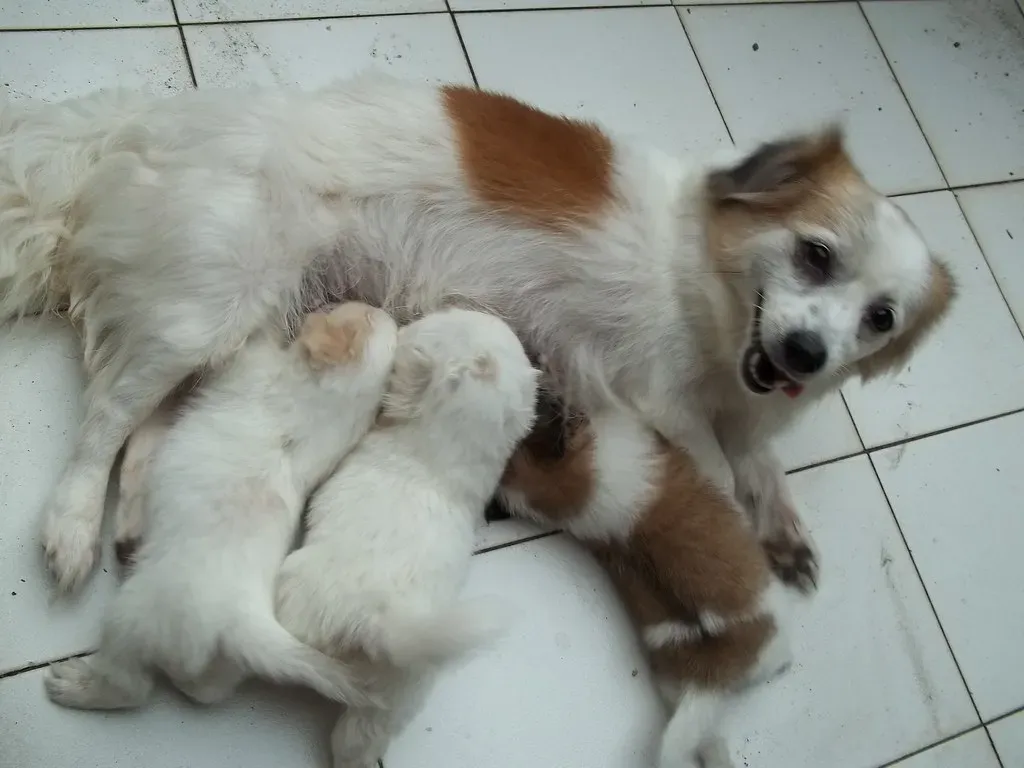
Let’s be real: weaning isn’t just about the puppies. Mom deserves serious consideration too. Give mom plenty of breaks, outside time away from her pups, fresh air, socializing with other dogs in the house, a walk around the neighborhood, tv time with some special treats – spoil her and make her time away from pups special and fun.
As you start feeding puppies, dams usually start nursing less, allowing the weaning process to occur naturally. I do limit access to Mom right before meal times to help encourage eating food and then allow nursing after to start the transition. This encourages the pups to actually eat their gruel instead of just waiting for milk.
The mother’s milk production will naturally decrease as the puppies nurse less. Her body knows what to do. Still, keep an eye out for signs of mastitis or discomfort in her mammary glands, especially if she’s producing a lot of milk but the puppies are eating less.
Signs Your Puppies Are Ready
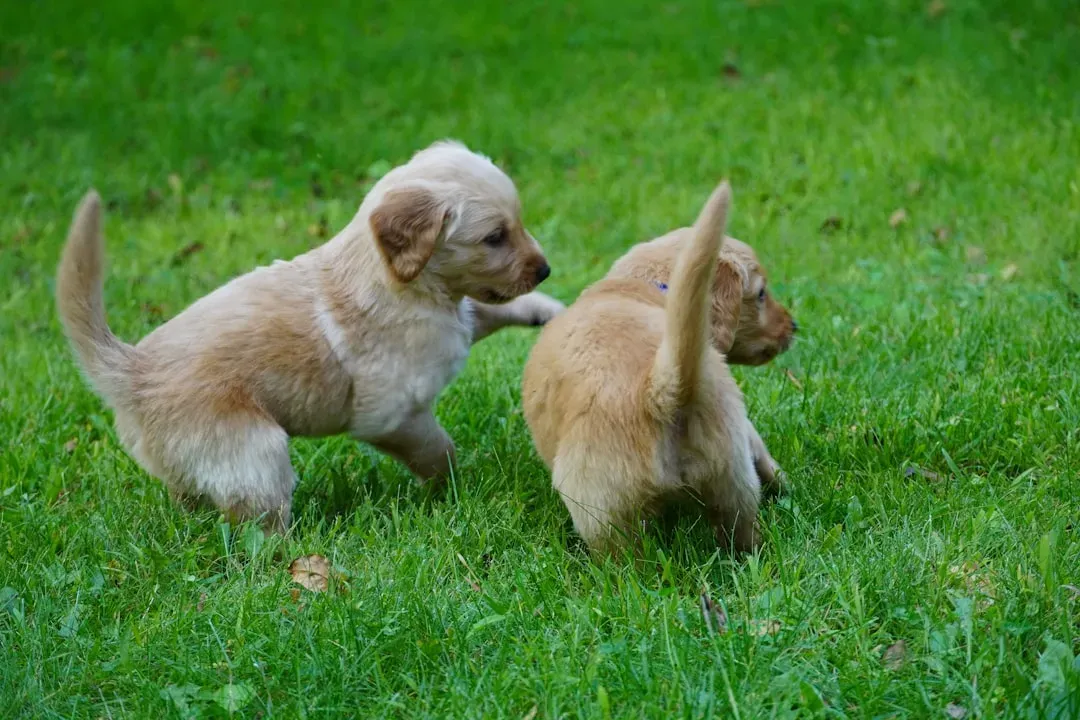
Growing curiosity about solid food, such as sniffing, licking or attempting to eat the mother’s food is the clearest sign. They’ll start getting into everything, exploring their environment with their mouths.
Their teeth emerging is another major clue. Some puppies may show an interest in solid food as early as three to four weeks, but you should wait to introduce it until the puppy begins to develop teeth. Those sharp little needles make nursing uncomfortable for mom, which naturally pushes the weaning process forward.
You might also notice mom spending more time away from the litter. She’s not abandoning them; she’s encouraging independence. For example, a puppy’s mom will naturally start restricting their access to milk, usually when they are around 4 or 5 weeks old, which will push them toward solid food.
If the puppies seem hungry even after nursing, that’s your cue. Mom might not be producing enough milk for their growing needs anymore. Time to supplement with that lovely puppy gruel.
Conclusion
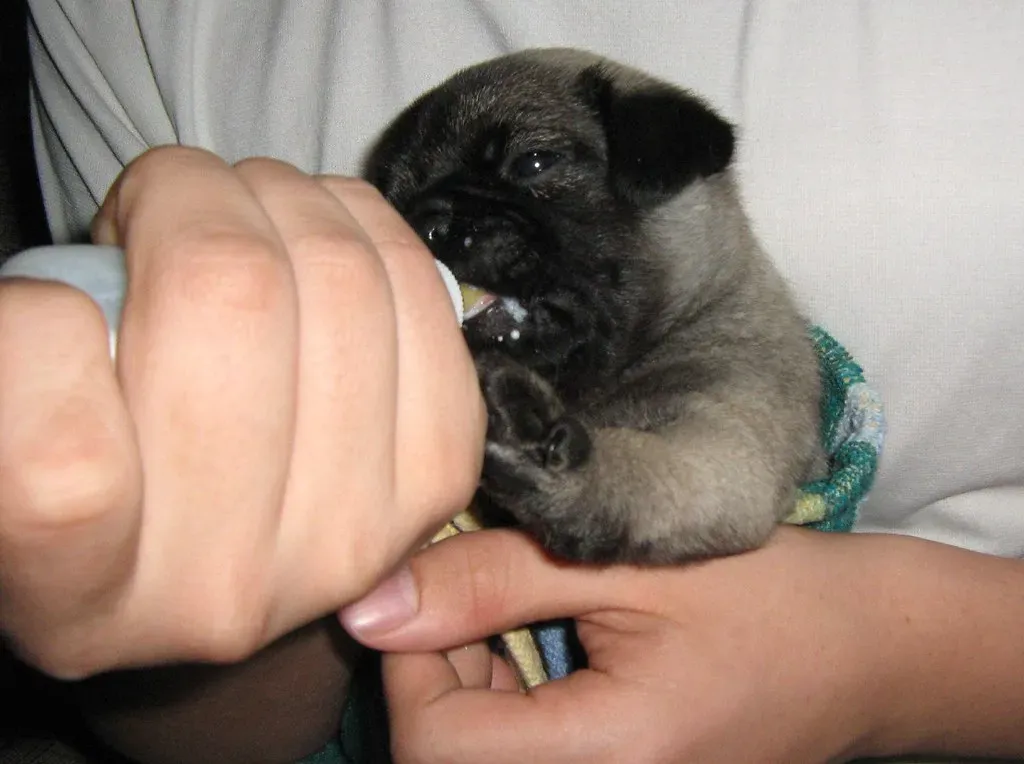
Introducing is one of those milestones that feels both exciting and a little nerve-wracking. Starting around three and a half to four weeks, with patience and the right approach, you’ll guide those little furballs through one of their first big transitions. Remember that every puppy is different; some take to solids immediately, while others need more coaxing. Trust your instincts, watch their weight and energy levels, and don’t hesitate to reach out to your vet with questions.
This messy, wonderful process is preparing them for a lifetime of good eating habits. Before you know it, those tiny pups will be crunching kibble like pros and ready to head to their forever homes. What’s been your experience with weaning puppies? Have you discovered any tricks that made the process smoother?


