
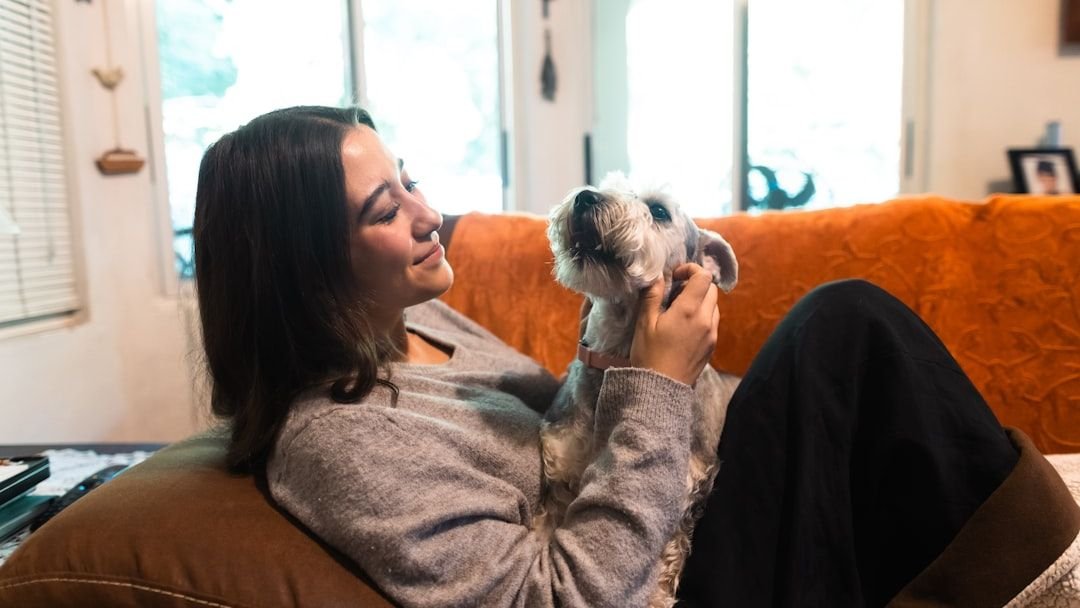
Have you ever noticed your dog waiting by the door exactly when you’re about to leave for work, or getting excited right before dinner without you saying a word? It’s like they have some kind of internal clock that’s mysteriously synced to your life. The truth is, dogs are masters at reading our patterns and rhythms, and when they’re truly bonded with us, they become emotionally aligned with our daily routines in fascinating ways.
Dogs thrive on routine, and predictable mealtimes, walks, play, and rest help your dog feel safe and secure. This isn’t just about habit. It’s about emotional connection and trust. When your furry companion becomes so attuned to your schedule that they seem to predict your next move, that’s a special kind of bond revealing itself.
Let’s explore the telltale signs that show your dog has become emotionally synchronized with the rhythm of your daily life.
They’re Waiting at the Door Before You Even Grab Your Keys
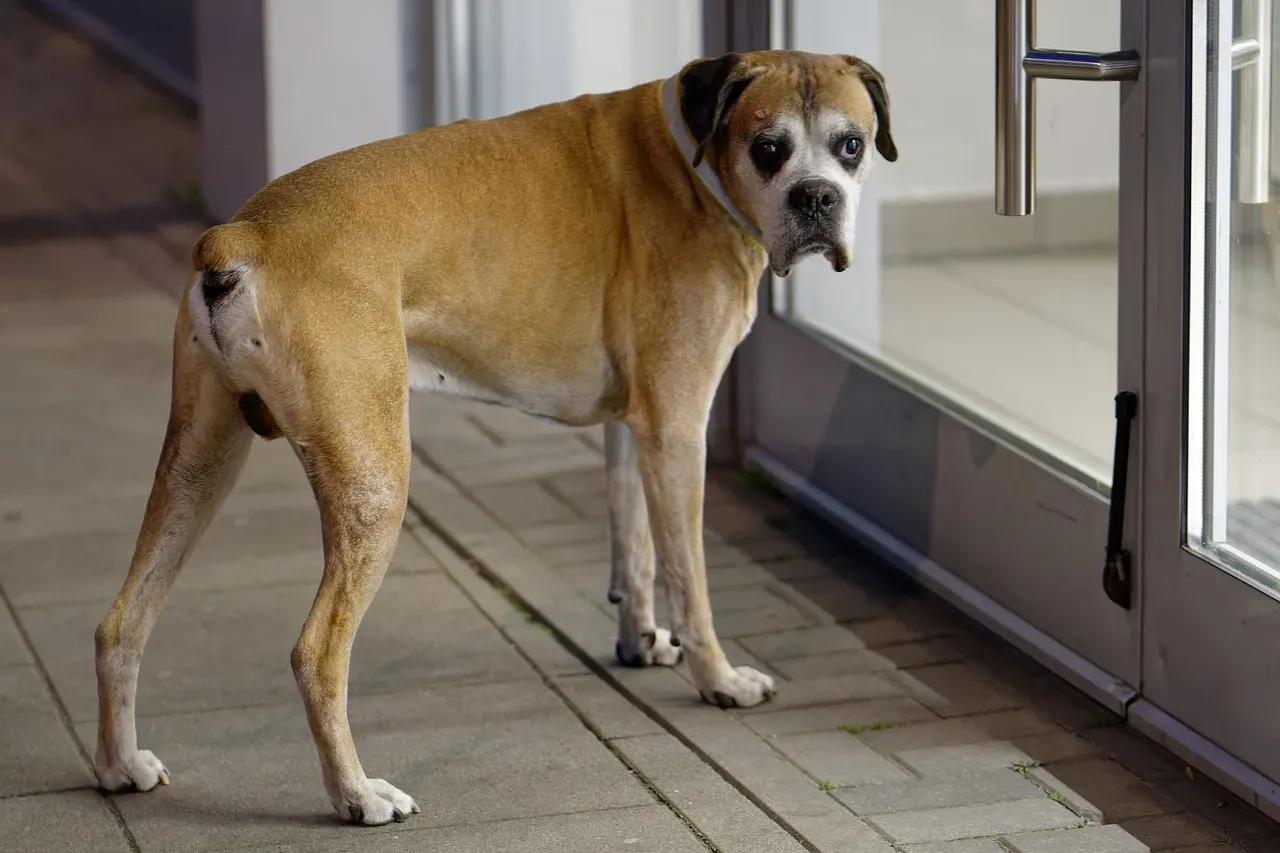
If your dog seems to have a sixth sense about dinnertime or knows exactly when it’s time for your evening walk, that’s no accident, as dogs thrive on structure and predictability, and they observe daily cues – like daylight changes, your body language, and household activity patterns – to anticipate what’s coming next. It’s honestly one of the most charming things about living with dogs.
Picture this: you haven’t even touched your coat yet, but your dog is already standing by the door with that expectant look. In more than 200 trials with a dog called Jaytee, it was found that on 80 percent of the occasions when his owner went out, the dog anticipated her return by going to wait for her at a window, and Jaytee usually began to wait just before the time she set off to come home. They’re reading the subtle shifts in your behavior, the way you glance at the clock, or how you move around the house during those pre-departure moments.
Dogs use daily cues, such as changes in daylight, your body language, and patterns of household activity, to predict what will happen next, and your dog will learn to anticipate what will happen when those cues follow a regular pattern, which will stabilize their emotions and lessen their reactivity.
Your Dog Becomes Your Living Alarm Clock
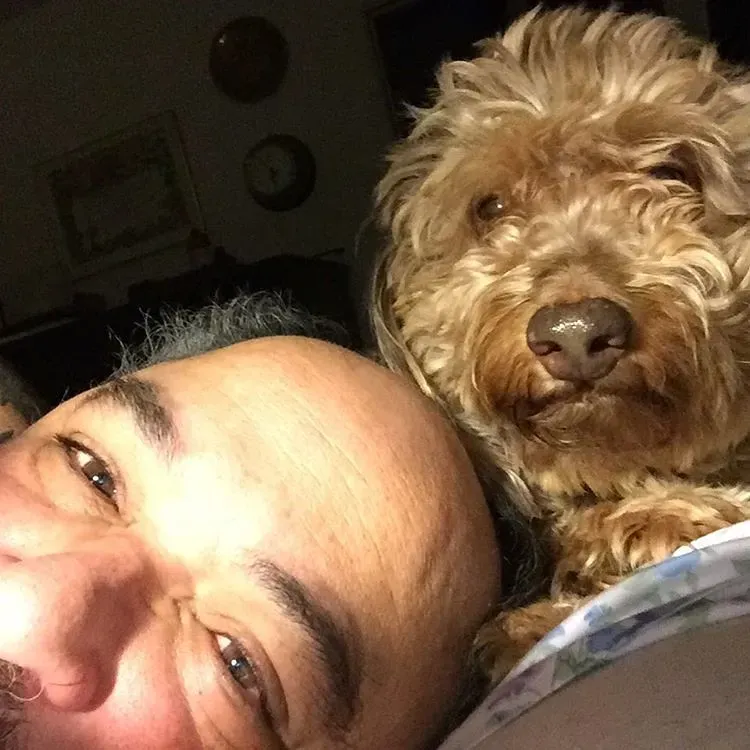
Does your pup wake you up at roughly the same time every morning, even on weekends when you desperately want to sleep in? Here’s the thing: they’re not trying to annoy you. Dog behavior is deeply influenced by their environment and daily interactions, and when a dog knows what to expect – whether it’s a walk in the morning or dinner at the same time each evening – they are less likely to feel anxious or exhibit unwanted behavior.
Your dog has internalized your schedule so completely that their internal clock now mirrors yours. They know when breakfast should happen, when playtime typically starts, and when you usually roll out of bed. This synchronization is actually a beautiful demonstration of how connected they feel to your life rhythm.
It might be hard to say for sure, but this behavior shows they’re emotionally invested in maintaining the daily flow you’ve established together.
They Shadow You From Room to Room
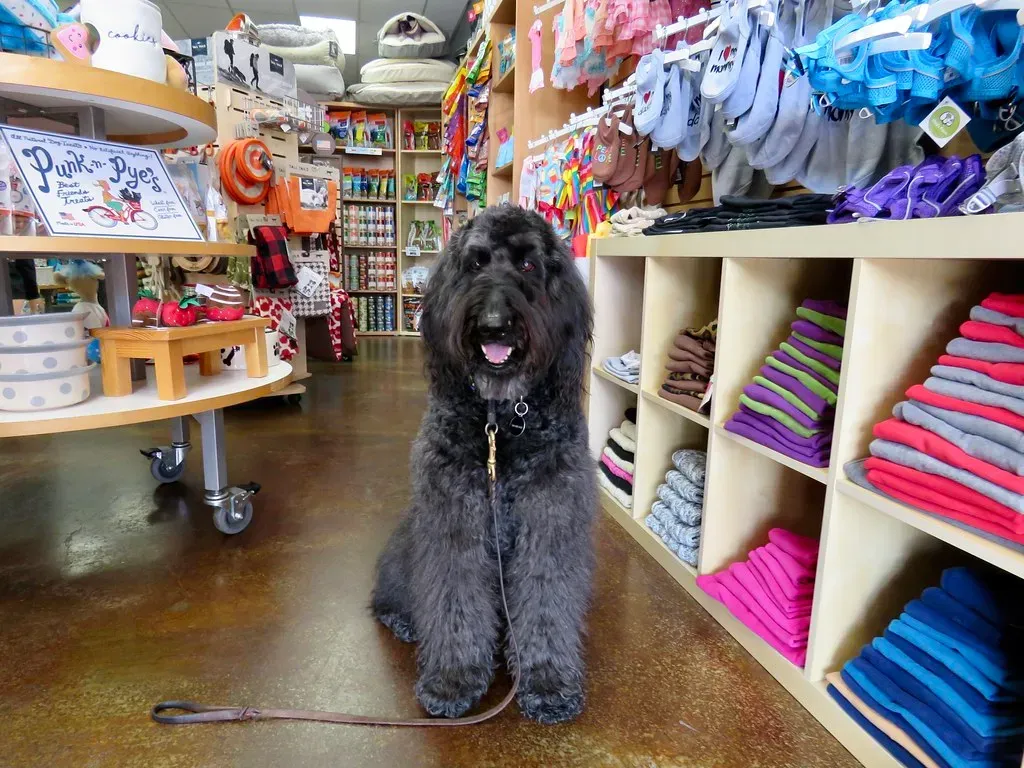
A telltale sign that your dog is emotionally attached to you is if they want to join you for every part of your daily routine, and an emotionally attached dog will follow their human around the house from the moment they wake up, making sure that they are always within sight, whether you’re brushing your teeth, washing the dishes, or doing a workout.
Following you everywhere isn’t just about separation anxiety. When a dog calmly follows their human around the house – without pacing, panting or any other stress-related behaviors – it often signals a strong bond, as the dog likely finds comfort in the social interaction. They’re participating in your routine because being near you feels right and natural to them.
Think of them as your furry life assistant, making sure they’re present for all the important daily tasks. Whether you’re making coffee or folding laundry, they want to be part of it.
Mealtime Excitement Starts Before You Head to the Kitchen
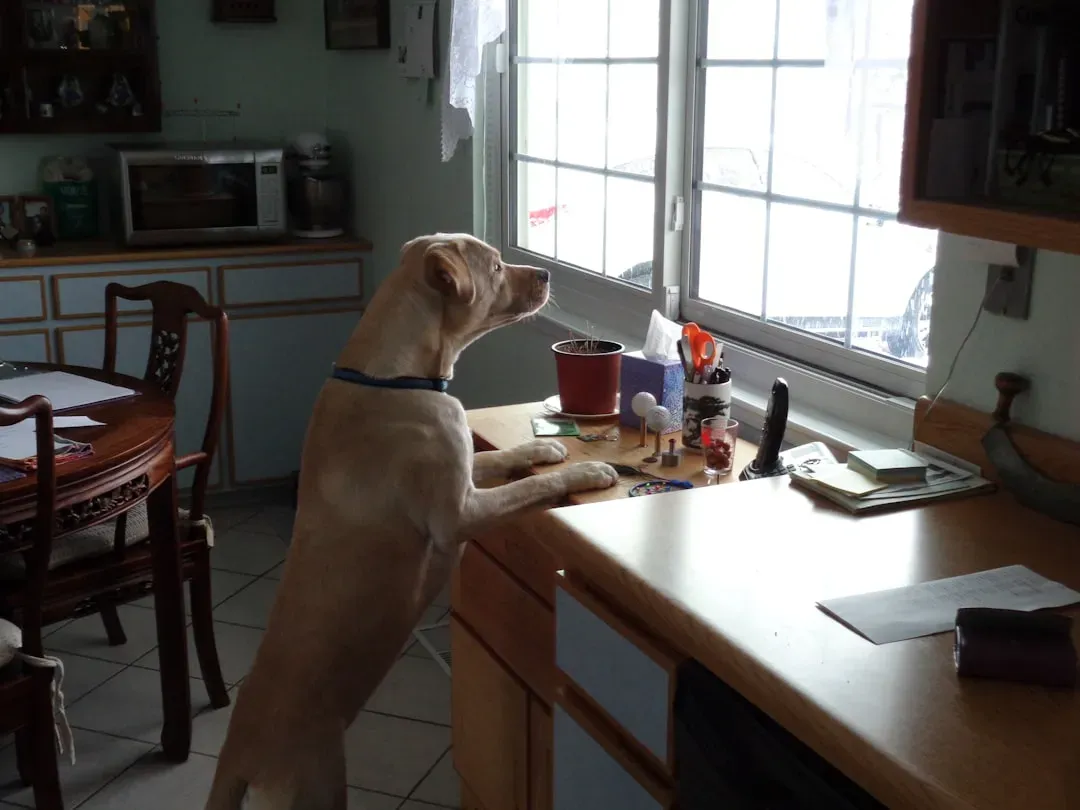
Ever get up to use the bathroom and your dog races to their food bowl, only to look disappointed when nothing happens? They’ve learned to associate certain movements and times with feeding. Feeding your dog at the same time each day helps regulate their digestion and creates a predictable structure, and most adult dogs thrive on two meals a day – one in the morning and one in the evening.
When your dog starts getting excited about dinner before you’ve even glanced at their bowl, they’re showing how deeply attuned they are to the pattern of your household. A consistent feeding schedule for dogs is one of the most essential components of a daily routine, and regular mealtimes help regulate their digestive system, prevent overeating, and even influence their potty habits.
Their anticipation reveals that they’ve memorized not just when food comes, but the entire sequence of events leading up to it.
They Know Your Wind-Down Routine Better Than You Do

Does your dog settle into their bed right around the time you typically start winding down for the evening? Dogs quickly learn what to expect from a structured day, and they feel safer and more confident when those expectations are met, knowing what to expect and when to expect it.
Maybe you always watch television at a certain hour, or you have a nightly ritual of reading before bed. Your dog has picked up on these cues and adjusted their own behavior accordingly. They might grab their favorite toy, curl up on the couch, or head to their sleeping spot without any prompting from you.
This synchronization shows emotional alignment because they’re not just reacting to commands. They’re living in harmony with the rhythm you’ve created, finding comfort in the predictability of your shared evening routine.
Exercise Time Gets Them Buzzing With Anticipation
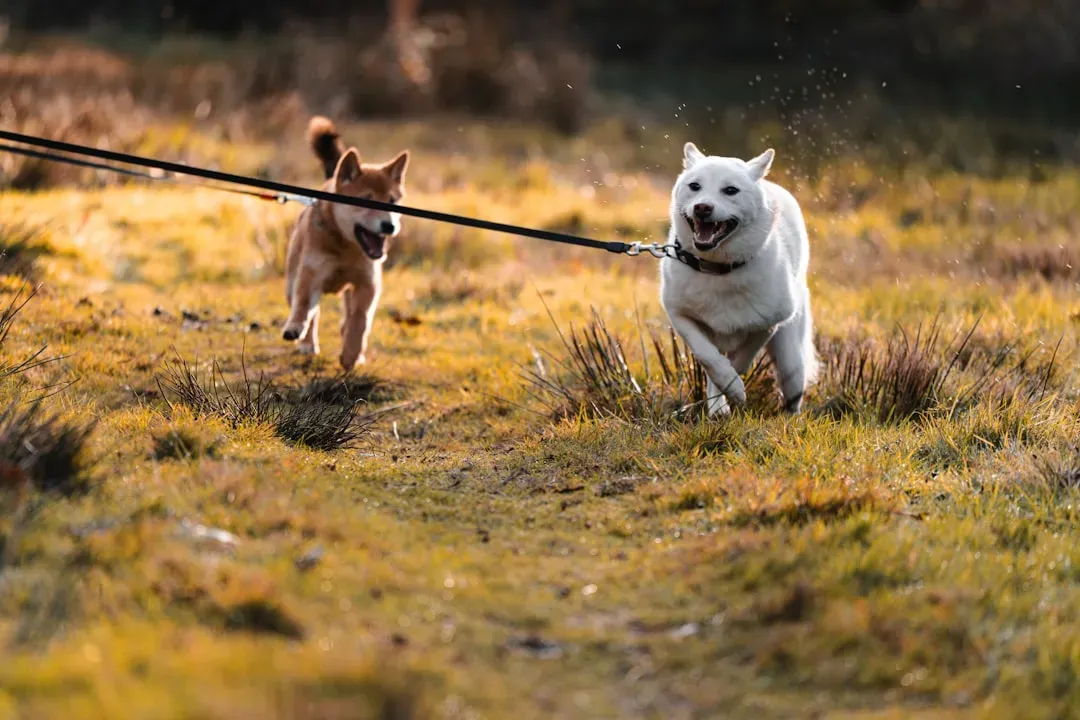
Dogs that don’t get regular, scheduled activity are more likely to show signs of frustration, restlessness, and destructive behavior, while those who know when their next walk or play session is coming are generally more relaxed and focused the rest of the day. The anticipation itself becomes part of their emotional experience.
Watch how your dog behaves in the hour before your usual walk time. They might bring you their leash, pace near the door, or simply stare at you with barely contained excitement. Anticipating something fires up the seeking circuit in the brain, which releases pleasurable chemicals, such as dopamine, and when a dog hunts, for example, that circuit is activated, and the dog enjoys the act of hunting.
Their entire demeanor shifts because they’ve learned when to expect this important part of their day. Honestly, it’s one of the purest expressions of joy you’ll ever witness.
They Exhibit Calm Behavior During Your Work Hours
If you work from home or have consistent hours when you’re busy, you might notice your dog becomes remarkably chill during these periods. When there’s a reliable routine in place, dogs are less likely to become anxious or bored because they know what’s coming next, and a dog that receives exercise and mental stimulation at regular times each day is more likely to rest peacefully in between.
They’re not demanding attention or acting out because they’ve learned this is quiet time. They might nap, chew on a toy, or just lounge nearby. This behavior demonstrates deep emotional alignment because they’ve adapted their energy levels and expectations to match your schedule.
It’s pretty remarkable when you think about it. They’ve essentially learned to respect your routine without you having to enforce strict rules constantly.
Weekend Schedule Changes Make Them Visibly Confused

Approximately 20% of dogs experience separation anxiety when their owners return to work or school after a period of being home, and dogs are creatures of habit, and any disruption to their daily routine can trigger anxiety and stress. When Saturday rolls around and you sleep past your usual wake-up time, your dog might seem genuinely puzzled.
They may paw at you, whine softly, or give you those questioning looks that say, “Um, aren’t we supposed to be doing something right now?” This confusion is actually evidence of how synchronized they’ve become with your weekday patterns. Changes in work schedules or daily routines can lead to separation anxiety or acting out behaviors, and dogs may develop destructive habits or excessive vocalization when their routine is disrupted.
Their emotional state is so intertwined with the rhythm of your schedule that deviations from it create noticeable uncertainty. Let’s be real, it’s both adorable and a little heartbreaking to see them trying to figure out why everything feels different.
They Anticipate Specific Family Members’ Arrivals
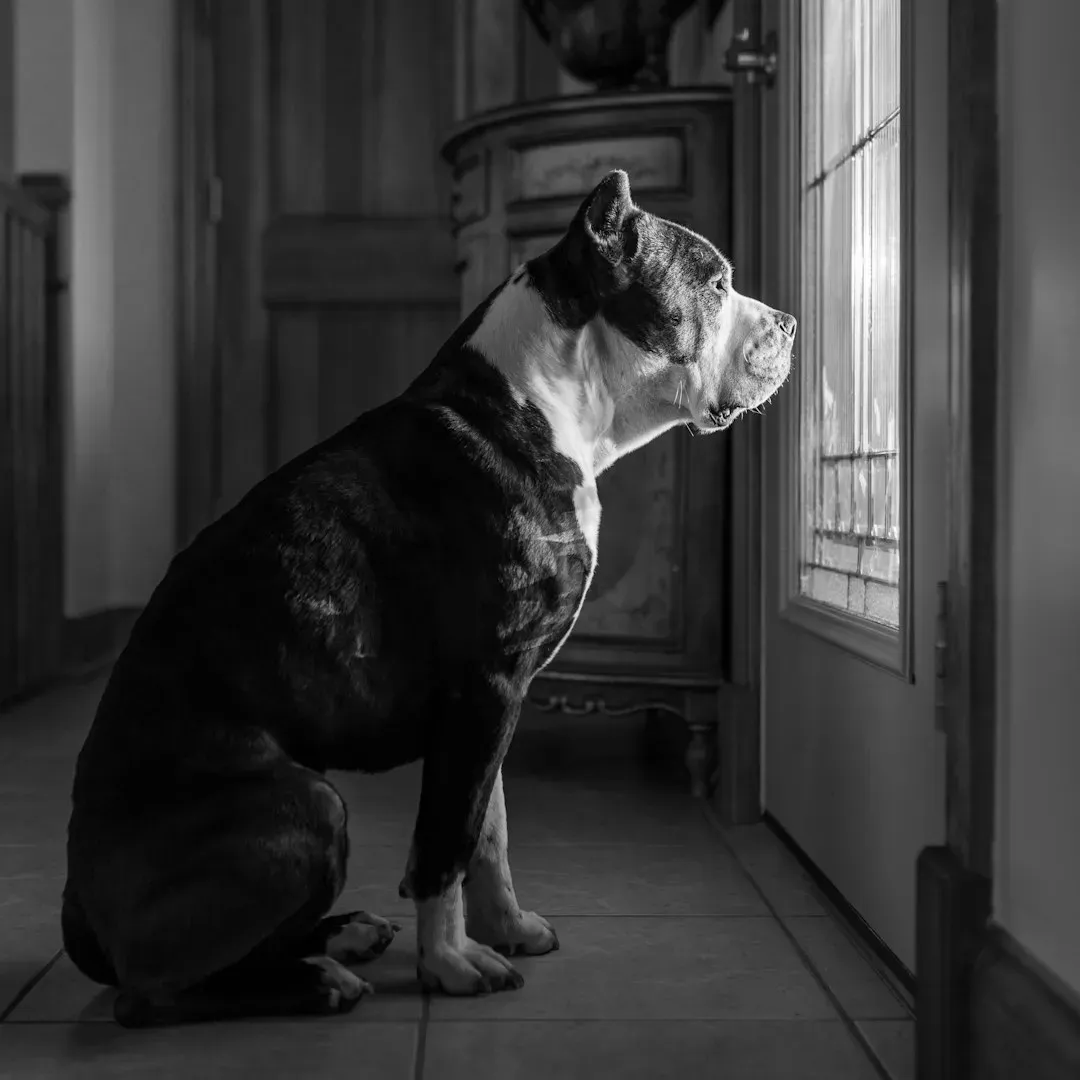
In random household surveys in Britain and the United States an average of 48 percent of dog owners said their animal anticipated the return of a member of the household, a fifth of these dogs were said to show their anticipation more than ten minutes in advance, and many dog owners claim that this behavior occurs even when the person returns at an unusual time and when the people at home do not know when they are returning.
Different family members might have different schedules, and emotionally aligned dogs learn to distinguish between them. They might position themselves near the window when one person is due home from work, or get excited at a specific time when the kids usually return from school.
This level of awareness shows they’re not just responding to a generic “someone’s coming home” feeling. They’ve mapped out the individual patterns of each family member and adjusted their emotional responses accordingly. That’s sophisticated social awareness combined with deep attachment.
Physical Relaxation Matches Your Stress Levels
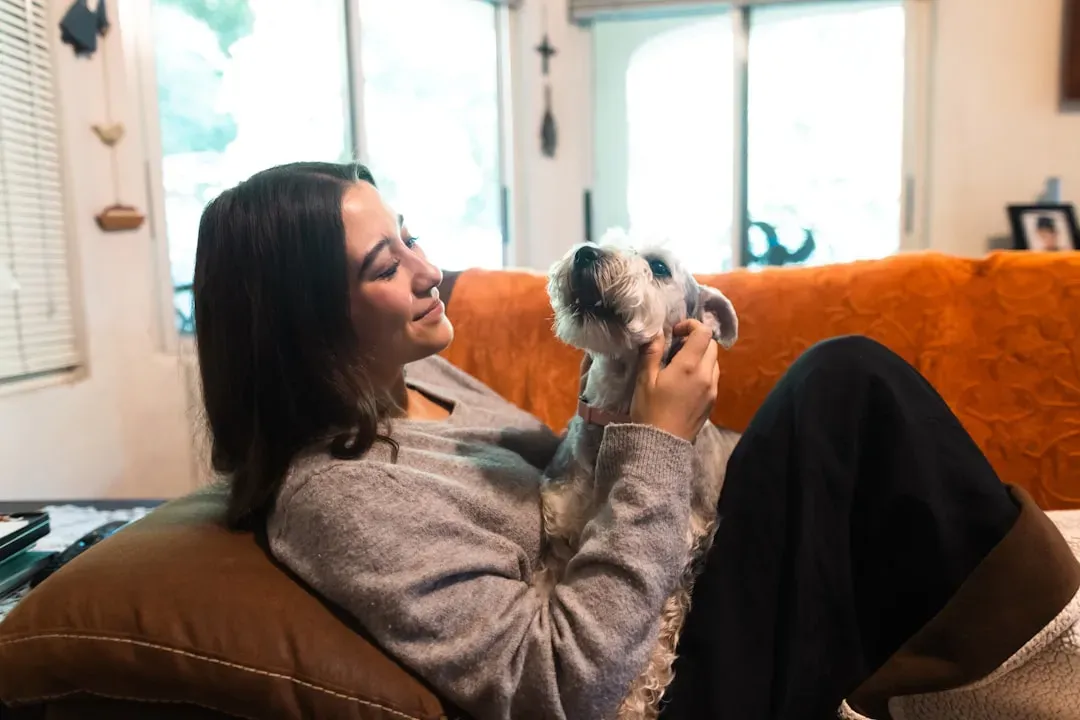
Pets are highly sensitive to the emotions of their human family members, and the stress and excitement that often accompany changes in household dynamics can affect your pets’ emotional well-being, as they may become more anxious, clingy, or even exhibit signs of depression as they sense the shift in the household dynamic.
When you come home stressed from a tough day, your dog might mirror that tension, staying close and seeming more alert. Conversely, on relaxed weekends, they might be noticeably more playful and loose. Dogs read us – our pace, our moods, our routines – and, if we let them, they sync their hearts with ours.
This emotional mirroring goes beyond simple observation. It’s evidence that your dog has become so attuned to your daily emotional landscape that they’re actively responding to it. They’ve learned when you typically feel rushed, when you’re relaxed, and when you need companionship versus space.
I think this is perhaps the most profound sign of emotional alignment because it transcends mere schedule-keeping and enters the realm of genuine empathy.
Conclusion
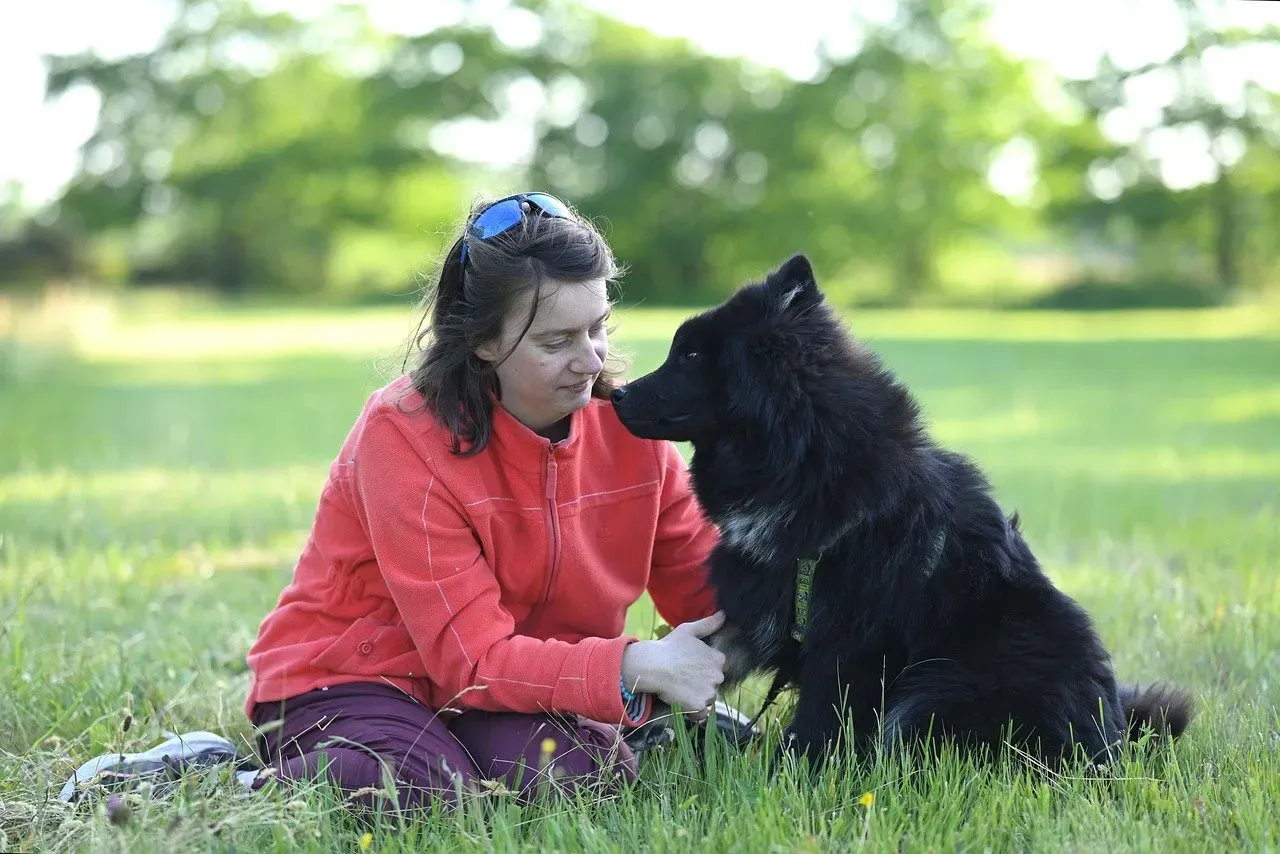
The signs that your dog has reveal something beautiful about the bond you share. When your pup feels safe and like they can count on you to follow through with their routine, it’ll be easier for them to trust you, and a consistent schedule also reduces anxiety and can make it easier to train your dog. These behaviors aren’t just habits; they’re expressions of trust, security, and deep connection.
Your dog’s ability to sync with your life rhythm shows they feel safe in the predictable world you’ve created together. When thinking about the ideal day for your dog, the most important thing is to develop a routine you can stick to consistently, and keeping a regular daily schedule for feeding, walking, exercise, and playing will help dogs feel comfortable and less stressed.
Cherish these small moments of synchronization. They’re proof that your dog doesn’t just live with you; they’re emotionally woven into the fabric of your daily life. Have you noticed which of these signs your dog displays most? They might just surprise you with how deeply connected they really are.


