

You ever notice how your dog seems to know exactly when you need them most? Maybe they curl up beside you on the couch after a rough day at work, or they bring you their favorite toy when you’re feeling low. It’s easy to think we’re just imagining things, projecting our own feelings onto our furry friends.
Turns out, you’re not imagining it. Science has caught up with what dog owners have suspected for years. Your dog really does know when you’re having a bad day, and they’re picking up on signals you might not even realize you’re sending.
They Can Literally Smell Your Stress

Here’s where it gets wild. Dogs can be trained to detect changes in levels of cortisol, a hormone that floods the body in times of stress, but the ability goes deeper than training alone. Dogs can detect an odor associated with stress in human breath and sweat with an accuracy of 93.75%, according to research published in PLOS ONE. That’s not a lucky guess. That’s real, measurable sensitivity.
When you’re anxious or overwhelmed, your body chemistry shifts. Dogs are able to smell changes in hormones, including cortisol, and they respond to those changes. It’s hard to say for sure exactly which compounds they’re detecting, but it might be cortisol, adrenaline, or another stress marker. Whatever it is, your dog picks up on it before you even finish your sentence.
Your Mood Actually Changes Their Behavior
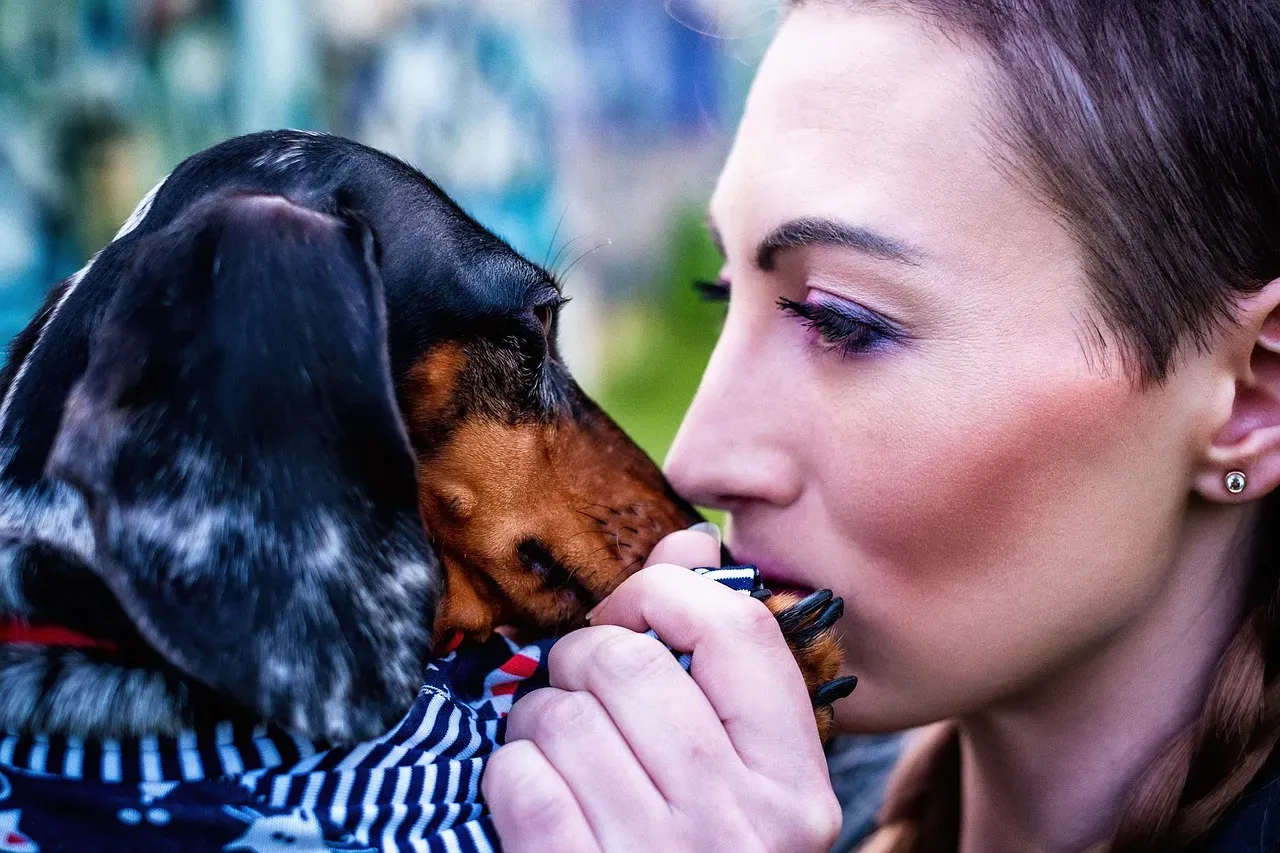
Dogs experience emotional contagion from the smell of human stress, leading them to make more pessimistic choices, according to research from the University of Bristol. In experiments, dogs exposed to stress odors approached food bowls more slowly and cautiously than usual. They weren’t just detecting stress. They were feeling it.
Dogs gazed and jumped less at owners when they were sad, and their compliance with commands was also diminished during genuine emotional shifts in their owners. This tells us something important: dogs don’t just observe our moods from a distance. They’re affected by them in real time, changing their own actions and outlook based on what we’re going through.
It’s Not Just About Smell Though

Dogs are reading us on multiple levels at once. Dogs can sense stress based on a combination of cues and the context of the situation, observing facial expressions, body language, and tone of voice. They’re watching how you move, listening to the pitch of your voice, and yes, sniffing out the chemical traces of your emotional state.
Dogs interpret human emotions through facial cues and body language, and use their acute sense of smell to detect hormonal changes. It’s a full sensory package. Your dog doesn’t need you to tell them you’re upset. They already know, probably before you’ve fully admitted it to yourself.
Brain Scans Show Dogs Process Our Emotions Like They Matter

Viewing the caregiver activated brain regions associated with emotion and attachment processing in humans, according to fMRI studies of dogs. That means when your dog looks at you, the emotional centers of their brain light up in ways that mirror human bonding. They’re not indifferent observers. They’re emotionally invested.
Dogs pick up chemical and physiological cues from people that allow our moods to become contagious. Oxytocin facilitates emotional contagion by causing the brain to focus on social cues, and dogs also have affective empathy toward people who are important to them. The bond goes both ways, chemically and emotionally.
Evolution Wired Them to Tune Into Us

Thousands of years living as our companions have fine-tuned brain pathways for reading human social signals, and while your dog’s brain may be smaller than a wolf’s, it may be uniquely optimized to love and understand humans. This isn’t accidental. Dogs evolved alongside us, and their survival often depended on understanding what we needed.
Dogs have learned to live with us for thousands of years, and much of their evolution has been alongside us. Both humans and dogs are social animals, and there’s an emotional contagion between us, as being able to sense stress from another member of the pack was likely beneficial because it alerted them to threats. That ancient survival mechanism now shows up as your dog resting their head on your knee when you’ve had a terrible day.
What This Means for You and Your Dog
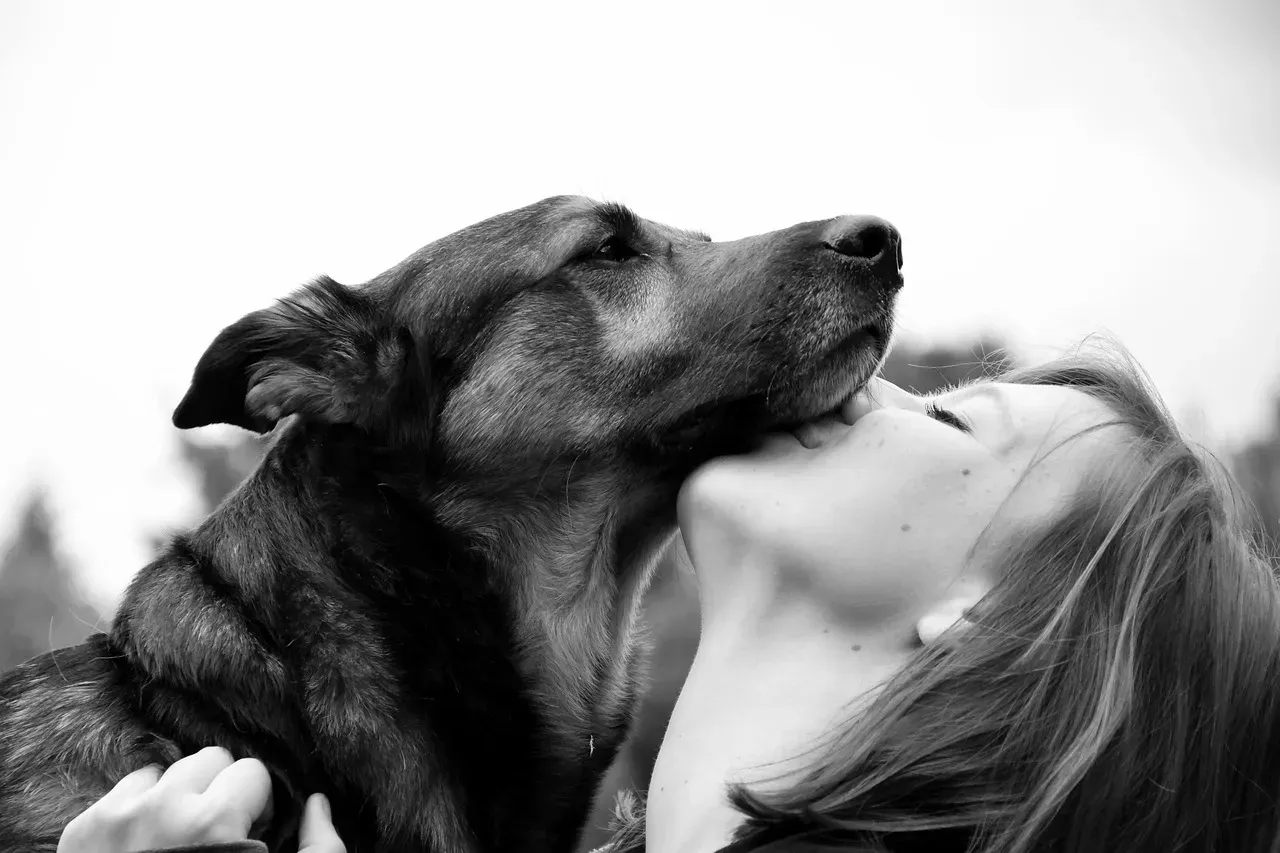
Knowing that dogs genuinely respond to our emotions changes how we should think about our relationship with them. Approaching training while stressed could have a negative effect on how a dog feels and learns, so managing your own stress isn’t just good for you. It’s good for your dog too.
If we can better understand how we perceive animal emotions, we can better care for them, and that understanding goes both ways. Recognizing that your dog isn’t just being clingy or overly attached, but actually sensing and responding to your genuine emotional state, deepens the connection you share. They’re not trying to annoy you. They’re trying to help in the only way they know how.
Your dog isn’t psychic, exactly, but they might be the next best thing. They’ve spent millennia learning to read us, and they’re remarkably good at it. So the next time your dog seems extra attentive when you’re down, trust it. They know. And honestly, isn’t that kind of comforting? In a world where people often miss the signs, your dog never does. What do you think about that? Does your dog seem to sense your mood before you say a word?


