

You know that moment when your dog’s tail is wagging, their eyes are bright with excitement, and everything seems perfect? Then something shifts. Maybe it’s a visitor at the door, another dog passing by, or even just a sudden loud noise. Suddenly, the playful energy you love so much transforms into something more intense, more reactive, more concerning.
Here’s the thing. Some dogs have a personality that can flip from joyful to defensive in the blink of an eye. It doesn’t mean they’re bad dogs. Far from it, honestly. These breeds often have fascinating histories, incredible loyalty, and traits that made them exceptional working animals. Yet understanding their tendencies can help you become the best companion they need. Let’s be real, every dog deserves an owner who knows their quirks and respects their boundaries. So let’s dive in.
1. Jack Russell Terrier
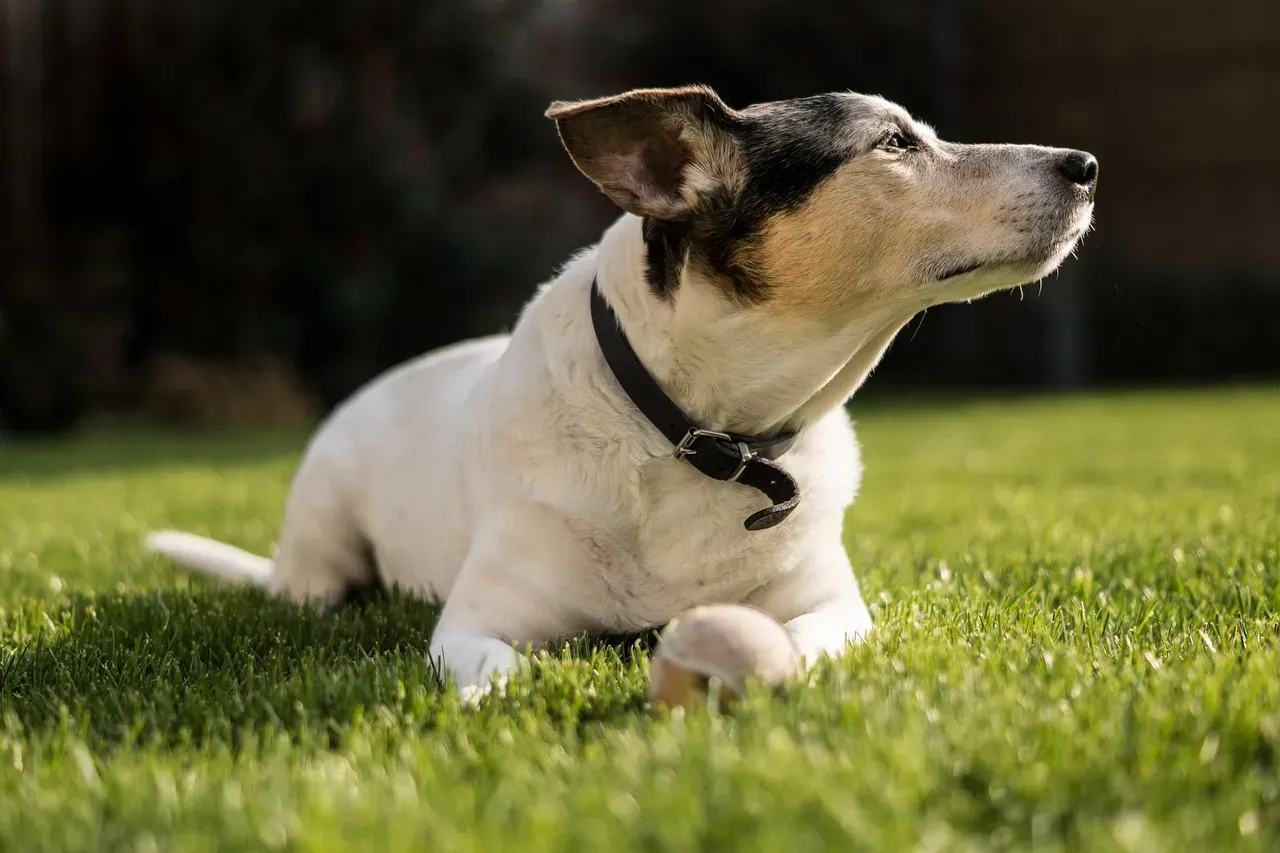
Don’t let that compact frame fool you. Jack Russell Terriers are known for their high energy and strong hunting instincts, which can contribute to aggressive tendencies if not adequately channeled. These little dynamos were bred to chase foxes out of burrows, which means they have courage that far exceeds their size.
What happens in real life is this: one moment your Jack Russell is chasing a toy with gleeful abandon, the next they’ve spotted another dog and locked onto them with laser focus. An owner’s fear, anxiety, and over-reaction during a situation can be sensed by a dog, which may escalate the situation further, causing it to be uncontrollable. Staying calm is your superpower here. These terriers respond to movement and excitement, so if you panic, they amplify.
Training a Jack Russell requires patience and consistency. They’re smart, stubborn, and independent thinkers. Terriers are notoriously feisty with other dogs; they were bred to hunt solo and thus had little need for sociability. Early socialization with varied experiences helps, yet some Jack Russells will never be dog park regulars. That’s okay. Understanding their limits keeps everyone safer.
2. Chow Chow
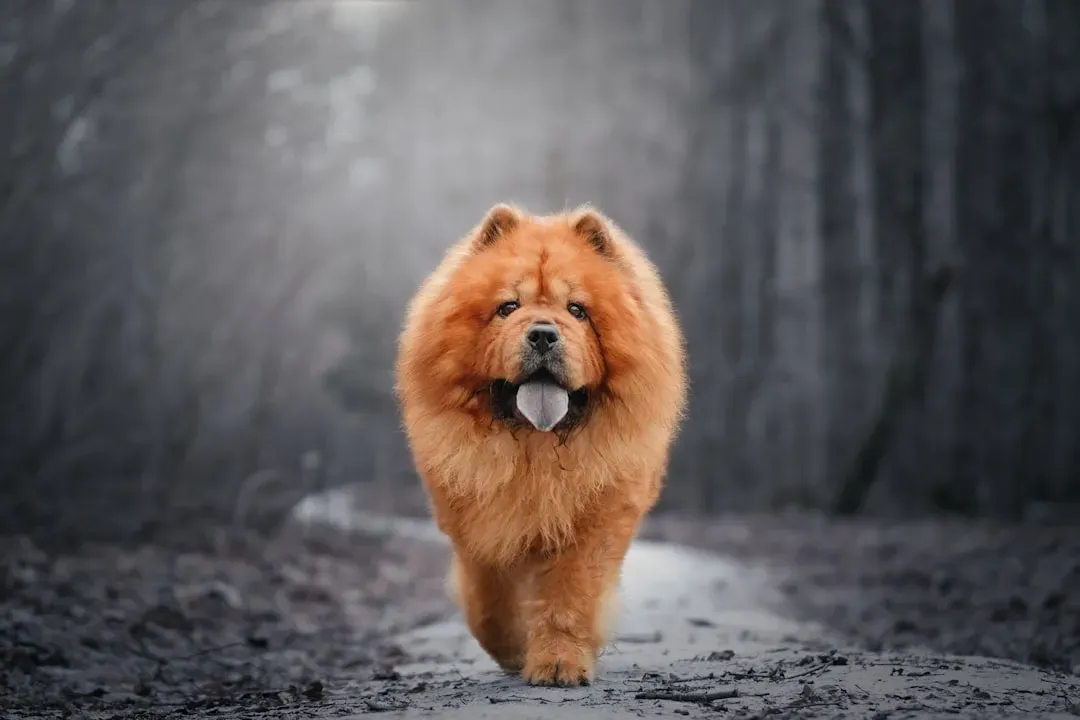
Fluffy but fierce, the Chow Chow is more than just a cute face. Known for their loyalty to family, Chow Chows can become aggressive if they feel threatened or are startled unexpectedly. Think of them as feline-like dogs, aloof and dignified. They don’t appreciate being rushed or handled roughly.
Their territorial nature runs deep. Because of the Chow Chow’s territorialism, it’s important to socialize her early and often. Expose your dog to a wide variety of people and places, and come prepared with treats. Socialization isn’t optional with this breed. It’s essential. A Chow that hasn’t been properly introduced to the world may view every stranger as a potential threat.
I know it sounds crazy, but Chow Chows can be incredibly stubborn. When it comes to living with a Chow Chow, you should realize that the dog is more stubborn than any other animal you may have encountered. If you’re going to have a Chow Chow in your family, you need to decide at the outset that you will be more stubborn than she is. Their intelligence means they’ll test your boundaries constantly, looking for any weakness in your leadership.
3. Rottweiler
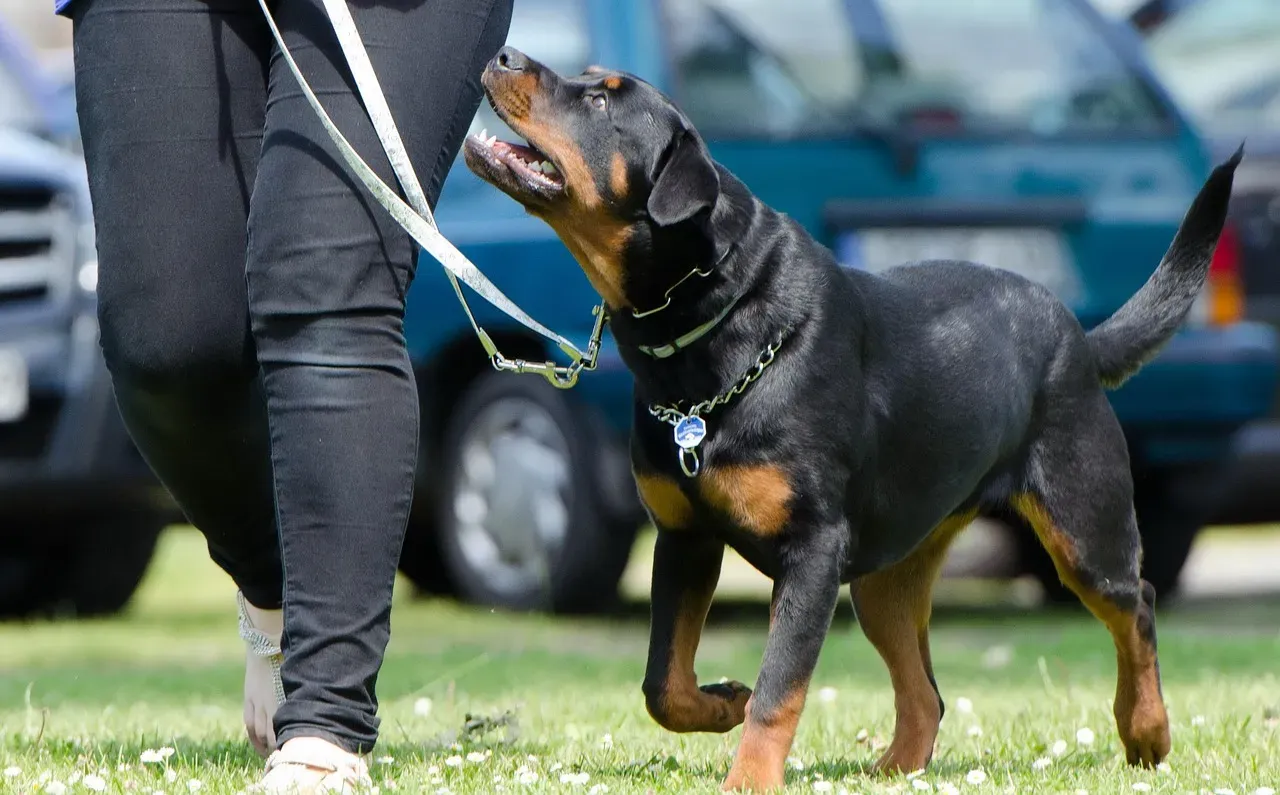
Rottweilers are powerful, confident dogs with a protective instinct that’s been honed over centuries. Rottweilers are powerful dogs with a long history as guard dogs and working dogs. Their size, bite force and protective instinct make them intimidating dogs, especially to unfamiliar dogs or people. They were bred to drive cattle and guard property, so vigilance is in their DNA.
The challenge with Rotties is that their play can be intense. They don’t always realize their own strength, especially as young dogs. A playful romp can escalate if another dog misreads their body language or if the Rottweiler perceives a threat to their family. A dog that experiences fear, anxiety, frustration, or pain may be less tolerant of perceived threats and may respond with an aggressive display.
Rottweilers were used as guard dogs and to herd livestock. Territorial, powerful dogs that need steady leadership. Inconsistent training creates confusion, and confusion breeds anxiety. An anxious Rottweiler is far more likely to react defensively. Clear rules, firm but gentle guidance, and lots of positive reinforcement help them understand their role in your family.
4. Bull Terrier
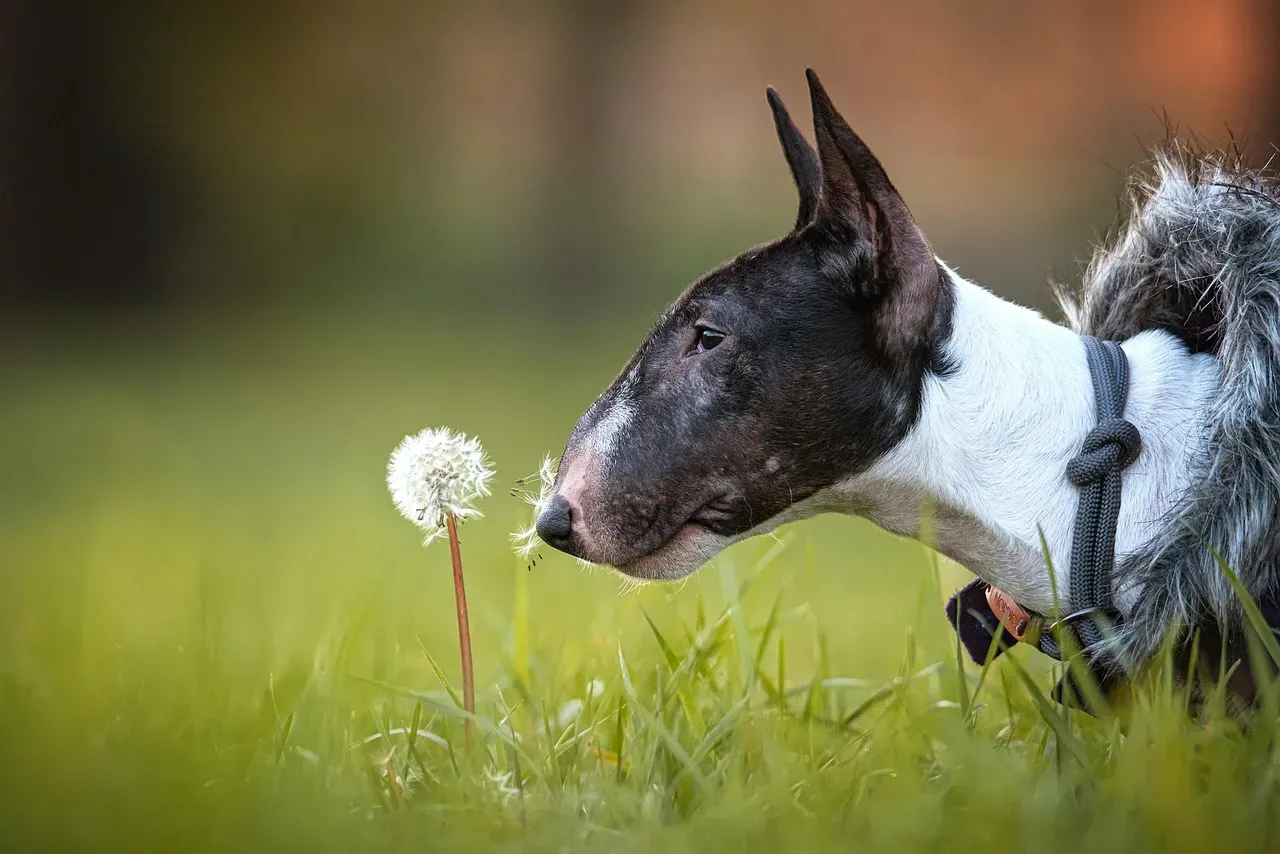
Bull Terriers have that unmistakable egg-shaped head and a personality that’s equal parts clown and gladiator. In the case of a Bull Terrier who never backs down. Their tenacity is legendary. When they decide to do something, changing their mind takes serious effort.
Bull Terriers are aggressive when they want to assert their dominance or be recognized as the leader of the pack. Bull Terriers usually tend to start exhibiting traits of territorial dominance between the ages of one and four years. This is a critical window for owners. If you haven’t established clear leadership by then, your Bull Terrier may decide to take charge themselves.
The shift from playful to protective can happen quickly during moments of perceived competition or territorial disputes. If the two dogs aren’t separated, it’s possible for this to escalate into lunging, nipping, or fighting. Vigilance during interactions with unfamiliar dogs is crucial. These dogs need outlets for their energy and firm, consistent boundaries from puppyhood onward.
5. Siberian Husky
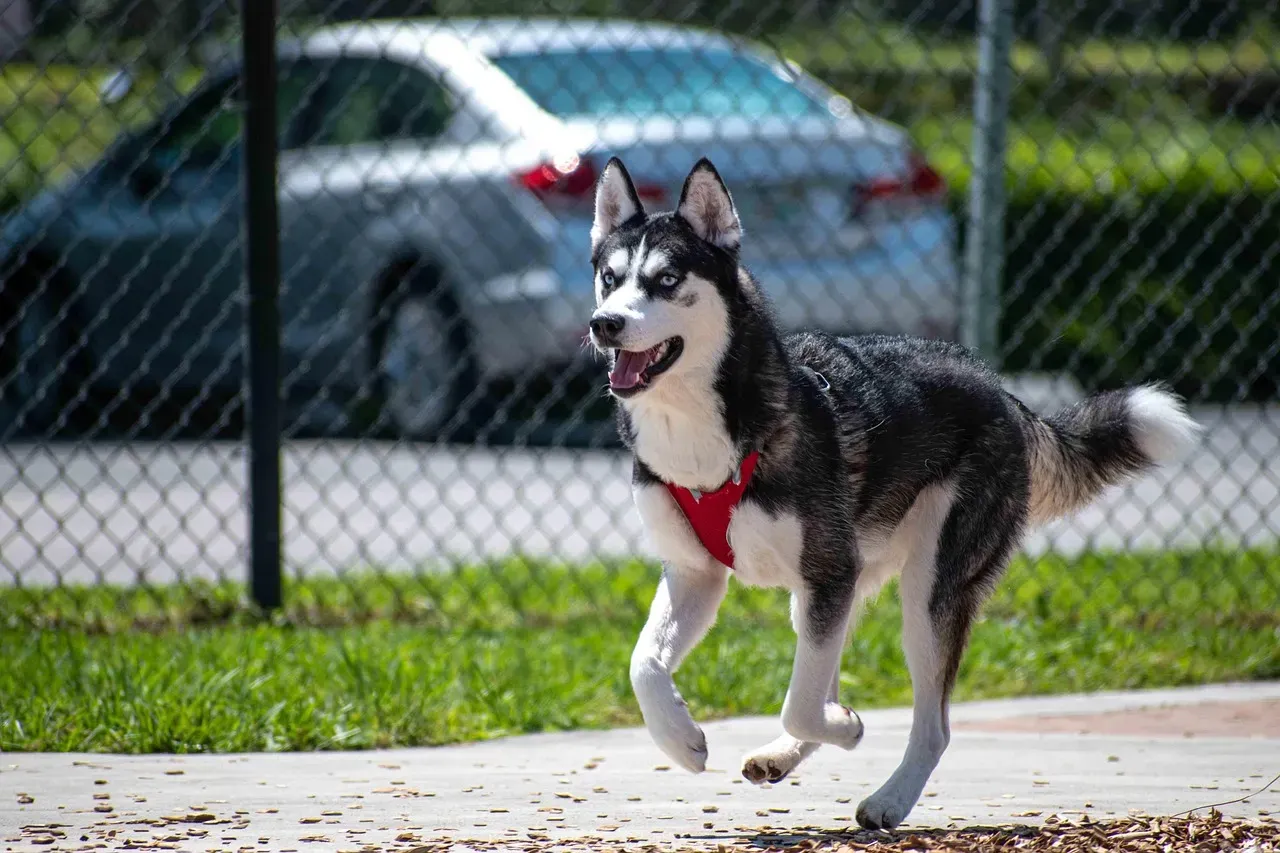
High-energy and independent, huskies are great dogs. They do need plenty of exercise and lack of physical activity or mental stimulation turns their energy into frustration. It can often manifest as aggression. Huskies are bred to run. I mean really run, for miles and miles across frozen tundra. Keeping one in a small yard without adequate exercise is asking for trouble.
Siberian Huskies were bred to pull sleds over long distances. High prey drive makes them prone to aggression towards small animals. That squirrel in your backyard triggers their predatory instinct instantly. One second they’re playing tug of war, the next they’ve bolted after a rabbit with single-minded determination.
Their independence can also work against socialization efforts. Huskies are friendly, sure, yet they’re also escape artists and free spirits. When they feel confined or bored, frustration builds. That pent-up energy needs release, and without proper outlets, it can emerge as snapping, lunging, or destructive behavior. Regular exercise isn’t a suggestion. It’s a requirement.
6. German Shepherd
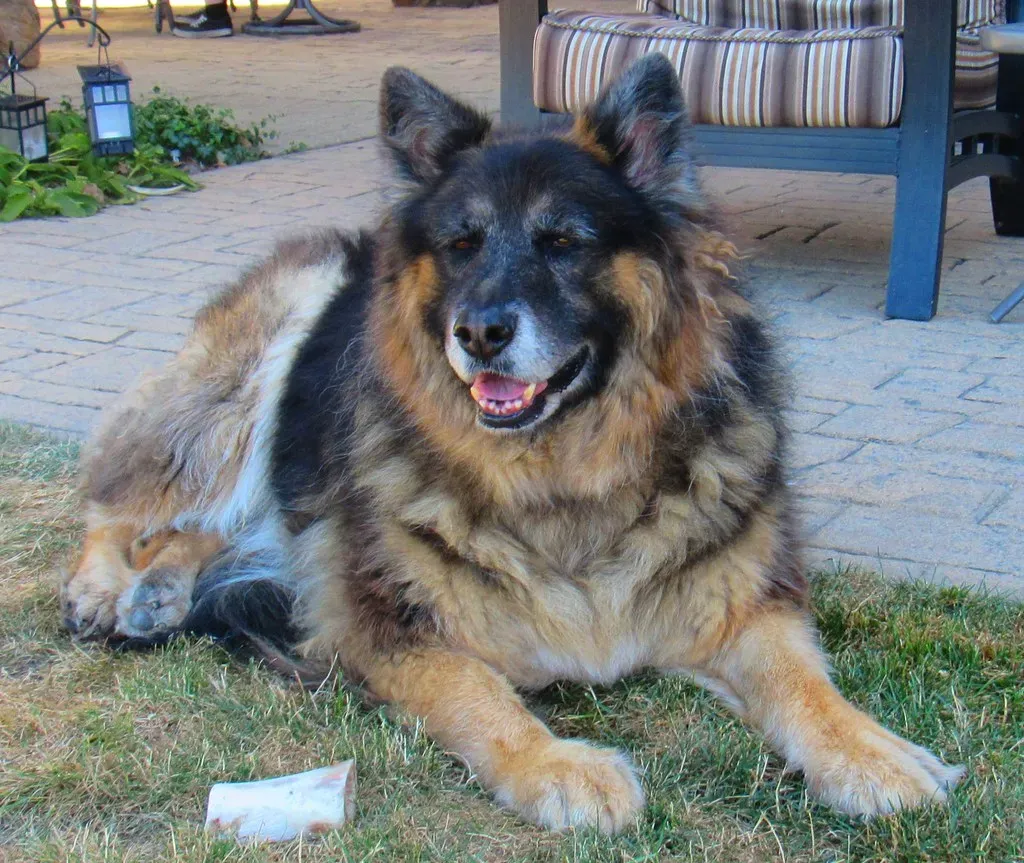
German Shepherds are among the most versatile working dogs on the planet. The German shepherd is a popular breed used in police and military roles. These sturdy dogs are known for their loyalty and intelligence but can be dangerous dogs if not properly trained. They require consistent training and socialization to prevent aggressive tendencies, especially around other pets and smaller animals.
Their protective nature is a double-edged sword. A well-trained German Shepherd is a devoted guardian who would never harm without cause. Yet one that hasn’t been properly socialized may view strangers or unfamiliar dogs as threats. Each time your dog experiences their aggression triggers, their stress levels increase, making it more likely they’ll escalate from warning signals like freezing or tail tucking to aggressive behaviors like snarling, snapping, and biting.
German Shepherds bond intensely with their families. This loyalty is beautiful, yet it also means they can become overly protective. A playful interaction at the dog park can quickly turn tense if your Shepherd perceives roughhousing as a genuine threat to you. Training them to differentiate between play and danger is vital.
7. Boxer
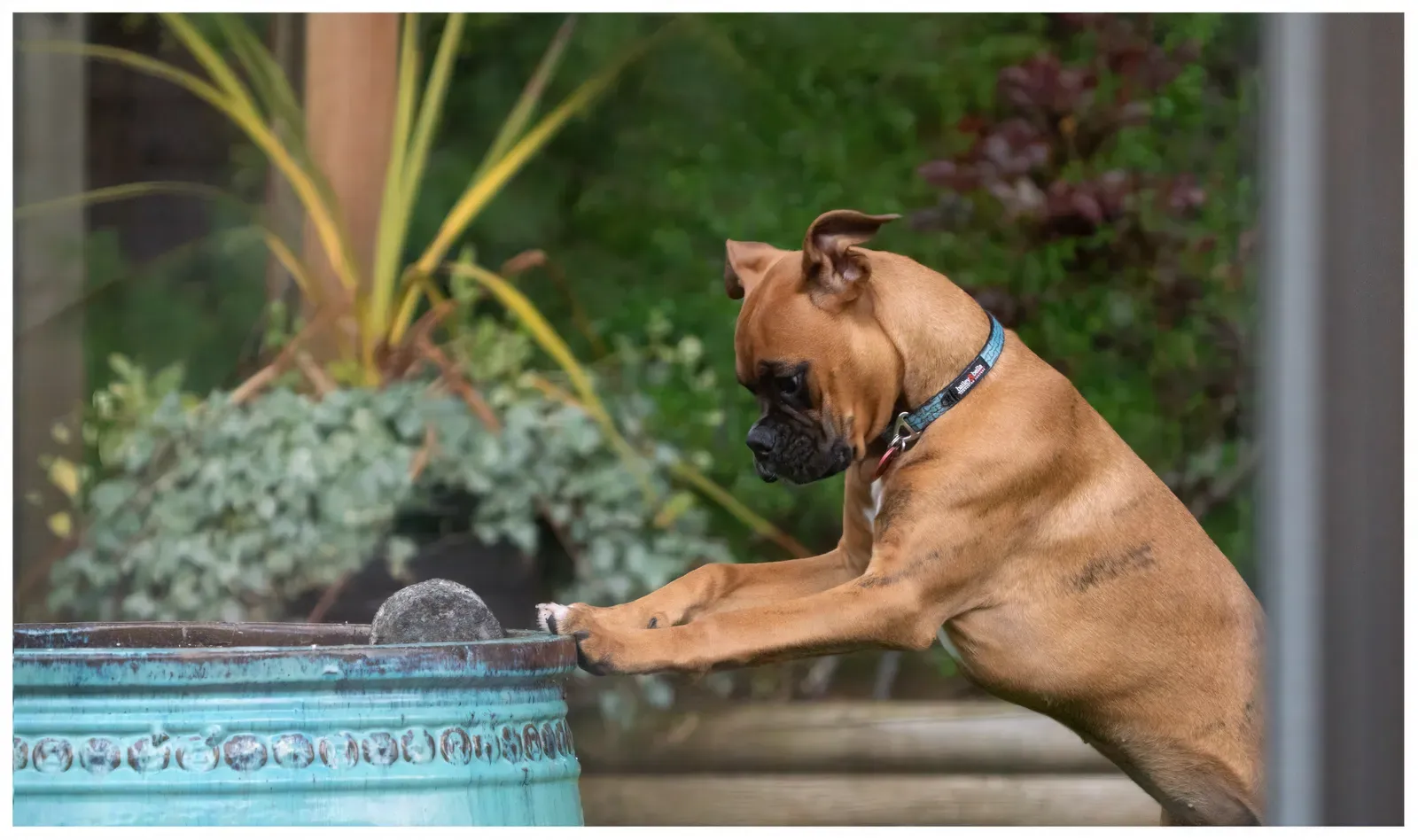
Playful and energetic, Boxers can be overly protective of their family. It is important to provide them early socialization as it will help avoid territorial aggression. Boxers are bundles of enthusiasm. They wiggle, they bounce, they play with an exuberance that’s absolutely contagious.
Here’s the thing, though. That same enthusiasm can cross into territorial behavior if they perceive someone threatening their home or people. Boxers mature slowly, and young Boxers in particular can struggle with impulse control. A visitor might reach out to pet them, and instead of a gentle sniff, you get a loud bark and a lunge.
Their play style is physical and intense. Boxers love to use their front paws, boxing at toys and sometimes at other dogs. This can be misinterpreted by dogs unfamiliar with the breed. What your Boxer thinks is an invitation to wrestle might look like aggression to a more reserved dog. Monitoring interactions and teaching appropriate play manners helps prevent misunderstandings.
8. Doberman Pinscher
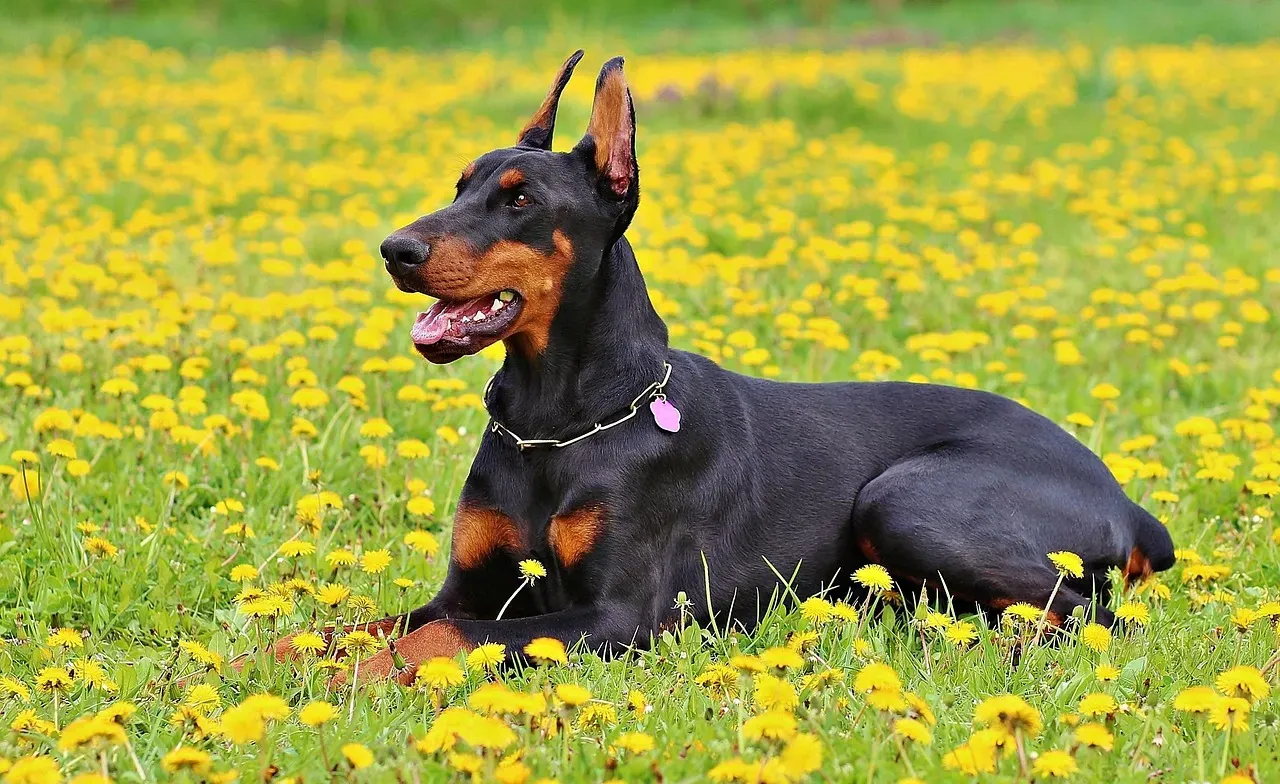
Doberman Pinschers are athletic, intelligent guard dogs once primarily bred for protection roles. Dobermans can show aggression toward unfamiliar people or animals. Their sleek appearance and alert stance make them look perpetually ready for action. Because honestly, they kind of are.
Without basic obedience training and mental stimulation, Dobermans may exhibit aggressive behavior toward other animals or people. They’re working dogs at heart, and without a job to do, they can become anxious or bored. Anxiety in a powerful breed like the Doberman can manifest as defensive aggression.
Dobermans are incredibly loyal and form deep bonds with their families. This loyalty can translate into wariness around strangers. A Doberman playing happily with family members might switch gears instantly if an unfamiliar person approaches too quickly. They need owners who understand canine body language and can read the subtle signs before escalation occurs.
9. Alaskan Malamute
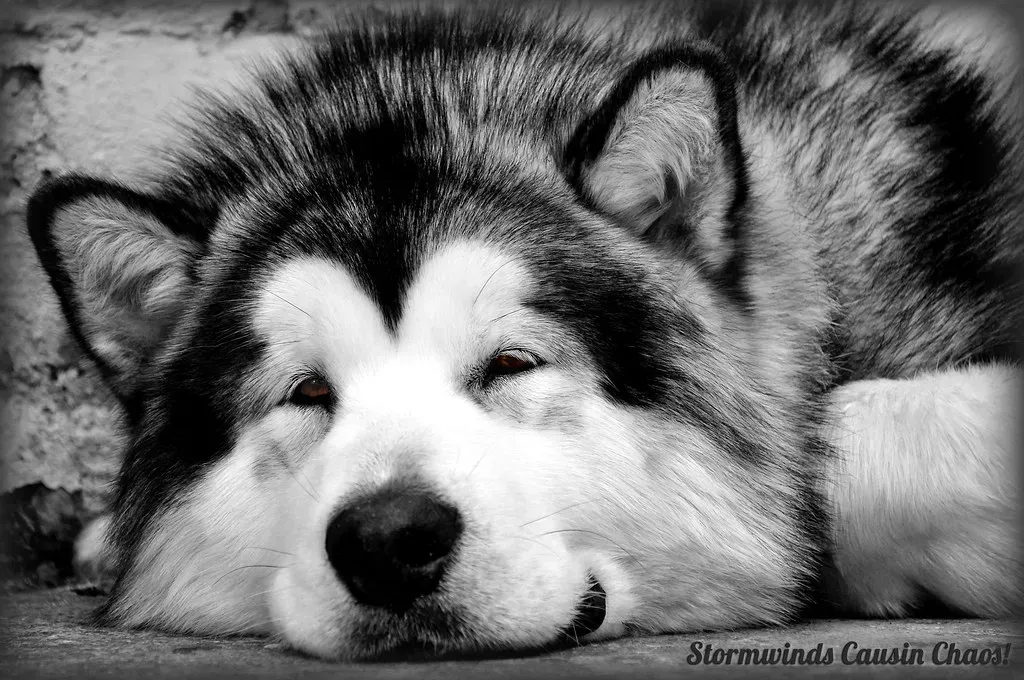
Malamutes are similar to huskies and they are also independent and strong-willed. Strong leadership is needed to guide them, otherwise they can become dominant and aggressive. These are big, powerful dogs bred to haul heavy loads over long distances in harsh conditions. Independence was a survival trait.
Malamutes have a strong pack mentality, yet they also like to establish their place within that pack. Without clear leadership from their human, they may decide to take charge themselves. This can result in dominance-related aggression, especially toward other dogs. A playful wrestling match can quickly escalate if both dogs have strong personalities.
Their prey drive is substantial. Small animals trigger their hunting instincts, and once that switch flips, redirecting them is challenging. They’re also mouthy as puppies and need consistent training on bite inhibition. A Malamute who hasn’t learned appropriate boundaries as a youngster can carry those rough play habits into adulthood, where their size makes those behaviors far more dangerous.
Understanding the Why Behind the Shift
A dog’s behavior is shaped by multiple factors, not just its breed. Genetics may load the gun, but environment and training pull the trigger. It’s hard to say for sure, but genetics give certain breeds predispositions. What you do with those predispositions determines the outcome.
Early and frequent exposure to different people, places, and animals builds confidence and reduces fear-based aggression. A dog kept in isolation is more likely to react with fear or aggression to unfamiliar situations. Socialization isn’t about forcing your dog to love everyone. It’s about teaching them that the world is safe, predictable, and manageable.
We often don’t pick up on early indicators of canine stress and discomfort, forcing dogs to escalate to more obvious behaviors to make their intention clear. Dogs communicate constantly through body language. Stiff posture, whale eye, lip licking, yawning in non-sleepy contexts. These are all signals. When we miss them, dogs feel they have no choice but to escalate. Learning to read these signs gives you the power to intervene before play becomes problematic.
Did you expect that understanding your dog’s triggers could make such a difference? What would you have guessed were the reasons behind those sudden shifts? Training, patience, and respect for your dog’s individual personality create the foundation for a safe, happy relationship. These breeds can be absolutely wonderful companions when their needs are met and their boundaries respected.


