
You love your dog, right? That incredible creature who greets you at the door and makes everything feel a little lighter. Most dogs are forgiving souls, the kind who’ll shrug off the occasional mixed signal or inconsistent command. They’re just happy to be there with you.
Then there are the others. The ones who notice every detail, every hesitation, every slip in your consistency. They’re not being difficult for the sake of it. They’re sensitive, intelligent, and hardwired to respond to precision. For some breeds, unclear communication isn’t just confusing – it can lead to anxiety, reactivity, or even mistrust. These dogs need handlers who understand that training isn’t a casual hobby; it’s a relationship built on clarity and respect.
Let’s be real, owning one of these breeds isn’t for everyone. Yet when you get it right, the bond you build is unlike anything else. So let’s dive in.
1. Belgian Malinois
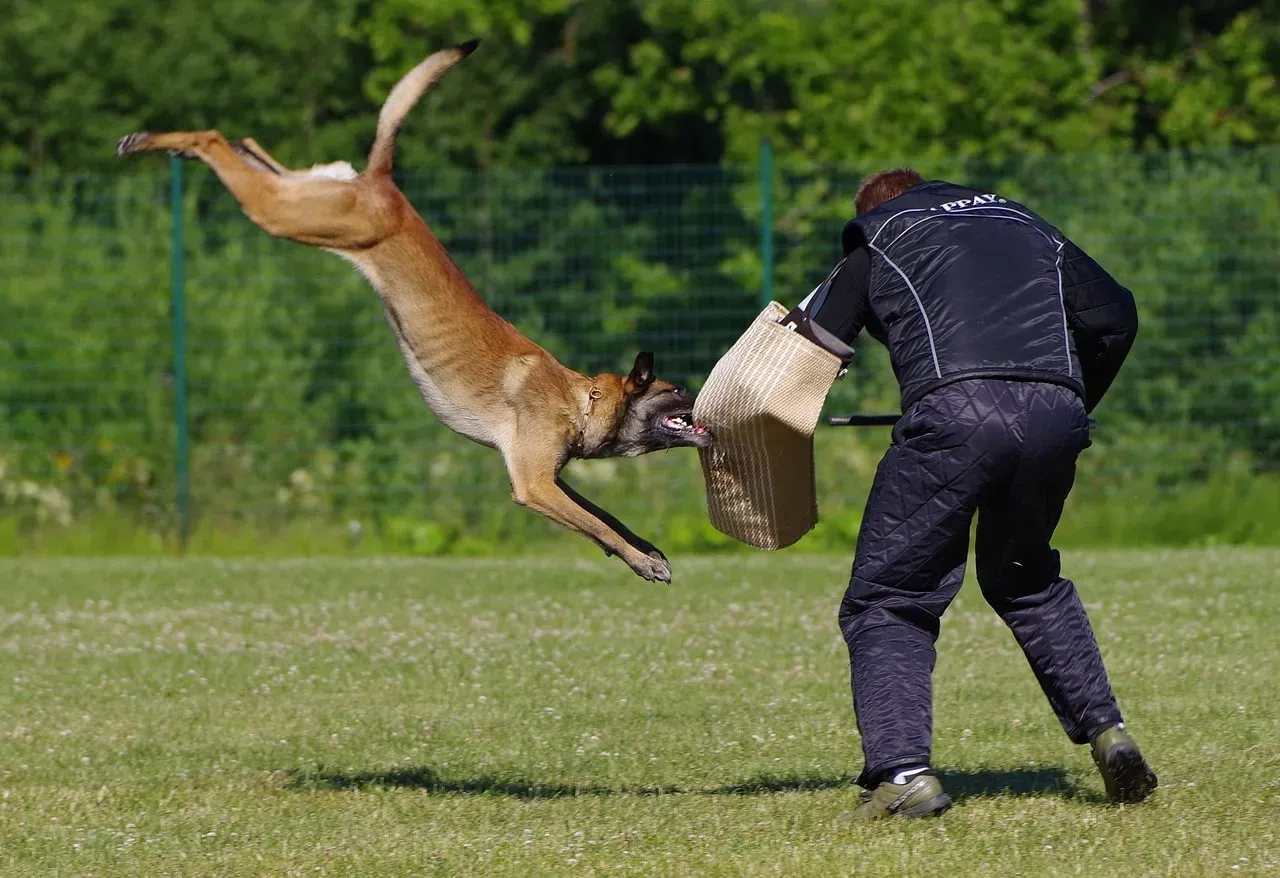
The Belgian Malinois is highly intelligent and trainable, but also extremely sensitive to their handler. While they appear tough on the outside, they’re softies at heart, and harsh training methods simply don’t work with them. This isn’t a dog that will tolerate sloppy cues or inconsistent feedback.
These dogs tend to be very sensitive to their pet parents and don’t do well with harsh training methods. Harsh scolding, yelling, or physical correction can lead to fear, anxiety, or even aggression. If you’re the type to lose patience or change the rules mid-game, a Malinois will notice, and it won’t go well.
2. German Shepherd
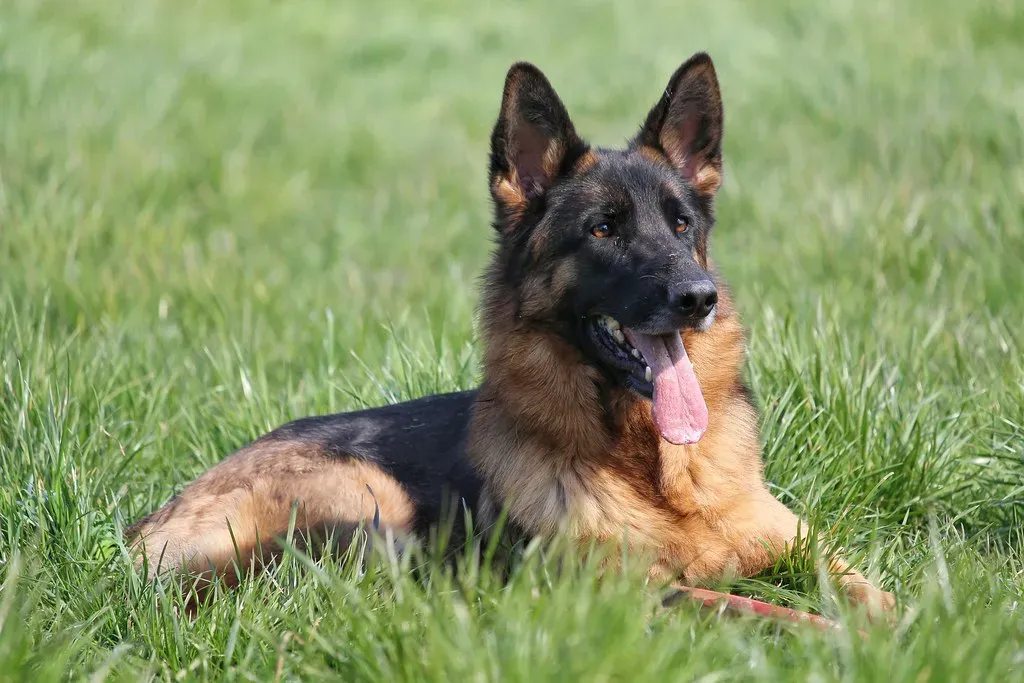
German Shepherds are famous for their work in police and military roles, but that brilliance comes with strings attached. Border Collies, Australian Shepherds, and German Shepherds are examples of highly sensitive breeds. They pick up on the smallest changes in your tone, body language, and energy.
These intelligent and sensitive breeds respond best to encouragement and consistency rather than harsh correction. A German Shepherd remembers your mistakes. Skip a training session or bark conflicting commands, and you’ll see confusion in those expressive eyes. They crave structure like we crave coffee on Monday mornings.
3. Doberman Pinscher
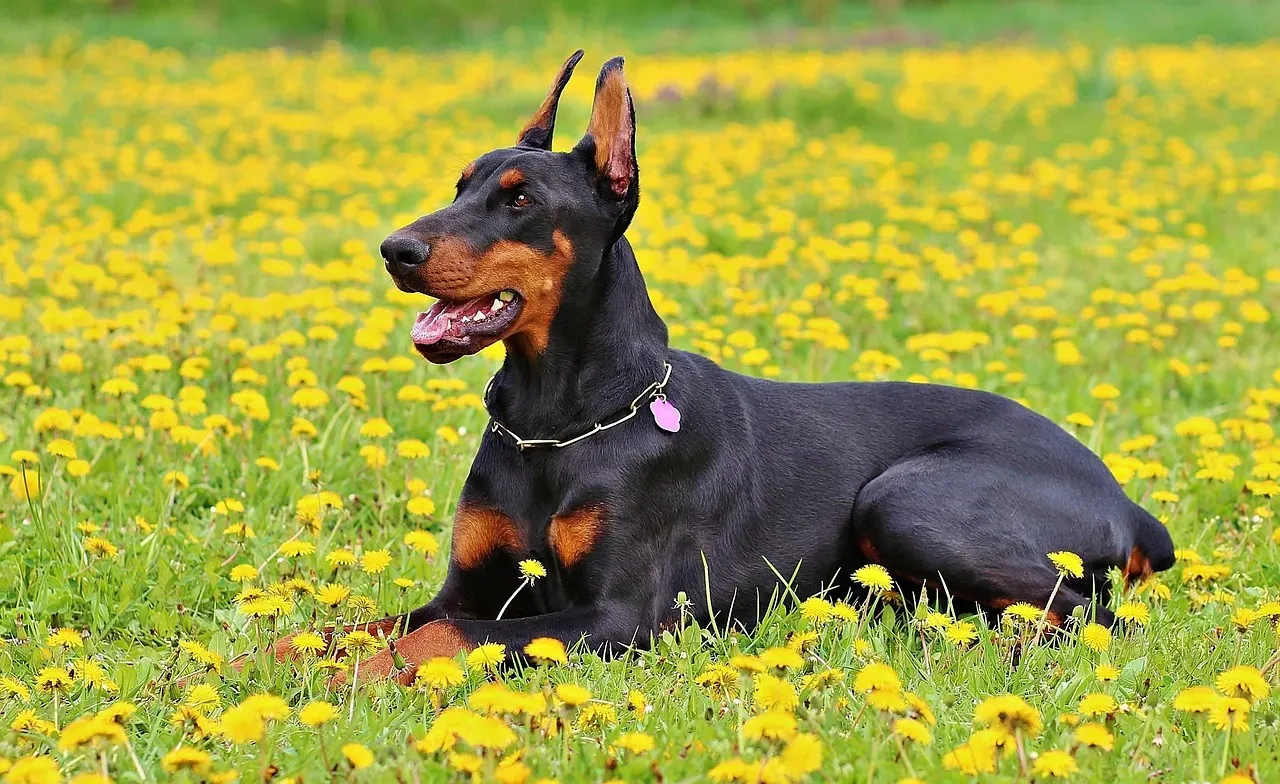
Sleek, powerful, and incredibly sharp, the Doberman Pinscher demands a handler who knows what they’re doing. The Doberman Pinscher and Rottweiler are widely used in police and military roles due to their quick learning ability. That quick mind means they’ll learn the right behavior fast – or the wrong one, if you’re not careful.
This dog requires positive and consistent, but not physical or aggressive, training. Dobermans are loyal to a fault, but they won’t follow someone they don’t respect. Inconsistency or hesitation? They’ll see right through it. You need to lead with calm confidence, or they’ll start making decisions for you.
4. Rottweiler
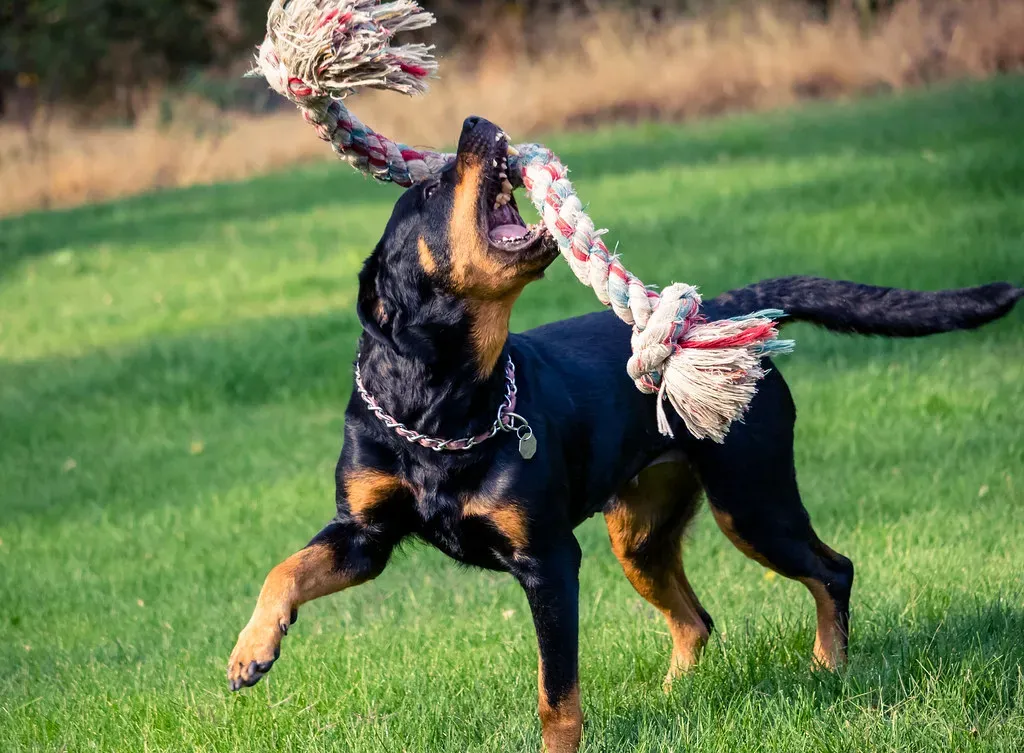
Described as good-natured and courageous, the Rottweiler can become overly protective and sensitive to handling without the right socialization. They’re big, strong, and surprisingly attuned to your mood. Rottweilers respond well to authority that is firm yet kind.
Despite their tough reputation, Rottweilers don’t react well to anger or force. Discipline or punishment does not mean yelling or striking your Rottweiler, as this will only create fear and resistance. They need someone who can set boundaries without being overbearing. Honestly, if you can’t stay calm when things get frustrating, a Rottweiler will push every button you have.
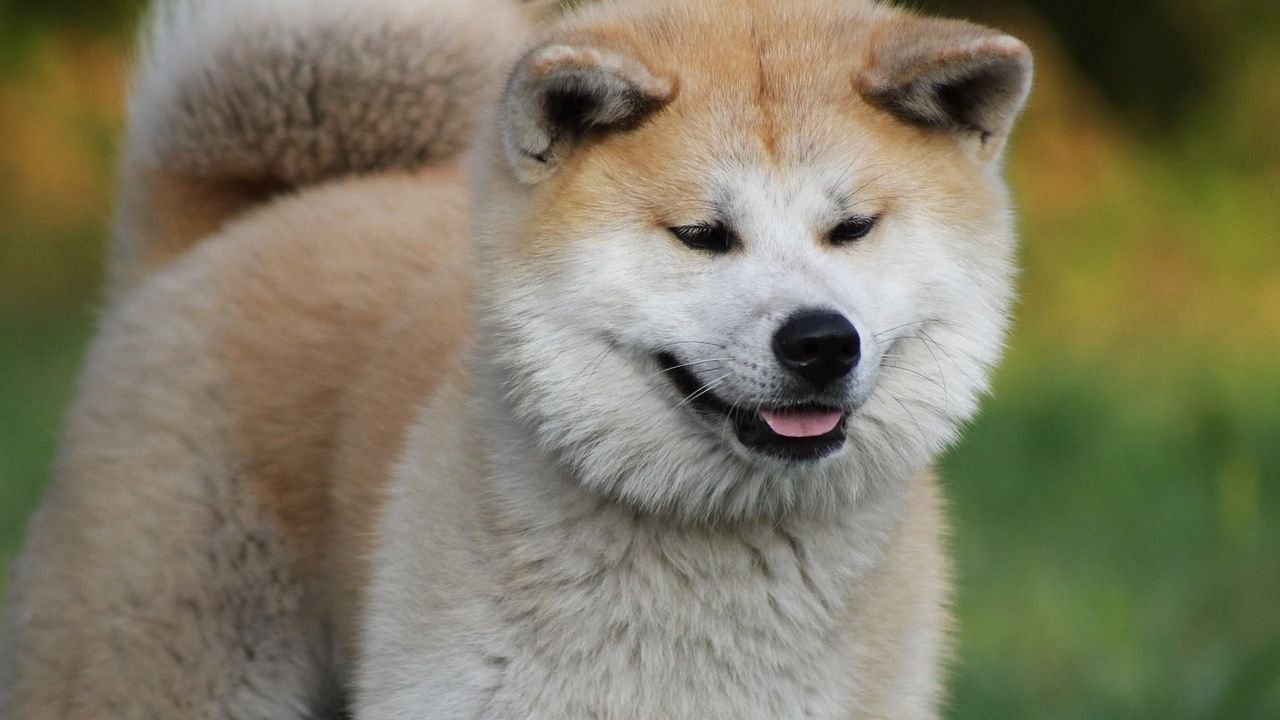
5. Akita
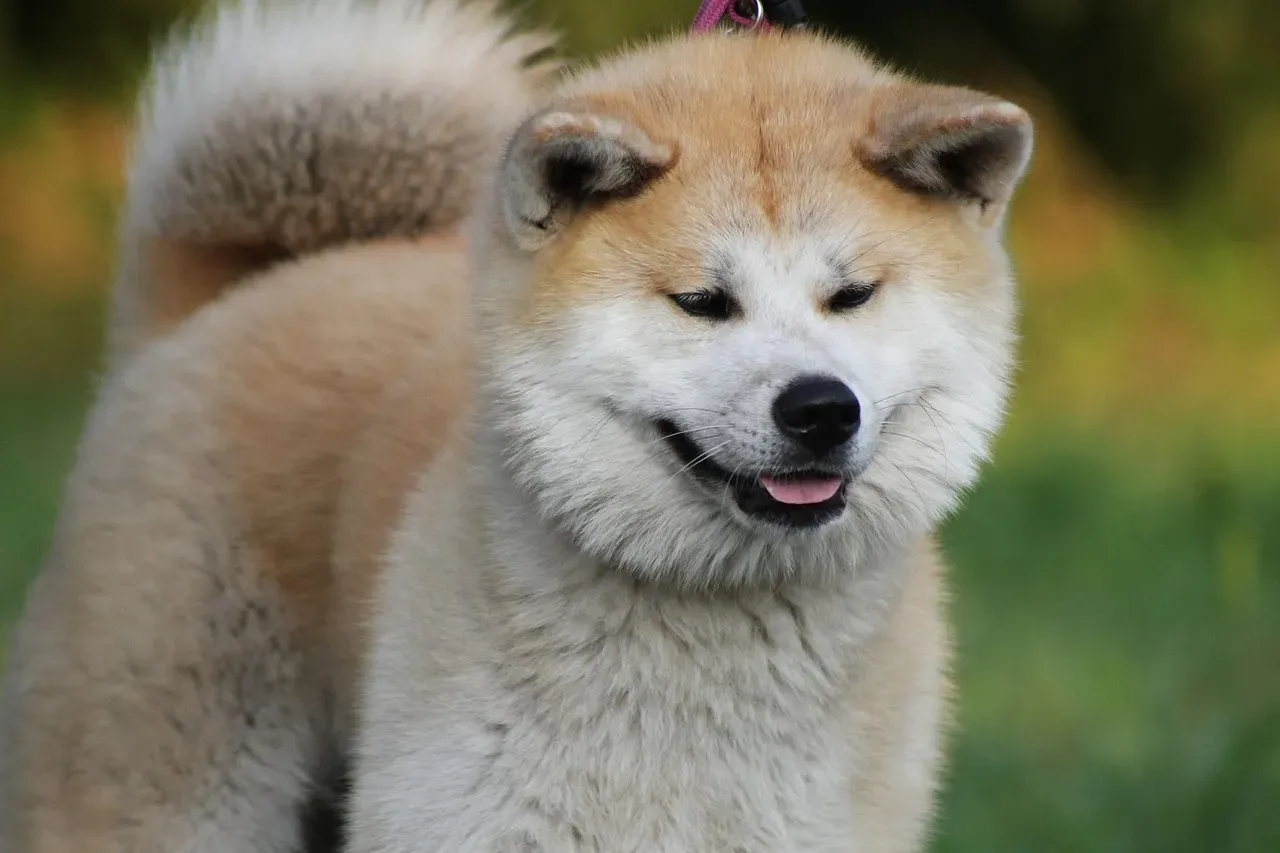
Akitas are smart but can be stubborn, requiring firm and consistent training. Akitas are intelligent, independent thinkers and strong-willed, requiring consistency and a confident, assertive trainer who is not intimidated by their size. This is not a dog that bends easily to your will.
Akitas might need to repeat the same lesson a few times before it sinks in, so patience is a quality that you will need to nurture. They also have long memories. One negative experience, one moment of unfair correction, and trust can be damaged for a long time. Training an Akita is like sculpting marble – it takes time, precision, and zero shortcuts.
6. Australian Shepherd
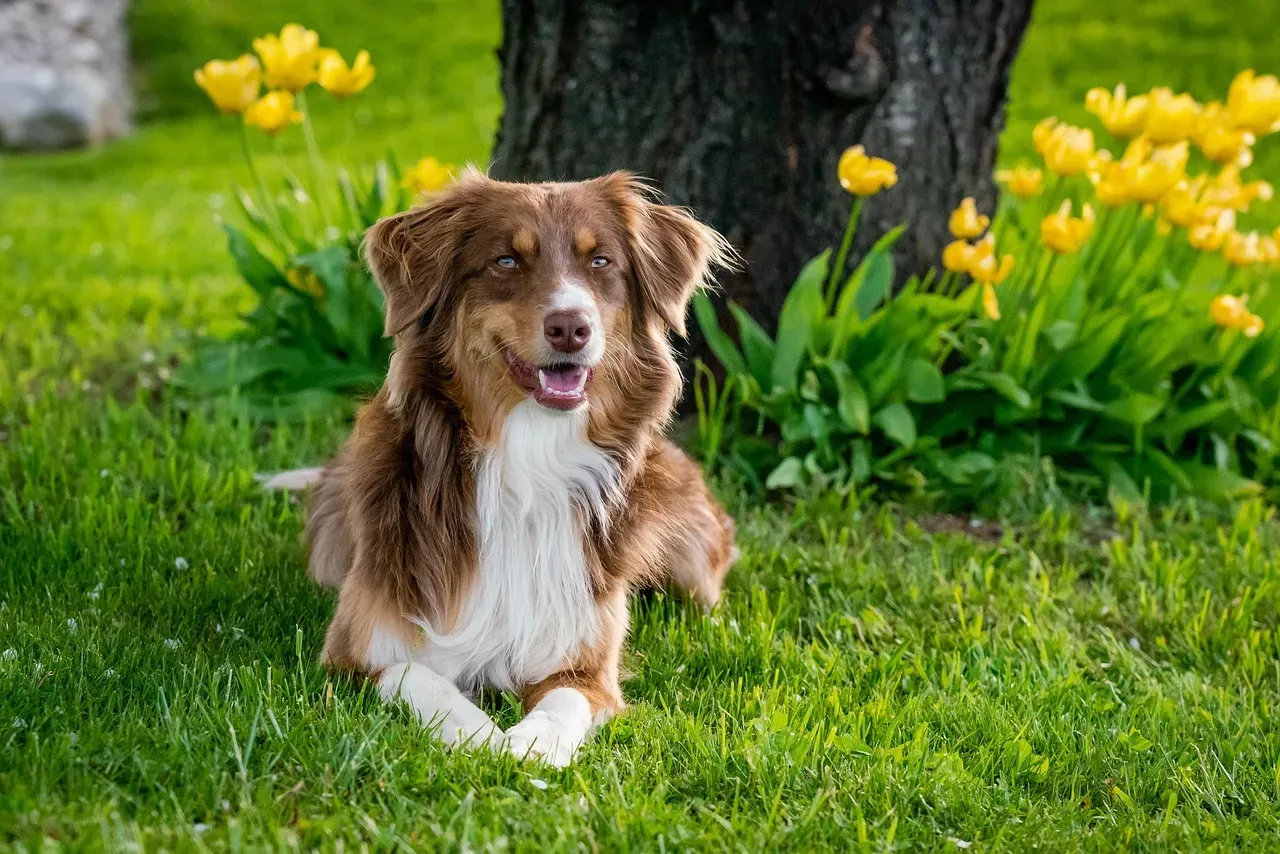
As a dog that has been bred over generations to pay close attention to their owner’s cues, the Australian Shepherd can become noise sensitive if not exposed to different sounds from an early age. They’re bred to read your every move, which means they notice when you’re distracted, confused, or inconsistent.
These dogs are workaholics at heart. They need jobs, tasks, and mental challenges. Leave them under-stimulated or send mixed signals during training, and they can become anxious or reactive. An Aussie thrives with clear direction and structure, not half-hearted attempts at obedience.
7. Border Collie
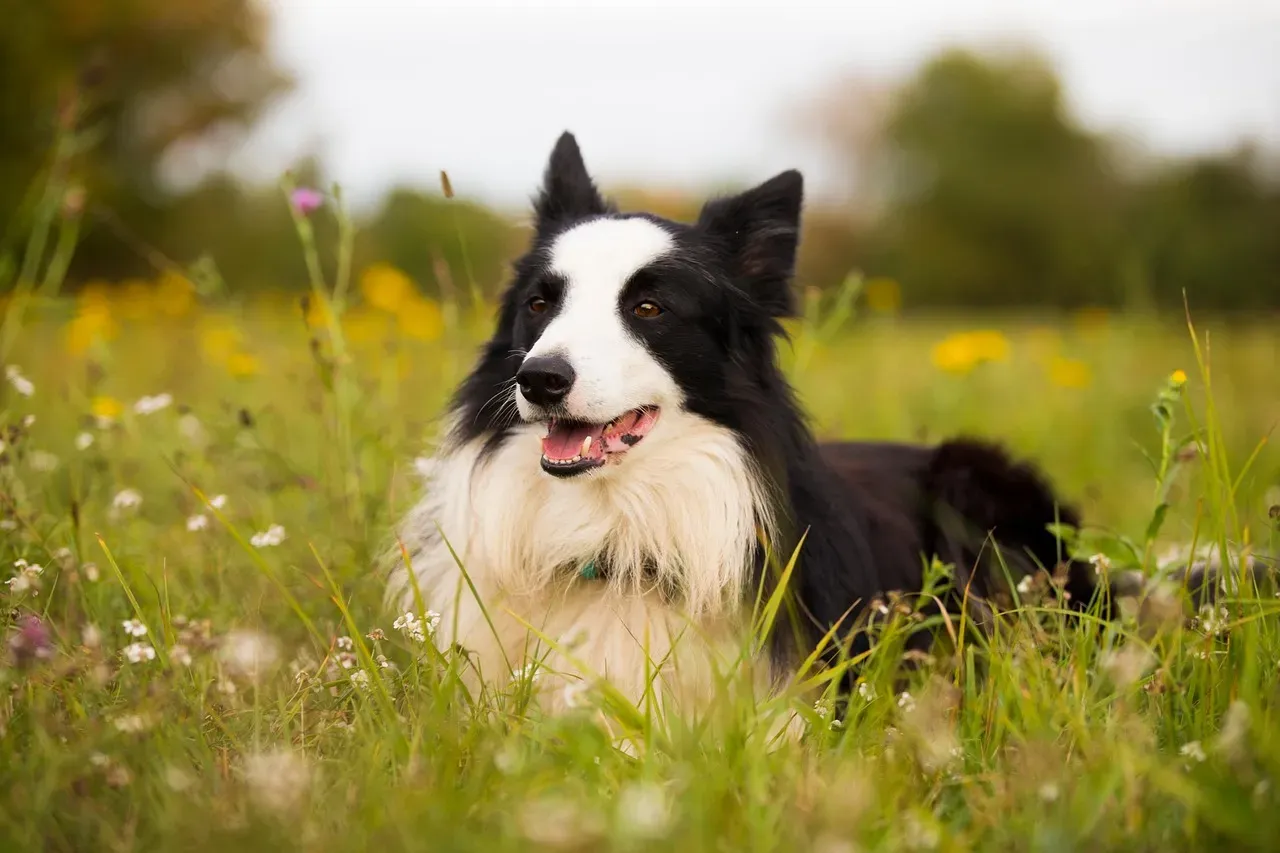
If there’s a dog that embodies high expectations, it’s the Border Collie. Border Collies, Australian Shepherds, and German Shepherds are examples of highly sensitive breeds. They’re wired to think several steps ahead of you, and they notice every inconsistency in your training routine.
Border Collies can get neurotic if their world feels unpredictable. They need clear, calm leadership and consistent routines. Get sloppy with your commands or forget to follow through, and they’ll either ignore you or invent their own rules. It’s like living with a tiny, furry professor who’s grading your every move.
8. Afghan Hound
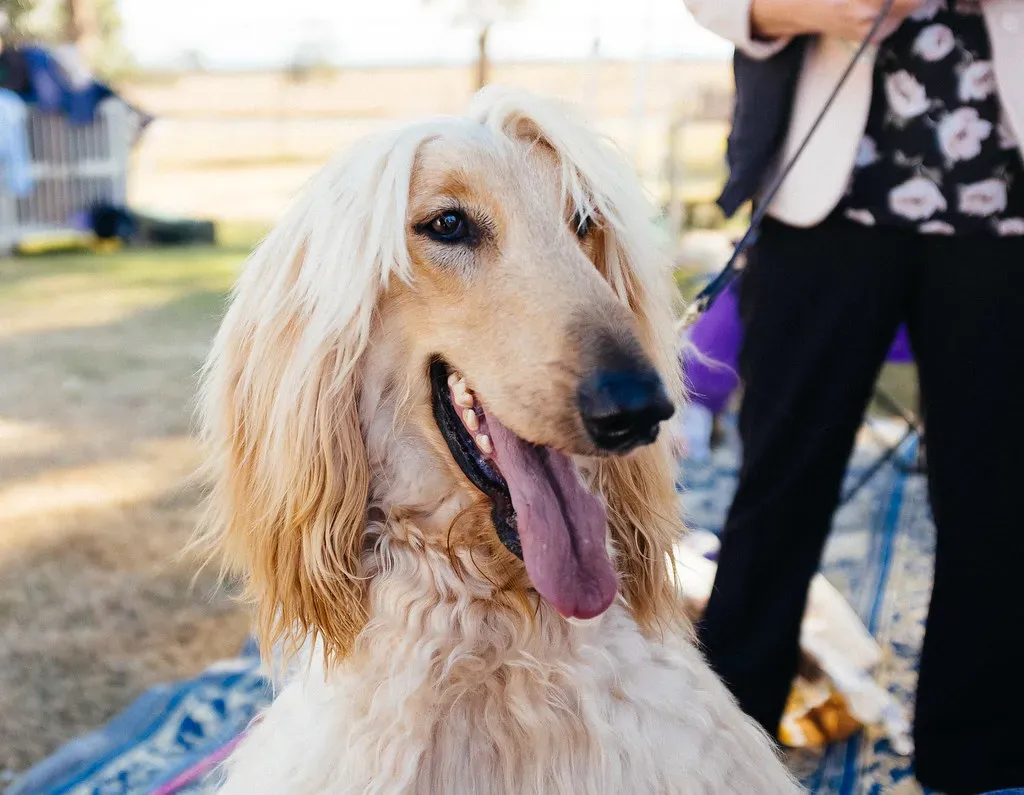
The Afghan Hound has a low tolerance for pain and can react badly to rough treatment, which can lead to a shy or even defensive dog. They’re independent, elegant, and not particularly interested in pleasing you just because.
Afghan Hounds are known for their beauty and intelligence, but they are also one of the most independent dog breeds, often choosing to listen to commands on their own terms. Training them requires incredible patience and a light touch. They’re sensitive in their own aloof way, and forcing the issue will only make them shut down completely.
9. Siberian Husky
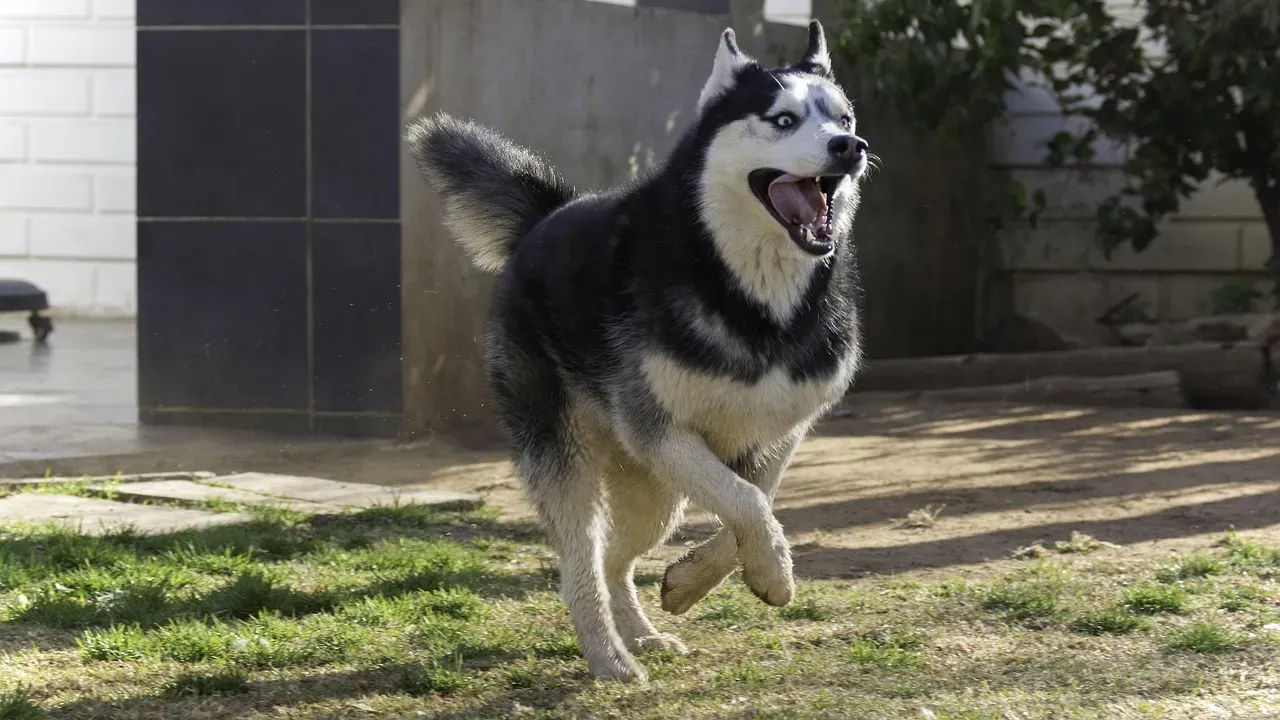
Siberian Huskies are intelligent and independent, which can make training a challenge. They’re clever escape artists with a mischievous streak, and they have little patience for unclear leadership.
Huskies are also notoriously stubborn. If they sense you’re unsure or inconsistent, they’ll test boundaries constantly. More environmentally-focused dogs are less tolerant of unclear communication and sloppy training. You need to be firm, patient, and willing to outsmart a dog that thinks three moves ahead.
10. Chow Chow
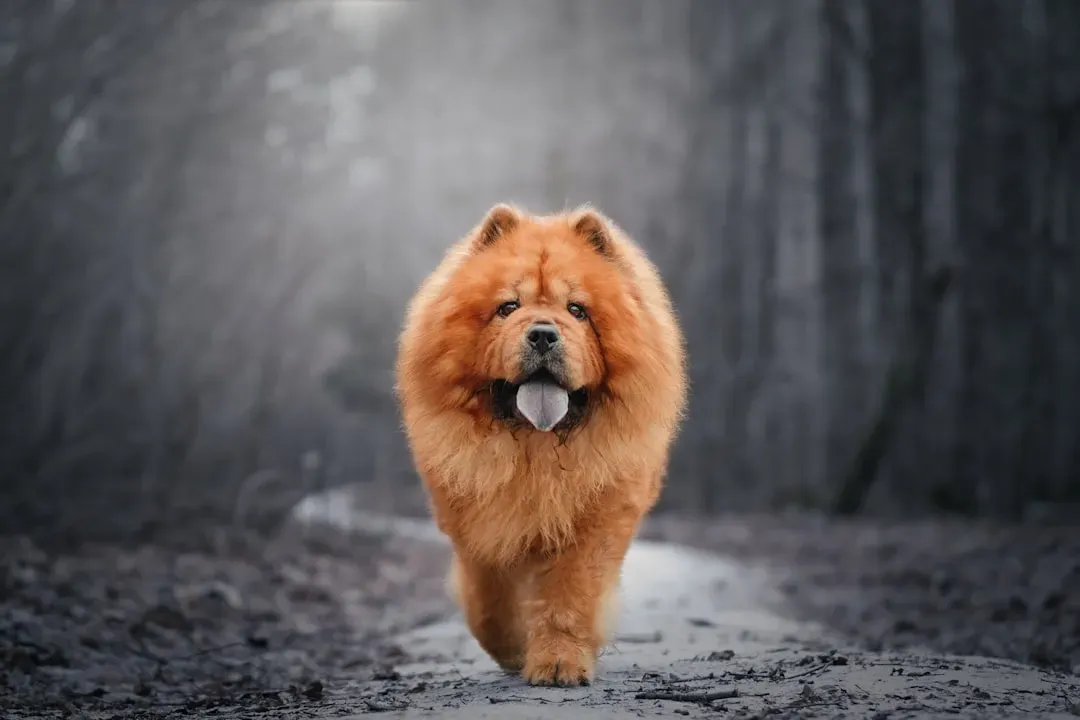
Chow Chows are dignified, independent, and deeply loyal to their chosen people. They’re also incredibly sensitive to how they’re treated. Disrespect or inconsistency in training can make them distant or even defensive.
This breed doesn’t forgive easily. They need calm, respectful handling and someone who understands that loyalty is earned, not demanded. Push too hard or confuse them with mixed signals, and a Chow Chow will simply stop cooperating. They’re not being spiteful – they’re protecting their emotional boundaries.
Conclusion

These breeds aren’t difficult because they want to be. They’re sensitive, intelligent, and deeply responsive to the energy and consistency of their handlers. Mistakes happen, sure. We’re all human. The difference is that these dogs notice those mistakes more acutely than others.
If you’re drawn to one of these breeds, know that the journey requires commitment, patience, and self-awareness. You’ll need to show up every day with clarity and kindness. The reward? A bond built on mutual respect and trust that runs deeper than you ever imagined.
What do you think? Could you rise to the challenge, or does your heart belong to a more forgiving companion? Either way, every dog deserves an owner who sees them for who they truly are.


