
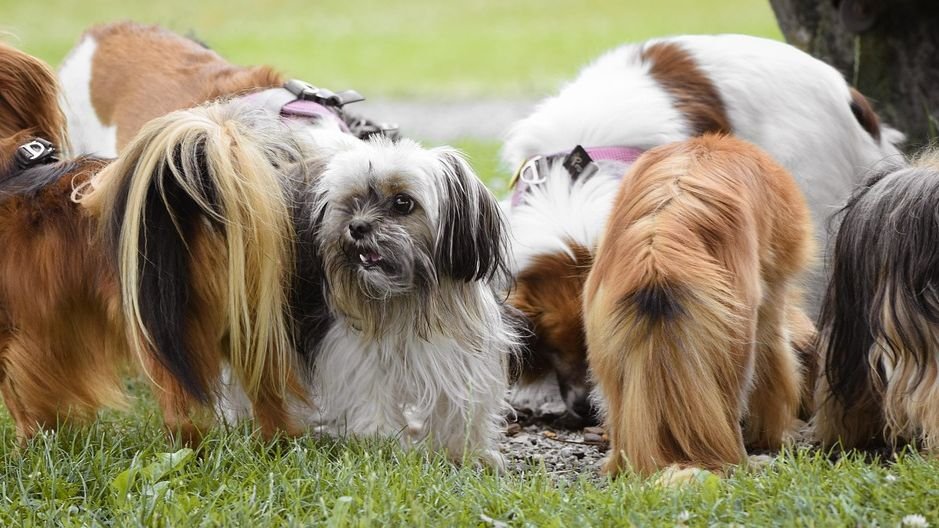
Let’s be real, walks are wonderful. They’re the foundation of our daily routine with our dogs. Still, if you’re looking at your pup and sensing they need something more, you’re not imagining it. Dogs crave variety just like we do. They thrive on mental challenges, sensory adventures, and activities that tap into their natural instincts.
Think about it like this. If you ate the same meal every day and followed the identical routine, you’d eventually feel a bit flat, right? Our dogs feel the same way. The good news is that adding some fresh, exciting activities into your dog’s life doesn’t have to be complicated or expensive. Whether you’ve got a high energy border collie who could run circles around you all day or a mellow senior who prefers slower paced adventures, there’s something on this list that’ll light up their world. So let’s dive in.
Scent Work Games: Let Their Nose Lead the Way
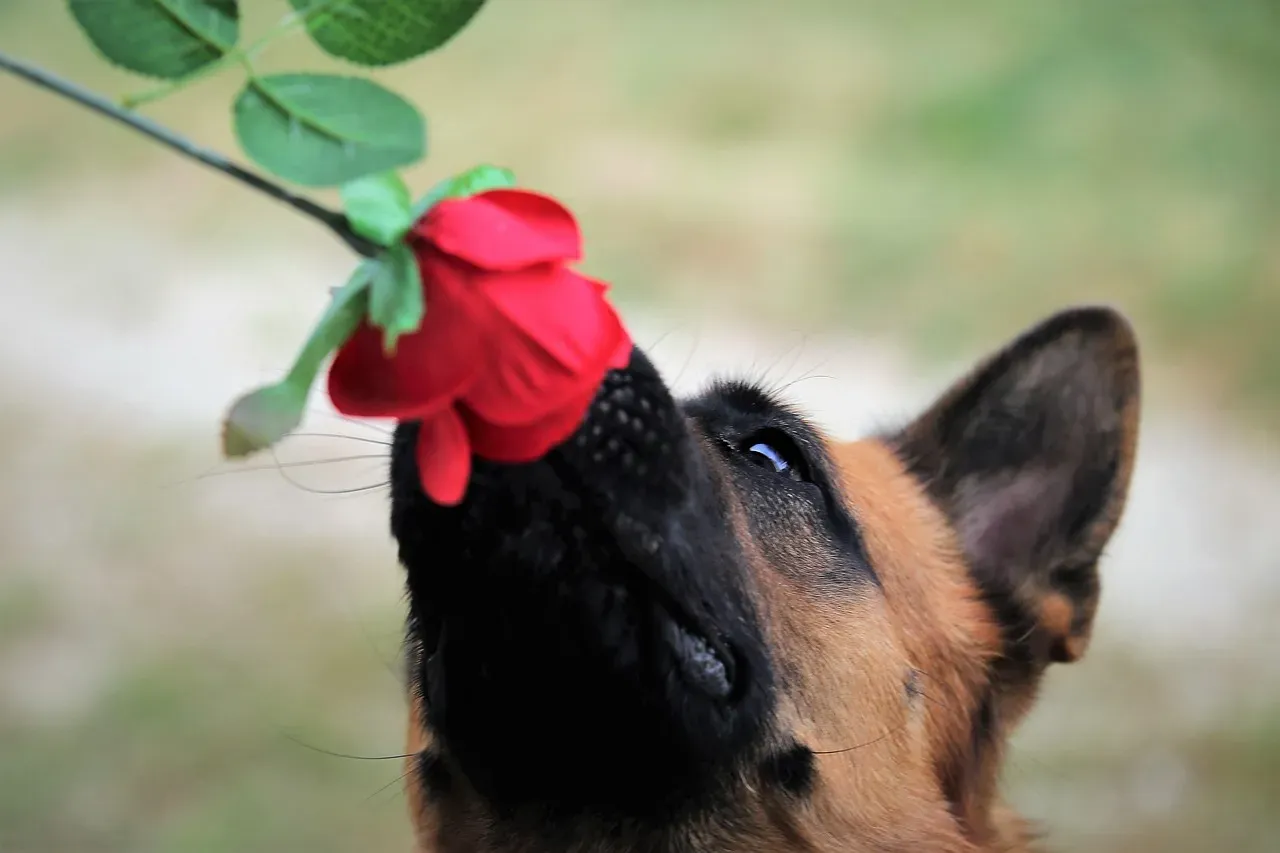
Here’s the thing about dogs. Sniffing can be stimulating and calming and allows your dog to gather information on their environment. It’s not just a casual activity for them, it’s how they experience the world. Experts say that 20 minutes of sniffing can be equivalent to an hour’s worth of a walk with regards to enrichment. That’s a pretty impressive return on investment for something so simple.
You can start with basic scent games at home. Hide treats around your living room or garden and encourage your dog to find them. Start easy, making the treats visible at first, then gradually increase the difficulty by tucking them under cushions or behind furniture. Scent games are mentally tiring for dogs and stimulate their brain in a way that physical exercise does not. Watch how your dog’s entire demeanor changes when they’re engaged in this kind of work. Their focus sharpens, their tail wags with purpose, and honestly, they seem genuinely fulfilled.
Puzzle Toys and Food Enrichment: Work for That Dinner
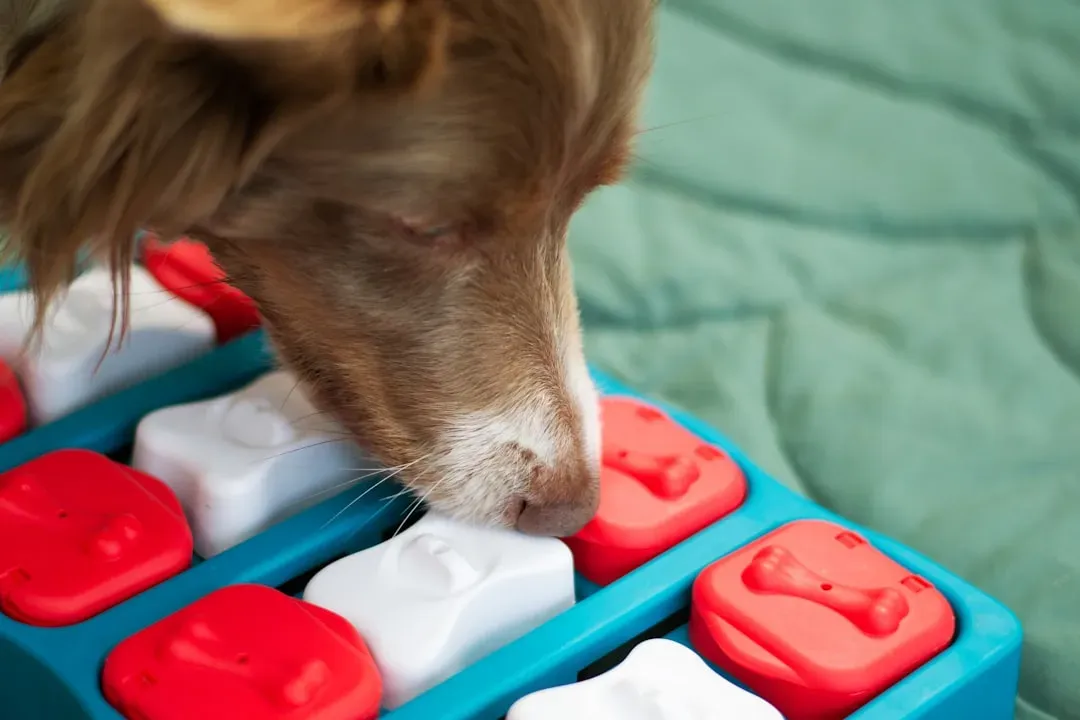
Throw away the food bowl. Seriously. Making mealtime fun, challenging and interactive is a great way to satisfy your dog’s innate instincts and curiosities. Every meal is an opportunity for enrichment, and food puzzles are a great way to slow down your dog’s eating and provide mental stimulation.
There are tons of commercially available puzzle toys out there, from beginner level treat dispensers to advanced multi-step challenges. You don’t necessarily need to buy anything fancy though. You can create DIY puzzles using items you already have at home, like muffin tins with tennis balls covering treats, or towels rolled up with kibble hidden inside. Incorporating food into playtime or training is called ‘food enrichment’. It’s not just about satisfying your dog’s taste buds, it can also be mentally stimulating, enriching for the senses, and physically beneficial too! Food enrichment adds a fun and exciting twist to your dog’s meals, keeping their mind active and engaged. The beauty here is that you’re turning something mundane into an engaging challenge that keeps their brain sharp.
Agility Training: Build Confidence and Coordination
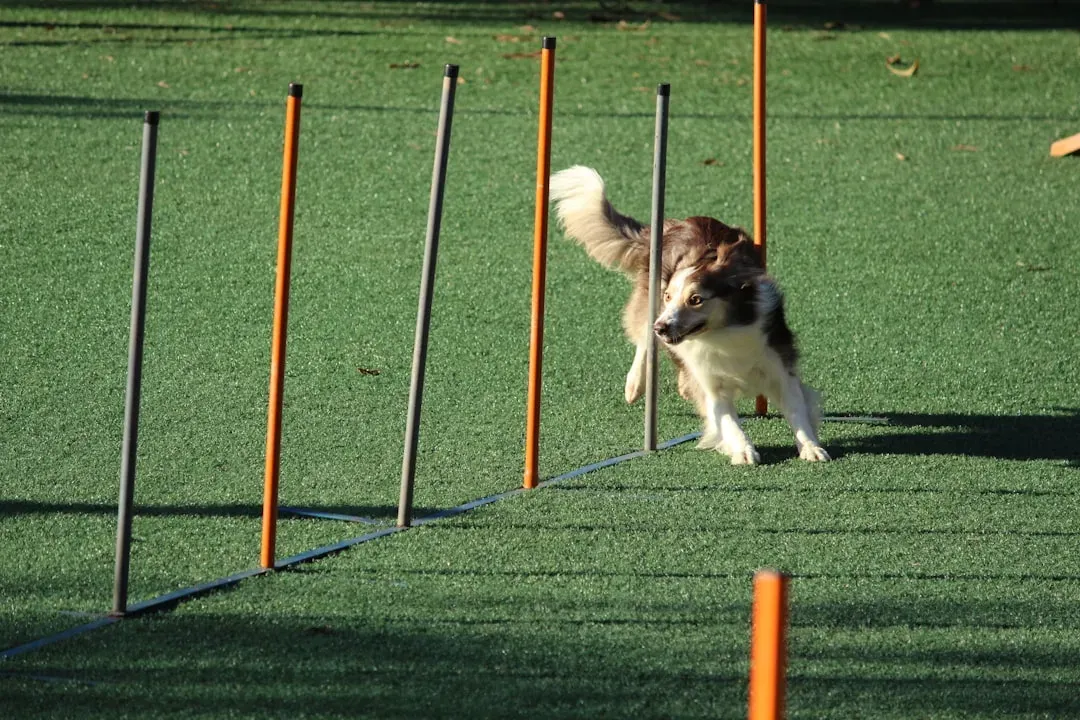
Beyond obedience, you can also explore new dog sports like agility, rally, scent work, or dock diving. These activities channel your dog’s natural instincts, build confidence, and strengthen the bond between you and your dog. Agility doesn’t mean you need to invest in professional equipment or join a club, though those are fantastic options if you’re keen.
You can set up a simple backyard course using household items. Use broomsticks balanced on buckets for jumps, create a tunnel from cardboard boxes, or set up cones for weaving. Agility is one of the world’s most classic and popular dog sports. Dogs race through a predetermined obstacle course of jumps, tunnels, ramps, see-saws, and slalom poles, aiming for the best time with the fewest faults. Start slow and keep sessions short and fun. The goal isn’t perfection, it’s engagement and enjoyment. You’ll notice how much your dog’s coordination and confidence improve over time.
Swimming and Water Play: A Refreshing Challenge
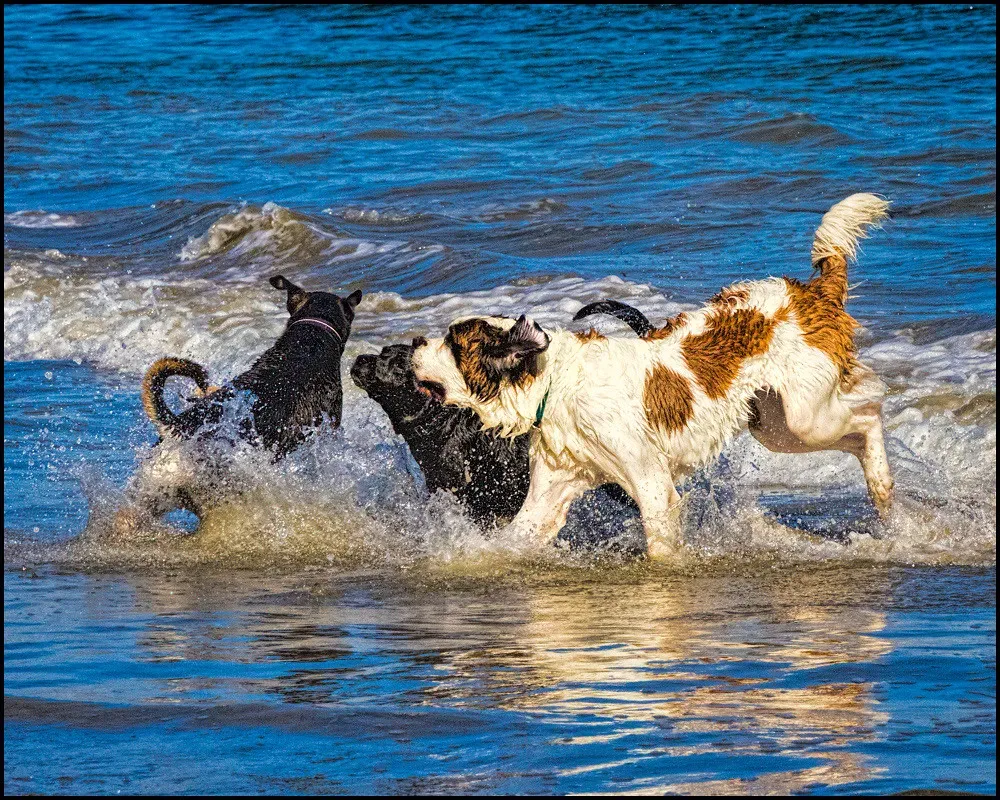
Not every dog is a natural born swimmer, but many absolutely love water once they’re introduced to it properly. Swimming offers incredible physical benefits without putting stress on joints, making it perfect for dogs of all ages, especially seniors or those recovering from injury. If your dog is hesitant around water, never force it. Choose a shallow entry point so your dog can gradually get used to the water, and never leave them unsupervised. If your dog hesitates or doesn’t seem to enjoy swimming, never force the activity, some pups don’t enjoy water, and swimming doesn’t come naturally to all dogs.
Even if you don’t have access to a pool or lake, water play can happen right in your backyard. Fill a kiddie pool with cool water on hot days and toss in some floating toys. Some dogs love running through sprinklers or chasing the stream from a hose. The sensory experience of water, the splashing, the resistance, adds a whole new dimension to playtime that’s both physically tiring and mentally engaging.
Trick Training: The Joy of Learning Together
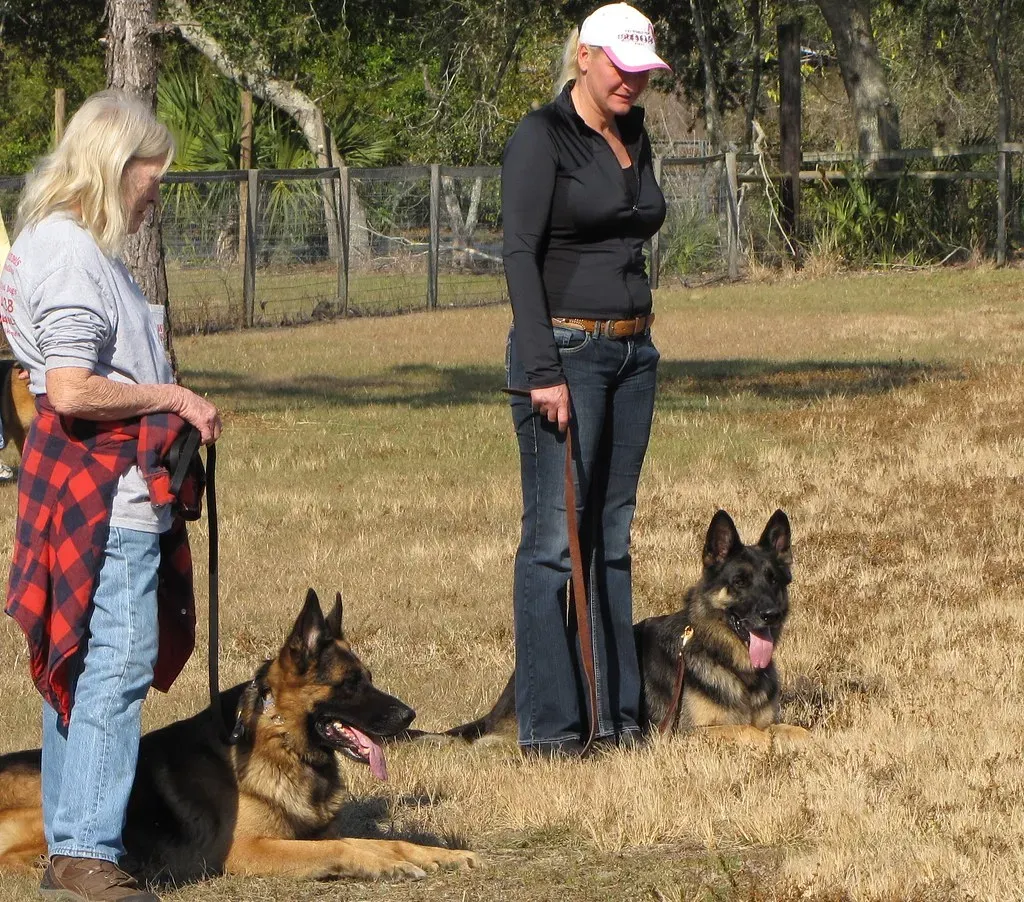
The mental exercise of training can be just as tiring as physical exercise for our dogs. So, teach your dog new tricks using reward-based training. Not only will they learn new skills, but it will also help improve your relationship and boost their confidence. Trick training isn’t about showing off, though impressing your friends is a nice bonus. It’s about giving your dog’s brain a proper workout.
Start with simple tricks like spin, shake, or high five, then progress to more complex behaviors like playing dead, weaving through your legs, or even painting on a canvas. Yes, canvas painting is a real thing dogs can learn. The process of learning, the problem solving, the communication between you and your dog, that’s where the magic happens. Keep sessions short, around five to ten minutes, and always end on a positive note. The memories you create during these training sessions become part of your unique bond.
Tug of War: Controlled Play with Purpose
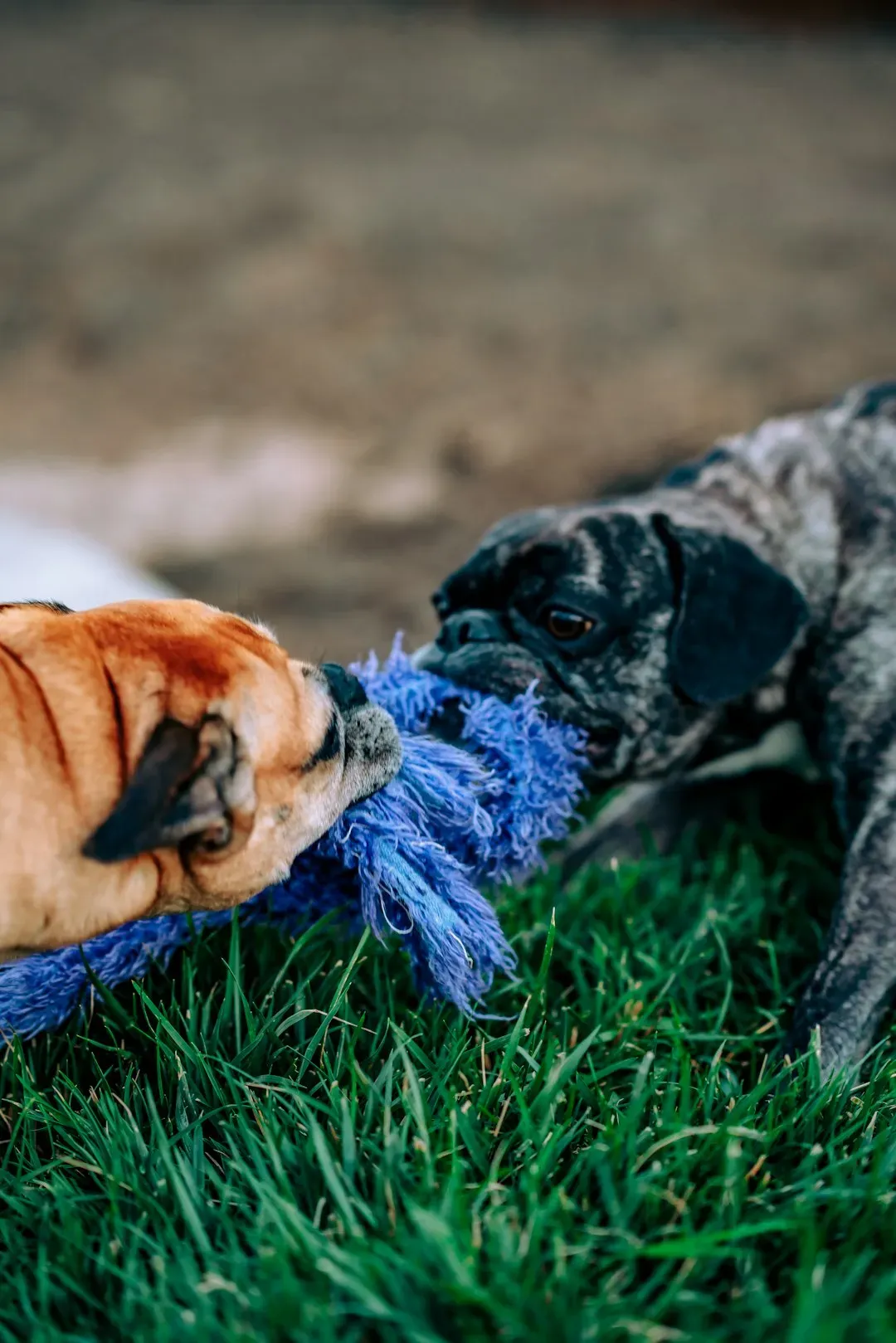
There’s an old myth that playing tug makes dogs aggressive. That’s simply not true when done correctly. Tug toys teach dogs impulse control while exercising them physically. So, playing tug-of-war with your dog for a few minutes can provide lots of mental stimulation. The key is establishing rules. Your dog should know to release the toy on command and wait for your cue before grabbing it again.
When playing tug-of-war, be sure to only tug from side-to-side. Moving a dog’s neck up-and-down is an unnatural movement, and may cause injury. Let your dog win sometimes too. Winning builds confidence and keeps the game rewarding. This isn’t about domination, it’s about interactive play that strengthens your relationship while giving your dog a healthy outlet for their natural pulling instincts.
Hide and Seek: A Classic Game with a Canine Twist
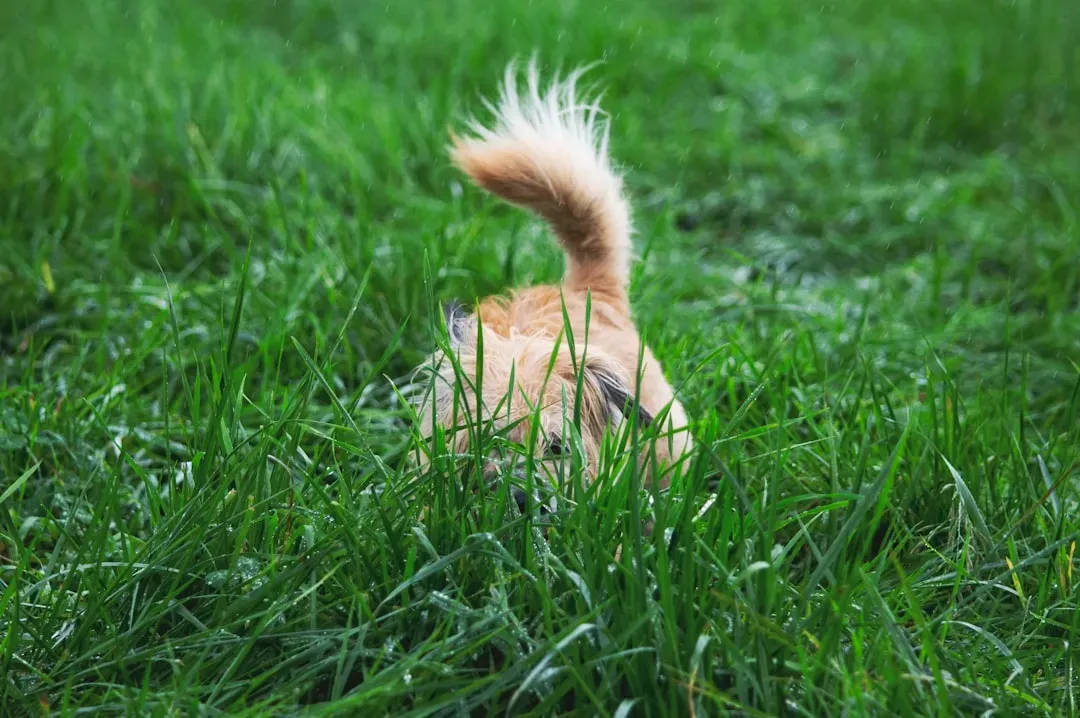
Hide and seek is a fun game that doesn’t even require dog toys. It’s mentally stimulating and gets your dog’s brain working. Simply hide in a different room or behind furniture, and call your dog’s name. Start easy by hiding in obvious spots and calling enthusiastically. As your dog gets better at the game, increase the difficulty by choosing more creative hiding places.
This game taps into your dog’s natural tracking abilities and reinforces their recall training in a fun, low pressure way. You can also hide their favorite toy instead of yourself, turning it into a search and retrieve mission. Watch their excitement when they finally find you or the hidden object. That moment of discovery, the pure joy on their face, is absolutely priceless. Plus, it’s a brilliant indoor activity for rainy days when outdoor adventures aren’t possible.
Socialization Outings: New Places, New Experiences
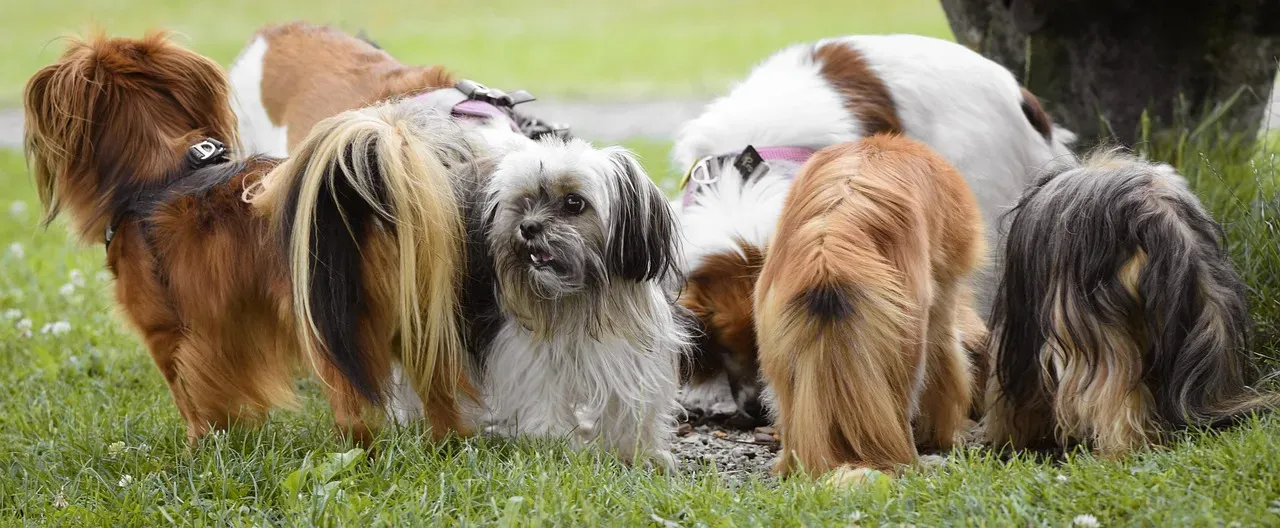
Enrichment creates an opportunity for pets to use their mind and body in a fun, new or exciting way. These activities engage their senses and reduce stress, redirect extra energy, relieve boredom and add to their overall quality of life. Providing an environment that is varied allows your animals to think and explore in their own home, which benefits both their mental and physical health. Taking your dog to new environments provides incredible sensory enrichment.
Visit a pet friendly cafe and let them watch the world go by from a patio table. Explore different neighborhoods on your walks so they encounter new scents and sights. Find local dog walking groups or breed meetups for structured socialization. Sites like Meetup or Facebook often host breed-specific or general pack walks. These outings aren’t just about physical exercise, they’re about exposing your dog to novel experiences that stimulate their mind and build confidence in various settings. Always read your dog’s body language though. If they seem overwhelmed, it’s perfectly fine to take a step back and try again another day.
Canine Sports: Finding Your Dog’s Passion
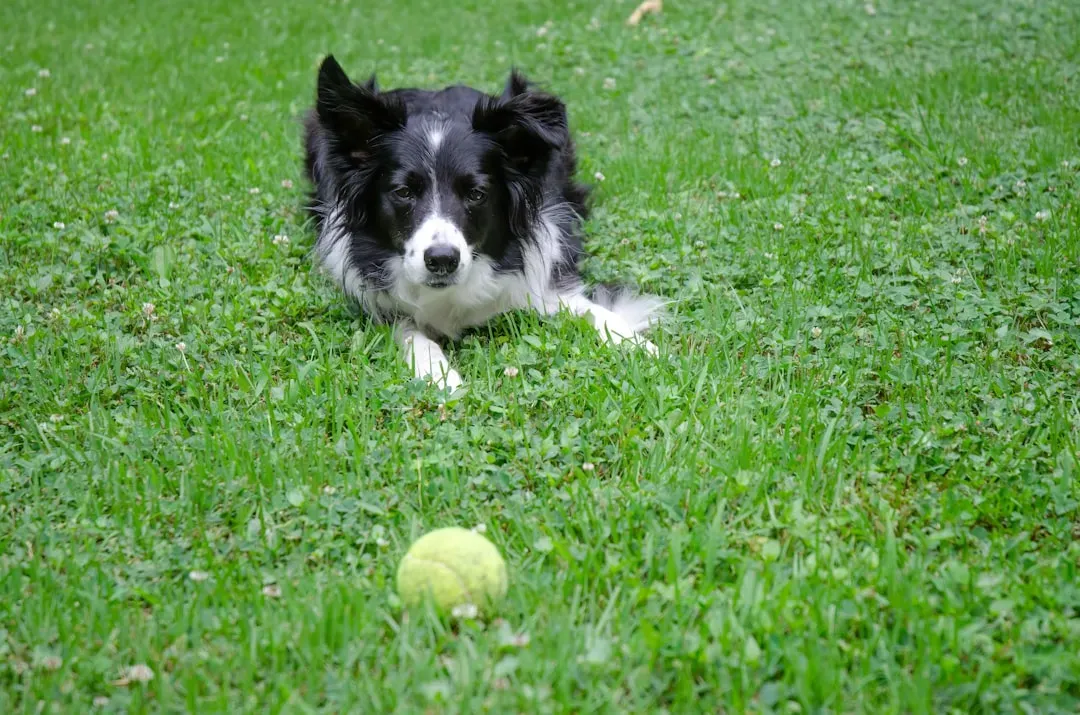
Dog sports are a great way to bond with your dog and give your canine companion exercise and mental stimulation. From the unbridled fun of dock diving to the quirkier but thrilling sport of skijoring, dog sports offer a fantastic opportunity to build and enhance the unique relationship we share with our best friend in a constantly evolving field of options. Maybe your dog has a hidden talent you haven’t discovered yet.
There are so many options out there. Dock diving is quickly becoming a favorite canine sport among casual pet owners because it’s a straightforward activity. Exactly like the name implies, dogs run and jump off of a dock into a pool or other body of water! Or perhaps your dog would excel at flyball, disc dog, or even canine freestyle dancing. The beauty of exploring different dog sports is discovering what truly lights up your individual dog. You might be surprised to find your couch potato has serious athletic potential, or that your high energy pup actually prefers the mental challenge of scent work over physical sports. Start casually, have fun, and see where it leads.
Conclusion
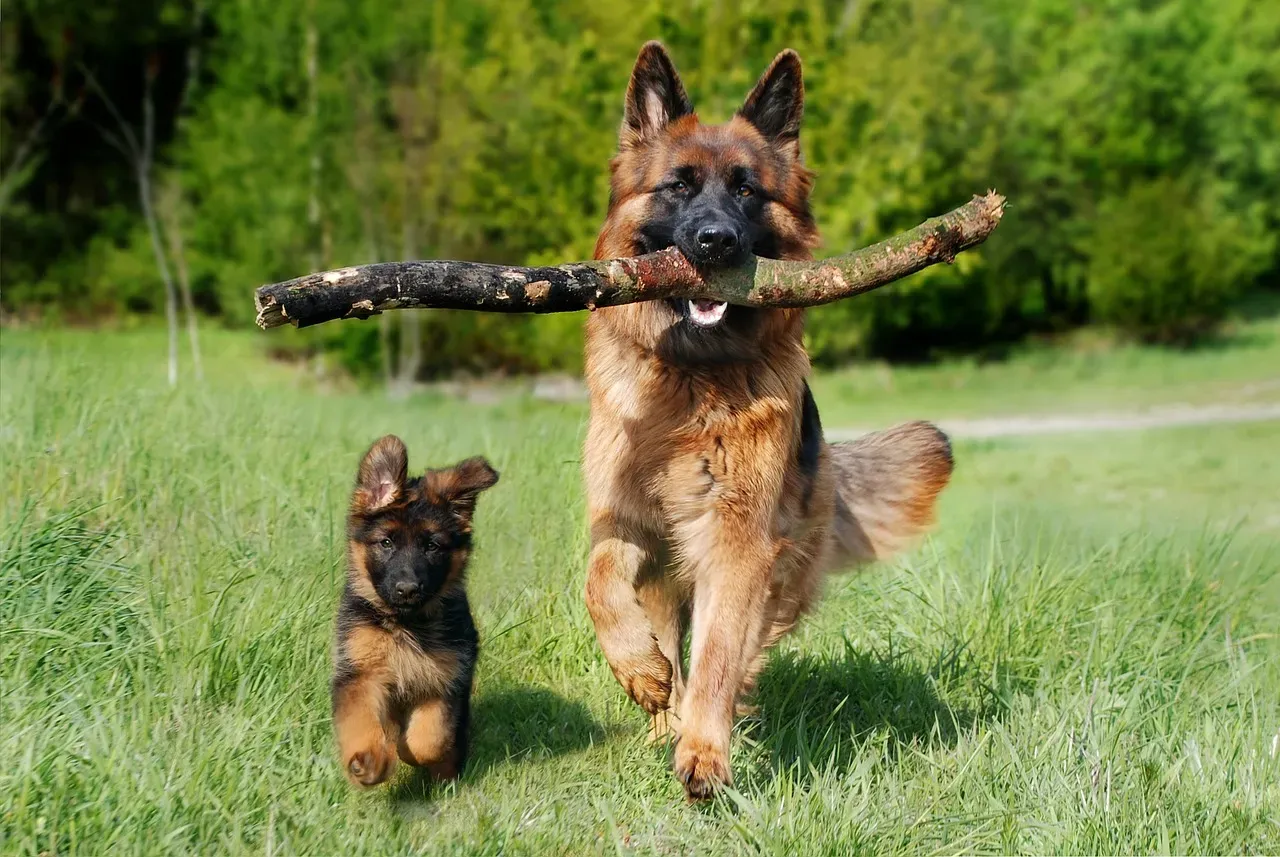
The key to a happy and healthy dog is regular enrichment and allowing them to engage in their innate behaviors, such as playing, chasing, smelling, chewing and scavenging. By allowing your dog to engage in these behaviors, you allow them to be physically, emotionally and mentally satisfied. The activities we’ve explored aren’t just ways to pass time or tire out your pup. They’re opportunities to truly see your dog thrive, to watch them use their natural abilities, and to deepen the connection you share.
You don’t need to do everything on this list. Pick one or two activities that genuinely excite both you and your dog, then expand from there. Mix things up, keep it fresh, and pay attention to what makes your dog’s tail wag the hardest. What’s your dog’s favorite activity outside of regular walks? Have you tried something that completely surprised you? The journey of discovering new adventures with your furry best friend is one of the most rewarding parts of being a dog parent.


