

You probably already know your dog loves you. The wagging tail, the excited greeting when you come home, those soulful eyes tracking your every move. It all points to a connection deeper than simple companionship.
Yet here’s what might surprise you: your dog isn’t just reacting to you. They’re reading you. They’re processing complex emotional information from your face, voice, and even your scent, then making decisions based on what they perceive. Recent research reveals that dogs possess emotional intelligence at levels we’re only beginning to understand. So let’s dive in and explore the fascinating ways our canine companions demonstrate emotional smarts that rival our own.
1. They Read Your Facial Expressions Like a Book

Think your dog doesn’t notice the difference between your genuine smile and your forced one? Think again. Research conducted by Eötvös Loránd University in Hungary demonstrated that dogs can distinguish between happy and angry human faces, a rare ability in the animal kingdom.
Here’s the kicker: dogs don’t just recognize these expressions. Dogs spent more time looking at happy faces, suggesting they understand the emotional weight behind what they’re seeing. When you’re feeling low, your dog picks up on those subtle shifts in your expression faster than most people would.
2. Your Voice Tells Them Everything They Need to Know
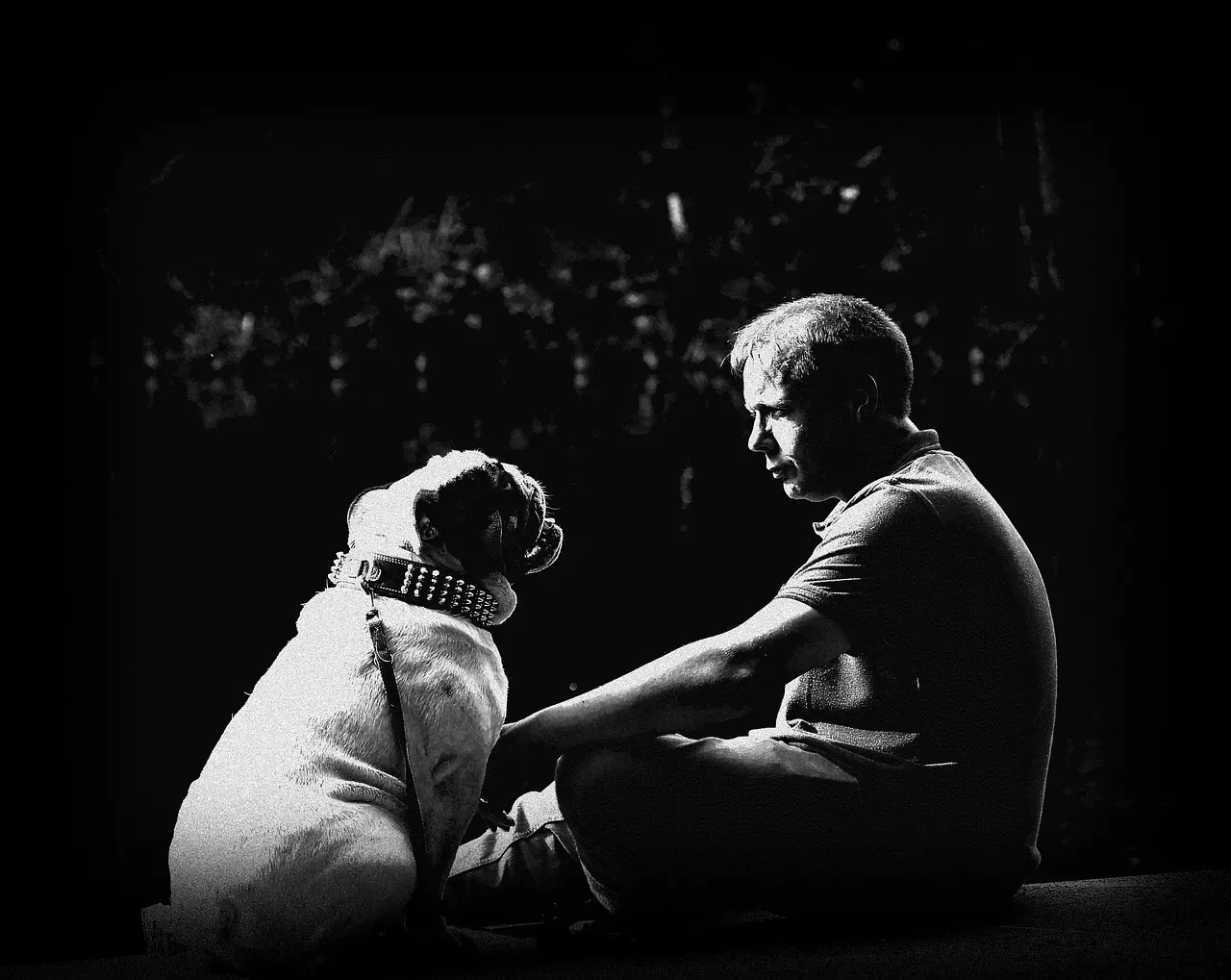
Dogs aren’t simply listening to your words. They’re tuning into the emotional frequency behind them. Research revealed that dogs’ brains light up in ways similar to humans when they hear human voices, suggesting that dogs and humans share similar emotional processing mechanisms.
It’s honestly remarkable when you think about it. The tone you use when you’re stressed versus when you’re relaxed registers differently in your dog’s brain. They process the emotional content of sound much like we do, which explains why speaking harshly affects them so profoundly, even if they don’t understand the actual words.
3. They Can Literally Smell Your Fear (and Your Joy)

Let’s be real: this one sounds almost supernatural. When dogs were exposed to fear sweat samples, their heart rates went up and they sought comfort from their owners, but when exposed to happy samples, dogs were more relaxed and less wary of strangers.
Your emotional state changes your body chemistry. Dogs detect these chemical shifts through scent, giving them direct access to your internal emotional landscape. Next time you’re anxious before a vet visit, remember your dog already knows exactly how you feel.
4. They Understand Context and Make Emotional Decisions

Dogs showed a clear preference for the actor who displayed the more positive emotion, and researchers concluded that dogs are capable of accessing implicit information from humans’ emotional states to make context-dependent decisions. This goes beyond simple conditioning.
Your dog evaluates situations based on emotional information, then chooses how to respond. When they see someone upset, they’re not just blindly reacting. They’re assessing the situation and deciding whether to approach, comfort, or give space. That requires genuine emotional processing.
5. They Show Real Empathy When You’re Distressed
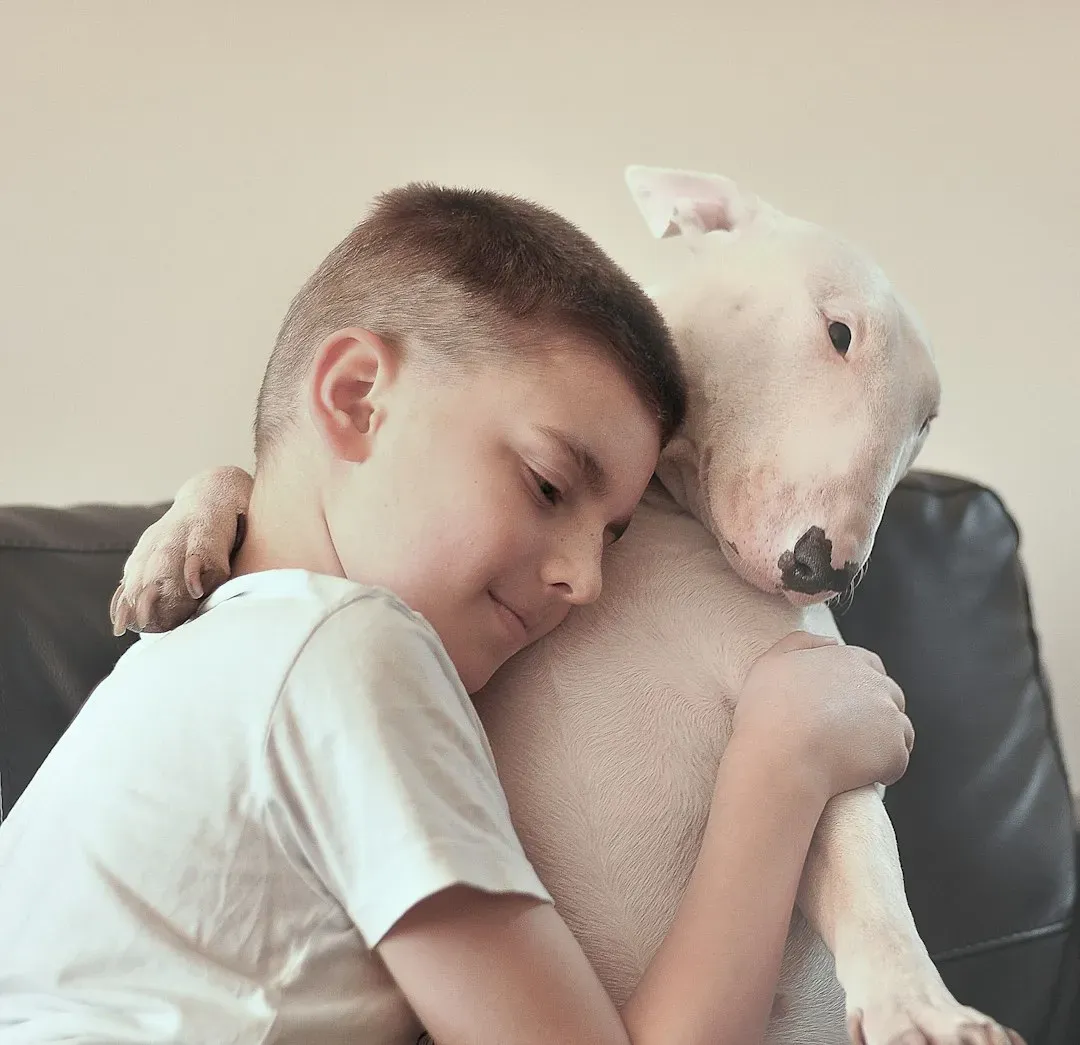
In a study of 18 dogs, 15 approached the owner or investigator when they cried as opposed to only 6 when they hummed, indicating that dogs emotionally connected with the humans. This wasn’t curiosity driving them.
If dogs were merely curious, they would have approached the humming people with equal frequency, but most dogs recognized that a humming person didn’t need to be comforted. They distinguished between sounds that signal distress and those that don’t, responding appropriately to emotional need.
6. They Match Your Emotional Energy in Remarkable Ways

Ever notice how your dog seems calmer when you’re calm and more anxious when you’re stressed? Research shows that guardian anxiety positively affects dogs’ ability to perform well on memory-related tasks, indicating emotional contagion.
Dogs gazed and jumped less at owners when they were sad, and their compliance with commands was diminished, yet when owners were happy, dogs performed better in trained tasks. They’re not just noticing your mood. They’re synchronizing with it, adjusting their behavior to mirror your emotional state.
7. They Have Mental Representations of Emotions

This is where things get really interesting. Dogs spent significantly longer looking at facial expressions that matched the emotional state of vocalizations they heard, indicating they have mental representations of emotions and a system of internal categorization for emotional states.
What does this mean? Your dog doesn’t just react to isolated cues. They integrate different types of sensory information, creating a complete emotional picture. They expect angry voices to go with angry faces. When those elements don’t match, they notice the discrepancy. That’s sophisticated cognitive processing.
8. They Process Emotions Through Specialized Brain Regions

Dogs present a unique comparative model for emotion studies due to their homologous facial anatomy with humans and shared mammalian neuroanatomy for basic emotions, such as happiness and anger. Their brains are literally wired for emotional connection with us.
Subject trait-level empathy correlated with the accuracy of classifying brain responses of aggressive from happy dog faces and happy from neutral human faces, likely reflecting attentional enhancement provoked by subjective ecological salience of stimuli. The neural machinery for understanding emotions exists in dogs much like it does in us.
9. They Possess Oxytocin Responses That Mirror Human Bonding

Studies revealed that dogs possess oxytocin responses similar to humans, underlying their capacity for forming strong emotional connections and why dogs are adept at sensing when their human counterparts are in need of comfort or support.
Oxytocin is the bonding hormone, the same chemical that creates attachment between human parents and babies. Dogs experience this same neurochemical response when interacting with you. The love they feel isn’t just behavioral conditioning. It’s biochemically real, rooted in the same physiological processes that create human emotional bonds.
10. They Demonstrate Body Awareness Connected to Emotional Understanding

Dogs don’t just understand emotions in others. Through experiments, researchers concluded that dogs possessed bodily awareness and understood the consequences of their actions. This self-awareness forms the foundation for more complex emotional intelligence.
Dogs can pass the “sniff test” suggesting potential self-awareness in the olfactory sense, and also show awareness of the size and movement of their bodies. Understanding yourself is the first step toward understanding others. Dogs demonstrate this self-knowledge, which enhances their ability to navigate the emotional landscape around them.
Conclusion

The emotional intelligence of dogs runs deeper than most of us ever imagined. They’re not just responding to training or seeking treats. They’re reading our faces, listening to our voices, sensing our chemical changes, and integrating all that information into meaningful emotional understanding. Behavioral scientists uncovered a surprising set of social-cognitive abilities in the domestic dog that resemble some of the social-cognitive skills of human children.
This changes how we should think about our relationship with dogs. They’re not just pets following commands. They’re emotionally aware beings who understand us in ways that are scientifically verifiable and deeply profound. The next time your dog rests their head on your lap when you’re feeling down, remember: they know exactly what they’re doing. What’s your most memorable moment when your dog seemed to truly understand how you felt? Share it in the comments.


