

Every dog owner wonders whether their furry friend truly forgives them after stepping on a paw or forgetting dinner by five minutes. Some dogs bounce back from mishaps like nothing ever happened, tail wagging before you’ve even finished apologizing. Others? They’ll remember that one time you left them at the groomer’s too long, and they’ll remind you about it for weeks.
Understanding how your dog processes emotions isn’t just fascinating, it’s practical. Knowing whether your breed tends to let things slide or tends toward emotional memory can help you be a better guardian and build a stronger bond with your pup.
Golden Retrievers: The Ultimate Forgiveness Champions
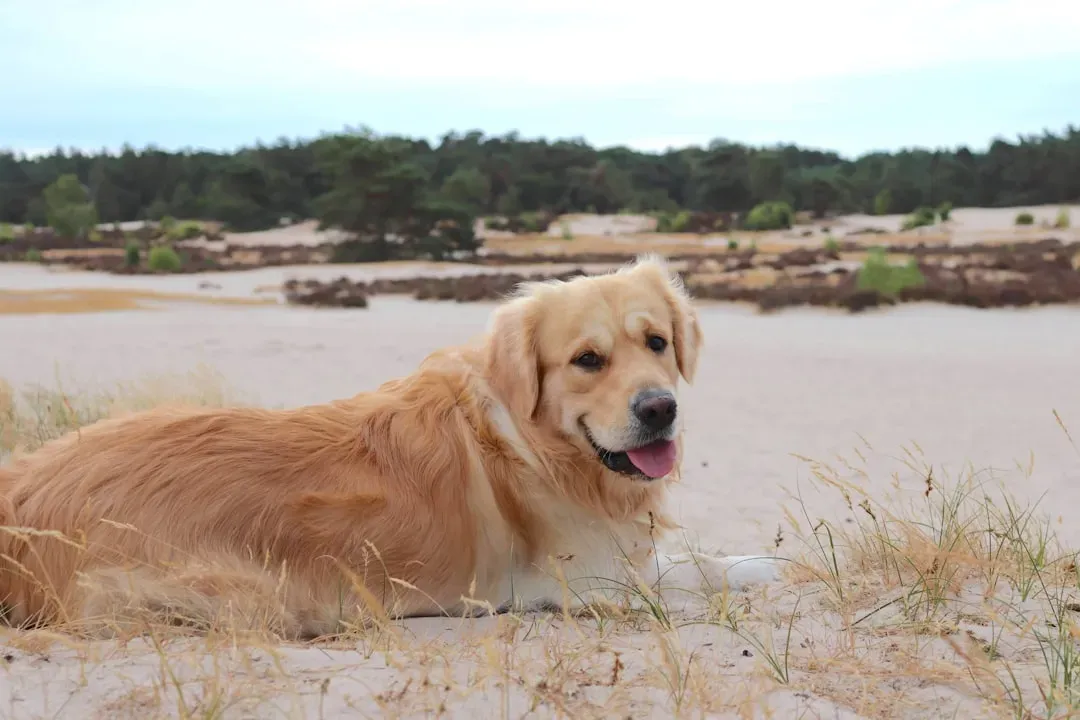
Golden Retrievers are widely known and loved for their social disposition, making excellent family dogs as long as they get exercise every day, getting along with nearly anyone. Honestly, if there were a Nobel Prize for forgiveness, Goldens would win it every year. These dogs seem almost incapable of holding onto negative experiences.
Their eager-to-please temperament means they’re hardwired to move past upsets quickly. Accidentally bump into them during playtime? They’ll assume it was part of the game. Forget to fill their water bowl? They’ll just give you gentle puppy eyes until you remember.
Their temperament often makes them great service and therapy dogs, and while they can be playful and have a lot of energy in their youth, a mature golden retriever that’s emotionally and physically satisfied is most likely going to be calmer. Their forgiving nature stems from generations of breeding for cooperation and companionship.
Labrador Retrievers: Always Ready To Reconnect
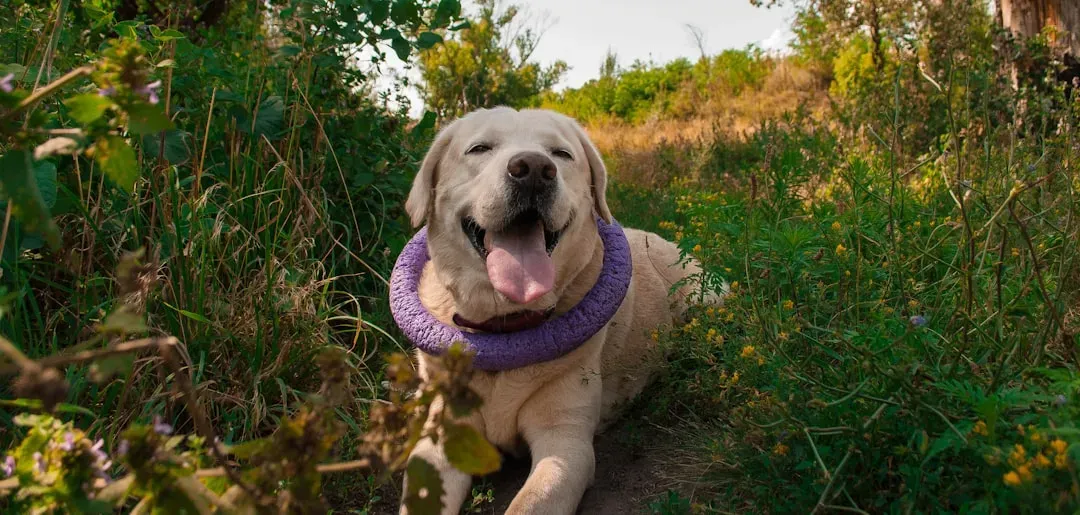
Labs are the friend who always texts back, no matter how long you’ve ghosted them. These dogs have an almost supernatural ability to forgive instantly and completely. Their friendly disposition makes them one of the most popular breeds worldwide, and for good reason.
Labs are considered easy to live with, and their temperament reflects this ease. Even if you’ve had a frustrating training session or been away longer than expected, your Lab will greet you like you’re the best thing that ever happened. Their food motivation helps too since most negative associations can be quickly overridden with a well-timed treat.
What makes Labs special is their consistency. They don’t have mood swings or sulk in corners. They live firmly in the present moment, which means yesterday’s mistakes are genuinely forgotten.
Cavalier King Charles Spaniels: Lap Dogs Built For Bonding
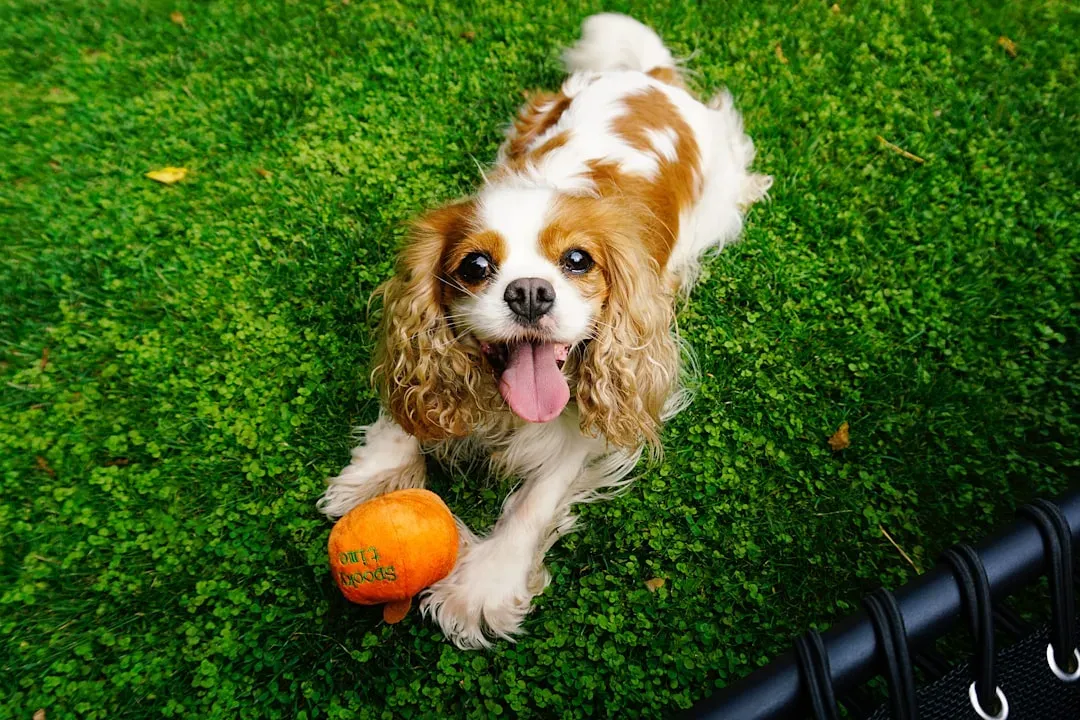
Cavalier King Charles Spaniels are one of the friendliest small dog breeds, bred to warm the laps of English royalty, and these cuddly dogs are happy to carry on their inherent duties with whoever is close by. Their entire existence revolves around being near their people, and holding grudges would interfere with that mission.
These gentle souls are so focused on connection that they simply don’t have the bandwidth for resentment. Scold them for chewing your favorite shoe? Within minutes, they’ll be back on your lap, ready to cuddle. Their forgiving nature isn’t weakness; it’s actually their superpower.
Due to their welcoming disposition, the Cavalier makes a great therapy dog, and enrolling your Cavalier in socialization and training classes will allow for a well-mannered companion that does well in a variety of social situations. This adaptability means they’re quick to move past negative experiences and focus on maintaining their bond with you.
Beagles: Happy-Go-Lucky Forgivers
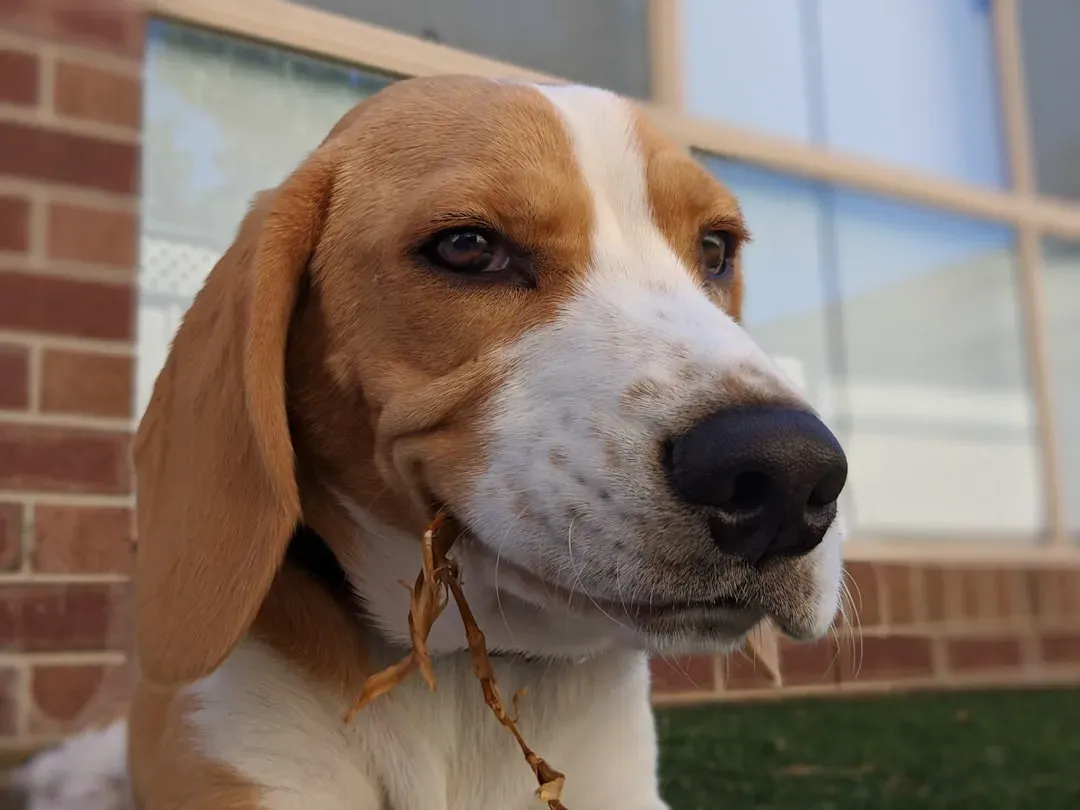
Beagles are well mannered pooches who love socialising with other dogs and humans, and are an easy going breed that is an ideal choice for families who are looking for a friendly dog to share their days with. Their pack mentality means they’re wired to maintain harmony, not hold grudges.
Beagles live for the next adventure, the next scent, the next meal. This forward-focused mindset means they rarely dwell on past upsets. Sure, they might look dejected if you raise your voice, but give them five minutes and a good sniff around the yard, and all is forgotten.
Their forgiving nature comes with a caveat though. While they won’t hold emotional grudges, they have excellent scent memory, so if you hid treats somewhere once, they’ll remember that location forever.
Boxers: Playful Souls With Short Memories
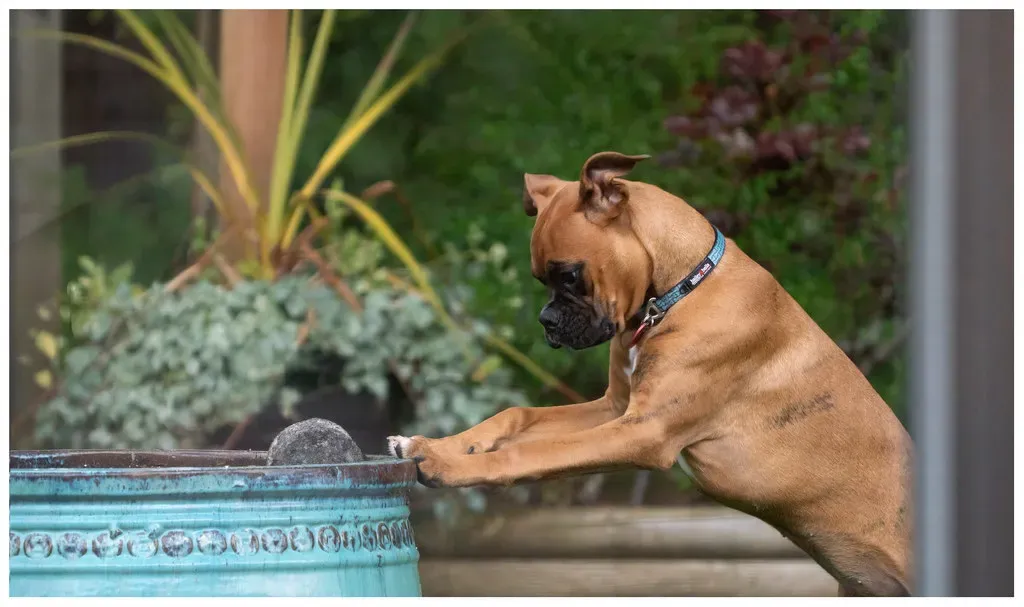
The Boxer is a playful dog with a spring in her step, known for having an excitable personality, which commonly manifests as a tendency to jump up for attention. Their enthusiasm for life leaves little room for holding onto negative feelings.
Boxers as a rule tend to be pretty easy, once you get past the wacko hyper pup stages. Their puppy-like energy persists well into adulthood, and this perpetual optimism means they approach each interaction with fresh eyes. Accidentally step on their paw? They might yelp, but seconds later they’re ready to play again.
What’s remarkable about Boxers is their resilience. They can handle corrections during training without becoming fearful or resentful. Their forgiving temperament combined with their intelligence makes them incredibly adaptable companions.
Staffordshire Bull Terriers: Loyal And Loving
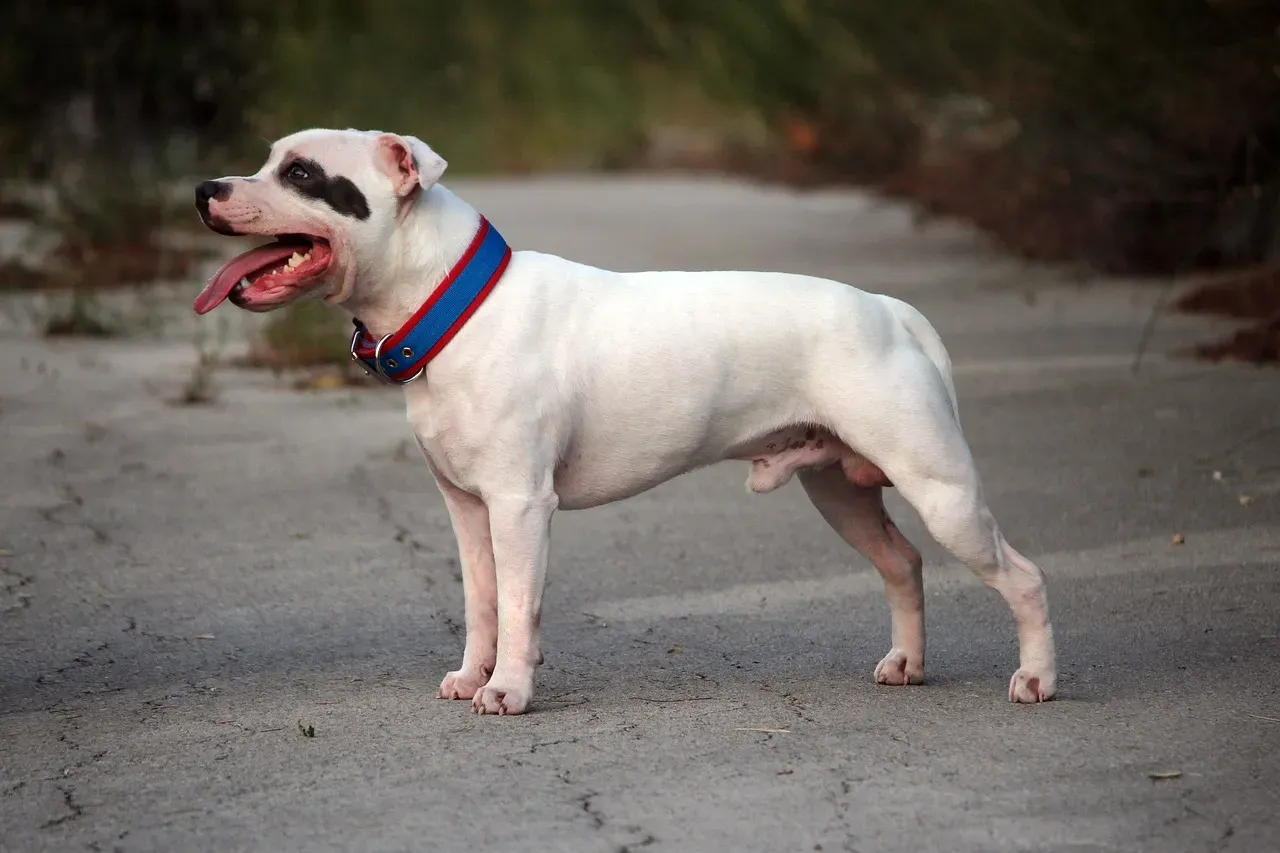
Staffordshire Bull Terriers are loyal dogs who will get along easily with people of all ages, and proper socialisation helps their genuinely sweet personalities to shine through. Despite their tough appearance, these dogs are absolute softies when it comes to their families.
Staffies are the definition of “all bark and no grudge.” They might look intimidating, but they’re incredibly forgiving of human mistakes. Raise your voice in frustration? They’ll be confused but not resentful. Their strong bond with their owners means they prioritize connection over conflict.
Their forgiving nature requires one important thing in return: consistency and fairness. While they won’t hold grudges, they do need clear boundaries and positive reinforcement to truly thrive.
Irish Setters: Energetic And Emotionally Generous
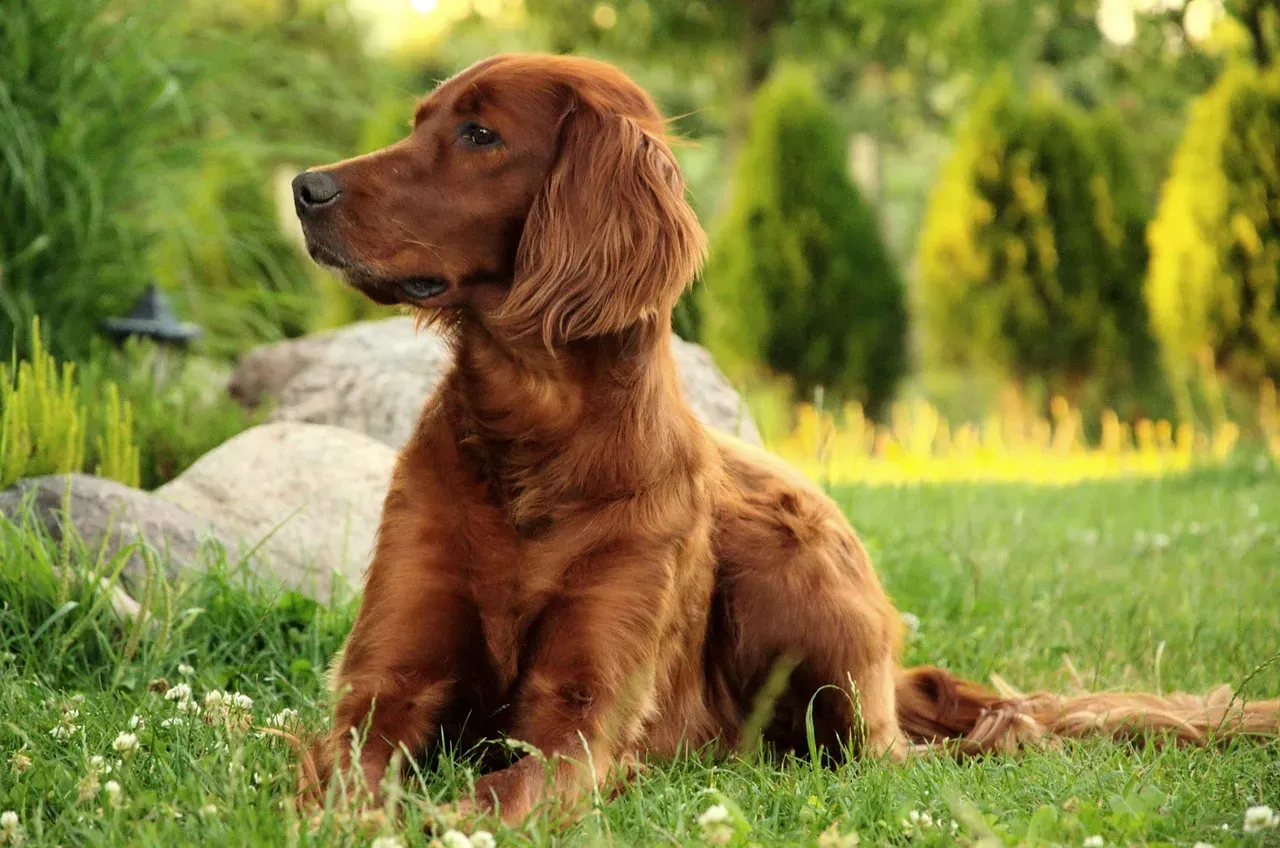
Irish Setters are affectionate and energetic, very friendly dogs that love people and aren’t shy about it, though pet parents should be careful that their Irish Setter doesn’t knock a child over in her enthusiasm to say hello. Their exuberance leaves no room for holding onto negative emotions.
These gorgeous red-coated beauties are basically the golden retriever’s equally forgiving cousin. They’re so focused on their next adventure that dwelling on past mistakes simply isn’t in their nature. Forget their morning walk? They’ll be mildly disappointed but completely over it by lunchtime.
Irish Setters have a happy-go-lucky attitude and are great givers of affection, always up for a good time, and their love of exercise makes them a great walking companion for adults and children alike. This positive outlook on life naturally translates into a forgiving temperament.
Newfoundlands: Gentle Giants With Big Hearts
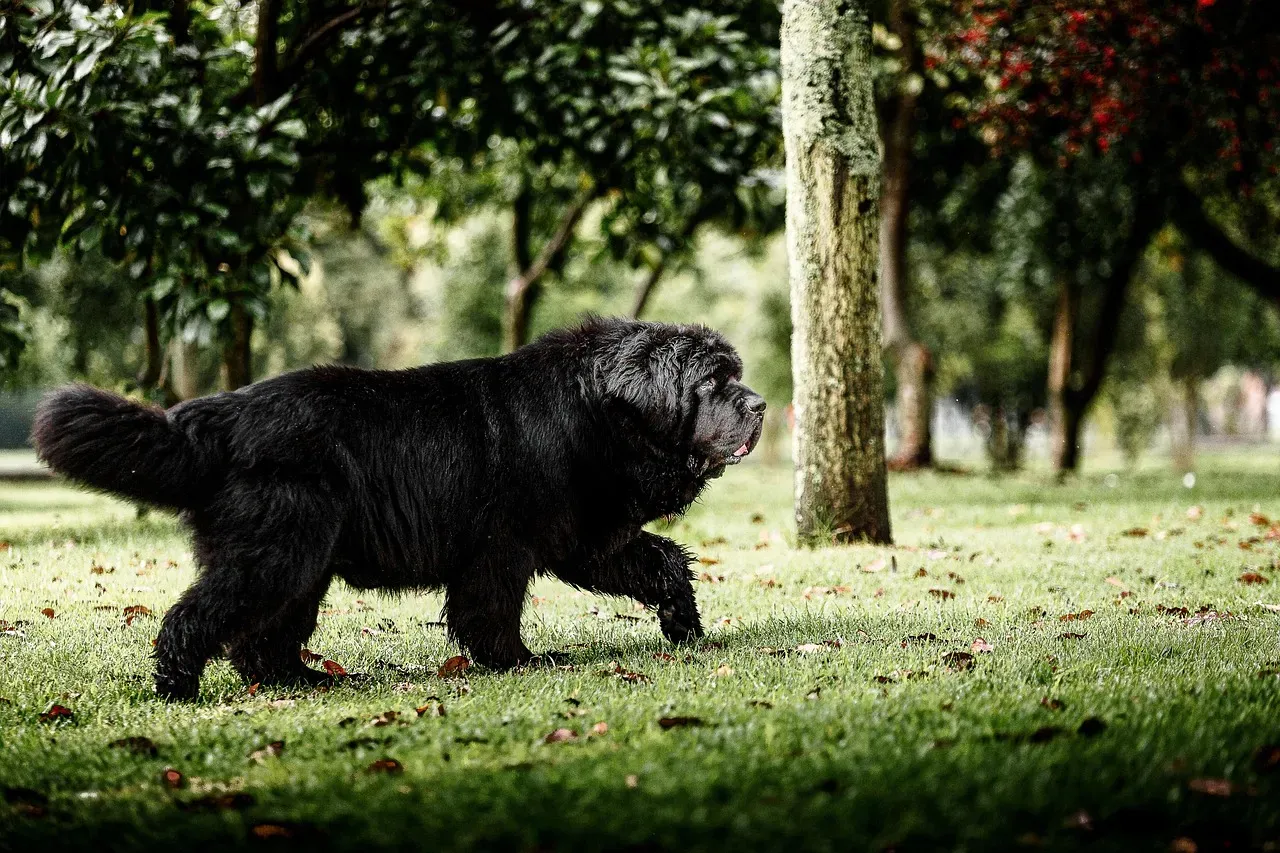
Newfies are over one hundred pounds of fur and drool, but people who are fans of the breed love the affectionate and good-natured temperament of these dogs, as they love kids and are easy to train. Their massive size is matched only by their capacity for forgiveness.
These dogs were bred to be lifesavers, both literally and emotionally. Their calm, patient nature means they simply don’t get ruffled by the small stuff. Kids climb all over them? Fine. Someone accidentally bumps them? No problem. Their emotional stability is remarkable.
Their forgiving nature stems partly from confidence. Newfoundlands are secure in themselves and their place in the family, which means they don’t need to prove anything or hold onto resentments.
Cocker Spaniels: Sweet-Natured Companions

Cocker Spaniels are friendly and affectionate dogs with lots of love and energy to give, and given the right training and socialisation skills, they are the ideal choice for active families. Their gentle disposition makes them natural forgivers.
However, a word of caution: since the late seventies or so, Cockers and Springers began to go downhill in the temperament department. This means individual temperament can vary, so early socialization is crucial. Well-bred, properly socialized Cocker Spaniels are incredibly forgiving and adaptable.
Their eagerness to please combined with their affectionate nature means they’re quick to move past negative experiences. They’d rather be cuddling with you than sulking in the corner.
Akitas: Proud And Emotionally Aware
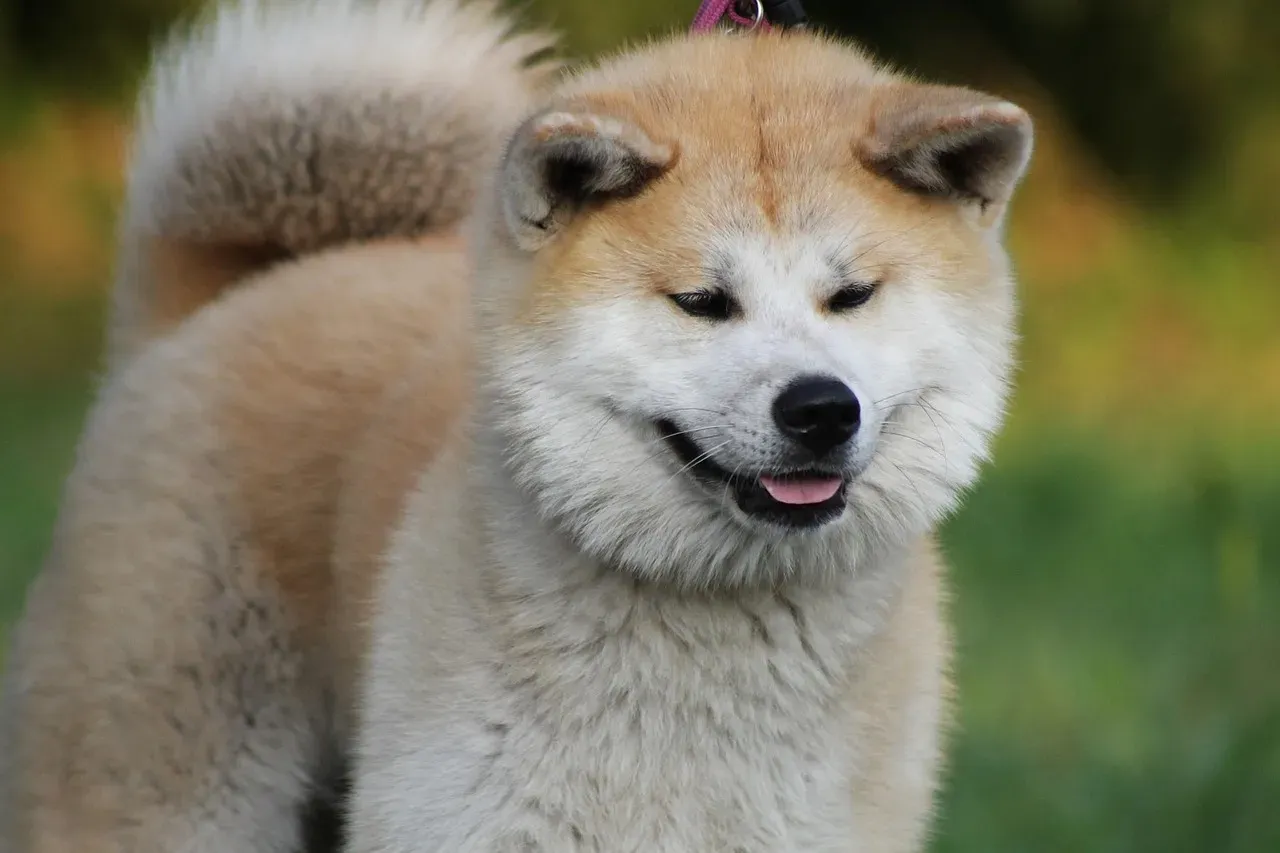
Now we shift gears to the breeds that remember. Akitas are deeply loyal, but they also have a strong sense of pride and emotional awareness, and if you raise your voice, ignore them, or embarrass them in front of guests, they’ll take it very personally, giving you the cold stare, a refusal to come when called, and an unmistakable vibe of disappointment.
Akitas don’t forget slights easily. Their dignified nature means they expect respectful treatment, and when that expectation isn’t met, they withdraw emotionally. This isn’t spite; it’s self-protection. They’re not plotting revenge, but they are reassessing their trust in you.
Living with an Akita means understanding that your actions have lasting consequences. These dogs require consistency, respect, and patience. Once you’ve lost their trust, earning it back takes considerable time and effort.
Chihuahuas: Tiny Dogs With Long Memories
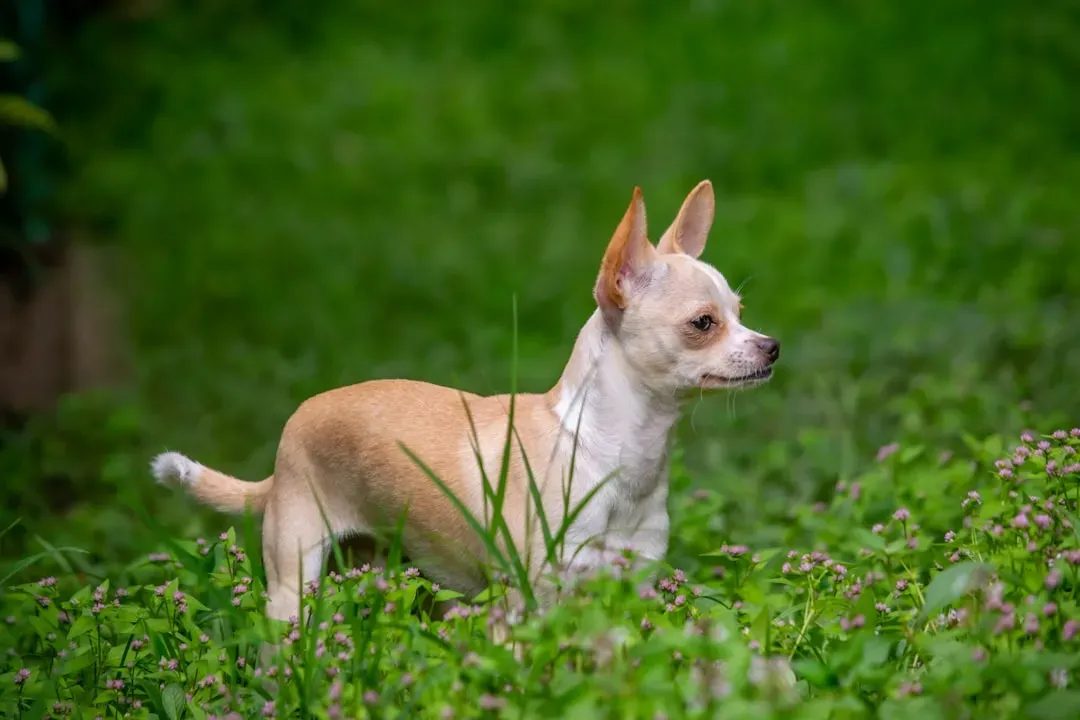
Chihuahuas may have tiny bodies but big feelings, and they’re full-blown grudge-holders who will give you the death stare of the century if you ignore their barking, scold them for being yappy, or leave them alone too long, even snubbing your cuddles for hours or days if they’re really offended.
Don’t let their size fool you. Chihuahuas have elephant-like memories when it comes to perceived injustices. Forget their favorite blanket at the groomer’s? Expect the silent treatment for at least a day. Step on their tail accidentally? They’ll remember and give you a wide berth for a while.
Their strong personalities and attachment to specific people make them particularly sensitive to changes in routine or treatment. They’re not being dramatic; they’re genuinely processing their feelings in their own time.
Dachshunds: Stubborn And Sentimental
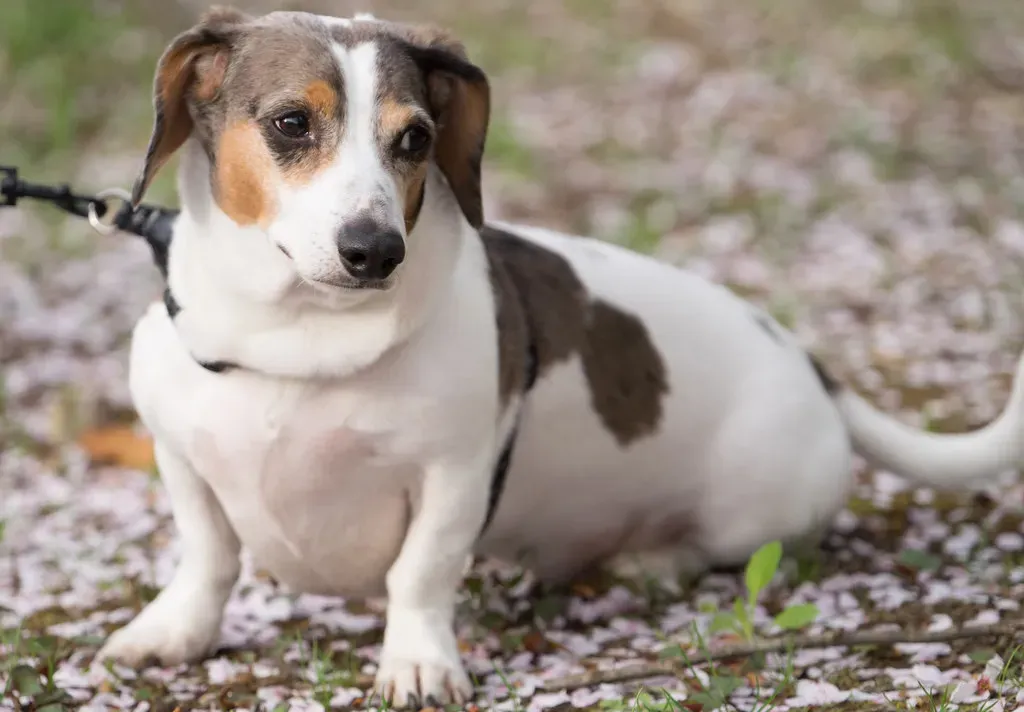
Dachshunds are clever and slightly stubborn, a combo that makes them excellent at remembering both commands and offences. These long-bodied characters have minds of their own and memories to match.
Dachshunds were bred to hunt underground, which required bravery and independence, and these traits remain central to their personality as they are confident, opinionated, and often stubborn, but beneath that independence is strong attachment, as they bond deeply but on their own terms, preferring respect over control.
Their grudges manifest as passive resistance. Leave them alone too long? Don’t be surprised if they ignore your calls later. Scold them harshly? They might comply, but they’ll do so with obvious reluctance and a wounded expression that lasts for hours.
Pekingese: Royal Treatment Required
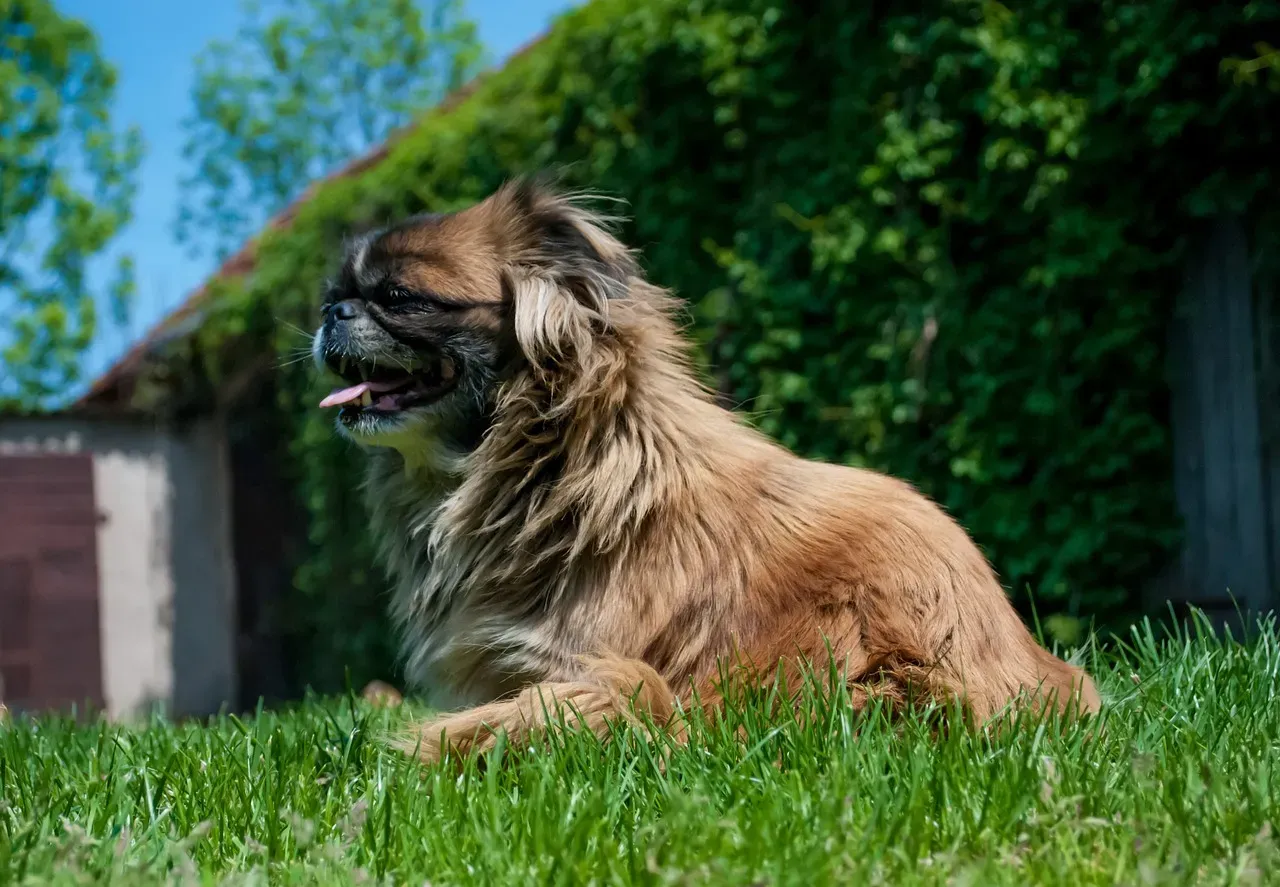
With a long history of palace life in ancient China, Pekingese dogs expect a certain level of reverence, and if you scold them harshly, skip their usual cuddle time, or forget their routine, they’ll absolutely act like you’ve committed treason, holding grudges like tiny royalty and withholding affection until you’ve grovelled enough.
These little lions weren’t bred to work or hunt; they were bred to be companions to emperors. That regal heritage shows in their expectations. They’re not demanding in a bratty way; they simply know their worth and expect you to recognize it too.
Pekingese forgiveness comes on their timeline, not yours. Rushing them to “get over it” only prolongs the process. Respect their feelings, give them space, and eventually they’ll decide you’ve suffered enough and grace you with their presence again.
Border Collies: Sharp Minds, Long Memories
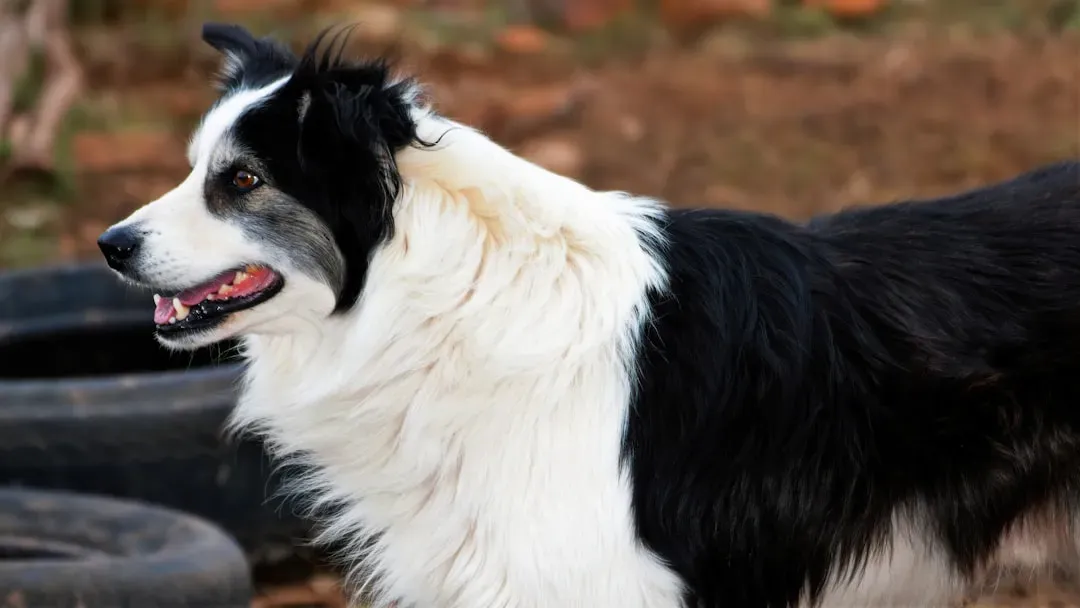
Border Collies are sharp, observant, and remember everything, and if they perceive injustice, whether it’s a missed walk, harsh tone, or being left out of the fun, they’ll act out subtly. Their intelligence is both their greatest asset and their emotional complexity.
These dogs notice everything. Every. Single. Thing. Forget to include them in a family activity? They noticed. Skip their usual training session? They’re keeping score. Their incredible memory and sensitivity to routine means disruptions register deeply.
Border Collies don’t forgive quickly because they’re constantly analyzing patterns. They need to see consistent positive behavior before they’ll fully relax again after a breach of trust.
Basenjis: The Masters Of Silent Treatment
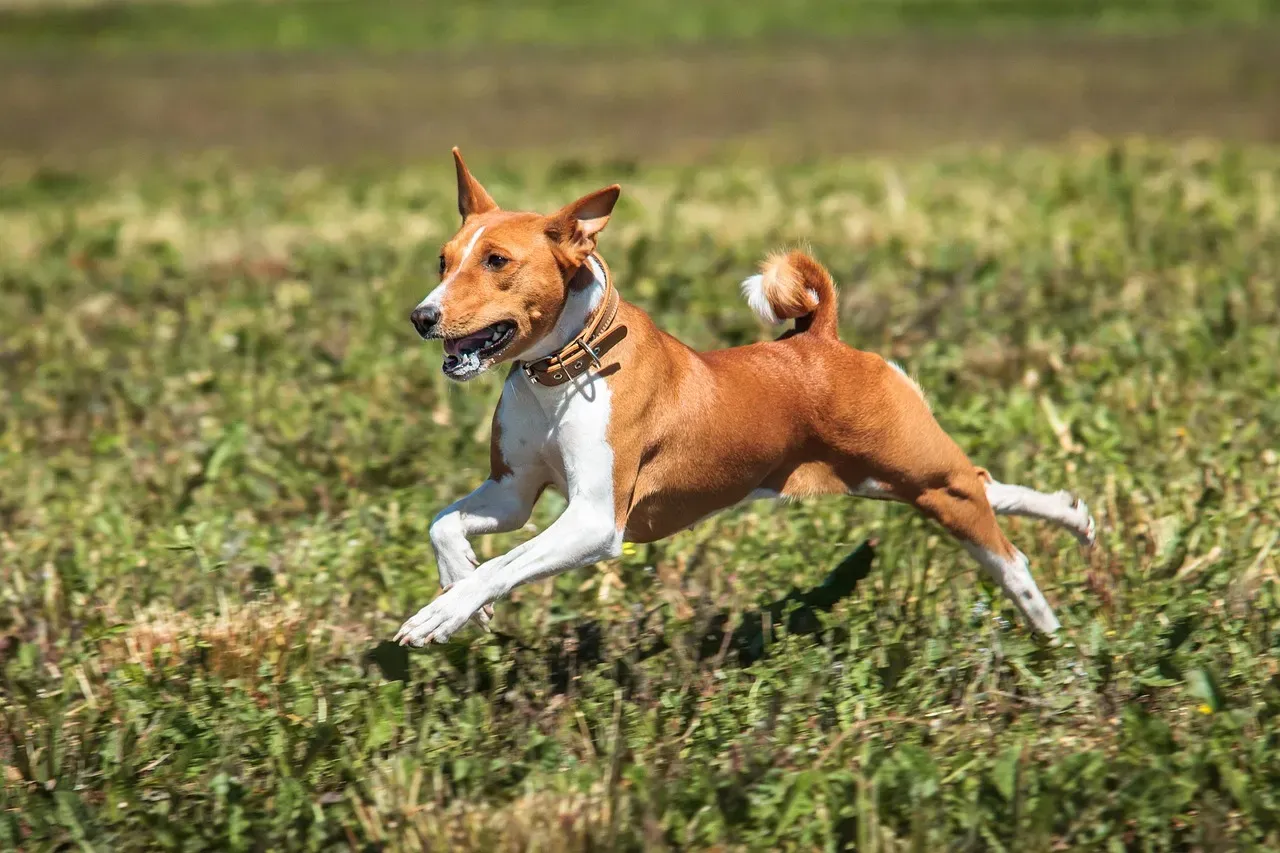
Basenjis are already aloof and cat-like in their behaviour, but when they hold a grudge, it’s next-level shade, with no barking or tantrums, just a total lack of engagement as they sit across the room, avoid eye contact, and pretend you’re not even there in passive-aggressive perfection.
Basenjis perfected the cold shoulder centuries before internet memes made it popular. Their independent nature means they’re perfectly comfortable withdrawing affection until they decide the issue is resolved. You can’t force a Basenji to forgive; they’ll come around when they’re good and ready.
Their grudges are particularly challenging because they’re so subtle. There’s no dramatic confrontation, just a quiet withdrawal that speaks volumes. Patience and consistent positive interaction are the only ways through.
Lhasa Apsos: Monastery Guards With Attitudes
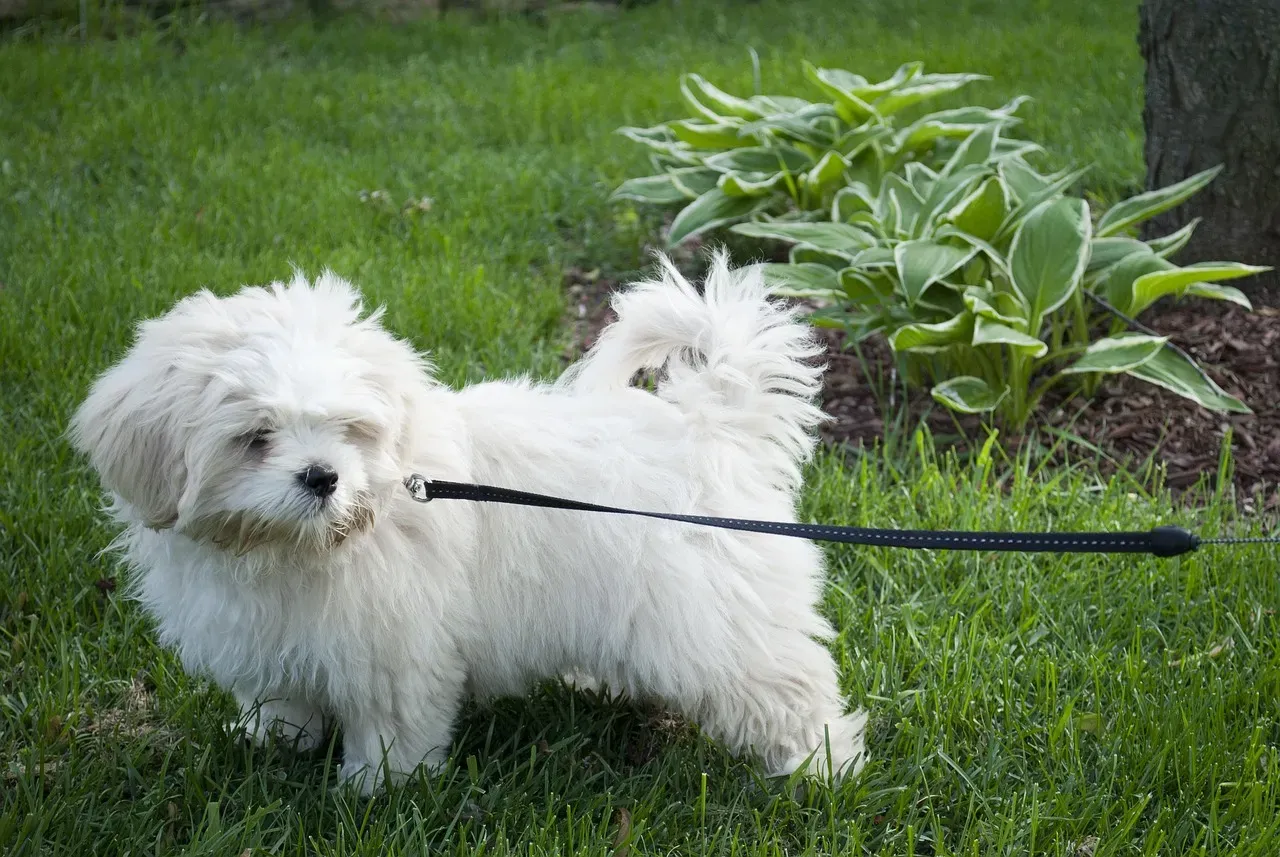
These little lions were bred to guard Tibetan monasteries and have a regal streak, getting moody if you cross them, like trimming their fur too short or not inviting them onto the sofa, and they can be incredibly stubborn when slighted, choosing to ignore you completely until they decide you’re forgiven.
Lhasa Apsos were bred to be watchdogs in sacred spaces, which means they take their responsibilities and their dignity seriously. They’re not lap dogs who exist solely for your entertainment; they’re partners who expect mutual respect.
When a Lhasa Apso decides you’ve violated the terms of your relationship, they’ll let you know through strategic ignoring. They won’t be aggressive or destructive; they’ll simply make you invisible until you’ve proven yourself worthy of their attention again.
Conclusion
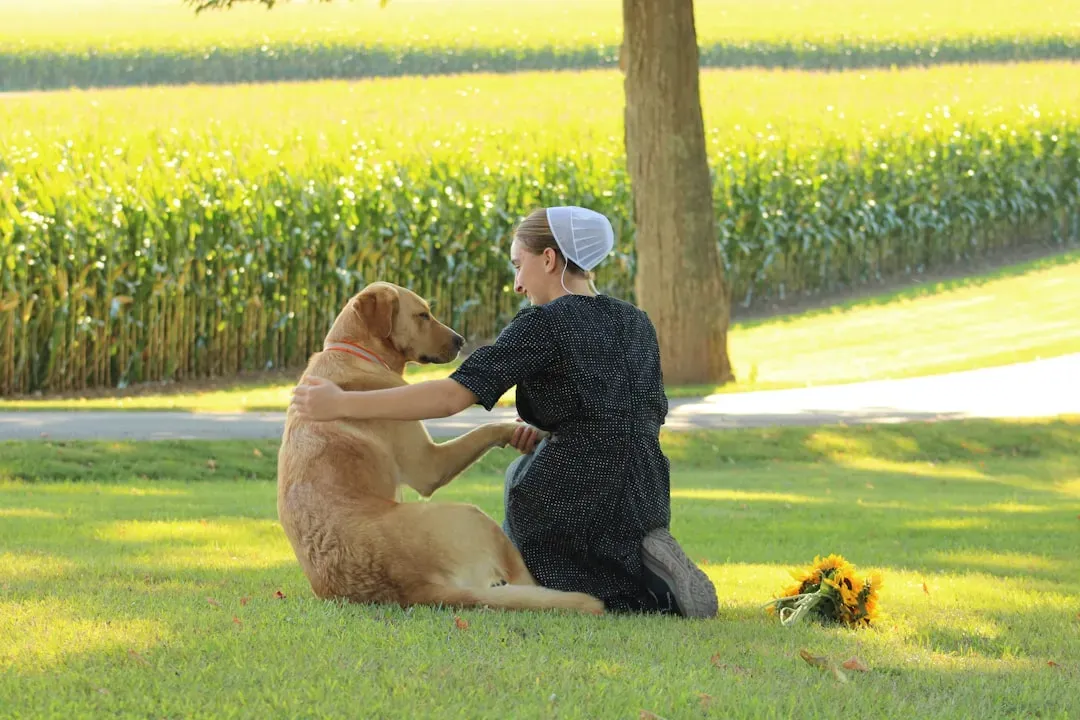
Understanding your dog’s capacity for forgiveness isn’t about labeling breeds as good or bad. It’s about recognizing their emotional needs and communication styles. Dogs are incredibly resilient and forgiving animals, and if you accidentally hurt or scare your dog, a sincere apology through calm speech, gentle petting, or a treat often goes a long way, as many dogs are quick to return to their normal loving behavior once they feel safe again, and this ability to bounce back emotionally supports the idea that most dogs do not hold true grudges.
Whether you share your home with an instantly forgiving Golden or a more emotionally complex Akita, the key is consistency, patience, and respect. Every breed has its own emotional language, and learning to speak it fluently strengthens your bond immeasurably.
What’s your experience with your dog’s forgiveness style? Does your pup let things slide instantly, or do they need time to process before reconnecting? Share your stories in the comments.


