

Let’s be real here. You’re scrolling through puppy photos, your heart is melting, and you’re thinking about bringing home a fluffy companion. That sounds amazing, honestly. There’s nothing quite like the bond between a dog and their person.
Yet here’s the thing most of us don’t talk about enough. Not every breed fits into every lifestyle, especially if you’re hoping for a more relaxed routine. Some dogs demand hours of grooming each week, others need constant mental stimulation, and a few require both while also being prone to health issues that’ll have you on speed dial with your vet. I’m not saying these breeds aren’t wonderful. They absolutely are. I’m just saying they might not be wonderful for someone wanting a low key experience.
So let’s dive in and talk about ten breeds that, while gorgeous and loving, are probably going to challenge anyone hoping for an easy going companion.
1. Border Collie: The Workaholic Who Never Clocks Out
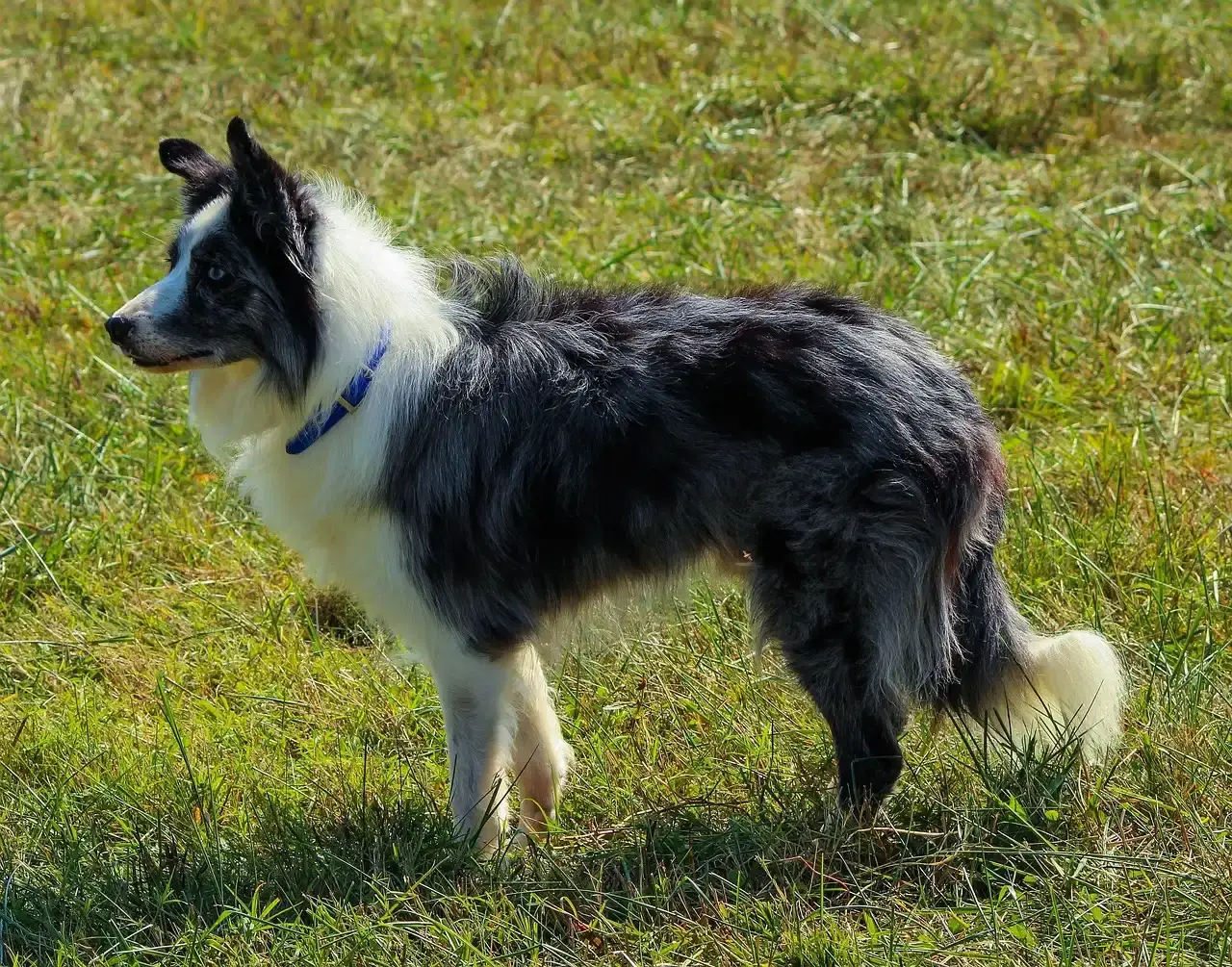
Border Collies require constant mental stimulation and physical exercise, and without enough activity, they can become destructive or anxious. Think of them as that coworker who never stops, except this coworker lives in your house and expects you to keep up.
Their laser sharp focus, high intelligence, extreme energy and strong herding instincts make this breed unsuitable for regular family life, and Border Collies need hours of exercise daily to meet their physical needs. They’re not content with a quick walk around the block. These dogs were bred to work sheep all day in the Scottish highlands, and that drive doesn’t just disappear because they’re living in suburbia now.
If you don’t provide adequate outlets, you might find your Border Collie herding your kids, nipping at ankles, or inventing their own entertainment that usually involves redecorating your furniture. They’re brilliant problem solvers, which sounds great until they figure out how to open doors or escape your yard.
2. Afghan Hound: Elegance Comes At A Price
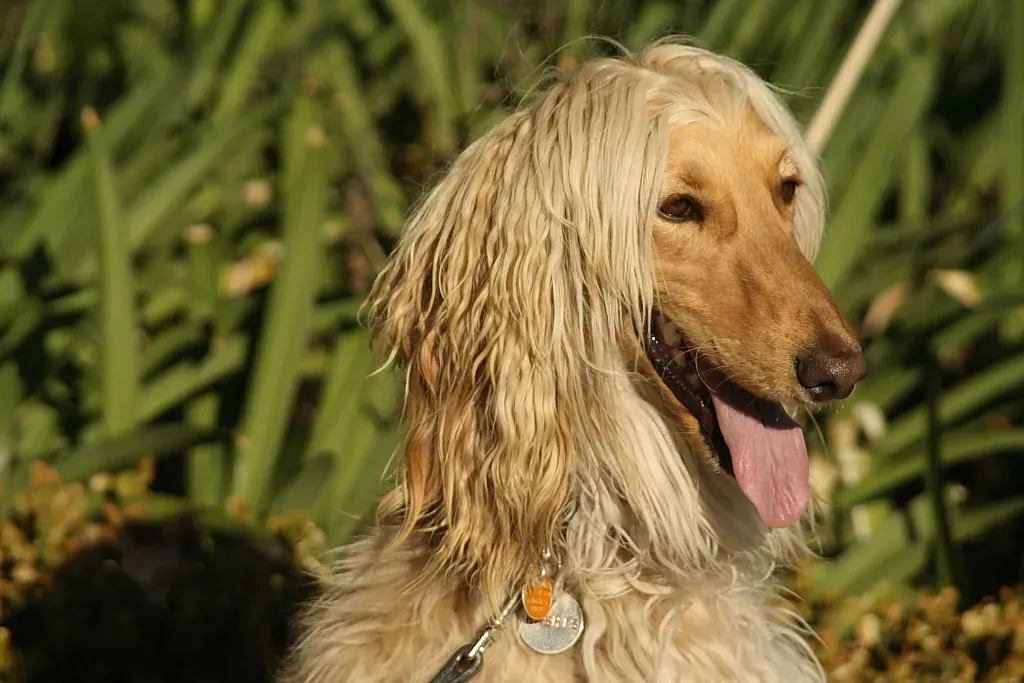
Those flowing, silky coats you see in dog shows? They’re absolutely stunning, no doubt about it. Afghan Hounds are renowned for their stunning, flowing coats and majestic appearance, but their long, silky coat requires careful grooming to prevent tangles and mats.
Afghan hounds need to have their long hair brushed for several hours a week to keep them free of tangles and matted clumps, and regular bathing with shampoo and conditioner is also required. Several hours per week. That’s not a typo. We’re talking about a serious time commitment just to keep them looking halfway decent.
Beyond grooming, these hounds have an independent streak that makes training challenging. They can be stubborn, requiring gentle and consistent techniques, and their temperament is independent and aloof, not always eager to please. So you’re combining intensive grooming needs with a dog who might not particularly care what you think about their behavior.
3. Siberian Husky: Beautiful Chaos In Fur Form
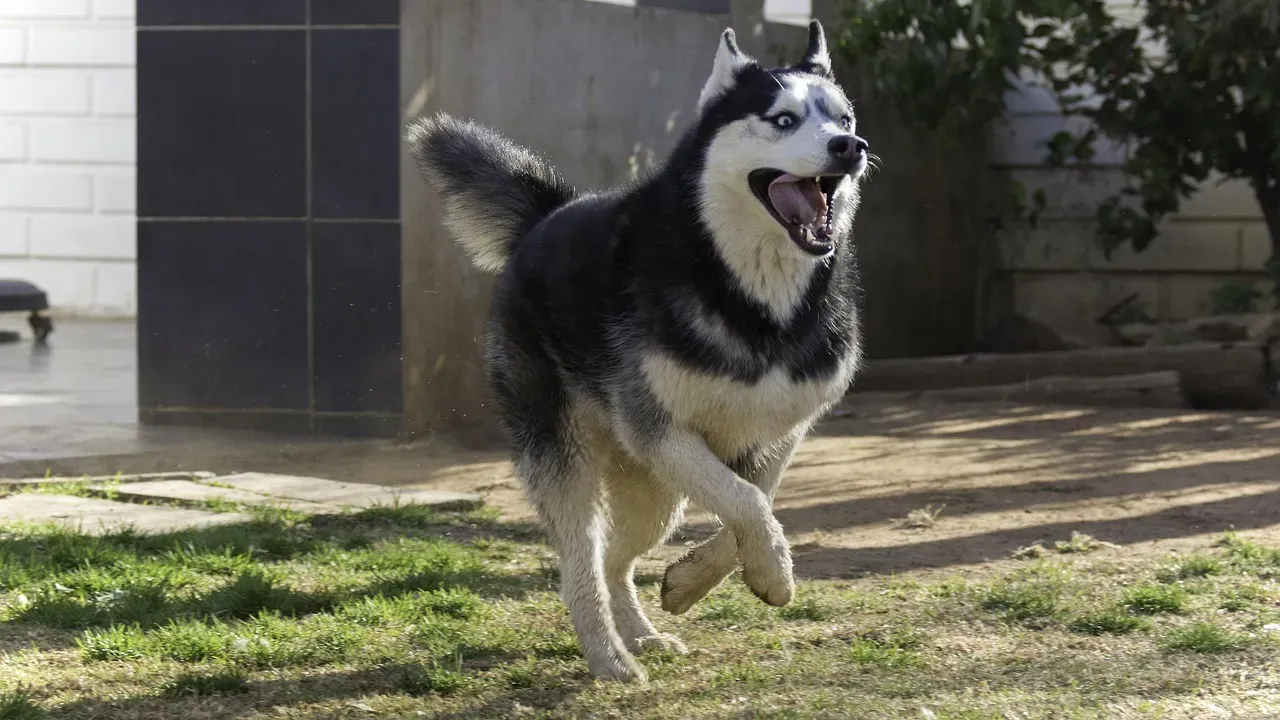
Built for endurance, Huskies are high energy dogs with a strong prey drive, and they also shed heavily and have a reputation for being escape artists. If you think a fenced yard will contain them, think again. These dogs can dig under, jump over, or simply outlast any barrier you create.
The shedding situation deserves its own warning label. Heavy seasonal shedding occurs as their undercoat blows twice a year. Your home will transform into a fur factory during these periods, coating everything you own in a layer of fluff.
These dogs are notoriously vocal, using howls and talking sounds to express themselves, and their stubborn streak often challenges first time owners who expect easy obedience, as managing their strong will requires patience and consistency. They’ll sing you the song of their people at three in the morning, and good luck explaining that to your neighbors.
4. Poodle: More Than Just A Pretty Haircut
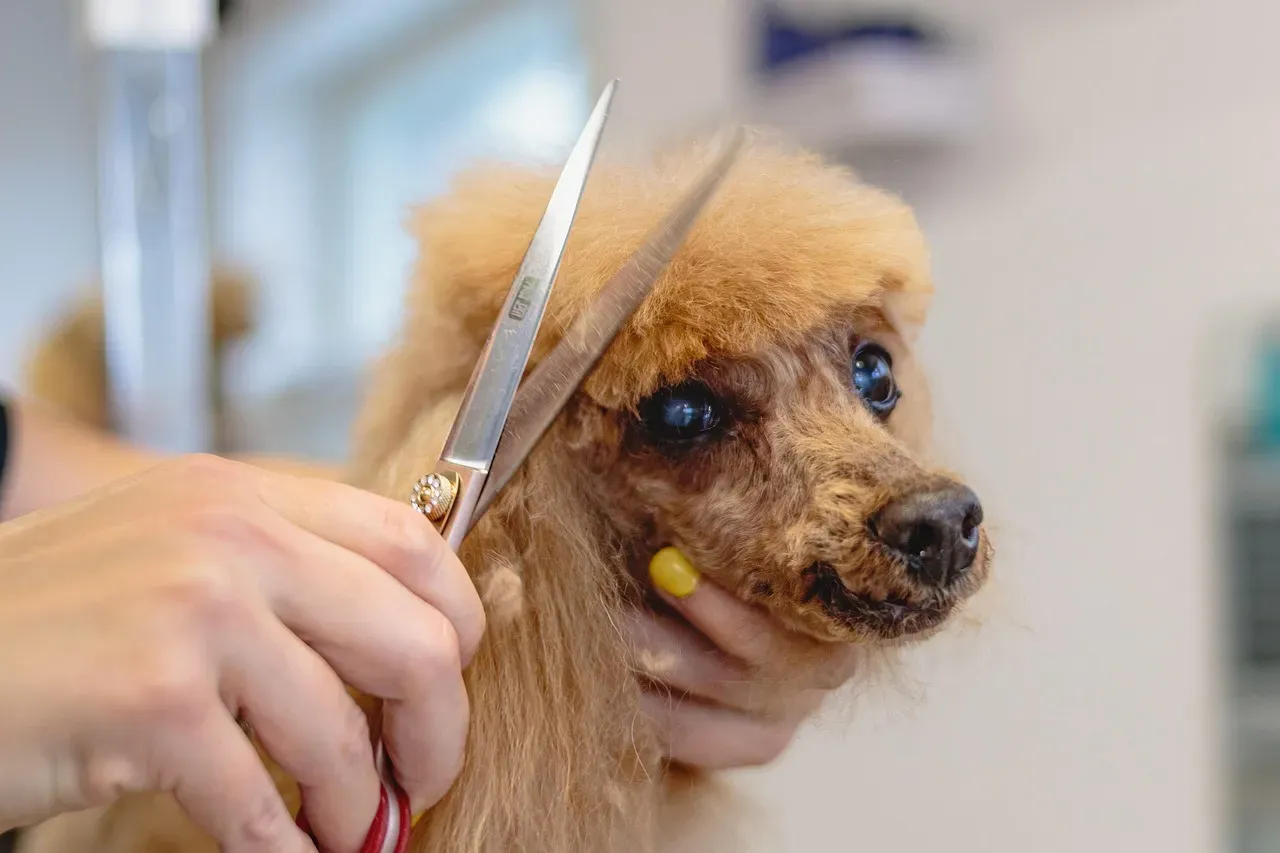
Whether you’re looking at Standard, Miniature, or Toy Poodles, the grooming requirements remain intense. Poodles have curly coats that grow quickly and tangle easily, and without regular grooming, their fur can become matted and uncomfortable, with professional grooming recommended every four to six weeks.
Here’s what catches people off guard. Standard Poodles are highly intelligent and athletic with a coat that demands regular professional grooming, and they need advanced training and enrichment to prevent anxiety and destructive behaviors. So you’re not just dealing with grooming bills, you’re also responsible for keeping that brilliant brain occupied.
They’re wonderful dogs, truly. They’re also demanding dogs who need physical exercise, mental challenges, and constant coat maintenance. Skip any of these elements and you’ll have an unhappy, potentially destructive companion on your hands.
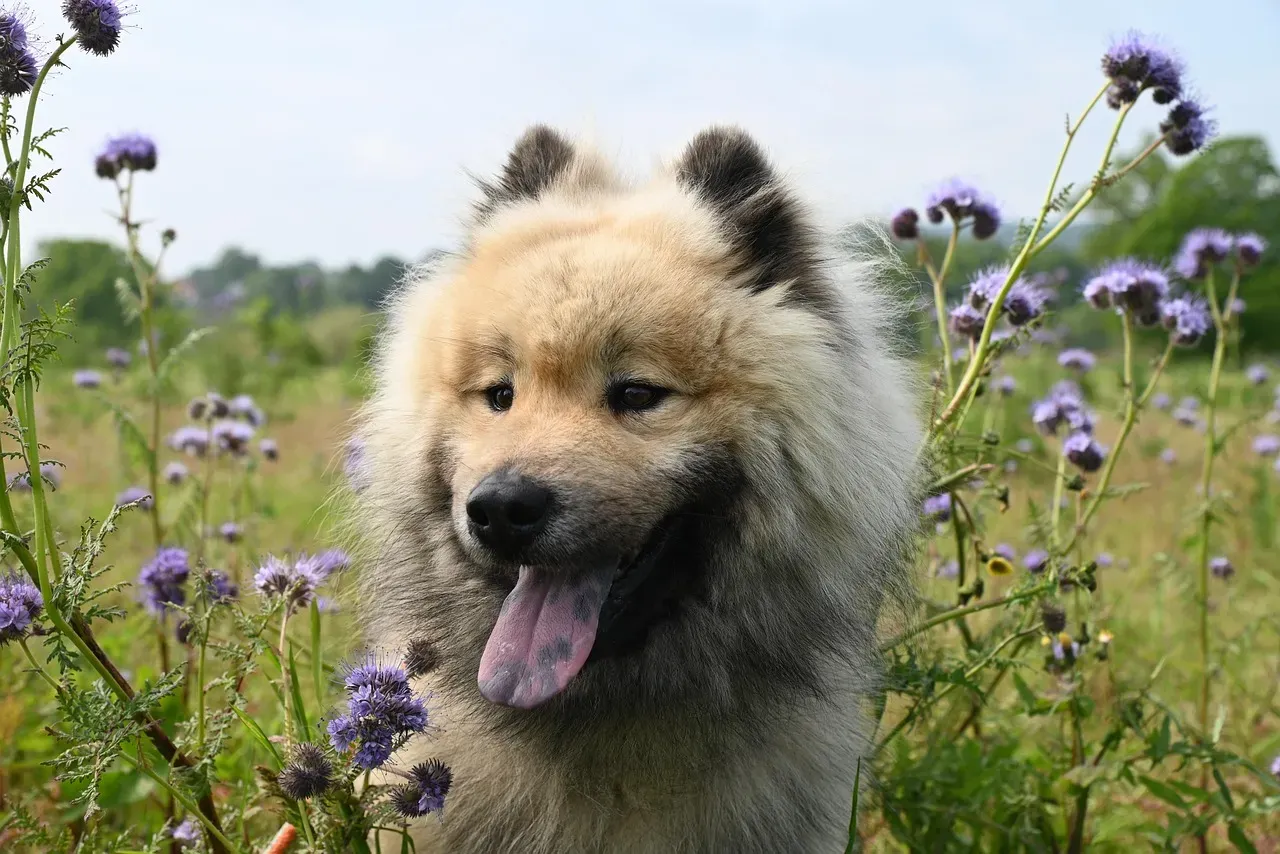
5. Chow Chow: The Fluffy Independent
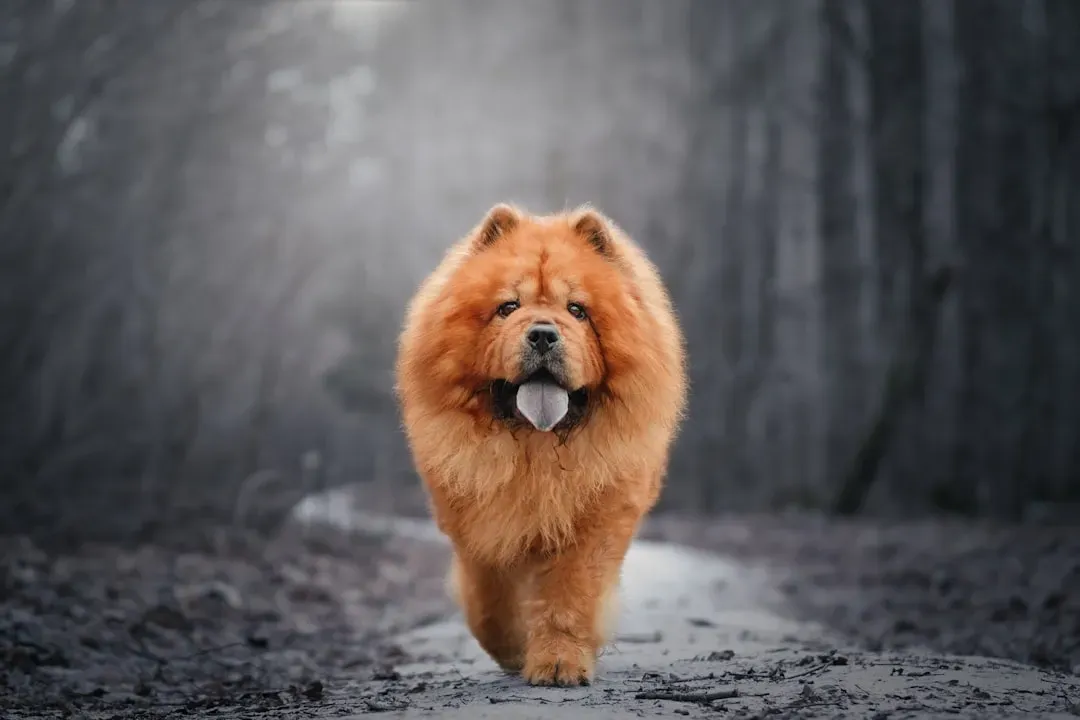
That lion like mane is adorable until you realize the work involved. Chow Chows are fluffy dogs that must be consistently groomed, and it’s crucial that their grooming routine starts early, including regular baths, brushing, and blow drying to help them get accustomed to the process.
Chow Chows have what’s called Chow attitude, as these dogs have a strong sense of self importance, and if they don’t feel like doing something, good luck changing their mind, making training a challenge especially for first time owners who aren’t used to handling stubborn breeds. It’s hard to say for sure, but I think this independent nature is both their charm and their challenge.
Beyond temperament, they are prone to joint issues, thyroid problems, and eye disorders, with a lifespan shorter than average, making preventive veterinary care essential, and grooming is also demanding due to their dense double coat. You’re looking at significant grooming time plus potentially hefty vet bills.
6. Old English Sheepdog: The Shaggy Maintenance Machine
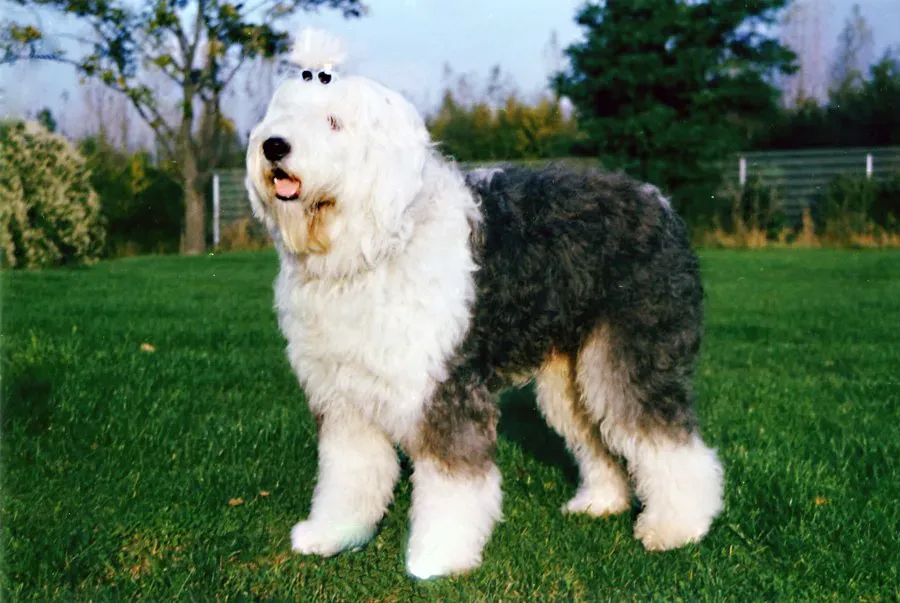
Old English Sheepdogs are fluffy and friendly, but their coats call for a significant amount of upkeep, as full body brushing several times a week is needed to prevent matting, or for easier maintenance, their coat can be trimmed shorter on a regular basis. Many owners opt for shorter cuts just to maintain sanity.
Even with regular brushing, these dogs accumulate debris in their coats like magnets. They have a dense, shaggy coat that requires high grooming frequency, and Old English Sheepdogs are large, active dogs that require plenty of exercise and mental stimulation to prevent boredom.
So you’re combining intensive grooming with high exercise needs. That’s a double whammy for anyone hoping for low maintenance. These gentle giants are lovely family dogs, yet they’re definitely not for the casual pet owner who wants simplicity.
7. Cocker Spaniel: Sweet Face, Serious Needs
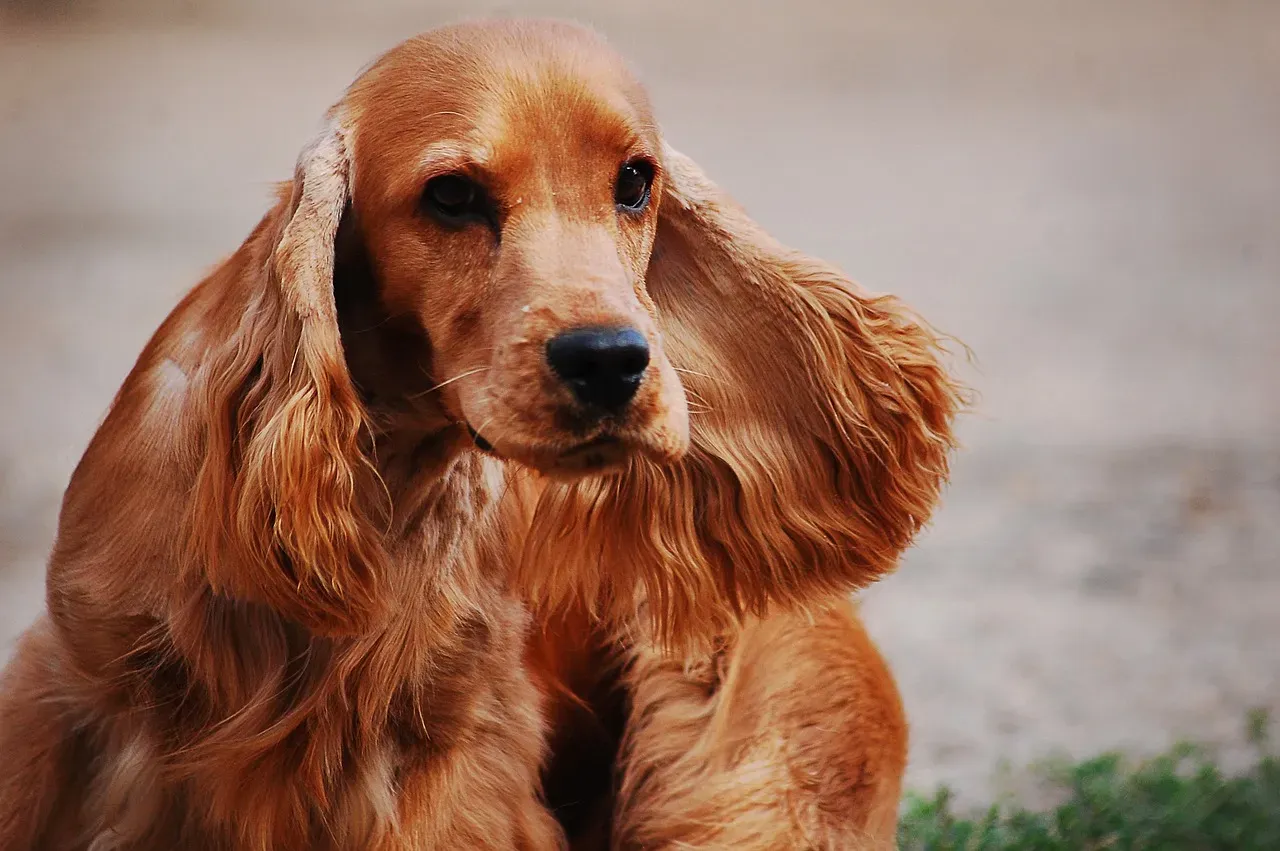
Known for their sweet disposition, Cocker Spaniels also need regular grooming and are prone to ear infections and other health concerns. Those gorgeous, floppy ears are actually a health liability that requires consistent attention.
Ear infections are common with Cocker Spaniels as moisture is trapped within the ear canal leading to infection, and drying their ears after exercise can help but some have oil glands which produce too much oil in their ears, further complicating their ear hygiene. You’ll need to monitor and clean those ears regularly to prevent painful infections.
The grooming situation extends beyond ears. Grooming a Cocker Spaniel is a high maintenance task which often requires weekly grooming time, their flowing locks require regular attention including bathing and trimming, and as a breed they tend to shed more than other breeds, with many owners relying on regular visits to their groomer, sometimes as much as twice a month. That’s a significant financial and time investment.
8. Akita: The Strong Willed Guardian
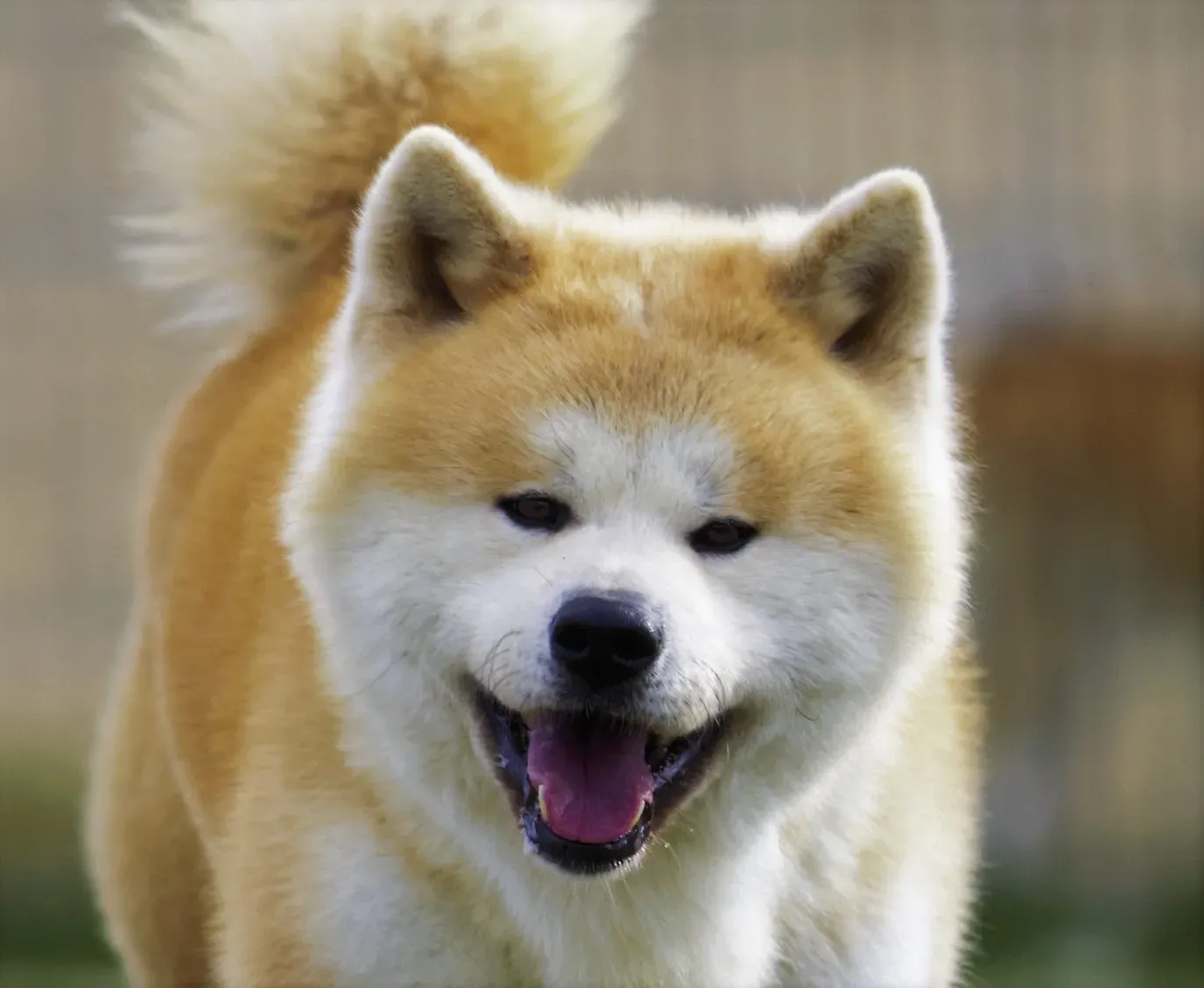
Akitas are strong willed and protective, and their thick coats require seasonal grooming while their independence calls for experienced handlers. These are not beginner friendly dogs, despite their undeniable beauty and loyalty.
Akitas were bred to hunt big game, so they have a strong prey drive and can be aggressive if not adequately socialized and trained, as they’re highly protective by nature, often wary of strangers and do not always get along with other dogs, so it takes an experienced pet parent to keep Akitas grounded and trained.
Beyond training challenges, hip dysplasia is common in Akitas, mainly due to them being a large breed so they are prone to joint conditions. You’re looking at potential health expenses on top of the training and socialization investment these dogs require.
9. Australian Shepherd: The Perpetual Motion Machine
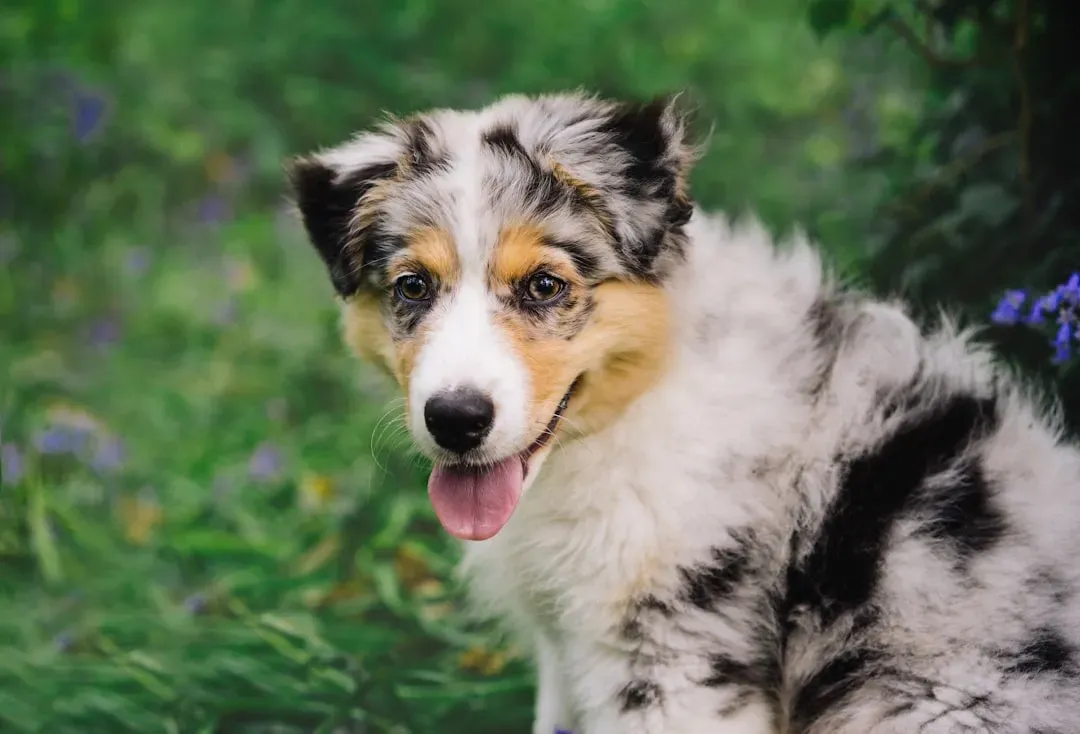
Australian Shepherds have striking, multicolored coats and are known for their intelligence and herding instincts, their medium length, weather resistant coat demands regular grooming to remove loose fur, and they are highly intelligent and energetic dogs that need plenty of physical and mental exercise to prevent boredom and destructive behaviors.
These dogs were bred to work livestock all day long. That energy doesn’t magically disappear when they’re living as pets. Without adequate physical and mental stimulation, they’ll find their own entertainment, which rarely aligns with what you’d prefer.
The herding instinct can manifest in challenging ways around children or other pets. They might nip at heels or try to control movement, behaviors that require consistent training to manage. These are fantastic dogs for active families who understand their needs, yet they’re overwhelming for anyone wanting a relaxed companion.
10. Dalmatian: The High Energy Spotted Beauty
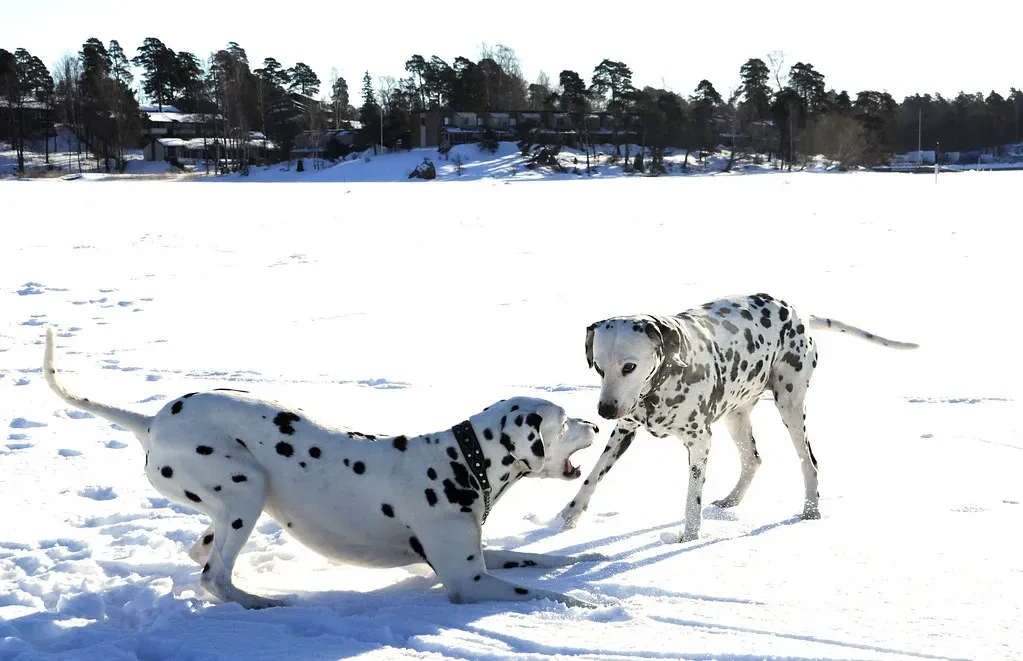
Those spots are iconic, and Dalmatians are undeniably handsome dogs. A protective, loyal dog that’s apt to cuddle with its favorite people is the Dalmatian, yet while their personalities are bright, their needs are also high, as this breed was used as carriage dogs, including for firemen, so they love a good run and have a lot of energy to burn.
Training presents unique challenges. Training a Dalmatian can be rewarding but requires patience, as while they are eager to please, their excitement and energy can make focus difficult, and structured, positive training paired with mental stimulation works best. You’ll need consistency and dedication.
Health is generally solid, but the breed is prone to urinary issues and deafness, and responsible breeders screen for these conditions, yet prospective owners should be prepared for ongoing health monitoring. Between exercise demands, training needs, and health considerations, Dalmatians are far from low maintenance despite their medium size.
Conclusion: Love Isn’t Always Enough
Here’s what I’ve learned after years around dogs. Every single breed mentioned here can make an incredible companion for the right person. They’re loyal, loving, and bring so much joy to families who understand their needs.
The problem arises when we fall in love with a look or an idea without understanding the reality. That gorgeous Afghan Hound requires hours of weekly grooming. That brilliant Border Collie needs a job or they’ll create their own, usually involving your belongings. Those health issues in certain breeds aren’t just possibilities, they’re probabilities that come with financial and emotional costs.
If you’re truly wanting low maintenance, consider breeds with shorter coats, moderate energy levels, and fewer breed specific health concerns. Talk to breeders, visit shelters, and be honest about your lifestyle. A mismatch benefits no one, least of all the dog who deserves a home that can meet their needs without resentment.
What’s your experience with high maintenance breeds? Have you found ways to manage that work better than expected, or did you learn the hard way like so many of us do? Either way, the most important thing is finding the right match for your life.


