
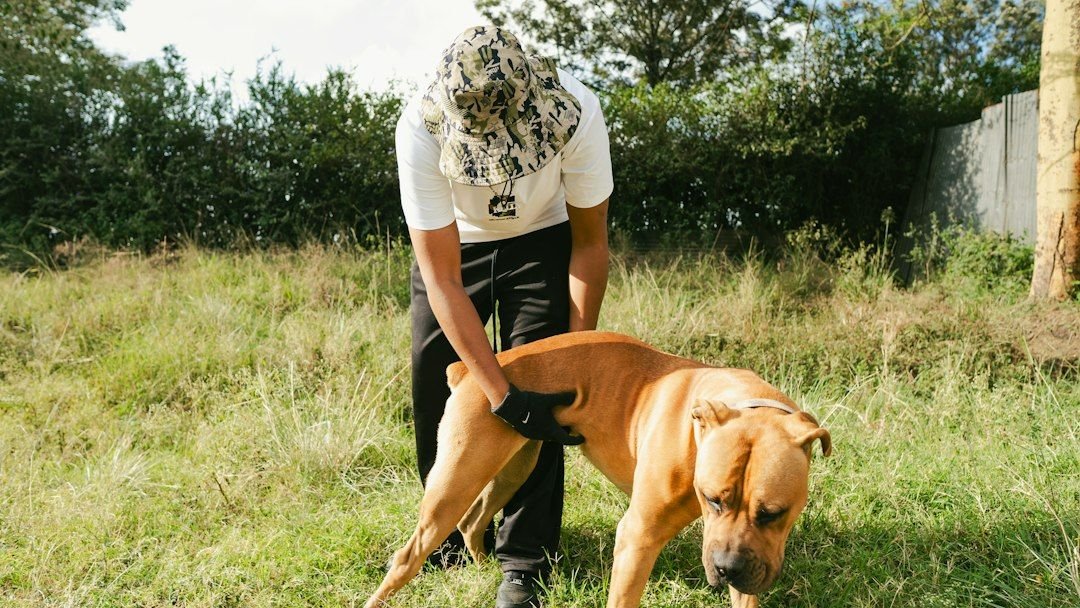
You already give your dog food, shelter, and plenty of belly rubs. You walk them daily and keep up with vet appointments. Yet sometimes, when you catch your dog staring at you with those soulful eyes, it feels like they’re trying to tell you something more. What is it they’re really longing for?
The truth is, our dogs have emotional and psychological needs that go far beyond basic care. They experience the world differently than we do, and despite all our best efforts, we sometimes miss the subtle signals they’re sending. So let’s dive into what your furry companion truly wishes you understood about their inner world.
Listen to Their Body Language More Carefully
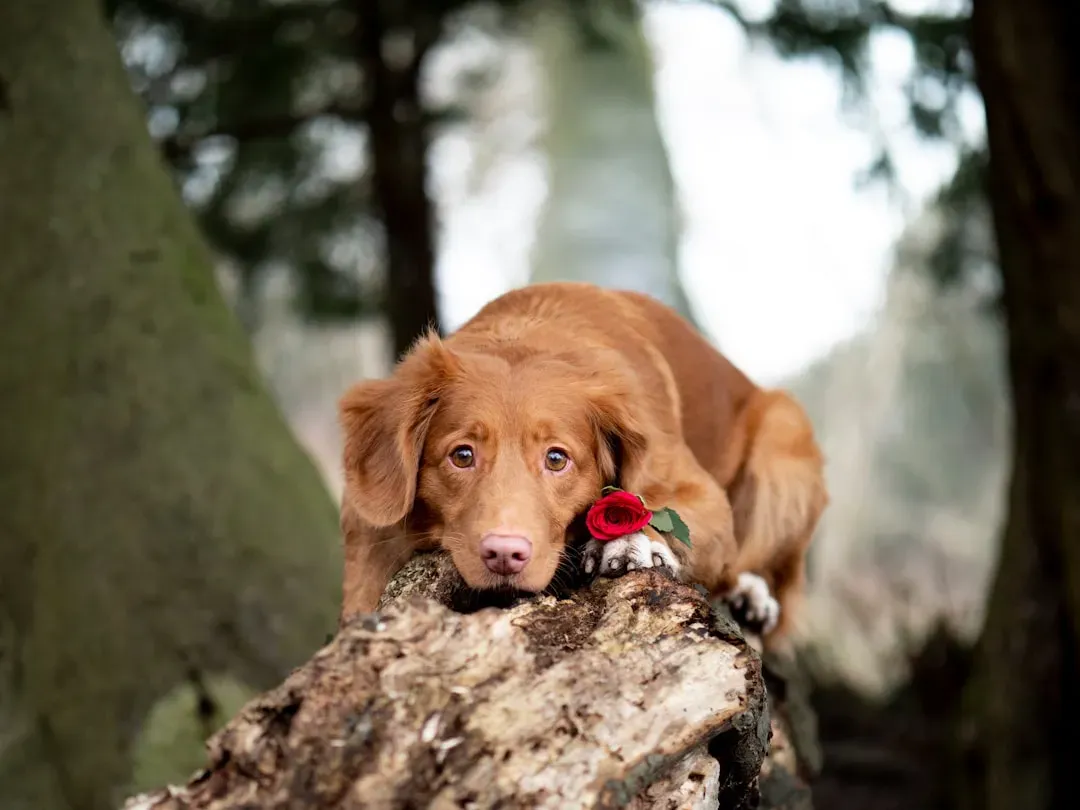
Learning how to decode your dog’s signals is an important step in understanding issues surrounding their happiness, stress and health. Your dog talks to you constantly, just not with words. Every tail position, ear flick, and lip lick carries meaning.
One of the most important ways of preventing unwanted aggressive behaviors in dogs is for owners to educate themselves about canine body language so they can better recognize emotions like fear before it turns into aggression. Think about it. When your dog turns their head away during petting, they might not be playing coy. They could be politely asking for space.
A key sign is found in circular wags – if your dog is wagging its tail in a circle, it is showing you that it is very happy and joyful. Conversely, a frightened dog may tuck his tail, while an alert or nervous dog will carry its tail high and possibly wag it vigorously. Not all tail wags mean happiness, yet so many of us assume they do.
Similar to shaking off water from the pool, dogs also give a shake to reduce tension or stress from their bodies. When you start recognizing these subtle cues, you become fluent in a language you never knew you were missing. Your dog will feel truly seen and understood.
Let Them Sniff to Their Heart’s Content
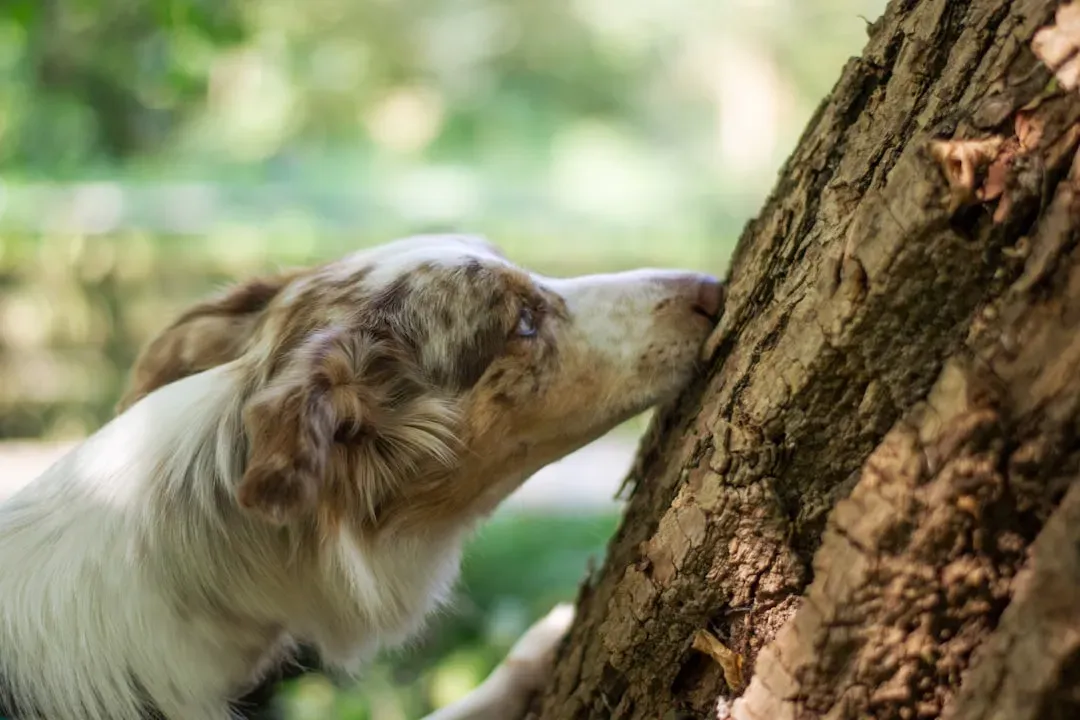
Here’s the thing. While we’re rushing through our daily walk trying to hit our step count, our dogs are missing out on their version of reading the morning newspaper. A dog’s primary sense is smell. A fast-paced walk does almost nothing for their brain.
Twenty minutes of intense sniffing is more mentally exhausting for a high-energy dog (like a Border Collie) than an hour of mindless running. Let that sink in. Those few minutes you spend waiting while your dog investigates a fire hydrant aren’t wasted time. They’re cognitive gold.
Whether you’re playing indoor scent games or you’re out on a walk, it’s incredibly important to allow your dog to use their nose. Sniffing can be stimulating and calming and allows your dog to gather information on their environment. The act of sniffing, central to most enrichment tasks, has a particularly calming effect on the canine nervous system. In fact, “nose work” has been shown to regulate heart rate and promote relaxation.
Next time your dog wants to spend five minutes investigating one patch of grass, resist the urge to tug the leash. It lowers arousal levels and creates a calmer dog at home.
Challenge Their Brain with Mental Enrichment
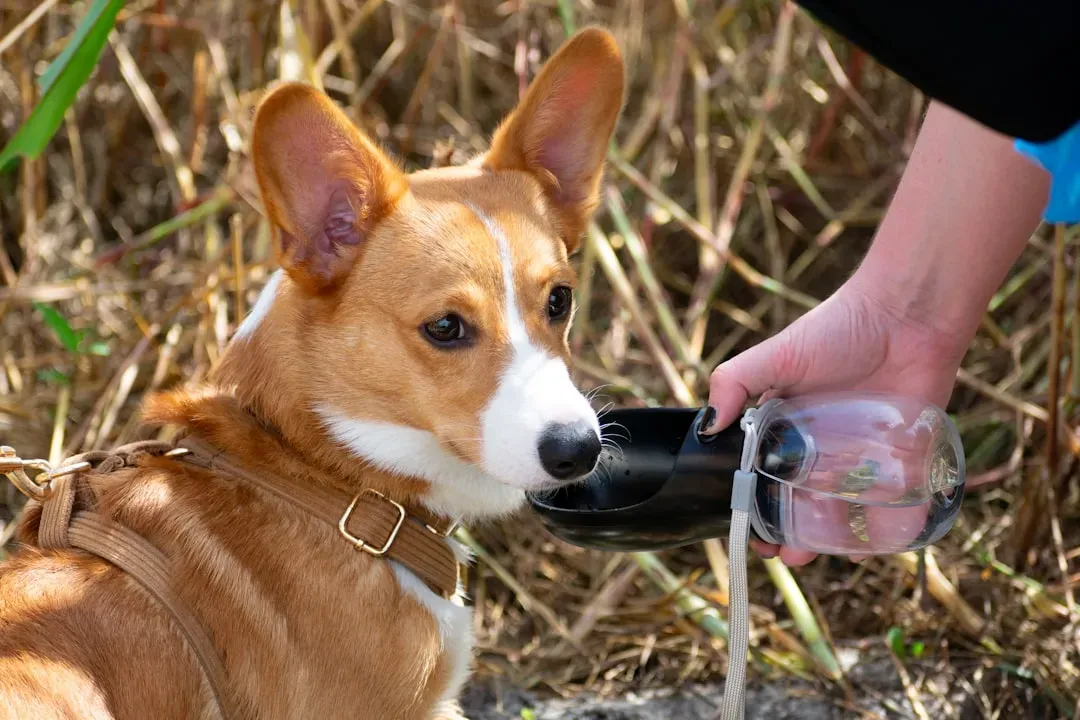
It’s an outdated viewpoint to think that dogs just need a walk or two a day to be content. Without different forms of mental stimulation, dogs can begin to show signs of behavioural issues, such as anxiety and frustration, which can have a huge impact on their mental wellbeing.
Your dog’s brain is wired to solve problems, hunt, and work. Dogs are intelligent, active, and social animals. They’re wired to explore, solve problems, and interact with their surroundings in ways that go far beyond a quick daily walk. Without regular mental and physical stimulation, dogs can become bored, anxious, or even develop unwanted behaviors such as excessive barking or chewing furniture.
The good news? Enrichment doesn’t have to be elaborate or time-consuming. Even small, thoughtful activities can make a big difference in your dog’s quality of life. Puzzle feeders, snuffle mats, and hide-and-seek games tap into their natural instincts. Puzzle feeders and training games exercise the brain and may help reduce cognitive decline in aging dogs.
Many owners report fewer hyperactive episodes or anxiety-driven behaviors when their mind is engaged regularly. Think of mental enrichment like a crossword puzzle for your dog. It tires them out in the best possible way.
Respect Their Need for Predictable Routines
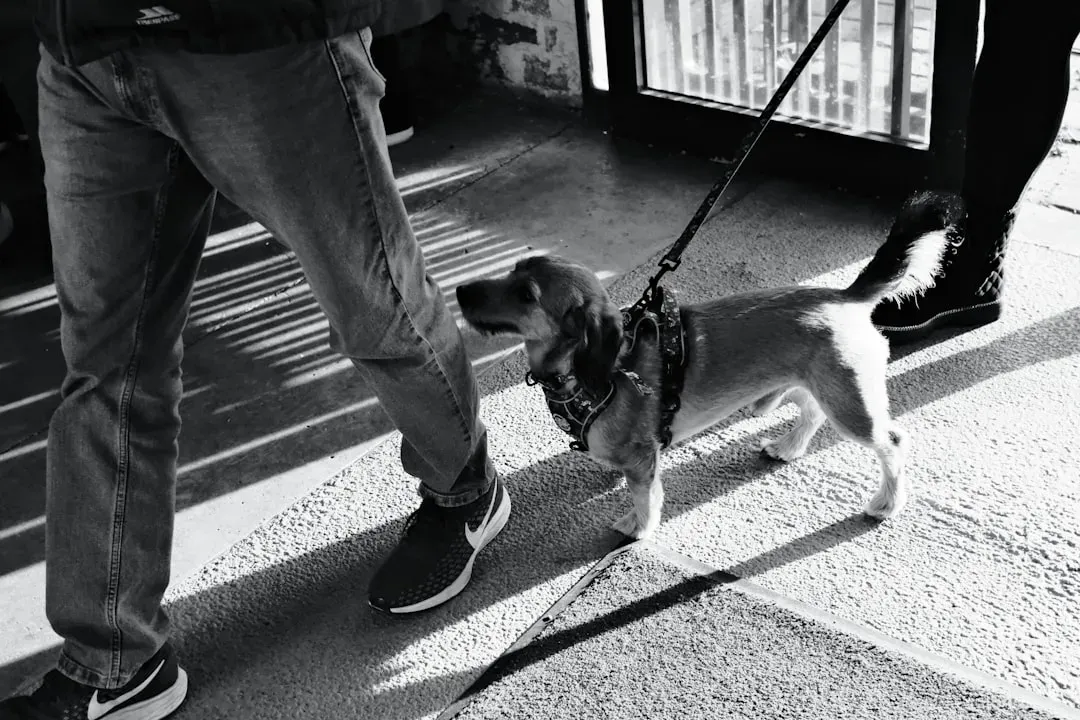
Dogs thrive on knowing what comes next. While we might crave spontaneity and adventure, your dog finds security in routine. It’s not about being boring. It’s about creating a world where they feel safe and confident.
When feeding times, walk schedules, and bedtime rituals stay consistent, your dog experiences less anxiety. They can anticipate their day, which reduces stress hormones and helps them relax. Imagine if you never knew when your next meal would arrive or if your home would suddenly change location. You’d feel pretty unsettled too.
This doesn’t mean you can’t introduce new experiences. It just means those new experiences should happen within a framework of reliability. Your dog will be braver trying new things when they know their home base remains stable.
Some dogs become visibly anxious when their schedule shifts unexpectedly. They might pace, whine, or even refuse to eat. These aren’t acts of defiance. They’re expressions of confusion and worry.
Give Them a Job That Matches Their Nature
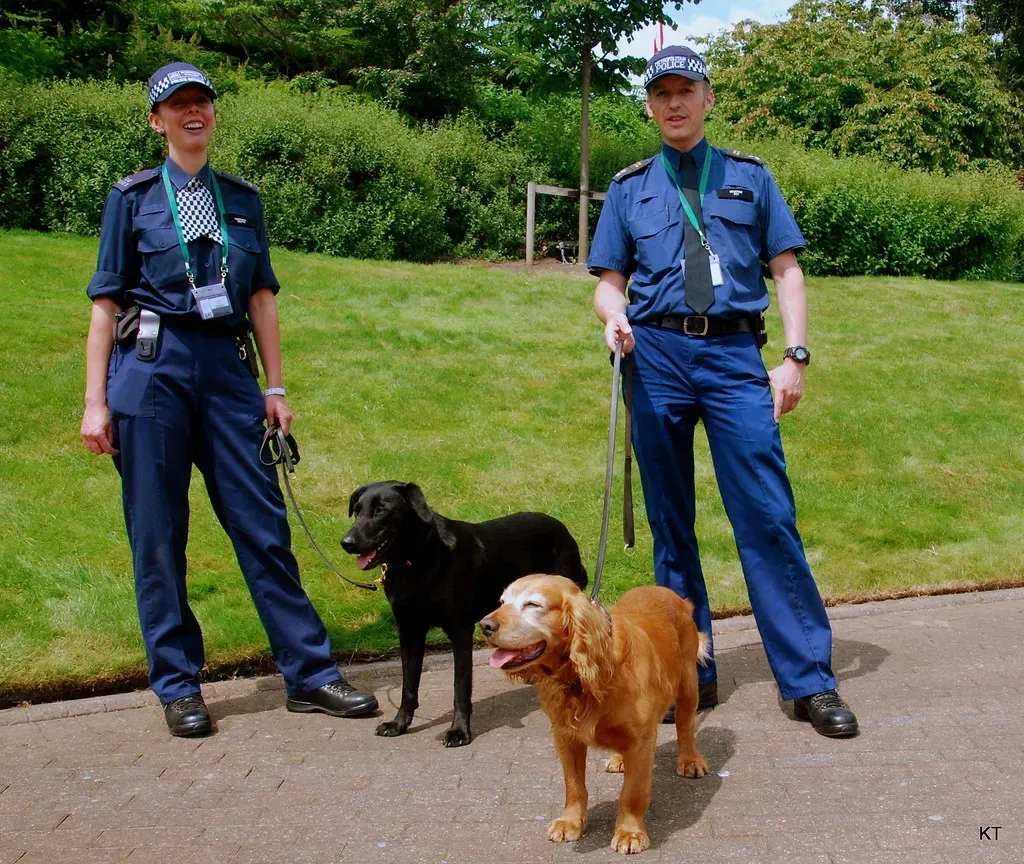
Stop trying to force your dog into a “pet” mold and satisfy the job their DNA is screaming for. Every breed was developed for a specific purpose, and those instincts don’t just vanish because your dog lives in an apartment instead of on a farm.
Bad behaviors (chewing shoes, barking at windows) are often just misdirected biological needs. Fulfill the need, and the “bad” behavior vanishes. Herding breeds need to solve problems and use their brains intensely. Scent hounds need to track and follow their noses. Retrievers need to carry and fetch things.
If you have a high-drive Border Collie, looking into sheep herding opportunities or other outlets to redirect their herding instincts can make for a calmer and happier dog. Even simple modifications help. Teaching your retriever to bring you items around the house, setting up scent games for your hound, or creating agility challenges for your terrier can transform their behavior.
When you honor what your dog was bred to do, you’re not just keeping them busy. You’re allowing them to express their authentic selves. That’s deeply fulfilling for any living creature.
Prioritize Quality Time Over Quantity
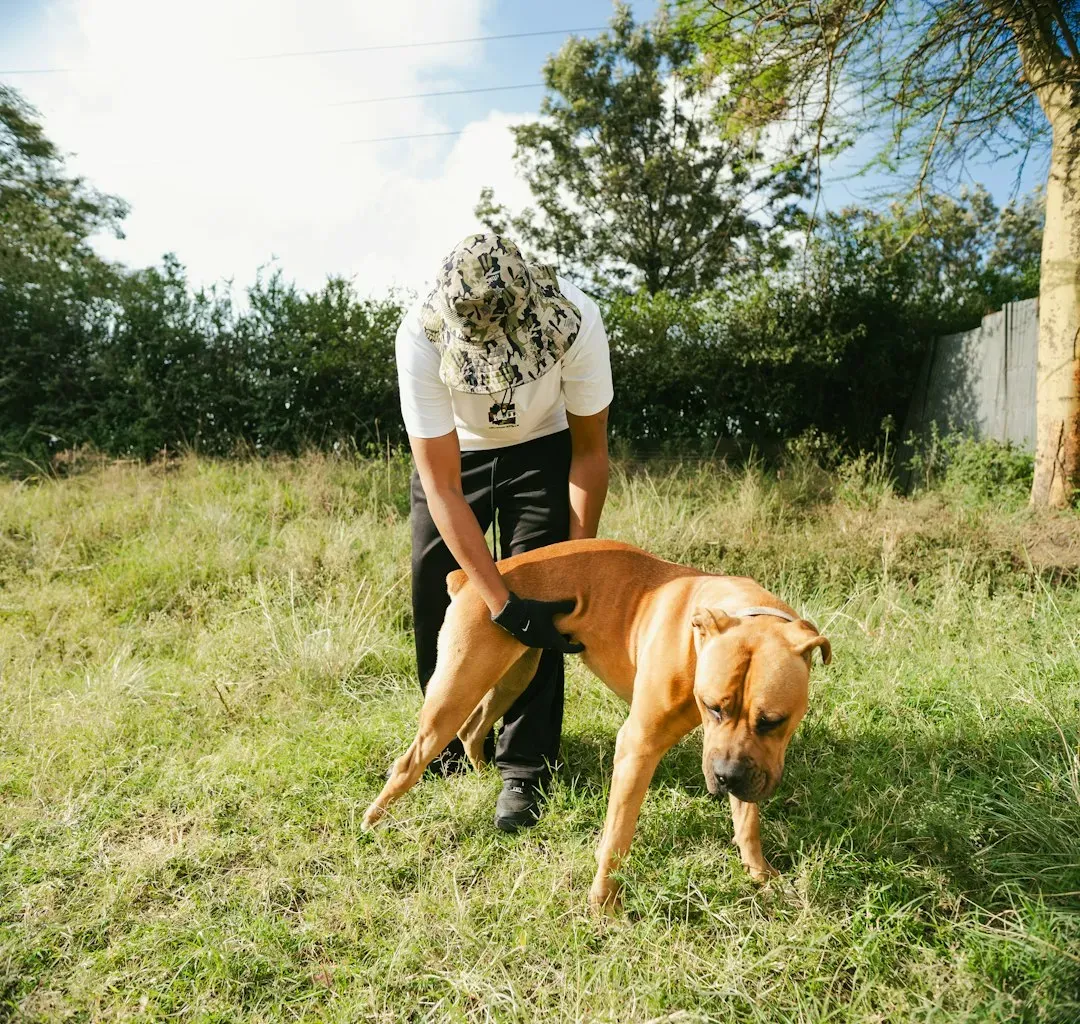
Human interaction is the most enriching experience they can have. Whether you’re playing, training, or simply relaxing together, you are your dog’s favorite part of their world. It sounds sentimental, but it’s backed by research and observation.
Your dog doesn’t care if you’re scrolling your phone while sitting next to them on the couch. They want your full attention, even if just for short bursts. Ten minutes of engaged play, training, or petting beats hours of distracted coexistence.
Make eye contact. Use an enthusiastic voice. Get down on the floor and truly interact. Set aside time each day for play sessions. It’s fun, provides an outlet for your pup’s energy, and strengthens the bond between you.
Dogs are acutely aware of when we’re mentally present versus when we’re just going through the motions. They notice the difference between a quick head pat while you’re rushing out the door and a slow, deliberate scratch behind the ears while you’re looking into their eyes. Honestly, they deserve those moments of undivided attention more than we realize.
Understand That Rest and Calm Are Just as Important

We often focus on exercise and stimulation, which are crucial. Yet we forget that dogs also need help learning how to settle and be calm. In a study published in the Journal of the American Veterinary Medical Association, shelter dogs given enrichment activities twice a day spent 65% more time resting quietly after just three days.
This reveals something important. Proper stimulation actually teaches dogs how to rest better. When their needs are met through appropriate mental and physical activity, they can truly relax instead of remaining in a constant state of low-level anxiety or boredom.
Create calm spaces in your home where your dog knows they can retreat. Respect those spaces. Don’t constantly interrupt their rest with demands for attention or play. Dogs need downtime to process their experiences and recharge, just like we do.
Some high-energy dogs struggle with an off-switch because they’ve never been taught that calm behavior is valuable too. Rewarding your dog for lying quietly, practicing relaxation protocols, and modeling calm energy yourself all help. Your dog wishes you understood that sometimes the best thing you can do is simply let them be peaceful.
Conclusion
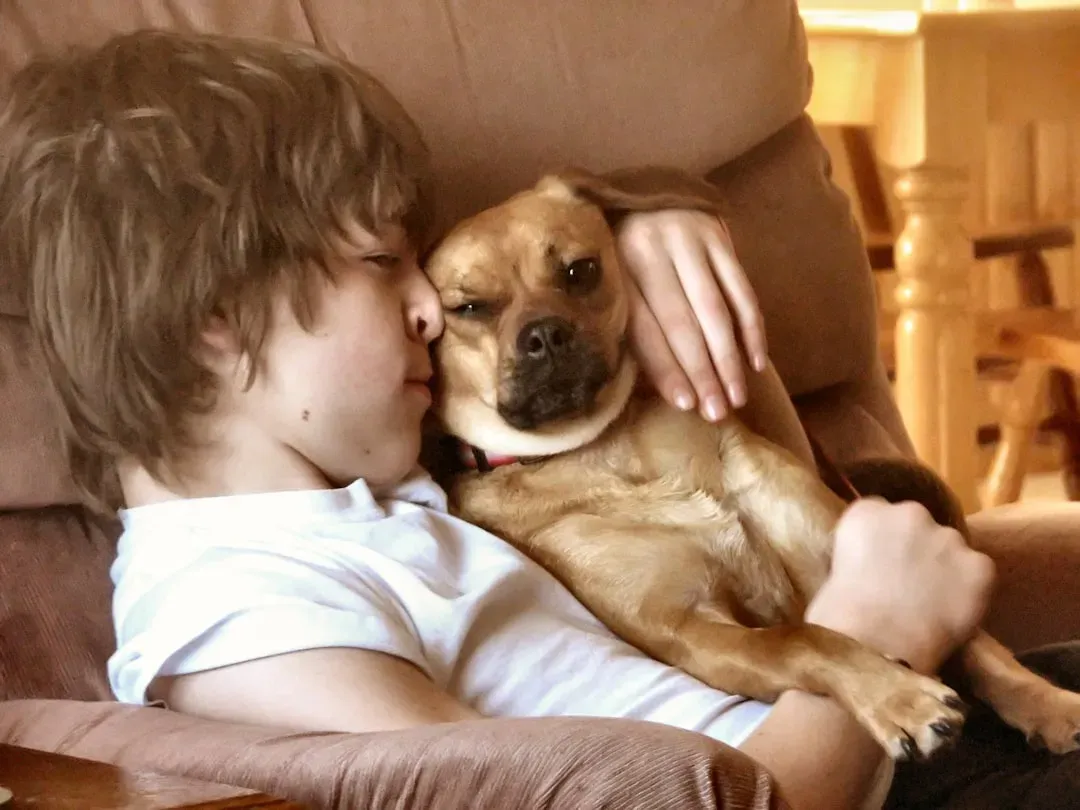
Your dog’s wishes aren’t complicated or expensive. They don’t need the fanciest toys or gourmet meals. What they truly long for is your understanding, your attention, and your willingness to see the world through their eyes.
When you learn their language, honor their instincts, engage their minds, and give them your genuine presence, you’re not just meeting their needs. You’re building a relationship based on mutual respect and deep connection. That’s what transforms a good dog-owner relationship into something truly extraordinary.
What small change could you make today to better understand what your dog is telling you? Sometimes the simplest shifts create the biggest impact in their daily happiness.


