
Most of us feed our dogs, take them to the vet when something seems off, and maybe toss a ball around the yard when we have time. We assume that’s enough. Here’s the thing, though: veterinarians are increasingly pointing out that the bare minimum isn’t cutting it when it comes to real canine happiness. Sure, your dog isn’t complaining, but that doesn’t mean they’re truly thriving.
Dogs need more than food and shelter to be happy. There’s a growing understanding among animal health professionals that our furry companions require specific daily experiences to feel fulfilled, not just physically healthy. Dr. Deianira Huettenmoser, a veterinarian at Art City Vets, recently shared insights that might make you rethink your daily routine with your pup. What she emphasizes isn’t complicated or expensive. It’s surprisingly simple, yet most of us overlook it.
Daily Physical Movement Is Non-Negotiable

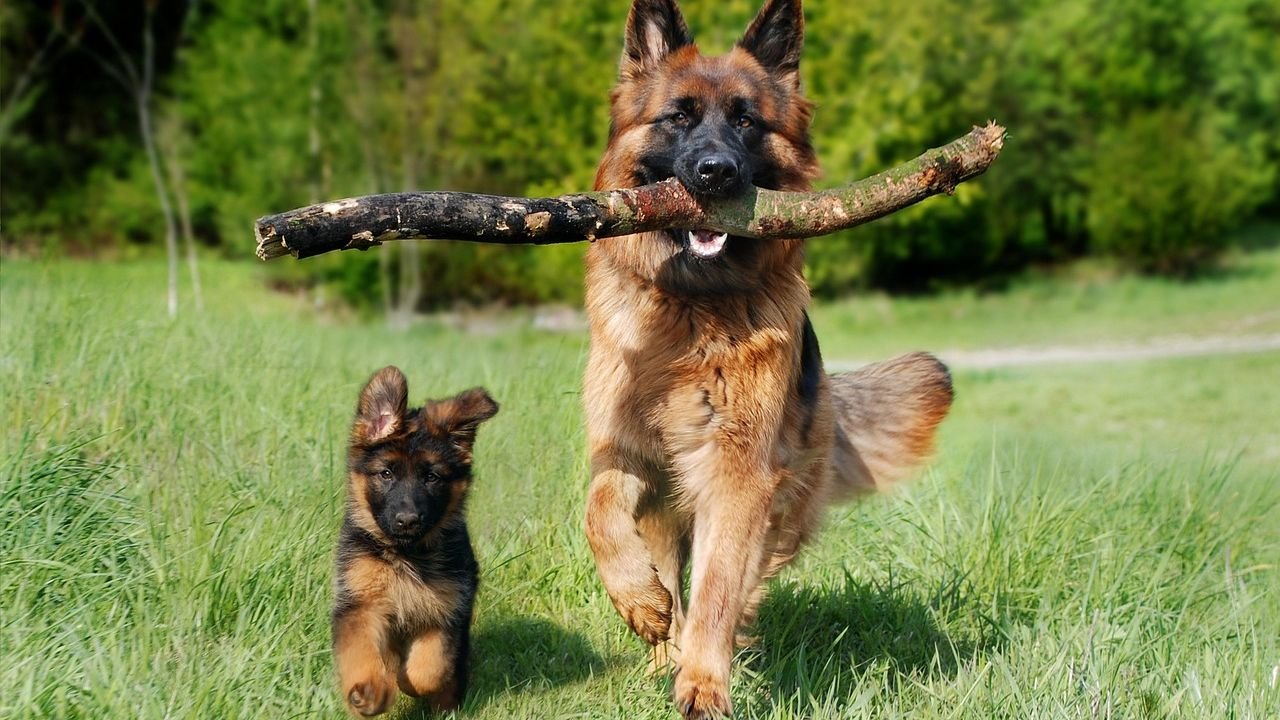
Let’s be real: exercise isn’t optional. Regular walks or playtime can help maintain a healthy weight, support joint and heart health, and reduce anxiety and boredom-related behaviors like chewing or excessive barking. Think about how restless you feel after sitting all day. Dogs experience that same pent-up tension, except they can’t exactly grab their car keys and head to the gym.
Exercise is equally important for a dog’s mental well-being. Physical activity stimulates the release of endorphins – natural chemicals that create feelings of happiness. This “runner’s high” helps reduce stress and anxiety in dogs, calming restless or hyperactive behavior. It’s not just about burning calories. Movement literally changes your dog’s brain chemistry, making them calmer and more content. Honestly, the difference between a walked dog and a cooped-up dog is night and day.
Mental Engagement Matters More Than You Think
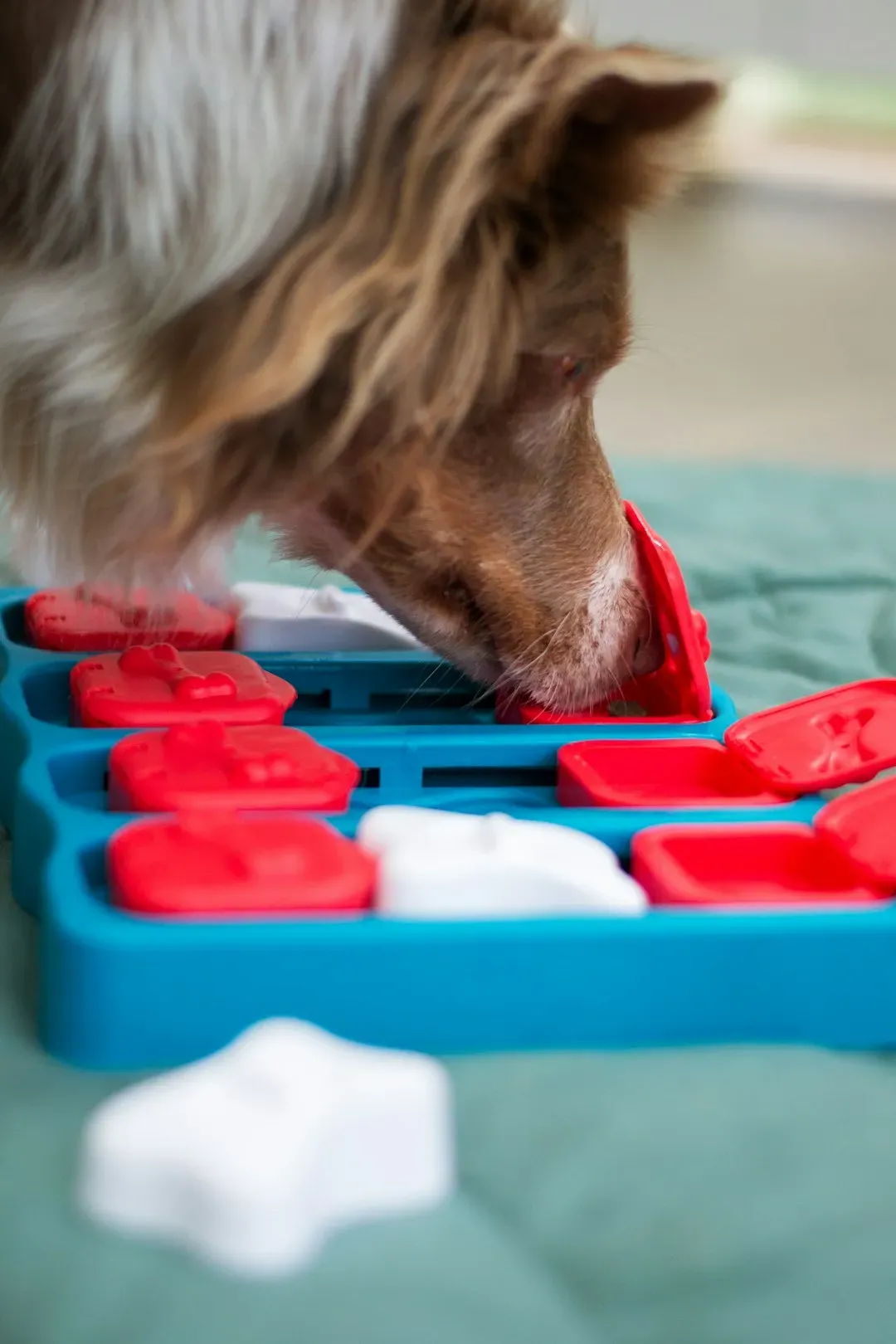
Physical exhaustion alone won’t cut it. Huettenmoser said, adding that mental stimulation is a daily must. A mentally engaged dog is typically calmer, more confident, and less prone to destructive habits. “This type of mental enrichment helps prevent boredom, supports cognitive health, and strengthens the bond between dogs and their humans,” she said. Your dog’s brain needs a workout just as much as their legs do.
Mental stimulation can be something as straightforward as puzzle toys, sniffing games, or teaching a new trick. I know it sounds crazy, but letting your dog spend extra time sniffing during walks actually counts as brain exercise. They’re processing information, solving little mysteries with their nose, and it tires them out mentally. Mental stimulation is important for dogs to avoid serious health concerns. A dog who doesn’t get enough mental stimulation can end up getting chronic boredom, which can lead to more concerning conditions such as depression and anxiety.
Social Connection Is a Core Emotional Need
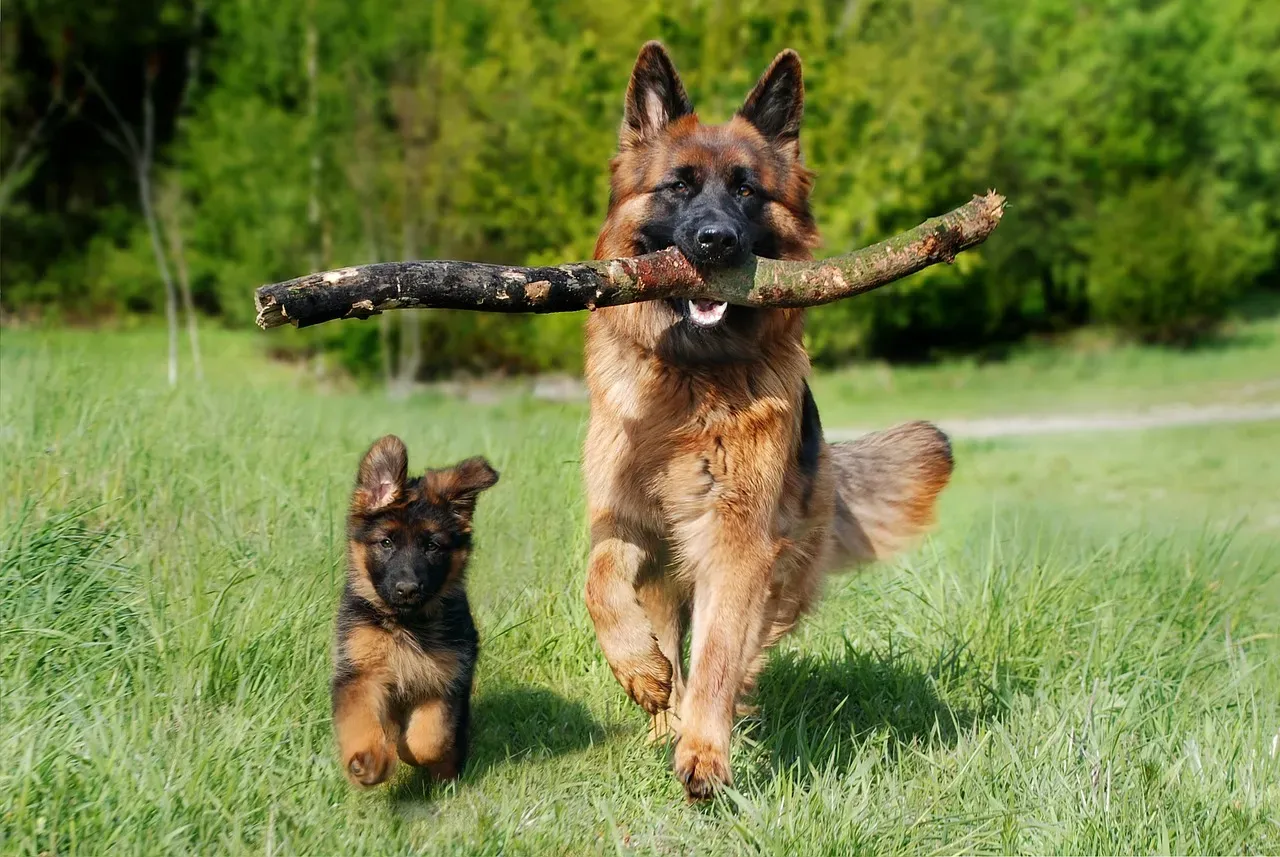
Equally essential is social connection. Dogs are highly social animals, and Dr. Huettenmoser notes that they thrive on positive interaction with both people and other dogs. This isn’t about spoiling your dog with constant attention. It’s about recognizing that connection is hardwired into their nature.
Daily engagement – whether through play, affection, training, or simply being together – helps dogs feel secure and emotionally fulfilled. This sense of connection reduces stress and contributes significantly to their overall quality of life. Even just sitting together quietly can be meaningful. For many dogs, companionship is not a luxury but a core emotional need. Think of it like this: you wouldn’t want to spend all day alone in an empty house either. Neither does your dog.
Consistency Ties Everything Together

Here’s where things get interesting. You can do all three things – exercise, mental stimulation, and connection – but if you’re inconsistent, the benefits diminish. Dr. Huettenmoser stresses that one more factor ties everything together: consistency. “Dogs feel safest and happiest when their daily needs are met in predictable, positive ways. While food and medical care are foundational, daily movement, mental engagement, and connection are what truly help dogs thrive,” she said.
Dogs are creatures of routine. They don’t understand why yesterday they got a long walk and today they’re stuck inside. That unpredictability creates anxiety. When you build these three essentials into your daily rhythm, your dog knows what to expect and can relax into that structure. It’s hard to say for sure, but I think consistency might be the secret ingredient that makes everything else work.
Why These Three Elements Work Together

The beauty of this approach is that none of these essentials exist in isolation. Dogs that get enough mental and physical stimulation tend to be happier, more obedient, and more focused. Physical activity opens the door for social interaction at the park. Mental games strengthen your bond, which deepens social connection. Everything overlaps.
Exercise isn’t just a way to keep your dog in shape – it’s also a vital part of their emotional well-being. By providing regular physical activity, you’ll see improvements in their behavior, mood, and overall happiness. The three pillars reinforce each other. When one is missing, the whole structure wobbles. When all three are present daily, you’re likely to notice a dog who’s not just surviving, but genuinely thriving.
Small Daily Actions Create Long-Term Happiness

It’s tempting to think happiness requires grand gestures or expensive toys. The reality is far simpler and more accessible. Daily movement doesn’t mean marathon runs. Mental engagement doesn’t require fancy equipment. Social connection doesn’t demand hours of playdates. Small, consistent efforts add up.
What matters is showing up for your dog every single day with these three things in mind. A 20-minute walk where they can sniff freely. A quick training session with treats. Ten minutes of genuine play or cuddle time. That’s it. It also provides mental stimulation, a healthy distraction, and a sense of routine, helping to reduce anxiety and stress. Regular exercise will help regulate your pet’s energy level and allow them to relax and sleep better. The transformation might surprise you.
Conclusion

The three daily essentials Dr. Huettenmoser highlights – physical movement, mental engagement, and social connection – aren’t revolutionary concepts. Yet they’re often overlooked in the daily grind of life. When you commit to making these non-negotiables, you’re not just preventing bad behavior. You’re creating the conditions for genuine canine happiness.
Your dog doesn’t need perfection. They need presence, consistency, and effort. What’s remarkable is how little time these essentials actually require when you build them into your routine. The payoff? A calmer, more confident, emotionally fulfilled companion who actually enjoys life instead of just existing through it. Did you expect that happiness could be this straightforward?


