
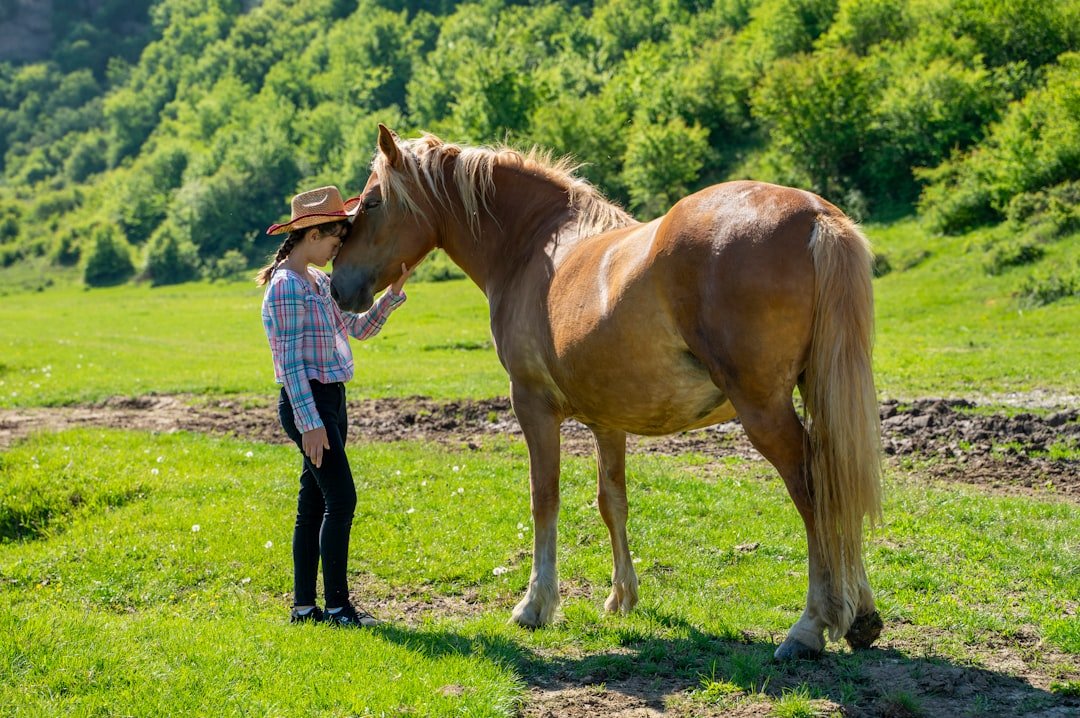
Have you ever wondered what your horse is really trying to say when they whinny? That familiar sound echoing across the pasture carries far more meaning than most of us realize. Horses might appear to have a limited vocal repertoire compared to other animals, yet their whinnies are remarkably sophisticated tools of communication. Scientists have discovered that within these sounds lies a rich tapestry of emotional information, individual identification, and social messaging.
I think we often underestimate how much our horses are telling us in every call. As prey animals, these magnificent creatures have evolved to be masters of subtlety, relying heavily on body language for survival. Their vocal communications, though less frequent than their physical gestures, are anything but simple. Let’s dive into what science has revealed about these fascinating vocalizations and how understanding them can deepen the bond between you and your equine companion.
The Science Behind the Sound
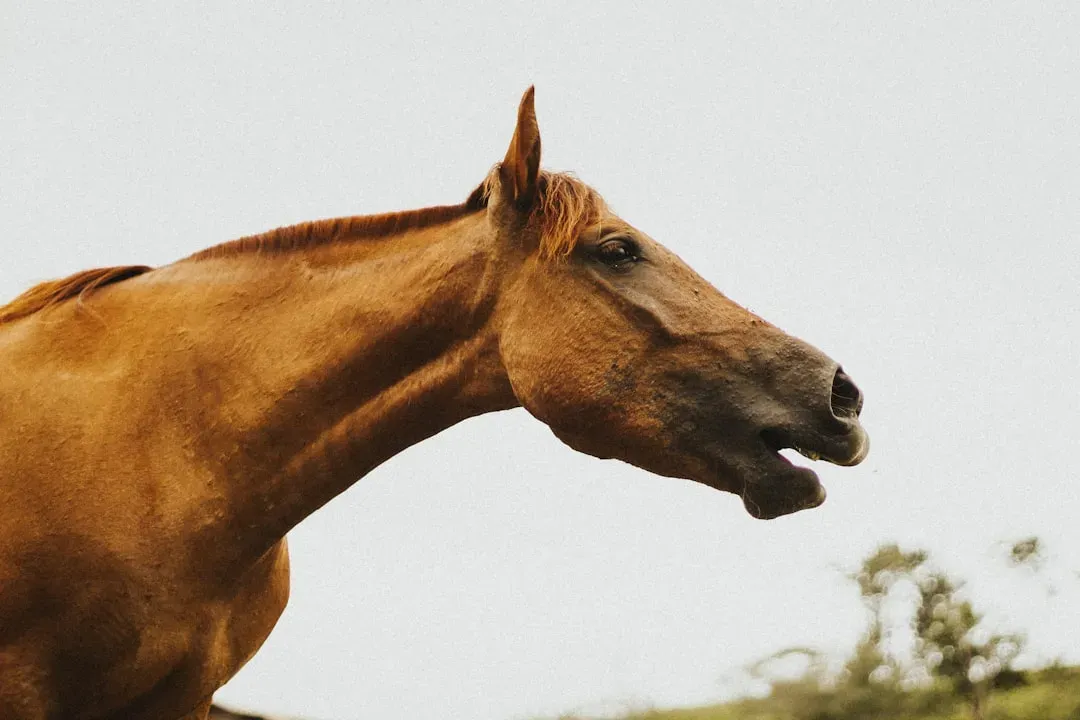
A whinny averages around one and a half seconds in length and can be heard half a mile away. That’s quite impressive when you think about it. The vocalization consists of three distinct phases: a high-frequency introduction, a rhythmic collection of medium frequencies in the middle, and a lower-frequency section near the end. It’s like a musical composition with multiple layers happening simultaneously.
What really blew my mind was learning that horse whinnies uniquely contain two fundamental frequencies and their harmonics, a phenomenon called biphonation that’s rare among mammals. Research shows that one frequency indicates whether the emotion is positive or negative, while the other reveals the strength of that emotion. This means horses are essentially speaking in two voices at once, conveying both what they feel and how intensely they feel it.
Minute variations in these parameters convey meaning to the equine brain, and horses process this information instantly. Cells in the horse’s inner ear encode the varied frequencies within each whinny, while cells in the auditory cortex calculate the differences and mark the timing. Their brains are essentially conducting real-time acoustic analysis that would require sophisticated equipment for us to replicate.
Here’s something fascinating: horses might produce ten million variations of whinny, and each variation will have different physical characteristics from the next. That’s an astonishing range of expression packed into what sounds to our untrained ears like a simple neigh. Horses can analyze sound frequencies across a ten-octave range, with their whinnies traveling as far as half a mile to communicate within the herd.
Decoding Emotional Content in Whinnies

Researchers have associated positive emotions with short horse whinnies in which the higher frequency was lower, accompanied by a lowering of the head. Think about that the next time your horse greets you with a soft, brief whinny and drops their head slightly. They’re genuinely happy to see you. Conversely, when expressing negative emotions, the whinnies were longer and the higher frequency was higher.
The emotional valence embedded in these calls is remarkably consistent. Compared to neutral, a fearful whinny is higher in fundamental pitch, and the highest frequencies within it are produced at stronger intensities. Meanwhile, a greeting whinny is much lower in pitch, with greater range and more time in the wavering or vibrato between tones. It’s fascinating how horses modulate their voices to match their emotional state.
Research suggests that shorter, lower frequency whinnies could be linked to positive situations. This makes intuitive sense once you understand it. As a rough guide, if you hear a horse give a short, low sounding whinny they’re expressing contentment, while a higher whinny that lasts longer is likely to express worry or discomfort. Honestly, once you start listening with this knowledge, you’ll hear the difference everywhere.
What’s particularly interesting is how humans respond to these emotional cues. Studies show that around sixty-five percent of the time, survey respondents were able to tell whether a whinny happened during a positive or negative situation. We’re better at understanding horse emotions than we might give ourselves credit for, though there’s clearly room for improvement.
Individual Identity and Social Recognition
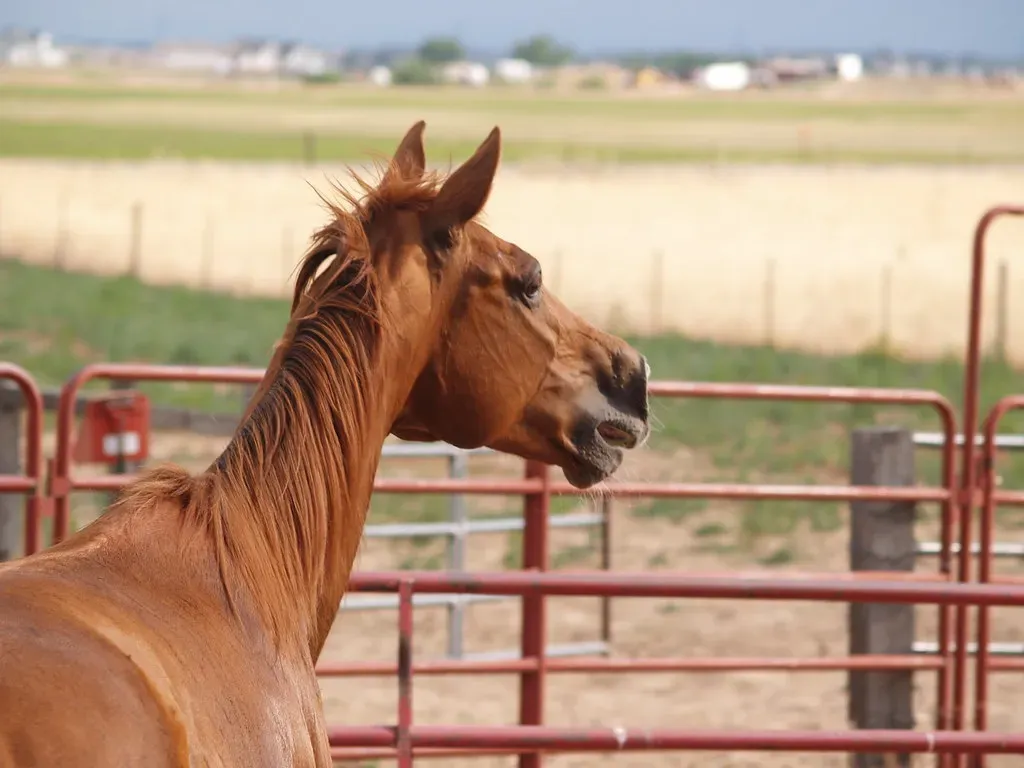
Each horse’s whinny is unique, serving as a signature, with one horse’s fearful whinny differing in its physical composition from another’s fearful whinny. It’s similar to how we recognize people by their voices. Your horse doesn’t just communicate emotion; they’re also broadcasting their identity with every call.
A listening horse knows without sight who produced a whinny, which is pretty remarkable when you consider how valuable this is in a social species. Each horse has a unique whinny that you and other horses can tell apart. This individual signature means that even in darkness or when separated by distance, herd members can identify exactly who’s calling.
The social intelligence embedded in this system goes even deeper. Horses differ in their sensitivity just like humans do, so the fearful whinny of a generally laid-back horse is a stronger warning than the fearful whinny of a horse who’s nervous most of the time. They’re not just hearing who made the sound but also interpreting it within the context of that individual’s personality. That level of social awareness is honestly impressive.
From sound alone, horses can identify an unfamiliar animal’s size, sex, and rank in the equine hierarchy. This acoustic ability provides them with crucial survival information. The whinny seems to be a form of individual recognition and most often occurs when a foal and mare or peer companions are separated or when a horse is inquisitive after seeing a horse in the distance.
Different Types of Whinnies and What They Mean
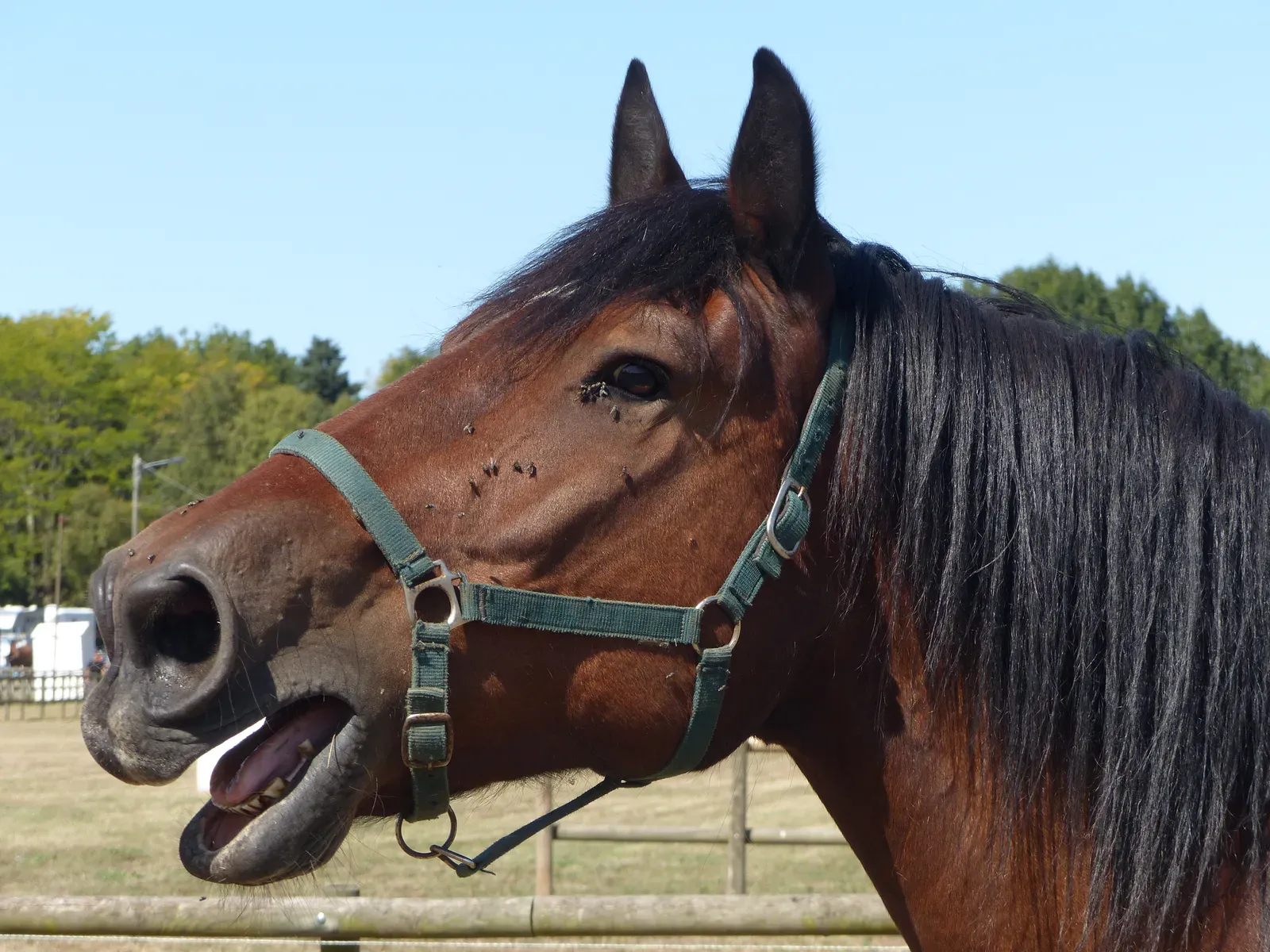
The whinny is a horse’s social call, and in the wild, it’s how horses find one another. This call means “Where are my friends?” or “Who is willing to be my friend?” as the horse is lonely and looking for a herd. It’s essentially a location beacon and social invitation rolled into one.
A separation whinny cuts off early in the ending phase, which gives it a distinctive abrupt quality. You’ve probably heard this when you’ve taken one horse away from their buddies. Mothers often whinny with a softer sound when calling their foals, and this style of communication attracts them and offers them the reassurance of being protected. The mare-foal bond produces some of the most tender vocal exchanges you’ll witness.
Because it is loud and carries over a distance, the whinny seems to be a means of seeking social contact with others who are far off or out of view. This makes perfect sense for animals living in open grasslands where visual contact isn’t always possible. At night, horses’ whinnies can keep the group together or alert the group’s position to let others know.
Let’s be real here: not all whinnies are created equal. Under high stress conditions, like when stallions fight, their whinnies degenerate to an uncontrolled high-pitched scream. That’s your cue to stay well clear. Meanwhile, under calm conditions, especially when their vision is restricted like in a barn stall, their whinnies appear to have a rich and variable content.
Practical Applications for Horse Owners
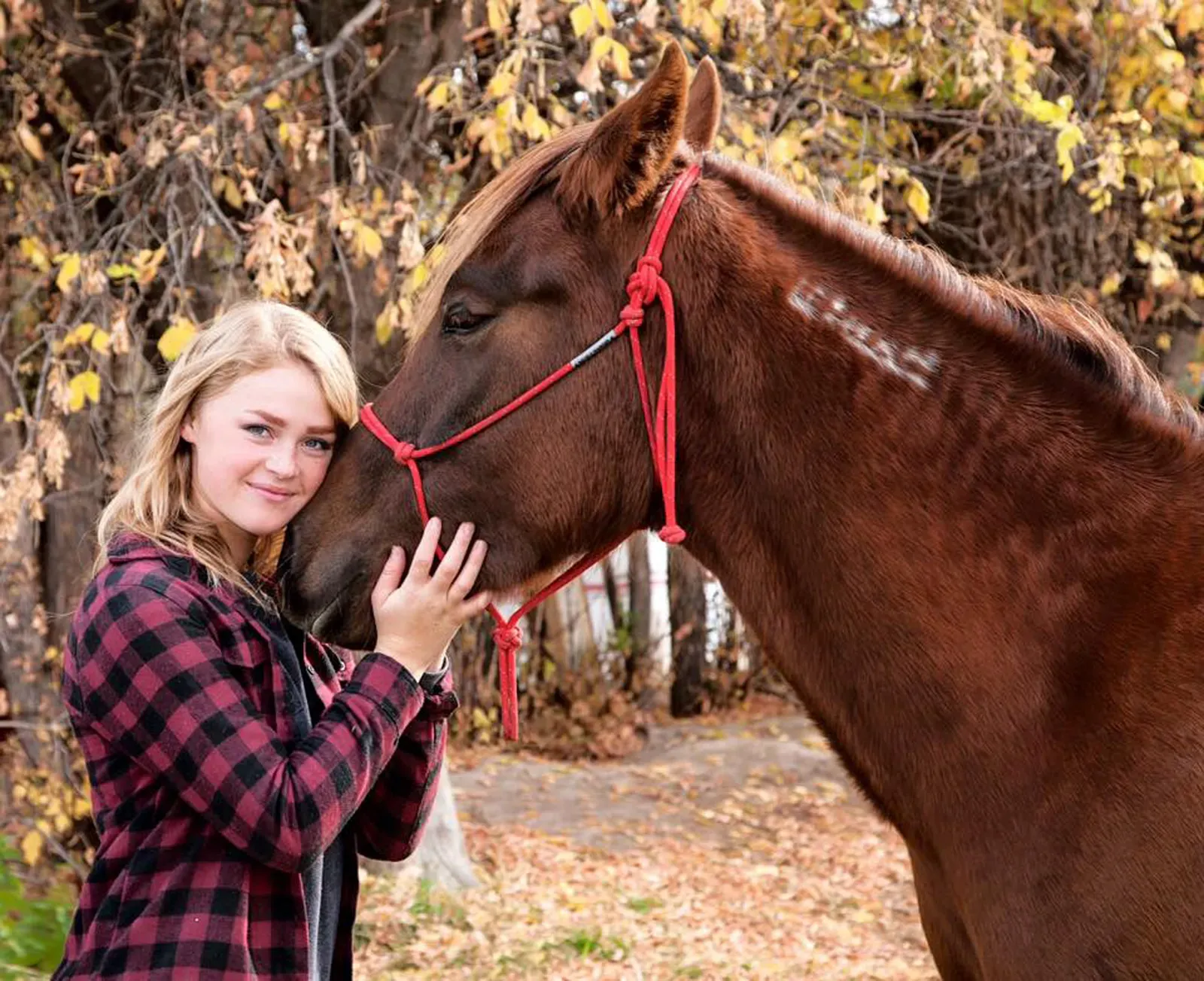
Understanding your horse’s vocal communication isn’t just intellectually interesting; it has real practical benefits. If we know from a horse’s vocalization that they are upset or fearful, we can remove the stimulus or remove the horse from that situation, and likewise, if we know that a horse is happy, we can ensure repeat scenarios. This knowledge directly improves welfare and training outcomes.
When a horse is whinnying, they’re feeling insecure, so don’t punish them, as it’s common for horse handlers to feel embarrassed or frustrated when their horses are constantly whinnying. Instead, recognize it for what it is: communication of a legitimate need for security and connection. A high-pitched or repetitive horse whinny could indicate that the horse is nervous, anxious or uncomfortable.
Here’s something I’ve learned from experience: horses are highly attuned to human emotions and have a remarkable ability to not only recognize human emotions but also reflect and respond to them. This creates fascinating opportunities for emotional exchange. Research shows that horses recognize and react to human emotions expressed by facial cues alone, indicating they recognize and react to human emotions expressed by facial cues.
The way we interact with horses matters more than we might think. A study found that horses remembered how an individual human behaved towards them based on just one interaction, even as long as eight months later. They’re constantly learning from us, just as we’re learning from them. The relationship is genuinely bidirectional.
Scientists have found that horses convey their emotions through vocal communication, and the frequencies and lengths of horse whinnies change depending on whether a horse is having a positive or negative emotion. By learning to read these cues, you become a more effective, empathetic horse person. It’s honestly one of the most rewarding skills to develop.
Conclusion
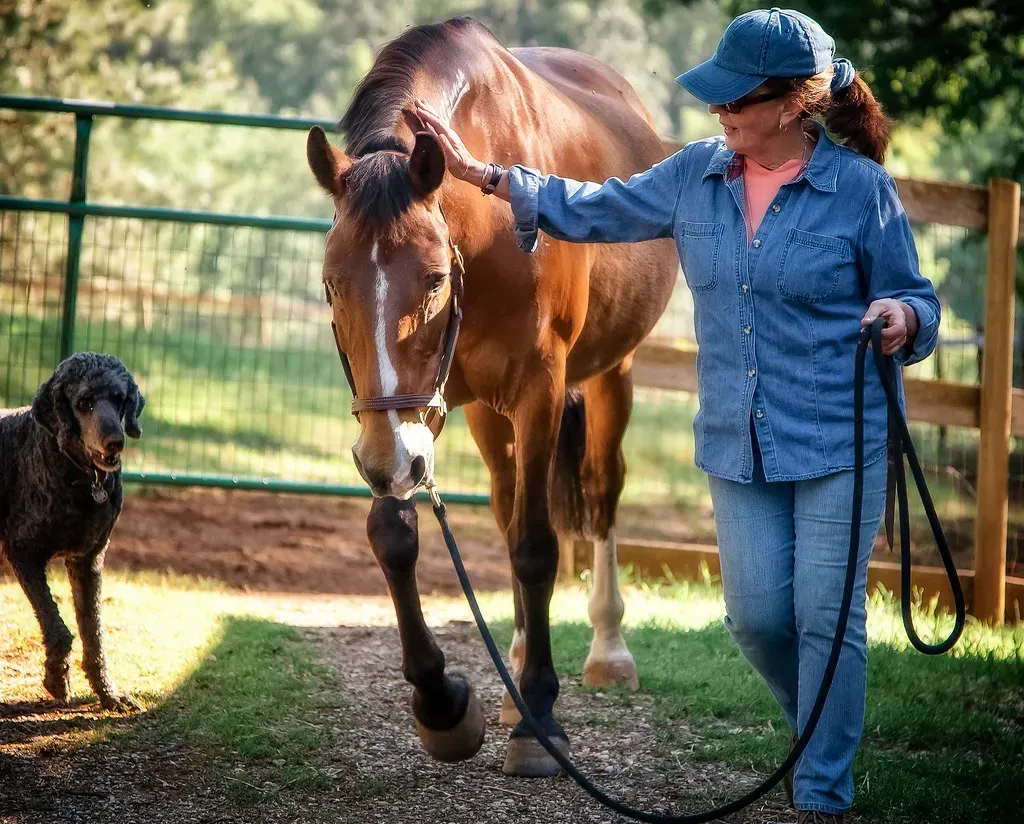
The humble whinny contains universes of information we’re only beginning to fully understand. These vocalizations represent millions of years of evolution, fine-tuned for social cohesion and survival in the wild. From emotional valence and arousal to individual identity and social status, each call carries multiple layers of meaning that horses decode instantly.
For those of us privileged to share our lives with horses, learning to listen more carefully to their whinnies opens new dimensions in our relationships. We begin to hear not just sound but communication, not just noise but emotion and intention. The science behind these vocalizations reveals just how sophisticated our equine partners truly are.
Next time your horse whinnies to you, pause for a moment. Listen to the pitch, the length, the quality of that sound. Watch their body language. Consider the context. They’re telling you something specific, something meaningful. The question is: are we listening well enough to truly hear them? What secrets might your horse’s whinnies reveal if you paid closer attention?


