
Why Does My Horse Nuzzle Me? Decoded: Signs of Affection and Trust

Have you ever stood in a barn or field, enjoying a quiet moment, when suddenly your horse approaches and gently nudges you with their soft muzzle? It’s one of those small moments that can make your heart swell. You wonder what it means, whether your horse is simply looking for treats or if there’s something deeper going on. The truth is, horses are complex creatures with a rich emotional life, and their nuzzling behavior speaks volumes about how they feel toward you.
Understanding equine body language isn’t always straightforward. These magnificent animals can’t use words to express their feelings, so they rely on physical gestures, subtle movements, and yes, those tender nuzzles. Let’s dive into the fascinating world of horse communication and uncover what your horse is really trying to tell you when they lean in close.
The Language of Touch: What Nuzzling Really Means
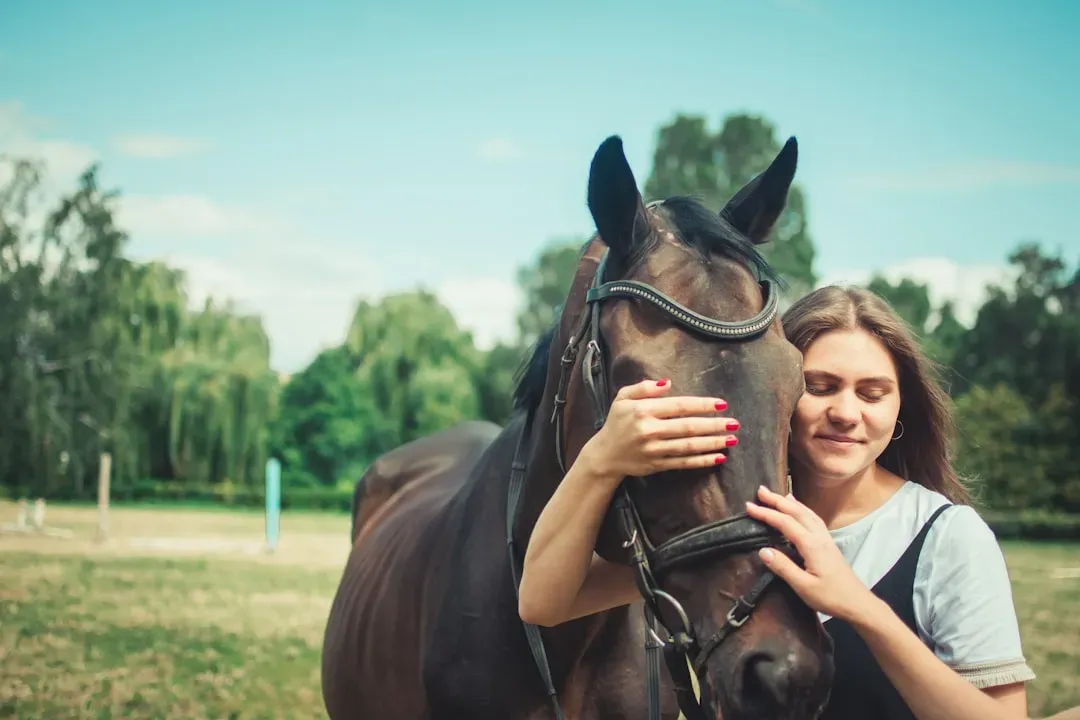
Horses are incredibly tactile animals. In their natural world, physical touch is essential for communication with each other and with people. Think about how horses interact in a herd. They groom each other, stand close together, and use gentle nudges to maintain social bonds.
When your horse nuzzles you, they’re essentially treating you like another member of their herd. This behavior mirrors how horses bond with trusted companions through mutual grooming, showing they feel safe and close to you. It’s honestly one of the most genuine forms of affection a horse can offer.
Nuzzling opens up one of the most vulnerable parts of their body, showing just how comfortable they are with your presence. The nose and muzzle are sensitive areas that horses protect carefully, so when they willingly press that soft nose against you, it demonstrates real trust. Some horses will nuzzle your shoulder, while others might gently push against your back or even your face.
Let’s be real though, not every nudge is purely affectionate. A horse will nudge you for many reasons: to express curiosity, ask for affection, beg for a treat, or display displeasure. Context matters enormously here. If your pockets are usually stuffed with carrots and your horse knows it, that insistent nudge might be less about love and more about snack time.
If your horse nudges you while you’re grooming or stroking them, they’re returning the affection you’re showing. This reciprocal behavior is beautiful to witness. However, if the nudging happens specifically when you’re untacking or always near the feed bin, your clever equine friend might just be showing impatience rather than devotion.
Building Blocks of Trust: Why Your Horse Seeks You Out
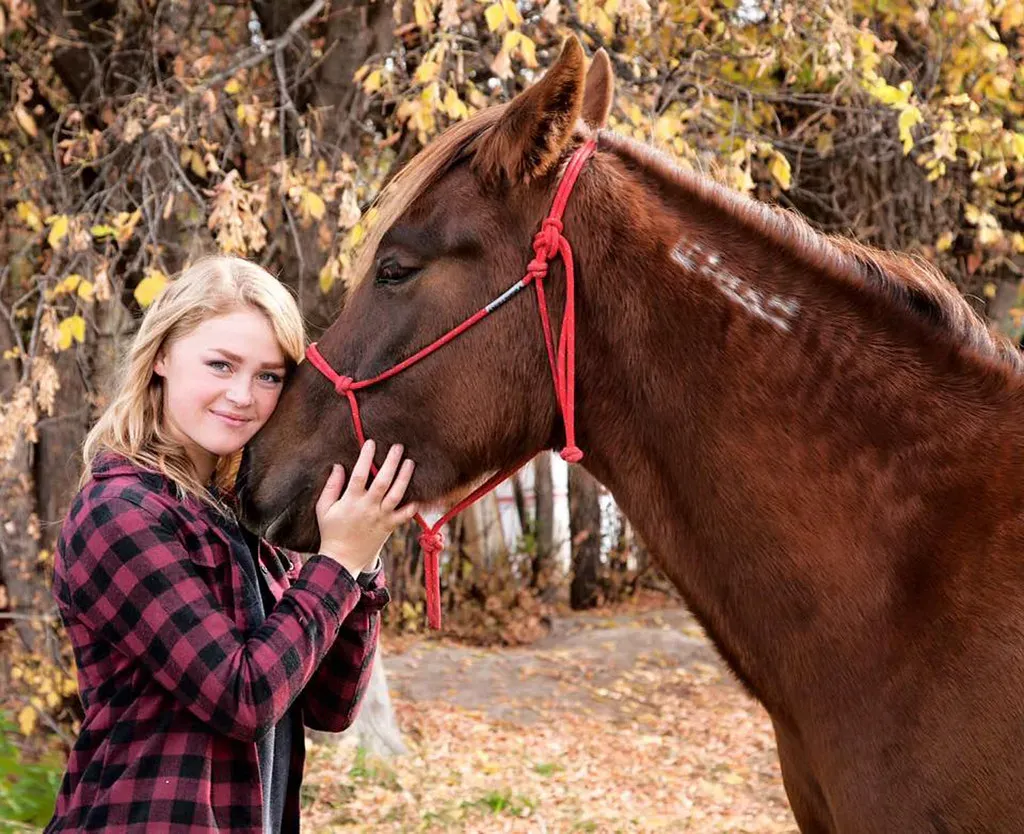
Trust doesn’t happen overnight with horses. These prey animals are naturally cautious, always alert to potential danger. So when a horse chooses to relax around you and actively seeks your presence, it’s actually a huge deal.
A trusting horse will show signs of affection like nuzzling, resting their head on you, nudging, or grooming you back, indicating they view you as a friend and trusted member of their social group. I think this is one of the most rewarding aspects of horse ownership – knowing you’ve earned that level of confidence from such a powerful animal.
When a horse gently nudges or lowers its head around you, it’s showing signs of trust and affection, with head-lowering being a calming signal that indicates the horse feels safe and relaxed. You might notice your horse approaching you in the pasture with a lowered head, ears softly forward. That’s the equine equivalent of a warm greeting.
Here’s the thing: trust is a two-way street. Horses are remarkably perceptive creatures who can read human emotions and body language. Research from the University of Sussex reveals that horses can recognize and remember human facial expressions, which helps them determine how to behave around different people. If you’re consistent, calm, and respectful, your horse will recognize these qualities and respond accordingly.
The bond strengthens over time through repeated positive interactions. Every grooming session where you find that itchy spot, every trail ride where you guide them safely, every moment of patience during training – all of these experiences build the foundation of trust that manifests in those sweet nuzzles.
Beyond Nuzzling: Other Affectionate Behaviors to Watch For
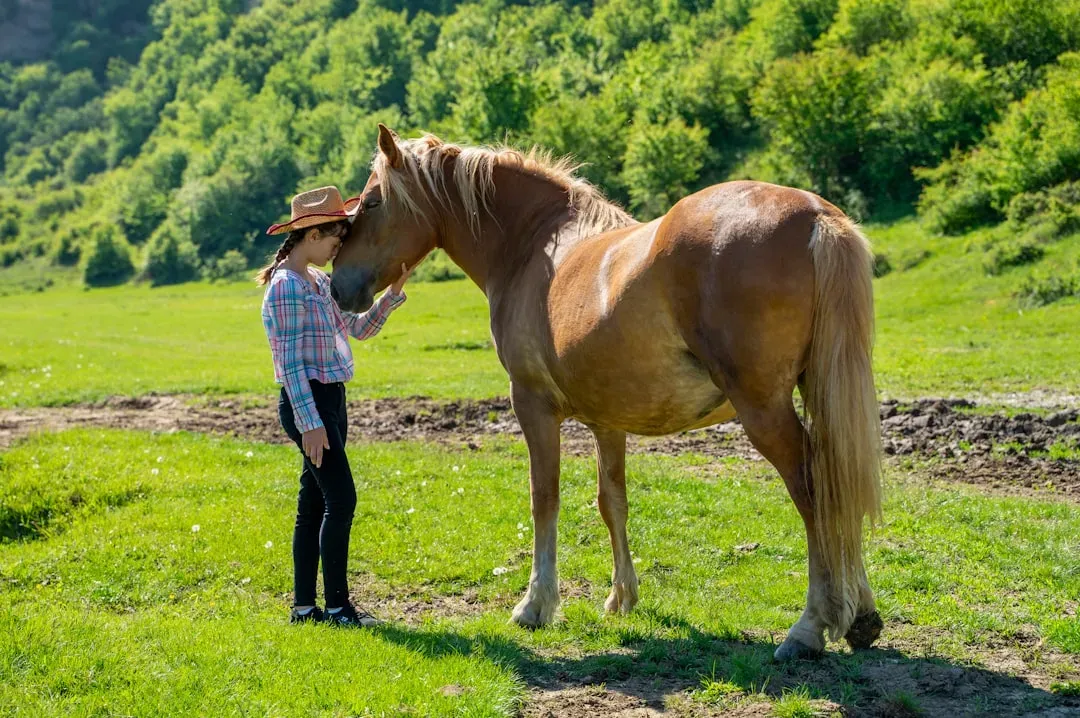
While nuzzling is a clear sign of affection, it’s not the only way horses express their feelings. Recognizing the full range of loving behaviors helps you understand just how much your horse cares about you.
Horses sometimes blow air into each other’s faces and breathe into each other’s nostrils, usually with familiar horses, and as a sign of affection. If your horse puts their nose near your face and exhales gently, don’t be alarmed. They’re essentially giving you a horse kiss, sharing breath as a gesture of intimacy.
When horses rest their heads on you, often on a person’s shoulder, it’s a sign of affection, commonly done when standing next to someone they like. The weight of a horse’s head is substantial, so when they trust you enough to lean on you, they’re being wonderfully vulnerable. Some horses even go further, lying down near their owners and placing their head in their lap – talk about the ultimate trust fall.
Vocalizations matter too. There’s nothing quite like hearing your horse whinny or nicker when they see you, with these sounds expressing happiness and excitement, showing they’re glad to see you. That eager nicker as you approach the barn in the morning? Your horse is basically saying they’ve been waiting for you.
A snort can be a good sign that a horse is happy or feels at peace, and the more they snort along with other positive indicators, the more likely they are feeling calm and comfortable. These subtle breathing sounds are easy to overlook, but they’re worth paying attention to as markers of contentment.
Reading the Room: When Nuzzling Becomes Pushiness
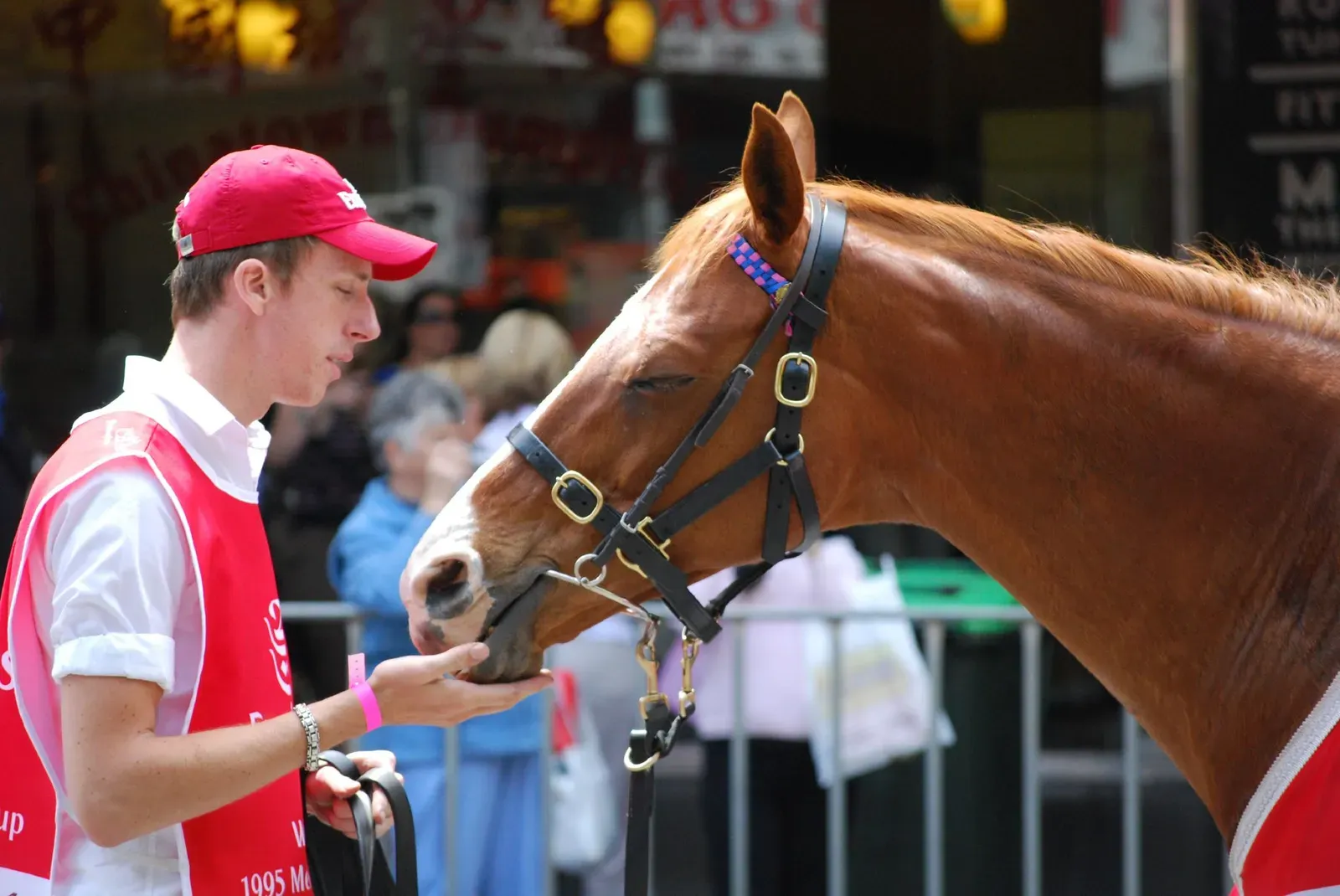
Now here’s where things get nuanced. While gentle nuzzling is lovely, there’s a fine line between affection and disrespect. Horses are large, powerful animals, and what starts as a cute nudge can sometimes escalate into pushy behavior if not managed properly.
If a horse nuzzles so vigorously that it moves you around, it’s a disrespect issue, otherwise it could very well be an affectionate thing. You need to trust your instincts here. Does the interaction feel gentle and mutual, or do you feel like you’re being shoved around? Your personal boundaries matter, and it’s perfectly acceptable to establish rules about physical contact.
Nudging ranges from a gentle, affectionate nuzzle to a full-blown knock-you-off-your-feet head-butt, and it’s purely a form of communication to get your attention or tell you something. Some horses, particularly younger ones or those who haven’t learned proper manners, can get overly enthusiastic.
Consistency is your best friend when establishing boundaries. With horses, it’s always best to be very consistent with what you allow and what you don’t allow, because sometimes reprimanding and sometimes allowing behavior only confuses your horse – a horse that clearly understands boundaries is a safer horse. If gentle nuzzling is fine but harder pushing isn’t, make that distinction clear every single time.
It’s hard to say for sure, but I think most horses genuinely don’t intend to be rude. Nudging is a learned behavior, with foals and young horses being incredibly tactile and exploring the world through touch and play. They’re simply using the communication style that works with other horses, not realizing that humans are more fragile.
Strengthening Your Bond Through Understanding
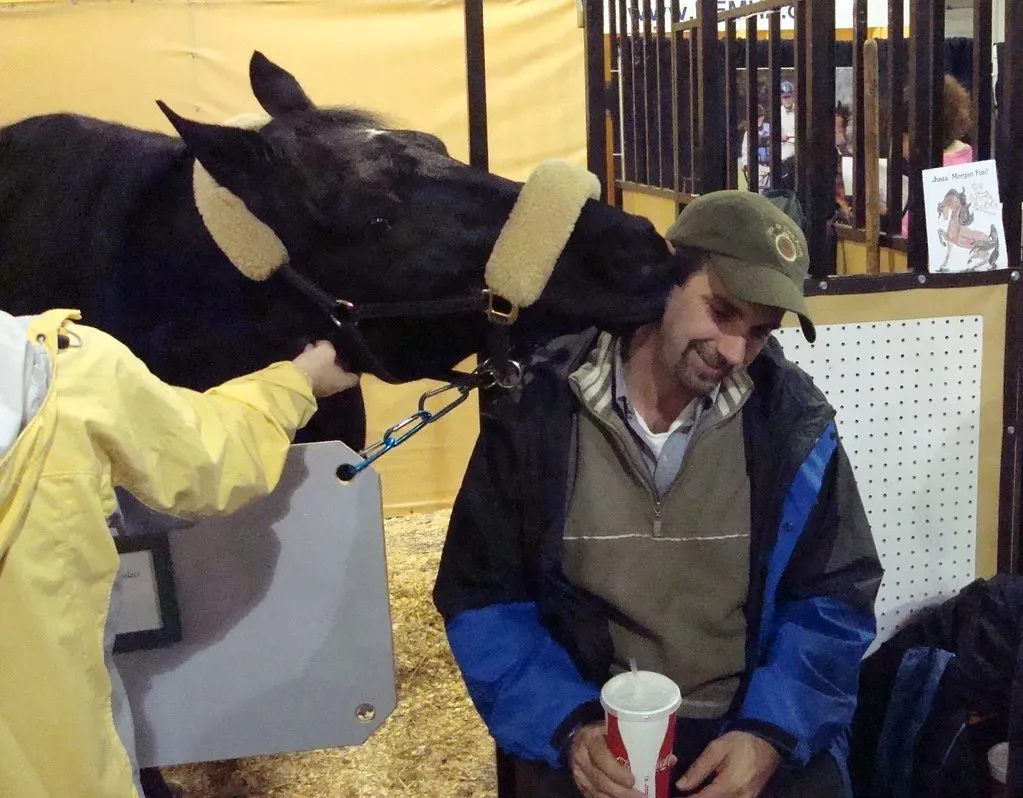
Once you understand what your horse is communicating through nuzzling and other behaviors, you can actively strengthen your relationship. The goal isn’t just to have a horse that obeys commands – it’s to build a genuine partnership based on mutual respect and affection.
Quality time matters more than quantity. The affection horses show us is based on their feelings of trust toward us, which develops when you spend quality time with your horse. This doesn’t mean you need to spend every waking moment at the barn. Even short, focused interactions where you’re fully present can make a significant difference.
Grooming sessions offer particularly rich opportunities for bonding. Research in Applied Animal Behaviour Science confirms that mutual grooming is a vital social bonding activity for horses. When you brush your horse, you’re not just making them look pretty – you’re participating in a behavior they instinctively recognize as bonding. Pay attention to which spots they love being scratched; many horses will lean into your touch or even try to groom you back.
A small study found that horses are more likely to use visual attention-seeking cues when their owner’s eyes are open and more tactile efforts like nudging when the owner’s eyes are shut. This reveals just how sophisticated their communication actually is. Horses adjust their approach based on what they think will work, showing problem-solving abilities and social intelligence.
Here’s something I find fascinating: Recent European studies have shown that horses do talk to humans in their way, processing information and knowledge learned through interactions to make problem-solving decisions. Your horse is constantly learning about you, figuring out what makes you happy, what gets your attention, and how to communicate their needs effectively.
Understanding this dynamic changes everything. Instead of viewing your horse as simply reacting to stimuli, you can appreciate them as a thinking, feeling partner who’s actively trying to connect with you. That gentle nuzzle becomes even more meaningful when you realize it’s part of an ongoing conversation.
Conclusion: The Gift of Equine Affection
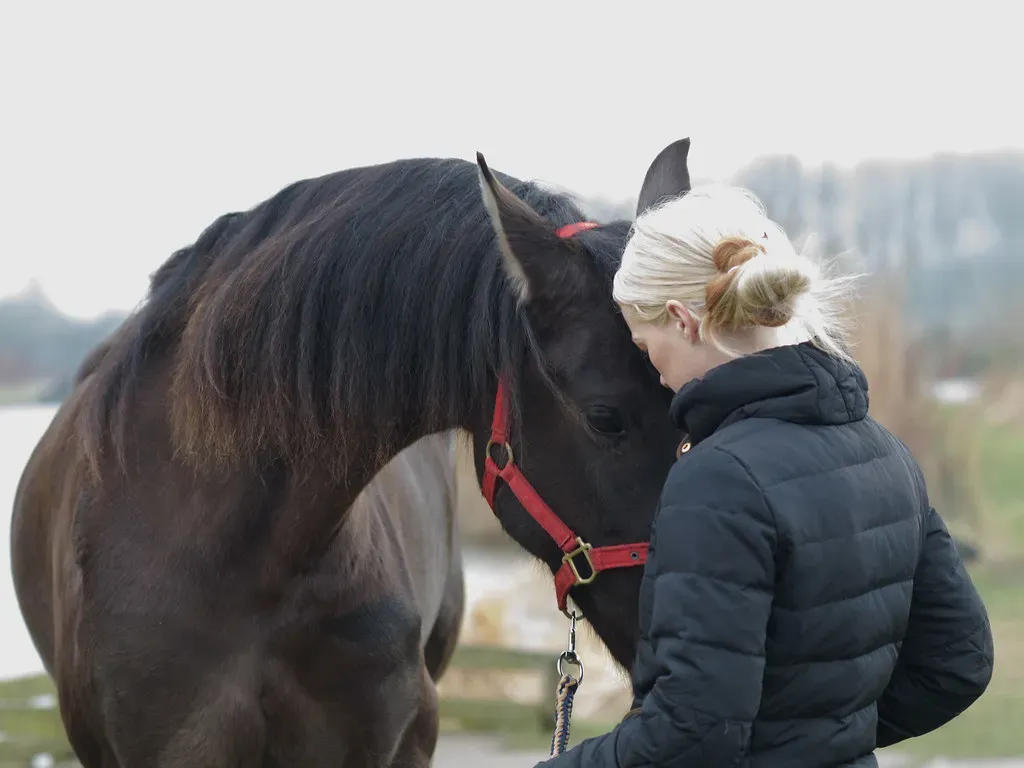
When your horse nuzzles you, they’re offering one of the most genuine expressions of trust and affection available to them. Whether they’re greeting you, requesting attention, or simply enjoying your company, that soft touch represents a connection that transcends the human-animal divide. By learning to read these signals accurately – distinguishing between affectionate nuzzles and pushy nudges, recognizing trust markers, and understanding the broader language of equine body language – you deepen your relationship with your horse immeasurably.
The beauty of horses lies partly in their honesty. They can’t fake their feelings or hide their discomfort. When your horse chooses to approach you, lower their head, and gently press their muzzle against you, they’re making a genuine choice to be close to you. That’s something to treasure.
So the next time your horse nuzzles you, take a moment to appreciate what’s really happening. You’ve earned the trust of a magnificent creature who could easily choose to keep their distance. What do you think your horse is trying to tell you when they nuzzle? Have you noticed patterns in when and how they seek physical contact? The more you observe and respond thoughtfully, the richer your partnership will become.