
5 Simple Ways to Help Your Dog Overcome Separation Anxiety and Feel Safer
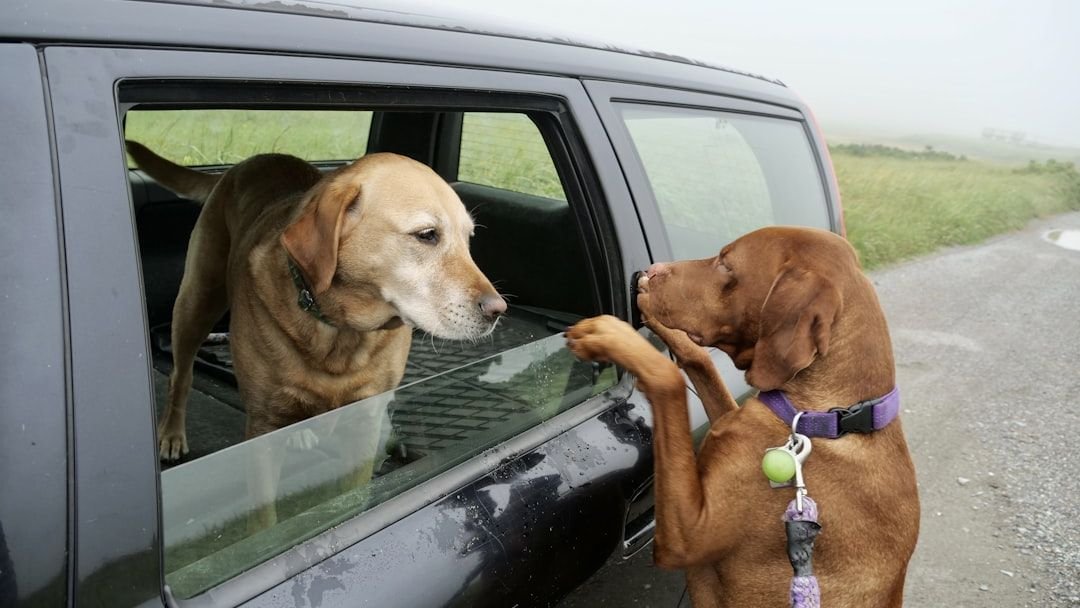
If you’ve ever come home to find your couch cushions torn apart, your neighbor complaining about endless barking, or your dog panting frantically by the door with wide, panicked eyes, you’re not alone. Separation anxiety in dogs is more common than most people realize, affecting countless pups who genuinely struggle when their humans walk out the door. It’s heartbreaking to witness, honestly. Think of separation anxiety as the equivalent of a panic attack for your beloved companion. Your dog isn’t misbehaving out of spite or revenge. They’re scared.
The good news is that there are proven, compassionate ways to help your dog feel safer and more confident when left alone. These strategies take patience and consistency, yet they can genuinely transform your dog’s emotional well-being. Let’s dive into five simple, effective approaches that can make a real difference in your dog’s life.
Start with Tiny Departures and Build Gradually
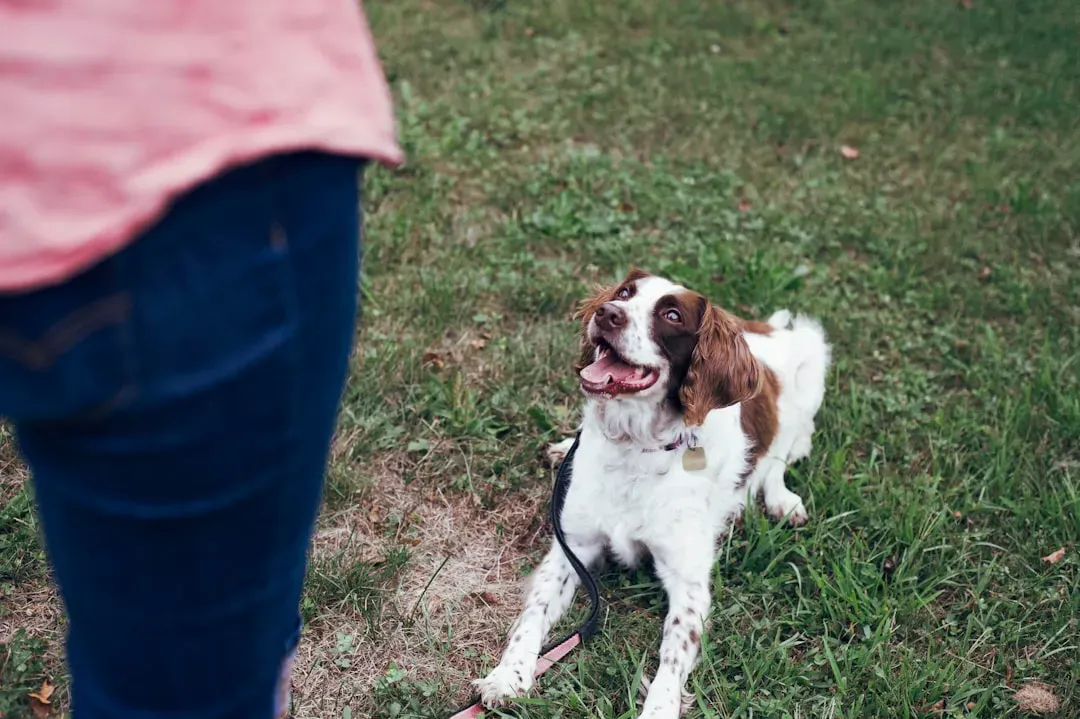
The key is to gradually accustom a dog to being alone by starting with many short separations that do not produce anxiety and then gradually increasing the duration of the separations over time. I know it sounds tedious, yet this is where the magic happens.
Your starting goal duration should be a few seconds shorter than your baseline number, meaning you leave the room before your dog even gets stressed. Maybe that’s thirty seconds at first. Then forty-five. Then a minute. The goal is building confidence one tiny victory at a time, not rushing the process.
This is called desensitization, and it works because your dog learns that your absence isn’t scary or permanent. They discover you always come back. You leave the room for a moment and return before your dog has a chance to become anxious, keeping the dog sub-threshold during the process, meaning they haven’t begun to show stress behaviors.
Remove the Drama from Your Comings and Goings
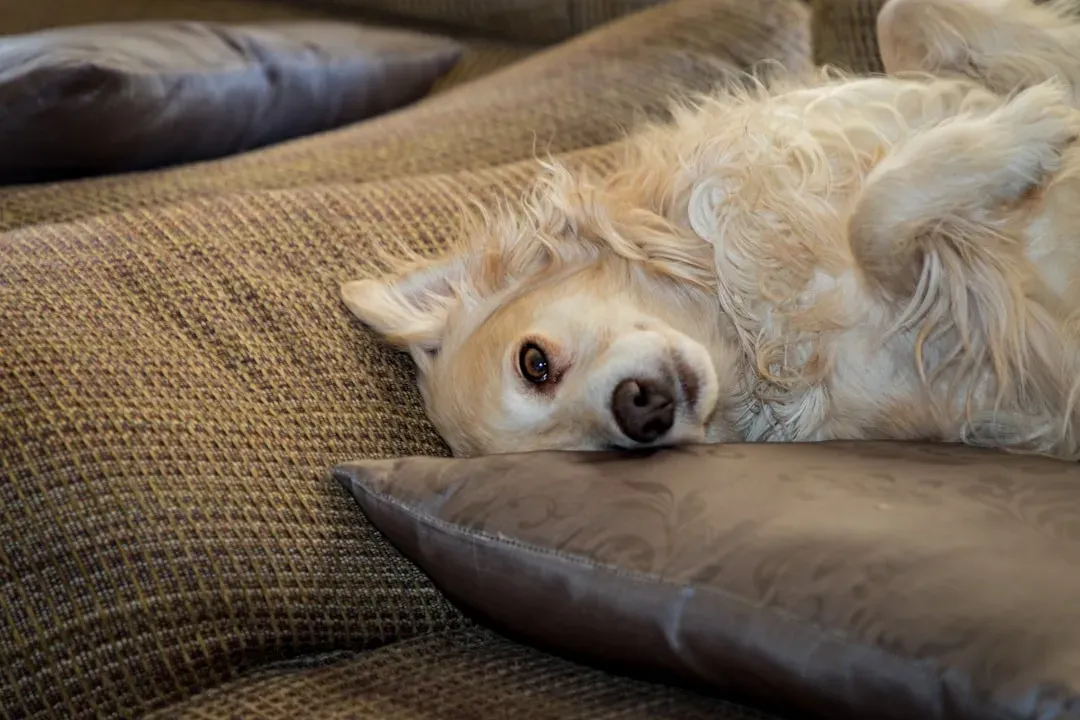
Behave in a very calm and quiet manner when going out and coming in, which will lower the contrast between times when you’re there and times when you’re gone. I get it, seeing your dog after even a quick errand feels joyful. Their wagging tail and excited jumps are adorable.
However, making a big fuss reinforces the idea that your departures and arrivals are monumental events. Keep things calm and without fanfare, because if you get worked up, your dog will see your comings and goings as a major event to worry over. Try ignoring your pup for the first few minutes after you get home.
This doesn’t mean you love them less. It means you’re teaching them that you leaving and returning is no big deal, just a normal part of the day. Keep your energy neutral and steady.
Tackle Those Sneaky Departure Cues
Dogs pick up on all of these cues, so we want to build them into the training sessions in a way that shows the dog that it means the person is leaving, but also returning before they start to panic. Your dog is observant, perhaps more than you think. They notice when you grab your keys, put on your shoes, or pick up your bag.
Desensitizing your dog to pre-departure cues can help reduce their anxiety, as these behaviors you exhibit prior to leaving can be a significant source of distress for your dog. So what do you do? Practice these actions without actually leaving. Pick up your keys and sit back down on the couch. Put on your coat and then make a cup of coffee.
Over time, your dog will stop associating these cues with panic because they no longer predict abandonment. It’s like neutralizing a trigger. Simple, yet surprisingly effective when done consistently.
Tire Them Out Physically and Mentally
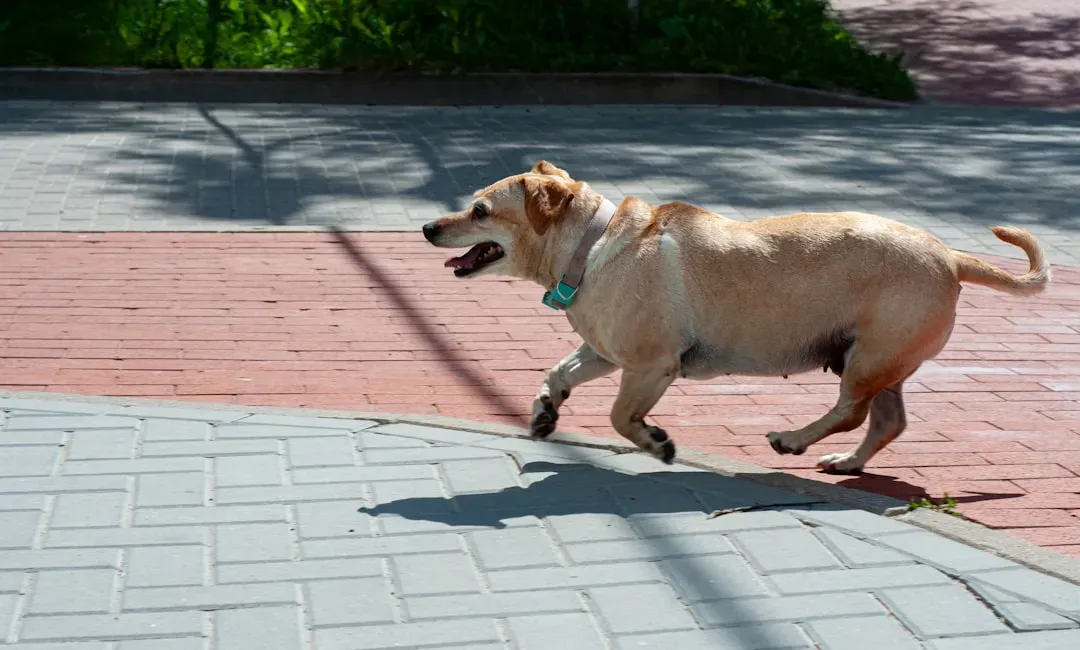
Tiring out your dog physically and mentally is the best tool you have for treating separation anxiety, according to certified professional dog trainers. Let’s be real, a dog with pent-up energy is going to have a much harder time relaxing when you leave.
Before any lengthy departure, provide a vigorous session of play and exercise, which helps to reduce some of your dog’s energy and tire them out. Take your pup on a long walk, let them sniff new routes, play fetch until they’re panting happily, or try puzzle toys that challenge their brain.
Mental stimulation is just as exhausting as physical exercise. Training sessions, puzzle toys, and cognitive games are all good choices, as a brain workout can be just as exhausting as a physical one. A tired, content dog is far more likely to settle down and nap while you’re gone rather than spiral into anxiety.
Create a Comforting Safe Space and Routine
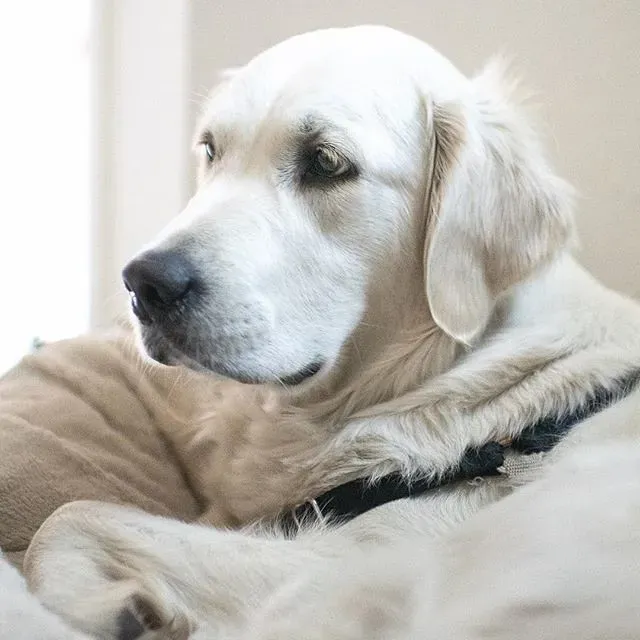
Provide a mat, open crate, or safe haven room where attention is offered when the dog is calmly sitting or lying down in this area, which can eventually be used when the owner actually departs. Dogs thrive on predictability. When everything feels chaotic, anxiety skyrockets.
Establish a consistent daily routine with regular feeding times, walks, and play sessions. A consistent daily routine can help your dog establish expectations for when they will receive attention and when they will be alone. This stability helps them understand the rhythm of the day and reduces the unpredictability that fuels fear.
Give your dog a special treat or toy that they only get when you leave, like a Kong stuffed with peanut butter or a long-lasting chew. If you get in the habit of providing your dog with a loaded Kong, your dog might even look forward to you leaving. Pair your departure with something positive, and over time, they’ll start to relax. Leave the radio on softly or place a worn shirt with your scent near their bed to provide comfort.
Conclusion
Helping your dog overcome separation anxiety isn’t about quick fixes or miracle cures. It’s about patience, empathy, and small consistent steps that add up over time. This condition has a high rate of treatment success when approached with care and dedication. Your dog isn’t trying to punish you or act out, they’re genuinely scared and need your support to feel safe.
Separation anxiety isn’t something that can be cured, there’s no quick fix or one-size-fits-all medication, but it can be successfully managed with patience and training. Start small, stay calm, and remember that every second of progress matters. If you’re struggling or feel overwhelmed, don’t hesitate to reach out to a certified dog trainer or veterinary behaviorist for professional guidance.
What strategies have worked best for your anxious pup? Sometimes sharing experiences helps other dog lovers feel less alone in this journey.