
6 Common Plants That Are Toxic to Dogs

We all want the best for our furry friends, don’t we? We obsess over the right food, the perfect collar, the safest toys. Yet there’s a silent threat lurking in our homes and gardens that many dog parents don’t even realize exists. Those beautiful blooms you just brought inside, or that lush greenery brightening up your living room, might actually be dangerous to your best friend. It’s hard to imagine something so lovely could cause harm, but dogs explore the world with their mouths, and what looks pretty to us can be genuinely toxic to them. Let’s dive into six common plants that could put your beloved pup at risk.
Sago Palm
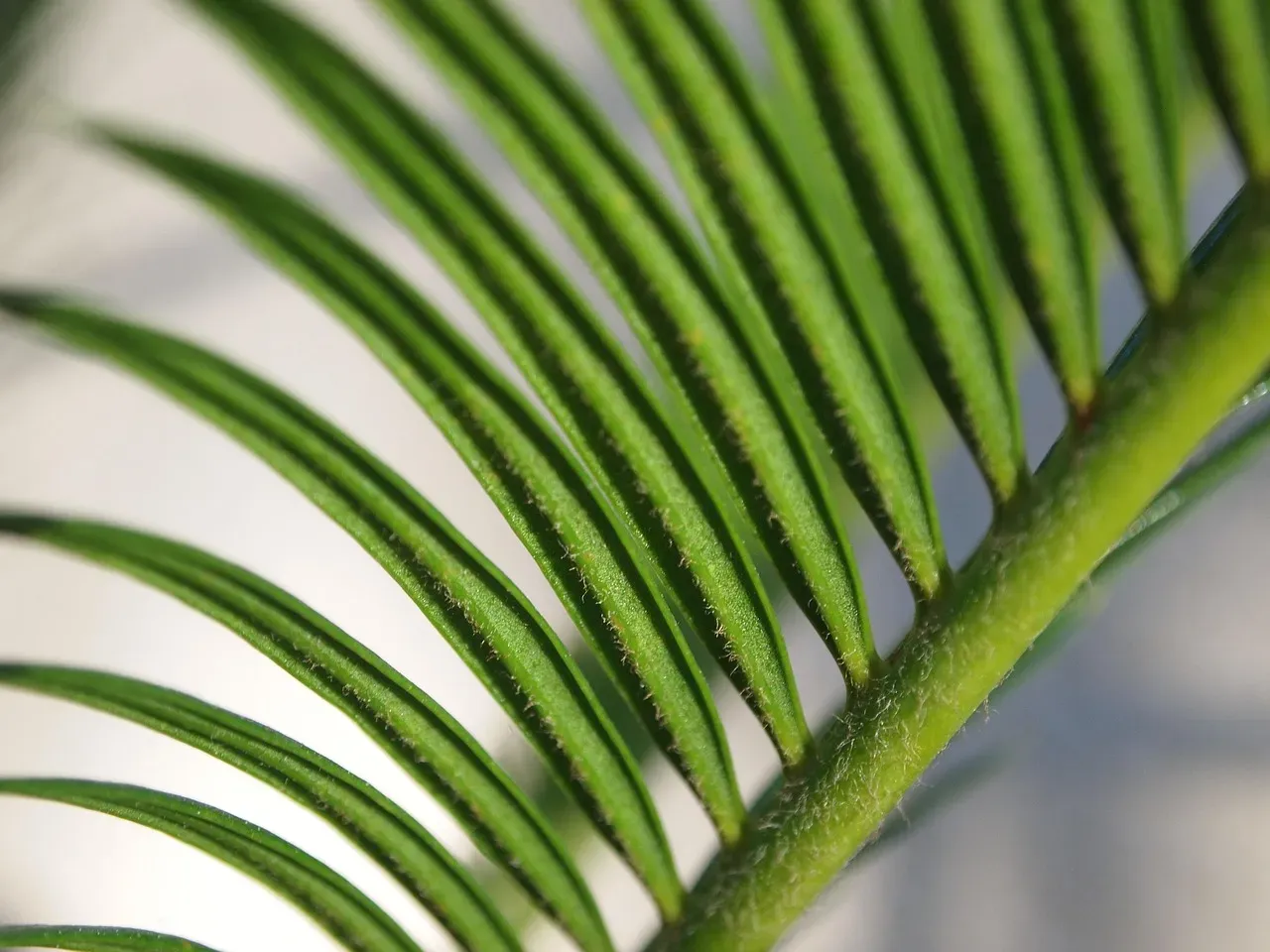
This plant with stiff fronds looks like a tiny palm tree and can live indoors or outdoors, but it’s toxic to all pets. Here’s the scary part: dogs can die after eating just one sago palm seed. Every single part of this popular ornamental contains cycasin, a toxin that attacks the liver with frightening efficiency.
The plant contains cycasin, a toxin that causes severe liver failure within a few days of ingestion, and all parts of the plant are toxic. If your dog gets into a sago palm, you’ll typically see vomiting and diarrhea first, followed by lethargy. The clock starts ticking immediately because liver damage can happen fast.
Treatment needs to be aggressive and immediate. I can’t stress this enough: if you have a sago palm anywhere near your dog, consider removing it entirely. It’s one of those plants where the risk simply isn’t worth the aesthetic appeal.
Azaleas and Rhododendrons

These gorgeous flowering shrubs are everywhere, especially in landscaping across the country. All parts of these flowering beauties contain grayanotoxin, and the reaction your pup gets depends on how much they’ve eaten. The toxin messes with your dog’s nervous system, and honestly, it’s terrifying how quickly things can go wrong.
Symptoms of ingestion include vomiting, diarrhea, drooling, abnormal heart rate, tremors, and weakness, and in severe cases, azalea poisoning can lead to coma or death. Even a few leaves can cause problems. Watch for excessive drooling, weakness, or your dog seeming disoriented.
The tricky thing about azaleas is how common they are. You might not even have them in your yard, but your neighbor probably does. Teaching your dog the “leave it” command becomes absolutely crucial during walks through neighborhoods where these plants grow wild.
Tulips and Daffodils

Spring brings such joy with these cheerful flowers popping up everywhere. They’re in gardens, in vases on kitchen tables, planted along walkways. All parts of the daffodil plant are potentially toxic, containing a poisonous substance called lycorine, but the bulb is the most harmful. Many dog parents don’t realize the danger until it’s too late.
Signs of plant poisoning may include diarrhea, lethargy, drooling, trembling, abdominal pain, vomiting, and possibly death, and a dog just brushing up against them can also cause skin irritations. The bulbs are especially dangerous in early spring when you’re planting or if your dog decides to do some enthusiastic digging. Tulips belong to the same family and cause similar issues.
Picture this: you’re planting spring bulbs, step inside for a moment, and come back to find your curious pup has dug up a few to investigate. That’s when panic sets in. Keep bulbs secured until they’re safely in the ground, and fence off newly planted areas if your dog has access to the garden.
Lily of the Valley

Lily of the valley plants are very poisonous to dogs and contain cardiac glycosides, with symptoms that can be severe and may include vomiting, nausea, diarrhea, decreased appetite, lethargy, a drop in heart rate, severe cardiac arrhythmias, weakness, and possibly seizures. This delicate looking plant with its sweet fragrance is deceptively dangerous.
What makes this plant particularly scary is how it affects the heart. Symptoms often occur almost immediately due to their rapid absorption, however symptoms can take up to four to twelve hours after ingestion. That means you might not connect the dots right away if you didn’t see your dog eating the plant.
Even small amounts demand immediate veterinary attention. Don’t wait to see if symptoms develop. The cardiac issues this plant causes can be life threatening, and early intervention makes all the difference in outcomes.
Aloe Vera
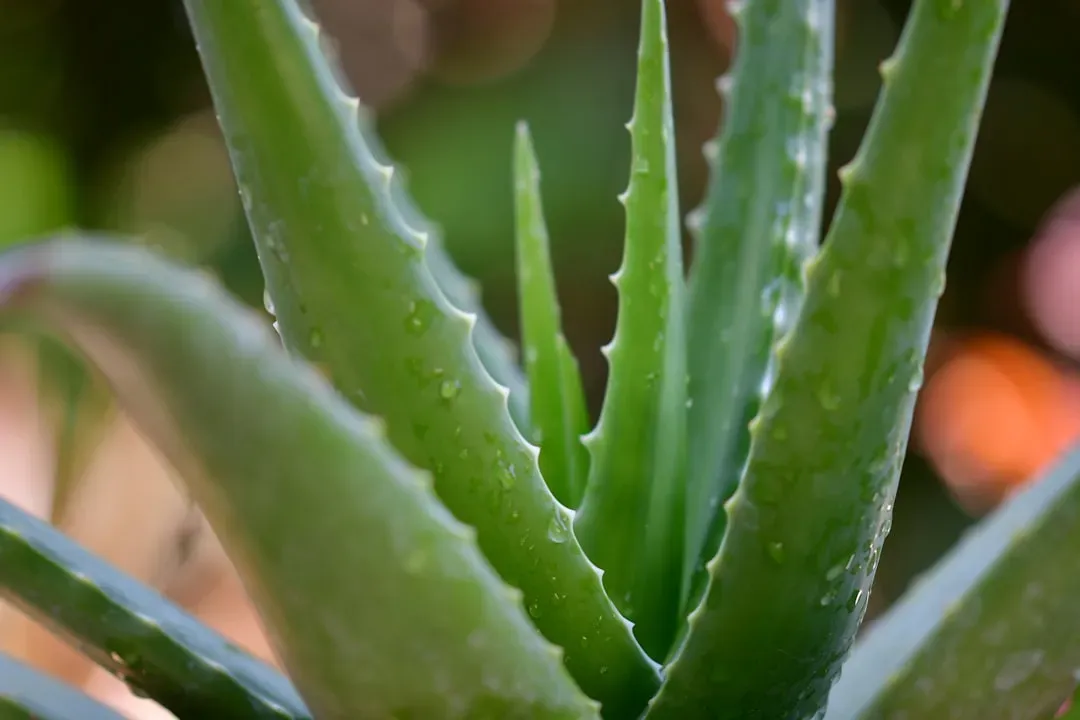
This one surprises people because we use aloe for so many helpful purposes. Aloe vera might be edible and great for human skin, but dogs who ingest aloe vera might experience vomiting, diarrhea and dehydration. The same compounds that make aloe beneficial for our sunburns are toxic when dogs eat the plant itself.
Aloe contains saponin compounds which can make dogs sick if they chew and eat the plants, consuming whole aloe vera plant material can give dogs gastrointestinal symptoms including vomiting and diarrhea, and while aloe gel on its own isn’t toxic, if a dog consumes whole aloe leaf, what they are eating includes the aloe latex which contains the toxic compounds. Symptoms are usually mild compared to other toxic plants, but they’re still uncomfortable for your pup.
If you keep aloe around for its medicinal benefits, just make sure it’s completely out of reach from curious noses and mouths. High shelves work better than you’d think, or consider keeping it in a room your dog doesn’t access.
Oleander

Oleander is a common landscaping plant, especially on the West Coast, this bushy shrub can grow as high as twelve feet with cluster of flowers in shades of yellow, white, pink, and red, and every inch of this plant is poisonous to dogs. It’s stunningly beautiful, which is why it’s so popular in outdoor gardens.
These plants contain cardiac glycosides, which can cause drooling, diarrhea, abdominal pain, abnormal heart rhythm and neurologic signs. The cardiac effects are particularly dangerous, similar to lily of the valley. Even chewing on a branch can cause serious problems.
Some gardeners bring oleander inside during winter in colder climates, which increases the risk for indoor dogs. If you live in an area where oleander grows wild or in public spaces, be extra vigilant during walks. Don’t let your dog sniff or nibble on unfamiliar plants, no matter how beautiful they look.
What to Do if Your Dog Eats a Toxic Plant
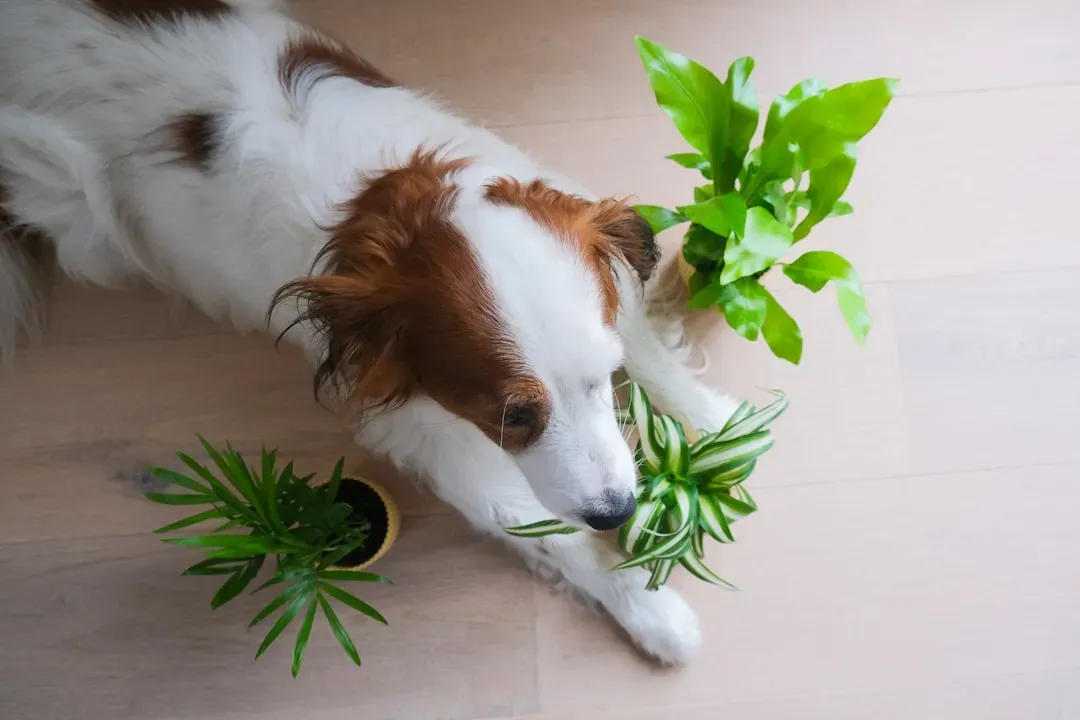
Call your veterinarian or the Pet Poison Helpline immediately if you think your dog may have eaten a poisonous plant, and they may recommend that you bring your dog to the veterinary hospital right away for treatment. Time matters more than almost anything else in these situations.
Never induce vomiting at home unless your veterinarian has told you to, because making a dog vomit can make them sicker if it’s done incorrectly or under the wrong circumstances. I know the urge to do something immediately feels overwhelming, but sometimes home remedies cause more harm. If possible, identify the plant by taking a photo or bringing a sample with you to the vet. Treatment varies dramatically depending on which plant was ingested and how much your dog ate.
Watch for warning signs like excessive drooling, vomiting, diarrhea, lethargy, difficulty breathing, or unusual behavior. Keep emergency numbers handy: your regular vet, the nearest emergency veterinary clinic, and the Pet Poison Helpline. Being prepared makes those terrifying moments slightly more manageable.
Prevention remains your best defense. Survey your home and yard regularly. Choose dog safe alternatives when possible. Teach your dog “leave it” and “drop it” commands. Keep plants on high shelves or in rooms your dog can’t access. When you’re walking, stay aware of what’s growing in your neighborhood and along your regular routes.
Our dogs depend on us to keep them safe from dangers they can’t understand. They don’t know that pretty flower could make them sick. What do you think about these hidden dangers? Have you checked your home for toxic plants lately?