
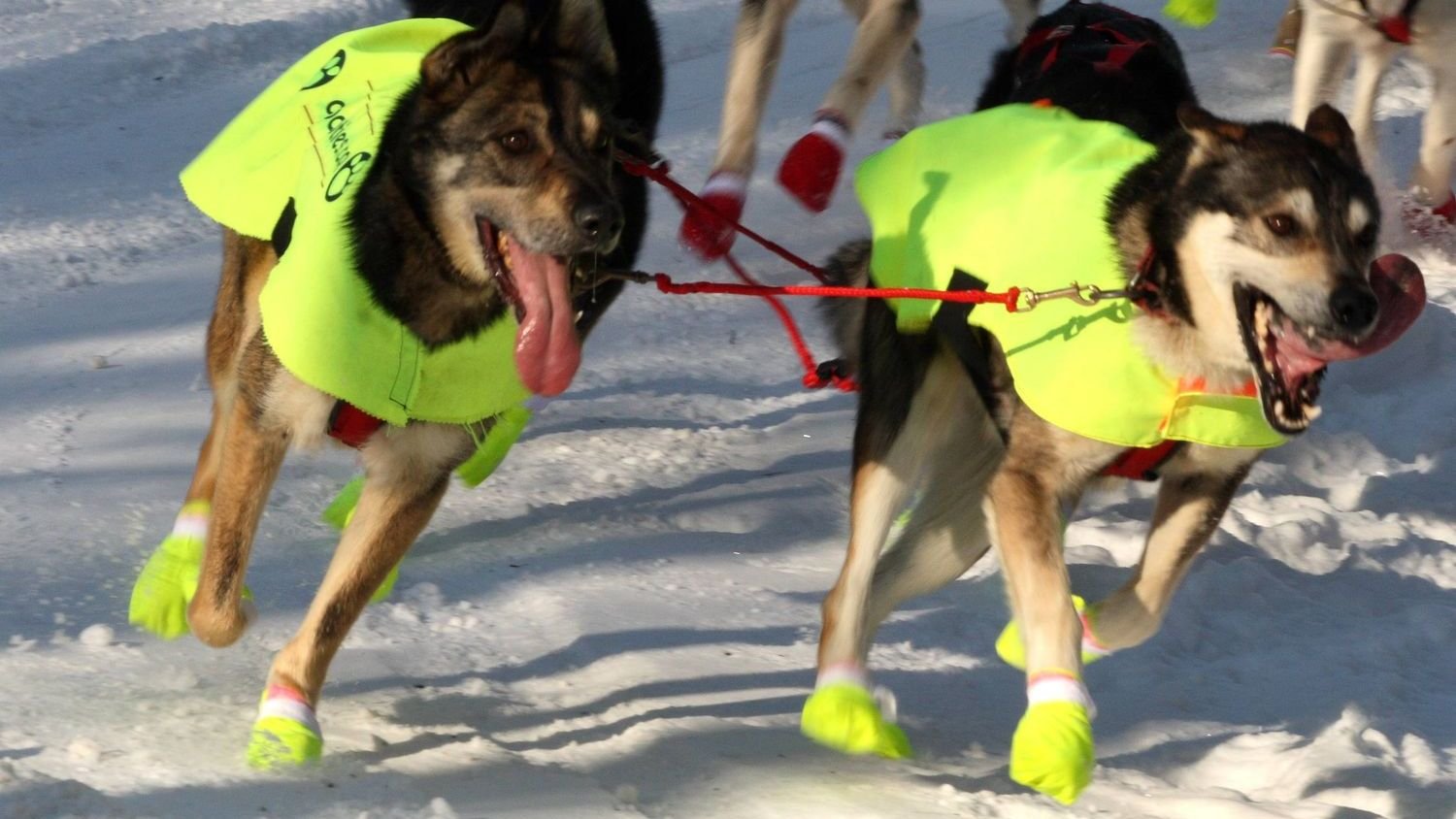
Your dog’s paws carry them through every adventure, every muddy romp, every snowy morning walk. Think about it for a second. Those four little paw pads support their entire body weight, grip slippery surfaces, and protect delicate bones and tendons underneath. Yet somehow, paw care often gets pushed to the bottom of our to-do lists until something goes wrong.
Here’s the thing, though. Healthy paws aren’t just about comfort. They’re about your dog’s overall quality of life, mobility, and happiness. When paws hurt, everything else suffers. So let’s dive into nine simple yet incredibly effective hacks that’ll keep those precious toe beans in top shape all year long.
Wipe Those Paws After Every Walk
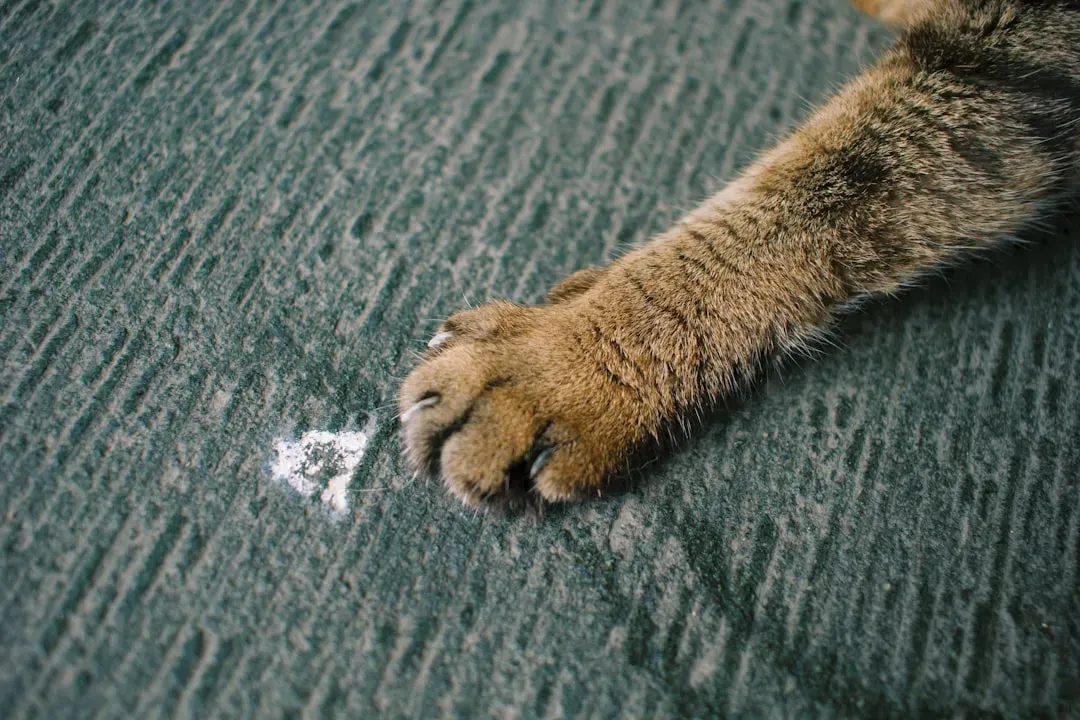
Your dog’s paws pick up a lot of bacteria, dirt, and other foreign matter from the environment, especially outdoors, so wipe your dog’s paws with a clean, damp cloth or pet wipes every time they come inside. I know it sounds like a hassle at first, but trust me, it becomes second nature within a week or two.
Chemicals can leave a residue on your pet’s paws that’s harmful to their health if licked off and can also cause damage to their paw pads. This is especially crucial during winter months when road salt and de-icing chemicals coat sidewalks. A quick wipe-down takes less than a minute but prevents a world of trouble down the line.
The beauty of this hack lies in its simplicity. Keep a small towel or container of pet-safe wipes near your door. Make it part of your routine, like hanging up the leash. Your floors stay cleaner, and your dog stays healthier. Win-win.
Check Between Those Toes Regularly
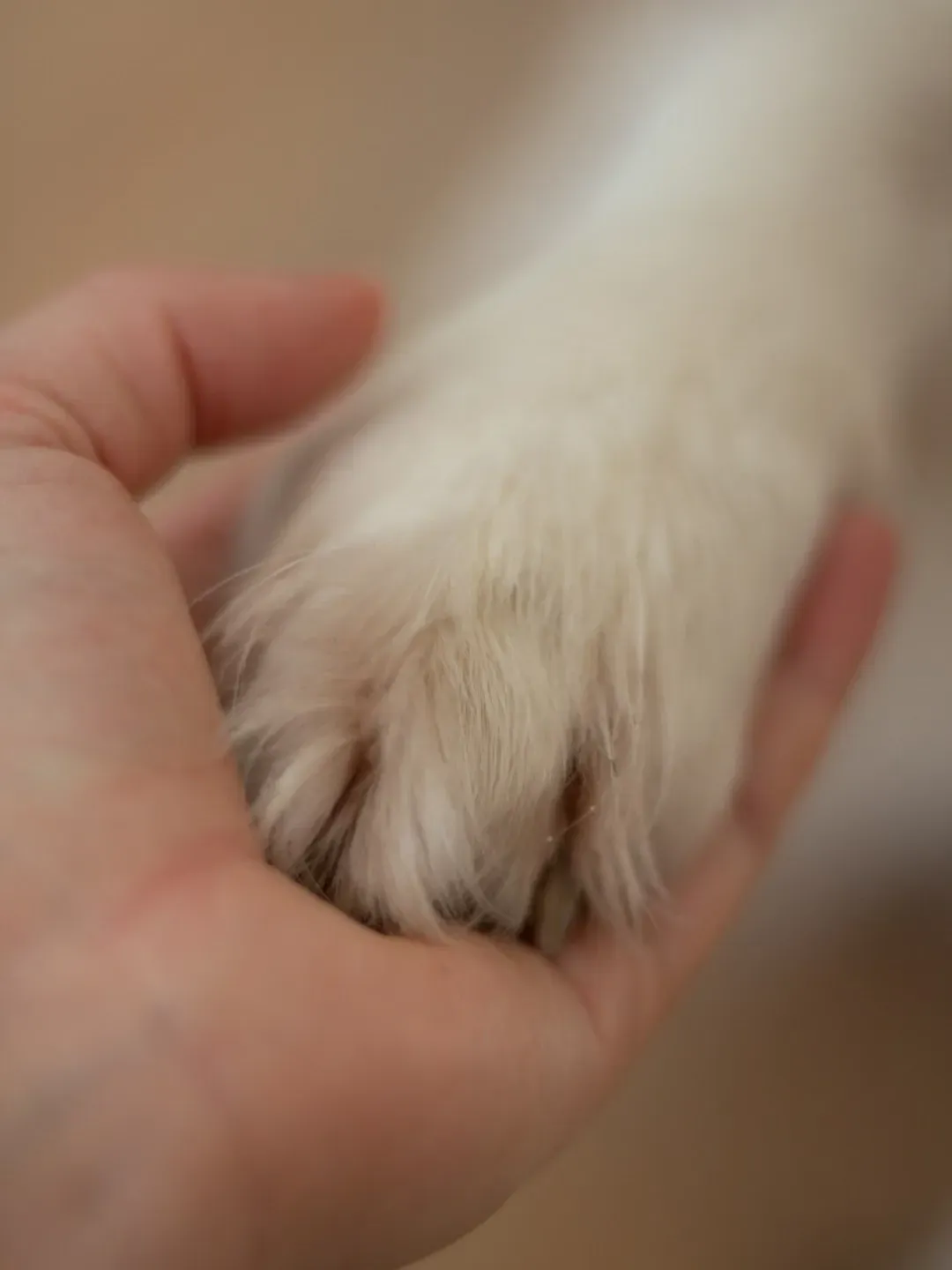
Foreign objects like pebbles, prickly weeds, thorns, bits of glass can get lodged in the paws, so check your dog’s paws on a regular basis, especially after being outdoors, and use tweezers to carefully remove any debris. The spaces between toe pads are like magnets for trouble.
Let’s be real, most of us forget to look between the toes until our dog starts limping or obsessively licking. Parasites such as ticks like to hide in between your dog’s toes, and it’s always a good idea to check between your dog’s toes after spending time outdoors or in wooded areas where ticks thrive. Make this a weekly ritual at minimum, preferably after outdoor adventures.
While you’re down there, feel for any unusual lumps, swelling, or heat. Salt and dirt can accumulate between your dog’s toes, around and between their pads, and underneath the nail, leading to irritation, so gently part your dog’s toes as you clean to check for debris and irritation. Those few seconds of attention can prevent infections and catch problems before they escalate.
Trim the Fur Between Paw Pads
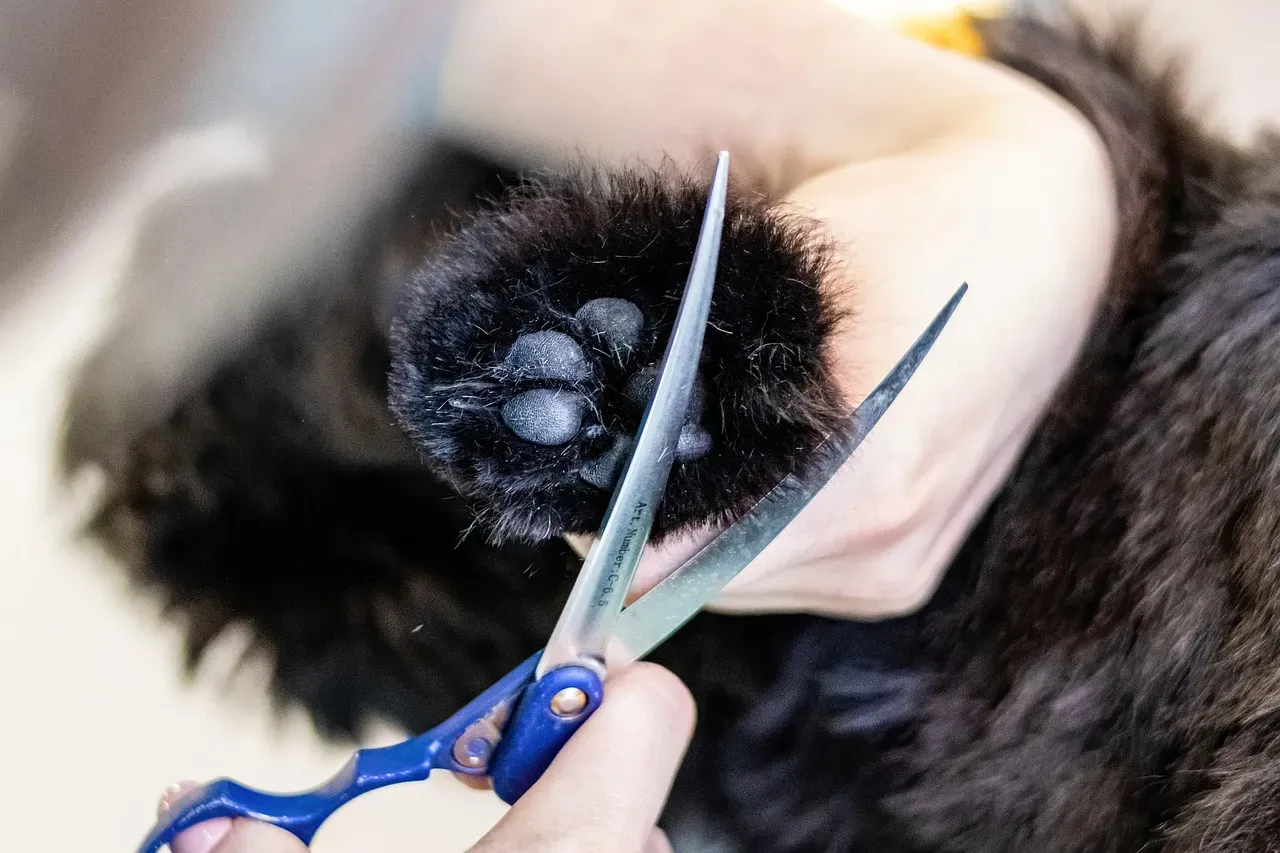
Keeping the fur or hair that grows between your dog’s paw pads nice and short helps to keep their feet healthy and provide more traction on slippery surfaces, and when their paw pads are trimmed, it’s easier to inspect and clean their paws. This is especially important for medium to thick-coated breeds.
Trimming also helps to prevent any matting between your dog’s toes, which can be painful and cause your dog to chew at their feet. Matted fur between toes becomes a breeding ground for moisture, bacteria, and all sorts of nastiness. If you’re nervous about using scissors near sensitive paw pads, grooming clippers are your friend.
If you have a longer-haired dog breed, you can help prevent snowballs from forming by having a professional carefully trim the hair between your dog’s pads. Those ice balls that form in winter? They’re not just uncomfortable, they can actually injure your dog when they try to pull them out themselves.
Apply Paw Balm Before Outdoor Adventures
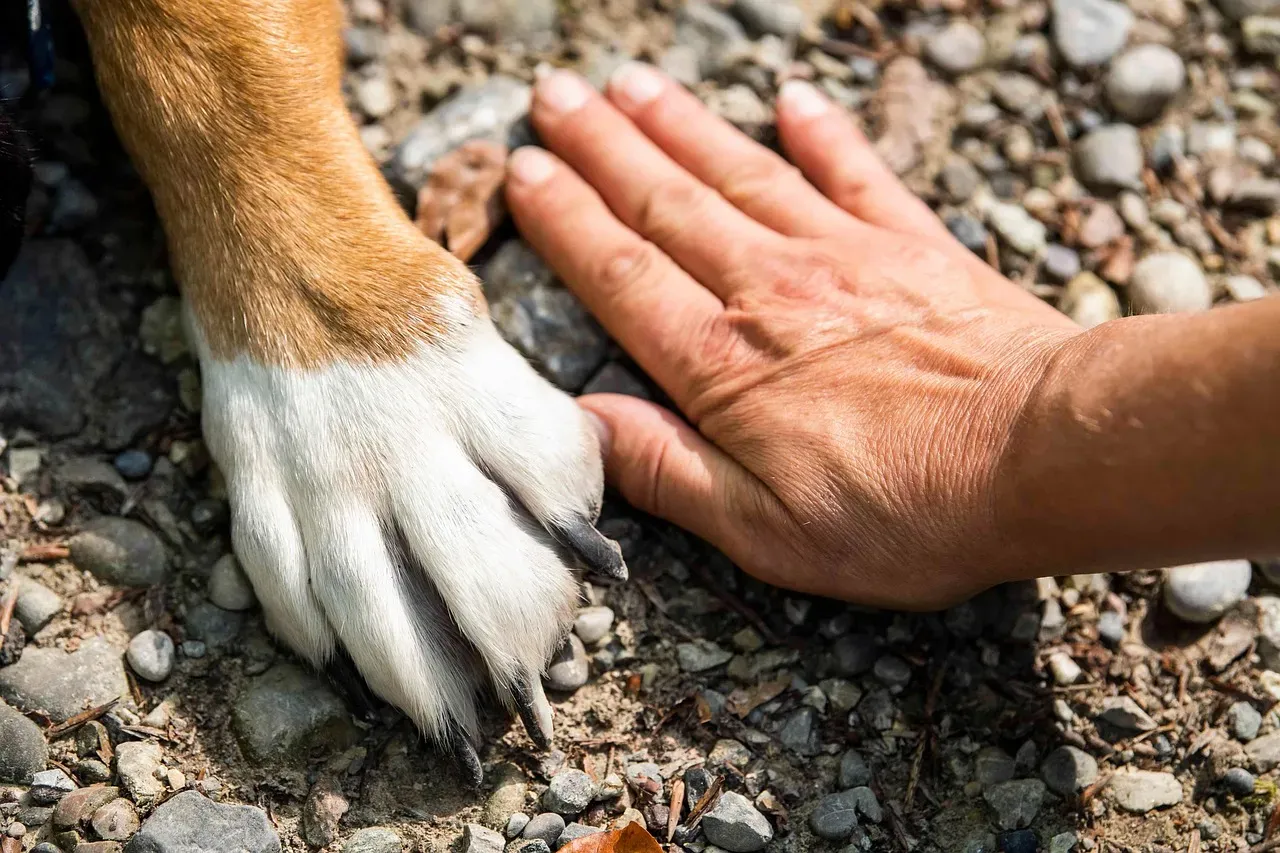
Coat the balm on your dog’s paws to create a barrier that prevents snow, ice, and salt from getting between your pup’s toes, and the balm or Vaseline also keeps their paw pads hydrated. Think of it as sunscreen for paws, but year-round protection.
Try a soothing paw balm or protective paw wax to help prevent future problems. These products aren’t just for winter. Summer heat can dry out paw pads just as badly as winter cold. A thin layer applied before walks creates a protective shield against harsh surfaces and extreme temperatures.
The best part? Most paw balms contain natural ingredients that actually heal and condition while protecting. Essential oils like Rosemary and Lavender help soothe irritation and balance dryness while supple mango butter combats free radicals and deeply moisturizes paw pads. Just give your dog a distraction treat after application so they don’t immediately lick it all off.
Test Pavement Temperature Before Walks
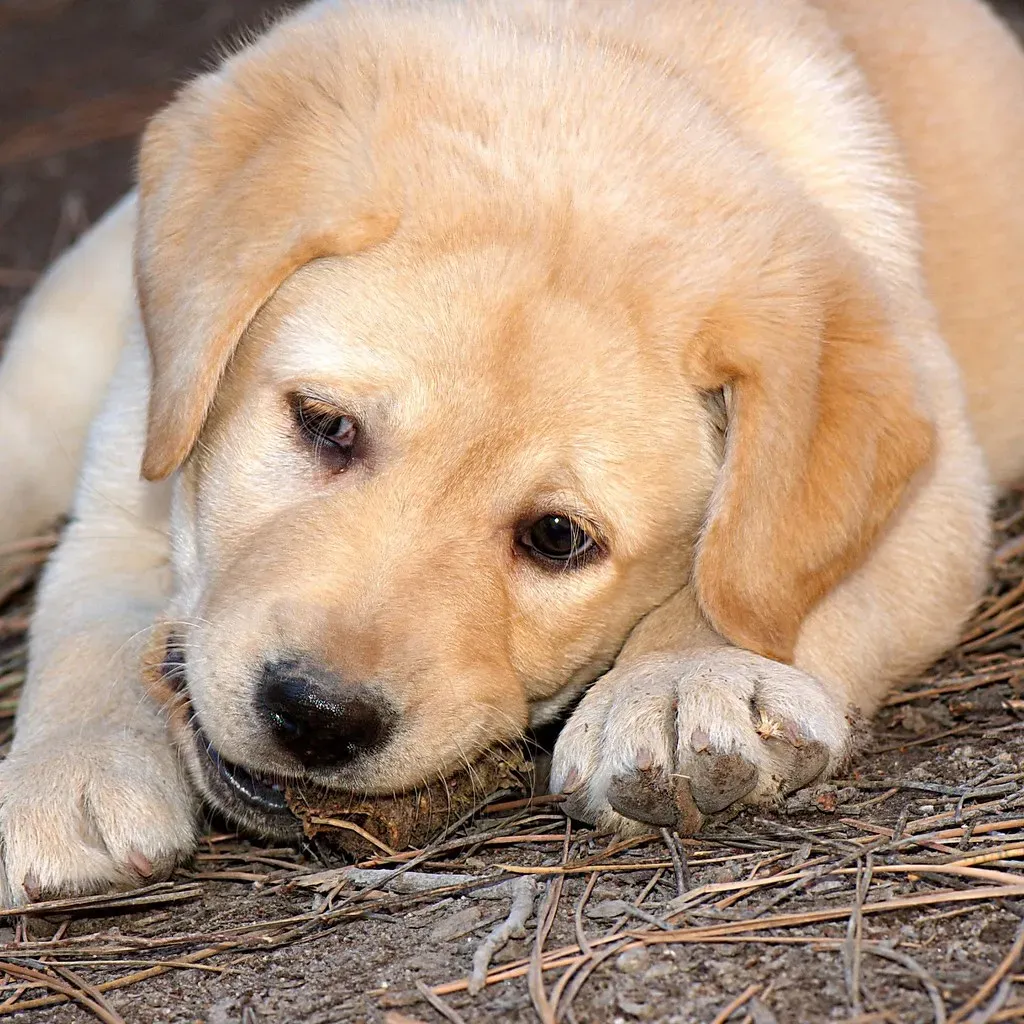
You can easily check to see if the ground is too hot for your dog to walk on by placing the back of your hand flat on the pavement and trying to hold it there for 7 seconds, and if it’s too hot for you to keep it there for the full time, it’s too hot for your dog to walk on. This simple test has saved countless paw pads from burns.
Honestly, I wish more people knew about this hack. On average, the temperature of the pavement can reach 50 degrees hotter than the temperature outside, which can cause severe burns. That’s not an exaggeration. Asphalt absorbs and holds heat like a convection oven.
Schedule your walks during shady parts of the morning or evening, or you can just stroll in more comfortable grassy areas during peak sunlight hours. Your dog won’t complain about cooler walk times, and their paws will thank you. Summer walks at dawn or dusk aren’t just safer, they’re usually more pleasant for both of you anyway.
Invest in Quality Dog Booties
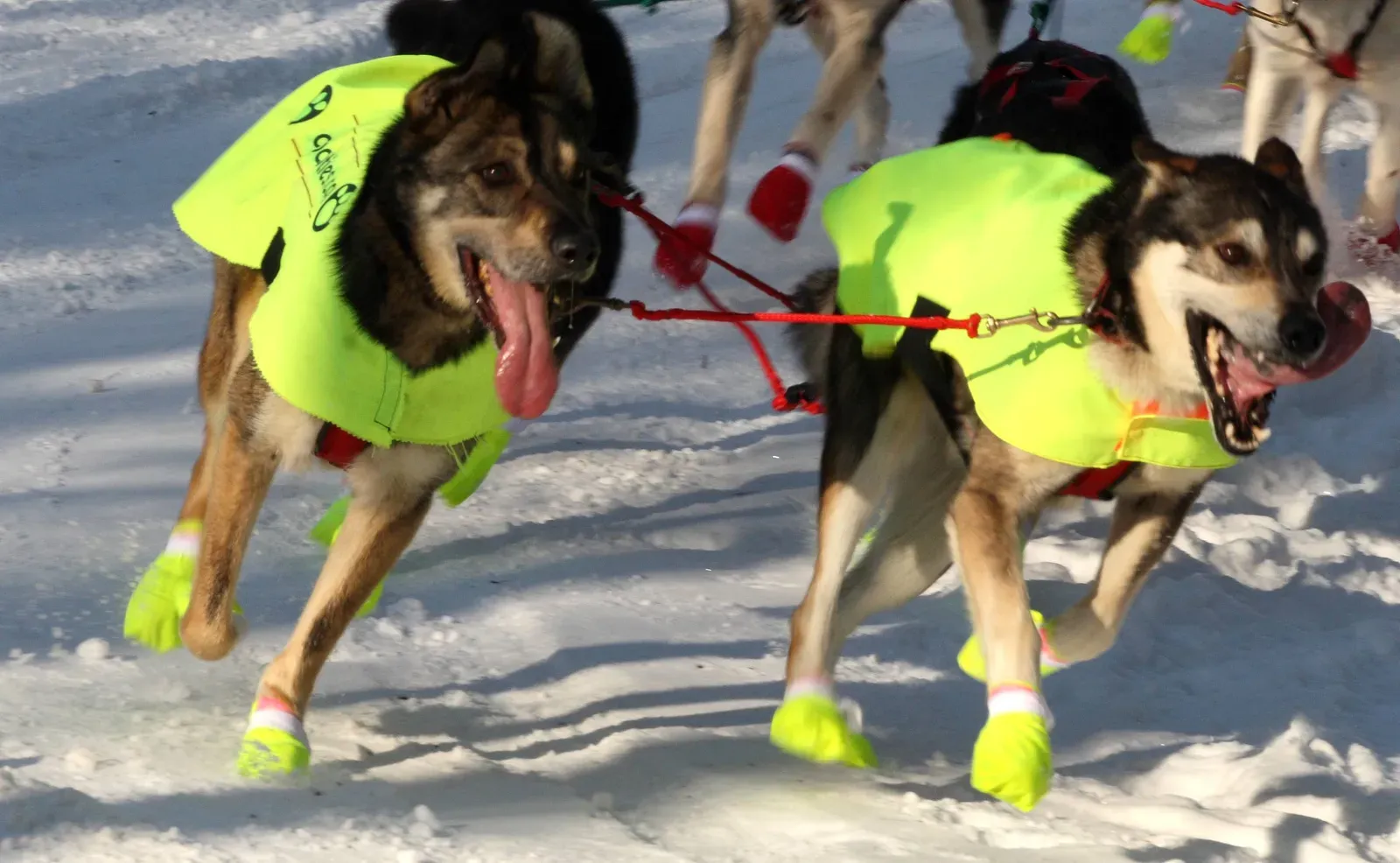
Dog booties are great during the winter as they protect your dog’s paws from salt, ice, snow, and de-icing chemicals. Yes, your dog might look ridiculous at first, and yes, they’ll probably walk like a drunk penguin for the first few tries. That’s completely normal and honestly pretty entertaining.
One of the easiest ways to protect your dog’s paws from the elements is investing in a pair of dog booties, and it may take a little time for your dog to get used to wearing dog booties, but with patience and rewards, most dogs adapt just fine. The key is gradual introduction with lots of positive reinforcement.
Start by letting them wear booties indoors for short periods. Pair it with treats and playtime so they associate booties with good things. PawZ dog boots are great disposable dog booties that provide protection against hot pavement, rain, snow, and environmental allergies, and each boot can be reused multiple times before tossing. Once they’re comfortable, those booties become essential gear for extreme weather conditions.
Keep Nails Properly Trimmed
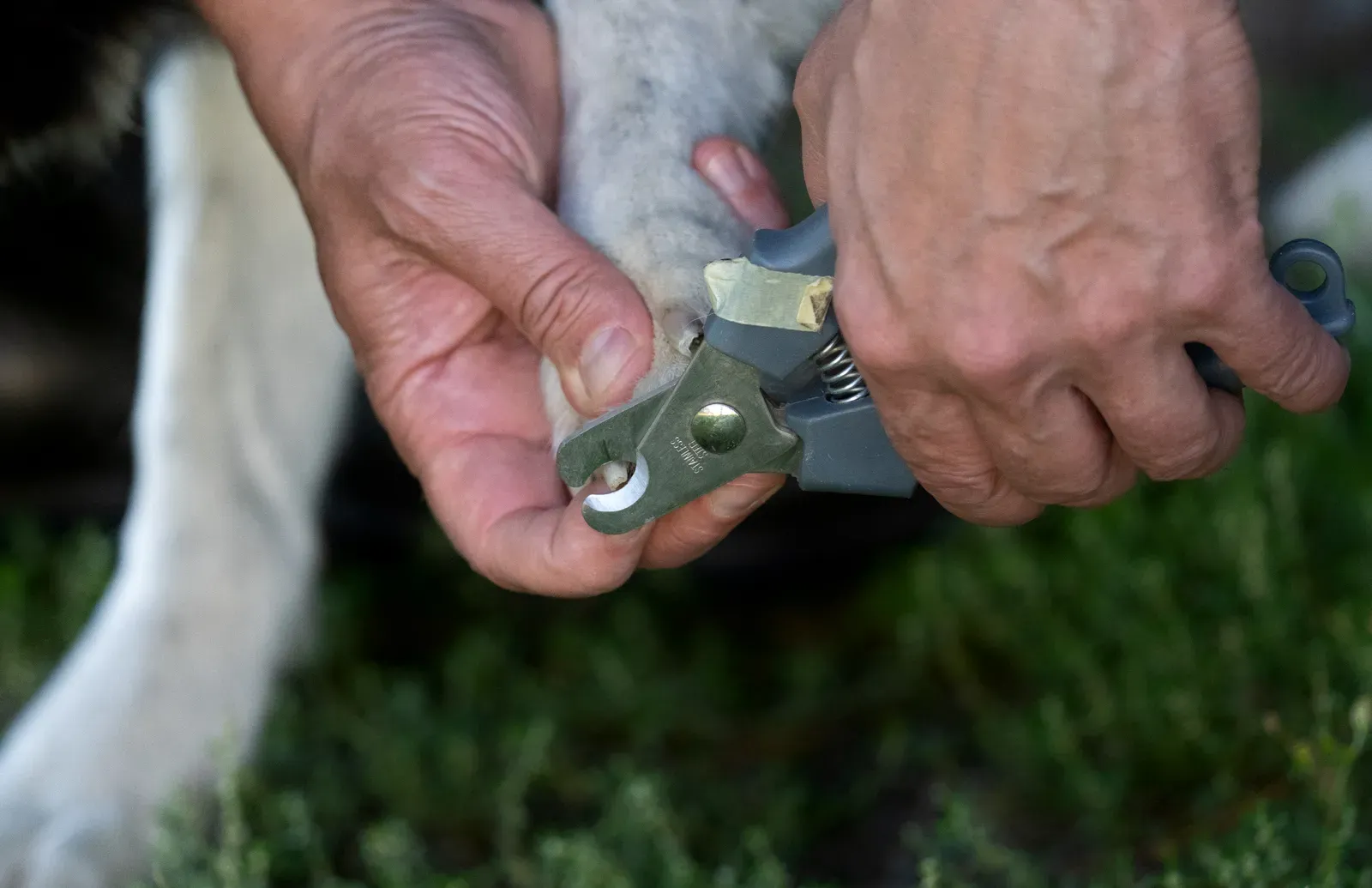
Another important part of caring for your dog’s paws is making sure their nails are trimmed regularly, as unkempt nails can lead to discomfort and pain when walking. Long nails aren’t just a cosmetic issue. They actually change how your dog walks and distributes weight.
Overgrown nails can cause discomfort, alter your dog’s gait, and even lead to joint issues over time, so trim your dog’s nails regularly, ensuring they don’t touch the ground when standing. Think of it like wearing shoes two sizes too small. Eventually, everything starts to hurt.
If the thought of trimming nails makes you nervous, you’re not alone. If your dog is hesitant about nail trims, start slowly and use positive reinforcement like treats and praise to build their comfort. There’s absolutely no shame in taking them to a professional groomer if DIY nail trims feel overwhelming. The important thing is that it gets done regularly.
Moisturize Dry, Cracked Pads
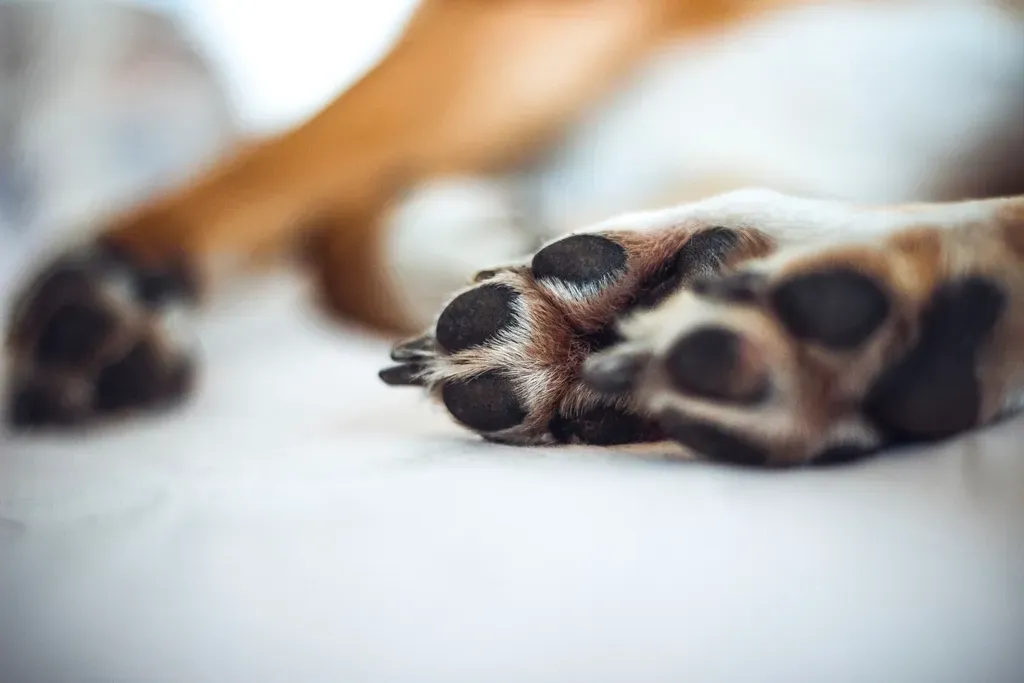
The dry air in your home and the cold air outside can cause dogs’ paws to crack, which is uncomfortable, and icy conditions can also lead to cuts and scrapes. Dry, cracked paw pads are more than just rough to the touch. They’re genuinely painful and more susceptible to injury.
Keeping your pooch’s paw pads moisturized is key in preventing dryness and cracking which can lead to infection or other issues over time, and using a natural moisturizer such as coconut oil will work just as well. The ritual is simple. Massage a small amount into each paw pad once or twice a week.
Dry, chapped paw pads are more prone to injury from splitting and cracking, while healthy, moisturized paws will flex rather than split and actually allow dogs to get a better grip. So moisturizing isn’t just about comfort. It actually improves their traction and mobility too. Who knew?
Rinse Paws After Swimming
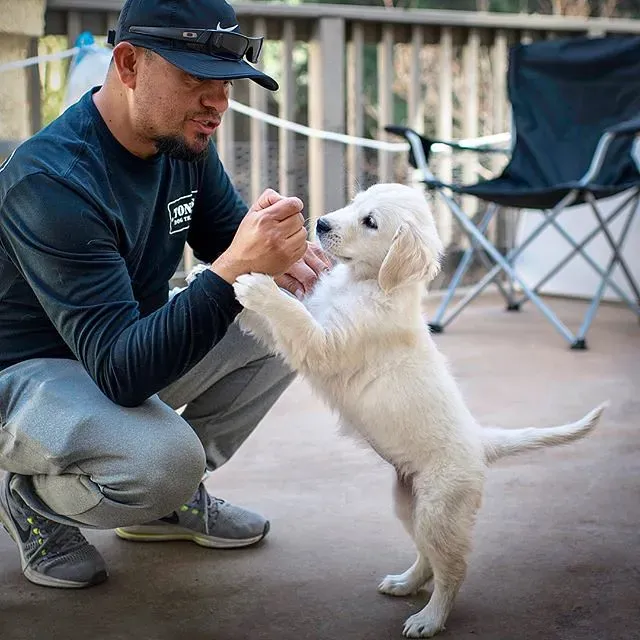
Rinse paws after swimming in chlorinated pools or brackish water to prevent irritation and to remove residue that can dry the skin. This is one of those hacks that seems obvious once you hear it, but most people never think about it until problems appear.
Pool chemicals and salt water might not burn immediately, but they sit on paw pads and between toes, slowly drying out the skin and causing irritation. A quick rinse with fresh water after swimming takes thirty seconds and prevents days of itchy, uncomfortable paws.
Beach days are especially important for post-swim rinses. Sand gets everywhere, salt water is incredibly drying, and hot sand can hide between toe pads where it continues irritating skin long after you’ve left the beach. Make paw rinsing as automatic as applying your own sunscreen before heading out.
Protecting Your Dog’s Precious Paws
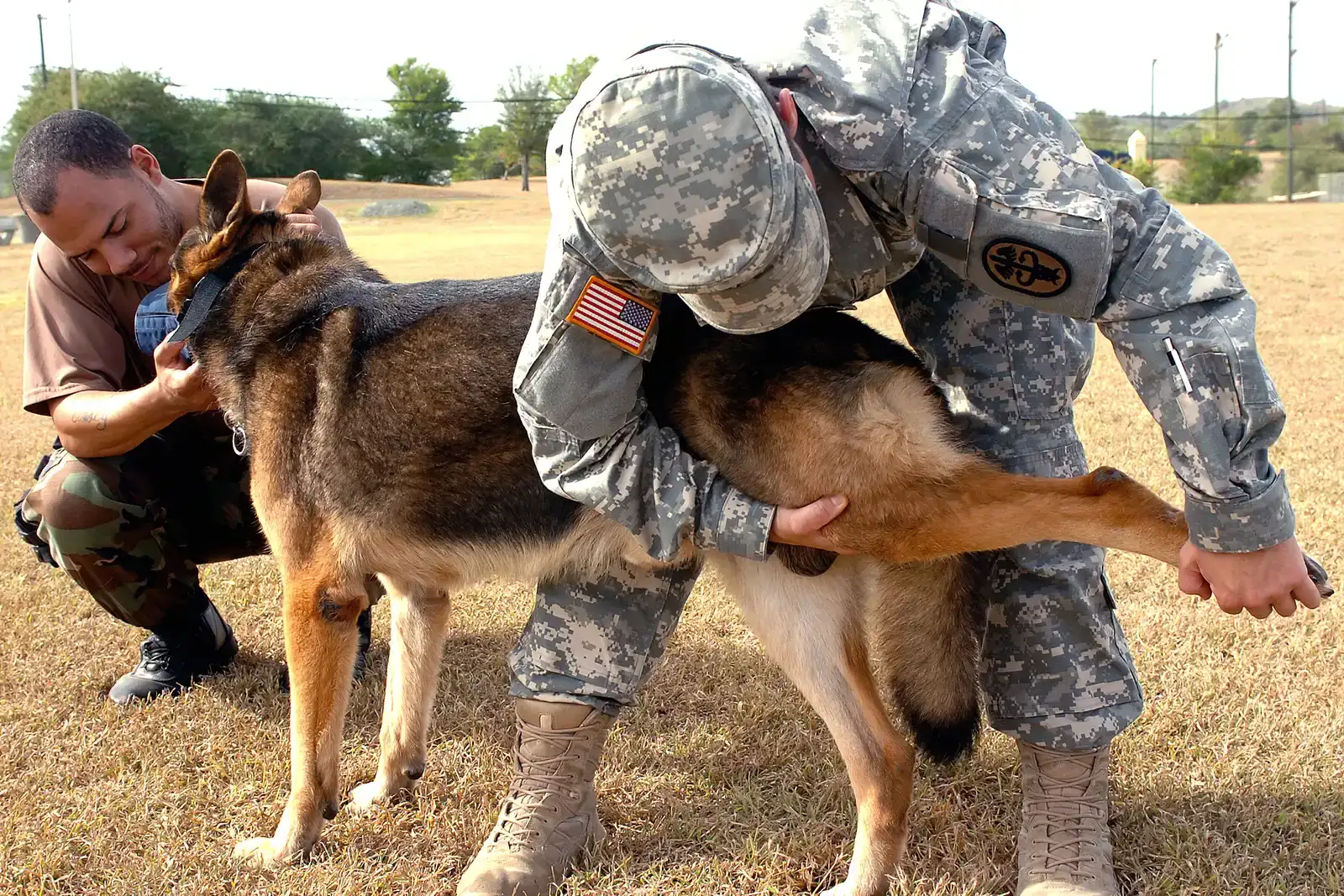
Keeping your dog’s paws healthy doesn’t require expensive products or hours of time. These nine hacks work because they’re simple, practical, and fit into your existing routine. Healthy dog paws will feature paw pads that are smooth to the touch, trimmed nails that don’t touch the ground, and no signs of redness, inflammation, or hair loss.
The real secret? Consistency matters more than perfection. You don’t need to do everything every single day. Choose the hacks that fit your lifestyle and your dog’s specific needs. A beach dog needs different paw care than a city sidewalk walker.
Pay attention to what your dog’s paws are telling you. One of the most noticeable signs of unhealthy dog paws is obsessive licking or chewing behavior, and while occasional paw licking is normal grooming, persistent attention to the paws often signals a problem. Catching issues early makes treatment easier and less expensive.
Your dog gives you unconditional love, endless entertainment, and complete devotion. The least we can do is take care of the four little paw pads that carry them through life beside us. Did you notice any paw issues with your own dog that improved after trying these hacks? Share your experiences in the comments below.


