
Why Does My Dog Follow Me Everywhere? The Sweet Reason Behind Their Shadowing Behavior
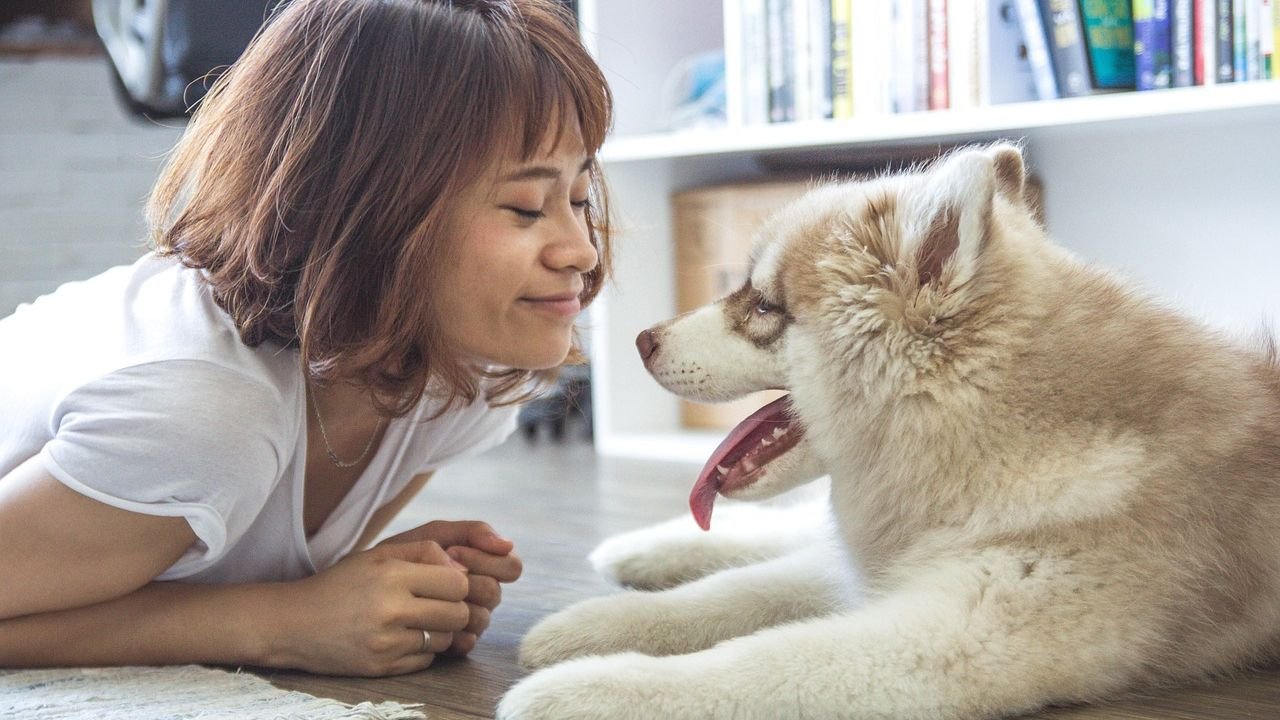
Have you ever found yourself wondering why your furry companion seems to know your every move before you make it? You’re not alone. From the bedroom to the bathroom, the kitchen to the couch, your dog is there, watching, waiting, and following. Maybe you’ve tripped over them more times than you can count, or perhaps you’ve caught them staring at you with those soulful eyes while you’re just trying to eat your breakfast in peace. Here’s the thing: this shadowing behavior isn’t random or obsessive. It’s actually one of the most beautiful expressions of the bond you share with your dog, rooted in thousands of years of evolution, science, and pure, uncomplicated love. So let’s dive in and uncover why your four-legged friend has become your constant companion.
The Ancient Pack Instinct Lives On
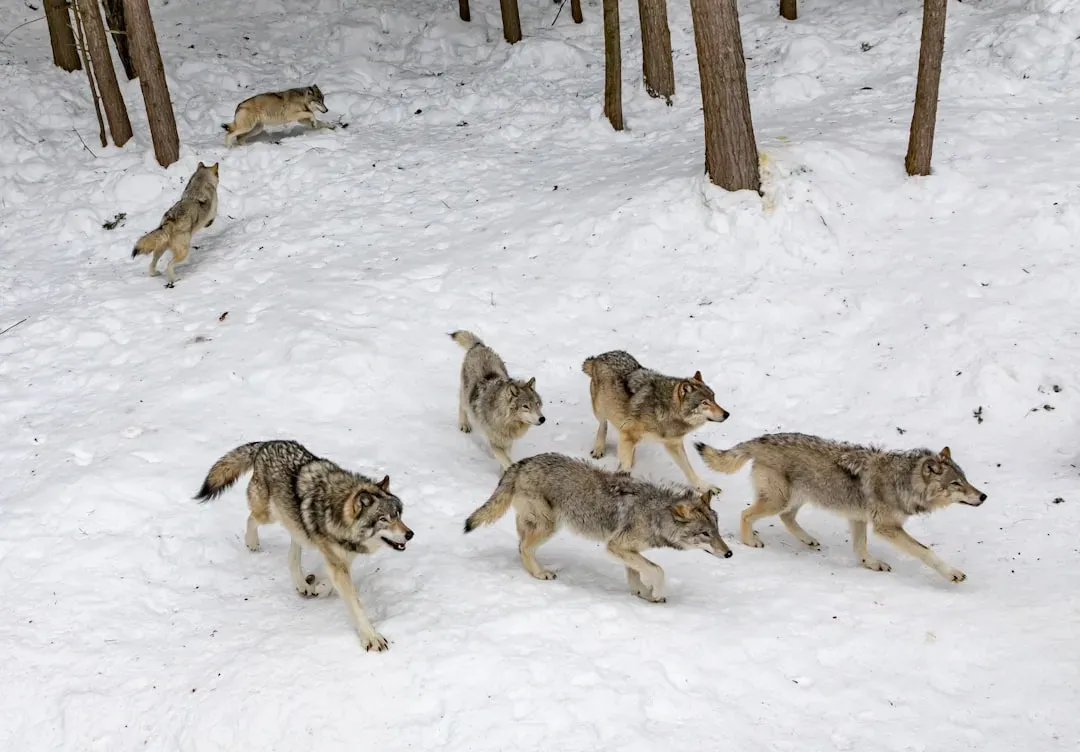
Your dog’s tendency to follow you around stems from their ancestral wolf heritage, where following the pack leader was key to survival. Think about it: in the wild, wolves didn’t wander off alone. They stuck together, relying on their pack for protection, food, and security.
Dogs are descendants of wolves, and sticking close to the pack is ingrained in their DNA. Your home is like their new pack, and you are the leader. When your pup trails you from room to room, they’re simply following an instinct that’s been hardwired into their genes for thousands of years. In their eyes, you are the leader, and staying close means they’re doing their job.
It’s honestly quite flattering when you think about it. Your dog views you as their protector, provider, and the one who makes all the important decisions. This pack mentality isn’t something they can just turn off, even if they’ve never met another wolf in their life.
Love, Oxytocin, and the Science of Bonding
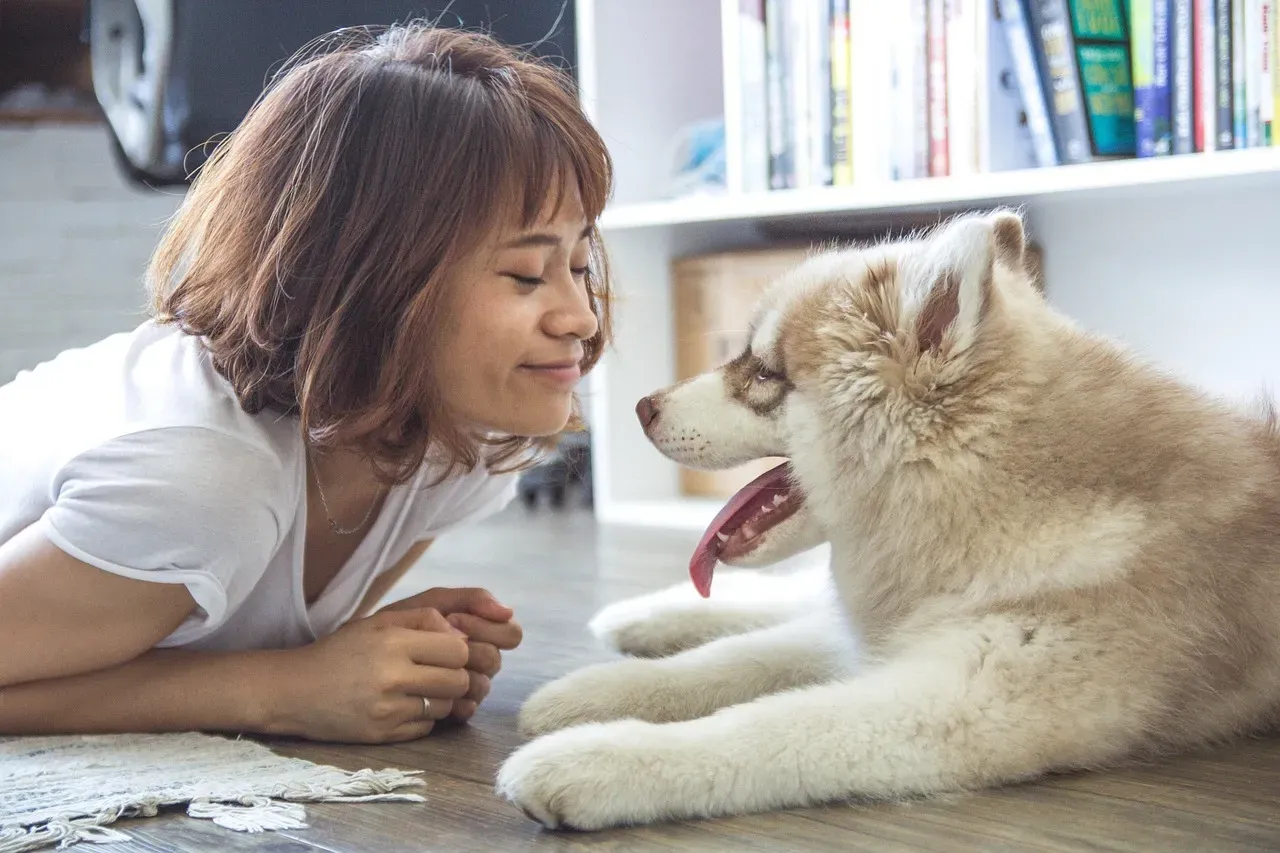
Being close to their owner boosts a dog’s mood, and cuddling or looking into your eyes releases oxytocin, the bonding hormone that increases trust for both the human and the dog. Yes, there’s actual science backing up what you’ve always suspected: your dog really does love you.
When your pup gazes up at you or snuggles against your leg, their brain is literally flooded with feel-good chemicals. A study in the journal Scientific Reports found that when dogs were shown photos of their caregivers, it activated parts of their brains associated with emotion and attachment in humans. That’s remarkable. Your dog’s brain lights up at the mere sight of you, just like a parent’s brain responds to their child.
This biochemical connection means that following you isn’t just a habit. It’s a source of genuine happiness and comfort for them. They’re not being needy; they’re being in love.
You’ve Accidentally Rewarded the Behavior
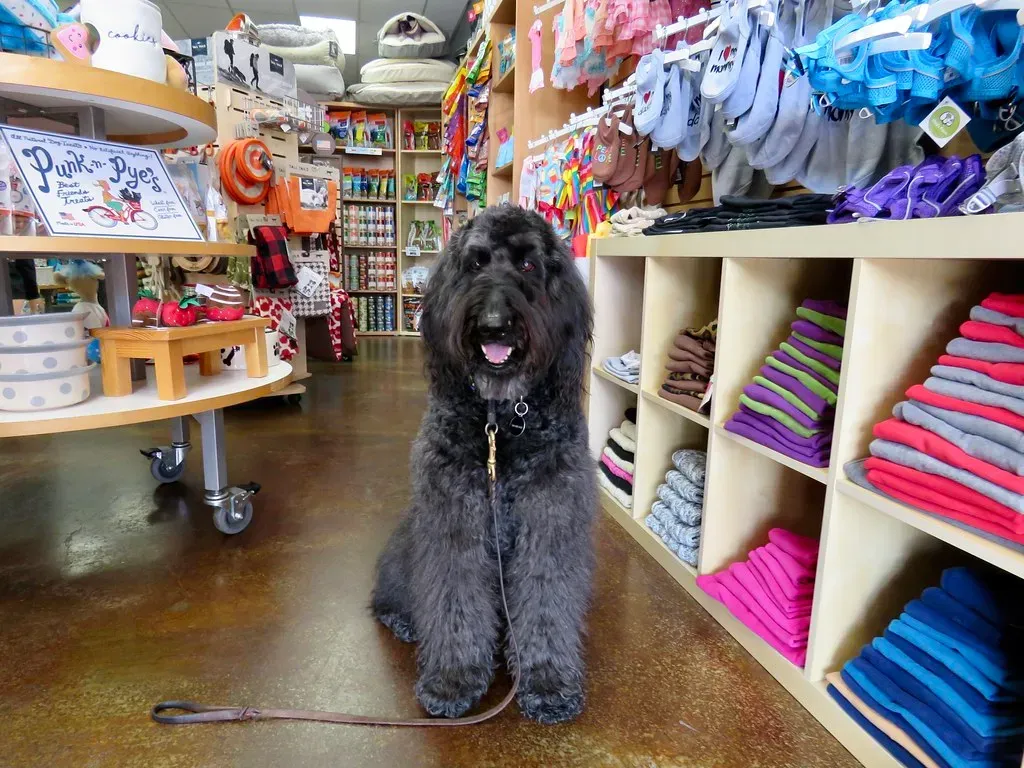
Dogs learn that if they stay at your heels, love and treats usually are on the horizon, so they’ll definitely keep doing it in the hope of more praise. Let’s be real: you’ve probably encouraged this behavior without even realizing it.
Every time your dog follows you to the kitchen and you give them a little piece of cheese, or when they curl up at your feet and you reach down to scratch their ears, you’re reinforcing their shadowing. A dog often follows their humans around because they received attention or some other form of reward in return for this behavior. It’s simple conditioning. Your dog has figured out that proximity equals good things.
There’s nothing wrong with this, by the way. It’s just helpful to understand that you might be part of the reason your dog has perfected the art of being your shadow. They’re smart creatures who quickly learn what works.
Some Breeds Are Just Born Clingy
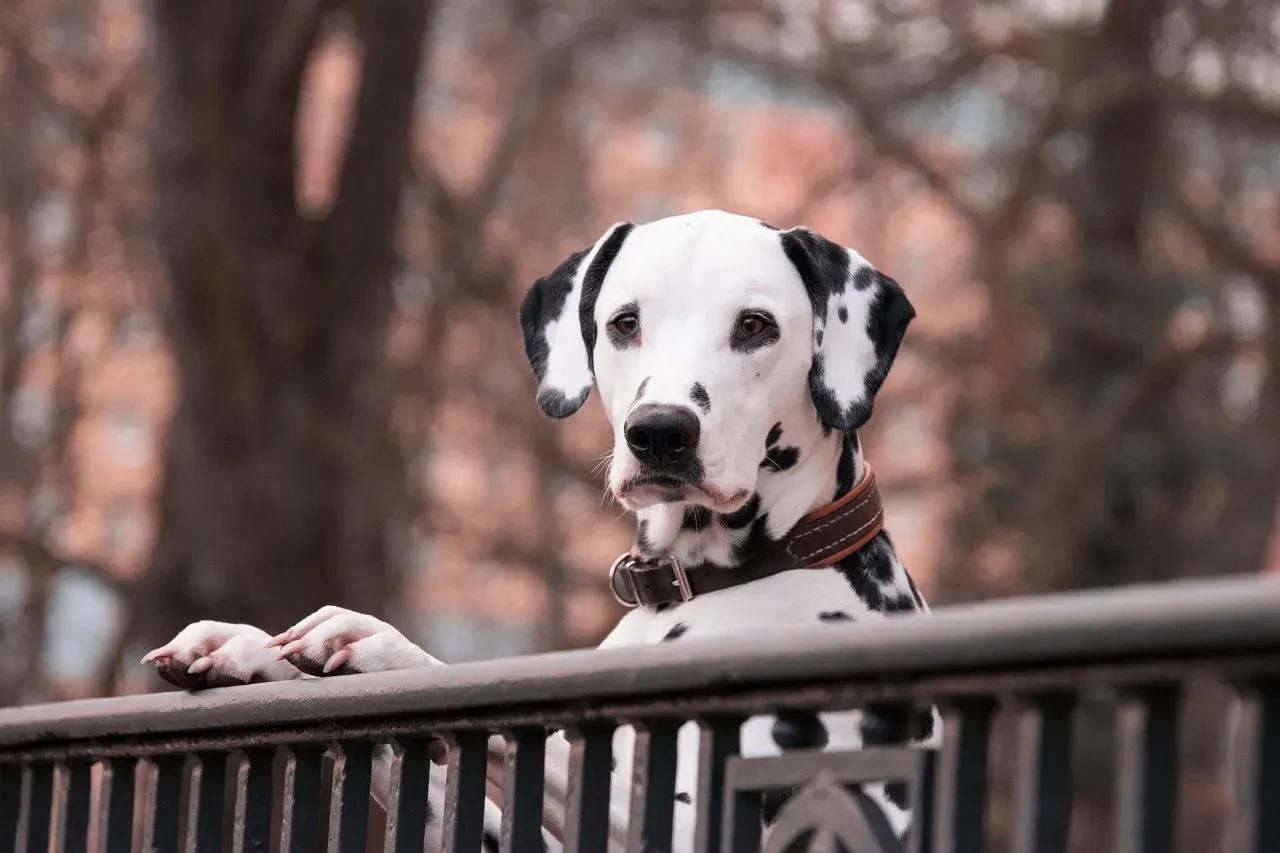
Though almost all dogs love to be near their owners, some dog breeds are definitely known to be clingy, including highly loyal dogs such as Vizslas, Golden Retrievers, Labradors and Border Collies. If you’ve got a Cavalier King Charles Spaniel or a Chihuahua, congratulations: you’ve adopted a professional velcro dog.
It’s not uncommon for certain breeds to over-attach to their owners, particularly those in the Working Group or Herding Group that are bred to work side-by-side with humans. It’s a trait that’s prized and bred into their genetic history. These dogs were literally designed to be your partner, to work alongside you, and to keep you in their sights at all times.
So if your Border Collie refuses to let you out of their sight, they’re just doing what comes naturally. Breed tendencies play a huge role in how closely your dog will follow you, and certain breeds simply can’t help themselves.
When Following Becomes Separation Anxiety
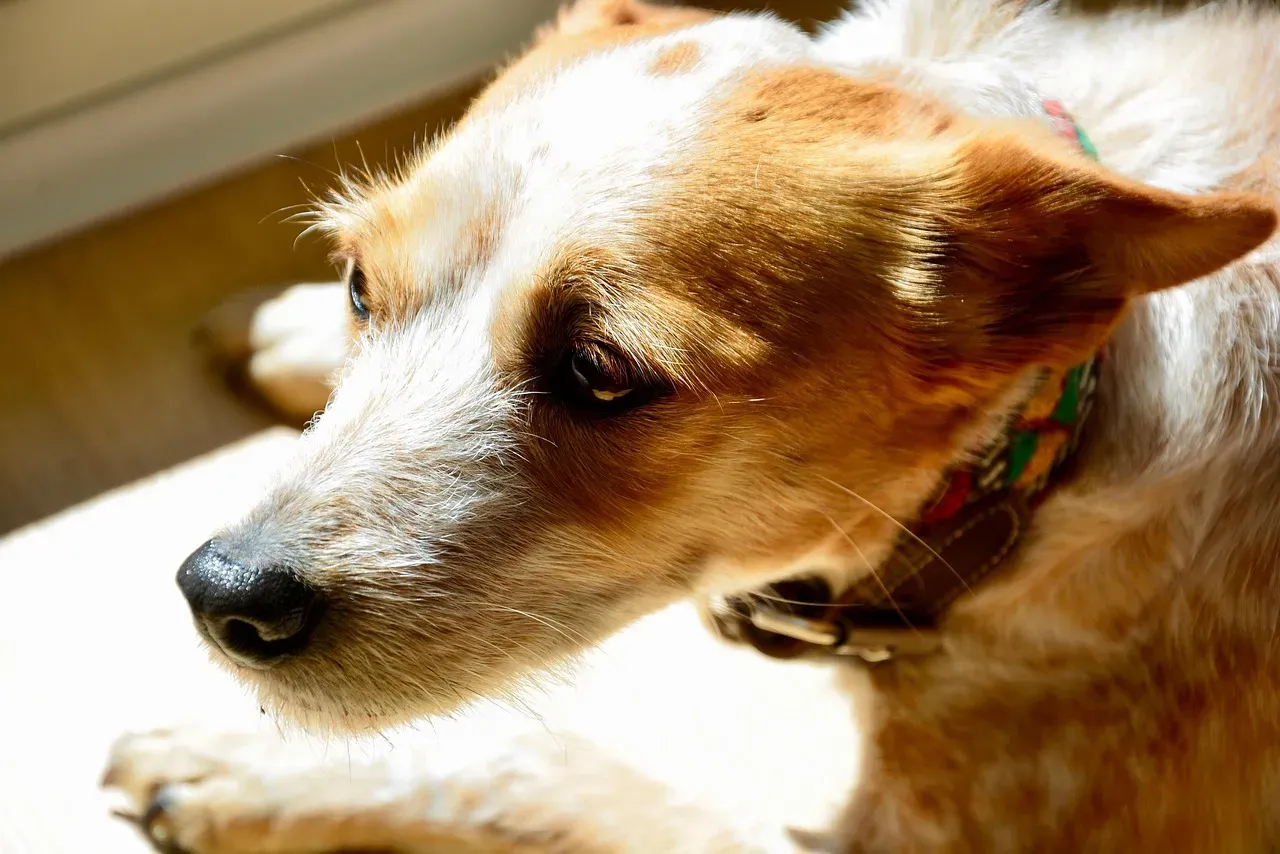
There’s a fine line between your dog following you around in a healthy, calm way, and separation anxiety. The latter means your pooch is distressed, and won’t let you out of their sight because they’re nervous and fearful of being alone without you. Here’s where we need to pay closer attention.
A velcro dog might be a bit put out when you leave the house, but one with separation anxiety will experience emotional distress and panic when left alone. If your dog is happy to stay by themselves for a few hours and greets you calmly when you return, they’re probably just affectionate. However, if you come home to destruction, find they’ve had accidents indoors despite being housetrained, or your neighbors report constant barking and howling, that’s a red flag.
Signs of separation anxiety include increased barking, howling, and whining, destructive behaviors and having accidents in the house. True separation anxiety is like a panic attack for your dog. It’s not just missing you; it’s genuine distress that affects their wellbeing. If you suspect this is happening, it’s time to talk to your vet or a certified behaviorist.
How to Help Your Velcro Dog Gain Independence
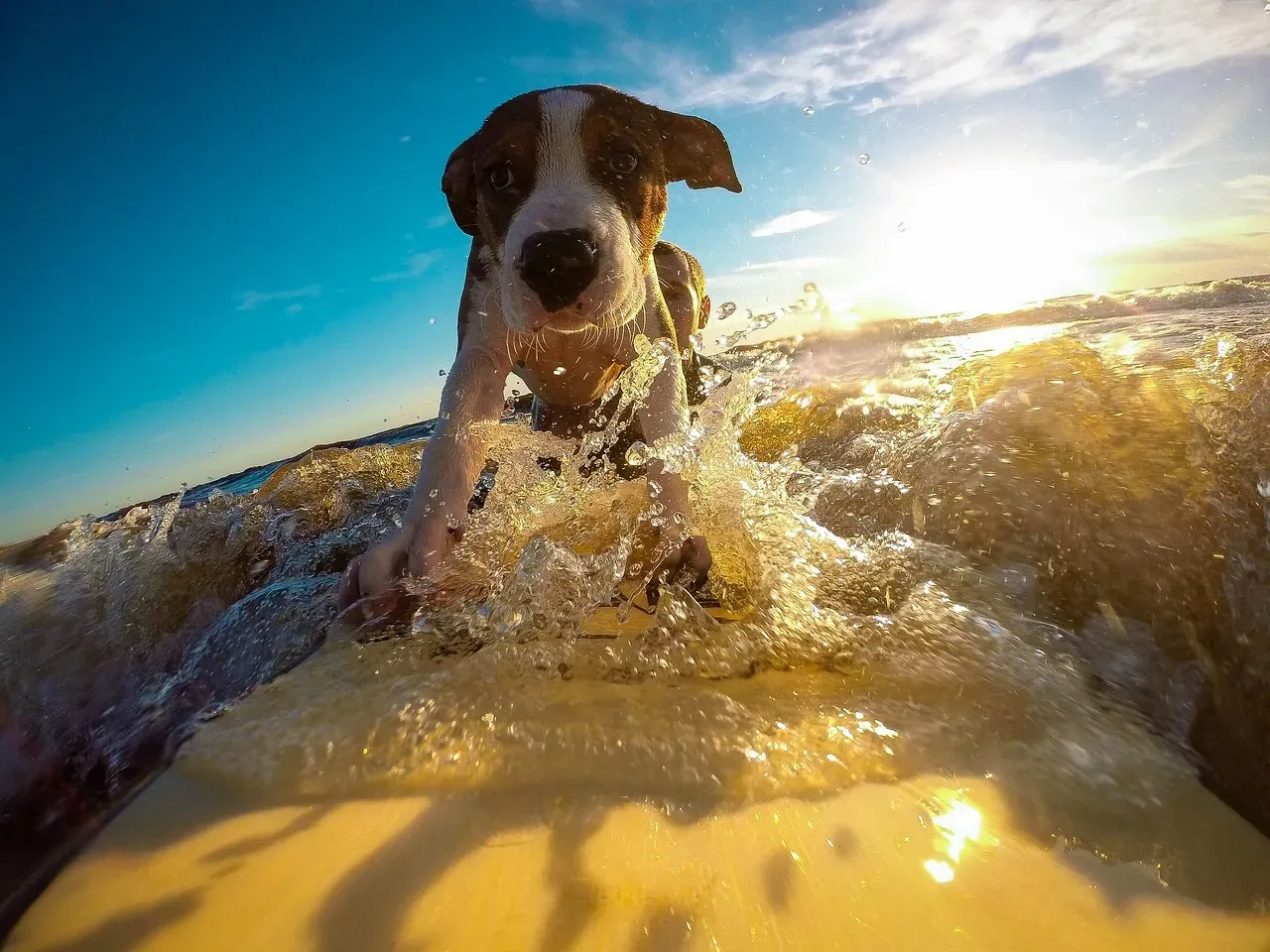
The good news? You can help your dog feel more confident and secure, even when you’re not right next to them. Begin by leaving your dog alone for short periods, then gradually increase the time. This teaches them that it’s okay to be by themselves and that you’ll always return. Reinforce their good behavior with treats and praise.
The first step is to make sure your dog is getting plenty of exercise. A tired dog is usually a content dog and less likely to continually follow their owners. Physical and mental stimulation can work wonders. Puzzle toys, training sessions, and long walks tire them out and give them something to focus on besides your whereabouts.
If your dog is bored, provide plenty of food puzzles, toys, and activities near their dog bed to encourage them to spend some alone time there. If you switch your expectations and only pay attention or give treats once your dog has settled in another area, you’ll start to break the habit of trailing you. Consistency is key. Reward independence, not just togetherness, and your dog will learn that being alone isn’t scary.
The Beautiful Bond Behind the Behavior
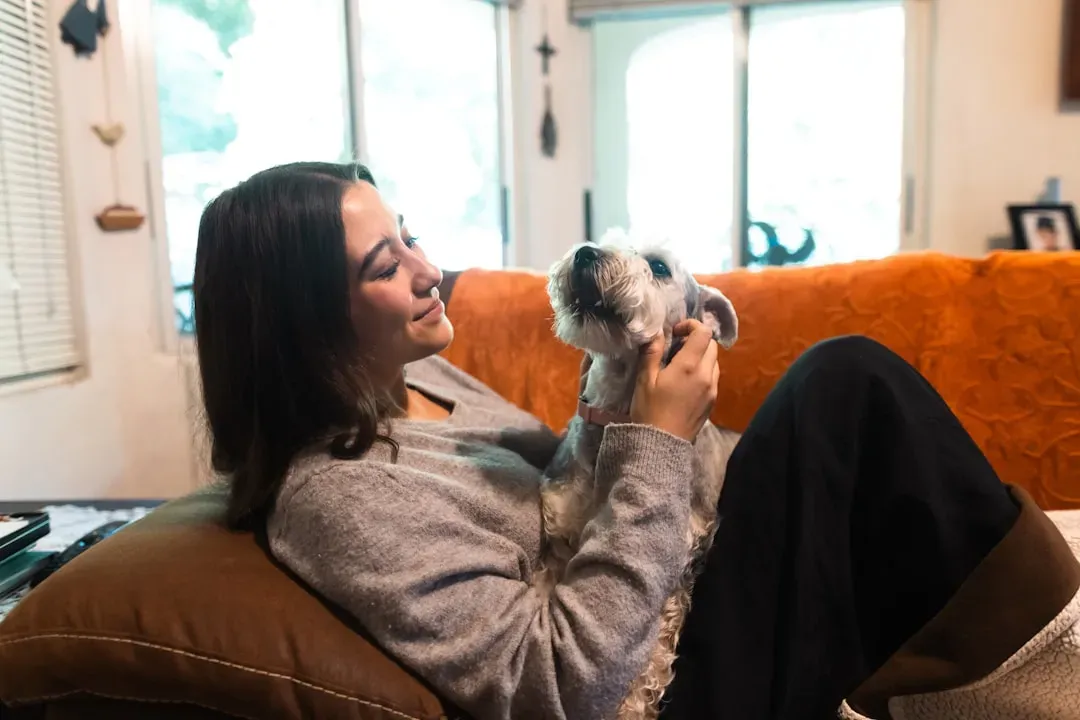
At the end of the day, your dog follows you everywhere because you matter to them more than anything else in their world. Dogs usually follow their owners around for one simple reason: they love you. And most of the time, it’s nothing to worry about. Following you around like a shadow is in a dog’s nature; a sign of their deep sense of companionship.
Dogs are incredibly social animals and love to spend time with their owners. You are your dog’s whole world and being with you is a big part of their life. You make them feel happy, secure and safe. Let that sink in for a moment. You’re not just a person to your dog. You’re their entire universe, their source of joy, their comfort, and their purpose.
Yes, sometimes it’s inconvenient when you’re trying to cook dinner or take a shower in peace. Yet it’s also a profound privilege to be loved so completely and unconditionally. Your dog isn’t following you because they’re bored or needy. They’re following you because being near you is where they feel most at home.
So the next time you find your furry shadow at your heels, take a moment to appreciate the depth of the bond you share. Whether it’s pack instinct, brain chemistry, or just pure devotion, your dog’s following behavior is one of the most genuine expressions of love you’ll ever experience. What do you think about it? Does your dog follow you everywhere, or are they more independent? Tell us in the comments.