
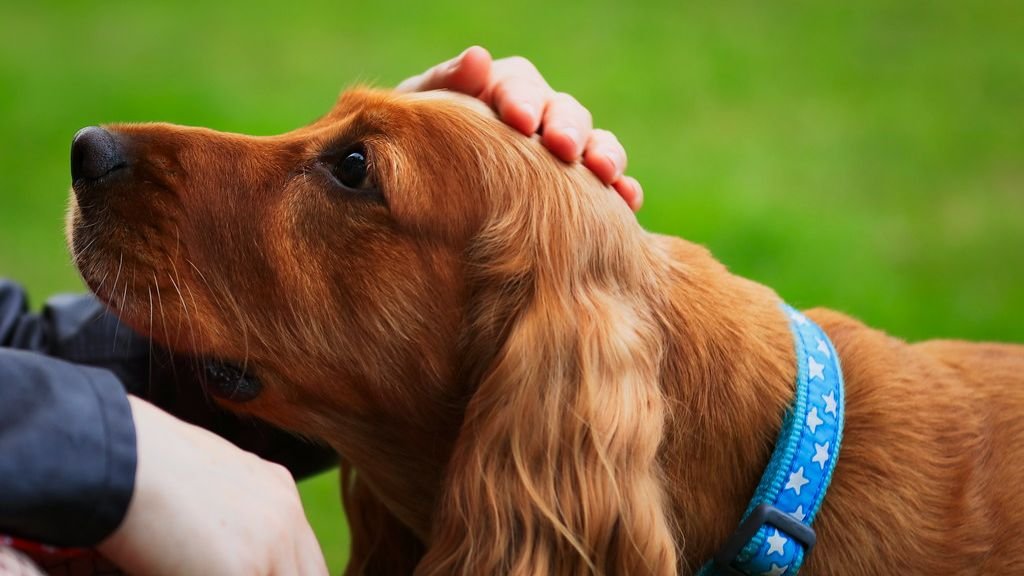
You’ve probably done it a thousand times. Your dog wanders over, all soft eyes and warm fur, and you can’t help yourself. You wrap your arms around them, squeeze them close, and think you’re sharing a moment of pure love. Here’s where it gets uncomfortable: your dog might not feel the same way. In fact, some experts argue that when you hug your dog, they might interpret it as something completely different than affection. They might see it as dominance. Or worse, a threat.
The idea sounds almost ridiculous at first. How could something so natural to us be so confusing to them? Yet when we dig into the science of canine communication, a fascinating and slightly heartbreaking picture emerges. Dogs speak a completely different language than we do, and our well-meaning embraces might be lost in translation. Let’s dive into what experts have discovered about hugging, dominance, and what your dog is really trying to tell you when you pull them close.
The Dominance Theory: Where Did This Idea Come From?
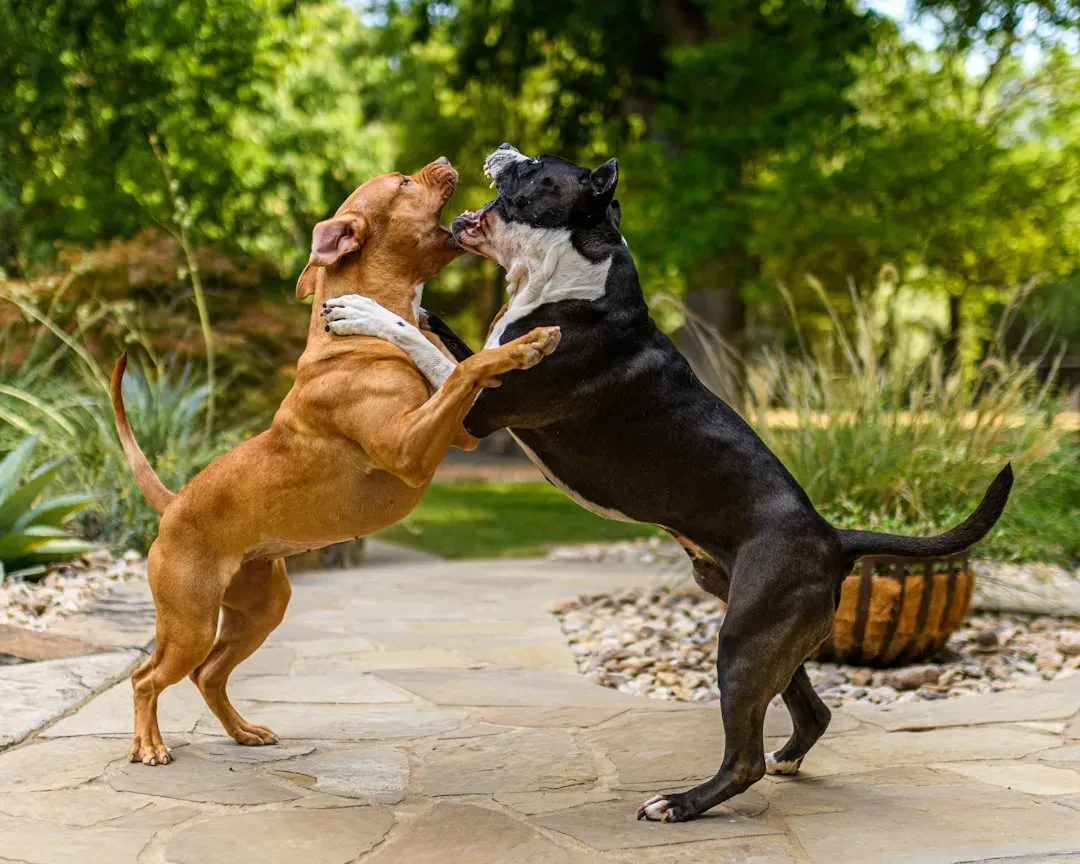
In dog social dynamics, dominant dogs might assert themselves through physical contact, and when we hug our dogs, they might interpret it as an attempt to assert dominance over them. This theory stems from observing how dogs interact with each other in their own world. In wild canines, the alpha dog will assert dominance by putting their paws on the shoulders of a less dominant dog, much like a human hug.
Think about it from their perspective. Dogs don’t naturally embrace each other the way we do. When dogs interact, they don’t embrace each other – they might pin each other to the ground, but only in one of two contexts: play fighting or real fighting. So when you wrap your arms around them, that pressure over their body could feel less like love and more like someone trying to control them.
To dogs, a hug is seen as a very dominant form of behavior; it feels like a stranger is trying to assert control over them, which can be quite stressful. The restraint of being held creates a power dynamic that doesn’t exist in their usual vocabulary of affection. It’s hard to swallow, honestly, because we’ve been conditioned to see hugs as the ultimate expression of warmth. Yet in the canine world, that same gesture carries an entirely different weight.
Dogs can also view hugging as an exertion of dominance, which is particularly concerning when children are involved. The challenge here is that we’re projecting our own emotional needs onto creatures who didn’t evolve to understand them.
What the Research Actually Shows About Stress in Hugged Dogs
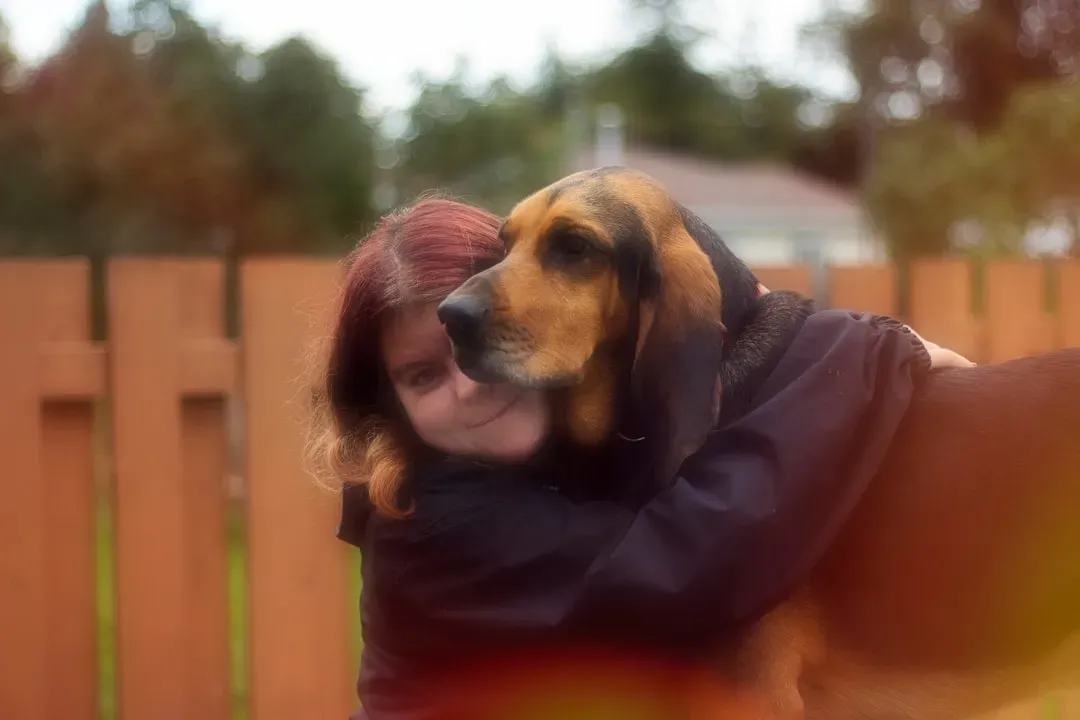
Dr. Stanley Coren conducted a research study where he looked at 250 photographs of people hugging their dogs, and although the people were smiling and happy, 81 percent of the dogs showed body language signs of stress. That statistic is staggering when you really sit with it. More than eight out of every ten dogs photographed weren’t enjoying the moment at all.
Recent research has gone even further. Data from video analysis showed that 68.25 percent of dogs avoided eye contact and turned their head away from the hugger, 43.75 percent licked their lip or nose, 81.25 percent were observed blinking, 60 percent had ears flattened, and 42.5 percent were panting. These are all classic stress signals that most people completely miss because they’re focused on their own feelings.
Perhaps most concerning, in two out of three of the videos reviewed, the dog showed nipping or biting behaviors directed toward the human hugging them. This isn’t affection. This is a dog desperately trying to communicate discomfort in the only way they know how. The problem is we’re so caught up in our need to express love physically that we ignore what they’re telling us.
The stress isn’t just emotional, either. You’re essentially trapping them, and they can’t get away from anything that scares them or makes them uncomfortable while in your arms. Imagine being held against your will by someone much larger than you, unable to move. That’s the experience many dogs endure when hugged.
Why Dogs Experience Hugs as Threatening Behavior
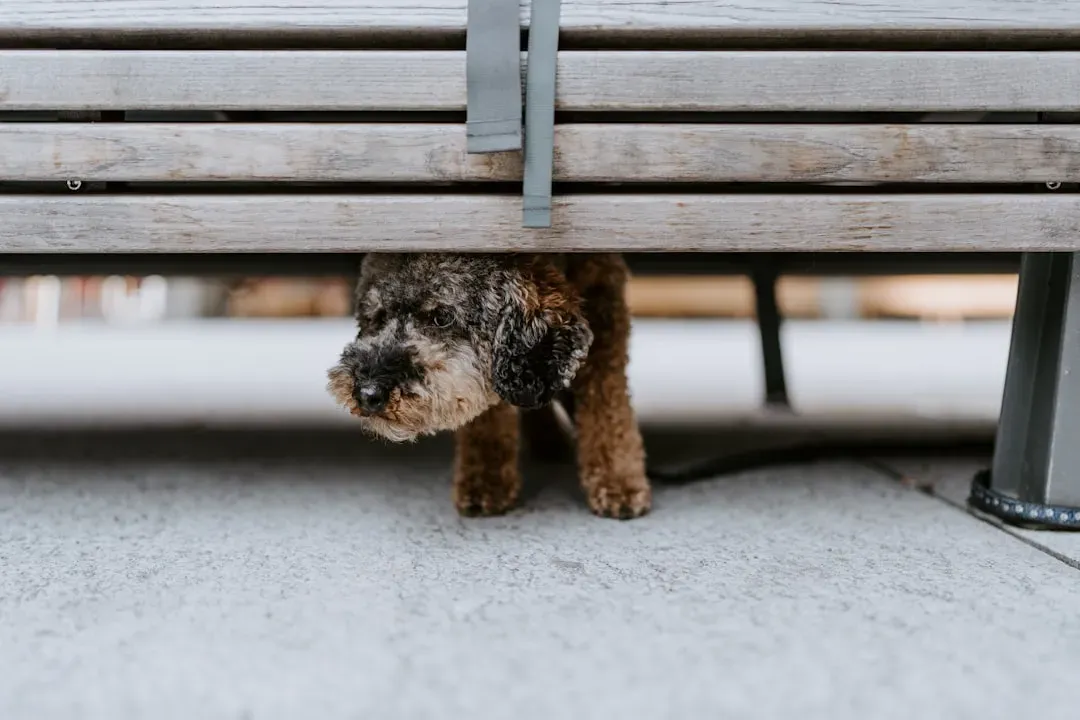
Dogs are technically cursorial animals, which means they are designed for swift running, so in times of stress or threat, the first line of defense a dog uses is not his teeth, but rather his ability to run away. This is key to understanding the entire issue. When threatened, a dog’s instinct is flight, not fight.
Behaviorists believe that depriving a dog of that course of action by immobilizing him with a hug can increase his stress level and, if the dog’s anxiety becomes significantly intense, he may even be driven to bite. You’re literally blocking their escape route. For a creature wired to flee danger, being restrained triggers deep-seated anxiety that can escalate quickly.
As hugging is often accompanied by direct staring and putting your face next to the dog’s, they might also interpret your actions as aggressive or threatening. In dog language, prolonged eye contact and looming over another dog are confrontational gestures. We think we’re being loving; they think we’re being aggressive.
This is where the communication breakdown becomes truly heartbreaking. We speak different languages and use different behaviors to communicate, and misreading your dog and subjecting them to hugs can stress them and even result in a bite. The gap between our intentions and their interpretation is vast, and it’s our responsibility to bridge it.
Reading the Signs: What Your Dog Is Really Telling You
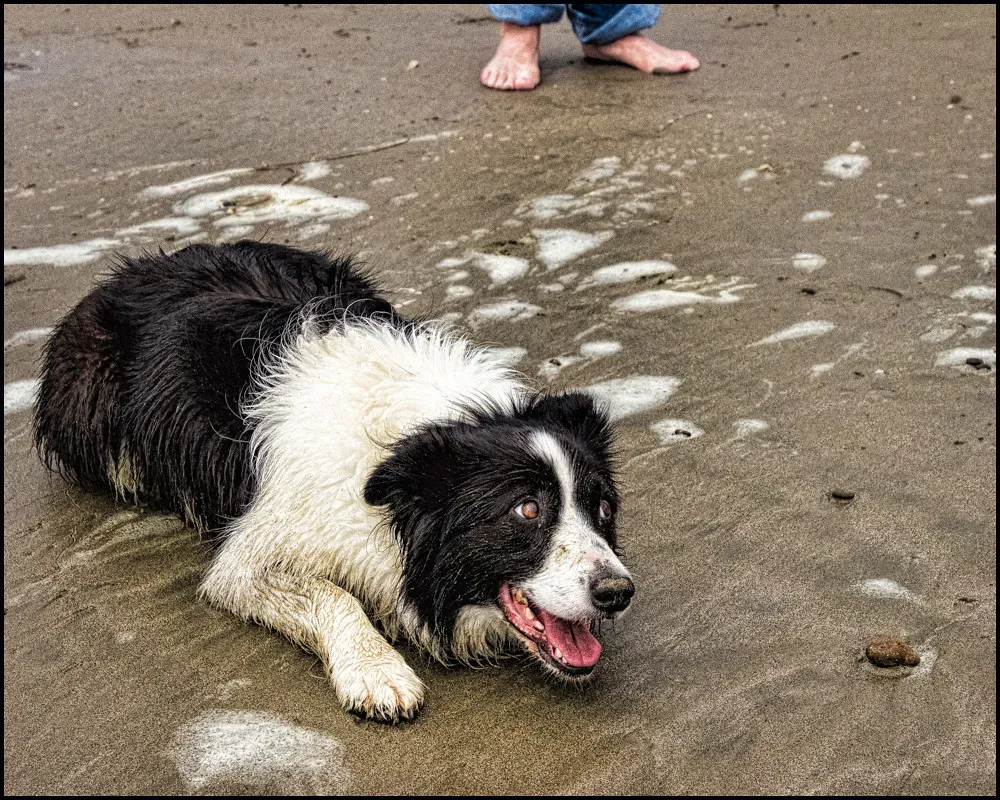
Most owners have no idea their dog is uncomfortable. Your dog is simply tolerating your behavior, and although the odd dog doesn’t seem to mind, most dogs display stress signals when hugged, and their owners are oblivious. Learning to read these signals is absolutely critical if you want to respect your dog’s emotional boundaries.
If your dog stiffens or becomes still when you hug them, they are not enjoying the experience – a happy dog is loose and relaxed. Stiffness is one of the most obvious signs, yet people often miss it entirely. Dogs will not make eye contact when they are uncomfortable, so they might turn their head away from you, sometimes also closing their eyes.
Other subtle cues include lip licking, yawning, and what’s called “whale eye.” Also called half-moon eye, this is where you can see the white of your dog’s eyes. When a dog is uncertain about something, they will often lift one front paw off the ground. These are all calming signals – your dog’s way of trying to self-soothe in a stressful situation.
Honestly, once you start paying attention, you’ll see these signs everywhere. The next time you reach for your dog, watch their reaction carefully. Do they lean in or lean away? Do their ears go back? Does their body tense? These tiny details reveal volumes about how they’re feeling.
Better Ways to Show Your Dog You Love Them
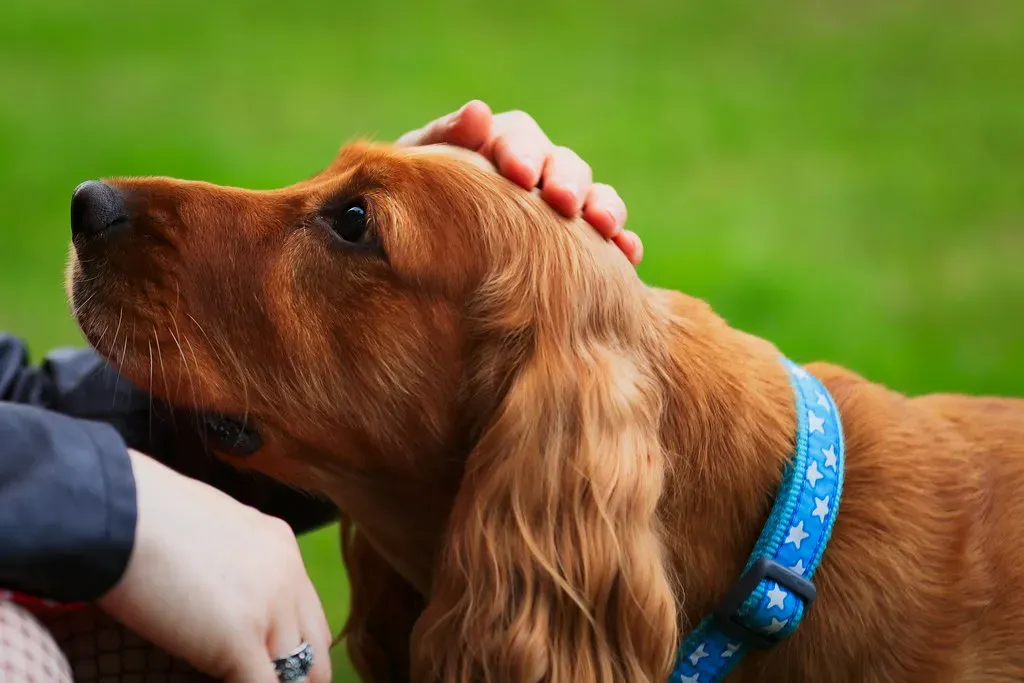
The good news is there are countless ways to express affection that your dog will actually enjoy. You can play games with your dog, like fetch, tug-of-war, or hide-and-seek, and if you use positive reinforcement training, time spent learning a new behavior is fun and mentally stimulating. Dogs thrive on interaction that respects their natural communication style.
Dogs often enjoy calm, soothing pets, especially on their belly or behind the ears. Instead of wrapping your arms around them, try sitting beside them and offering gentle scratches. In general, most dogs enjoy being stroked on the chest or behind the ear closest to you – this means you do not have to reach over their head, which may be stressful to some dogs.
Some dogs do learn to tolerate or even enjoy hugs over time, especially with their trusted humans. For safety, you can teach your dog to tolerate hugs through desensitization and counterconditioning, changing your dog’s negative associations with restraint to something more accepting. The key word here is tolerate, though. Just because they’ll put up with it doesn’t mean it’s their favorite thing.
Pay attention to what your individual dog enjoys. Maybe they love leaning against your legs, or maybe they prefer active play to physical touch. Every dog is different, and showing love in a way that resonates with them creates a deeper, more authentic bond than forcing affection they don’t understand.
Conclusion: Love in a Language They Understand
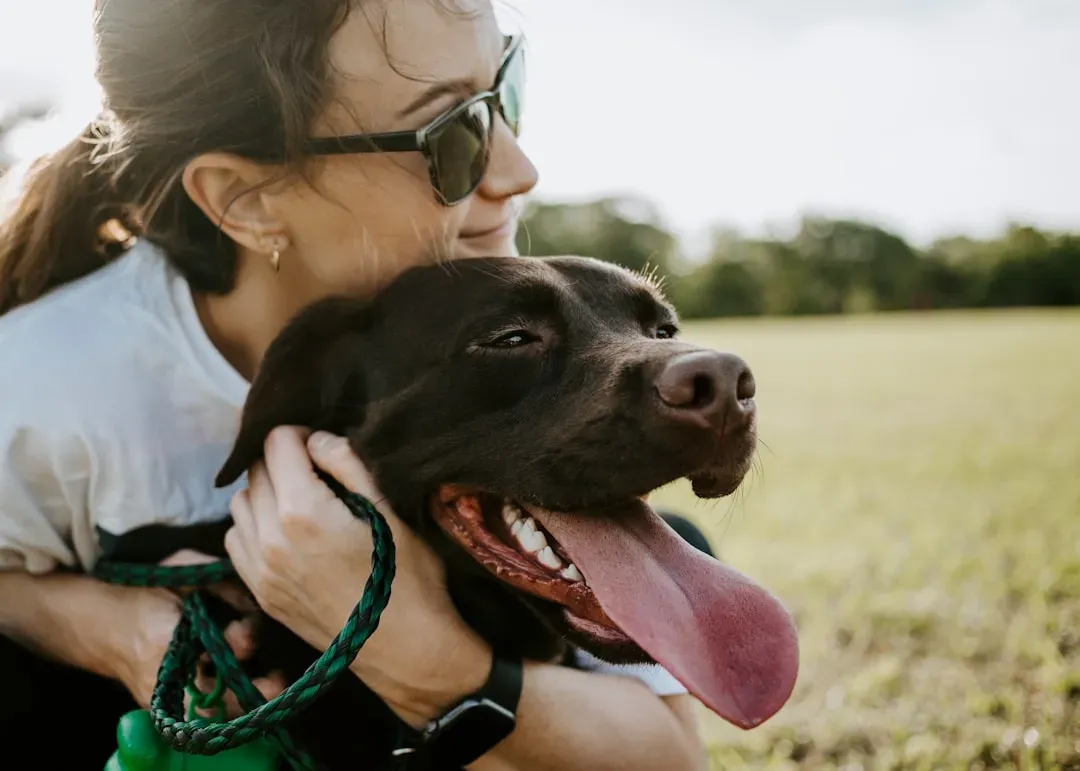
Here’s the thing: your dog doesn’t need you to hug them to know you love them. They need you to listen, to watch, to respect their boundaries. The so-called dominance interpretation of hugging might sound extreme, yet it highlights a fundamental truth: what feels like love to us can feel like control to them.
This can cause feelings of discomfort, anxiety, fear, distress, and confusion in a dog, which may result in a fractured human-dog bond, welfare issues for the dog, and the possibility of a dog escalating to exhibit defensive or agonistic behavior. The stakes are higher than we realize. By continuing to hug dogs who don’t want it, we’re not just making them uncomfortable – we’re potentially damaging the trust we’ve worked so hard to build.
Learning your dog’s language isn’t about giving up affection. It’s about expressing it in a way that makes sense to them. Watch their body language. Offer them choices. Let them come to you. When you meet them where they are, the connection becomes so much richer than any forced embrace could ever be.
So next time you feel the urge to squeeze your pup, pause. Ask yourself: is this for me, or for them? What do you think – have you ever noticed your dog pulling away when you hug them? It might be time to try showing love in a whole new way.


