

You know that friend who seems to have found the fountain of youth? The one who still laughs at silly jokes and finds joy in the simplest things? Well, some dogs are exactly like that. They keep that sparkle in their eyes, that bounce in their step, and that mischievous grin well past their puppy years. Others? They’re the wise old souls who seem to have been born wearing reading glasses and sighing deeply at the world’s chaos.
Here’s the thing. If you’ve ever watched your bouncing bundle of fur and wondered when they’ll finally settle down, you might be surprised to learn that for some breeds, the answer is basically “never.” Meanwhile, other breeds are trading in their puppy energy for dignified composure before their first birthday candles are even blown out. Understanding these differences isn’t just fascinating, it’s genuinely helpful when choosing a companion who’ll match your lifestyle. So let’s dive in.
The Science Behind Puppy Energy That Never Quits

Some breeds are often referred to as “forever puppies,” retaining both puppy-like appearance and behavior throughout their lives. It’s not just about being cute or small. The perpetual puppy personality comes down to selective breeding, energy levels, and temperament traits that were deliberately preserved over generations.
While most puppies eventually settle into calmer adulthood, some breeds keep their playful energy, curiosity, and goofy antics for life. Think about it like this: dogs bred for high-energy work, like herding or retrieving, were specifically selected to maintain enthusiasm and stamina. That didn’t just vanish because breeding programs shifted toward companion animals. The drive remains.
Honestly, when you understand that a Beagle’s nose-to-the-ground curiosity or a Boxer’s goofy wiggling isn’t just a phase, you can better prepare yourself. These dogs aren’t being difficult. They’re being exactly what centuries of breeding made them to be.
Boxers: The Eternal Goofballs
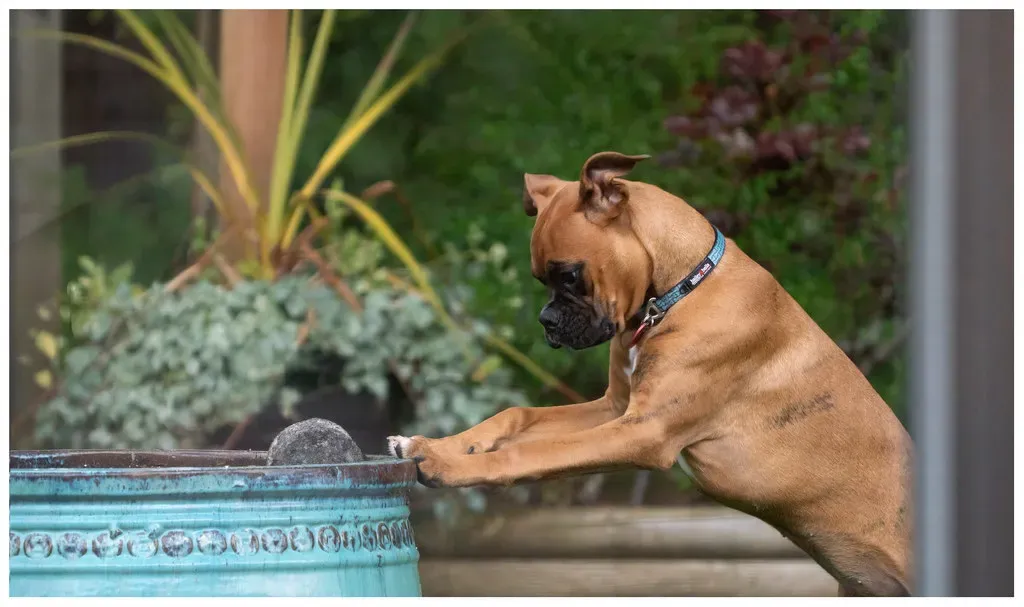
Boxers are known for their goofy, fun-loving personalities, making them one of the most puppy-like dog breeds, with boundless energy that keeps them bouncing around well into adulthood. If there’s one breed that embodies the phrase “never growing up,” it’s the Boxer. These dogs greet you with full-body wiggles and enthusiastic jumps, whether they’re six months or six years old.
Boxers love to play and can turn even the simplest things into a game, and their youthful attitude and strong bond with their families make them a joy to have around. Let’s be real, living with a Boxer means accepting that your dignity might take a hit when they decide to zoom around the living room at full speed for no apparent reason. Their clownish behavior is endearing, but it requires patience and plenty of exercise to channel appropriately.
Labrador Retrievers: Peter Pan Dogs
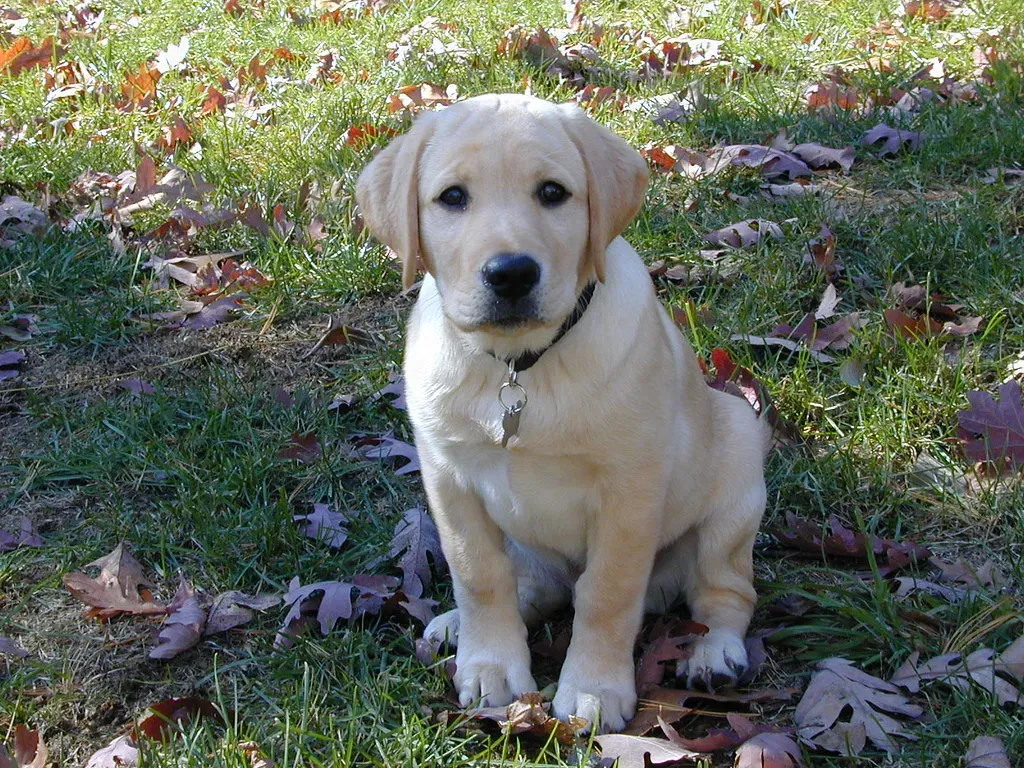
Golden Retrievers are often called “Peter Pan” dogs because they never seem to grow up inside, with boundless enthusiasm for life, friendly nature, and desire to please. Labradors share this eternal puppy spirit with their Golden cousins. Labs are eternally youthful in their hearts and bones, always up for a game of fetch, a swim, or chasing butterflies like it’s their very first walk.
The Labrador retriever matures moderately fast, reaching adult height from six to twelve months, but possibly still filling out up to two years of age. Physically, sure, they grow up. Mentally? That’s another story entirely. Labradors who are left alone or not well exercised can become destructive, and field line dogs are especially high-energy.
What does this mean for you? Well, if you want a dog who will enthusiastically destroy your carefully organized garden or joyfully knock over your coffee table while wagging, a Lab might be your perfect match. They’re not being bad. They’re just perpetually excited about absolutely everything.
Beagles: Curiosity Never Ages

Beagles have an adventurous spirit and a nose that never stops sniffing, keeping them in a perpetual state of curiosity, with playful energy and enthusiasm for life making them seem like eternal puppies. I think Beagles might be the most optimistic dogs on the planet. Every walk is an adventure. Every scent is a mystery worth investigating for at least ten minutes.
Beagles approach every scent, sound, and sight with wide-eyed wonder, as if the world is an endless playground. This breed’s mischievous nature and comedic timing mean you’ll never be bored. You might be exasperated when they’ve somehow escaped the yard to follow an interesting smell, but never bored.
Their howling can be excessive, particularly when they’re excited or lonely. Still, that enthusiasm is part of their charm. Beagles don’t just age gracefully into calm seniors. They age gracefully into seniors who still think sniffing every single blade of grass is absolutely essential.
The Breeds That Mature with Grace and Speed
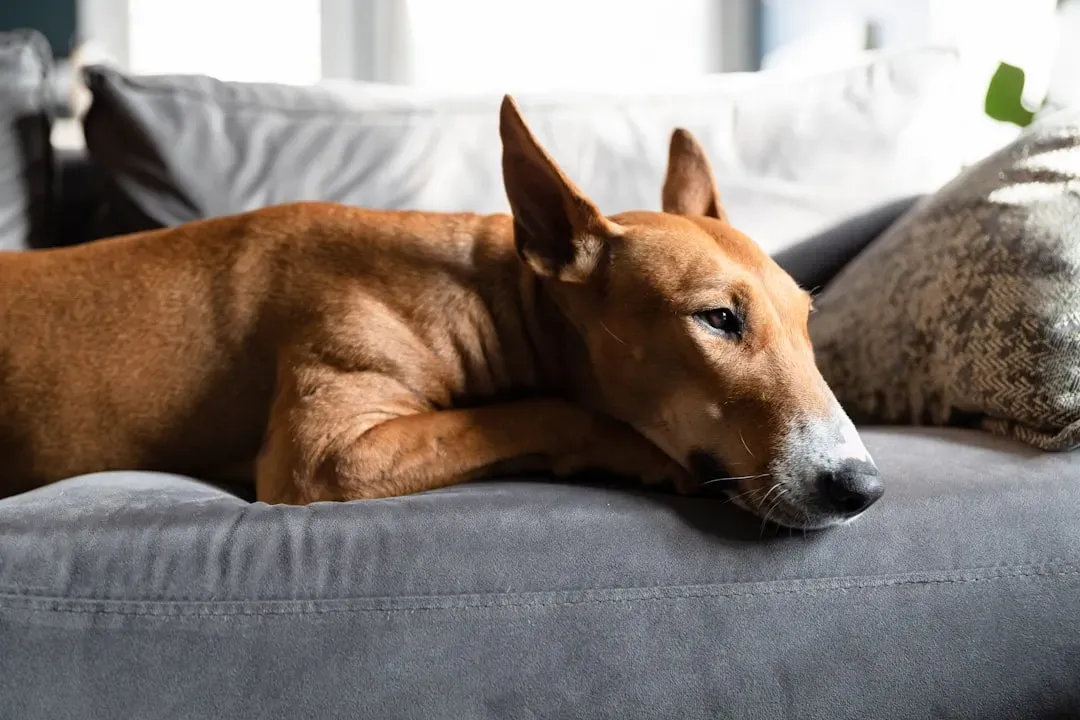
Now, let’s talk about the other end of the spectrum. Some breeds seem to be born with an old soul. For many pets, particularly larger breeds, true behavioral stability or calmness is often achieved between one and a half and three years of age, corresponding with social maturity.
Dogs like Labrador Retrievers, German Shepherds, and Great Danes may take longer to calm down, typically reaching mental maturity around three to four years old. However, certain breeds skip the wild teenage phase almost entirely. Basset Hounds, Bulldogs, and Newfoundlands tend to settle into calm, steady companions relatively early. They’re not lazy, exactly. Just… dignified.
These dogs still enjoy playtime and walks, but they’re perfectly content to spend most of their day napping in a sunny spot. If you’re looking for a dog who won’t require you to run marathons daily, these breeds are worth considering.
Managing the Perpetual Puppy: What You Really Need to Know

Living with a forever-young dog isn’t all sunshine and tail wags. It requires commitment. Check if your dog is getting enough exercise or mental stimulation, as simple changes like more playtime, chew toys, or crate training can make a huge difference. These dogs need outlets for their energy, or they’ll create their own, usually involving your favorite shoes or couch cushions.
Mental stimulation is just as critical as physical exercise. Puzzle toys, training sessions, and interactive games keep their brains engaged. Dogs like Border Collie, Dachshund, Terrier, Greyhound, and Australian Shepherd are incredibly energetic and will retain some of this energy even in adulthood, but it will be way more controlled than when they were puppies.
Consistent training is essential. Positive reinforcement helps channel that boundless enthusiasm into behaviors you actually want. Without it, you’re just living with chaos on four legs. Trust me, structure is your friend here.
When Calm Finally Comes: Timeline and Expectations

Most puppies start to calm down as they approach their maturity age, usually around twelve months, but for larger breeds it can be more likely to occur between eighteen months and two years. It’s hard to pinpoint exactly when your dog will settle down because every dog is unique. There are some six-month-old dogs that are very subdued, while other dogs can still have that “puppy energy” well into their senior years.
Most dogs become noticeably less hyper between twelve and twenty-four months, though this varies significantly by breed, individual temperament, and training, with small breeds often maturing faster. Patience is key. Your dog isn’t defying you by staying energetic. They’re just following their natural developmental timeline.
Keep realistic expectations. If you adopted a Jack Russell Terrier expecting them to become a couch potato by age two, you’re setting yourself up for disappointment. Some breeds simply never fully “calm down” in the traditional sense. They just learn better impulse control.
Conclusion: Choosing Your Perfect Match
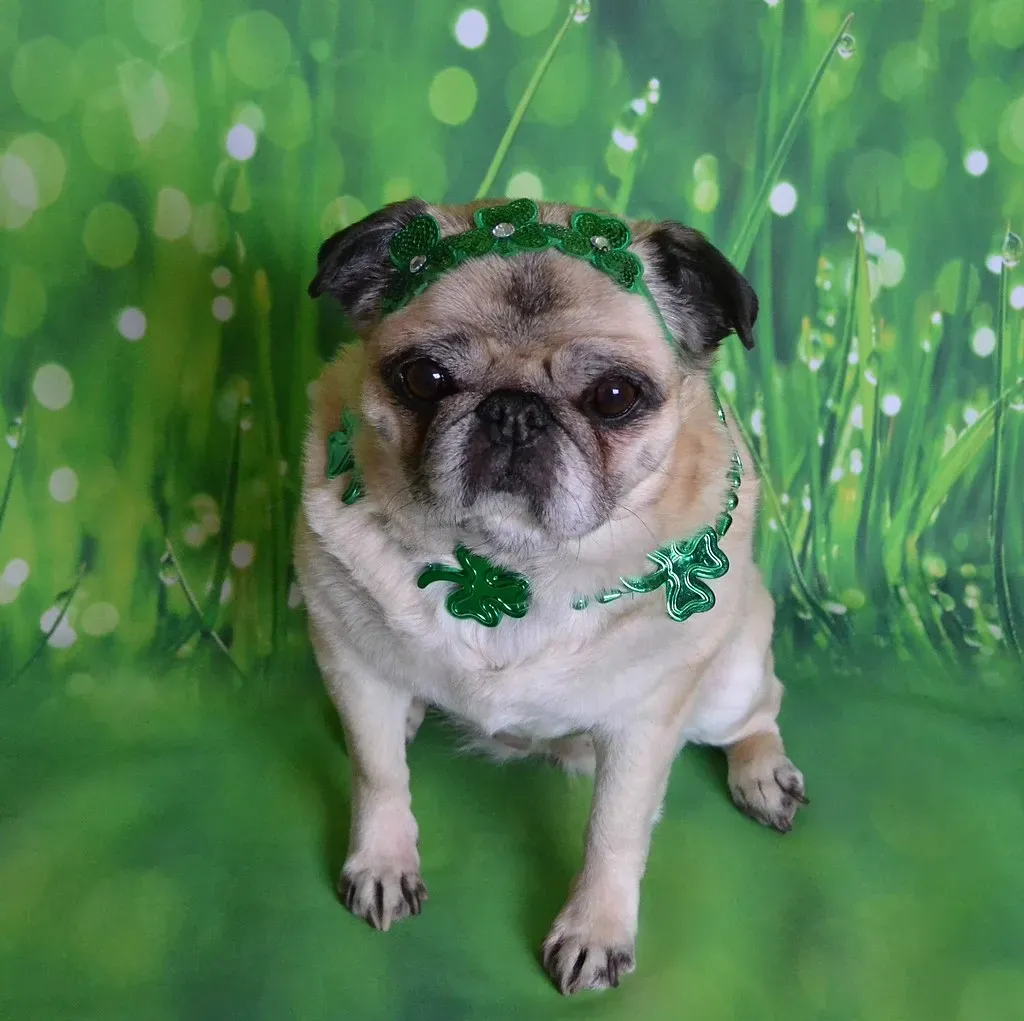
Understanding which breeds stay young at heart and which ones mature quickly isn’t about labeling dogs as good or bad. It’s about finding the right fit for your lifestyle and energy level. Forever puppies offer the joy of a puppy-like companion for a lifetime, as they’re generally friendly, playful, and make great family pets, though they require regular care and attention, including grooming.
If you thrive on activity and love the chaos of a dog who thinks every day is the best day ever, a perpetual puppy breed will fill your life with laughter and adventure. If you prefer peaceful evenings and a dog who doesn’t require constant entertainment, a calmer, faster-maturing breed might be your soulmate. Neither choice is wrong. It’s just about honest self-assessment.
What kind of dog owner are you? Are you ready for the marathon of energy that some breeds bring, or would you rather enjoy the quiet companionship of a dog who’s content just being near you? Think about it. Your future best friend is waiting.


