
8 Dog Breeds Best Suited For Florida (And 10 You Should Avoid)

So you’re thinking about bringing a dog home in Florida. That’s exciting! Maybe you’re already a dog parent wondering if your furry friend is truly comfortable in this swampy, steamy climate. Let me be honest, not all dogs are built for the Sunshine State. Florida’s year-round heat, intense humidity, and relentless summer sun create a unique environment that some breeds thrive in while others struggle.
Choosing the right breed isn’t just about preference or looks. It’s about your dog’s health, comfort, and quality of life. Imagine wearing a winter coat in July or trying to breathe through a straw while jogging. That’s what some breeds experience here every single day.
This guide breaks down the best breeds that’ll happily lounge poolside and the ones that might need extra care or should be avoided altogether. Let’s dive in.
Chihuahua: A Desert Native Right at Home

Originating in Mexico’s hot desert, the Chihuahua is naturally adapted to warm climates. Their small stature works in their favor too. Less body mass means they can regulate their temperature more efficiently than larger breeds.
Their short coats, small size, and large ears help them reduce body temperature effectively. Those oversized ears aren’t just adorable, they actually help with heat dissipation. When you see your Chihuahua basking in a sunny spot, they’re genuinely comfortable.
These tiny dogs are perfectly happy in Florida’s climate. They might even seek out warmth on cooler winter evenings. Just make sure they have access to water and shade during peak afternoon heat.
Australian Cattle Dog: Built for Heat and Humidity
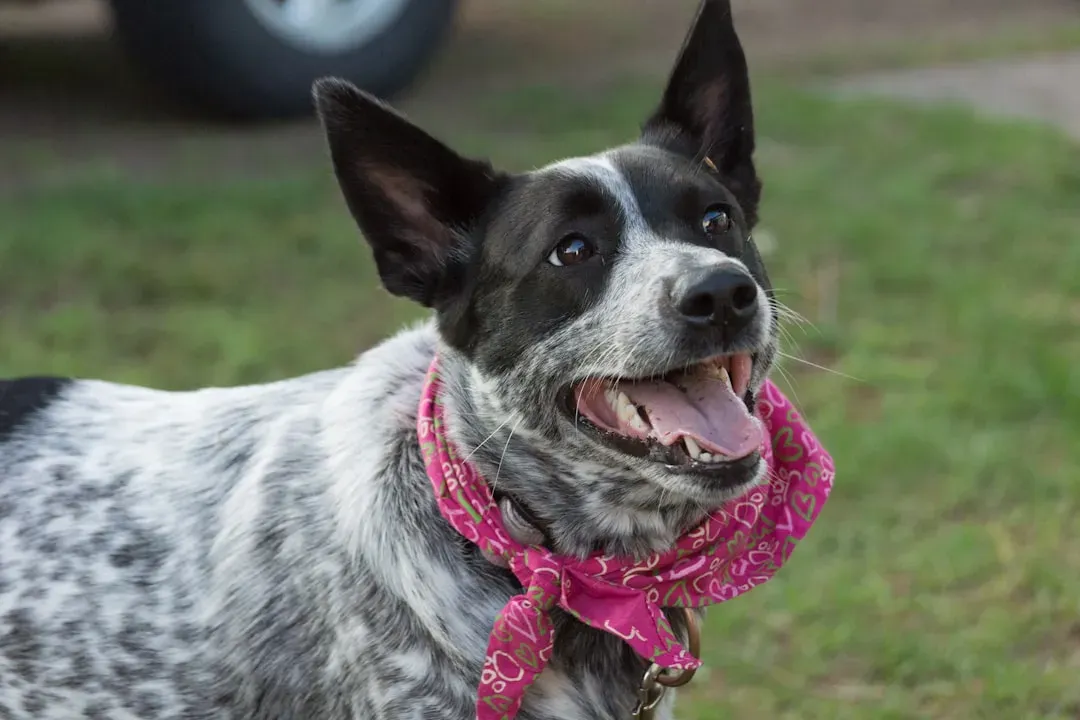
Bred for endurance in hot, arid environments, Australian Cattle Dogs have coats that help dissipate heat. These hardworking pups were developed in the Australian outback, where temperatures soar and shade is scarce.
Surprisingly, even though they have a double coat, the layers actually help keep them cool in summer and warm when temperatures drop. It’s all about how the fur regulates airflow. These dogs are active and energetic, thriving in environments where they can run and play.
If you’re an active Florida resident who enjoys outdoor activities, this breed will keep up with you. They need mental stimulation and exercise, so they’re perfect for families who love beach days and hiking trails.
Dalmatian: A Spotted Sunbather
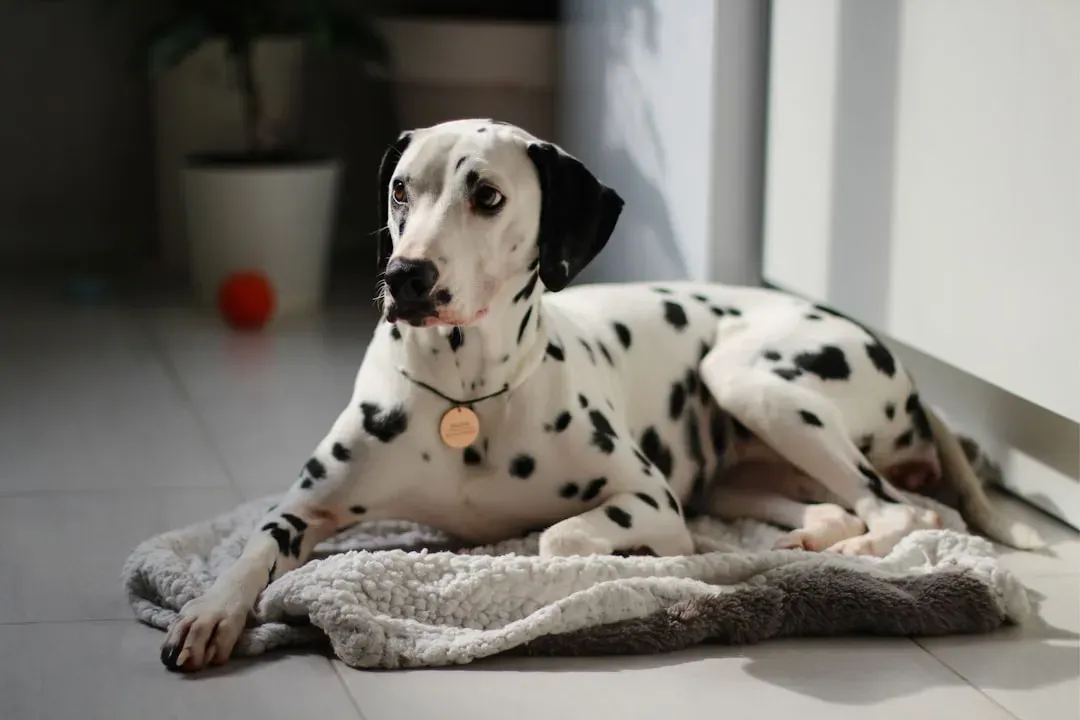
With a short, white spotted coat, the breed is athletic but knows when it’s time to catch some rest in the sun. Dalmatians have been around hot climates for centuries, and their coat color actually helps reflect heat rather than absorb it.
These energetic dogs love being outdoors but are smart enough to find shade when needed. They’re social, loyal, and excellent companions for active families. Their short coat requires minimal grooming, which is a bonus in humid Florida weather.
Dalmatians are also natural swimmers, so if you have access to a pool or live near water, they’ll be in heaven. Just keep an eye on hydration levels during long play sessions.
Great Dane: Gentle Giants Who Love to Lounge

Though Great Danes are huge, they like to lounge around, which helps them conserve energy and avoid overheating. These gentle giants aren’t as active as you might expect. They’re more interested in napping on your couch than running marathons.
With short fur and low body fat percentage, Great Danes are comfortable being outdoors and make great companions at the pool or beach. Their coat is easy to maintain, and they don’t retain excess heat the way thick-coated breeds do.
Despite their size, they adapt well to Florida living. Just make sure they have a cool indoor space to retreat to when the sun gets too intense.
Italian Greyhound: Small, Sleek, and Heat-Friendly

Whippets’ short-haired, lean physique helps them handle heat well, and they are relatively low-energy indoors. Italian Greyhounds share similar traits with their Whippet cousins. These slender dogs have minimal body fat and thin coats, making them well-suited for warm weather.
They’re calm indoors and conserve energy naturally. Their lean build means they don’t generate or trap excess heat. Italian Greyhounds are affectionate lap dogs that enjoy sunbathing but won’t overdo it.
These elegant little dogs are perfect for apartment living in Florida. They need moderate exercise but are content with short walks and indoor playtime during the hottest hours.
Basenji: The Barkless African Beauty
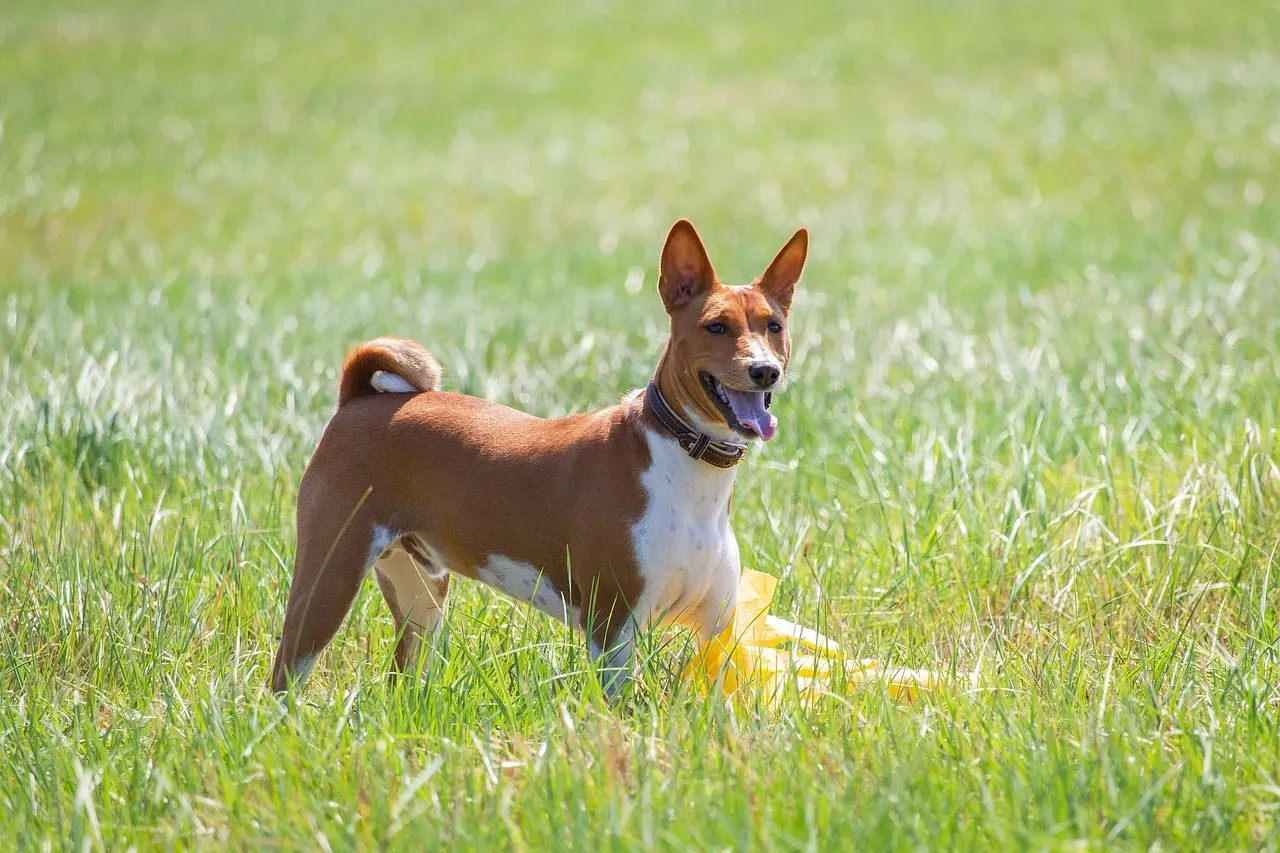
Originating from Central Africa, where temperatures can soar, the Basenji has a short, fine coat that helps it stay cool. This ancient breed has evolved over thousands of years in hot climates, making them naturally heat-tolerant.
Basenjis are unique in many ways, including their yodel-like vocalizations instead of traditional barking. Their lean, muscular build and short coat allow for excellent heat regulation. They’re independent, intelligent, and energetic dogs that need consistent training.
If you’re looking for a quieter breed that can handle Florida’s heat, the Basenji is an excellent choice. They do have a strong prey drive, so secure fencing is essential.
Rhodesian Ridgeback: African Heritage Meets Florida Sun
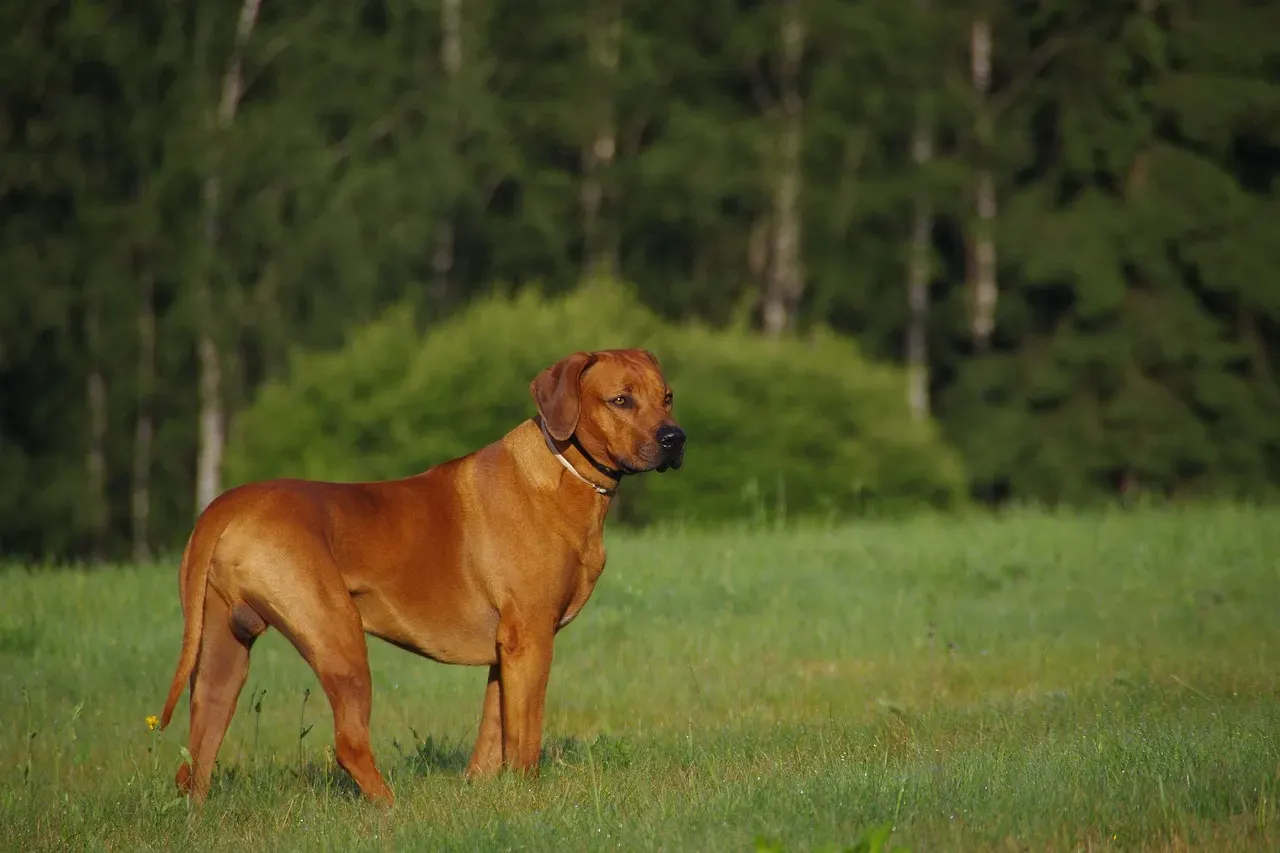
Rhodesian Ridgebacks, originally bred in Africa, are well-adapted to hot climates with their short, sleek coat and strong, muscular build. These dogs were developed to hunt in the intense heat of Southern Africa, so Florida’s climate is nothing they can’t handle.
They’re protective, loyal, and make excellent family dogs. Their endurance and heat tolerance are impressive. Rhodesian Ridgebacks are calm indoors but enjoy outdoor activities when the weather allows.
These dogs do need regular exercise and mental stimulation. They’re best suited for experienced dog owners who can provide structure and training.
Whippet: Sleek Sprinters Built for Warmth
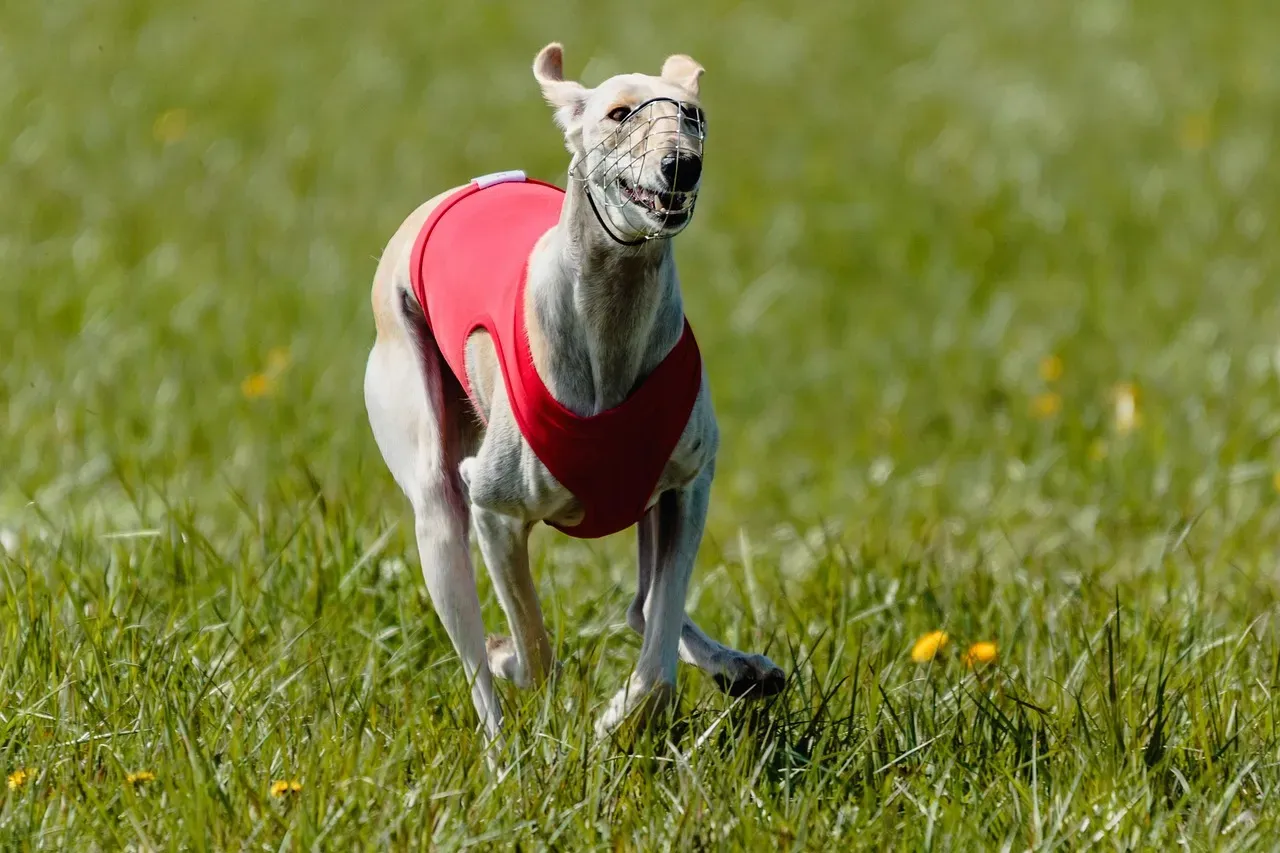
Whippets have a short, thin coat that adapts well to hot climates, with low body fat and minimal undercoat helping them stay cool. These graceful dogs are essentially smaller Greyhounds, built for speed and efficiency.
Their slender frame, long snout, and thin, short coat help keep them cool and comfortable in summer sun. Whippets are gentle, affectionate dogs that make wonderful companions. They’re surprisingly low-maintenance despite their athletic appearance.
They enjoy bursts of activity but are mostly content to lounge indoors. Whippets are perfect for Florida families looking for a medium-sized dog with minimal grooming needs and excellent heat tolerance.
Siberian Husky: A Cold-Weather Breed Struggling in the Heat
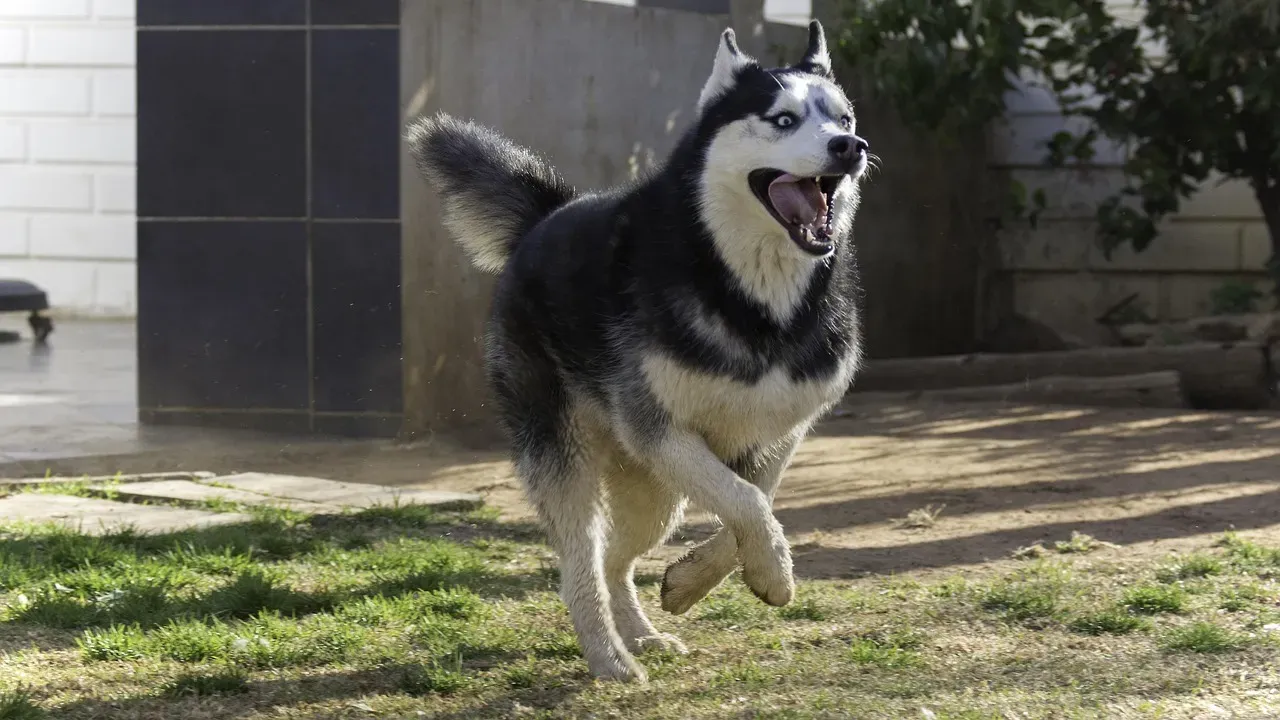
Here’s the thing, Huskies are stunning dogs. Those piercing blue eyes and thick fur are breathtaking. But that thick double coat that’s perfect for freezing temperatures becomes a liability in heat, trapping warmth and making it difficult for huskies to cool down.
Huskies are very active and require plenty of exercise, but strenuous activity in hot weather can quickly lead to overheating and heatstroke. These dogs were bred to pull sleds across frozen tundra, not jog on hot Florida pavement.
If you have a Husky in Florida, you’ll need to take extra precautions. Early morning or late evening walks only, constant access to air conditioning, and vigilant monitoring for signs of heat stress are essential.
Alaskan Malamute: Arctic Breed in Tropical Climate
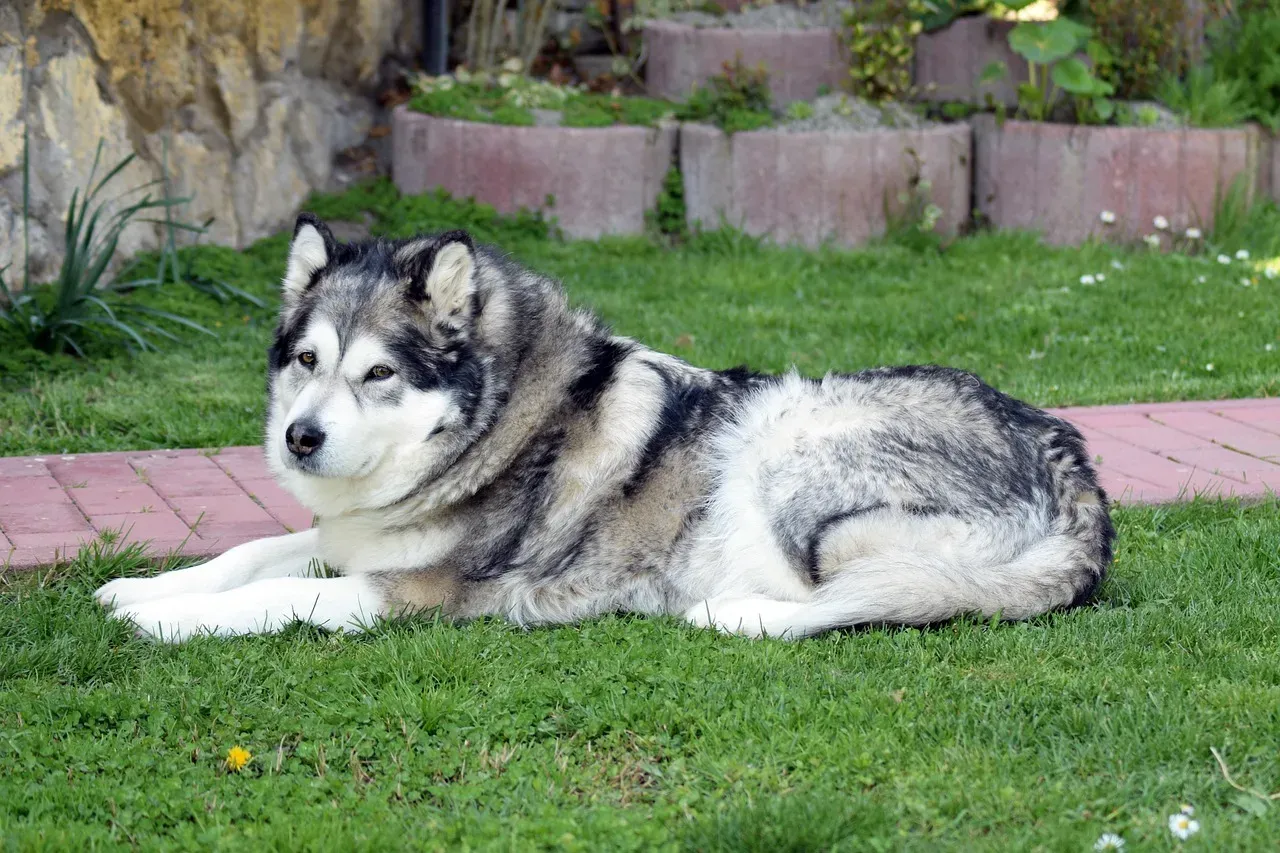
The Alaskan Malamute was originally bred to pull heavy loads in Alaska, and the breed’s dense coat is like a well-insulated parka that traps heat. This is wonderful in subzero temperatures but disastrous in Florida’s sweltering summers.
Originally bred by the Mahlemiut Inuit tribe for cold weather, they have a thick double coat that provides insulation against the cold but adversely affects them in heat. These powerful dogs simply aren’t built for warm climates.
Honestly, if you’re considering an Alaskan Malamute in Florida, please reconsider. The constant discomfort and health risks aren’t fair to the dog. They need cool climates to thrive.
Saint Bernard: Swiss Mountain Dog in Sunshine State
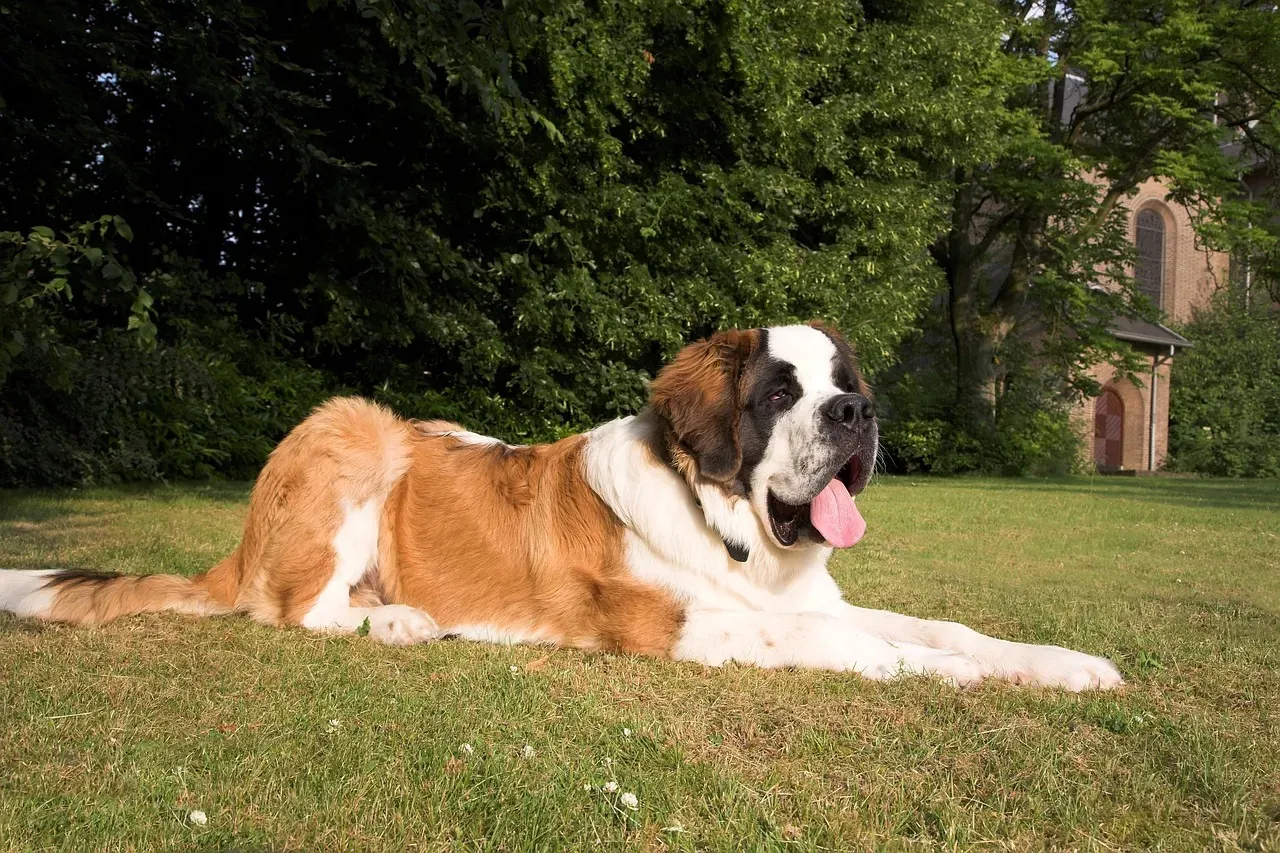
A dog bred for the snowy mountains of the Swiss Alps is unlikely to enjoy the hot, humid summers in Florida. Saint Bernards are massive dogs with thick, dense coats designed for alpine rescue work in freezing conditions.
Their thick double coat, which is a boon in snow, becomes a liability in heat and can cause them to overheat quickly, leading to discomfort and potential health risks. These gentle giants can weigh up to 180 pounds, which makes temperature regulation even more challenging.
Saint Bernards need constant access to air conditioning, shade, and water if they live in Florida. Even then, they’re never truly comfortable in this climate.
English Bulldog: Flat-Faced and Heat-Intolerant

The flat face of an English Bulldog makes this breed prone to overheating, and pet parents must restrict outdoor activity during the heat of the day. Brachycephalic breeds like Bulldogs struggle because their shortened airways make panting less effective.
French and English Bulldogs can’t breathe properly to cool themselves off due to their short skulls and flat faces, making them prone to heat exhaustion even after a short walk. Their stocky build and tendency toward obesity make matters worse.
Bulldogs are lovable, charming companions. Just know that in Florida, they’ll need to live primarily indoors with controlled temperatures. Even brief outdoor time requires careful monitoring.
French Bulldog: Adorable but At-Risk

French Bulldogs cannot effectively cool down through panting, and because dogs don’t sweat like humans do, this can be dangerous. Despite being America’s most popular breed, Frenchies are terrible candidates for Florida’s climate.
These dogs are high energy and playful, which creates a dangerous combination with their breathing difficulties. They want to run and play but physically can’t handle the heat stress. It breaks my heart to see them struggling on hot days.
If you already have a French Bulldog in Florida, limit outdoor time to early mornings or late evenings. Air conditioning isn’t a luxury for these dogs; it’s a necessity.
Pug: Small Dog, Big Heat Struggles

Pugs can’t easily cool themselves by panting, so when weather turns hot and humid, these brachycephalic dogs need to stay inside. Their adorable wrinkled faces and flat noses create serious breathing challenges in warm weather.
Pugs with black coats are even more at risk because their dark, shiny coats soak up heat. They’re also prone to obesity, which compounds their heat intolerance. These small dogs might seem manageable, but their health risks in Florida are significant.
Pugs are wonderful indoor companions. They’re couch potatoes by nature anyway. Just make sure your home stays cool and avoid midday walks entirely during summer months.
Chow Chow: Thick Coat Equals Heat Danger
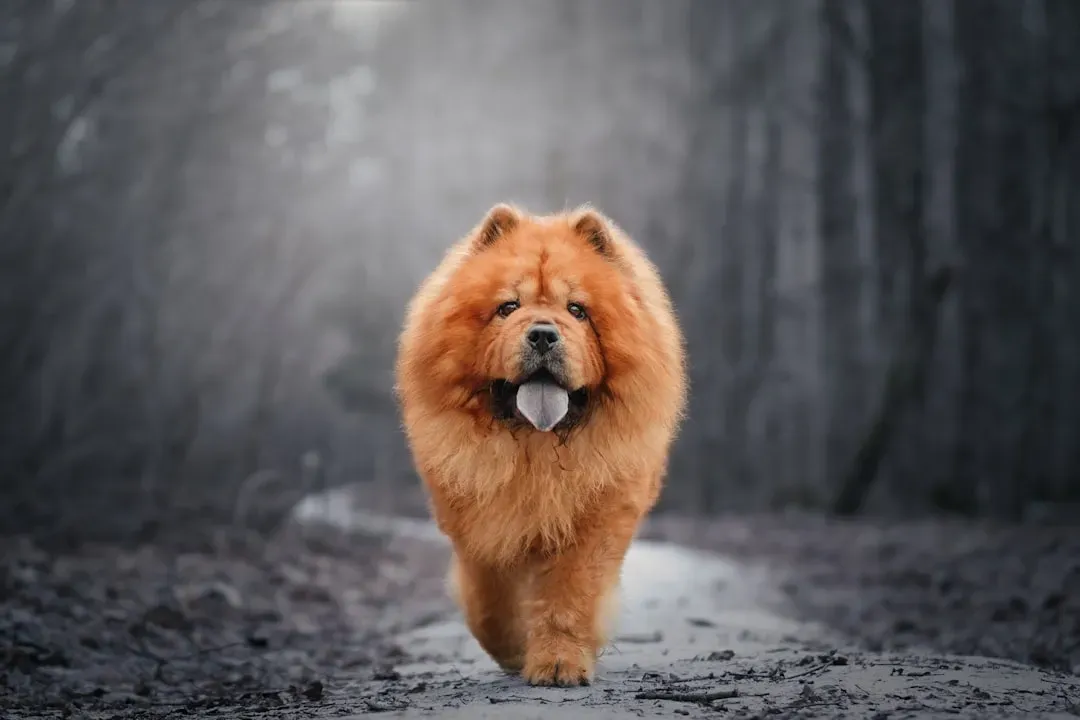
Chow Chows are not well suited for hot weather due to their thick double coat and heavy build, and when not properly cared for, they can easily overheat. That fluffy, lion-like mane is beautiful but completely impractical for Florida.
The Chow Chow is known for a tremendously thick coat, and coupled with a short nose, they are susceptible to heatstroke. Never shave a Chow Chow thinking it’ll help. Shaving actually damages their coat and makes temperature regulation worse.
These dogs need climates with cool winters and moderate summers. Florida’s year-round heat is simply too much for them to handle comfortably.
Shih Tzu: Long Hair, Short Nose, Big Problem

Long hair and a short nose make it difficult for the breed to regulate their body temperature. Shih Tzus have thick, flowing coats that trap heat against their bodies. Combined with their brachycephalic facial structure, they’re at serious risk in Florida’s climate.
Regular grooming helps, and many owners keep their Shih Tzus in shorter summer clips. Even with trimmed coats, though, their breathing difficulties remain. They need cool indoor environments and minimal outdoor exposure during hot months.
These lap dogs are happiest inside with their families anyway. Just be prepared to keep your home consistently cool for their comfort and safety.
Akita: Japanese Breed Built for Snow
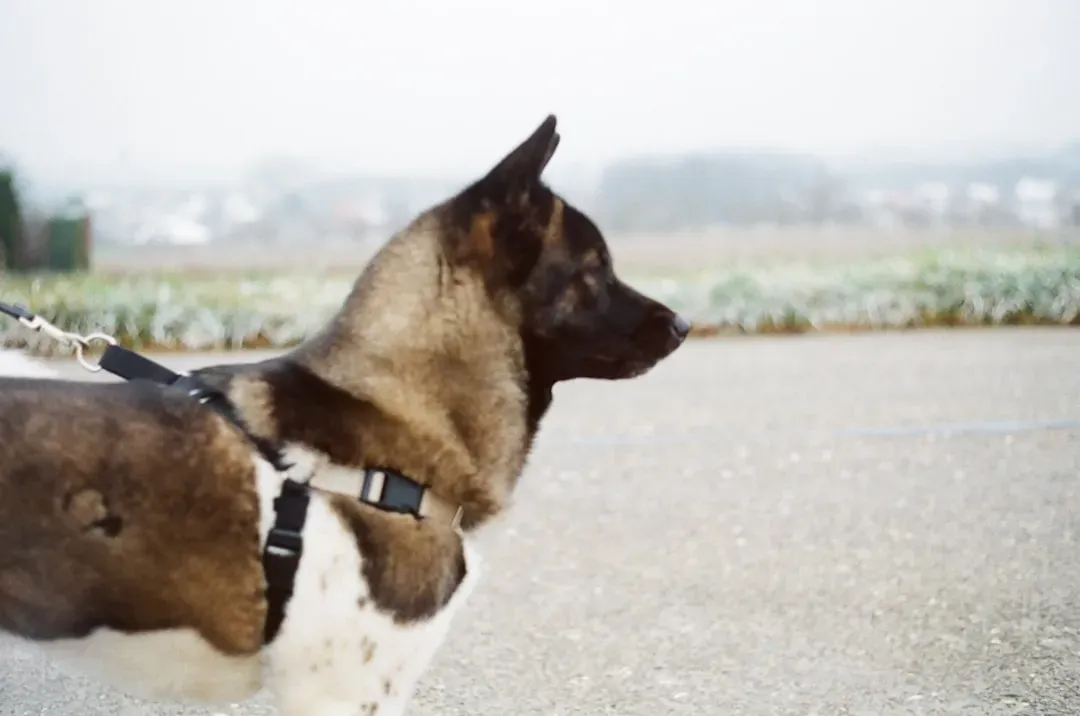
In cold weather, an Akita’s thick double coat provides insulation, but in hot weather this coat may cause them to overheat, and coupled with their heavy build, Akitas have low tolerance for heat. These powerful dogs were bred on the cold Japanese island of Honshu.
Akitas are loyal, dignified dogs with strong protective instincts. They’re wonderful in the right climate, but Florida isn’t it. Their thick fur and large size make them constantly uncomfortable in heat and humidity.
If you have your heart set on an Akita, consider relocating to a cooler state. These dogs deserve to live somewhere they can actually enjoy being outdoors.
Newfoundland: Water Dog, Not Heat Dog
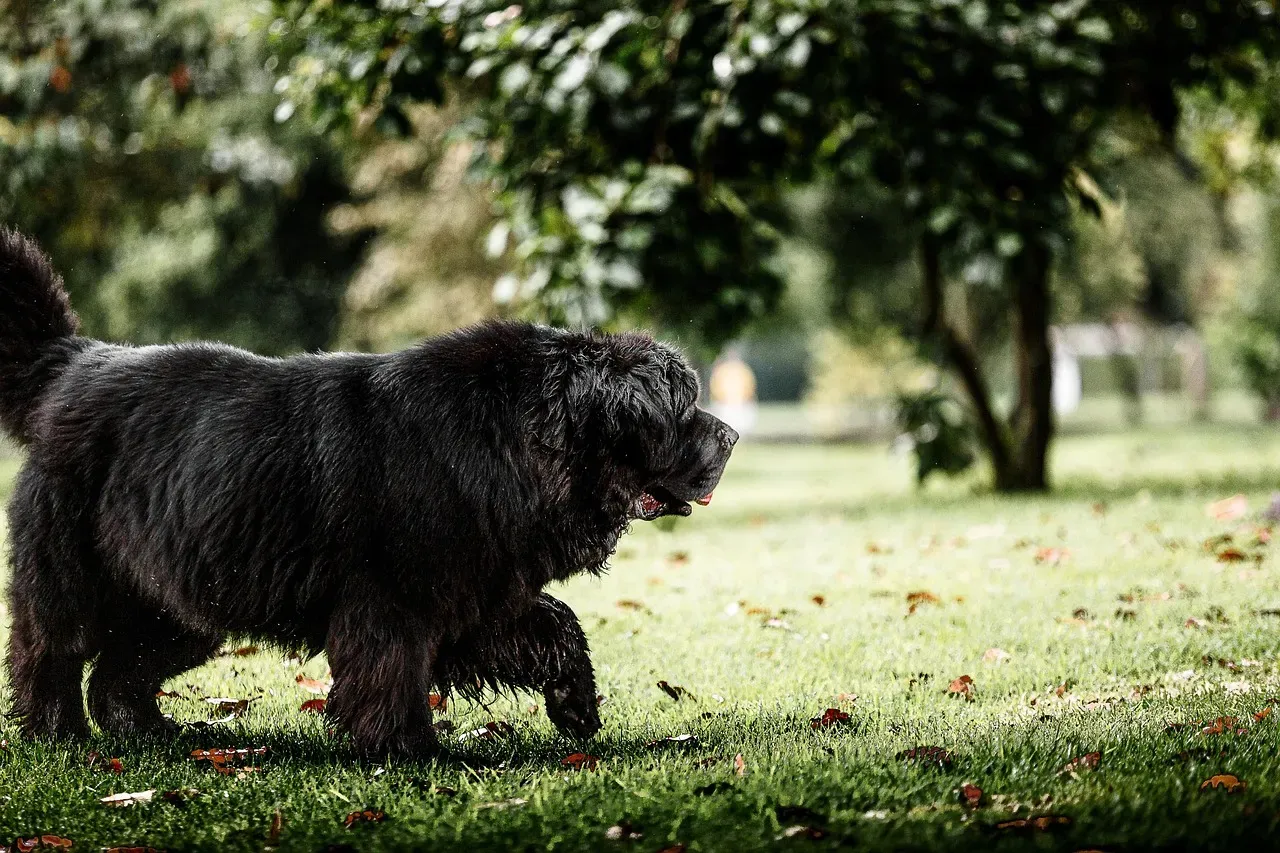
Newfoundland dogs were born to swim, not sunbathe, with a thick, water-repellent double coat that allows them to take dips in brisk waters like in their Canadian homeland. These gentle giants can weigh over 150 pounds and carry massive amounts of insulating fur.
That coat is designed for icy water rescue work. In Florida’s warm, humid climate, it becomes a heat trap. Newfoundlands struggle immensely with temperature regulation in the South. Even access to pools doesn’t fully compensate for the constant heat stress.
These dogs are incredible family companions in cooler climates. In Florida, they face constant discomfort and elevated health risks that responsible owners should avoid.
Boston Terrier: Compact but Compromised

Although Bostons have a short, smooth coat, the breed’s short muzzle means that intense exercise during periods of high heat and humidity is a no-go. Boston Terriers are charming, tuxedo-wearing little dogs with big personalities.
Boston Terriers have some of the shortest snouts, and despite loving to run and play, they also have dark coloring in their coats which soaks up heat, making this breed prone to heatstroke. Their enthusiasm often exceeds their physical limitations in hot weather.
Boston Terriers can live in Florida with careful management. Keep them indoors during peak heat, provide constant air conditioning, and limit exercise to cooler times of day.
Boxer: Athletic Build, Breathing Challenges

Despite having a short coat, Boxers have difficulty tolerating heat because their compact facial structure can cause breathing difficulties, making hot weather potentially dangerous. These energetic, muscular dogs love activity and play, which creates problems in Florida’s climate.
Boxers are loyal, protective family dogs with boundless enthusiasm. That energy level combined with brachycephalic features creates real heat stroke risks. They want to play fetch in the yard but physically can’t handle prolonged exertion in warm weather.
If you have a Boxer in Florida, become vigilant about heat management. Watch for excessive panting, drooling, or lethargy. These are warning signs that your dog is overheating and needs immediate cooling.
Conclusion
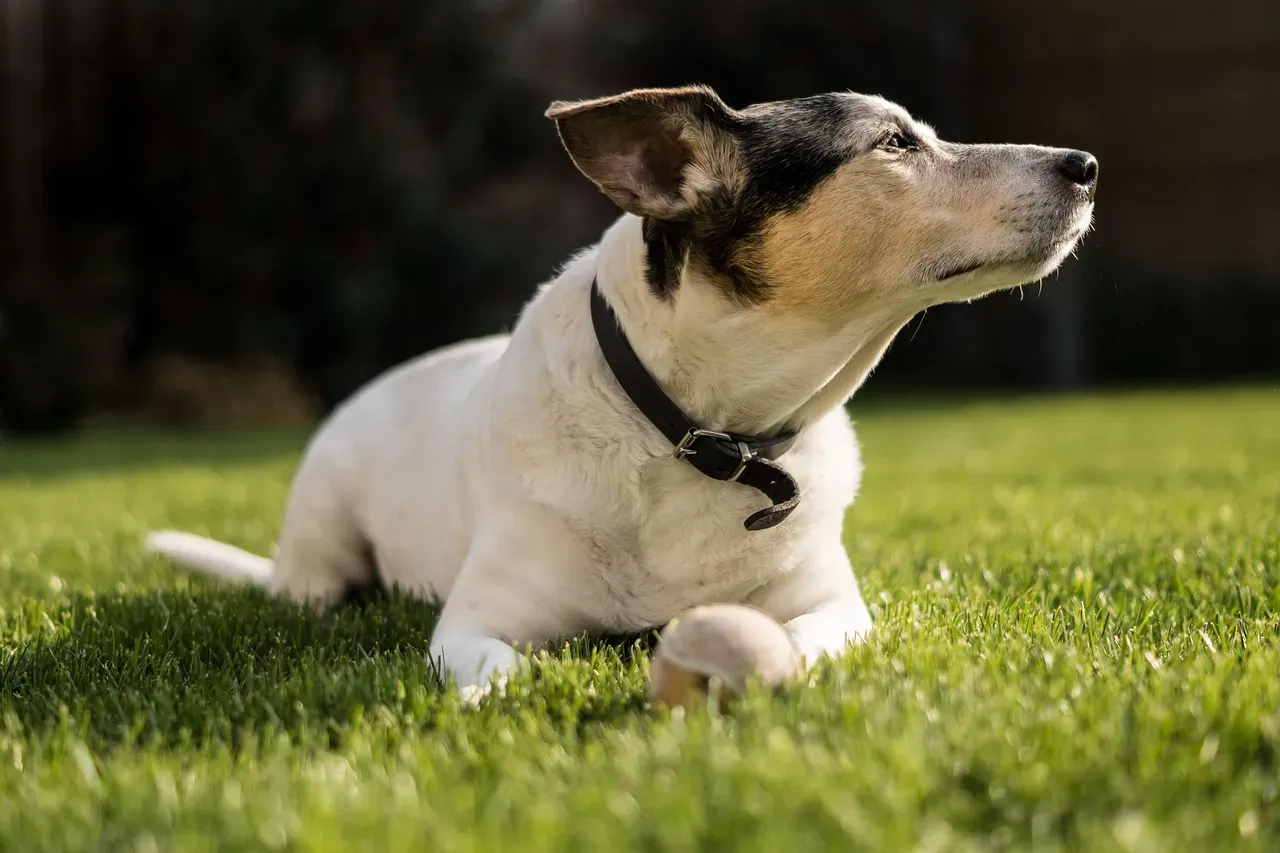
Choosing the right dog for Florida’s climate isn’t about limiting your options. It’s about ensuring your companion lives their best, most comfortable life. The breeds that thrive here, like Chihuahuas, Australian Cattle Dogs, and Dalmatians, genuinely enjoy the warmth and sunshine.
The breeds that struggle, particularly those with thick coats or flat faces, face daily discomfort and serious health risks. Heat stroke in dogs can be fatal, and prevention is always better than treatment. If you already have a breed that’s poorly suited for Florida, don’t panic. You can manage their environment with air conditioning, limited outdoor time during peak heat, and constant access to fresh water.
Ultimately, the best dog for you is one that fits your lifestyle and climate. Florida offers amazing opportunities for dog ownership, from beach access to year-round outdoor activities. Choose a breed that can actually enjoy those adventures with you. Have you considered which breed matches both your lifestyle and Florida’s unique climate?