
You know what they say about living with dogs. They’re loving, loyal, sometimes impossibly goofy. They fill your home with joy. Yet some breeds have this knack for making you question every single decision you’ve made as a dog owner, especially during training sessions when your pup decides that your commands are merely suggestions. If you’ve ever wondered why your four-legged friend seems to have selective hearing, you’re definitely not alone.
Let’s be honest here. Some breeds were just built differently. They were bred to think independently, to solve problems on their own terms, to make decisions in the field without waiting for human input. That kind of intelligence sounds wonderful on paper, until you’re standing in your backyard calling your dog’s name for the tenth time while they pretend you don’t exist. These stubborn breeds aren’t being difficult just to spite you, though it certainly feels that way sometimes. They’re simply hardwired to trust their own judgment over yours.
Afghan Hound
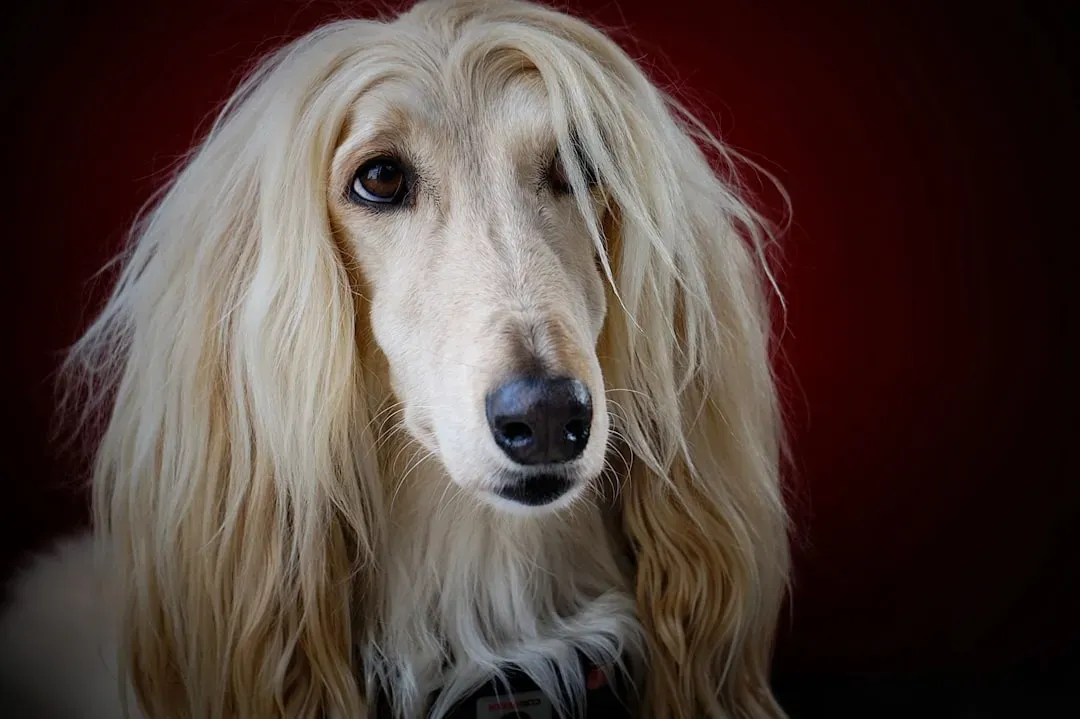
Though highly intelligent, Afghans can be difficult to train because they are stubborn and highly sensitive to harsh correction. Picture this elegant sighthound, with its flowing silky coat and aristocratic bearing, deciding whether your command is actually worth following.
The Afghan Hound is considered to have the lowest IQ among dog breeds because of especially low obedience and working intelligence, requiring at least 80 repetitions to understand a new command. Here’s the thing, though. They’re one of the most stubborn breeds, notorious for ignoring their owners’ commands, and as hunting dogs from the sighthound family, learning commands may never have been part of their genetic or evolutionary design.
Their independence isn’t rudeness, it’s literally in their DNA. True to its origins as a hunter bred to think on its feet, the Afghan hound is strong-willed and independent, aloof and self-confident. These dogs need patient, gentle guidance rather than forceful methods.
Siberian Husky
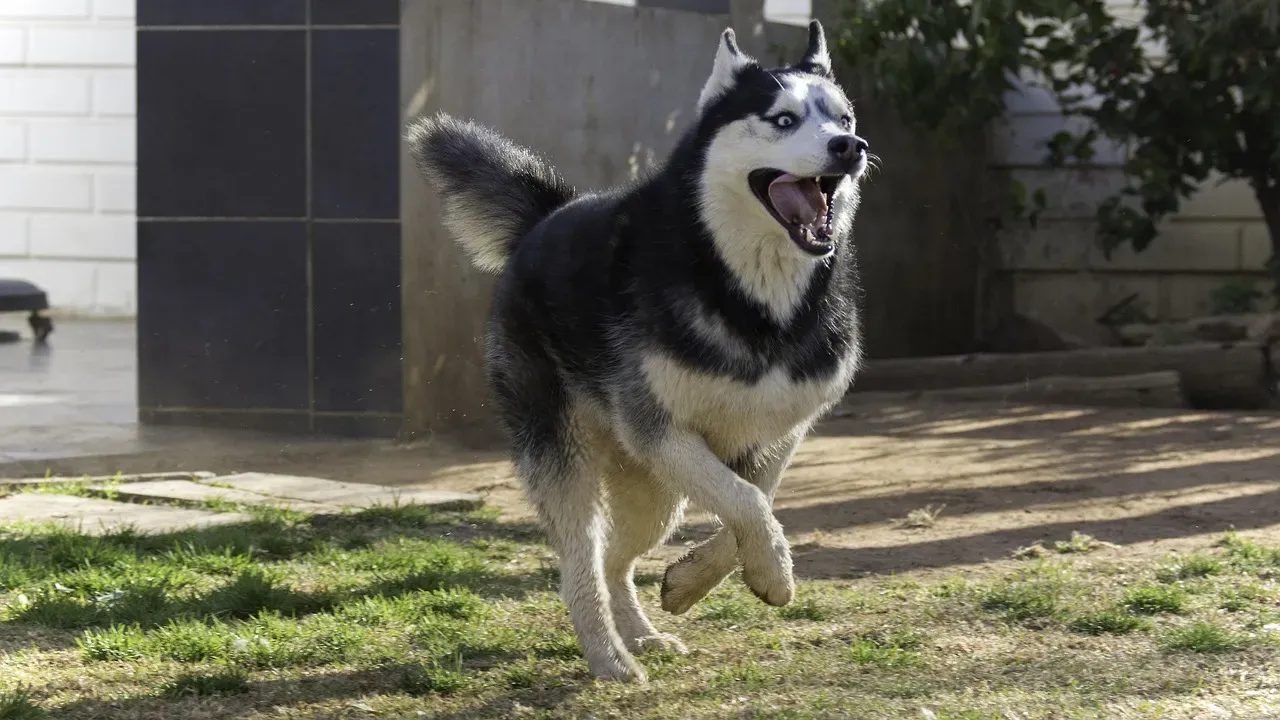
Walk into any dog park and chances are you’ll hear someone complaining about their Husky’s latest escape attempt or recall failure. Huskies are famous for their stubborn behavior, bred to pull sleds in harsh climates, and they’re independent thinkers who love to run and explore.
They were bred to be independent, as this ensured a mushing group of huskies would ignore commands if the terrain was deemed unsafe, but all these years later, that independence means they have a stubborn streak when it comes to listening to commands. Think about that for a moment. Their ancestors literally needed to override human instructions to survive, and now we’re asking them to sit nicely in the living room.
They are intelligent and independent, which can make training a challenge, and these dogs need a lot of exercise and mental stimulation to prevent boredom, which can lead to destructive behavior. If you’re not prepared to channel their massive energy levels daily, you’ll be dealing with a very creative destruction artist. Their vocal nature and escape artist tendencies only add to the challenge.
Basenji
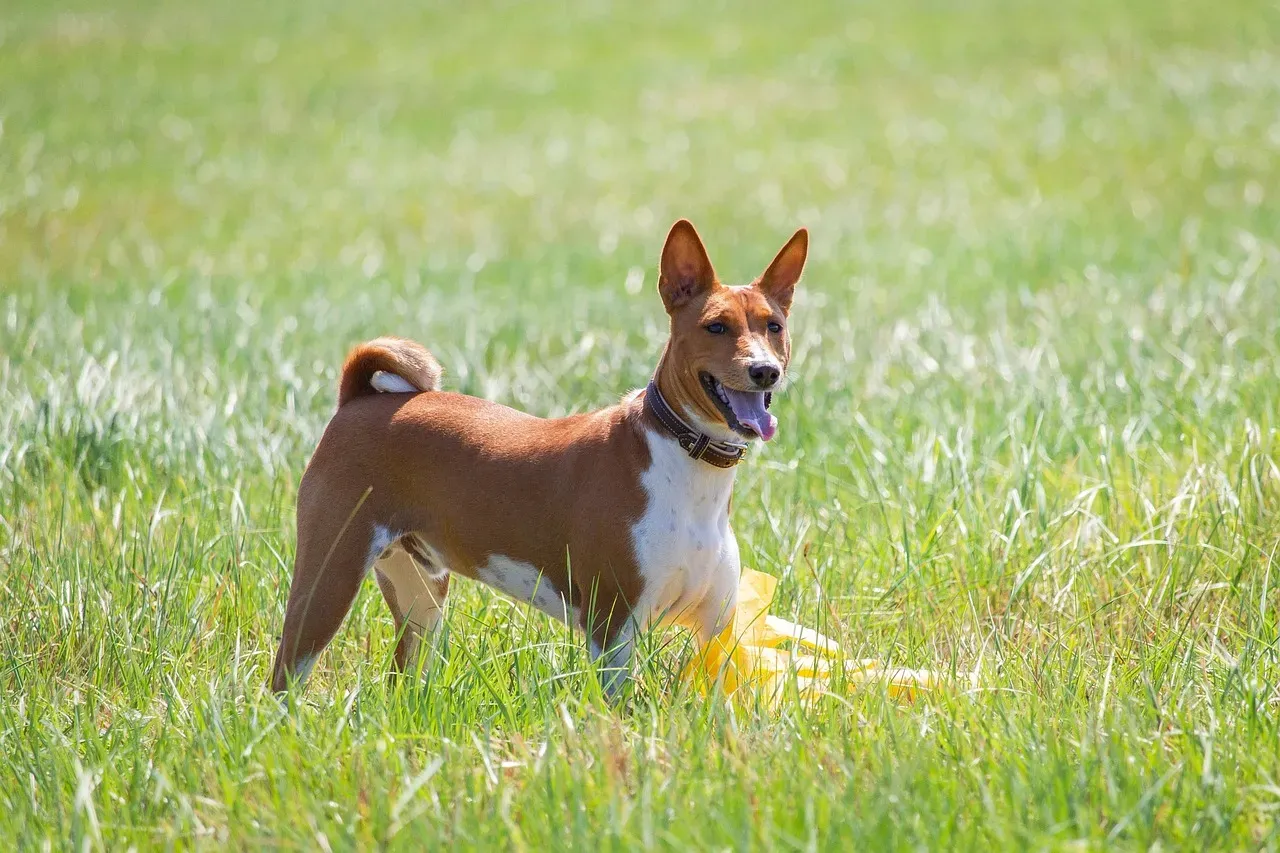
Basenjis are known for their cat-like personalities, being both independent and intelligent, and this breed is notoriously difficult to train due to their stubborn nature. Often called the barkless dog, they make up for their silence with an impressive array of yodels, whines, and howls.
Basenjis are highly curious and playful, like curious toddlers, they can get into trouble if not supervised, and they are alert and suspicious, but also stubborn, so they do not obey consistently. I’ve heard trainers say working with a Basenji feels like negotiating with a tiny, furry diplomat who always has their own agenda.
Basenjis are known for being very independent and stubborn, like cats, which can make training challenging, and this is one of the African dog breeds that like to boss instead of complying with their pet parent’s command. They’re brilliant problem solvers, which means they’ll figure out exactly how to get what they want, whether you approve or not. Short, entertaining training sessions with high-value rewards work best, because these dogs get bored quickly.
Beagle
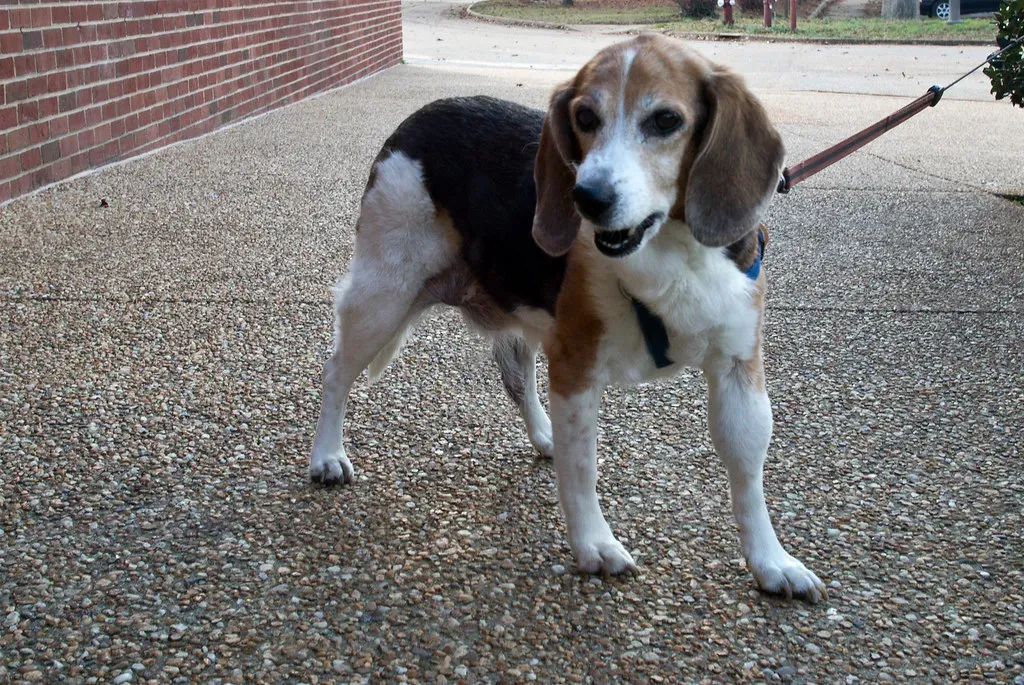
Those droopy eyes and floppy ears might melt your heart, but don’t be fooled. The Beagle is friendly, loving, and notoriously difficult to train, with an independent streak and incredible nose that mean it will often ignore its owner’s calls when on a scent trail.
Like bloodhounds, beagles love following their noses, and traditionally, beagles were used for hunting in packs or alone, mainly for relatively small game like rabbits and foxes. When a Beagle catches an interesting scent, you basically cease to exist in their world. Everything becomes about that smell.
Their stubbornness is legendary among trainers. Even if they are a bit stubborn, owners can overcome that with treats because beagles are usually motivated by food. That food motivation is honestly their saving grace. Without it, training a Beagle would be nearly impossible. They need firm boundaries, consistent training, and honestly, a lot of patience when that nose kicks into overdrive.
Chow Chow
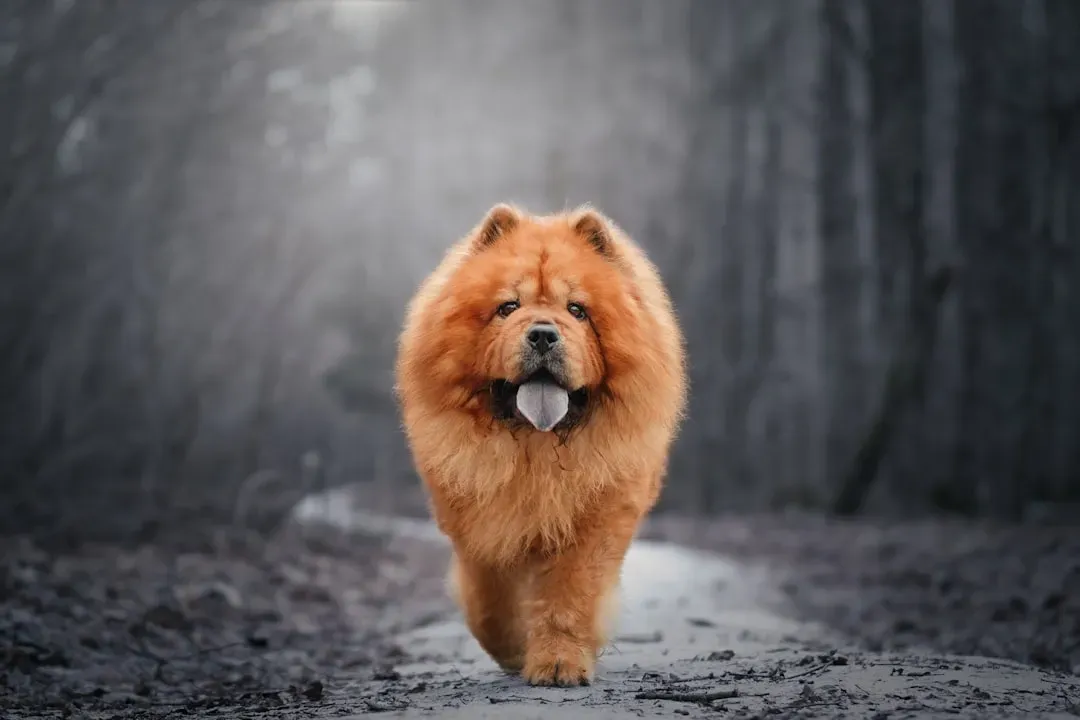
Chow chows are serious, independent and distant, and they are willful and stubborn, which makes them harder to train. With their lion-like mane and distinctive blue-black tongue, they certainly look the part of a dog who won’t take orders from just anyone.
Coren once quipped that there are probably pieces of furniture that can be trained more easily than chow chows. Honestly, that’s brutal but somewhat accurate. The breed was originally raised as a guard or hunting dog and is considered one of the oldest breeds, and it was also used to guard temples and was attributed mystical, supernatural powers to ward off dark forces.
For these reasons, chow chows require firm but positive training and extensive socialization from an early age. They’re naturally aloof with strangers and extremely independent. Their loyalty is deep but expressed quietly, not through eager-to-please behavior. If you’re looking for a dog who gazes adoringly at you waiting for commands, a Chow Chow probably isn’t your match.
Dachshund

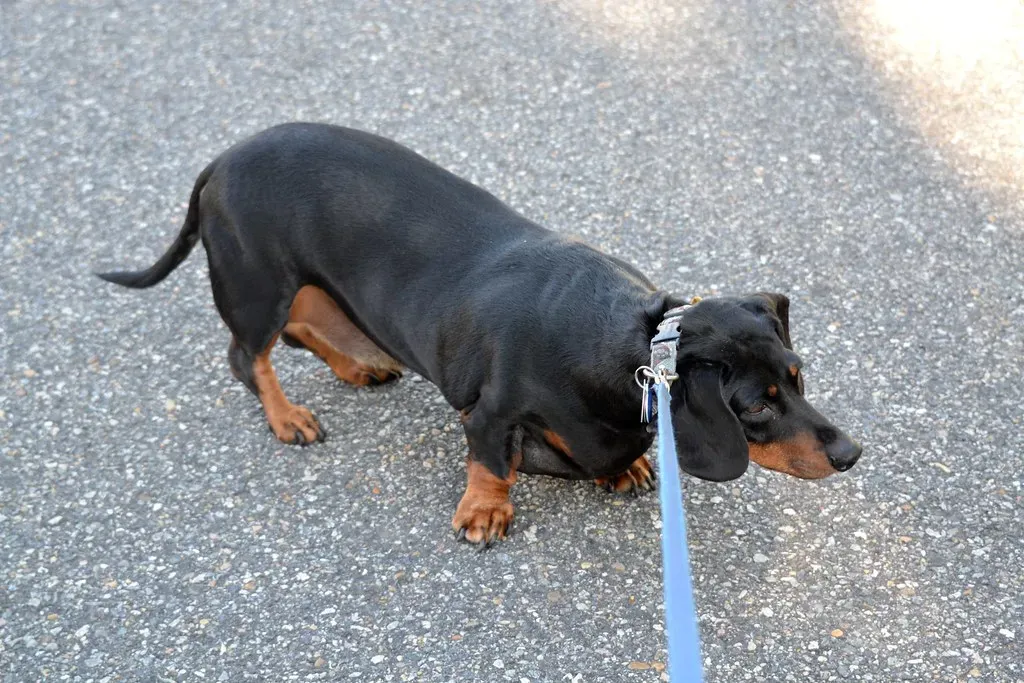
The short wiener dog is well-known for their lively and independent attitude, as well as their intelligence, hunting ability, and stubbornness, and Doxies like to do things their own way. That long body houses an incredibly determined personality.
These little dogs were bred to hunt badgers, which required serious courage and independent thinking. You’re dealing with a breed that was designed to go into dark underground tunnels and face down angry wildlife without backup. That kind of fearlessness translates to a dog who’s not easily intimidated by your disappointed tone.
In addition to Huskies, Dachshunds are a stubborn breed too, and these little barking sausages would instead run around the yard to hunt than listen to your commands. They’re prone to digging, chewing, and generally causing mischief when bored. Early socialization and consistent training help, but you’ll always be living with a dog who has their own very strong opinions.
Jack Russell Terrier
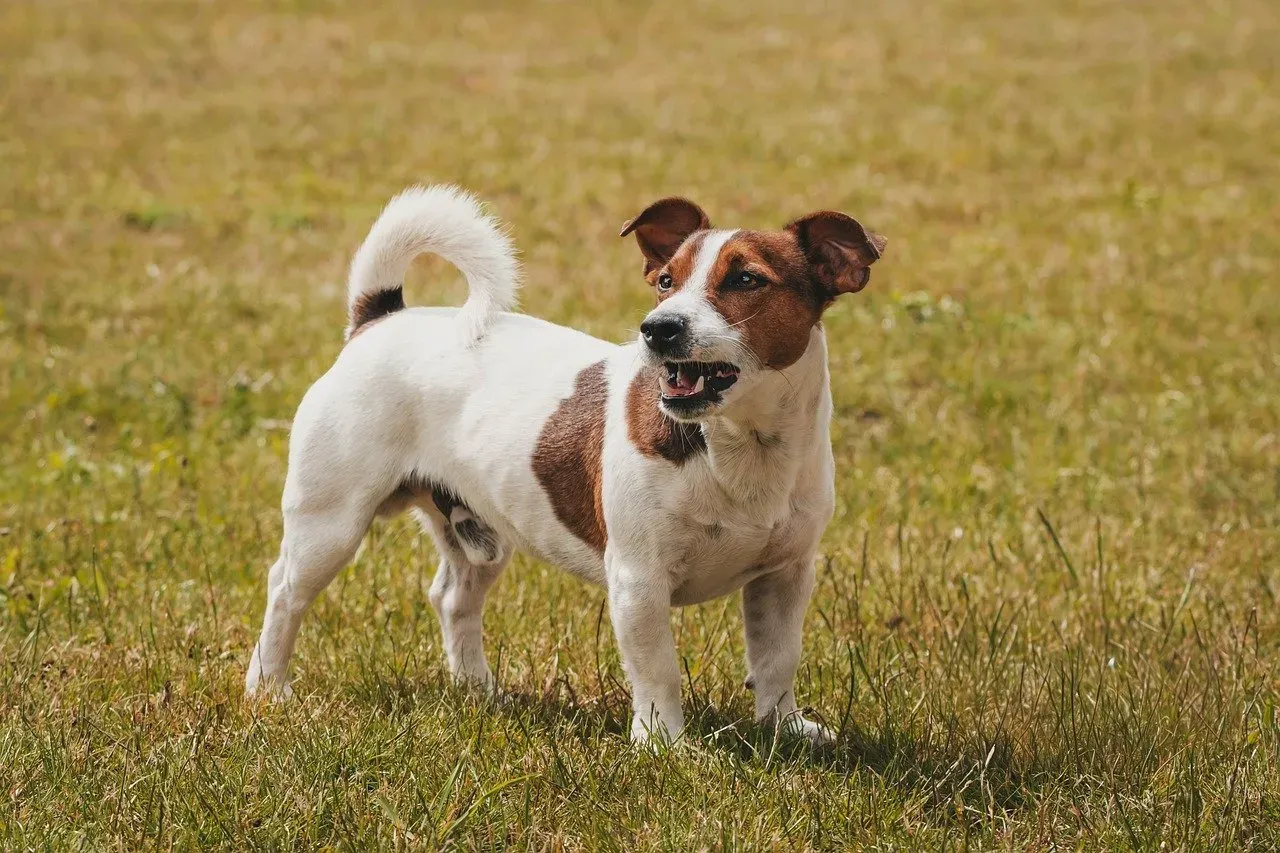
For a small dog, the Jack Russell Terrier sure has a big personality, known for their fun-loving and independent attitude, with a streak of stubbornness that makes them difficult to train, and they are also mischievous and have a lot of energy. These compact bundles of chaos are not for the faint of heart.
These energetic terrier breeds are as clever as they are stubborn, and the Jack Russell Terrier was bred to hunt small prey like foxes. That hunting background means they’ve got endless energy and a single-minded focus when something interests them. They’re also masters at finding trouble if they’re not mentally and physically stimulated.
Their intelligence works against you sometimes, because they figure out patterns and loopholes faster than you can adjust your training. They need structured routines, plenty of exercise, and owners who can match their energy and wit. Without proper outlets for their drive, they’ll create their own entertainment, and trust me, you won’t enjoy their creative projects.
Shiba Inu
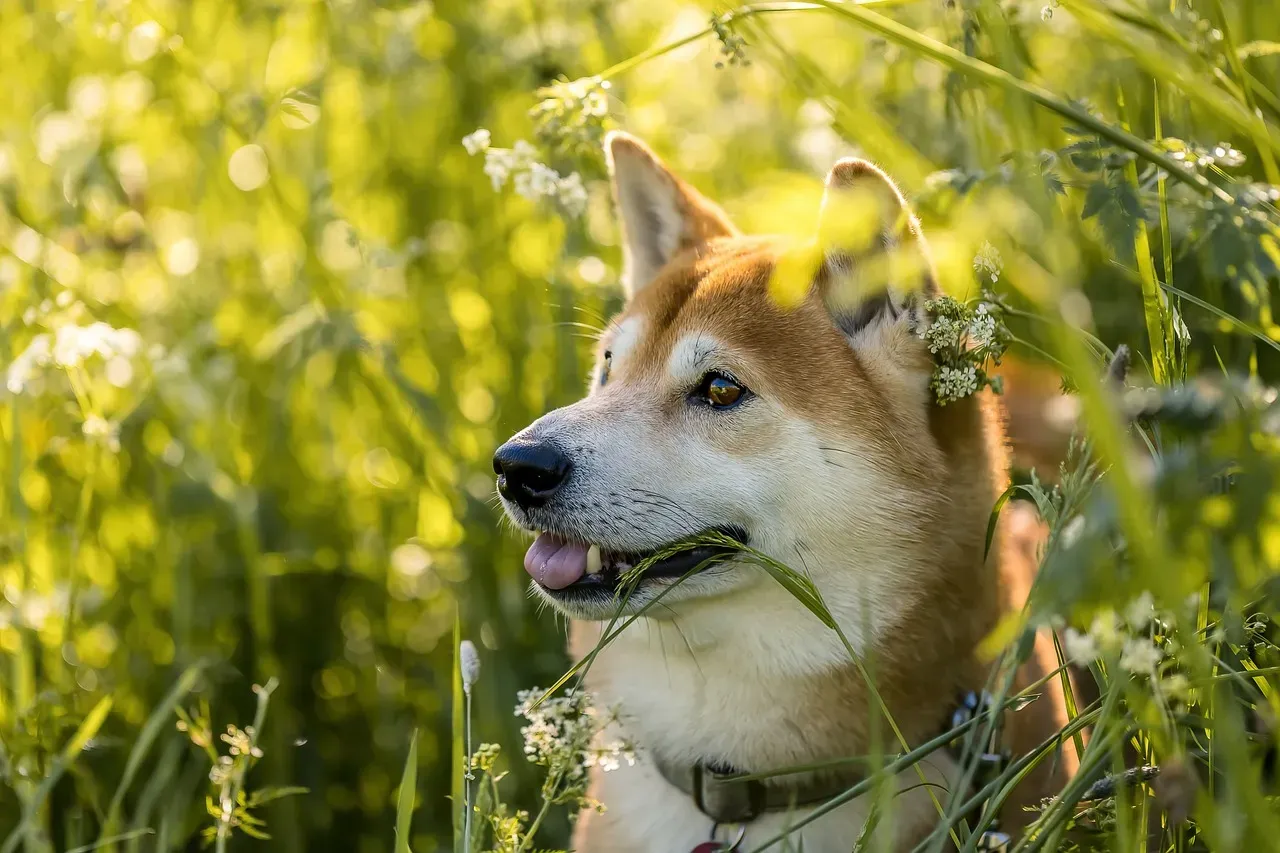
This small Japanese breed is charming but headstrong, known for its strong-willed temperament and dislike of following commands, and while it’s highly intelligent, its independent nature can make training a challenge. Their fox-like appearance matches their clever, mischievous personality perfectly.
Breeds like Akitas, Shiba Inus, Afghan Hounds, Siberian Huskies, Basenjis, and Beagles are often recognized for their independent streaks. The Shiba takes that independence to impressive levels. They’re famous for the “Shiba scream,” a dramatic vocalization they deploy when displeased.
These dogs are clean, reserved, and form strong but quiet attachments to their owners. Their independent nature means they often prefer doing things their own way, and this breed is intelligent but can be stubborn, which may present training challenges. They need consistency and positive reinforcement, but even then, they’ll decide on a case-by-case basis whether your request merits their cooperation.
Bulldog
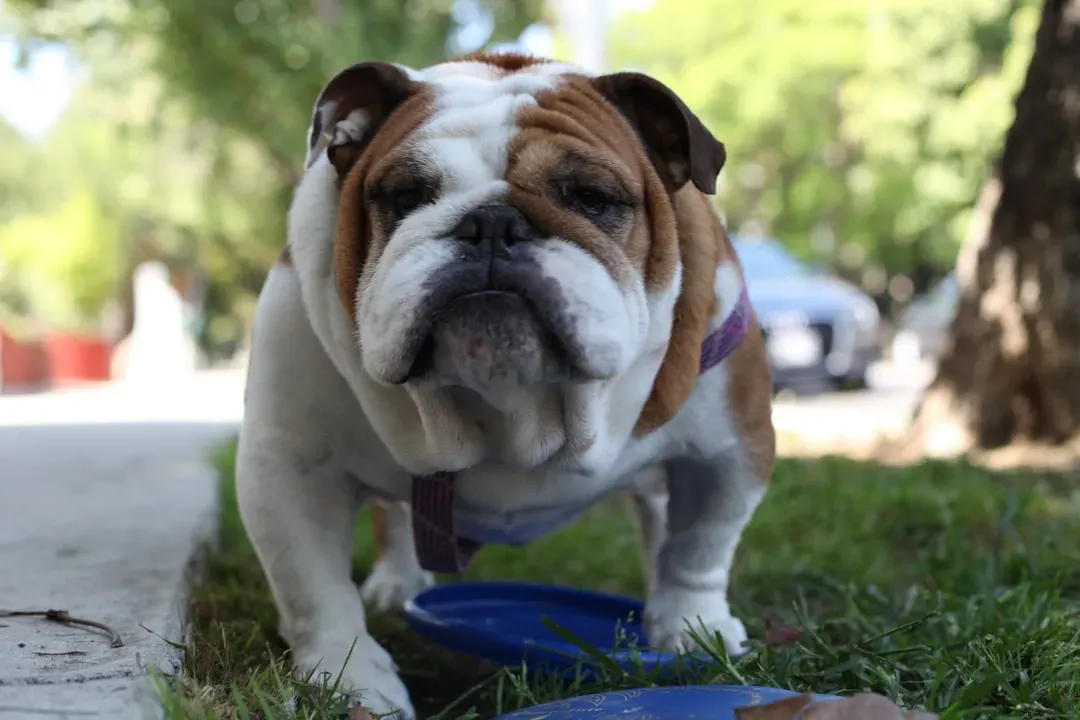
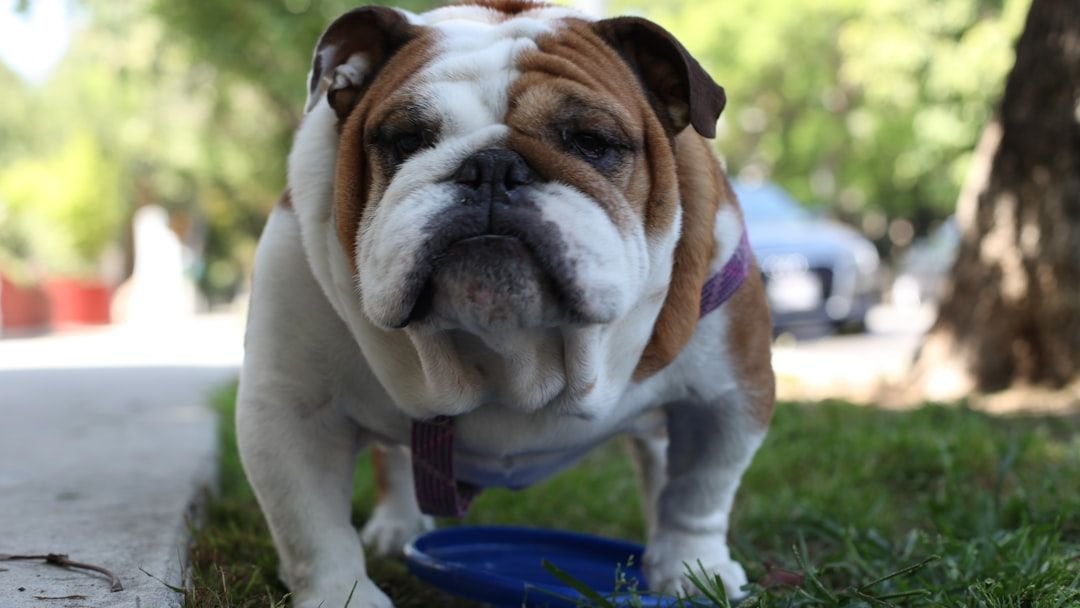
Strong, solid, and challenging, the English Bulldog is another headstrong dog breed, and their lazy personality makes them the perfect pets for couch potato owners who aren’t interested in training dogs. That wrinkled face and stocky build come with serious stubbornness.
Another breed known for stubbornness is the bulldog, which can make training difficult, and Coren ranked the breed third from last in its ability to obey a first command or understand new ones, and bulldogs can be stubborn and learn only a few commands. Their laid-back nature means they simply can’t be bothered with repetitive training.
Originally bred for bull baiting in 17th century England, they’re tough dogs who know their own minds. The good news is they’re generally gentle and patient, making them decent family dogs. The challenge is getting them to do anything they don’t feel like doing. Patience, short training sessions, and finding what motivates them individually is key.
Scottish Terrier
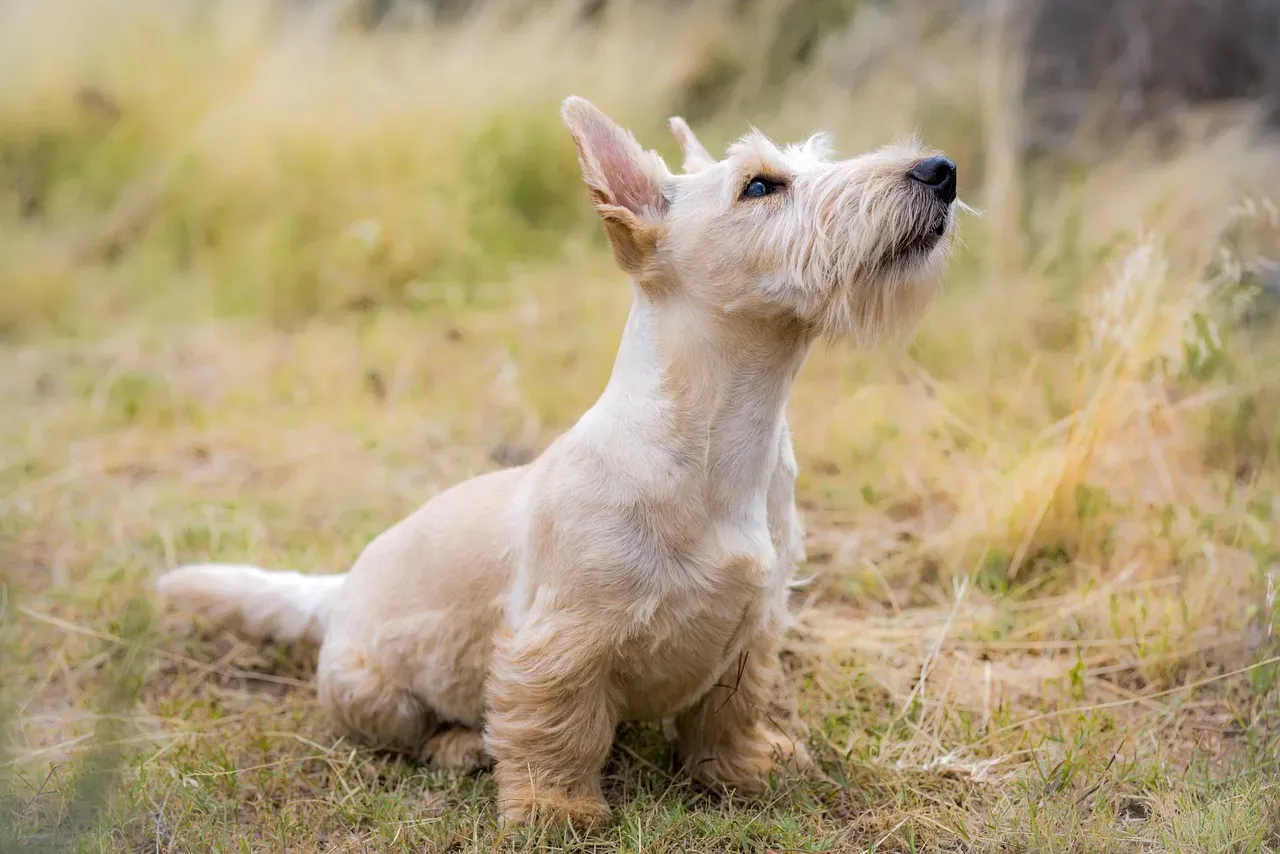
The Scottish Terrier is a bold little dog with a big attitude, and Scotties are stubborn and independent, so they require firm but gentle obedience training from an early age. These dignified terriers have strong personalities packed into compact frames.
Vocal, active, and proud, a Scottish Terrier will do whatever they set their mind on, and if these dogs don’t want to do something, they don’t. There’s no negotiating with a Scottie who’s made up their mind. They’re also typically one-person dogs, which means they might ignore everyone else in the household entirely.
They need owners who understand and respect their independent nature while still providing clear boundaries. Early training and socialization are essential, but even with perfect handling, you’re living with a dog who considers themselves your equal, not your subordinate. Their loyalty runs deep, but it’s expressed on their own terms.
Basset Hound
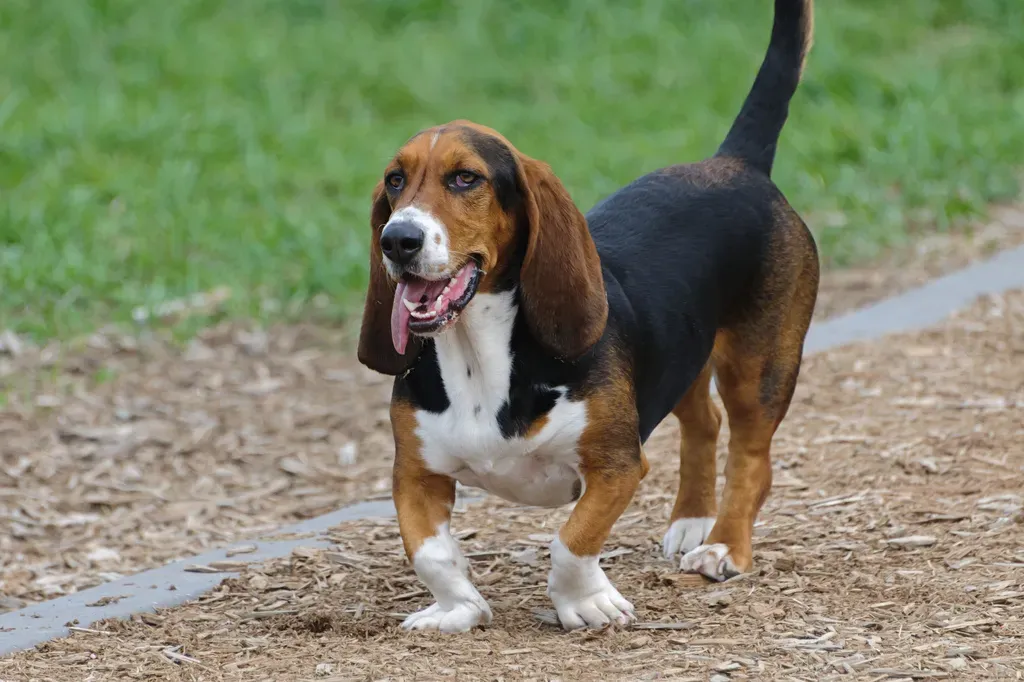
Don’t let those droopy eyes fool you, Basset Hounds are some of the most stubborn dogs around, and bred for scent tracking, they’ll follow their noses over your voice any day. Those long ears and soulful expression hide a remarkably determined personality.
Basset hounds can also be stubborn, and like their scent hound cousins such as the bloodhound and beagle, they struggle to ignore surrounding smells long enough to stay focused on learning, and raising a basset hound and hoping for high obedience is a lifelong process. Their nose basically runs their entire life.
Their laid-back, sometimes lazy demeanor makes them seem easygoing, but that stubbornness emerges the moment you need them to actually do something. They move at their own pace, follow their own interests, and training requires immense patience. Mental stimulation and keeping them engaged is crucial, though their relaxed nature means they won’t destroy your house like some high-energy stubborn breeds might.
Conclusion
Living with a stubborn dog breed isn’t for everyone, but honestly, there’s something beautiful about their independent spirits. These breeds challenge us to be better trainers, more patient humans, and more creative problem-solvers. They teach us that respect is earned, not demanded, and that the strongest bonds are built through understanding rather than control.
Stubbornness is seen in certain dog breeds because they have increased intelligence, a sense of independence, and inherent instinctual behavior, and this trait makes it highly challenging to train stubborn breeds, but it also reflects their strong personality and higher intelligence. These dogs aren’t broken or badly behaved. They’re exactly what they were designed to be.
If you’re considering one of these breeds, go in with your eyes open. Understand that training will require consistency, patience, and probably a good sense of humor. Find what motivates your individual dog, whether it’s food, play, or something else entirely. Most importantly, remember that no breed is untrainable, just differently motivated. What’s your experience been with stubborn breeds? Have you found the key to their hearts, or are you still figuring it out together?


