
You’ve been living with your dog for years, and they’ve always been gentle and loving. Then one day, seemingly out of nowhere, they snap. Maybe it happened when you reached for their food bowl, or perhaps when you tried to move them from the couch. Your heart races, confusion sets in, and you can’t help but wonder what went wrong. Here’s the thing: snapping is rarely random. Dogs communicate through body language, and when we miss those subtle signals, a snap becomes their last resort to say, “I need space.”
Understanding why dogs snap isn’t just about preventing bites. It’s about building trust, strengthening your bond, and ensuring your furry companion feels safe and understood. Let’s be real, nobody wants to live in fear of their own dog, and dogs don’t want to live feeling constantly threatened either. The good news? Once you understand the root causes, you can take steps to prevent it and create a calmer, happier environment for everyone.
Fear and Anxiety: When Your Dog Feels Cornered
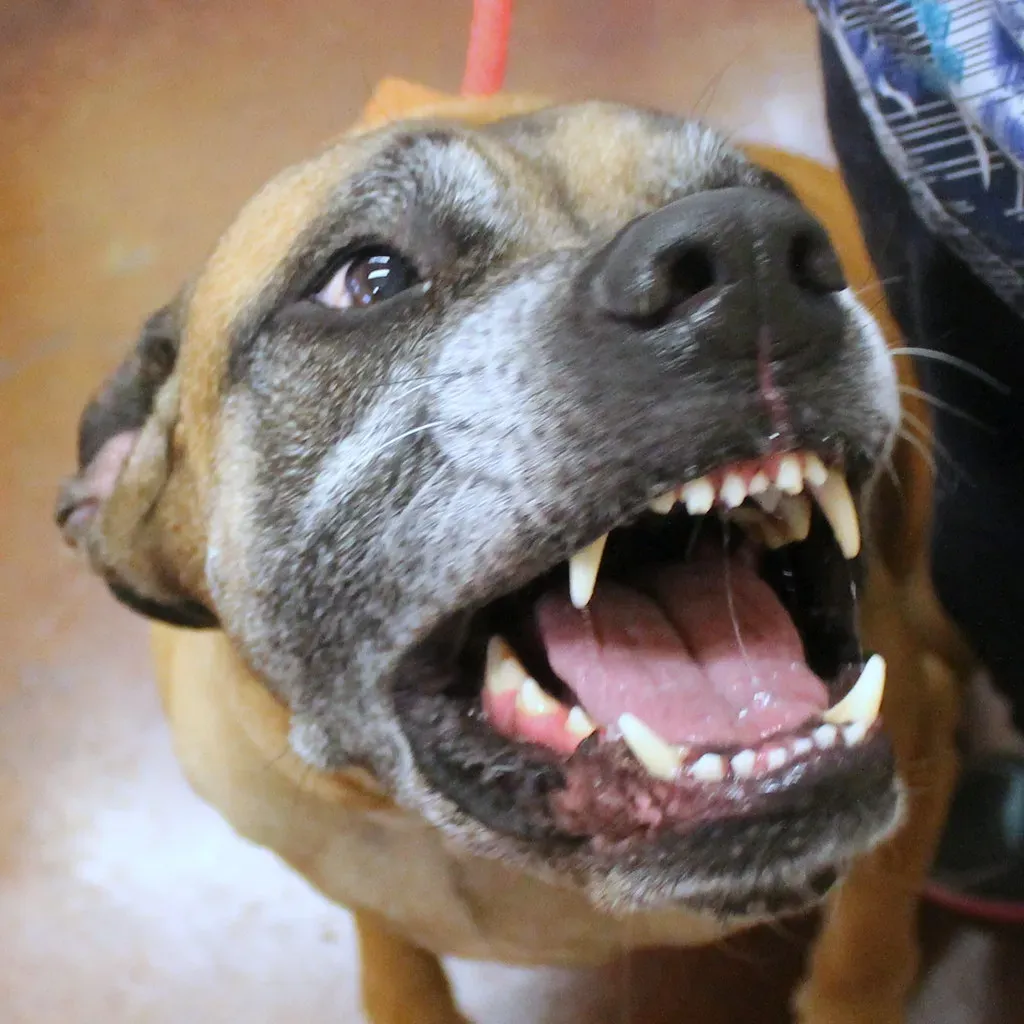
Most aggressive behavior from dogs is on some level rooted in fear, and a dog might be fearful of something or someone getting close to them. Think about it from your dog’s perspective. When something scary approaches and there’s no escape route, what options do they have left? A fearful dog will normally adopt fearful postures and retreat, but she may become aggressive if cornered or trapped.
The tricky part is recognizing fear before it escalates. Your dog might show subtle signs like turning their head away, licking their lips, yawning, or tucking their tail. They may give ‘leave me alone’ signals like licking their lips, yawning, turning their head or trying to walk away. If those warnings go unnoticed, the dog may feel they have no choice but to snap. It’s honestly not about aggression in the traditional sense, it’s about survival instinct kicking in.
To help a fearful dog, create safe spaces where they can retreat when overwhelmed. Never force interactions when your dog is showing signs of discomfort. Instead, use positive reinforcement training to build confidence gradually. If your dog is fearful of certain situations, work with a certified trainer who specializes in fear-based behaviors. Remember, punishment will only make fear worse, not better.
Pain or Illness: The Hidden Trigger You Might Miss
Even the most gentle, friendly dog can bite if it’s in pain or feeling unwell, and a sudden touch to a sore joint or a poke near an infected ear might trigger a defensive snap. Pain-related aggression is more common than most people realize. Research shows that roughly 30 to 80 percent of patients referred for behavioral complaints had at least one underlying painful condition.
What makes pain particularly challenging is that dogs are masters at hiding discomfort. Signs indicating that your dog is suffering from chronic pain are not as obvious, and may be mistaken for a behavior issue. Your once playful pup might become grumpy, withdraw from activities they loved, or snap when touched in certain areas. Typical signs of musculoskeletal disorders such as gait changes, stiffness, lameness might manifest after behavioral changes such as increased fearfulness, prolonged recovery from a stressful event, a reduced interested in social interactions, toys or play.
If your dog suddenly starts snapping without an obvious behavioral trigger, schedule a veterinary examination immediately. Pain from dental disease, arthritis, ear infections, or other conditions can cause dogs to become more defensive or irritable. Sometimes the simplest solution is addressing an underlying medical issue. Bloodwork, X-rays, and a thorough physical exam can reveal hidden sources of pain that, once treated, may completely resolve the snapping behavior.
Resource Guarding: Protecting What’s Precious
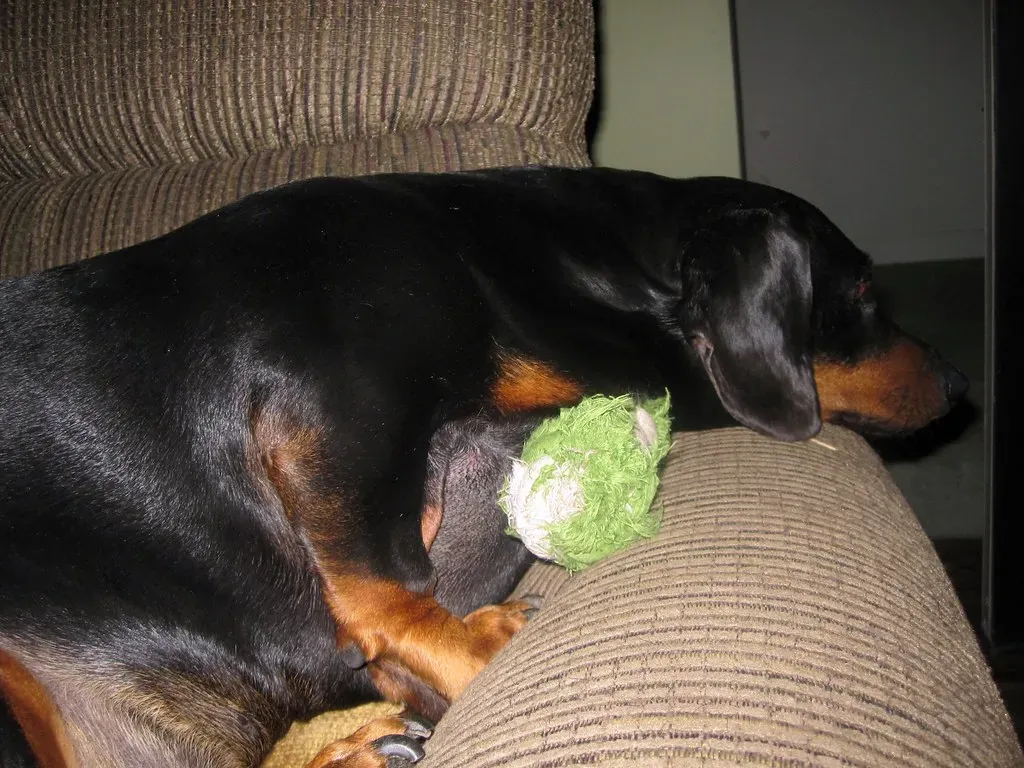
Some dogs guard food, toys, or people, and without training, this behavior can escalate into growling or snapping. Resource guarding is rooted deep in survival instinct. This behavior is rooted in survival instinct: if a dog believes its valuable resources are being threatened, it may bite to protect them. It’s not about dominance or being a bad dog; it’s about perceived scarcity and the need to protect valuable things.
Resource guarding is common in multi-pet households or homes with small children who don’t yet understand boundaries. Maybe your dog growls when you approach their food bowl, or tenses up when you reach for their favorite toy. These are warning signs that shouldn’t be ignored. The key is teaching your dog that humans approaching their resources is a good thing, not a threat.
Start by trading up. When your dog has something they value, offer them something even better in exchange. Never simply take things away aggressively, as this confirms their fear that resources will be stolen. Practice “drop it” and “leave it” commands using high-value treats and positive reinforcement. For severe resource guarding, consult with a certified behaviorist who can create a customized desensitization plan. With patience and consistency, most dogs can learn to relax around their belongings.
Overstimulation and Frustration: When Excitement Boils Over
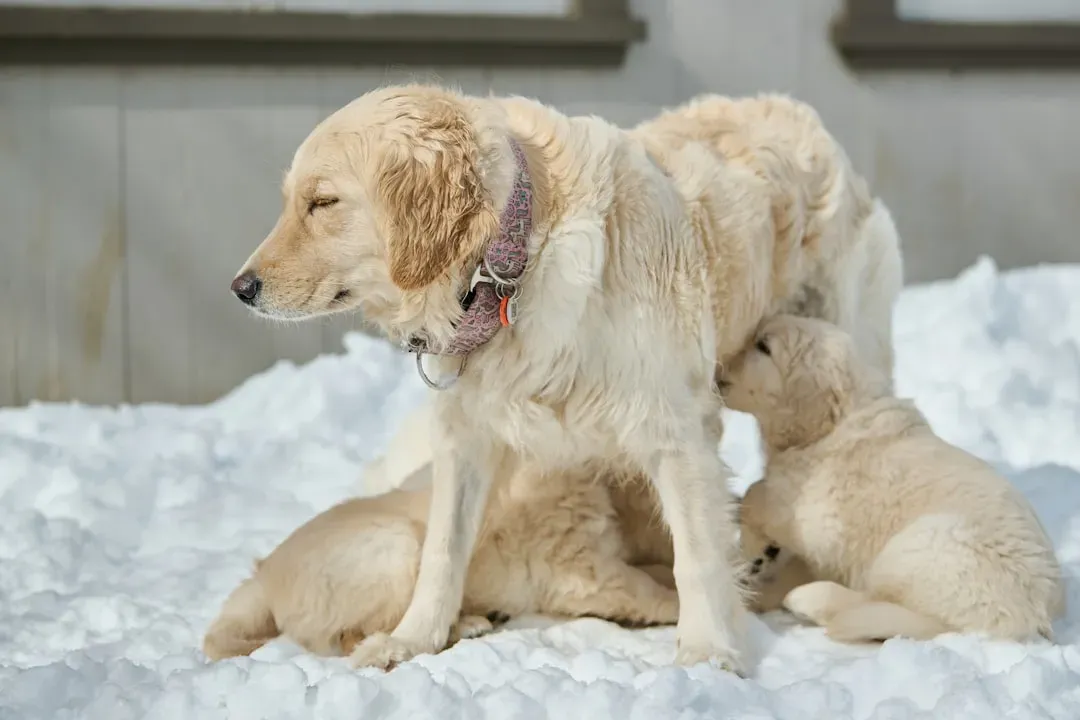
Rough play or chaotic environments can overwhelm a dog, especially puppies, causing them to nip or react impulsively. Dogs have thresholds, and when those thresholds are crossed, they can’t always control their reactions. Think of it like sensory overload. Too many people, too much noise, too much touching, and suddenly your normally calm dog is snapping at the air.
Dogs who feel that they are trapped in a situation that is uncomfortable or unpleasant may bite out of frustration, and dogs can also feel frustrated by being unable to reach something that they want because they are being held back by an owner or leash. This is called redirected aggression, and it’s more common than you’d think. Your dog might be barking at another dog through a fence, and when you try to pull them away, they snap at you instead.
Managing overstimulation requires recognizing your dog’s limits. Watch for signs like excessive panting, dilated pupils, pacing, or inability to focus. When you see these signals, remove your dog from the situation before it escalates. Create calm environments, especially during high-stress times like parties or when visitors arrive. Teaching your dog a “go to your place” command gives them a safe retreat option when things get overwhelming. Short training sessions with plenty of breaks help build frustration tolerance over time.
Poor Socialization: Missing the Critical Window
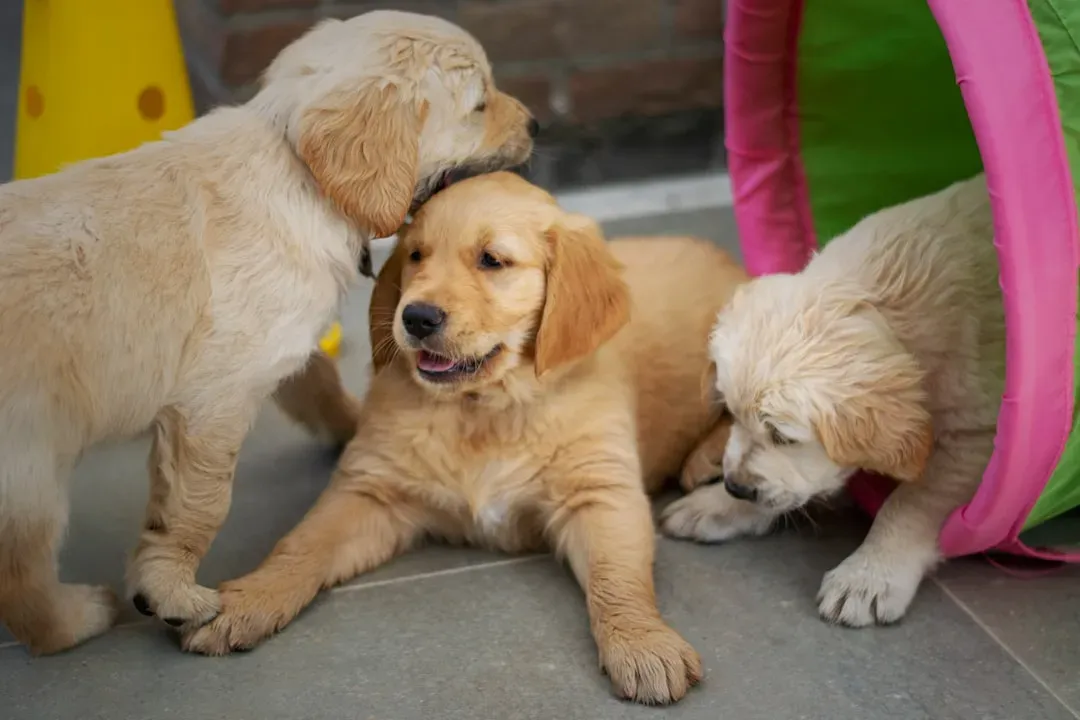
Dogs without early socialization and training may react fearfully or unpredictably in new situations, making them more likely to bite. The critical socialization period for puppies happens during their first few months of life. The primary window for a dog’s social development is the first four months of puppyhood. Miss that window, and you may end up with a dog who finds the world terrifying and threatening.
I know it sounds dramatic, but proper socialization is one of the most important investments you can make in your dog’s future behavior. Early, positive exposure to different people, pets, places, and sounds helps dogs develop confidence and reduces fear-based behaviors later in life, and the best time for socialization is during puppyhood, but older dogs can also benefit from calm, gradual introductions to new situations.
For puppies, enroll in positive reinforcement-based puppy classes as soon as they’re vaccinated. Expose them to different surfaces, sounds, people of all ages, and friendly dogs in controlled settings. For adult dogs with poor socialization, the process takes more time and patience. Work with a professional trainer to create gradual exposure plans that don’t overwhelm your dog. Never force interactions, always let your dog approach new things at their own pace. Small, positive experiences build confidence over time, and consistency is absolutely key.
Taking Control: Prevention and Management Strategies
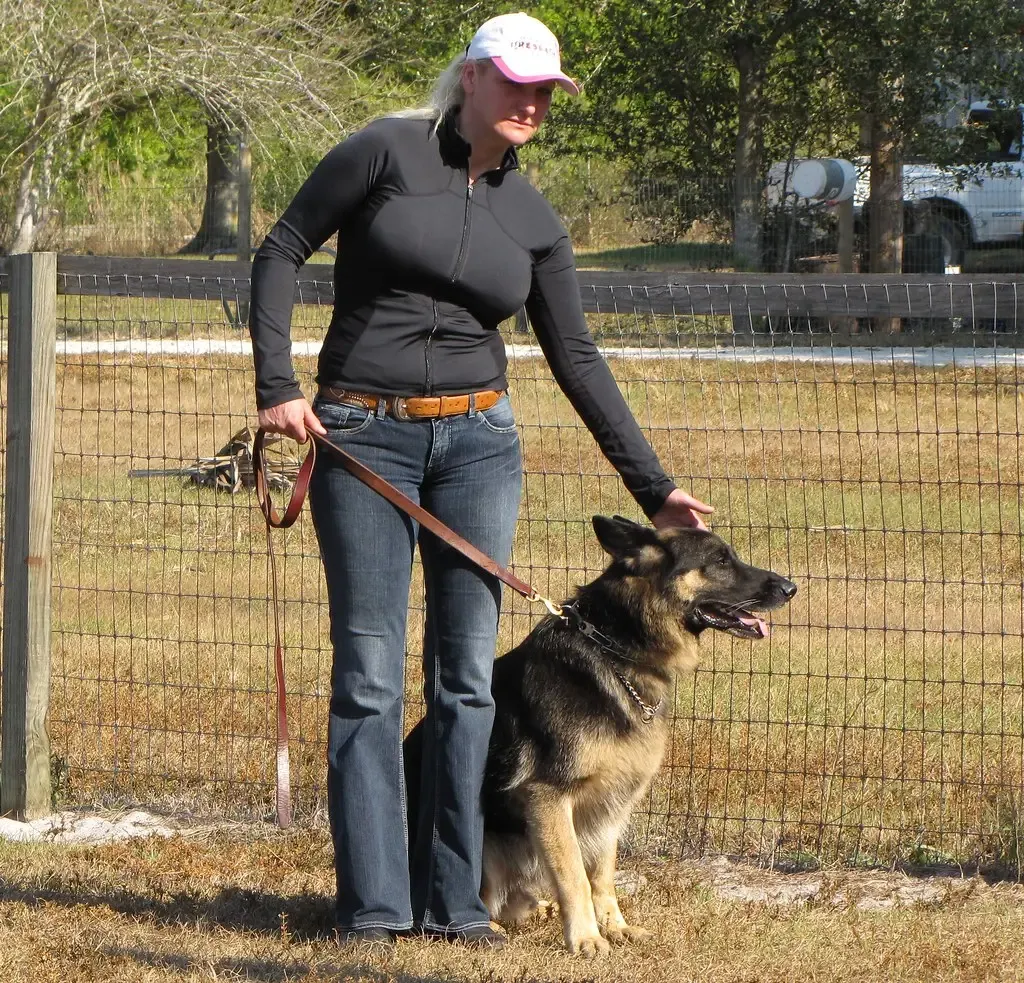
Dogs rarely bite without warning, and most give off clear signals long before things escalate, so the key is learning how to read those signals so you can respond appropriately and prevent situations from getting out of hand. Honestly, becoming fluent in dog body language is one of the most important skills any dog owner can develop. Watch for stiff body posture, whale eyes, pinned ears, lip licking, or low growls.
A growl or air snap without making contact is a dog’s natural way of warning that they are extremely uncomfortable or overwhelmed by a situation, and if your dog is punished for expressing discomfort or displeasure, it’s very possible you will actually increase the likelihood of a dog bite occurring in the future because your dog has learned that they shouldn’t warn and may instead go directly to a bite response when uncomfortable. Never punish warning signals. They’re gifts of communication.
Create structure and predictability in your dog’s daily routine. Dogs thrive on knowing what to expect. Use positive reinforcement training consistently to teach alternative behaviors. When your dog does something right, reward them immediately. Management is equally important: use baby gates, crates, and leashes to prevent your dog from getting into situations where they might snap. If you know certain triggers exist, avoid them while you work on behavior modification with a professional.
Most importantly, seek professional help early. Dog bites are common events that occur in normal family’s lives and it is estimated that roughly 15 percent of dog owners have been bitten by their own dog, and once a dog bites, he has shown his willingness to use biting as a behavioral strategy at least in that situation and therefore is more likely to bite. A certified professional dog trainer or veterinary behaviorist can assess your specific situation and create a tailored plan that addresses the root cause of the snapping behavior.
Conclusion
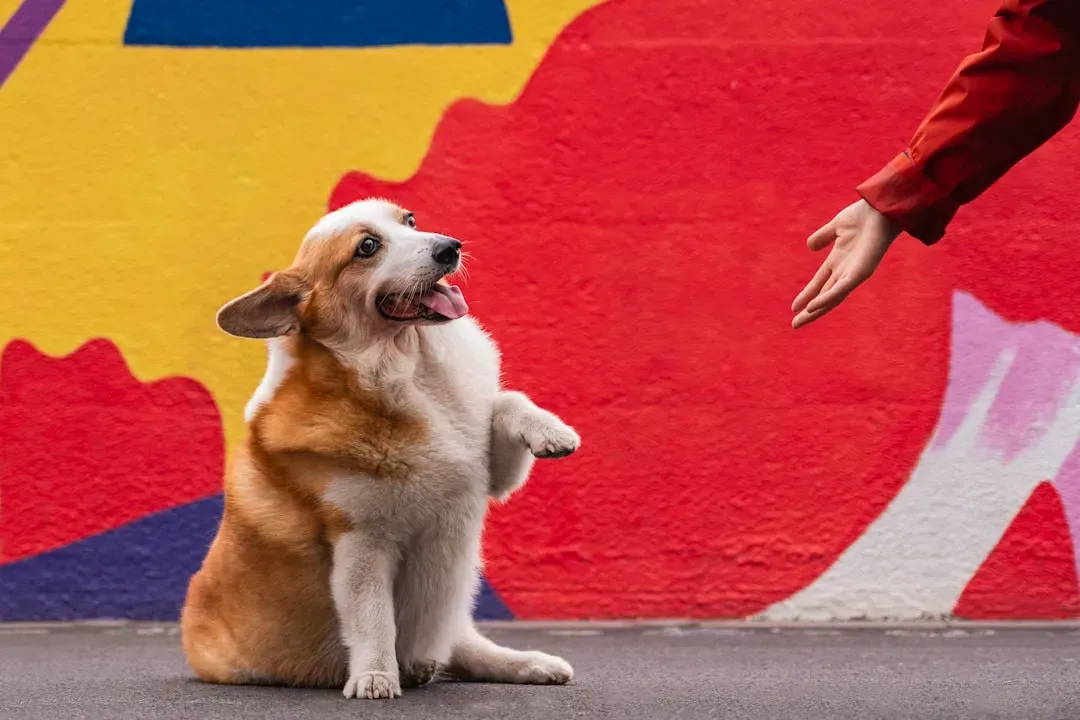
Snapping doesn’t make your dog a bad dog. It makes them a dog who’s trying desperately to communicate something important, whether that’s fear, pain, frustration, or overwhelm. By understanding these five core reasons and taking proactive steps to address them, you can transform your relationship with your furry companion. Remember that behavior change takes time, patience, and often professional guidance.
Your dog depends on you to be their advocate, to read their signals, and to create an environment where they feel safe and understood. Every warning sign they give is an opportunity to prevent escalation and build trust. So next time you see your dog tense up or turn away, don’t ignore it. Listen to what they’re telling you. Have you noticed any of these warning signs in your own dog? What changes will you make today to help them feel safer and more comfortable?


