
10 Common Reasons Why Your Dog Might Be Digging (And How to Stop It)
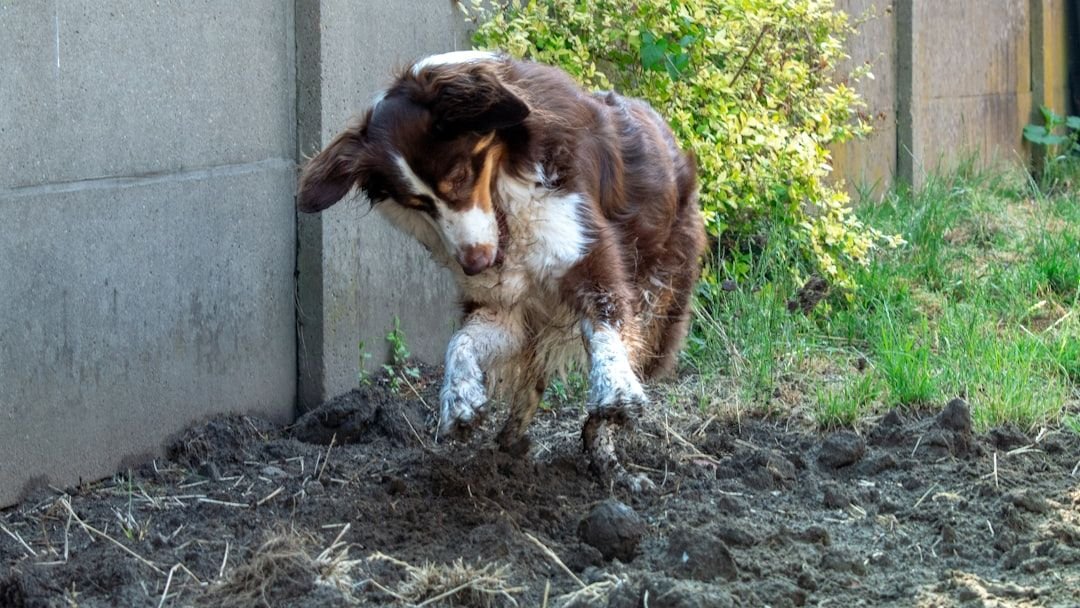
Picture this: you glance out the window, and your beloved pup is flinging dirt like a furry excavator, completely absorbed in their mission to reach who-knows-where. You might laugh at first, or maybe sigh in defeat at yet another crater in your once-pristine garden. Here’s the thing: digging is one of the most common frustrations for dog parents, yet it’s deeply rooted in thousands of years of canine instinct. Your dog isn’t misbehaving out of spite. They’re simply being, well, a dog.
Understanding why your furry friend has turned your backyard into Swiss cheese is the first step toward finding a solution that works for both of you. Let’s dive in and uncover what’s really driving all that digging.
They’re Following Ancient Hunting Instincts
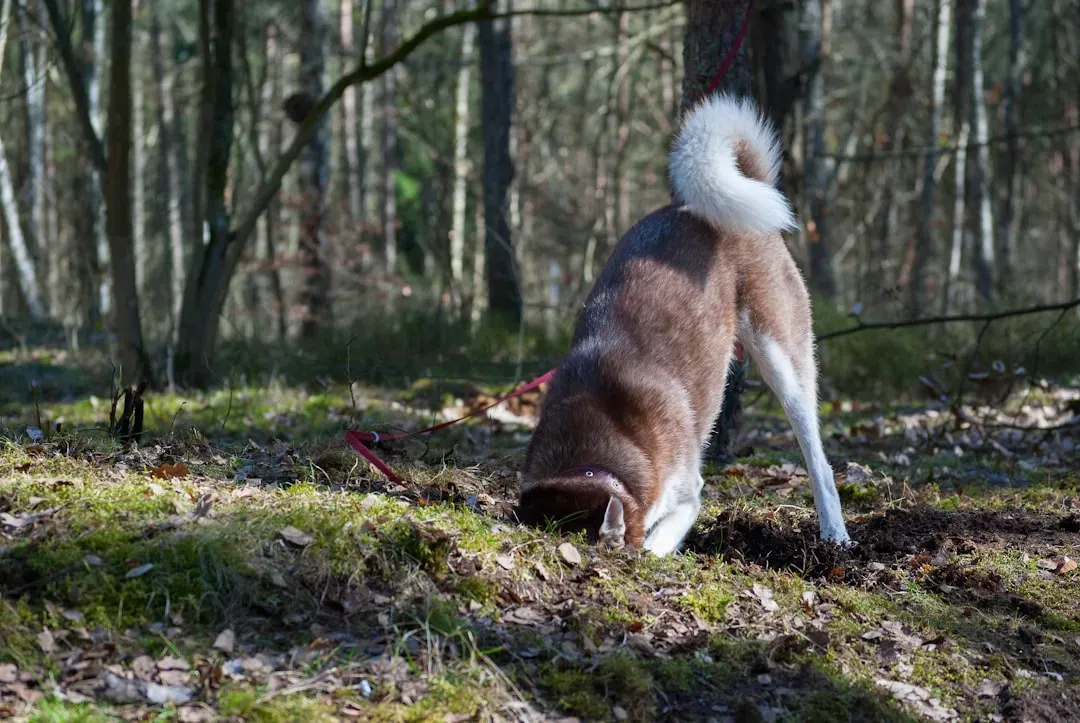
Your dog might dig intensively to seek prey like moles or mice in yards infested with rodents. This behavior is deeply embedded in their DNA. Even though you provide all their meals in a bowl, the thrill of the hunt never really goes away.
Some breeds, like terriers, have an especially strong prey drive and may dig to try to reach small animals they can smell and hear underground. You might notice your dog becomes fixated on one specific spot, whining or pawing frantically. That’s not random behavior, that’s their inner hunter taking over.
If you suspect critters are the culprit, it’s worth investigating your yard for signs of burrowing animals. Addressing the pest problem humanely can eliminate your dog’s motivation to dig.
Temperature Regulation Is a Survival Skill
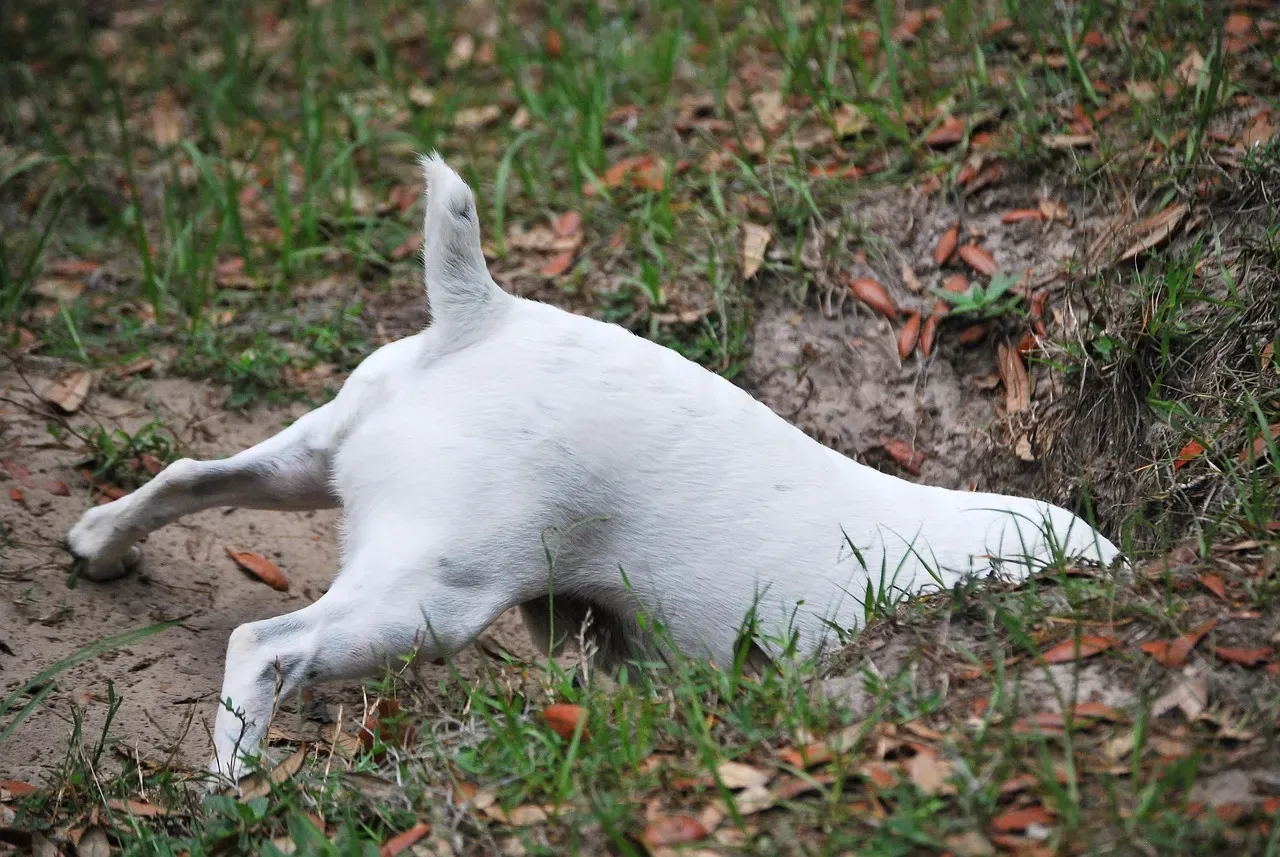
Dogs don’t sweat like we do, which makes staying cool or warm a genuine challenge. In hot weather, digging into the cool earth helps them create a comfortable resting spot, while some dogs may dig to create a warm burrow in cold or snowy conditions.
Thick-coated Northern breeds like the Alaskan Malamute or Siberian Husky may be especially prone to this. Think about it: on a sweltering afternoon, wouldn’t you want to find a cool place to lie down? Your dog is doing exactly that, instinctively seeking relief.
To help prevent temperature-driven digging, make sure your dog has access to shade, fresh water, and perhaps even a kiddie pool on hot days. In winter, provide cozy shelter if your dog spends significant time outdoors.
Boredom and Lack of Stimulation Drive Digging
Let’s be real: a bored dog is a destructive dog. Digging is often a matter of boredom, separation anxiety, or fear, and if dogs aren’t getting enough exercise or spending too much time alone, digging is their way to express frustration and release energy that has nowhere else to go.
Your pup isn’t trying to drive you crazy. They’re simply understimulated and looking for something, anything, to occupy their busy mind. An anxious dog needs confidence-building, and a bored dog needs more stimulation.
Think about adding more walks, play sessions, puzzle toys, or even training exercises to your daily routine. A tired dog with a satisfied brain is far less likely to turn your garden into an archaeological site.
Escape Artists Are Trying to Get Somewhere
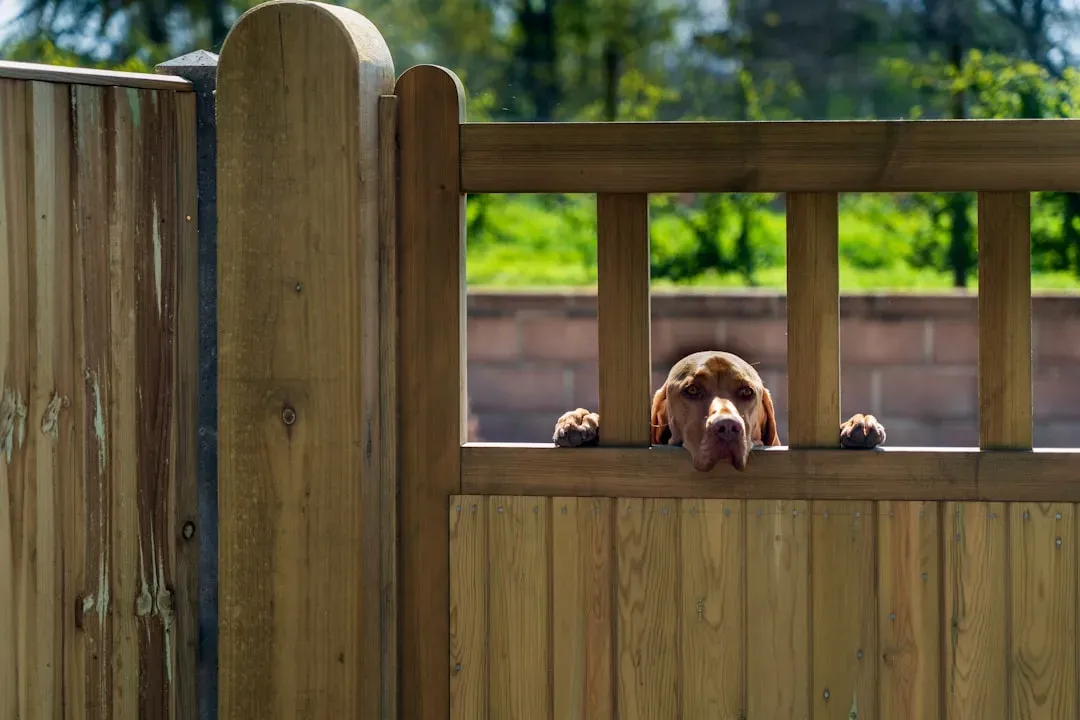
If your dog feels compelled to leave your yard, tunneling under the fence is usually easier than finding a way over it, typically prompted by wanting to get to something on the other side of the fence, such as another dog. Maybe there’s a female in heat nearby, or perhaps your neighbor’s dog looks like the perfect playmate.
This kind of digging usually happens along fence lines and can be quite dangerous if your dog manages to escape. Watch for patterns in the digging location. If it’s concentrated near boundaries, your dog is telling you they want out.
Solutions include reinforcing your fencing, providing more social interaction and exercise, or having your dog neutered if they’re intact. Honestly, sometimes the best answer is keeping your pup supervised when outside.
They’re Hoarding Treasures for Later

In their wolfish past, canines instinctively dug holes in order to stockpile food for lean times or for winter when food was scarce, and this can be seen in today’s dogs when they may revert to this behavior by burying items like bones. Your dog might bury a favorite toy, a treat, or even that new shoe you were looking for.
The catch? Some dogs like to bury treasures for safekeeping, but they don’t always remember to make a treasure map, which leads to more digging as they search for their hidden cache. It’s both adorable and frustrating.
If your dog is a hoarder, consider providing fewer high-value items at once or offering a designated digging zone where burying is allowed.
Anxiety and Stress Manifest as Digging
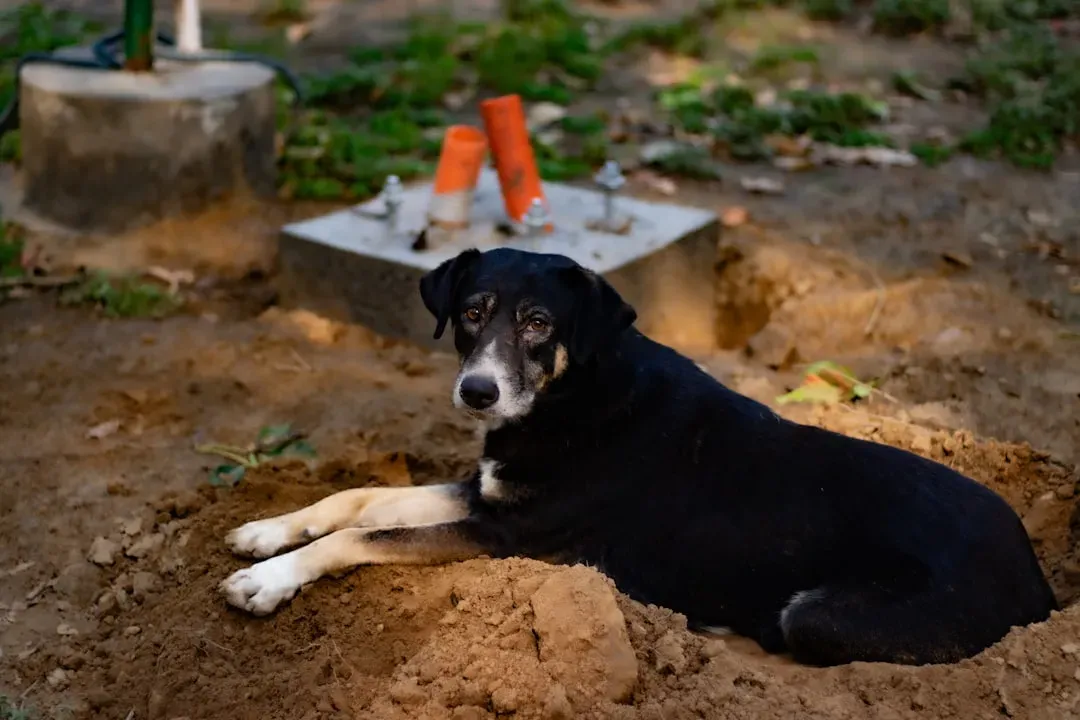
Sometimes digging is a coping mechanism. Some dogs use digging to comfort themselves and seek relief from emotional distress, as digging is often a matter of boredom, separation anxiety, or fear.
You might notice your dog digs more when left alone, during thunderstorms, or when there are changes in the household. If they’re doing it constantly or at times that may be associated with anxiety, take steps to discover the root cause of the stress and work with a trainer or your vet to address it.
Anxiety-driven digging requires compassionate intervention. Work on building your dog’s confidence, consider calming supplements or products, and consult with a veterinarian or certified behaviorist if the behavior persists.
Some Breeds Are Just Wired to Dig
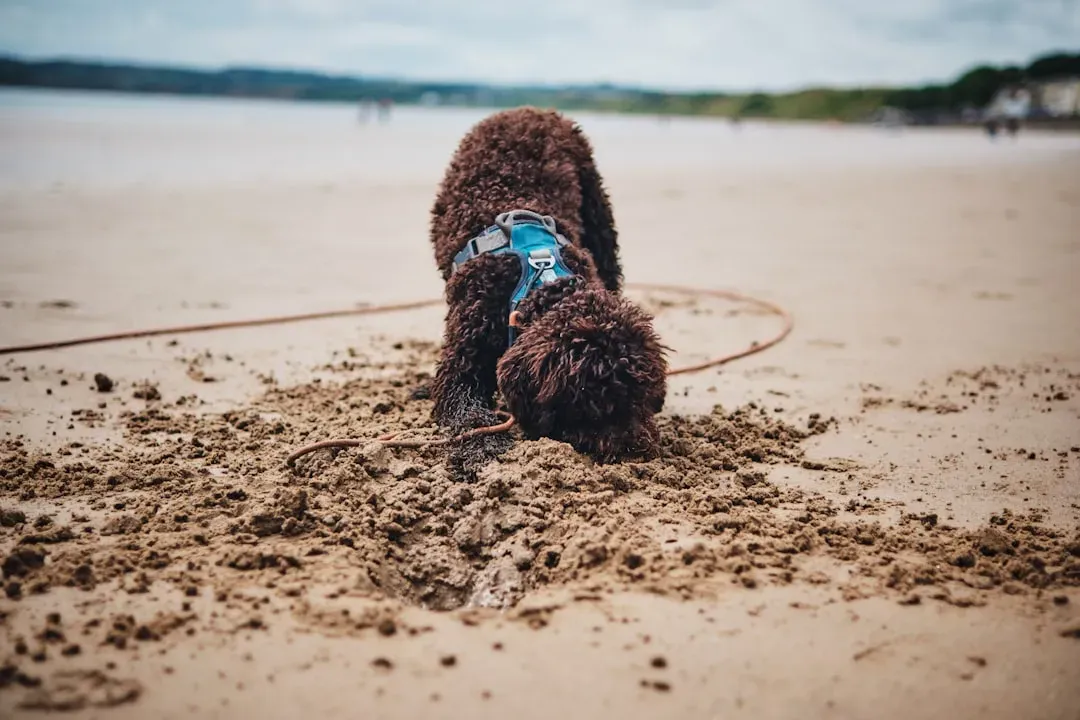
Some dogs are much more enthusiastic diggers than others because they were initially bred for that ability, like Dachshunds, which were bred to hunt badgers that burrow into the ground, so digging is in their DNA.
Terriers, Beagles, and even certain herding breeds have strong digging tendencies bred into them over generations. I know it sounds crazy, but your dog’s genetics might genuinely make them more inclined to excavate your backyard. Breed alone isn’t responsible for an individual dog’s disposition, as breed accounts for less than ten percent of a dog’s overall behavior.
Still, recognizing your dog’s breed tendencies helps you understand their needs better and redirect that instinct appropriately.
Attention-Seeking Behavior Gets Results
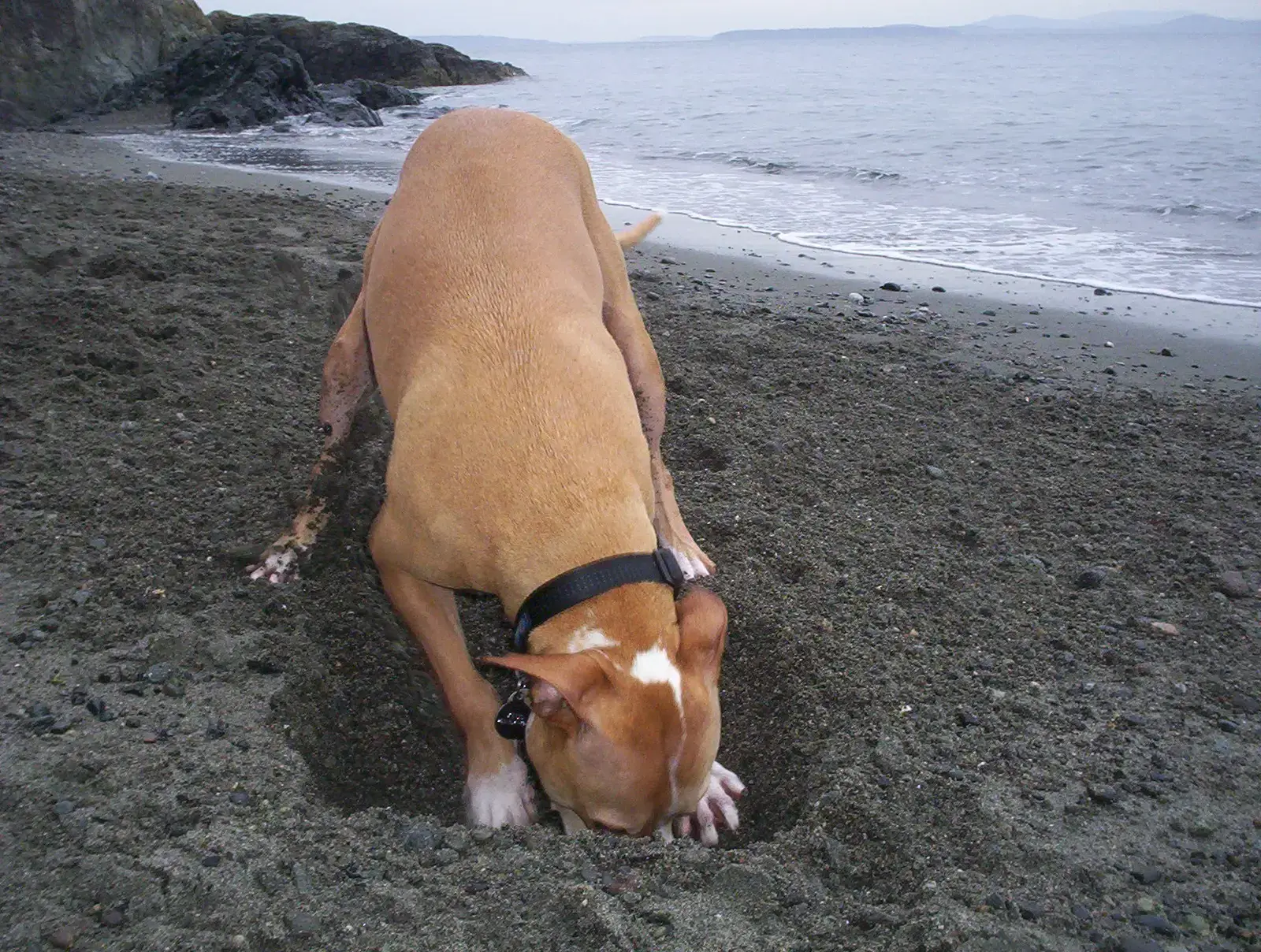
Any behavior can become attention-getting behavior if the dog learns they receive attention for engaging in it, and remember, even punishment is attention. Your dog may be looking for attention if they dig in your presence.
Think about it: if every time your dog digs, you run outside shouting their name, they’ve just learned that digging equals interaction with you. Even negative attention feels better than being ignored.
The solution is to ignore attention-seeking behavior and give your pooch lots of praise for good dog behavior, while also making sure your dog has enough walk and playtime with you on a daily basis.
Creating a Comfortable Den or Nesting Spot
Nesting is a natural instinct dogs have to find comfort before catching those Z’s. You’ve probably seen your dog circle and scratch at their bed before lying down. That same instinct can translate to outdoor digging.
Pregnant females may also be inclined to dig as part of their denning instinct. Even spayed females might display nesting behaviors occasionally. It’s hardwired into them to create a safe, comfortable space.
Providing cozy indoor beds and comfortable outdoor resting areas can help reduce this type of digging.
Medical Issues Might Be Behind the Behavior
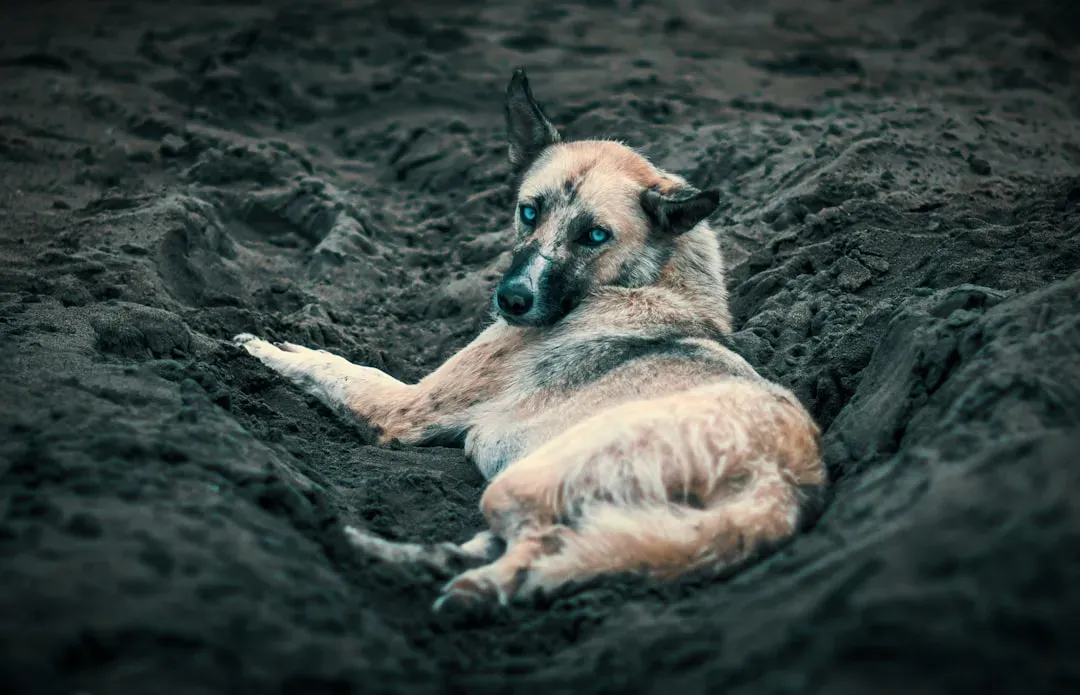
While less common, sudden increases in digging can sometimes signal a health problem. Digging holes is not typically a symptom of illness in dogs, but if your dog suddenly starts digging more than usual, it may be a sign of an underlying health issue.
Some breeds exhibit digging as a stress response or to find comfort when unwell, and dogs may dig holes and lie in them as an instinctual behavior to regulate body temperature or seek comfort during illness. Pain, discomfort, or cognitive changes in older dogs might manifest as unusual digging.
If your dog’s digging suddenly escalates without obvious cause, or if it’s accompanied by other symptoms like lethargy, loss of appetite, or behavior changes, a vet visit is warranted.
Conclusion: Understanding Leads to Solutions
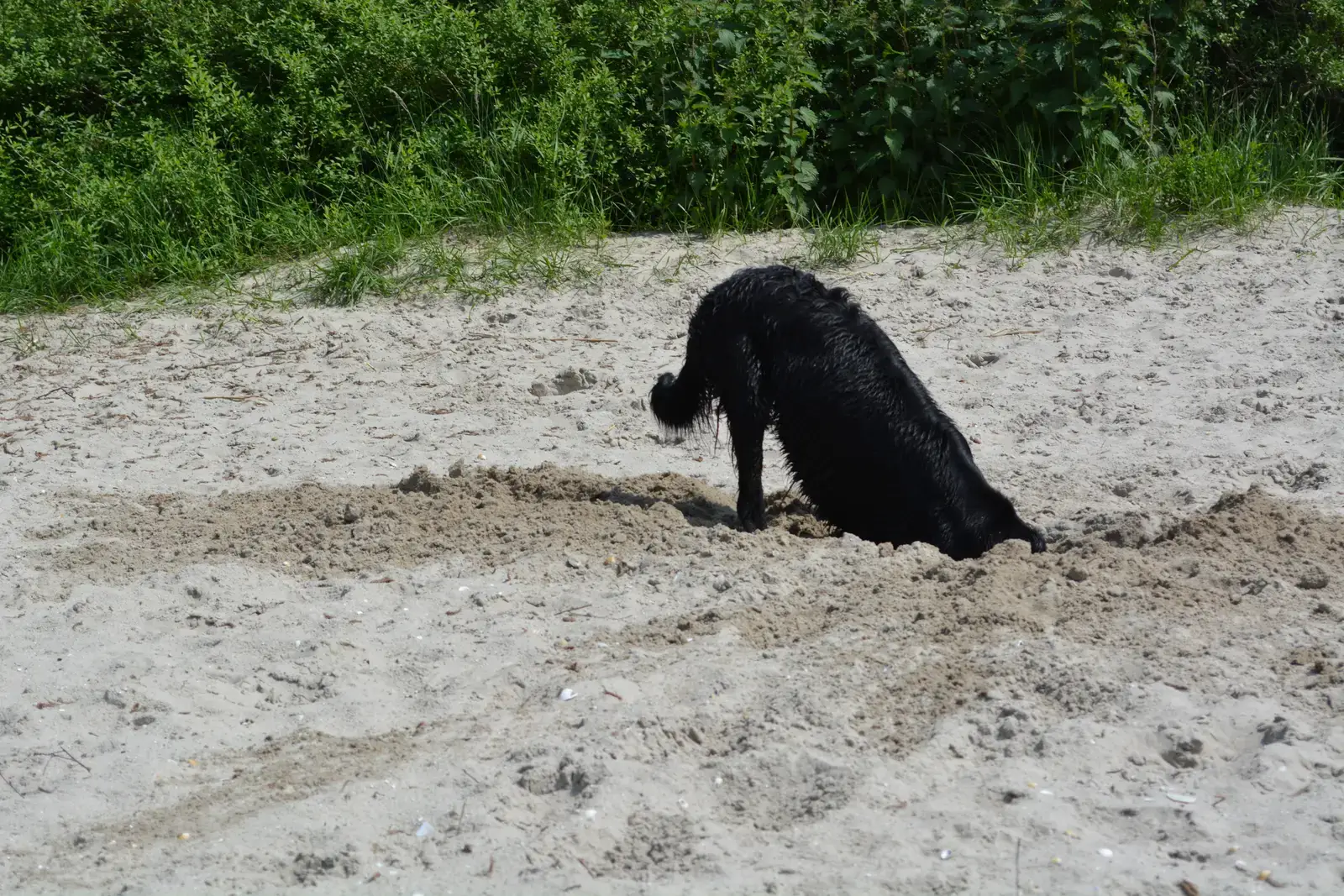
The truth is, you’re probably not going to eliminate digging entirely. It’s too deeply ingrained in what makes dogs, well, dogs. It’s extremely difficult to stop a dog from being a dog, but there are ways to minimize digging so your yard and garden don’t look like Swiss cheese.
The key is identifying why your individual dog digs and addressing that specific need. Maybe they need more exercise, mental stimulation, or a designated digging zone where they can excavate to their heart’s content. Perhaps they need medical attention, anxiety management, or better temperature control options.
Remember, your dog isn’t trying to ruin your landscaping out of spite. They’re following instincts that have kept their ancestors alive for thousands of years. With patience, understanding, and the right approach, you can find a balance that works for both of you. What would you do if your dog suddenly started digging more than usual? Sometimes the answer surprises you.