
Why A Pug Can Be a Challenging Dog
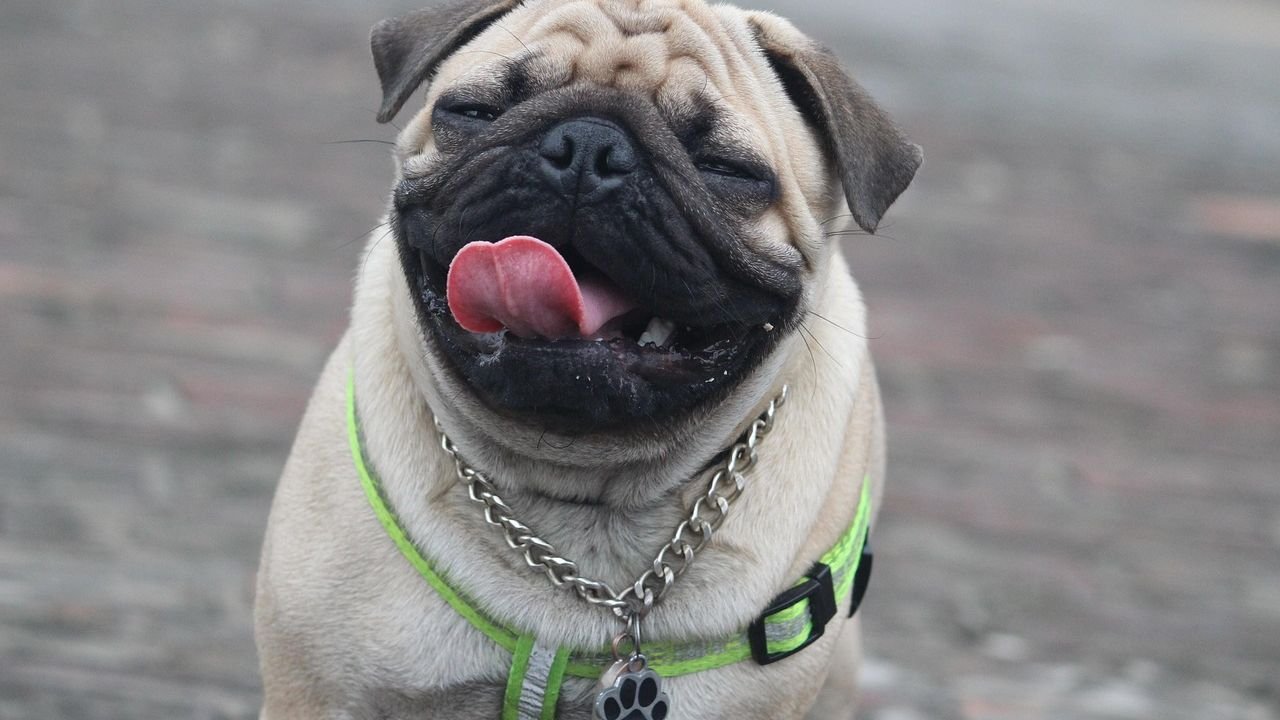
There’s something magnetic about those wrinkly faces, those big round eyes, and that curly tail. Pugs have a way of capturing hearts faster than you can say “adorable.” I know, it’s hard to resist. Walking past a pug in the park or spotting one snorting happily on social media, you might think they’re the perfect compact companion. They look low maintenance, right?
Here’s the thing. Owning a pug is nothing like owning just any small dog. Behind that charming, comical exterior lies a breed that requires serious commitment, specialized knowledge, and sometimes expensive medical care. If you’re thinking about bringing a pug home, or if you already have one and find yourself feeling a bit overwhelmed, you’re not alone. These little characters, as endearing as they are, come with challenges that many first time owners don’t fully anticipate.
Let’s be real. Pugs weren’t bred for function. They were bred for looks, for companionship, and to sit on the laps of royalty. While that history is fascinating, it has left modern pugs with some significant health and behavior hurdles. So let’s dive in.
Breathing Struggles That Define Daily Life
The permanent narrowing and obstruction of the airways makes breathing much harder, and affected dogs are at risk of severe respiratory distress and fear, with these crises being life threatening especially when exercising in hot weather. This isn’t an exaggeration. A veterinarian compared living with their shortened skulls to breathing through a straw for your entire life.
What does this mean in practical terms? Even mildly affected dogs are likely to suffer disrupted sleep and are prevented from carrying out normal behaviours such as running and exercising because of breathing difficulties. That snoring you think is cute? That’s actually your pug struggling to get enough air. The usual problems include struggling to exercise, noisy breathing, struggling to thermoregulate in warm weather, regurgitation of food, and sleep disorders.
Objective measurements have determined that roughly half of pugs have clinically significant signs of brachycephalic obstructive airway syndrome. Think about that for a moment. Around one in two pugs face serious breathing issues. This condition affects animals from early in their lives and is a lifelong and progressively worsening condition.
The Heat Is Your Enemy
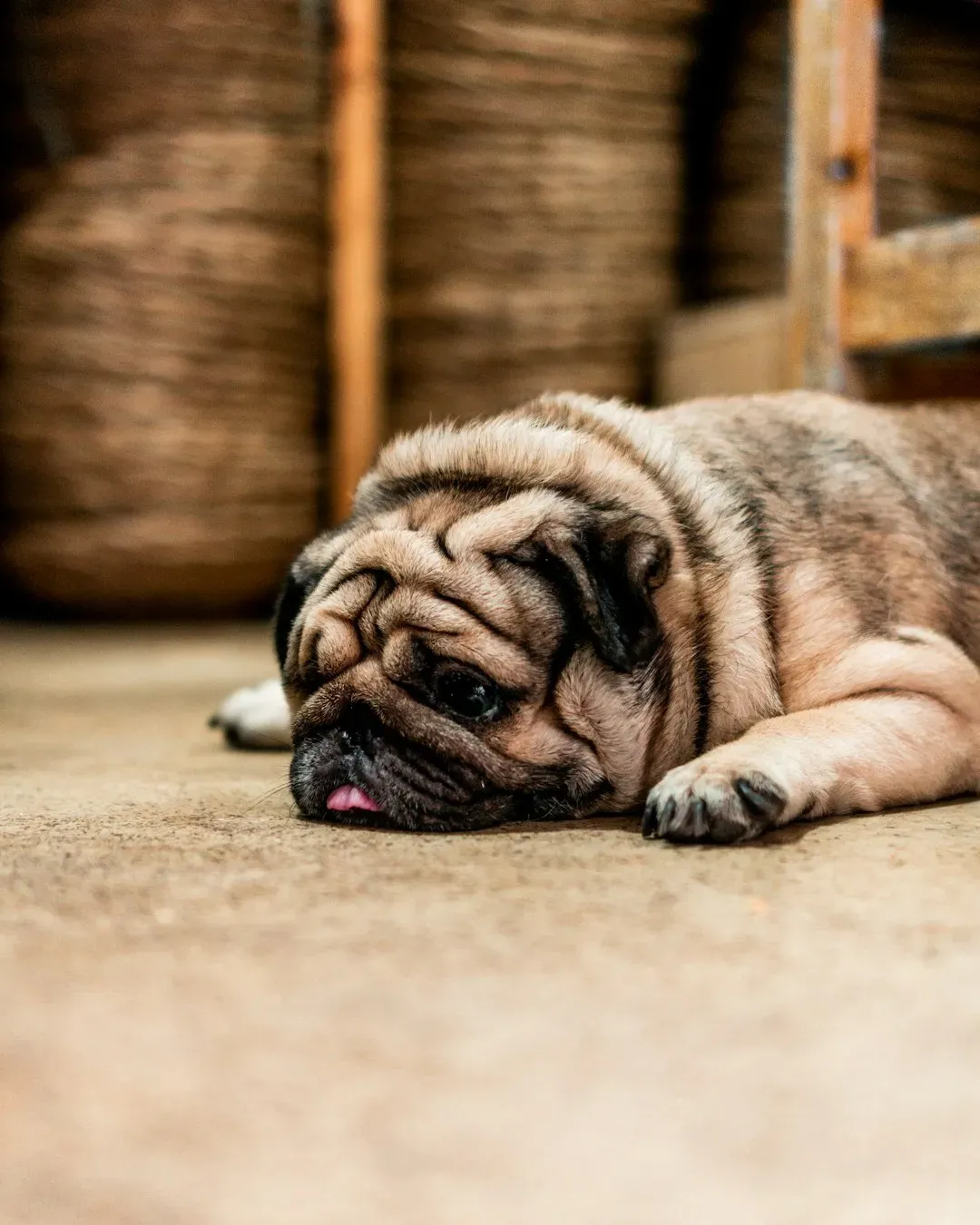
Summer becomes a dangerous season when you own a pug. One of the main ways that dogs cool off is via panting, but pugs and other brachycephalic breeds that have compressed skulls and breathing passages cannot pant as deeply or as efficiently as their longer snout counterparts. This makes them incredibly vulnerable to overheating.
Temperatures above roughly the low to mid eighties can be hazardous to your pug’s health and have been known to cause heat stroke, which is potentially deadly. Even on moderately warm days, you need to be vigilant. Pugs shouldn’t stay outside for more than ten to fifteen minutes at a time during warm weather.
Heatstroke can develop shockingly fast. Heat stroke in a pug is an emergency since it can be fatal in as little as ten minutes. Imagine planning your entire summer around keeping your dog from overheating. Morning walks before the sun climbs, air conditioning running constantly, cooling vests for even short trips outside. Up to three quarters of heat related illness in dogs seen by vets is caused by exercise in high temperatures.
Stubborn Little Comedians Who Decide When To Listen
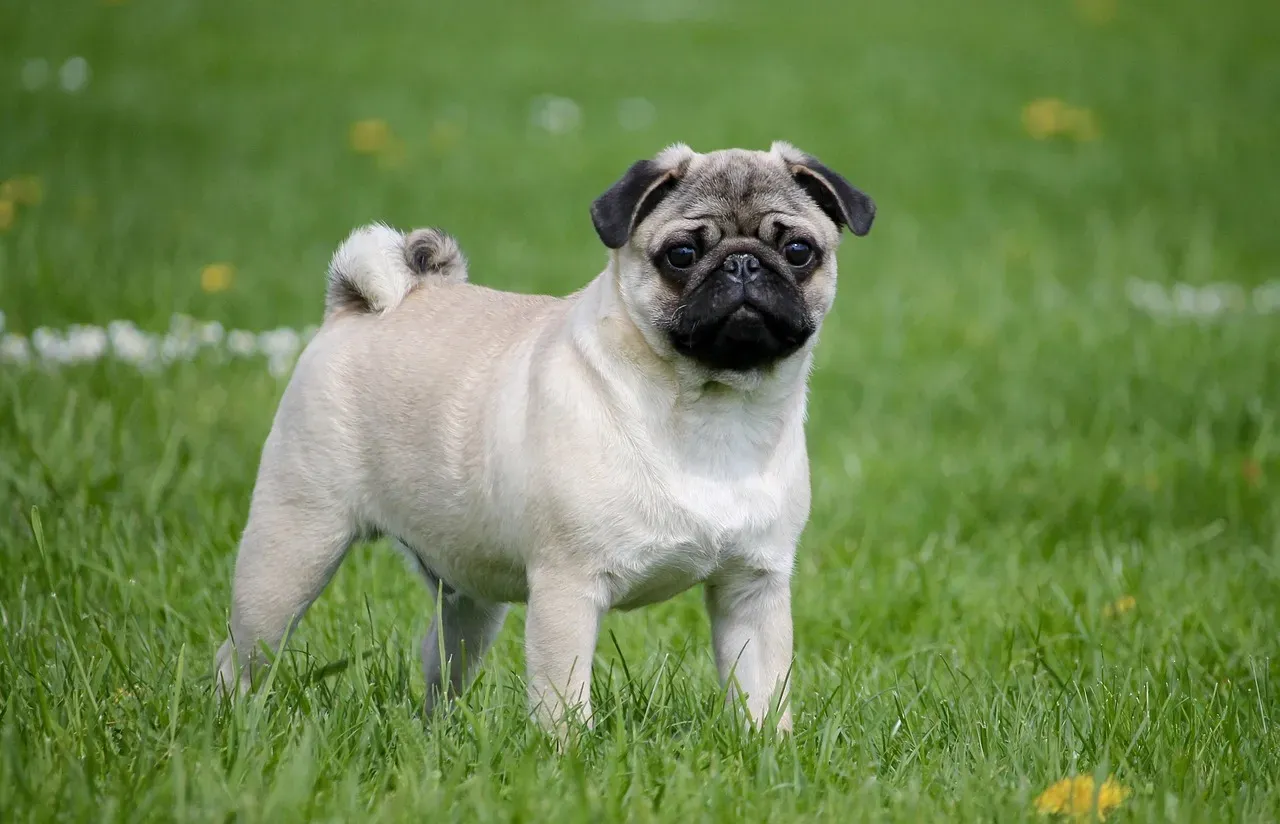
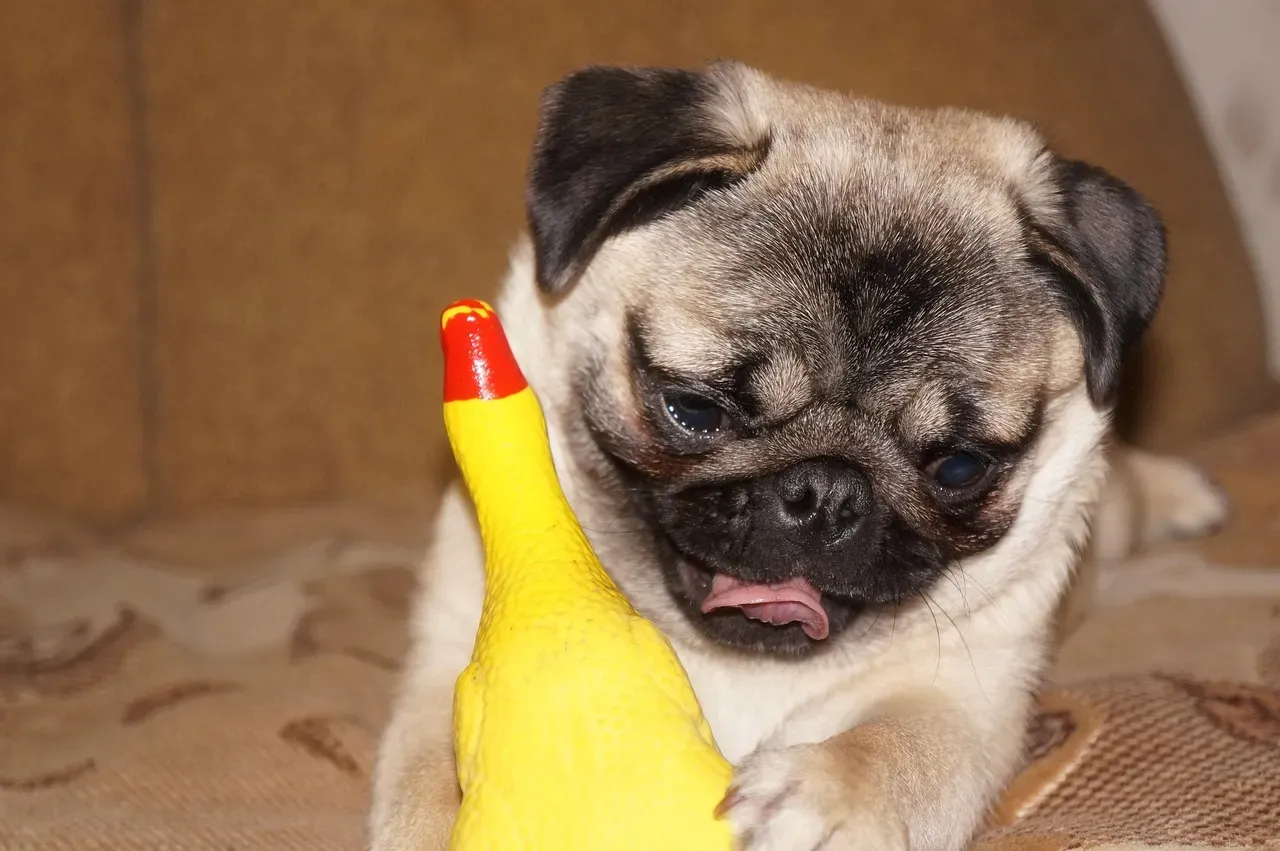
Pugs are known for their charming and quirky personalities, but this breed is also famous for their stubborn streak. While their adorable faces and lovable nature win over most pug owners, training a stubborn pug can be a real challenge as they are intelligent dogs but also independent and strong willed.
Training sessions can feel like negotiating with a tiny, furry diplomat. Stubborn behavior in pugs often stems from their desire to do things on their own terms, and while pugs are perfectly capable of learning commands, they may choose not to follow through, especially if they don’t see an immediate reward or benefit. In many cases, pugs will respond to commands if it aligns with what they already want to do.
Pugs tend to have short attention spans, so training should be broken into five to ten minute sessions several times a day. If you’re picturing long, focused training like you’d do with a Border Collie or Labrador, reset those expectations immediately. Pugs score in the fair working and obedience bracket of canine intelligence, which means they usually grasp a new cue in forty to eighty repetitions and obey the first command about forty percent of the time. Yes, less than half the time.
Those Beautiful Eyes Come With Serious Risk
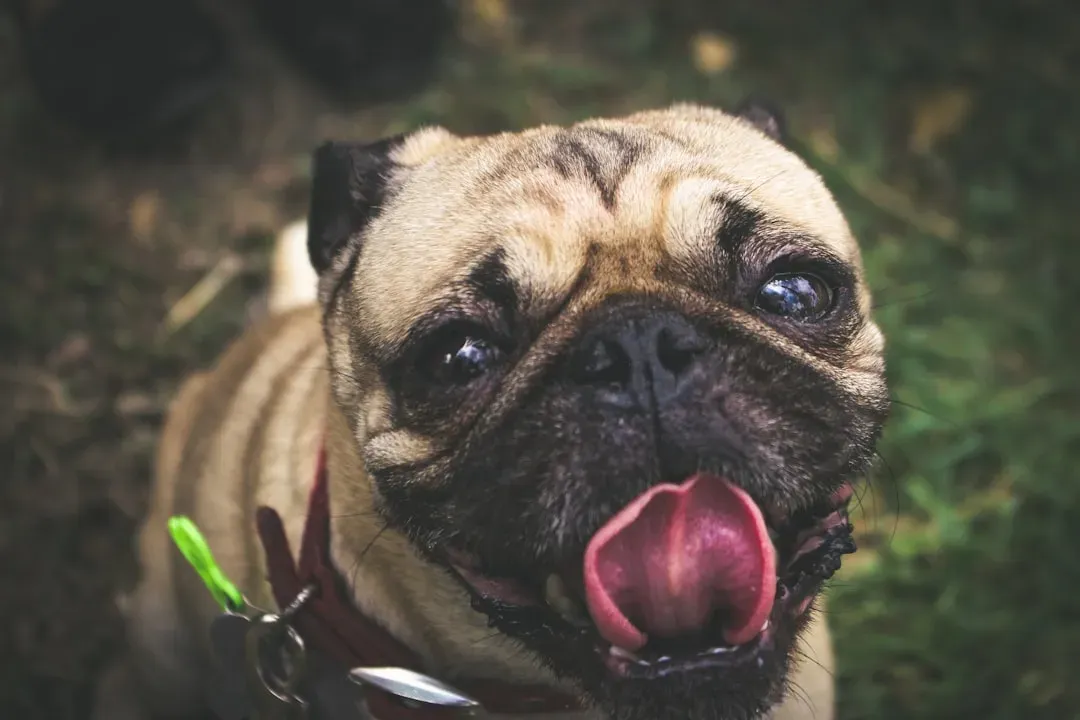
Because pug eyes are so big and protrude slightly, this makes them more prone to certain eye issues. Their prominent eyes aren’t just for show. Dogs affected by brachycephalic ocular syndrome may show conformational abnormalities including exophthalmos, excessively wide eyelid openings, and inability to close the eyelids completely.
That bugged out look can actually lead to scratches of the cornea, eye infections, and a more serious condition called proptosis, when a pug’s eyes fall out of their sockets. I know that sounds horrifying, because it is. It usually occurs from blunt trauma such as being hit by a car or getting into a fight, but it can also happen from minimal trauma such as using too much force when restraining their head or excessively pulling on a leash.
The most prevalent ocular disorders were corneal ulcers, corneal pigmentation, and keratoconjunctivitis sicca, also known as dry eyes. Regular vet visits become essential because these conditions can develop quietly and progress quickly. Without treatment, the conditions that make up brachycephalic ocular syndrome lead to irritation of the cornea and surrounding tissues causing constant discomfort, pain, and possibly blindness.
Wrinkles Need Maintenance Or Infection Sets In
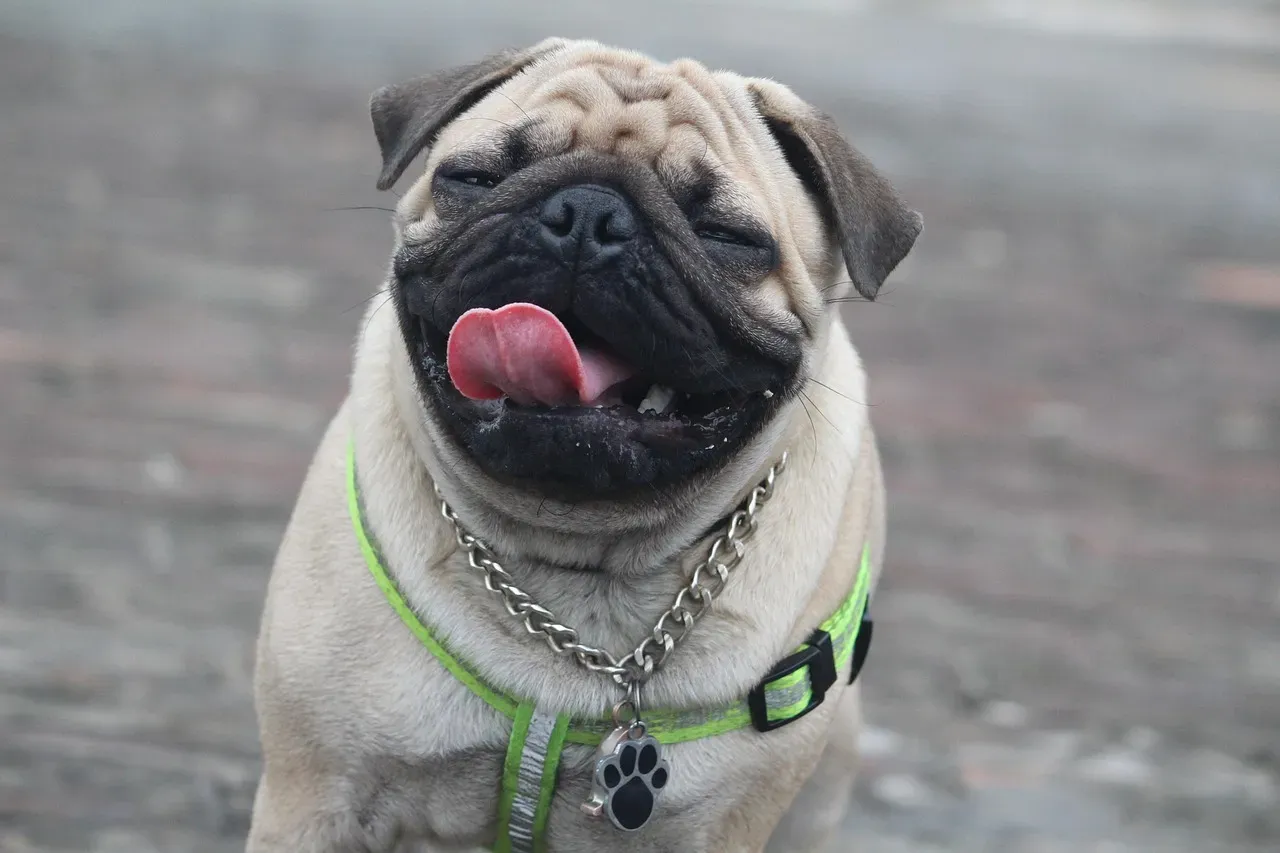
Those adorable face wrinkles? They’re bacteria magnets. Pugs commonly get skin infections because of their facial skin folds and wrinkles which are prone to recurring bouts of skin irritation and soreness. Skin fold dermatitis occurs when the skin in these folds is irritated directly by hairs and skin rubbing together combined with the accumulation of skin secretions, and skin infections commonly occur in these situations.
At an absolute minimum, a pug’s wrinkles should be cleaned three times per week, but ideally you’ll want to do this every day, up to three times per day after each meal. This isn’t optional grooming. Tiny bits of food, other fine debris, and moisture easily get trapped in the wrinkles, and if the wrinkles are not regularly cleaned, they can start to smell funky, become irritated, and develop skin infections.
The folds create pockets of inadequately ventilated, moist, warm skin which favour the abnormal proliferation of bacteria and yeasts normally present on the skin in small numbers. These organisms feed on the skin secretions trapped in the fold and multiply. Skin fold dermatitis can cause lifelong irritation with episodes of pain, and constant low grade skin irritation with more severe episodes of infection may be expected throughout the lives of affected dogs.
Conclusion: Love Them, But Know What You’re Getting Into
Here’s what I want you to understand. Pugs are wonderful dogs with huge personalities crammed into small bodies. They’re affectionate, funny, and loyal. When a pug loves you, you feel it completely.
That said, they are genuinely challenging dogs. Pugs were found to be nearly twice as likely to have one or more disorders recorded in a single year compared to non pugs, indicating poor overall health status in the breed. You’re signing up for specialized care, potential surgeries, constant vigilance in warm weather, patient training, daily wrinkle cleaning, and regular veterinary monitoring.
If you already have a pug, you’re doing amazing by learning how to care for them properly. If you’re considering getting one, please think carefully about whether you can truly meet their needs for their entire life. These aren’t low maintenance lap dogs. They’re high needs companions disguised in adorable packaging.
What do you think? Did you expect that owning a pug would involve this level of commitment? Share your experiences with us in the comments.