
8 Breeds That Absorb Human Stress – and 4 That Ground You Instead

Dogs have this incredible ability to tune into our emotional wavelengths in ways that still surprise us. Scientists keep discovering more about how our four-legged friends pick up on body language, voice tones, even chemical signals we’re not aware we’re sending out. Some breeds seem almost programmed to soak up our anxiety like emotional sponges, while others offer a different kind of support altogether. They don’t absorb your stress so much as they anchor you, providing a steady, calming presence that helps you stay tethered when everything feels chaotic.
Here’s the thing. Not every dog responds to human emotion the same way. Understanding which breeds mirror your feelings and which ones keep their cool can make a real difference when choosing a companion for mental health support.
1. Cavalier King Charles Spaniel

These sweet little companions are particularly attuned to human emotions, with an almost sixth sense for reading a room better than most people. They don’t just tolerate human moods, they absorb them, often described as being “in tune” with their person and mirroring your emotional state with incredible accuracy.
If you’re crying, expect a soft nuzzle, and if you’re anxious, they’ll curl up so close it’s like they’re part of your heartbeat. Honestly, it’s hard to say for sure whether they’re consciously trying to comfort us or if they’re just responding to what they sense, but the effect is undeniable. They’re frequently trained to become therapy dogs, being gentle and affectionate natural companions who are happy to be petted and fussed over by people of all ages.
2. Labrador Retriever
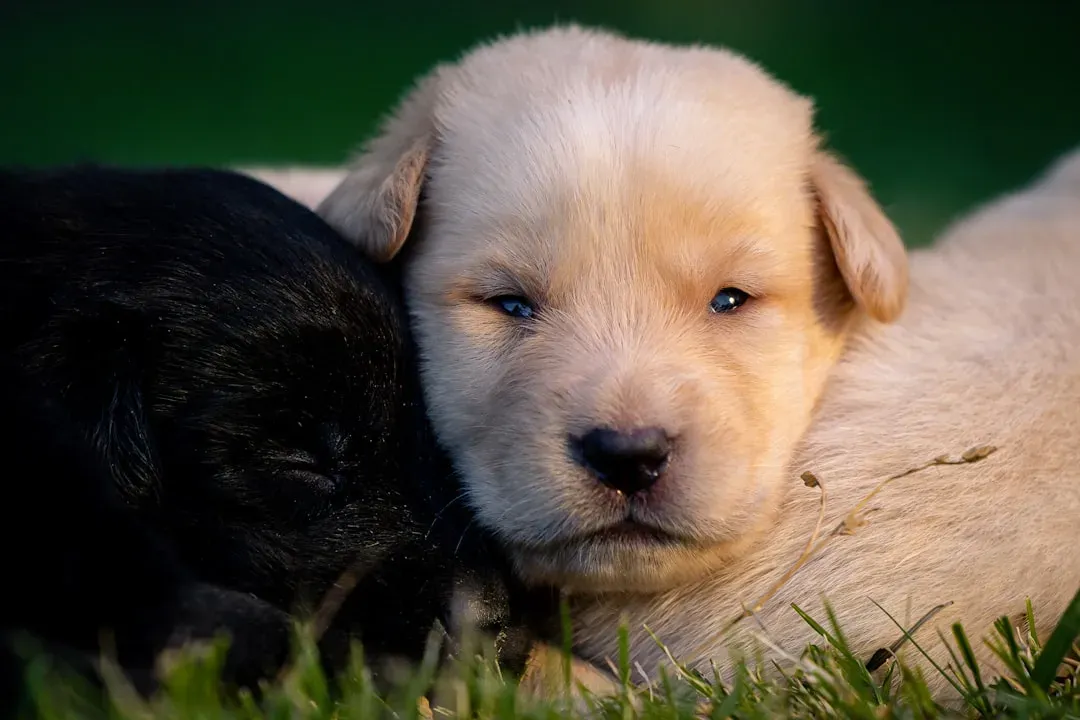
Labs are deeply in tune with your mood, with this amazing ability to make even the worst days feel lighter, and they can tell when you’re down before you even say a word. Their emotional intelligence isn’t just impressive, it’s like they majored in understanding human feelings. When someone is sad or stressed, many Labs will quietly stay nearby or nudge you, almost as if they know you need a friend.
Studies have suggested that dogs and cats absorb human stress in diverse ways. Labs seem particularly skilled at this emotional contagion. Their gentle nature and emotional awareness allow them to read body language, react to moods, and stay calm even when life feels chaotic. They basically become part of your daily rhythm, walking beside you, curling at your feet, making the hard moments more bearable.
3. Golden Retriever

Let’s be real, when you think of a dog that just gets you, Golden Retrievers are probably near the top of that list. They’re famously sensitive to the mood of their household and possess a very natural “emotional radar” that allows them to detect tension or grief immediately.
One important trait about Goldens is they don’t panic when you do, as these dogs are emotionally stable, meaning when you’re anxious or overwhelmed, they won’t mirror your stress. They participate in your emotion, offering a very calming presence that can lower blood pressure and reduce stress. This makes them different from some other absorber breeds, sitting somewhere in between pure absorption and grounding.
4. Border Collie
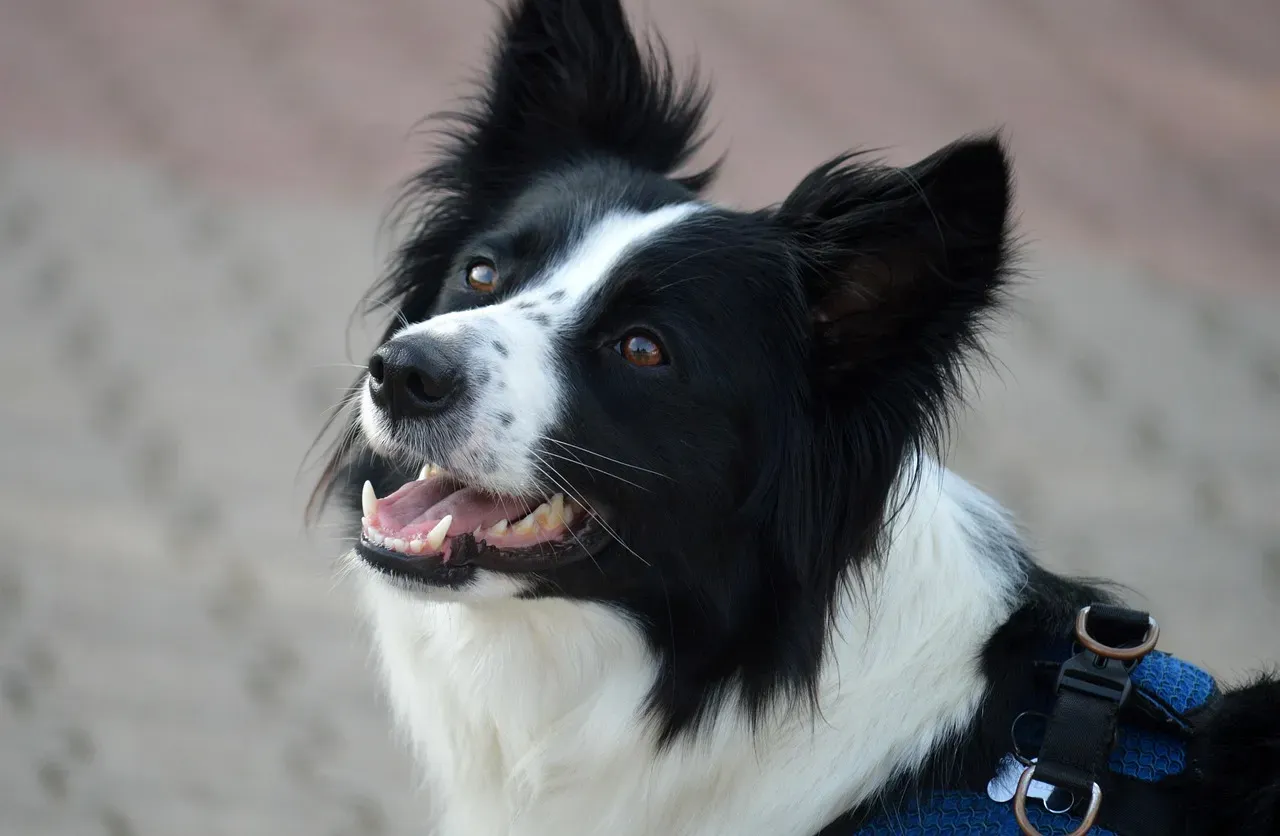
Border Collies are like emotional detectives in a fur coat, ultra sensitive to changes in mood and silently adjusting their behavior to match yours. Their intelligence is legendary, sure, but what people don’t always realize is how that translates into emotional attunement. Because they score high in social cognition tests, Border Collies excel at reading human gestures and cues more than many other dogs, and this emotional attunement helps them sense when you’re happy, sad, or stressed and respond accordingly.
One article notes their ability to sense subtle changes in tone, body language, and routine, making them appear almost emotionally tuned to your life. I know it sounds crazy, but these dogs seem to anticipate what you need before you do. They’re not just athletes or herders. They’re emotional partners who thrive on being part of your daily existence.
5. Boxer

Boxers might look like tough guys, but behind that square jaw is a heart that beats hard for their people, and they’re incredibly attuned to mood changes so you won’t need to say a word for your Boxer to know something’s off. One glance at your posture, and they’re already nudging in to comfort you.
Boxers are famous for their emotional loyalty, and once they connect with you, it’s full-on devotion. They don’t half-love anything. They’ll follow you from room to room, rest their head on your lap when you’re down, and even act a little protective when you’re stressed, like they sense you need a bubble. Their playful, clownish side can also break through even the heaviest emotional clouds.
6. Vizsla

Because Vizslas respond so deeply to human companionship, owning one means sharing your life in the fullest sense, as this breed doesn’t just exist near you but engages with your mood, your energy, and your rhythms. They’re often called “velcro dogs” for good reason.
That strong connection means they form the deepest emotional bonds with their owners, but it also means they need you and your attention to thrive, as without it, their sensitivity may lead to stress or separation anxiety. The Vizsla’s affectionate nature and emotional attunement make them widely accepted as an emotional support animal, and their loyalty and closeness often go beyond typical pet-owner relationships as they’ll follow you room to room, offering quiet comfort like no other breed.
7. Australian Shepherd
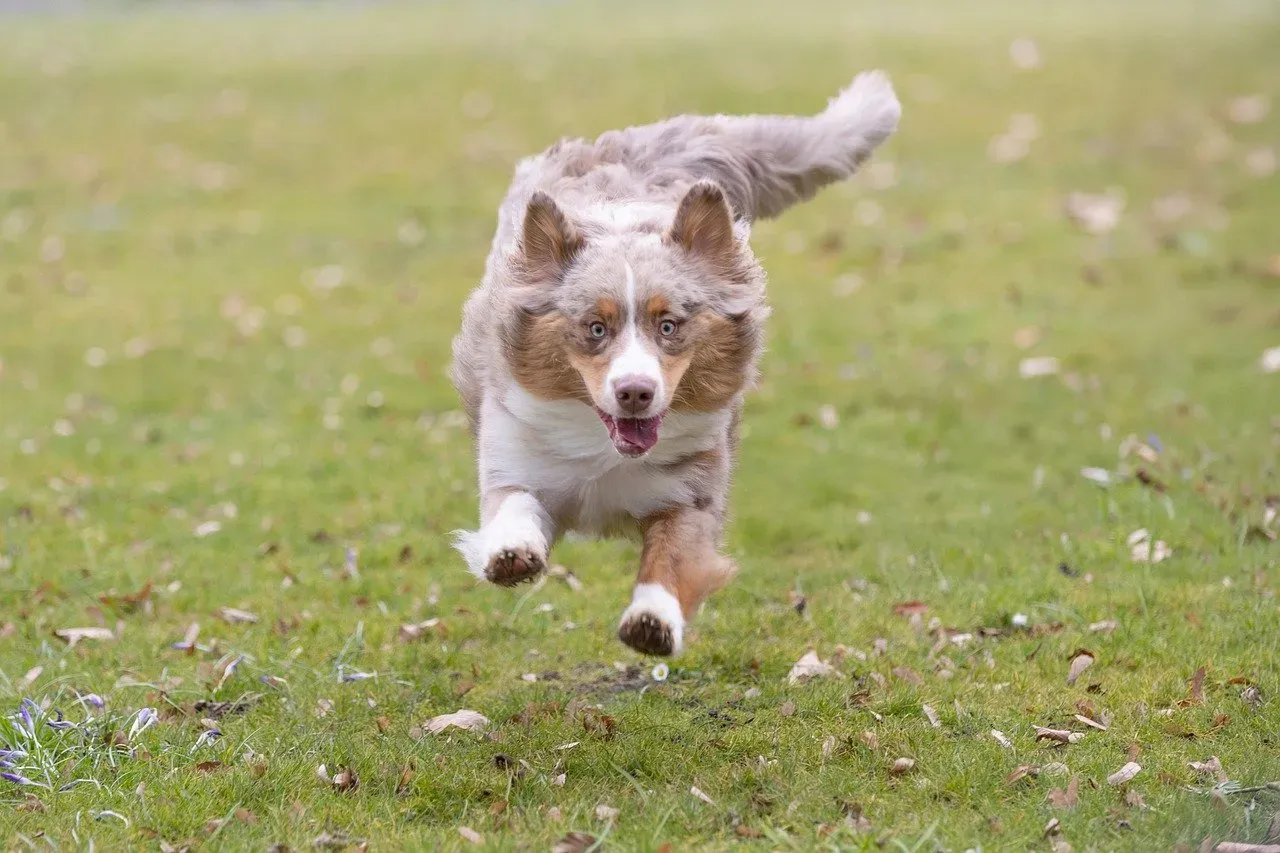
When you’re feeling down, an Aussie might quietly stay at your side, or gently nudge your hand as if to check you’re okay. These dogs were bred to work closely with humans and they take that partnership seriously. Their intelligence combined with emotional sensitivity creates dogs that seem almost psychic about what you need.
That ability to read and respond makes them excellent candidates for emotional support roles or for owners seeking a dog that truly shares their life. However, remember that this emotional intensity works both ways. They experience the world deeply, which means they need purposeful activity and attention. Neglecting their mental or physical needs can actually create stress for them, so it’s a mutual responsibility.
8. German Shepherd
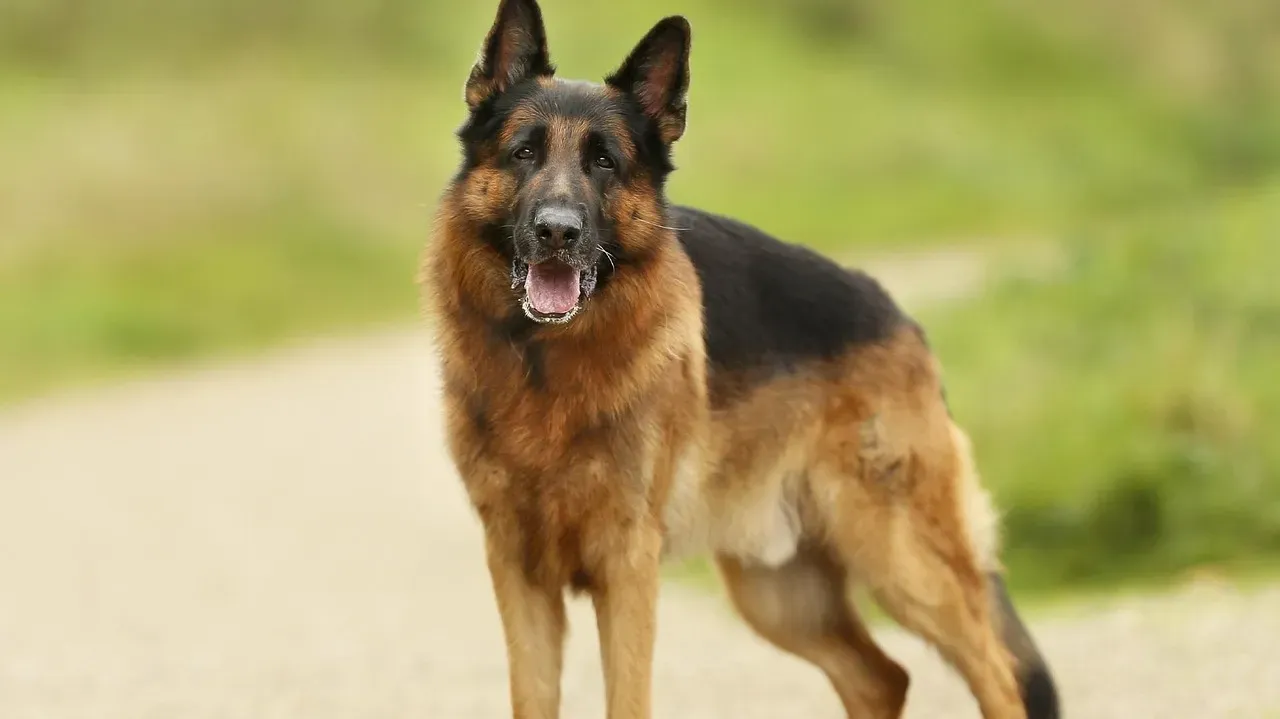
Beyond their reputation for courage and intelligence, German Shepherds are profoundly loyal and emotionally intuitive. They form intense bonds with their people and can quickly sense when something feels off, whether it’s stress, sadness, or fear.
These dogs offer quiet reassurance when sensing uncertainty, instability, and fear in humans, and their physical strength works as a confidence booster for people battling anxiety. German Shepherds build their deep bonds through shared tasks, structure, and mental stimulation, and the more they work with you, the more loyal and emotionally aligned they become. Their high energy and need for challenges require an owner who can commit, but the emotional partnership they bring is truly unmatched.
9. Irish Wolfhound (Grounding Breed)
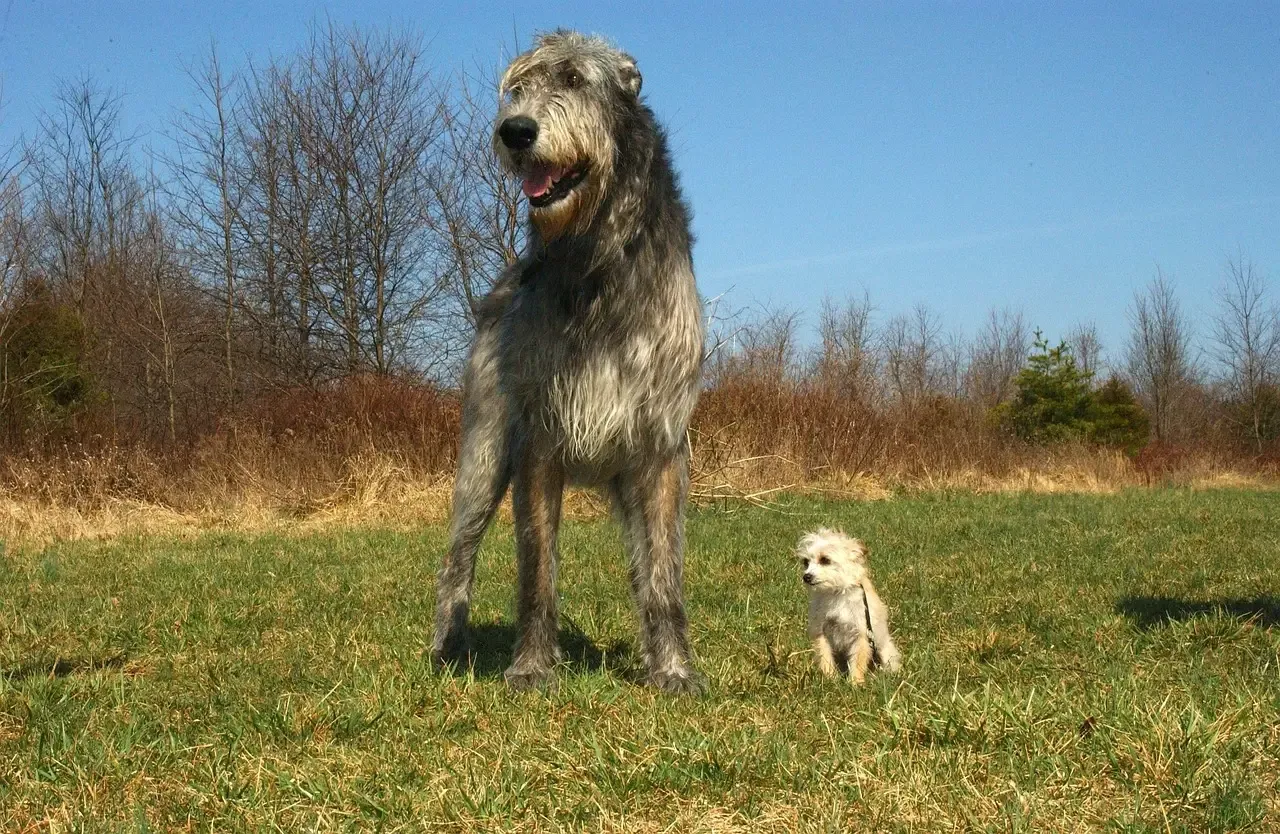
Now we shift gears to the dogs that ground rather than absorb. Irish Wolfhounds aren’t a small breed, but they’re famously calm and affectionate dogs, and their slow, steady energy can be incredibly grounding for anxious people.
As one of the most comforting dog breeds, the Irish Wolfhound is known for its gentle, almost therapeutic presence, and their natural, easy-going temperament makes them a great match for people looking for a dog that can help reduce stress and provide emotional comfort without being overly demanding. They don’t mirror your anxiety. Instead, they offer this solid, reassuring presence that helps you find your footing again.
10. Bernese Mountain Dog (Grounding Breed)

Something about the Bernese Mountain Dog’s gentle giant energy just grounds people, as they’re solid, reassuring presences that seem to absorb stress rather than add to it. I’ve heard people describe them as having this remarkably calm, almost zen-like presence despite their large size.
This large, gentle giant is known for its calm demeanor and patient temperament which can help reduce anxiety in its owners, as Bernese Mountain Dogs are particularly sensitive to their owner’s emotions, and their nurturing nature makes them perfect emotional support animals. Their steady, laid-back presence is comforting, and they are often content to simply sit by your side, offering a calming influence without being too demanding.
11. Basset Hound (Grounding Breed)
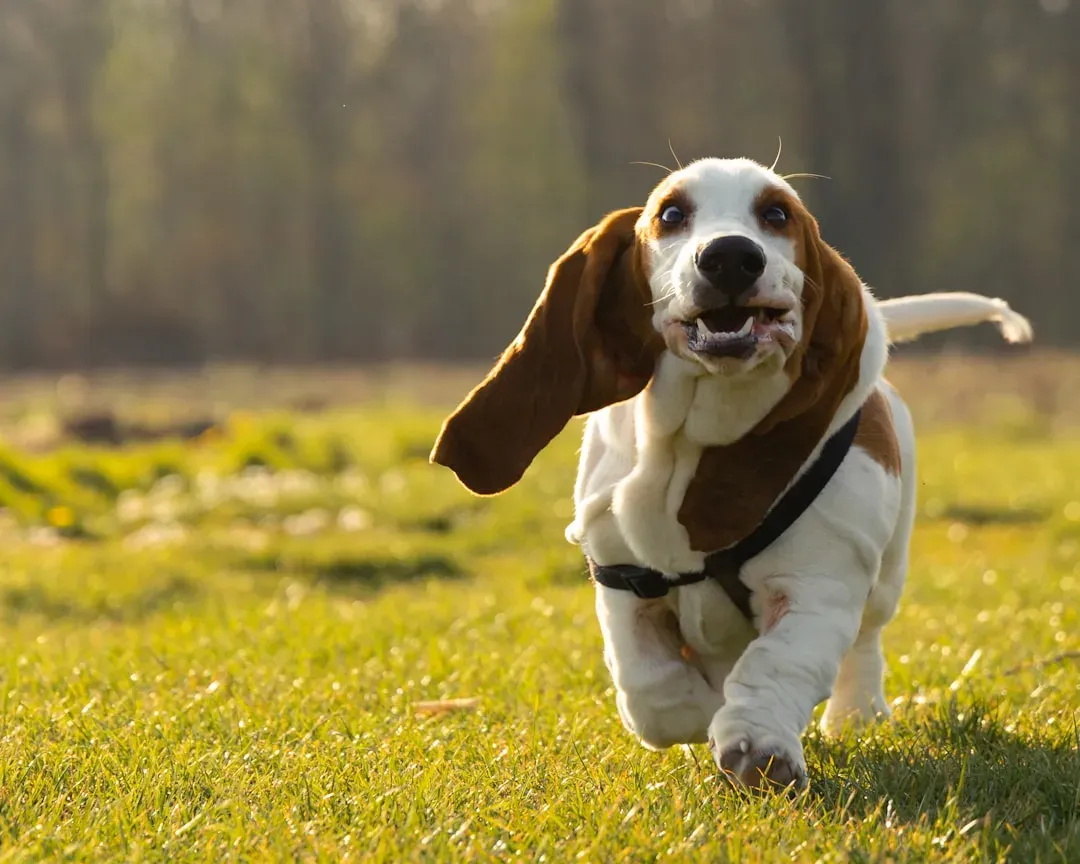
Their energy levels tend to veer more toward couch potato vibes so when you’re looking to kick back after a long day, your Basset Hound will be happy to join in and cuddle with you, making them ideal for people looking for a stress-relieving, affectionate dog.
Here’s the thing about Bassets. They have this deliberate, unhurried approach to life that’s almost meditative. Rhoads highlights how they are “famously engaging” and best known for their “slow,” yet deliberate movements. They don’t get caught up in your frenzy. They just keep their own steady pace, which can actually help you slow down and breathe.
12. Newfoundland (Grounding Breed)
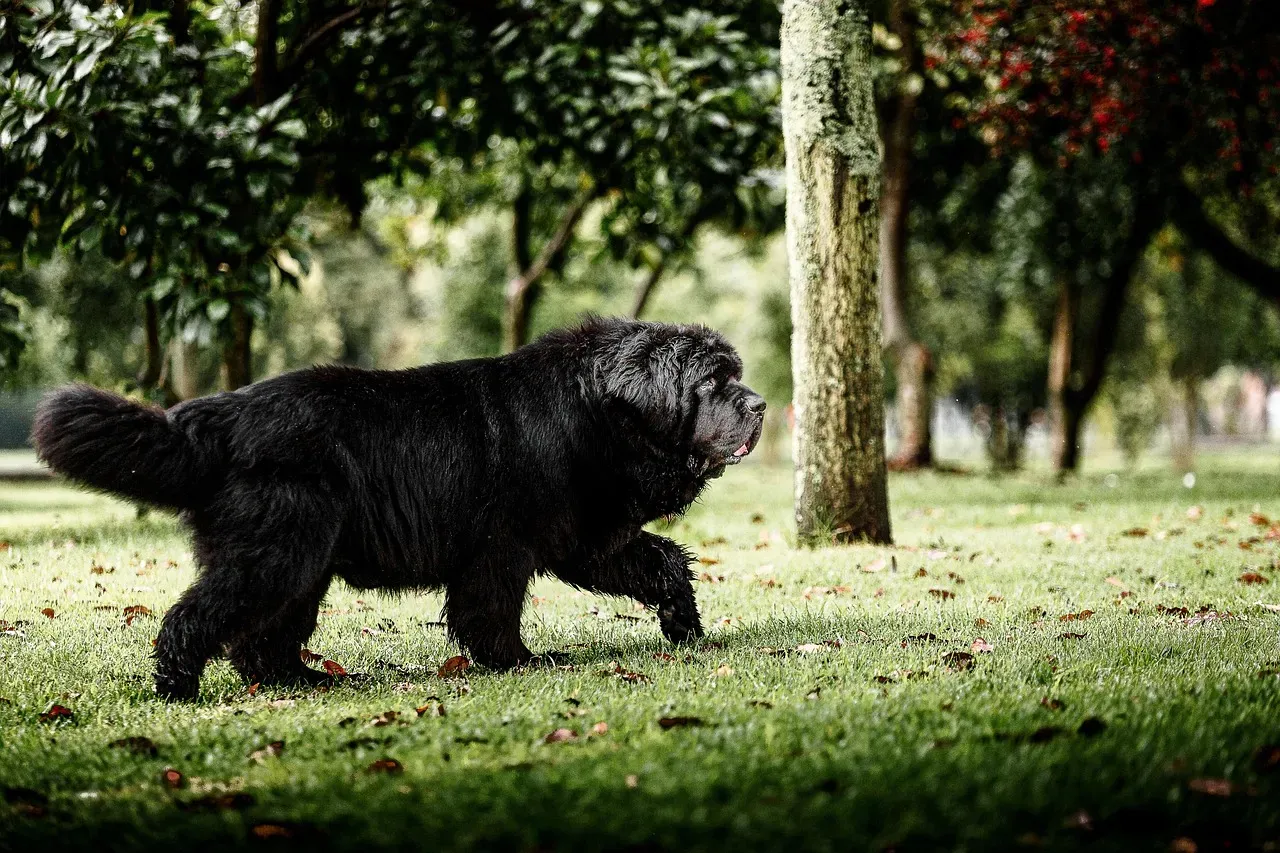
Newfoundland dogs move through life at a slow, patient pace that naturally lowers stress, and their nurturing temperament and affectionate nature create a steady sense of calm in the home. Think of them as a weighted blanket with a heartbeat.
These gentle giants offer something different from the emotional sponge breeds. They don’t take on your stress. They simply exist in this peaceful state that invites you to join them there. Their massive size and calm demeanor create a sense of security that’s hard to replicate with smaller, more reactive breeds. When you’re spiraling, a Newfie’s steady presence can anchor you back to solid ground.
Conclusion

Understanding whether a breed absorbs stress or grounds you matters more than you might think. Prolonged exposure to certain levels of behavior in a continuous manner can affect the pet and create adverse health problems. Dogs that absorb human emotions deeply need owners who are mindful of their own emotional states.
The breeds that ground you offer a different gift. They remain steady when you’re not, providing an emotional anchor rather than a mirror. Neither approach is better, they’re just different tools for different needs. Some people need that deep empathetic connection, while others benefit more from a calm, stable presence that doesn’t fluctuate with their moods.
What kind of support are you looking for? Think about that before choosing your next four-legged companion. Did you expect such a clear difference between these two types of emotional support?