
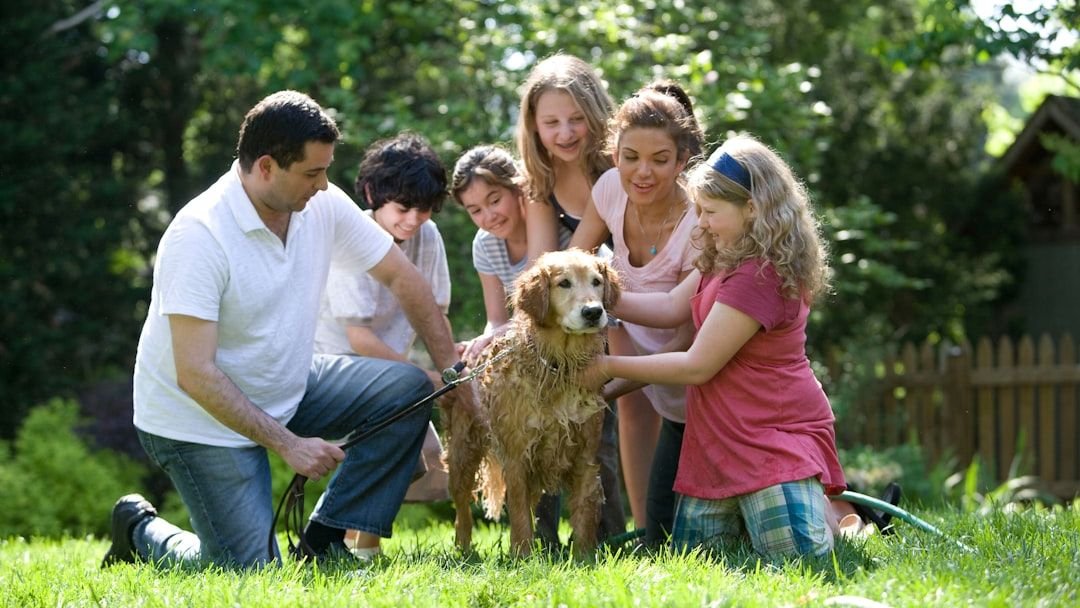
You’ve probably seen it a hundred times. A massive Golden Retriever leaning into its owner like a furry cushion, or a gentle Great Dane resting its enormous head on someone’s lap with complete trust. There’s something magical about the way big dogs express their love. They’re unabashetic about it, almost endearingly clumsy in their devotion.
Here’s the thing. Many people assume all dogs show affection the same way, just in different sizes. That’s not quite true. The relationship between a dog’s size and how they bond with humans is more fascinating than you might expect, rooted in everything from breed history to the way we unconsciously treat them.
Let’s explore what makes these gentle giants so remarkably affectionate, and why their smaller counterparts often express love differently. Be surprised by what science reveals about your dog’s heart.
The Science Behind Size and Sociability
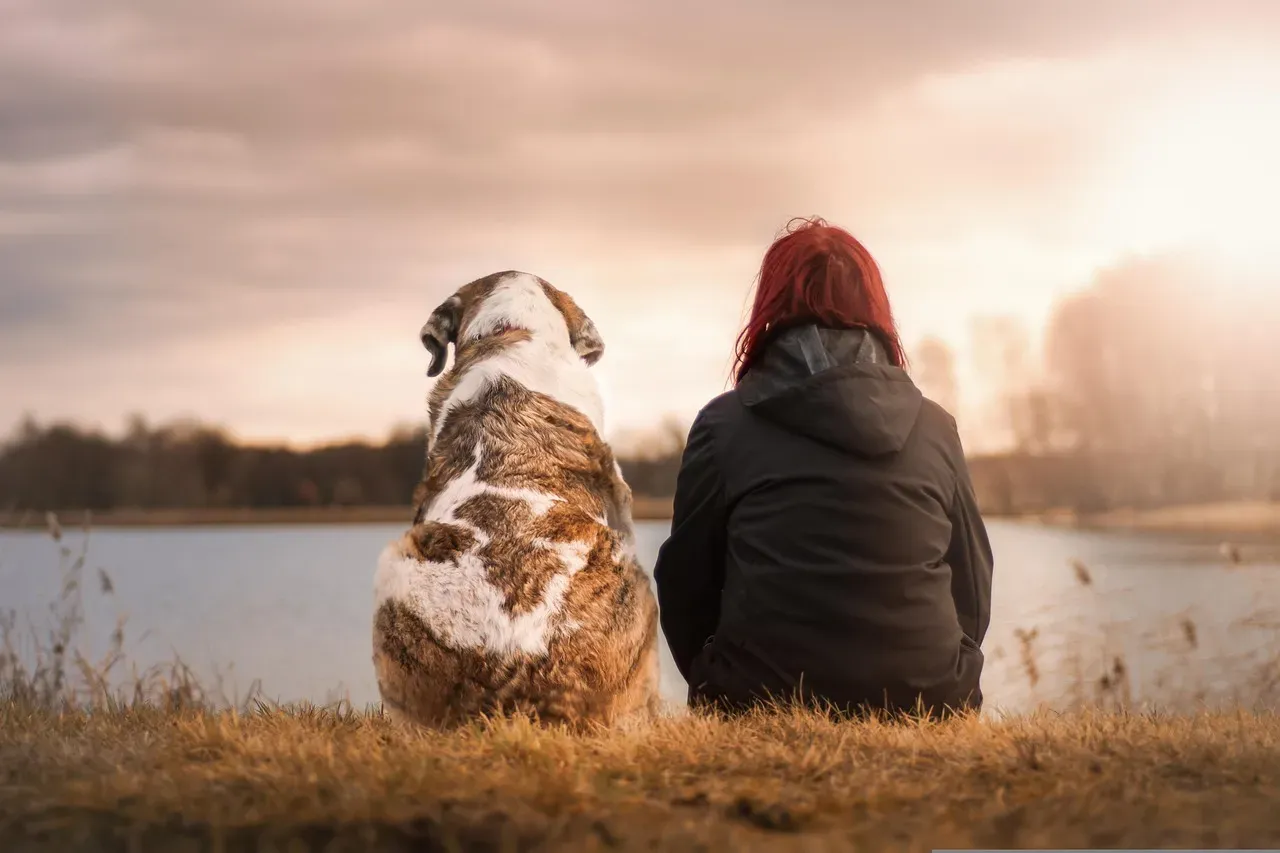
Research shows that medium, large, and giant dogs all score higher in sociability than their smaller cousins. This isn’t just a warm feeling we get from big dogs. It’s measurable behavior tracked across thousands of dogs in scientific studies.
When compared with larger dogs, smaller dogs tend to score higher for fear, aggression, and excitability and lower for trainability. Think about what this means in practical terms. A calmer, less reactive dog is more likely to approach you for comfort, to lean against your leg when you’re standing, or to simply hang out nearby without needing constant stimulation.
The smallest dogs are the most emotionally reactive while giant dogs are the least. Emotional stability creates space for deeper connection. When a dog isn’t constantly on high alert, they have more emotional bandwidth for bonding. I’ve watched this play out countless times. The big dog stretched out near the family, content just to be present, while the small dog races around demanding attention.
Energy Levels Create Connection Opportunities
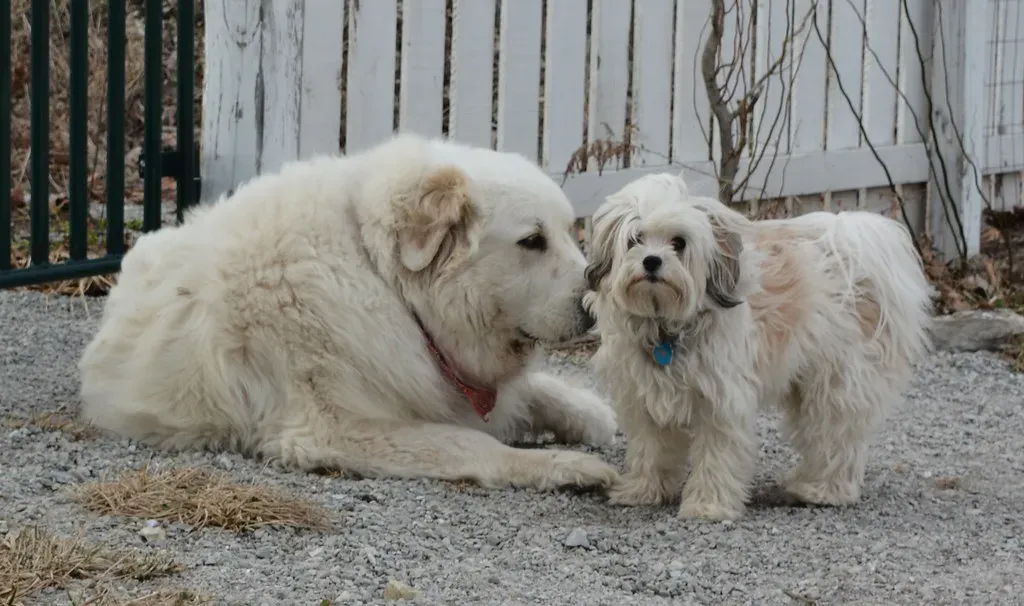
Let’s be real. The smallest dogs have the highest energy levels, with a gradual reduction in energy as dog size increases, culminating with very low energy levels for giant dog sizes. Lower energy doesn’t mean laziness. It means presence.
A relaxed dog who isn’t bouncing off the walls has time to notice you’re sad. They can settle beside you during a movie instead of pacing. They’re available for connection in a way that high-energy dogs often aren’t.
I think there’s beauty in how big dogs move through the world at a steadier pace. They’re less likely to be careening around frantically, which means more moments for eye contact, for gentle nuzzles, for that specific kind of quiet companionship that feels like true affection. It’s not that small dogs don’t love their people. They absolutely do. They just express it differently, often through enthusiastic bursts rather than sustained togetherness.
How We Treat Dogs Shapes Their Behavior
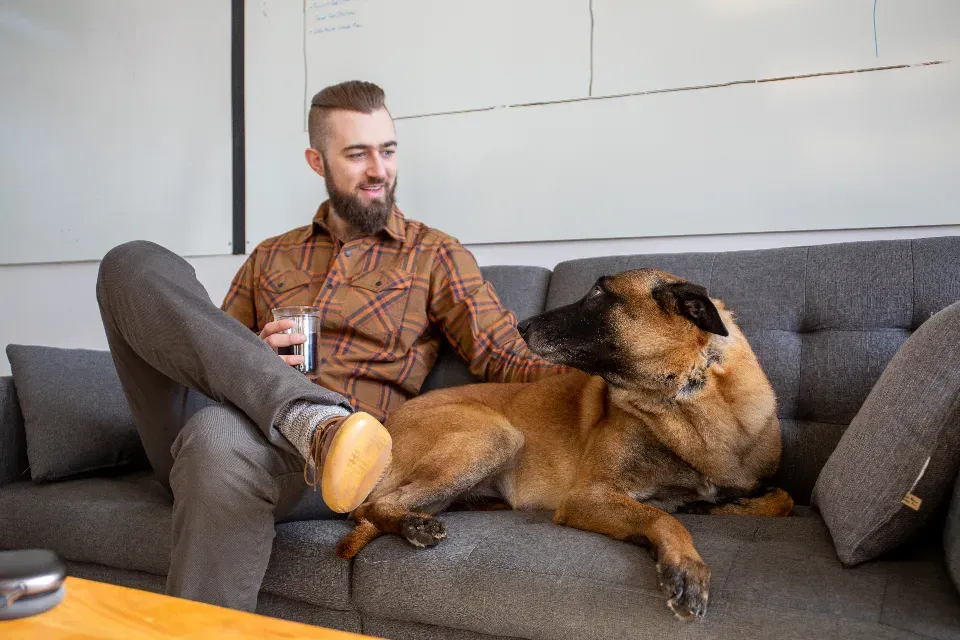
This is where things get really interesting. Owners of small dogs were found to be more inconsistent in their interactions with their dogs than owners of large dogs. We don’t always realize we’re doing it. We pick up small dogs when they bark at strangers instead of training them properly. We let behaviors slide that we’d never tolerate from a seventy-pound Labrador.
Some experts suspect this difference has to do with the way small dogs are treated compared with large dogs, as good behavior in a big dog is often judged as more of a necessity. When you’re raising a dog that will eventually weigh more than many adult humans, you invest in training. You establish boundaries. You create structure.
Research shows that the more engaged owner and dog are in shared activities, the more obedient the dog appears, with small dogs losing out since their owners spend significantly less time in shared activities. Think about what this means for affection. Those training sessions, those long walks, that playtime in the park? They’re bonding experiences. They build trust. They teach your dog to look to you for guidance and comfort.
Training and Temperament Build Trust
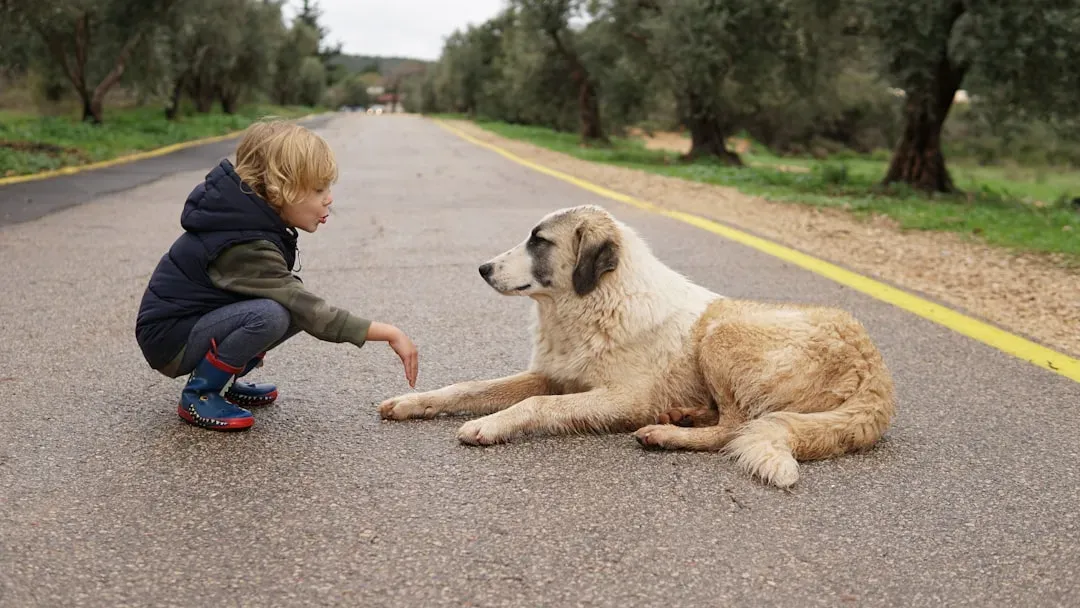
Research reveals that increasing height in dogs is associated with trainability. Dogs who are easier to train develop different relationships with their humans. Every successful training interaction is a tiny deposit in the relationship bank.
When your dog reliably responds to commands, you naturally include them in more activities. You take them more places. You trust them around guests. This creates countless opportunities for positive interactions that deepen your bond.
Studies show small dogs are less obedient, not reliably responding to common commands like sit, down, and come. I’m not saying this to criticize small dogs. It’s about understanding patterns. When communication breaks down, when a dog doesn’t respond consistently, frustration creeps into the relationship on both sides. That impacts how affection flows between you.
Large dogs, generally speaking, are more motivated to please. Their training history often involves more consistency, more shared activities, and more opportunities to succeed. This builds confidence in both the dog and the owner, creating the foundation for deeper affectionate expression.
Physical Affection Looks Different at Different Sizes
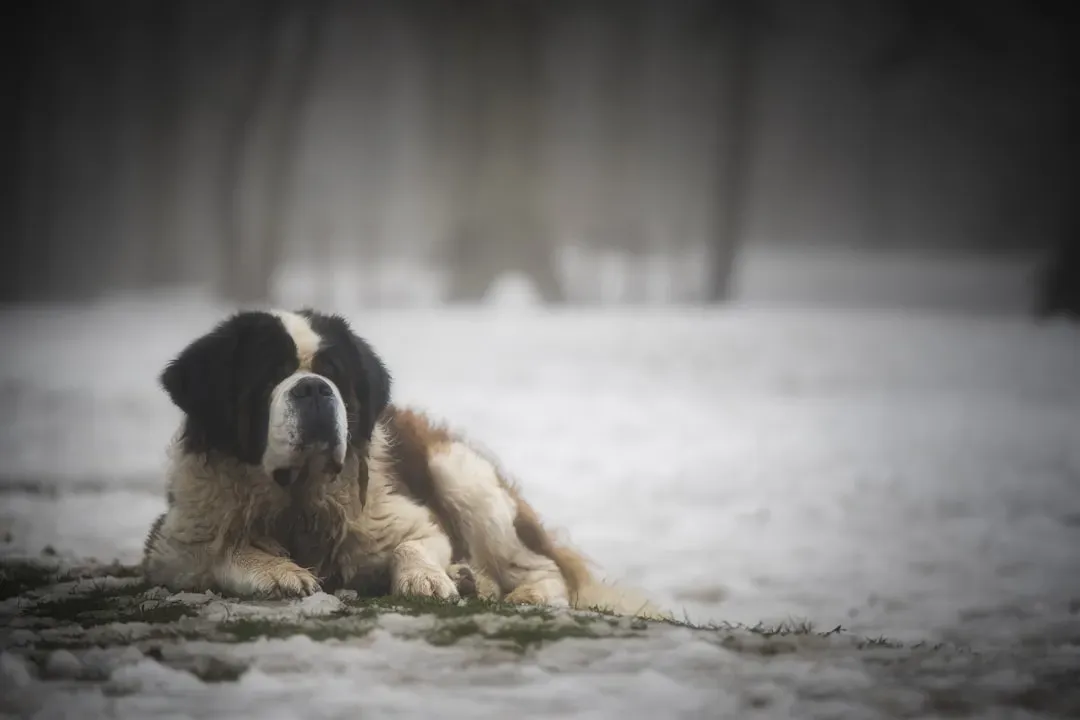
Here’s something people don’t talk about enough. Smaller dogs may be permitted to show more undesirable responses than their larger counterparts simply because their behavior is likely to have less impact. When a Chihuahua jumps on you, it’s annoying. When a Great Dane does it, you’re on the floor.
This creates a feedback loop. Big dogs learn early that physical contact needs to be gentle and controlled. They develop what I call “thoughtful affection.” Watch a well-socialized large breed dog approach a child. They move carefully, lower their body, make themselves less intimidating. This isn’t just good manners. It’s emotional intelligence developed through necessity.
Small dogs often don’t get this same feedback. They can be physically exuberant without consequence, which means they never learn the subtle, controlled expressions of affection that big dogs master. The result? Big dogs develop a repertoire of gentle touches, soft leans, careful nudges. Their affection feels intentional rather than impulsive.
Honestly, there’s something profoundly moving about a hundred-pound dog who understands their own strength and chooses gentleness. That level of self-awareness creates a different quality of connection.
The Role of Breeding and Historical Purpose
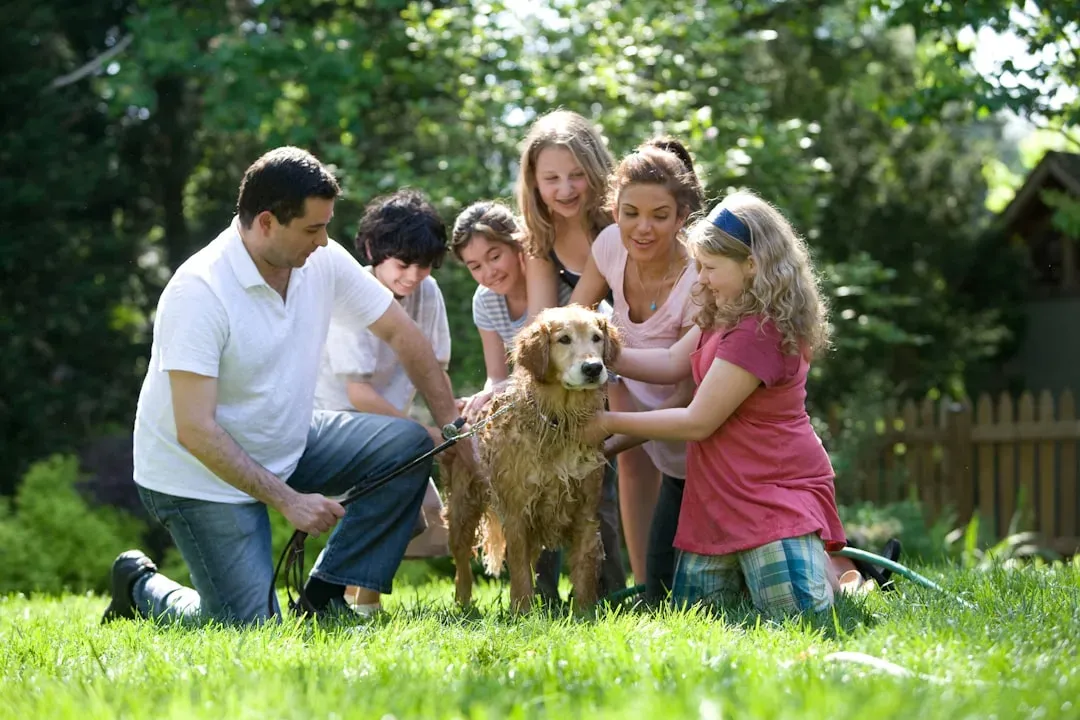
Most large breed dogs were developed for jobs that required close human partnership. Retrievers worked alongside hunters. Shepherds managed flocks under human direction. Even guardian breeds like Mastiffs needed to distinguish between threats and family members.
Big dog breeds are known for their loyalty, protectiveness, and intelligence, and they can be great with children making excellent family pets. These traits weren’t accidents. They were specifically selected for over generations. Affectionate temperament was literally bred into many large breeds because it made them better working partners.
Contrast this with many small breeds, originally developed to hunt vermin independently in tight spaces or simply serve as companions for aristocracy. These dogs needed independence, tenacity, and sometimes scrappiness. Smaller breeds, especially terrier breeds, show more stranger-directed aggression, possibly because they were selected for aggressiveness to chase and hunt underground prey.
I’m not suggesting small dogs can’t be wonderful. They absolutely can. It’s simply about understanding that breeding history influences behavioral tendencies. A dog bred for centuries to work closely with humans in partnership activities will generally show more human-oriented affectionate behaviors than one bred for independent work or primarily aesthetic purposes.
Conclusion
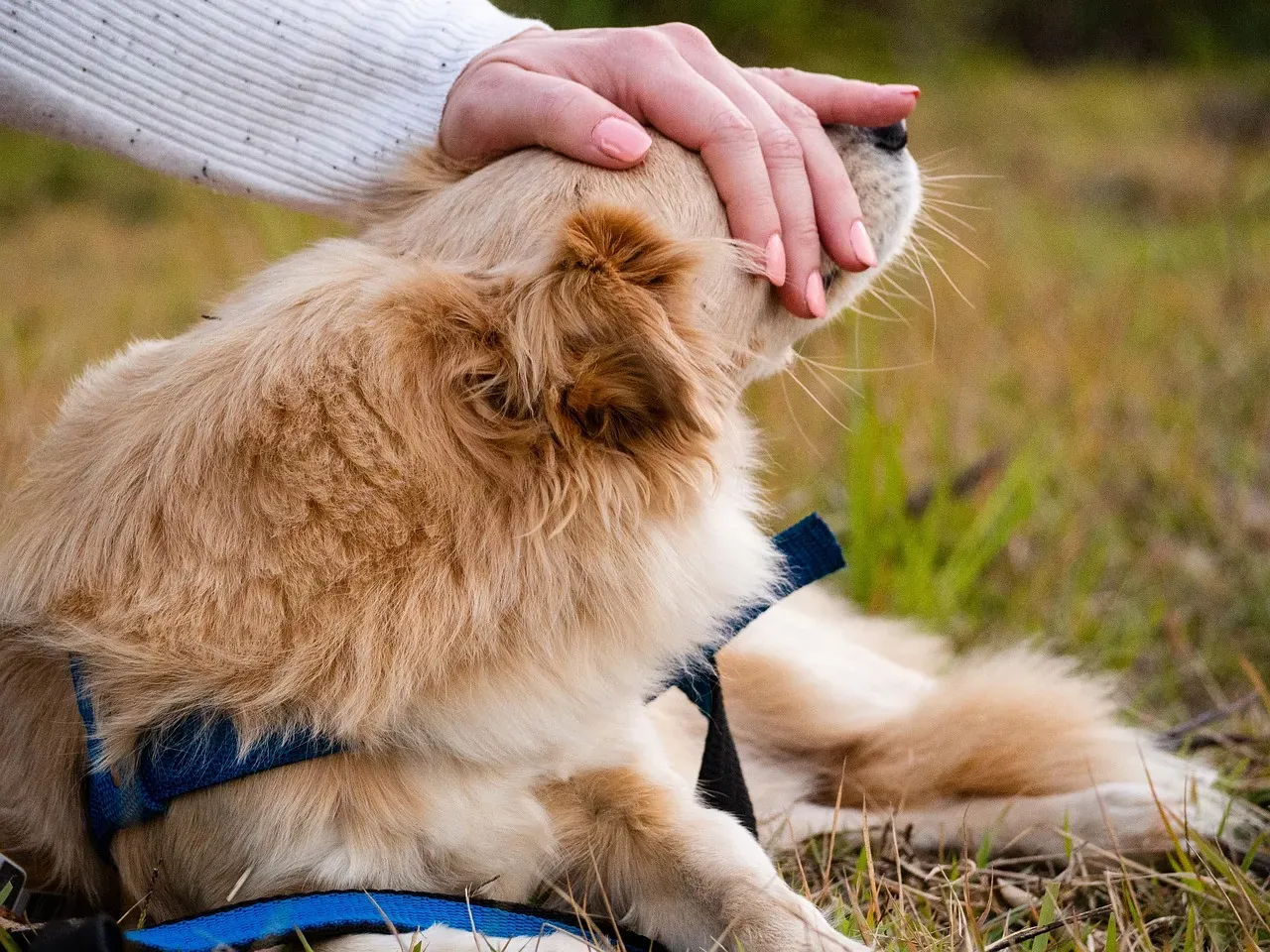
The affection of a big dog is something special. It’s in their stability, their trainability, their gentle self-awareness, and yes, their breeding history. Extremely small dogs tend to be more neurotic while extremely large dogs are exceedingly stable, with dogs in the middle range showing medium emotional reactivity.
This doesn’t mean you should only get a big dog, or that small dogs don’t love their people fiercely. Every dog is an individual, shaped by genetics, environment, training, and the relationship they build with you. It simply means that if you’re drawn to the steady, encompassing affection of large breeds, there are real, measurable reasons why they excel at this particular expression of love.
The next time a big dog leans their full weight against you, tail wagging slowly, eyes soft with contentment, you’ll know it’s not just size. It’s temperament, training, breeding, and the unique way these gentle giants have learned to share their hearts.
What’s your experience with dogs of different sizes? Have you noticed these differences in how they show affection?


