
Why Your Dog Might Secretly Hate You (And What You’re Doing Wrong)

Let me tell you something that might sting a little. Your dog loves you. Of course they do. That’s what makes dogs so incredible, right? Their devotion, their loyalty, their unshakeable commitment to being by your side.
Honestly, though, that doesn’t mean they’re thrilled with every single thing you’re doing. Think of it like a relationship with a best friend who can’t exactly call you out when you’re being thoughtless. They stick around because they care, yet there are probably a few things you’re doing that drive them absolutely bonkers. The good news is dogs are constantly trying to tell us what’s wrong. We’re just not always listening. So let’s dive in.
You’re Ignoring Their Stress Signals

Dogs communicate stress through body language including whale eye, tucked ears or tail, raised hackles, lip-licking, yawning, and panting. When a dog is anxious, they often quickly stick out their tongue and lick their lips, usually just a fast little flick, and it’s one of the most common signals.
Here’s the thing. We tend to miss these subtle cues entirely. These signals are frequently overlooked or misinterpreted by even the most devoted dog owners. Your dog might be telling you they’re uncomfortable at the dog park, overwhelmed by a house full of guests, or anxious about that car ride. Yet if you’re not paying attention, you might assume everything’s fine.
Dogs that avoid looking at you may be feeling distressed or threatened. People yawn when they’re tired or bored, but dogs yawn when they’re stressed, and according to Turid Rugaas, dogs use yawning to calm themselves in tense situations and to calm others, including their owners. If your pup yawns repeatedly during training or around strangers, they’re likely not bored. They’re stressed out and trying to cope.
You’re Being Totally Inconsistent

Let’s be real, consistency is hard. One day your dog gets to lounge on the couch because you’re feeling generous. The next week you’re shooing them off because guests are coming over. Dogs are habitual creatures, meaning they do best with a consistent routine and rules, and if you keep changing their boundaries, your dog will end up confused and may even shut down and stop trying to obey.
Imagine if the rules at your job changed every single day without warning. Frustrating, isn’t it? Dogs need consistency, and you can’t have one person discipline or train a dog to do one thing when everyone else in the family doesn’t do the same thing, which creates confusion and inconsistency. So if Dad allows begging at the dinner table while Mom enforces a strict no-begging rule, your dog is caught in the middle trying to figure out what’s actually expected.
The solution is surprisingly simple. Sit down with your household and agree on the rules. Then stick to them. Every single time. Your dog will thank you for it.
You’re Accidentally Rewarding Bad Behavior
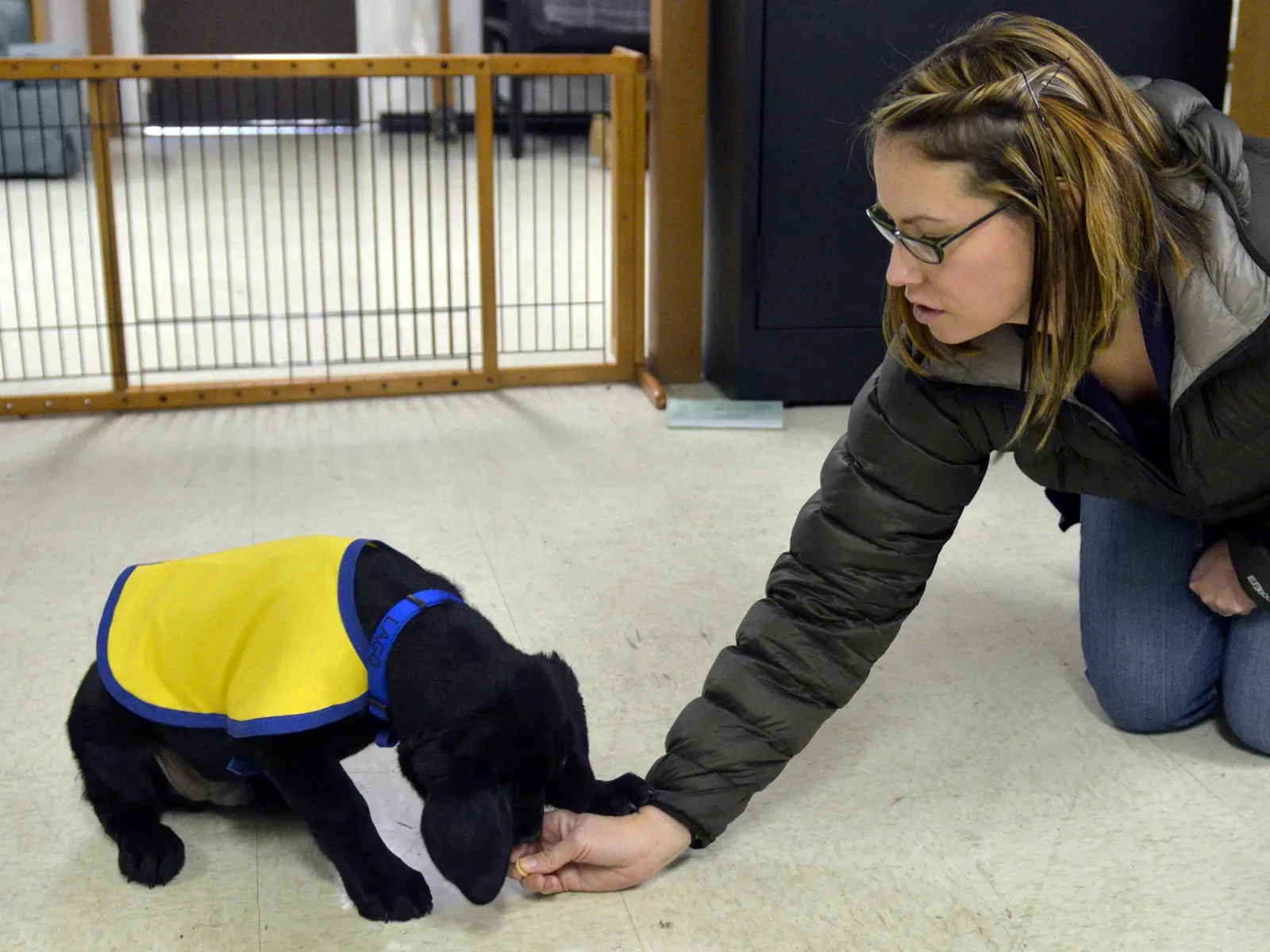
Another common training error involves actually reinforcing the behaviors that you do not want, and instead of patting, giving attention, or perhaps even a treat to try and stop the behavior, it’s essential that these behaviors be met with inattention. This one catches so many people off guard because we do it without even realizing it.
Your dog jumps on you when you get home. You push them down while saying their name. Guess what? They just got exactly what they wanted: your attention. Some pets will actually consider punishment itself as a form of attention. So whether you’re scolding, petting, or even just looking at them, you’re reinforcing the very behavior you’re trying to stop.
The first mistake is taking the good for granted, which is one of the greatest and most universal human flaws, as it’s so easy to notice what we don’t like but easy to ignore all the things that are good, and for many of us this is true in dog training, where we ignore our dogs when they are being good and only pay attention when the dog is acting out. If your dog is calmly sitting by your side, praise them. Make a big deal out of it. That’s what they’ll repeat.
You’re Skimping on Mental and Physical Exercise
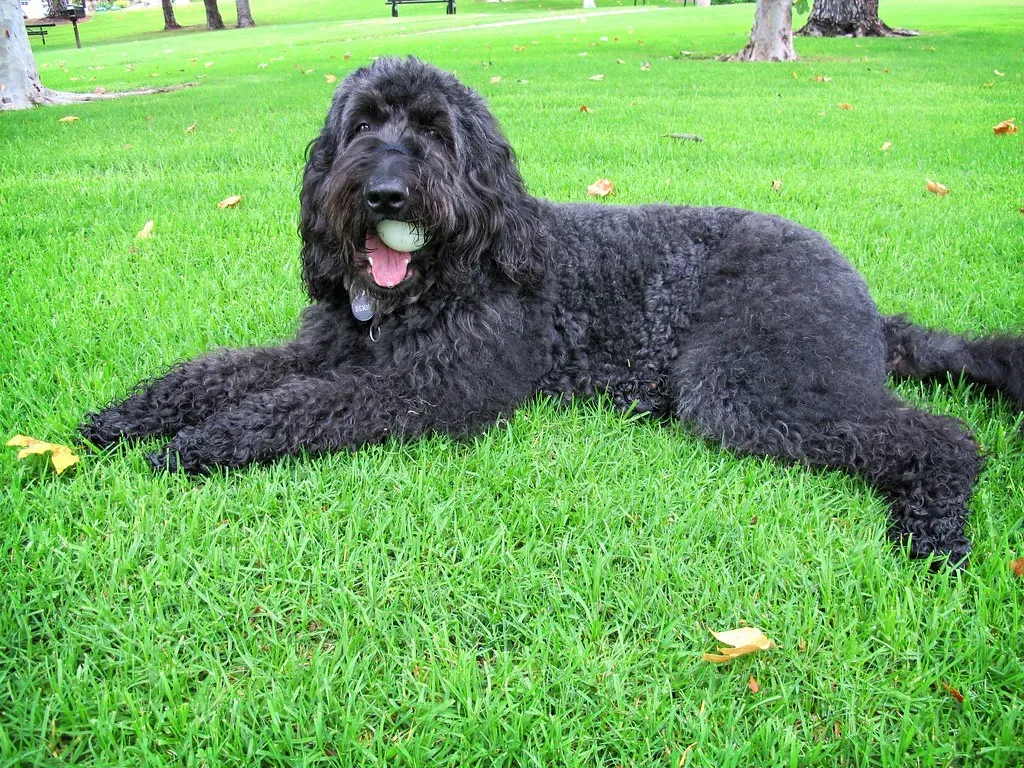
Many new dog owners overlook the importance of regular exercise for their furry companions, as dogs require physical activity to maintain their health, prevent obesity, and release excess energy, and a lack of exercise can lead to behavioral problems and health issues. Think about how you feel after sitting inside all day staring at screens. Restless, antsy, maybe a little cranky.
Dogs are no different, except they can’t exactly go for a jog on their own or solve a crossword puzzle to pass the time. Mental stimulation is equally as important as physical exercise. A bored dog is a destructive dog. They’ll chew your shoes, dig holes in the yard, or bark incessantly just to burn off that pent-up energy.
Dogs need mental stimulation just like us, and especially if you have an intelligent active breed you’ll need to provide your dog with problems to solve and jobs to do, as some dogs were bred to help humans with work from herding to hunting and protection, and to keep a working breed or any breed from getting bored be sure to expose your dog to a variety of places and people, provide adequate toys, and consider getting a puzzle feeder to challenge your dog’s brain. A tired dog is genuinely a happy dog.
You’re Not Respecting Their Personal Space

Just like us, dogs need the ability to move away when they aren’t comfortable. We tend to think of dogs as always wanting affection, always ready for a cuddle. That’s just not true. Some dogs are more independent. Others might be feeling unwell or simply overstimulated.
When faced with an unwelcome situation, dogs may escape by focusing on something else, such as sniffing or digging the ground or licking their genitals or simply turning away, and ignoring someone may not be polite but it is surely better than being aggressive, so if your dog avoids interaction with other dogs or people do not force the issue and respect their choice.
When your dog turns away, hides under the table, or moves to another room, they’re communicating a boundary. Forcing interaction when they’re not interested can actually damage your relationship. Even dogs with good temperaments can tire of being laid on, yelled at, and having their tail pulled, and you should never allow your dog to be alone with a child if you aren’t completely sure of both the child’s and the dog’s behavior. Give them space when they ask for it. They’ll come back when they’re ready.
You’re Ignoring the Root Cause of Problems
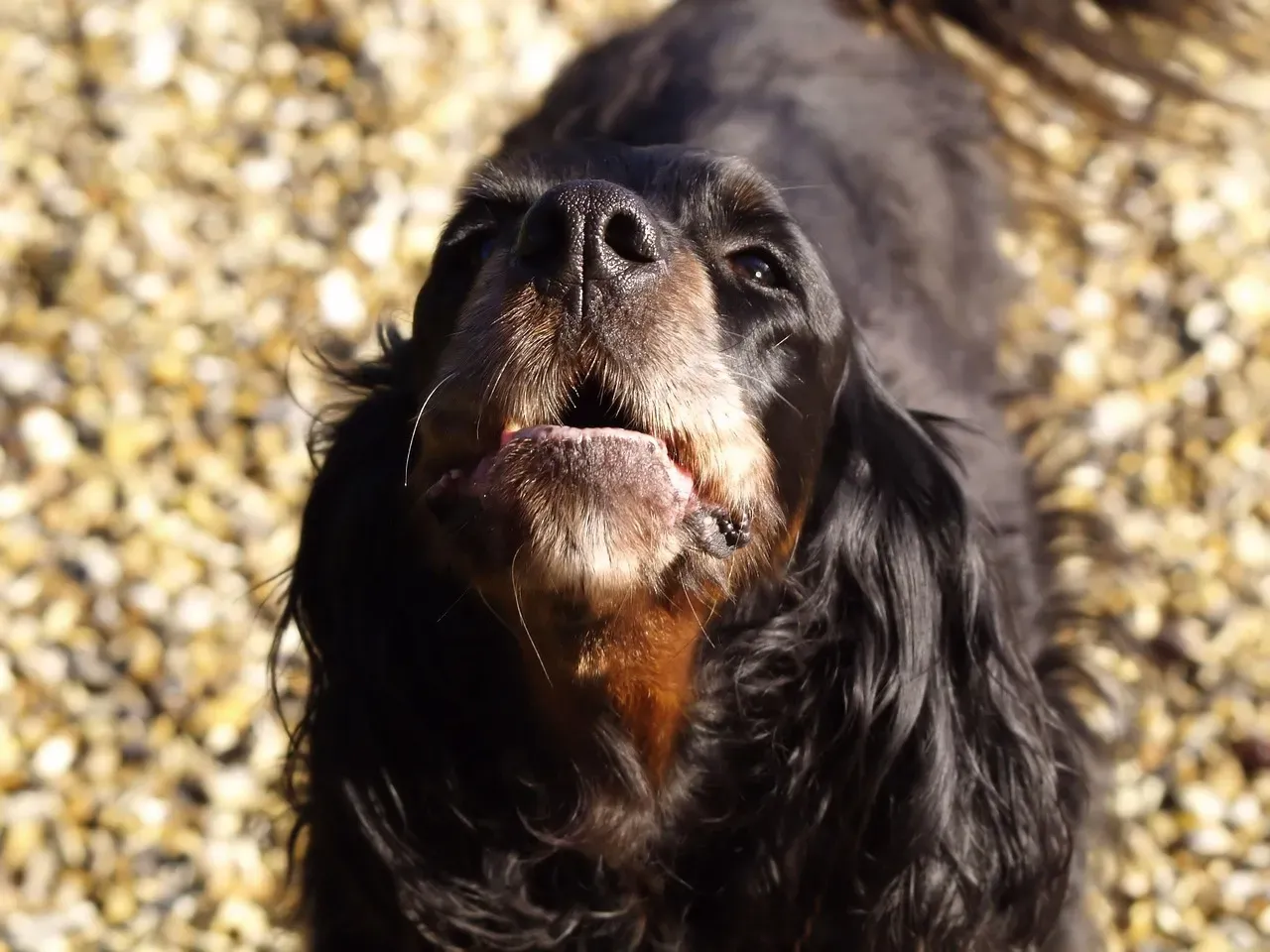
One of the biggest mistakes dog owners make is focusing solely on the symptoms of a behavior without addressing the underlying cause, as it’s like putting a Band-Aid over an infection which might temporarily cover up the problem but won’t solve it, and what you really need is to treat the underlying issue, and similarly when dealing with behavior issues the goal shouldn’t just be to stop the behavior but to help your dog feel differently so that a different set of behaviors presents itself.
Your dog barks constantly. You yell at them to stop. They keep barking. Why? Because you haven’t figured out what’s causing the barking in the first place. Trying to stop excessive barking without addressing the anxiety or boredom behind it will lead to persistent problems or even new behavior issues. Maybe they’re anxious, bored, protecting their territory, or responding to sounds you can’t even hear.
First-time owners often hope their dog will mature past the issues, yet unfortunately dogs grow into patterns not out of them, and if a young dog practices pulling, barking at windows, or resource guarding those behaviors strengthen with repetition, so early course correction is always easier than trying to undo months of unwanted habits. The sooner you address the real issue instead of just the symptom, the happier both of you will be.
Conclusion

Your dog doesn’t hate you. Let’s get that straight right now. They’re probably head over paws in love with you, even when you’re making these mistakes. The beautiful thing about dogs is their incredible capacity for forgiveness and their willingness to adapt.
What they do need, though, is for you to really see them. Pay attention to their body language. Be consistent with your rules. Give them the exercise and mental challenges they crave. Respect their boundaries. Address problems at their root instead of just treating symptoms. These aren’t complicated fixes, yet they make all the difference in building a relationship based on trust and understanding.
Your dog is trying so hard to communicate with you every single day. Now you know what to look for. What changes will you make first?