

Have you ever watched a dog bounce off the walls while you’re sprawled on the couch, wondering if you made the right choice? Or perhaps you’ve witnessed a pup who seems perfectly content to match your Netflix marathon, hour for hour? The truth is, not all dogs are created equal when it comes to energy levels. Some breeds were designed to work from sunrise to sunset, their stamina practically endless. Others? They’re perfectly happy being your shadow on a lazy Sunday.
Understanding a dog’s energy needs before bringing them home can make the difference between a harmonious household and daily exhaustion. So let’s dive into the breeds that’ll have you reaching for your running shoes, and those that’ll happily settle beside you on the sofa.
The Belgian Malinois: A Force of Nature
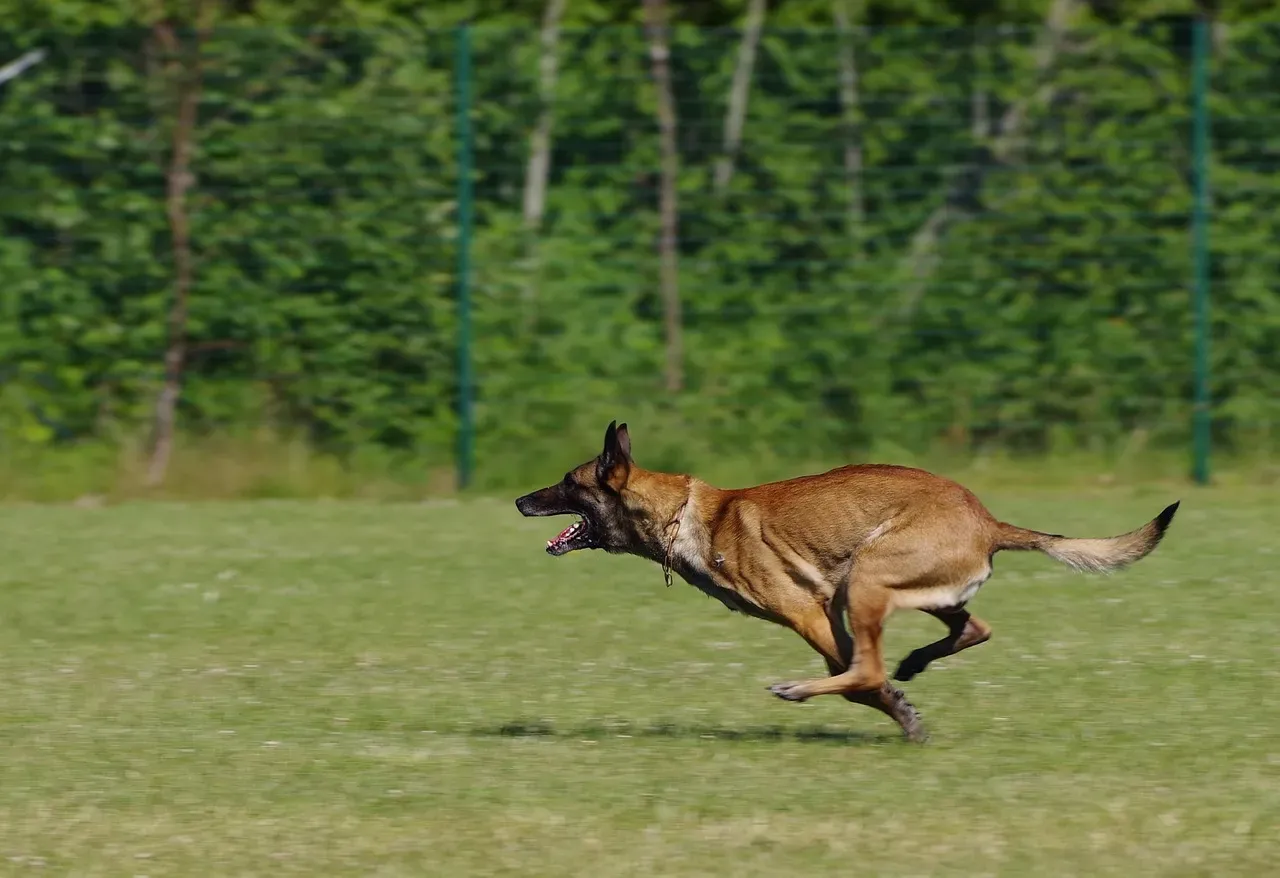
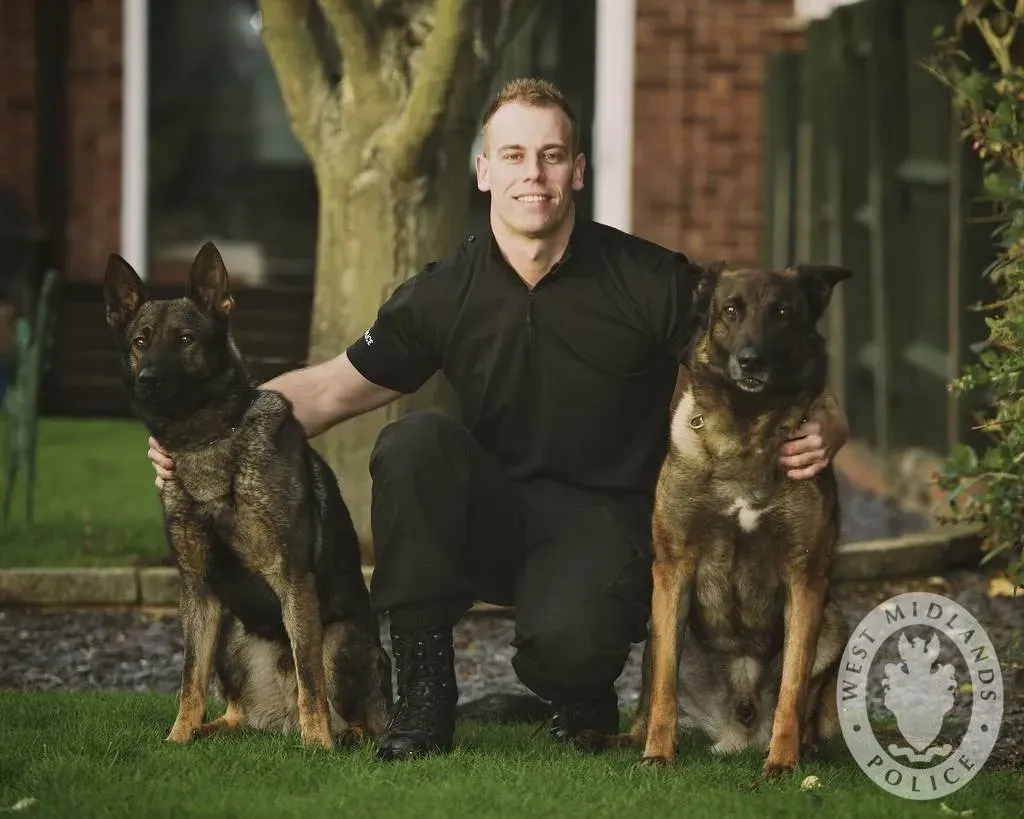
According to many experts, Belgian Malinois is the most energetic dog breed. These dogs aren’t just high energy, they’re practically rocket-fueled. At least 90 to 120 minutes of vigorous physical activity per day is required, with many Malinois thriving with over two hours if possible.
Here’s the thing. Without enough activity, Malinois often develop destructive behaviors like chewing, digging, excessive barking, and may become anxious or reactive. Picture this: you come home to find your couch cushions shredded, not out of malice, but because your Mal had nowhere to channel that intense drive. These incredibly smart, high-energy dogs with a strong work drive can lead to behavioral issues without proper training, making them difficult to manage, especially in a household setting.
Their intensity can sometimes be overwhelming for novice owners, and Belgian Malinois thrive with experienced handlers who understand their needs and can channel their energy productively. Let’s be real, these dogs were bred for police and military work. They need jobs, challenges, and constant mental stimulation. A simple walk around the block? That’s just a warm up for them.
Border Collies: The Workaholics
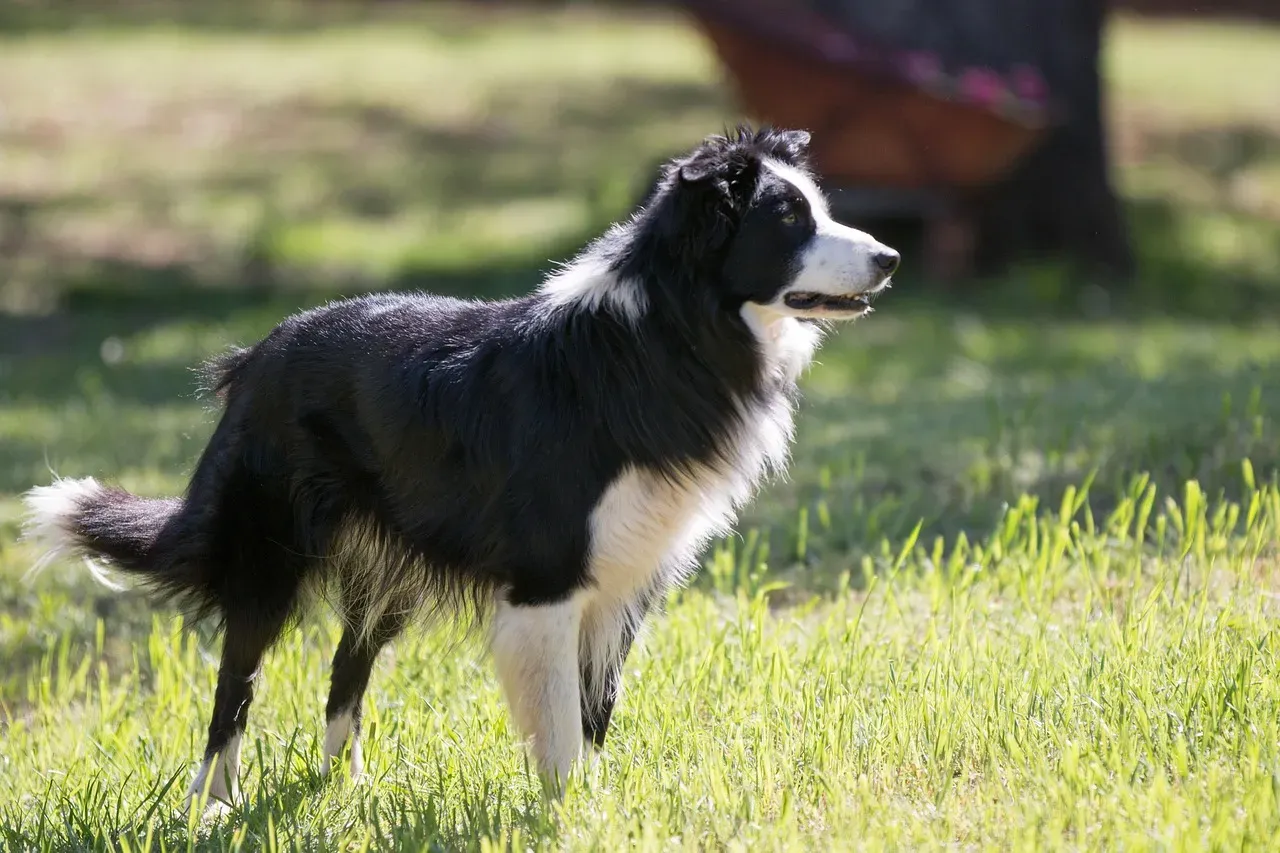
Border collies are among the smartest, most athletic dogs out there, originating from sheepdogs with a natural instinct to chase and herd, known for using an intense stare to control flocks. These dogs don’t just want to work. They need to work.
Border Collies are bred to be able to work all day, and are great at pacing their energy to keep going literally all day. Honestly, their stamina is both impressive and intimidating. They can get destructive if they can’t let off their excess energy.
What makes Border Collies particularly challenging is their intelligence combined with their drive. They’re not content to just run; they need mental puzzles, training sessions, and purposeful activities. Collies benefit from using their brain as much as their body, so dog sports like agility, hoops and heelwork to music are great choices. Think of them as that friend who always needs a project, except this friend has four legs and will stare at you intensely until you give them something to do.
Australian Cattle Dogs: Marathon Partners
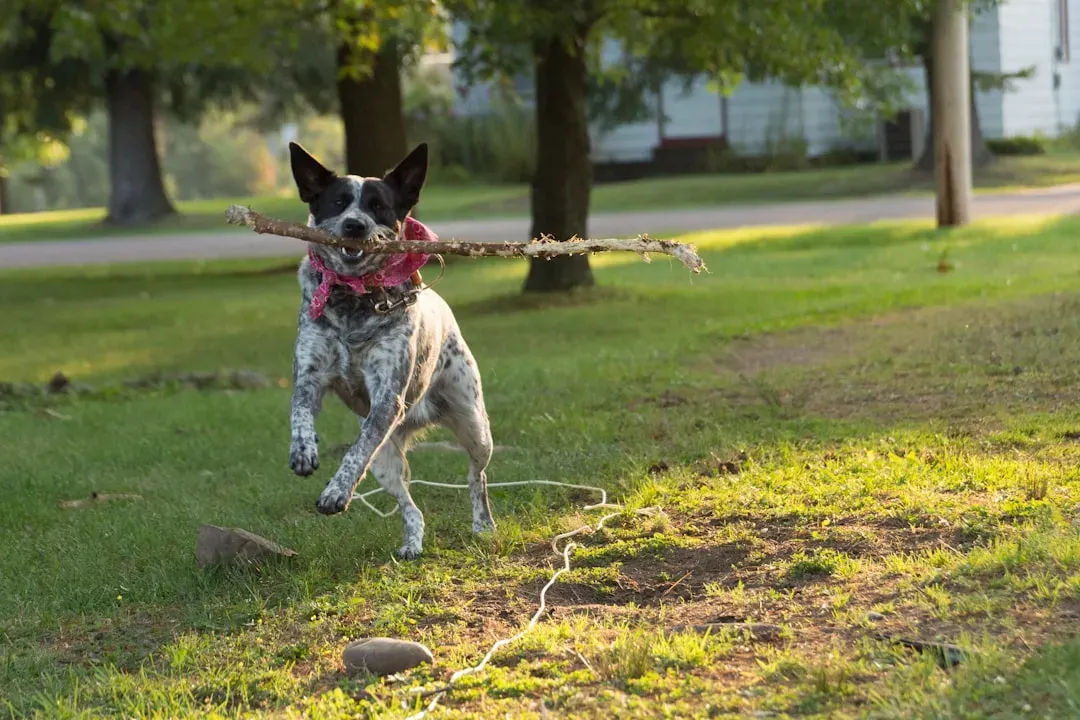
If you’re on the lookout for a marathon training buddy, look no further than the Australian Cattle Dog, these medium-sized dogs are smart, athletic, and known for being excellent running partners. These dogs were literally bred to herd cattle by nipping at their heels. That’s not a job for the faint of heart or the low of energy.
Their large frames and hardworking spirits make them excellent running partners, and they excel at all kinds of canine sports, including agility, obedience, rally, flyball, and flying disc competitions. The challenge with Cattle Dogs is their protective nature combined with their energy. They’re incredibly protective of their territory, which can lead them to become defensive around strangers.
These aren’t dogs for apartment dwellers or couch potatoes. They require outdoor space, vigorous daily exercise, and owners who can match their intensity. Like other high-energy and intelligent dogs, they may become bored or destructive if left alone for too long. Picture returning home to find your backyard completely redesigned with holes, all courtesy of a bored Cattle Dog.
Siberian Huskies: The Escape Artists
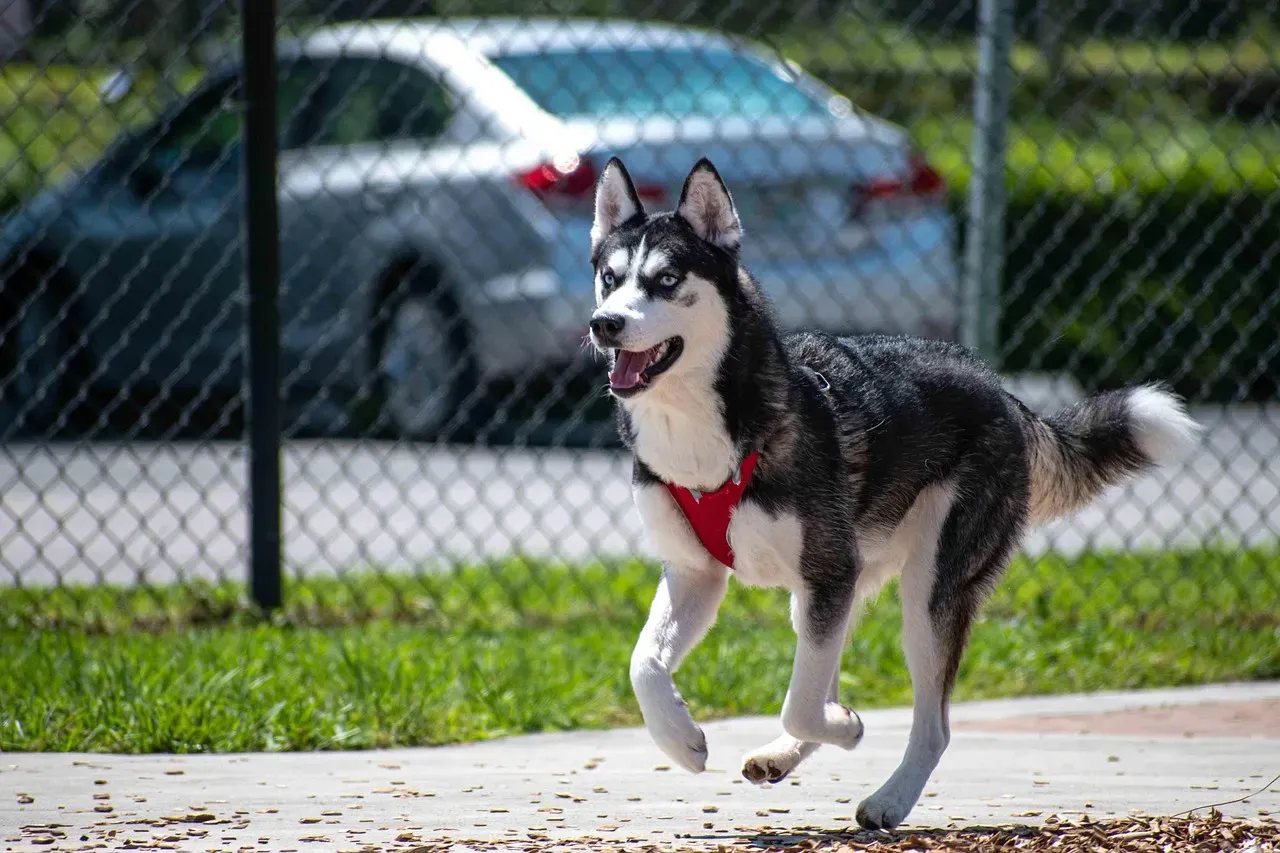
Originating in Northeastern Asia as the ultimate winter sled dog, these striking canines require strenuous daily exercise such as running or hiking or boredom will ensue. Huskies are gorgeous, there’s no denying that. Those striking blue eyes and wolfish features turn heads everywhere. The problem? They’re designed to pull sleds across frozen tundra for miles and miles.
Huskies are not only high-energy dogs but also can be very strong, which is what makes them perfect for sledge activities, and they can find longer periods of not being busy hard work, which can lead to destructive behaviours like chewing sofas or digging holes. I know it sounds crazy, but these dogs will literally climb fences or dig under them if they’re bored enough.
Huskies are independent and stubborn in nature, making them among the hardest dogs to train. They’re also incredibly vocal, not just barking but howling, talking, and making all manner of sounds to express themselves. If you value your furniture, your fences, and your neighbors’ goodwill, a Husky demands serious commitment.
Jack Russell Terriers: Small But Mighty
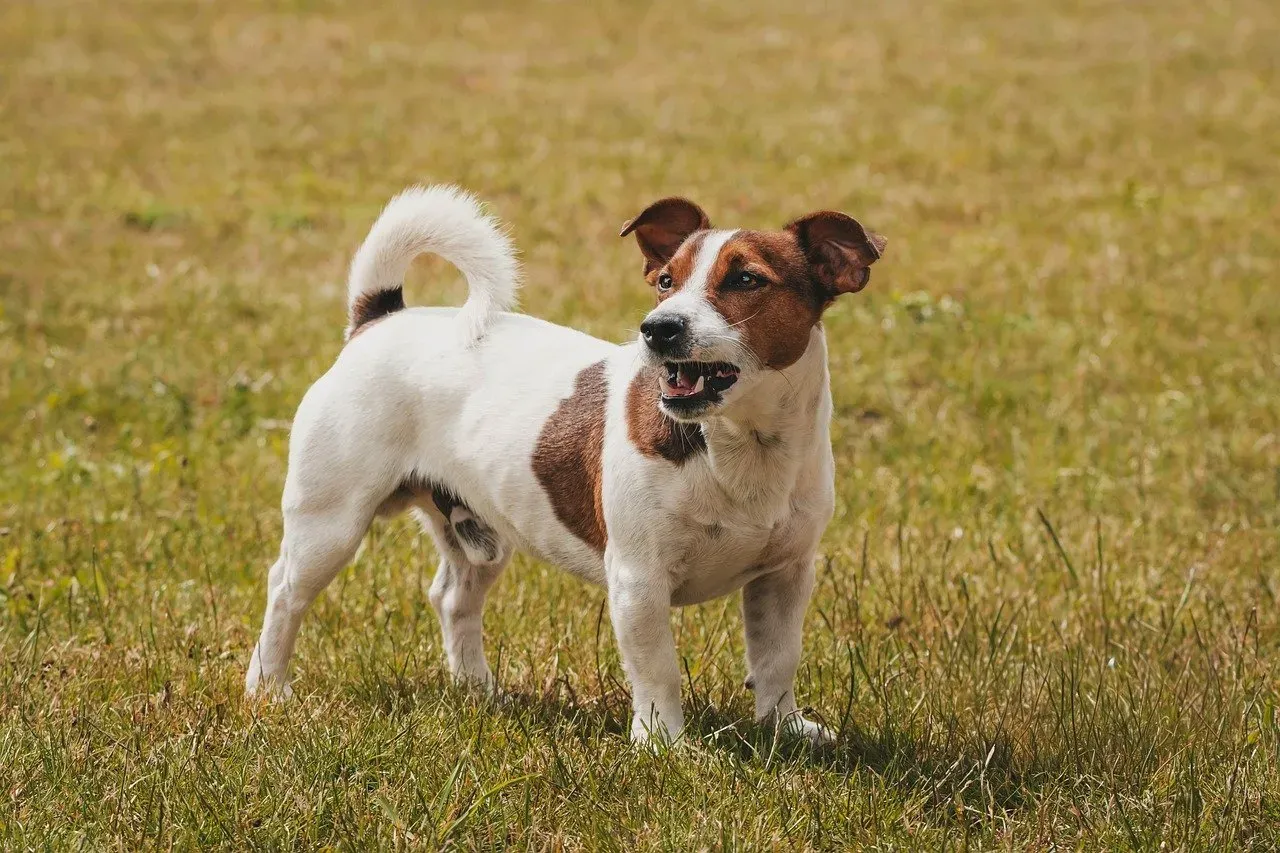
Don’t let their size fool you. The Jack Russell Terrier is a compact powerhouse, originally bred to hunt foxes, they’re fearless, fast, and often up for a challenge. These little dogs pack more energy than many breeds twice their size.
Their sharp minds mean they excel in activities like agility, scent work, and barn hunts. The tricky part with Jack Russells is managing that energy in a small package. They’re tenacious, determined, and won’t quit until they’ve exhausted every ounce of energy, which can take a surprisingly long time.
These inquisitive pups have a strong prey drive, so it’s important to start training early to help break those instinctual habits. They’ll chase squirrels, birds, and anything else that moves. Their terrier stubbornness combined with endless energy means they need owners who can be firm, consistent, and ready for daily adventures.
German Shepherds: Loyal Workaholics
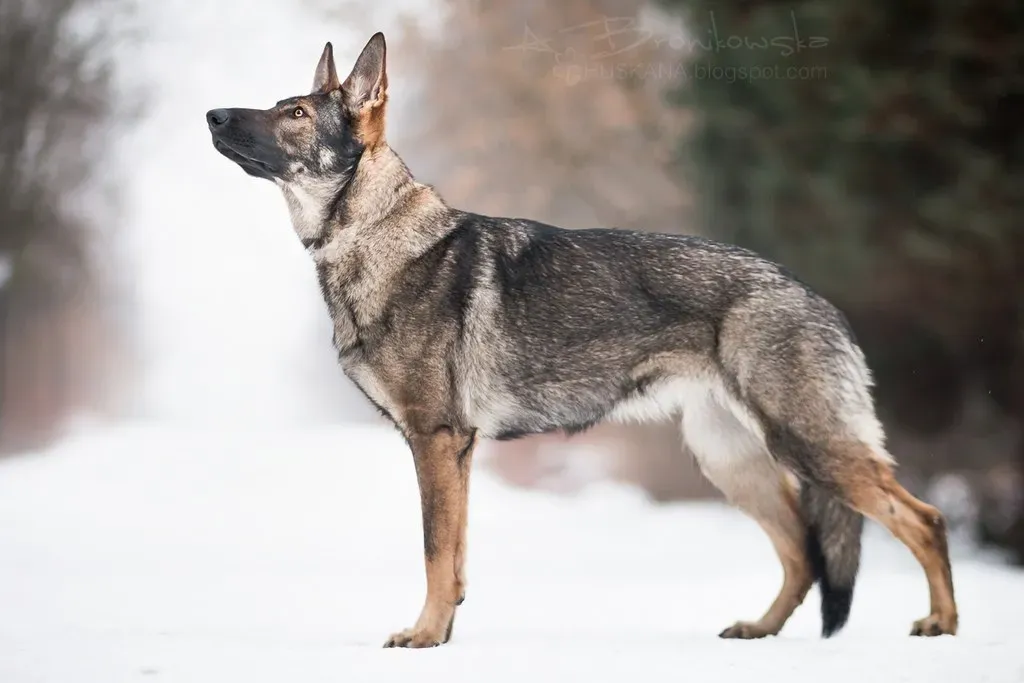
Originally developed in Germany to herd and guard livestock, celebrated today for intelligence, loyalty, and drive, German Shepherds are often seen working alongside police officers and search and rescue teams, and beneath all that discipline is a deeply devoted family dog who thrives on mental and physical activity.
German shepherds need constant companionship and exercise, usually upwards of two hours a day, and without these things, they can grow frustrated and take out their feelings by chewing and barking. These aren’t dogs you can leave alone all day and expect to be happy. They need purpose, structure, and engagement.
What sets German Shepherds apart is their combination of physical stamina and mental acuity. They don’t just need to run; they need to think, solve problems, and have responsibilities. Without proper outlets, that intelligence and energy can quickly turn into anxiety and destructive behavior. They’re incredible dogs, truly, but they demand dedicated owners.
Weimaraners: The Gray Ghosts
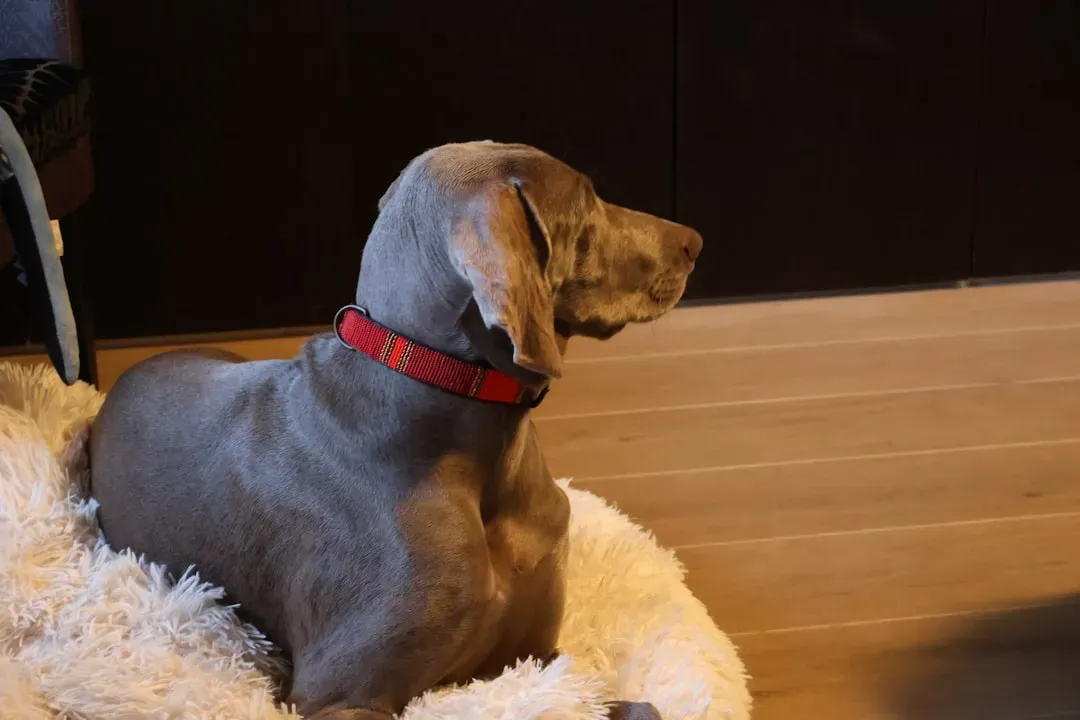
Also known as the Gray Ghost, a Weimaraner is one of the most energetic dogs, bred for accompanying the nobility in their hunting expeditions, and these canines want to constantly engage their body and mind, which is why they are brilliant hunters, trackers, and agility sports participants, with potential owners needing to be someone who loves to go jogging and hiking regularly.
These sleek, silvery dogs are stunning to look at, but their beauty comes with serious exercise requirements. They’re velcro dogs who want to be with you constantly, combined with the stamina of a marathon runner. It’s hard to say for sure, but they might be one of the breeds that suffers most from lack of activity.
Weimaraners need homes where outdoor activities are a daily occurrence, not an occasional treat. They excel at tracking, retrieving, and any activity that lets them use their nose and their legs simultaneously. A bored Weimaraner is a destructive Weimaraner, and their size means they can do considerable damage.
Vizslas: The Velcro Athletes

Even though their temperament can be quiet and cuddly, the Vizsla is hound-bred to be active, and originally hunting dogs, they like to be out in the forest, the field, or the water and are especially agile and quick, serving as popular companions for hunters, thanks to their loyal, protective nature and sharp senses.
Vizslas are extremely affectionate and thrive in the company of their human family, so it is especially important to not leave them alone for extended periods of time. These dogs want to be touching you constantly, whether that’s leaning against your leg or lying across your feet. Pair that clinginess with high energy, and you’ve got a dog that wants to run marathons with you, not away from you.
The rust-colored beauties need serious daily exercise, but they’re also sensitive souls. They don’t respond well to harsh training methods and can develop anxiety if left alone too long. They’re wonderful companions for active families who work from home or can bring their dog along on adventures.
Basset Hounds: The Easygoing Trackers
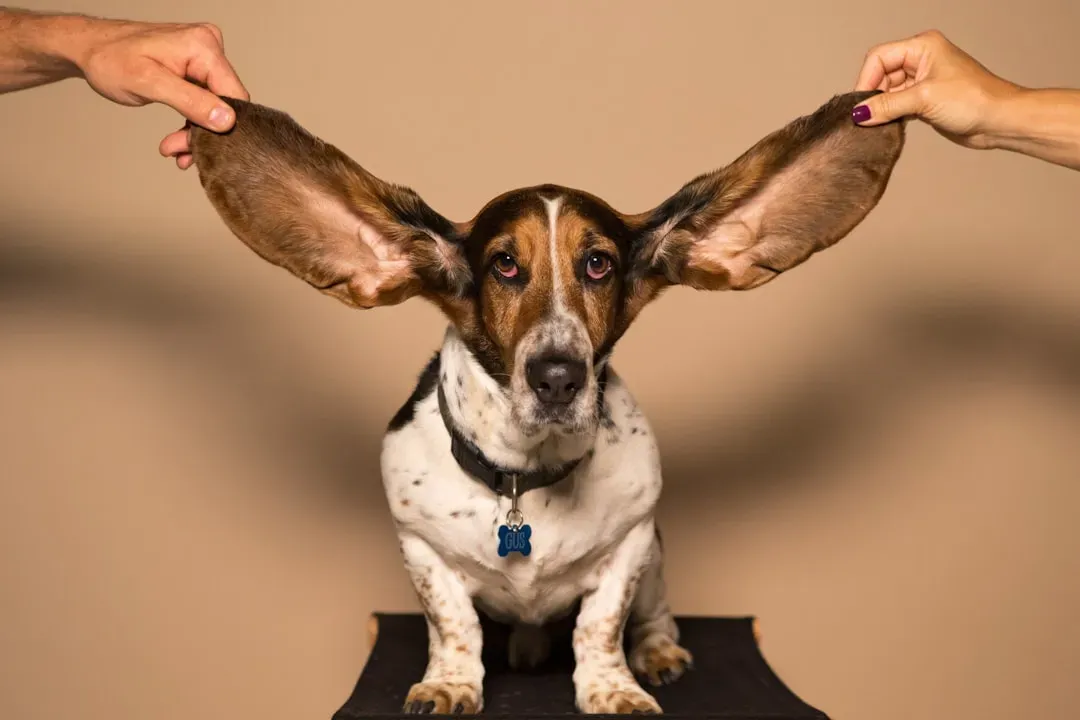
Now we shift gears entirely. Highly sociable and easygoing, this talented scent hound is known for its endurance and independent working dog attitude, but when their needs are met, these loveable crinkly-browed pals are more than content to fit the lazy dogs stereotype, with Basset Hounds content with a daily stroll and a comfortable spot to nap in.
The Basset Hound is a calm, gentle dog breed that’s adaptable to new surroundings and content with moderate exercise, and these low-energy dogs aren’t very athletic, but their best asset is their nose, which can sniff out just about anything. Sure, they’ll occasionally get excited about a scent trail and wander off following their nose, but mostly they’re happy to lounge.
Their short legs and long body mean they’re not built for intense exercise anyway. They’re perfectly happy with leisurely walks and plenty of nap time. They tend to be lower energy than others and love to follow a smell to their heart’s content, and they are patient, loyal, low-key and sometimes stubborn, making it not that difficult to accept the Basset’s tendency to be a bit bullheaded when it’s otherwise so lovable and charming.
Cavalier King Charles Spaniels: The Royal Lapdogs
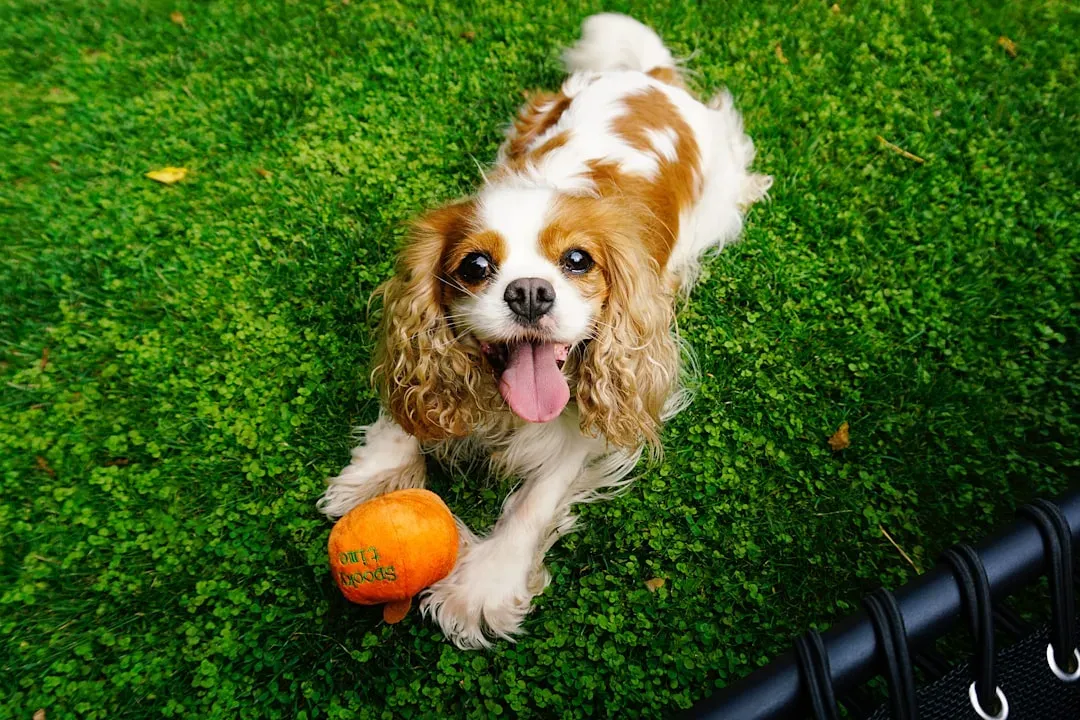
Cavalier King Charles Spaniels have an adaptable nature that can see them fit in with the lifestyles of the humans they love, and Cavs can be a little athletic, due to their hunting lineage, but they also love snuggles and hate to be away from you for long. These dogs are the definition of adaptable companions.
The breed is fairly playful and easy to train but somewhat laid-back; its energy level is moderate, and not a big barker, the Cavalier is generally not a good watchdog or protection dog. These sweet dogs tend to be calm but are also playful and energetic when the moment calls for it, and whether they’re lounging on the couch with you or chasing a ball, Cavaliers are always eager to please and show affection.
What makes Cavaliers perfect for calmer lifestyles is their willingness to match your energy. Want to go for a walk? They’re game. Want to spend the day reading on the couch? They’re equally thrilled to curl up beside you. They have a moderate amount of energy but typically adjust to your lifestyle, though their ancestors are hunting dogs, so they can keep up with long walks and enjoy sniffing around and chasing animals outside.
English Bulldogs: The Ultimate Couch Companions
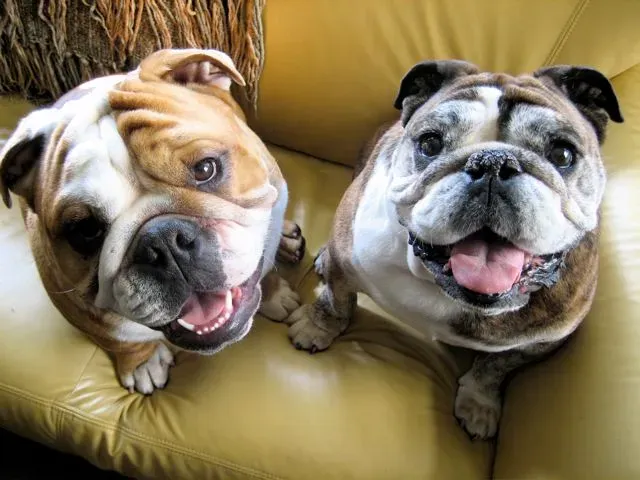
The English Bulldog is an easygoing companion with a docile temperament, sturdy and stout, reaching 40 to 50 pounds in size, and this dog’s flat face and short legs mean they aren’t built for intense or vigorous exercise, with a short walk in moderate temperatures or an interactive indoor game being best.
Not only are English Bulldogs calm, but they also tend to be downright sleepy, meaning they’ll absolutely love cuddling up with you on the couch and taking naps with you in bed. Honestly, Bulldogs have perfected the art of doing nothing. They’re content, happy, and completely unbothered by inactivity.
Their brachycephalic face means they can overheat easily, so intense exercise isn’t just unnecessary, it can be dangerous. They’re perfectly suited for apartment living, seniors, or anyone who prefers gentle walks to marathons. Bulldogs are the epitome of couch potatoes, known for their relaxed and amiable demeanor, with a distinctive, wrinkled face and a sturdy build, they exude calm confidence.
Greyhounds: Surprising Speedsters Who Love Sofas
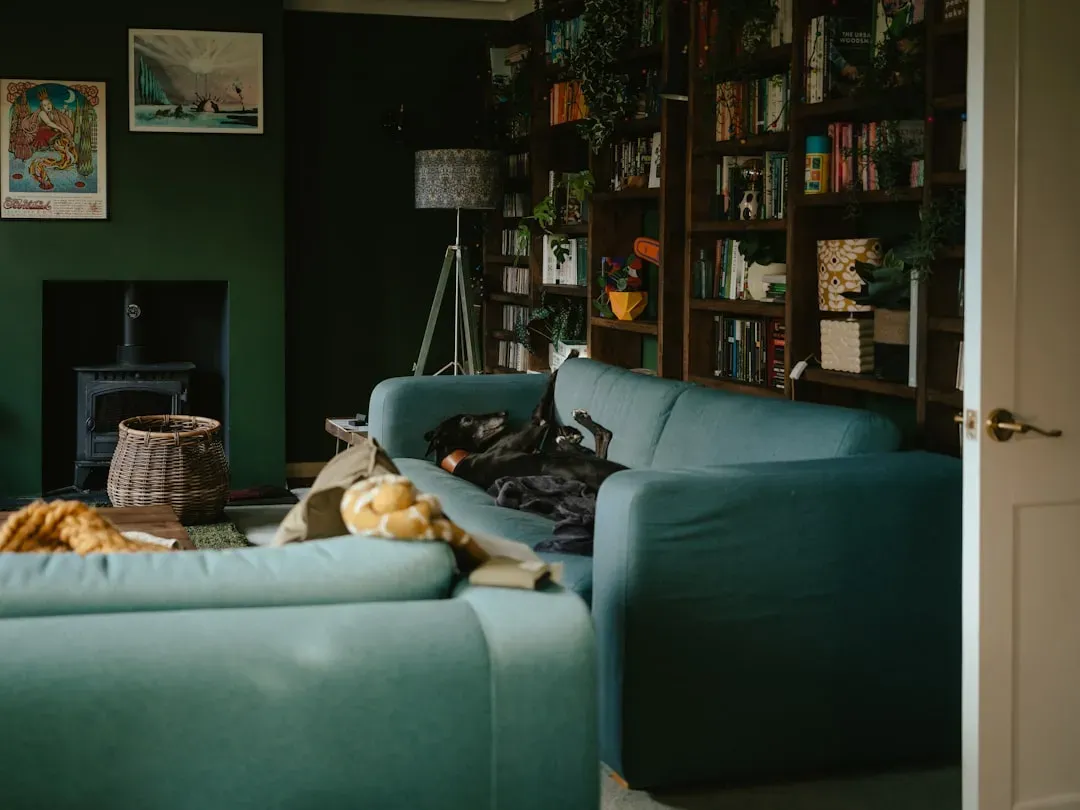
This might surprise you. When you think of Greyhounds, you may picture them on a racetrack, but they’re surprisingly mellow, calm, and distinguished, and since they’re so graceful, you don’t need to worry that they’ll run rapidly around your house.
Greyhounds get energy in bursts, and when they are indoors, they much prefer a more relaxed approach to life, enjoying sitting by a warm window or lying at their owner’s feet. They’re sprinters, not marathon runners. Give them a chance to run full speed in a safely enclosed area a few times a week, and the rest of the time they’re happy being glorified throw pillows.
If you give them space to expend short bursts of energy exercising, they’re content to lounge around the rest of the time, and these sensitive pups love a calm, quiet home as much as you do, so they’re the perfect match for a low-key family without younger children or lots of noise. They’re gentle, quiet, and surprisingly lazy for dogs that can run upwards of thirty miles per hour.
Finding Your Perfect Match
Choosing a dog based on energy level isn’t shallow or picky, it’s responsible. A mismatch between your lifestyle and your dog’s needs leads to frustration on both sides. High-energy breeds in sedentary homes develop behavioral problems, anxiety, and destructive tendencies. Meanwhile, low-energy dogs with marathon-running owners can become stressed trying to keep up.
Having an energetic dog with seemingly endless energy can be overwhelming and exhausting, but it can also be rewarding and a lot of fun, with the difference being knowing how to take your dog’s natural energy and channel it positively and productively. The key is honest self assessment. Are you truly committed to multiple hours of daily exercise, training, and mental stimulation? Or do you prefer leisurely strolls and quiet evenings?
There’s no right or wrong answer, just what works for you. Some people thrive with the challenge of a Belgian Malinois or Border Collie, finding purpose in meeting their dog’s intense needs. Others find joy and companionship in the gentle snores of a Bulldog or the elegant laziness of a Greyhound. Both approaches create wonderful, fulfilling relationships when the match is right.
Remember that within every breed, individual dogs vary. Not every Husky is an escape artist, and not every Greyhound is a couch potato. Meeting individual dogs, talking honestly with breeders or rescue organizations about your lifestyle, and being realistic about your energy and time creates the best foundation for a lasting bond. Did you ever imagine that choosing the right dog could be so much about knowing yourself? What energy level truly matches your daily life?


