
There’s something magical about welcoming a dog into your life during retirement. The companionship, the daily routines, those eyes that greet you each morning. For older adults, a dog can add joy, purpose, and even measurable health benefits. Studies show that seniors with dogs tend to be more active, less lonely, and experience better overall well-being.
Still, not every breed fits seamlessly into a quieter, more measured lifestyle. Some dogs come with energy reserves that could rival a marathon runner, while others demand constant mental stimulation or physical strength that can be tough on aging joints. Choosing the right breed matters more than you might think. Let’s dive into which breeds can feel more like a handful than a help, and which ones truly shine as comforting companions for older owners.
Border Collies Demand More Than Most Can Give
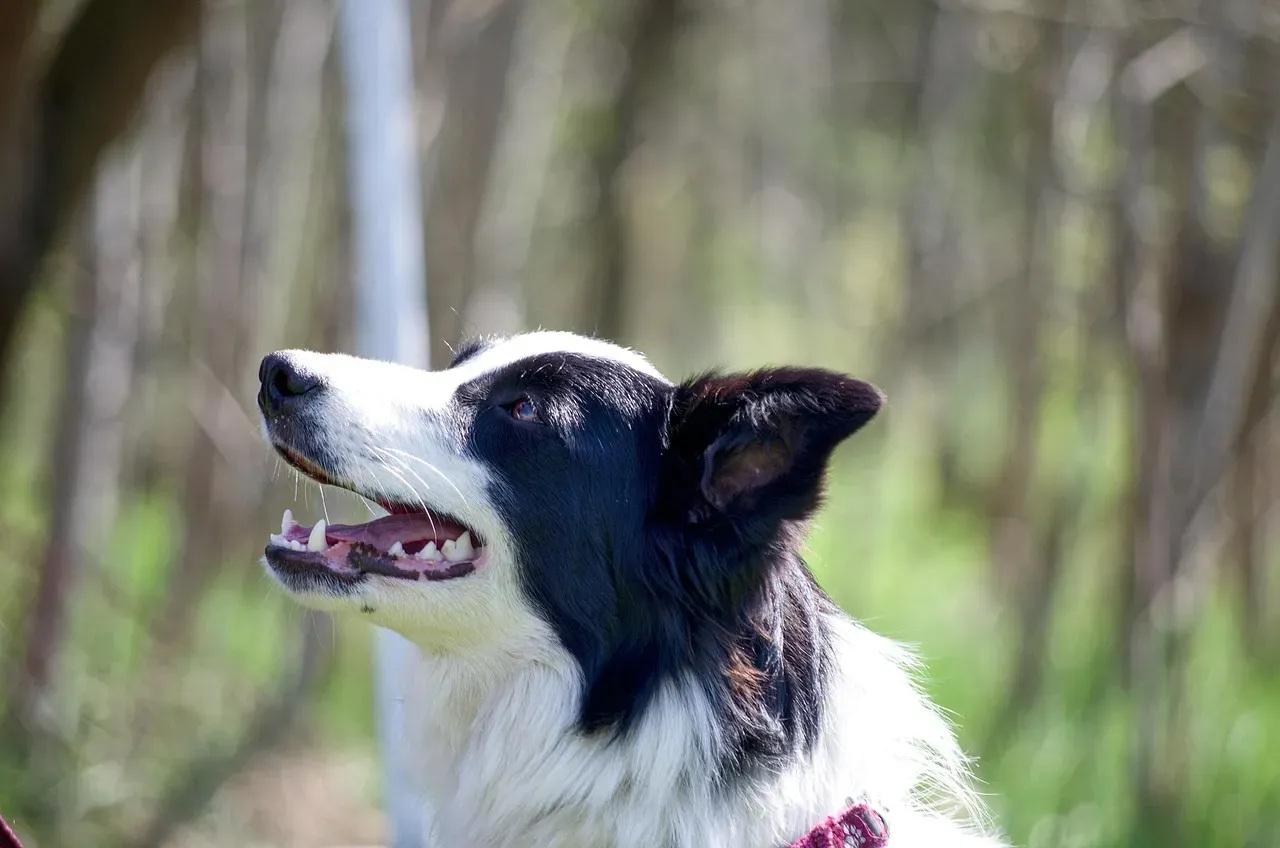
Border Collies aren’t just energetic; they’re also incredibly intelligent and were originally bred for herding sheep, excelling in problem-solving while requiring activities that challenge both minds and bodies. Honestly, these dogs are relentless. They’re so energetic it’s almost impossible to tire them out, and adult Border Collies need around two hours of exercise daily, divided among long walks, swimming, playing fetch, and agility training.
If you’re imagining peaceful afternoons on the porch, this breed will shatter that dream. They need constant engagement, and without it, destructive behavior follows quickly. It’s not their fault – they were built for work – but for seniors seeking calm companionship, Border Collies can feel overwhelming rather than comforting.
Siberian Huskies Pull You Into Chaos
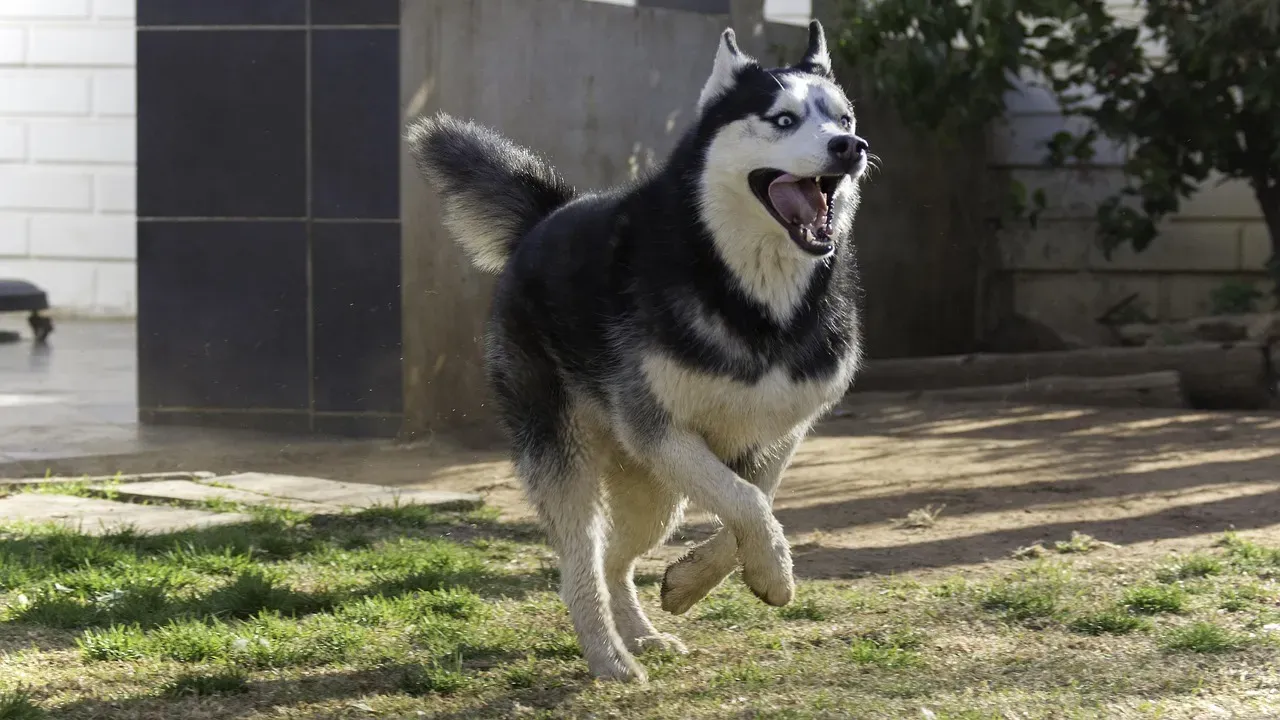
Siberian Huskies are known for their beauty and friendly demeanor, yet their high energy levels and need for extensive exercise can make them a challenging choice for seniors, requiring a lot of physical and mental stimulation while having a thick double coat needing regular grooming. Huskies need mental and physical stimulation every day, require extremely secure fencing since they can dig and jump out of almost anything, and are difficult to train even though they need to be mannerly on a leash.
Let’s be real, the Husky’s stubborn streak combined with their escape artist tendencies creates a recipe for stress. These aren’t dogs that settle down after a short walk. They want adventure, cold weather, and challenges that many older adults simply can’t provide consistently.
German Shepherds Bring Intensity and Strength
While loyal and protective, German Shepherds are large and can be intense, requiring a lot of exercise, mental stimulation, and training, with their size and strength making them difficult for some seniors to handle comfortably. As one of the most energetic dog breeds, German Shepherd exercise requirements involve almost two hours daily, including running, going on long walks, and playing.
Their powerful build means they can easily pull someone off balance during walks. For seniors with mobility concerns or limited strength, managing a German Shepherd during an unexpected lunge or excited moment can become genuinely dangerous.
Jack Russell Terriers Pack Explosive Energy
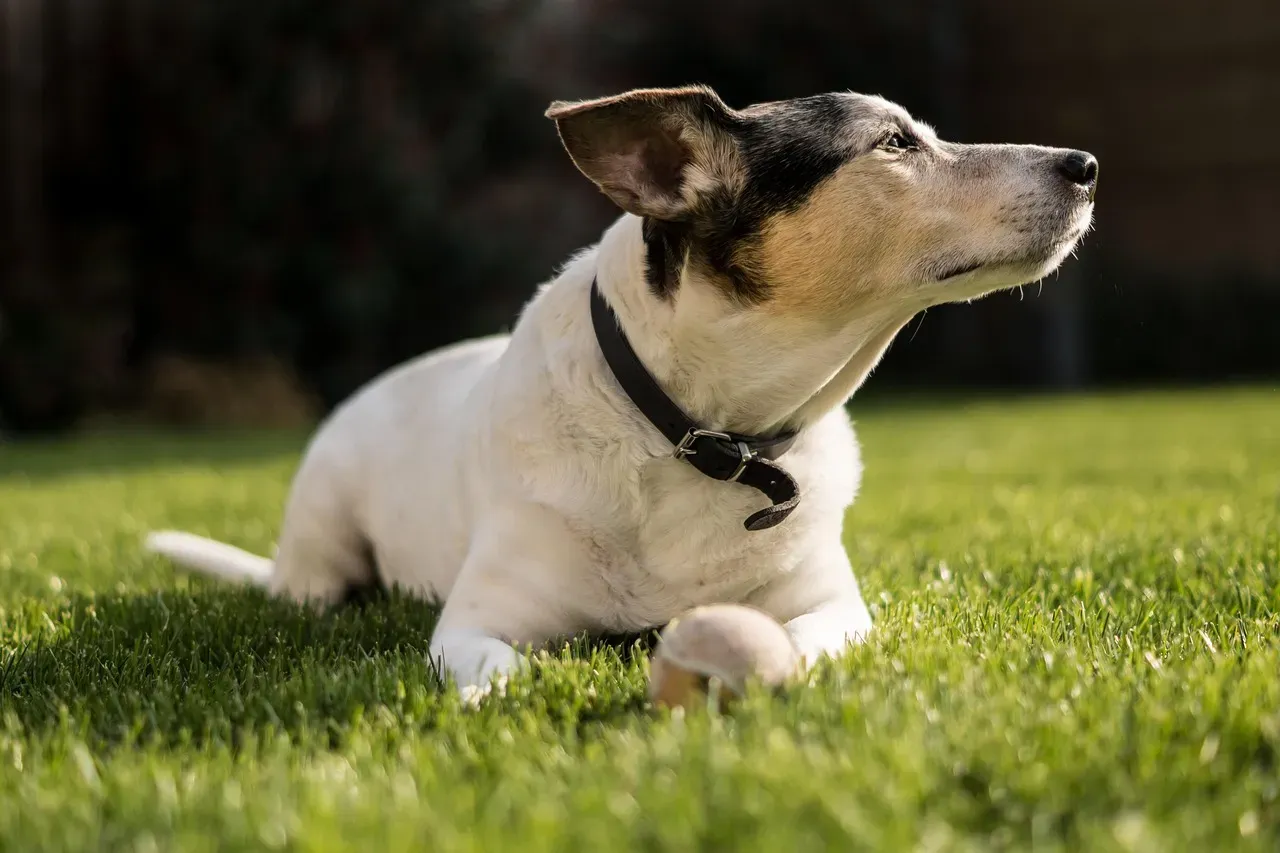
Jack Russell Terriers are small dogs with boundless energy, requiring a substantial amount of physical exercise and mental stimulation to keep them satisfied. Terriers, including Jack Russells and Fox Terriers, are known for their boundless energy levels and can be difficult to train, not matching the lower activity level many seniors prefer in a pet.
Don’t let their small size fool you. These little firecrackers have more energy than dogs three times their size. They dig, they bark, they demand attention constantly. For someone seeking a gentle lap companion, a Jack Russell will likely leave them exhausted rather than fulfilled.
Dalmatians Need More Than Casual Commitment
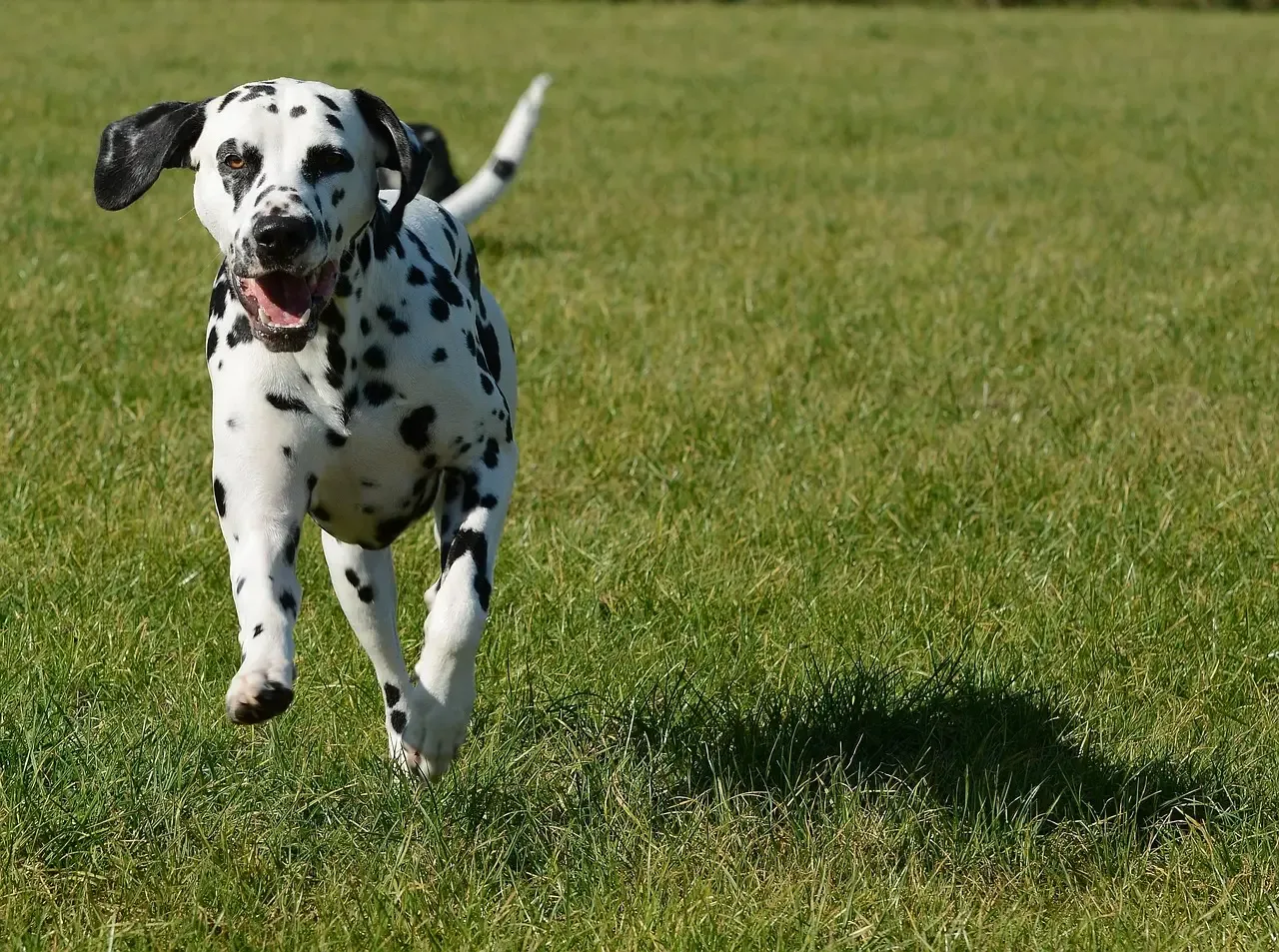
Dalmatians are large, energetic dogs needing plenty of exercise to stay happy and healthy, and they can be strong-willed, requiring consistent training and socialization which might be taxing for some seniors. Their distinctive spotted coats are beautiful, but their needs go far beyond appearance. These dogs were bred to run alongside carriages for miles. That stamina doesn’t just disappear in a modern home.
Beyond the physical demands, Dalmatians can be unpredictable in temperament. They require experienced handling and consistent boundaries, which can feel draining for someone hoping for straightforward companionship.
Akitas Combine Size With Strong-Willed Temperaments
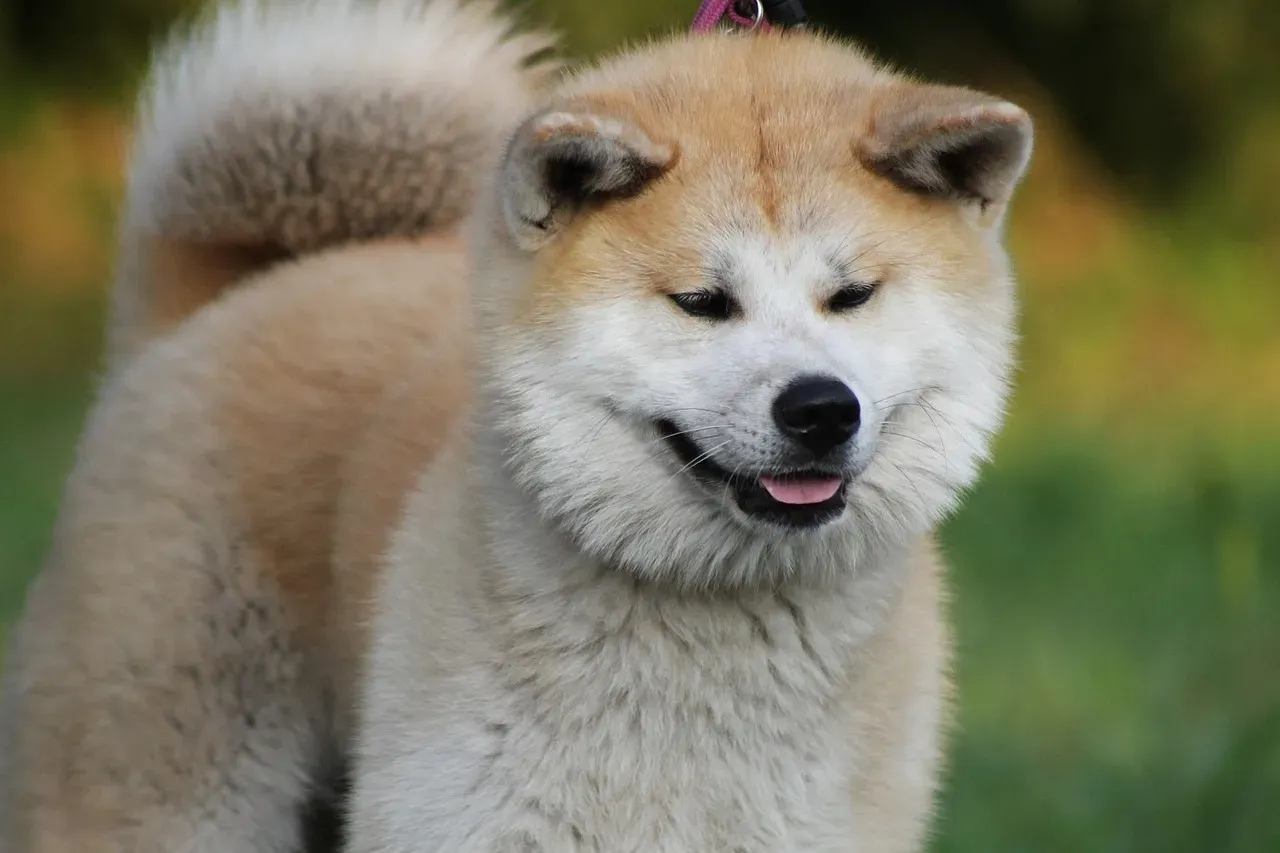
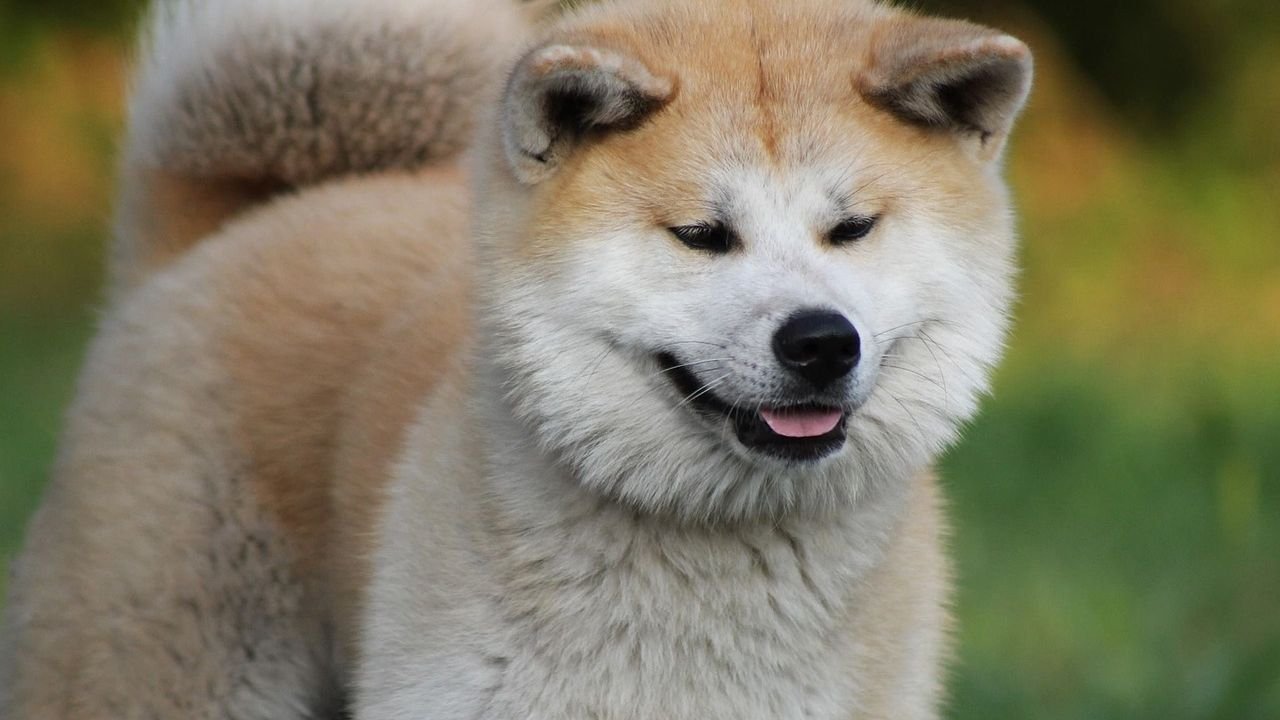
Akitas are a large dog breed originating from northern Japan where they were trained to hunt elk, boar, and even small bears, tending to be aloof and territorial with strangers while sometimes turning on their owners, combined with the maintenance required for grooming, making them a poor choice for elderly dog owners. Their imposing presence might seem like good protection, but that protective instinct can become problematic.
These dogs need firm, experienced leadership. Akitas have long fur and don’t shed all year round, but without regular grooming by skilled groomers, owners will find big piles of fur everywhere, and though they can be trained and are obedient and quiet, they aren’t a good dog breed choice for older owners.
Rottweilers Demand Strength and Experience
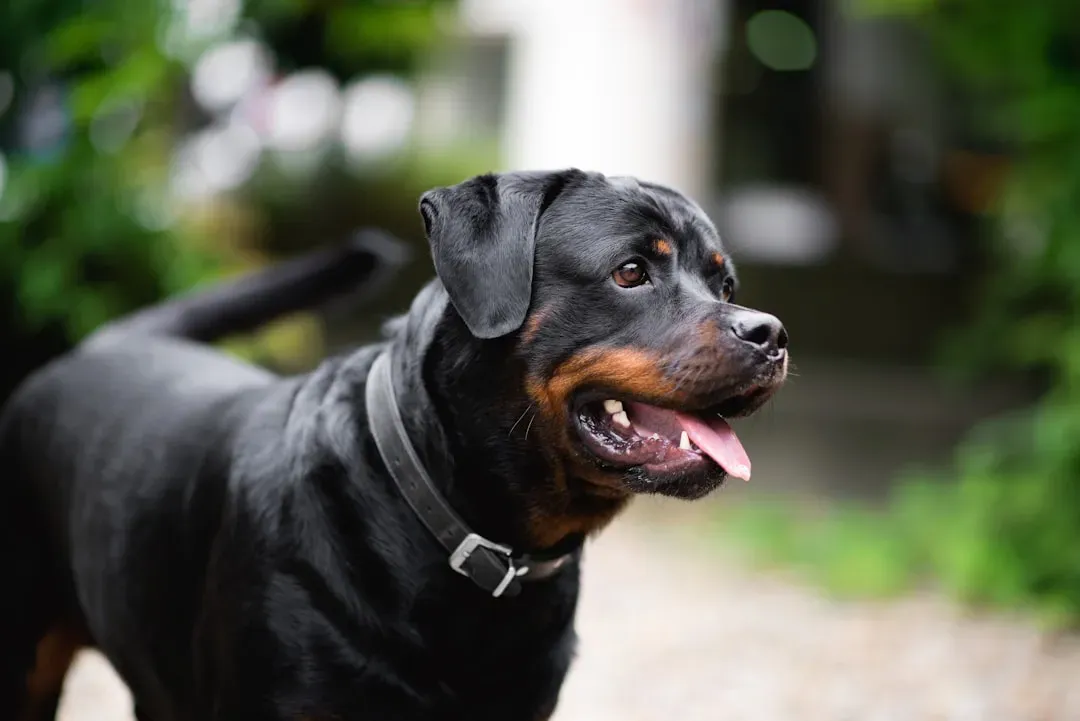
Breeds with more aggressive temperaments, such as Dobermans and Rottweilers, are generally not recommended for seniors, as these dogs can be challenging to control and may present safety concerns, especially for older individuals. Rottweilers are powerful, intelligent dogs that need confident handling from day one. Their size alone – often exceeding a hundred pounds – makes them physically challenging.
While they can be incredibly loyal family dogs, they’re not ideal for someone who might struggle with leash control or commanding presence. The physical and emotional demands can become too much for many older adults to manage safely.
Great Danes Are Gentle Giants With Practical Challenges
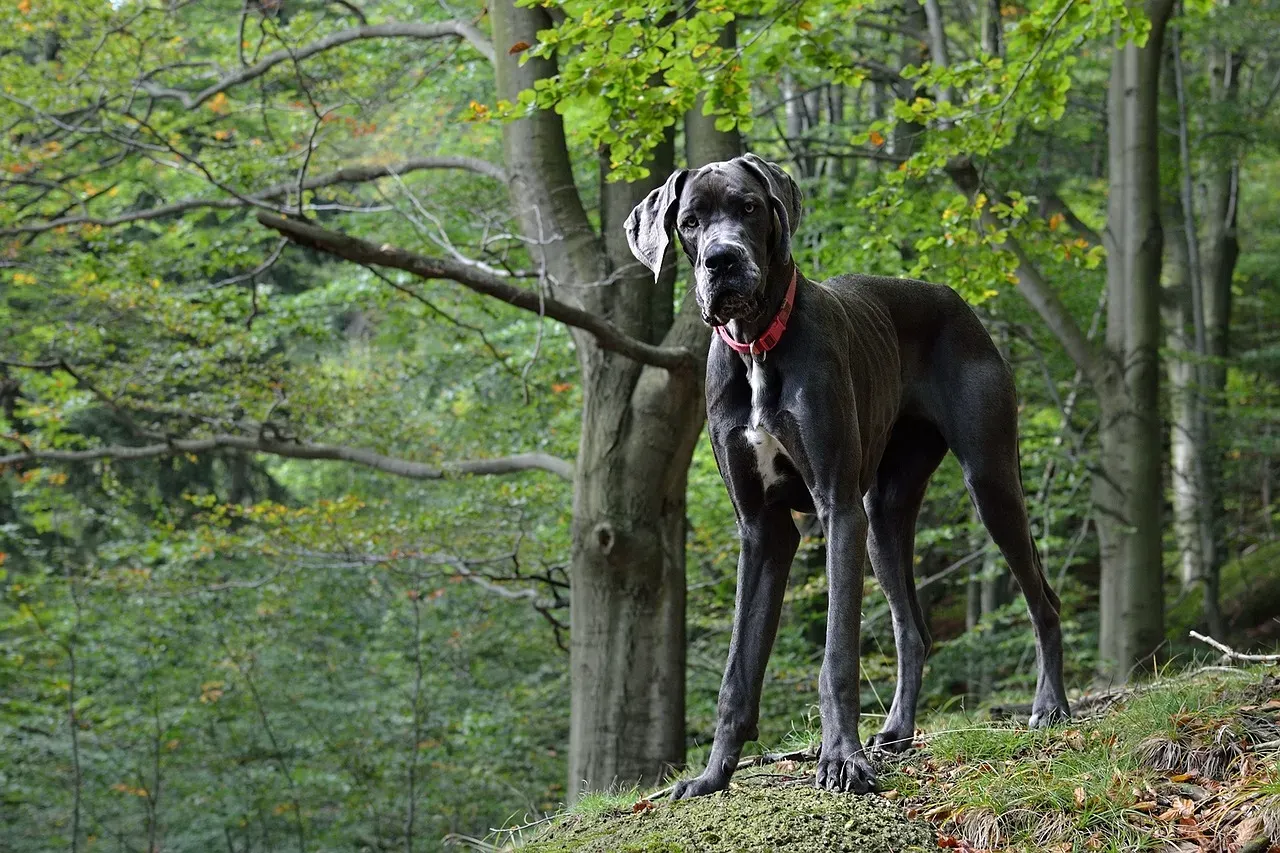
Great Danes make fantastic family pets but might not do well for seniors, and it’s no fault of their own, as Danes are one of the largest domesticated dog breeds alive, which makes them hard to handle, with full-grown Danes reaching weights up to 200 pounds. Great Danes are incredibly family-friendly dogs but aren’t aware of just how big they are sometimes, with some Danes still thinking they’re lapdogs no matter how big they get, which may be hard on the body after a while.
Their sheer size creates practical problems – veterinary bills are higher, food costs multiply, and simple tasks like helping an injured Dane into a car become near impossible. For seniors, even a gentle Great Dane can accidentally knock someone over during a moment of excitement.
Cavalier King Charles Spaniels Offer Pure Affection

The Cavalier King Charles Spaniel is one of the best small dogs for older adults, as these dogs are gentle, affectionate, and love spending time with their owners, enjoying walks and playtime but not having high exercise requirements. Cavalier King Charles Spaniels are renowned for their affectionate nature and adaptability, making them perfect companions for seniors, as these small dogs are beautiful with their silky, flowing coats and have a calm and gentle disposition, happily adapting to their owner’s lifestyle and equally enjoying a quiet afternoon nap or a gentle walk around the neighborhood.
Here’s the thing – Cavaliers just want to be near you. They’re not demanding marathons or complex training routines. A short walk, some gentle play, and lots of cuddle time satisfy them completely. They sense your mood and provide comfort without overwhelming you.
Pugs Bring Personality Without Pressure
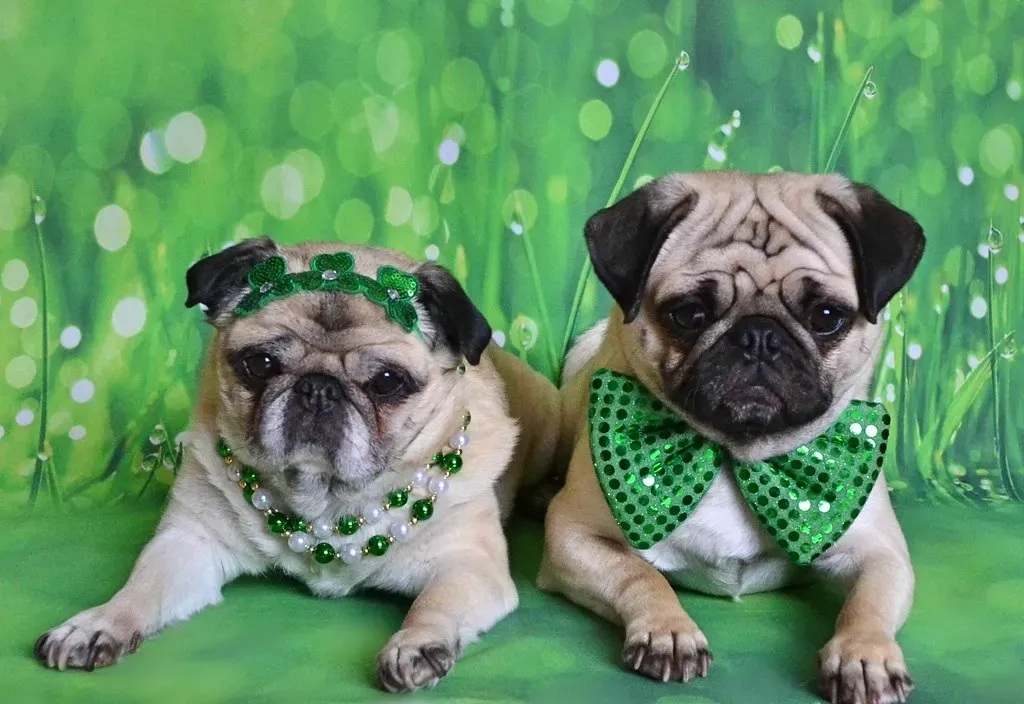
Pugs are charming little dogs with a friendly and comedic personality that can bring laughter and happiness to a senior’s life, known for their sociable nature and thriving on human companionship, generally having a laid-back attitude and preferring lounging to long walks. Pugs are playful dogs but with a calm demeanor, happily snuggling into their owners’ lap or playing with toys indoors, measuring no larger than 10-13 inches and 14-18 pounds.
Their wrinkly faces and snorting sounds add character without chaos. Pugs adapt beautifully to apartment living and match the pace of owners who prefer cozy afternoons over outdoor adventures. They’re low-maintenance beyond some basic grooming and face wrinkle cleaning.
Shih Tzus Were Literally Bred For Companionship
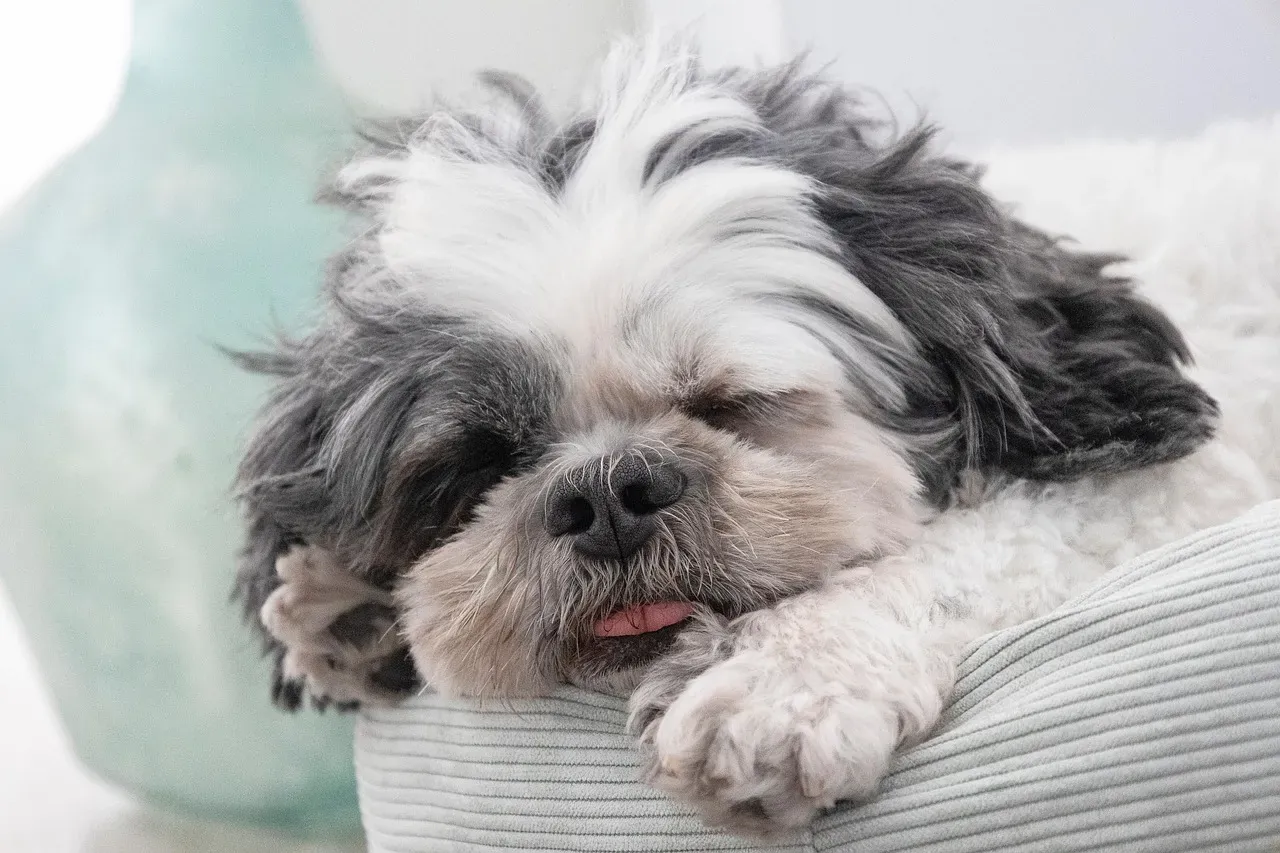
Shih Tzus are small, calm, and devoted companions, bred to be lap dogs, making them ideal for retirees looking for a loyal shadow, and while they require grooming, their exercise needs are minimal. The Shih Tzu might be just the best dog breed for seniors who want love without too much hustle, as it’s a toy breed developed initially in Tibet and treasured for its enduring loyalty and affectionate personality.
Their history as royal companions in ancient China shows in their behavior – they’re naturally content sitting beside you for hours. Shih Tzus don’t demand constant entertainment or rigorous exercise. A short daily walk and your company are genuinely enough to keep them happy.
French Bulldogs Balance Calm With Charm
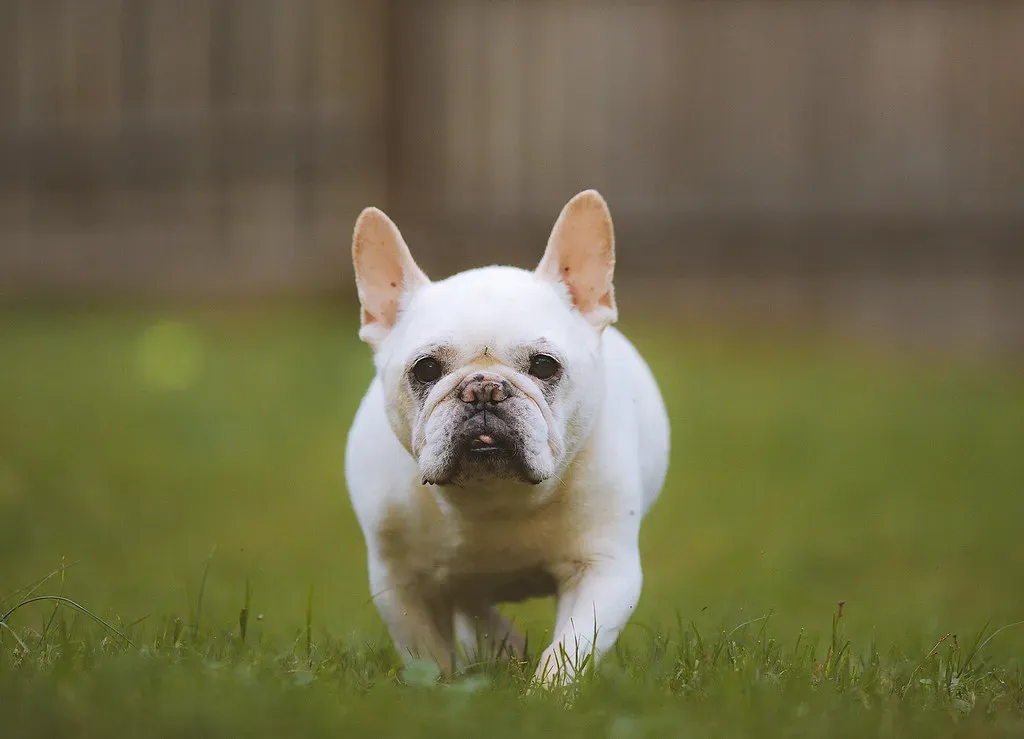
For older adults seeking a low-energy, low-maintenance dog, the French Bulldog is a perfect fit, as these dogs are loyal and friendly, with a calm temperament that suits apartment living or smaller homes. Despite their compact size, French Bulldogs are energetic dogs with alert personalities, enjoying short daily walks and gentle play sessions but equally content lounging beside their owners.
Frenchies have personality without the chaos. Their bat-like ears and expressive faces bring smiles, while their moderate needs make daily care manageable. They’re not hyperactive, yet they’re engaged enough to provide real companionship rather than simply existing in your space.
The Right Match Changes Everything
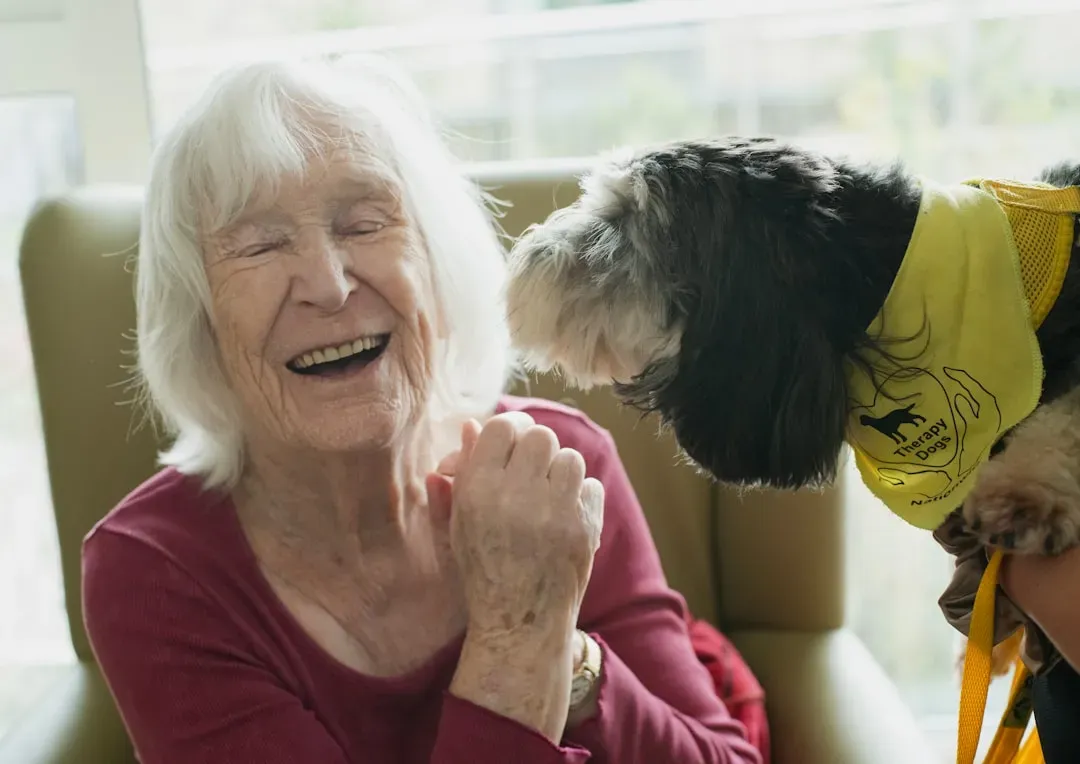
Choosing a dog in your later years isn’t about settling for less – it’s about finding the perfect match for your lifestyle. A high-energy dog will remain a high-energy dog until they are themselves a senior and will need that daily exercise and mental stimulation even if you cannot provide it, with high-energy dogs also more likely to accidentally injure their owner and having a greater chance of becoming reactive from under-stimulation.
The breeds that overwhelm often do so not from malice but from their inherent nature. They need more than many seniors can reasonably provide. Meanwhile, the comforting breeds genuinely thrive in calmer environments, forming deep bonds without exhausting their owners. The difference between overwhelmed and fulfilled often comes down to this single choice.
So what’s your take on matching energy levels between dogs and their owners? Did any of these breeds surprise you? The right companion can make your golden years truly shine – you just need to know where to look.


