

Think your peaceful apartment could accommodate a small, adorable dog? Maybe you envision lazy Sunday mornings with a sleepy pup curled beside you on the couch. The truth is, some breeds will turn that dream into a whirlwind of chewed furniture, restless pacing, and endless barking if their needs aren’t met. Size doesn’t always equal serenity.
Certain dog breeds were built for motion. They thrive on challenges, constant activity, and jobs to complete. Without the right outlet for all that energy, these dogs become frustrated, anxious, and downright destructive. Let’s be real, if you cherish a calm environment or can’t commit hours each day to vigorous exercise and mental games, these powerhouse breeds aren’t for you. Here are ten high energy companions that quiet homes should think twice about welcoming through the door.
Border Collie: The Tireless Genius
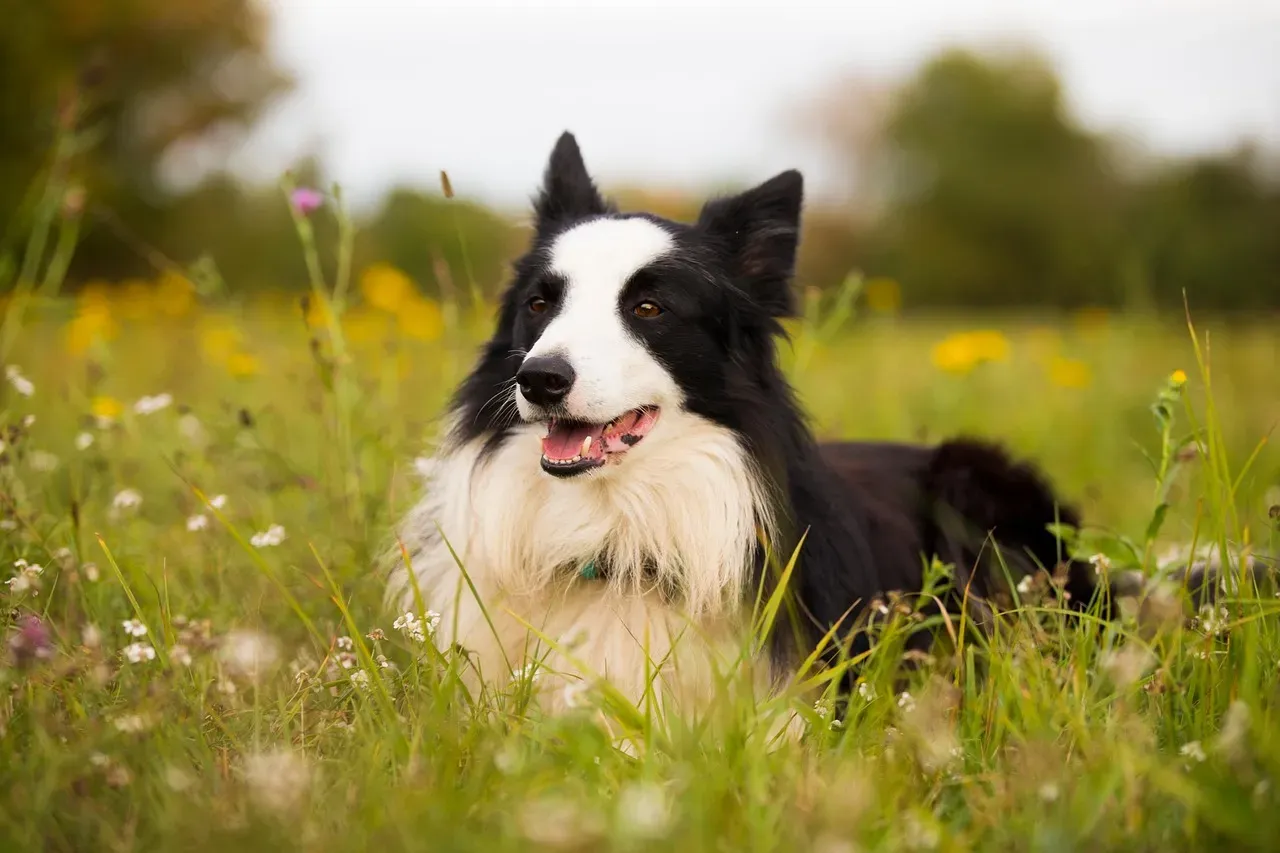
Border Collies are the Olympians of the dog world, known for their incredible intelligence and stamina while excelling at herding, agility, and obedience. Picture a dog that never switches off. These medium sized dynamos were bred to work all day on farms, and that instinct doesn’t simply vanish in a home setting.
These medium-sized dogs are highly active and are known to resort to destructive behaviors if bored or kept in a small space for too long. If you’re not providing nearly constant challenges for their sharp minds, they’ll invent their own entertainment. That might mean herding your kids around the living room or systematically dismantling your favorite shoes. Due to their herding instinct, they may herd other animals or even small children, but these loyal canines make excellent companions who are almost always down for an adventure.
Belgian Malinois: The Intense Protector
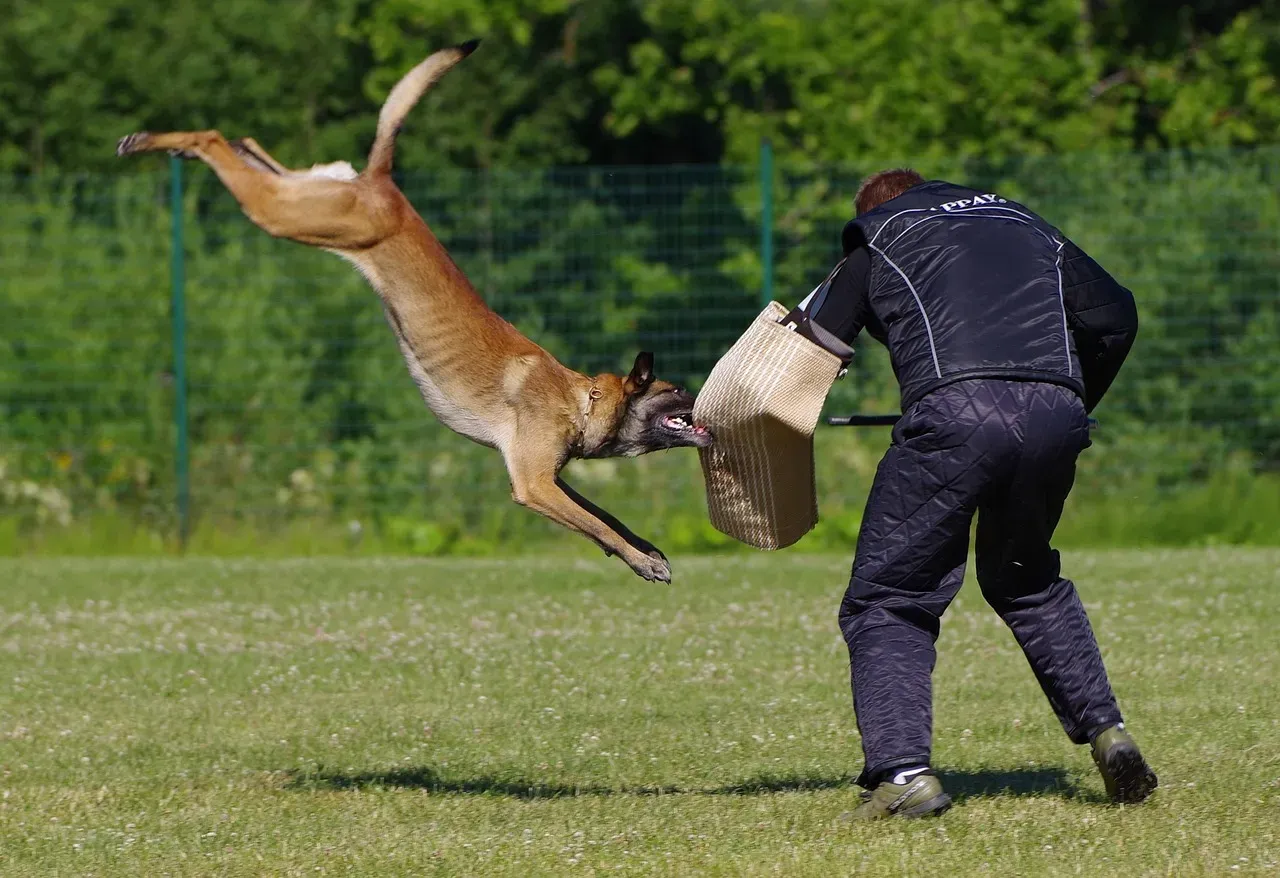
Often mistaken for the German Shepherd, the Belgian Malinois is a high-intensity breed with an incredible work ethic and is favored for police and military work thanks to their intelligence and loyalty. This isn’t a dog for the casual owner. I think it’s worth stressing that these dogs demand experienced handlers who understand their drive.
One of the defining characteristics of the Belgian Malinois is its need for rigorous daily exercise, as this breed has seemingly endless energy and thrives on high-intensity activities that engage both their body and mind. Aim for at least one to two hours of exercise each day, with activities such as running, agility training, and interactive play sessions helping to meet their exercise needs. Without that kind of commitment, you’ll witness firsthand what pent-up energy looks like in a powerful, intelligent dog.
Jack Russell Terrier: The Pocket Rocket
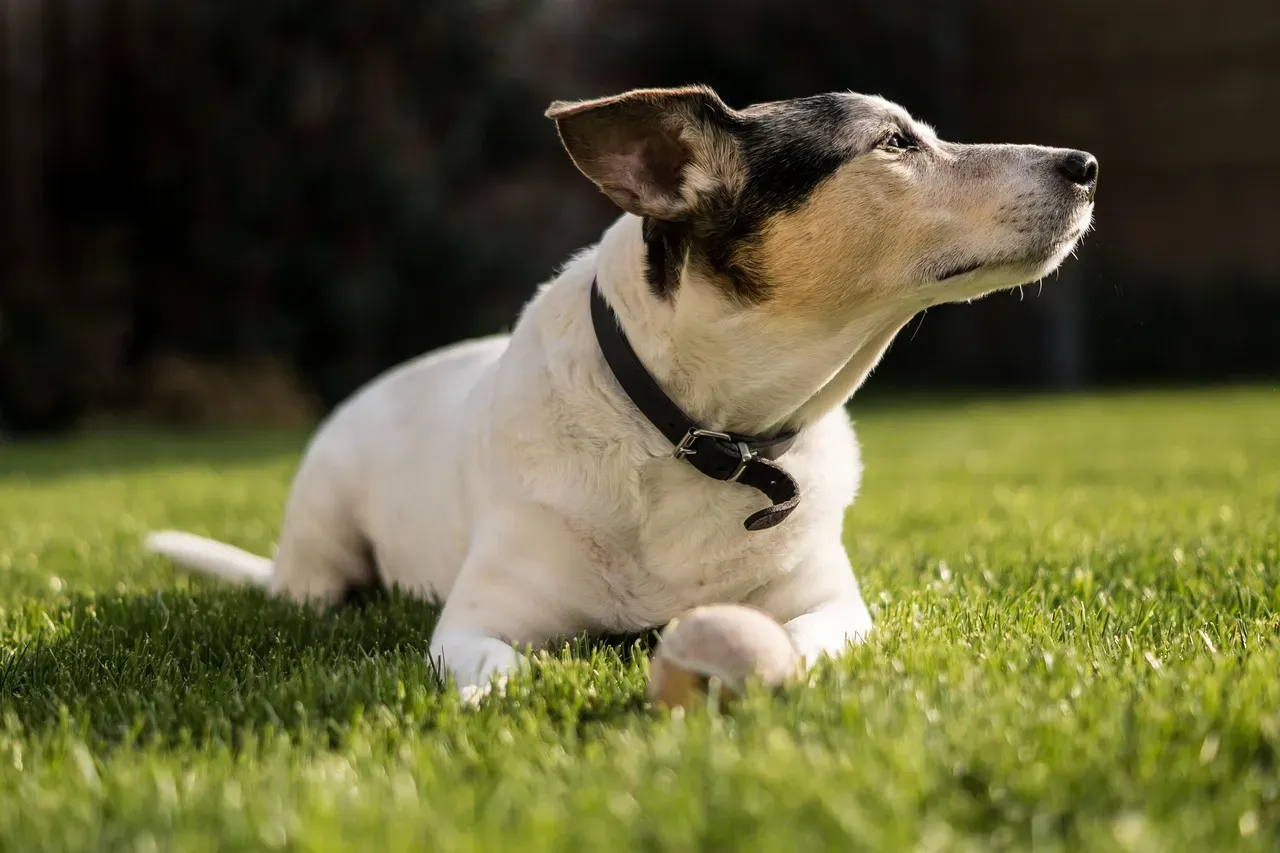
Don’t let the compact size fool you. The Jack Russell Terrier is a pint-sized dynamo with an enormous personality, as these energetic dogs love chasing, digging, and performing tricks while keeping you laughing with their antics as long as they get plenty of exercise and attention. Small apartments and Jack Russells rarely mix well.
Jack Russells are high-energy dogs and require significant exercise to keep them healthy and prevent behavioral issues, needing at least an hour of active exercise each day, which should include walks, runs, and playtime. Like other hunting dogs, they also bark and bay instinctively in response to stimuli, so take these inherited traits into consideration before selecting a Jack Russell for apartment life or a household full of ‘pocket pets.’ Their terrier instinct means they’ll bark at every noise and dig anywhere they can. Honestly, if you value peace and quiet, this feisty little terrier will test every ounce of your patience.
Siberian Husky: The Escape Artist
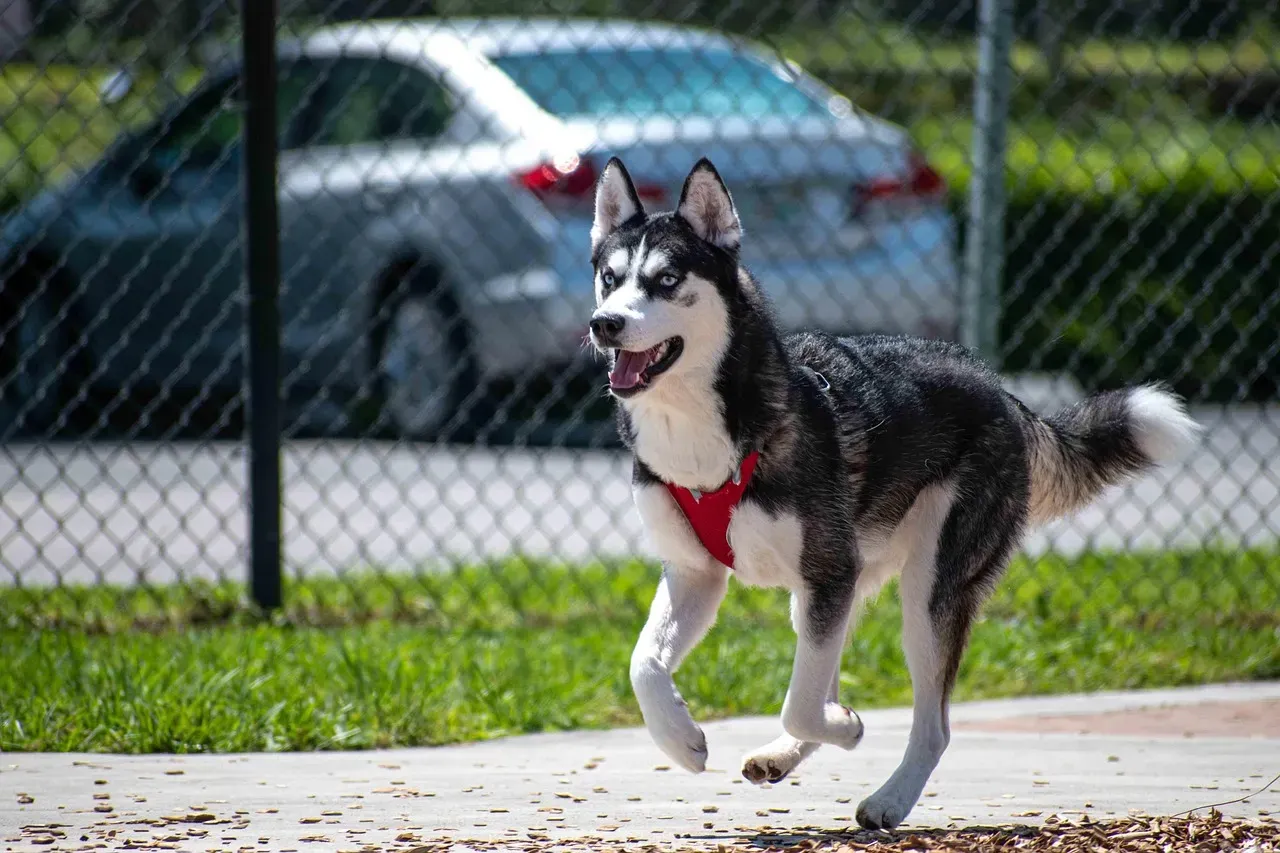
Originating in Northeastern Asia (Siberia), the Siberian Husky was designed as the ultimate winter sled dog, fueled with high endurance and speed, as these striking canines require strenuous daily exercise such as running or hiking or boredom will ensue, with Siberian Husky behavior, especially when under-stimulated, being challenging to navigate for the first time dog owner. These dogs are stunning, sure, but they’re also relentless.
Huskies require at least two hours of vigorous exercise every day, as these strong dogs need good workouts like running or hiking and also require mental stimulation to prevent boredom and destructive behavior. Huskies are independent and stubborn in nature, making them among the hardest dogs to train, although the rewards often outweigh the challenges as this energetic dog breed is extremely affectionate, playful, and undeniably gorgeous. If your idea of exercise is a gentle stroll around the block, a Husky will make you rethink everything.
Australian Shepherd: The Workaholic

Australian Shepherd was bred and known for its herding capabilities, intelligence, and exceptional agility sport performance, while Aussies run the risk of developing behavioral issues, they are very trainable with consistency and positive reinforcement. These dogs need a purpose beyond just existing in your home. They were designed to herd livestock across vast ranches, and that drive doesn’t diminish indoors.
These powerful and energetic dogs need at least two hours of physical and mental exercise daily, and while walking and learning tricks keep them happy, they will always require more challenging hikes and exciting playdates with their friends to thrive. Without structured activities and regular training sessions, an Australian Shepherd will quickly become your biggest headache. Their energy is so persistent that even after a long walk, they might still be ready for another round of play.
Dalmatian: The Endurance Runner

This energetic breed originated in Croatia’s Dalmatia region and served not only as essential guard dogs but also as guides for horse-drawn fire engines, as the Dalmatian was used for its composure in stressful situations and its intellect, while these adorably spotted pups are not easy to own, their highly independent nature requires consistent training, early socialization, and one to two hours of daily exercise, with runners and cyclists considering owning Dalmatians for their impressive endurance.
These dogs are built to run alongside carriages for miles. If you’re not equally active, this breed will bounce off the walls. Their independent streak also means they need firm, consistent training from day one. A quiet household simply won’t satisfy their need for constant motion and challenges.
Weimaraner: The Shadow Dog
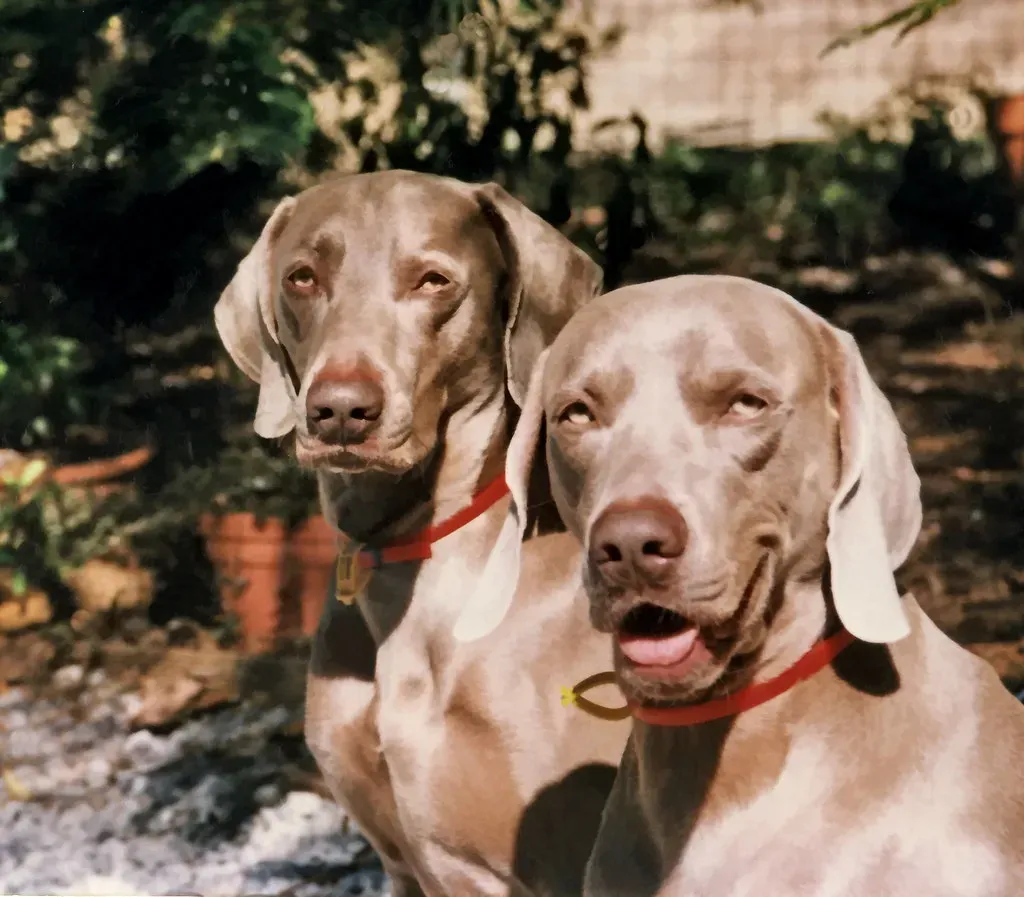
The German-grown hunting dog breed, referred to as the Weimaraner, holds a stunning silver coat as one of its defining characteristics, and with its hunting roots, this high energy canine needs frequent stimulation, with activities such as running and hiking sufficing on the physical side, but mental exercises like agility and training being required as well.
These sleek, elegant dogs are velcro pets. They want to be with you constantly, which sounds sweet until you realize how demanding that truly becomes. Here’s the thing: a Weimaraner without adequate exercise and companionship will develop severe separation anxiety. They’ll howl, chew, and destroy your belongings in protest.
Vizsla: The Velvet Speedster

Copper in color and energetic in nature, the Vizsla is a gorgeous variant of the Pointer dog breed, originating in Hungary, as these dogs were bred to hunt using their exceptional stamina and intelligence, similar to Weimaraners, Vizslas are extremely affectionate and thrive in the company of their human family, so it is especially important to not leave them alone for extended periods of time, while this high energy hunting dog needs early consistent training, frequent play time, and daily physical activity.
Vizslas form incredibly strong bonds with their people. They’re loving, gentle, and incredibly loyal, but they demand nearly all your time and attention. The Vizsla breed requires at least an hour of vigorous exercise daily, as they thrive on activities like running, hiking, or playing fetch. In a quiet home where they’re left alone for long hours, a Vizsla will suffer emotionally and act out behaviorally.
German Shorthaired Pointer: The Versatile Athlete
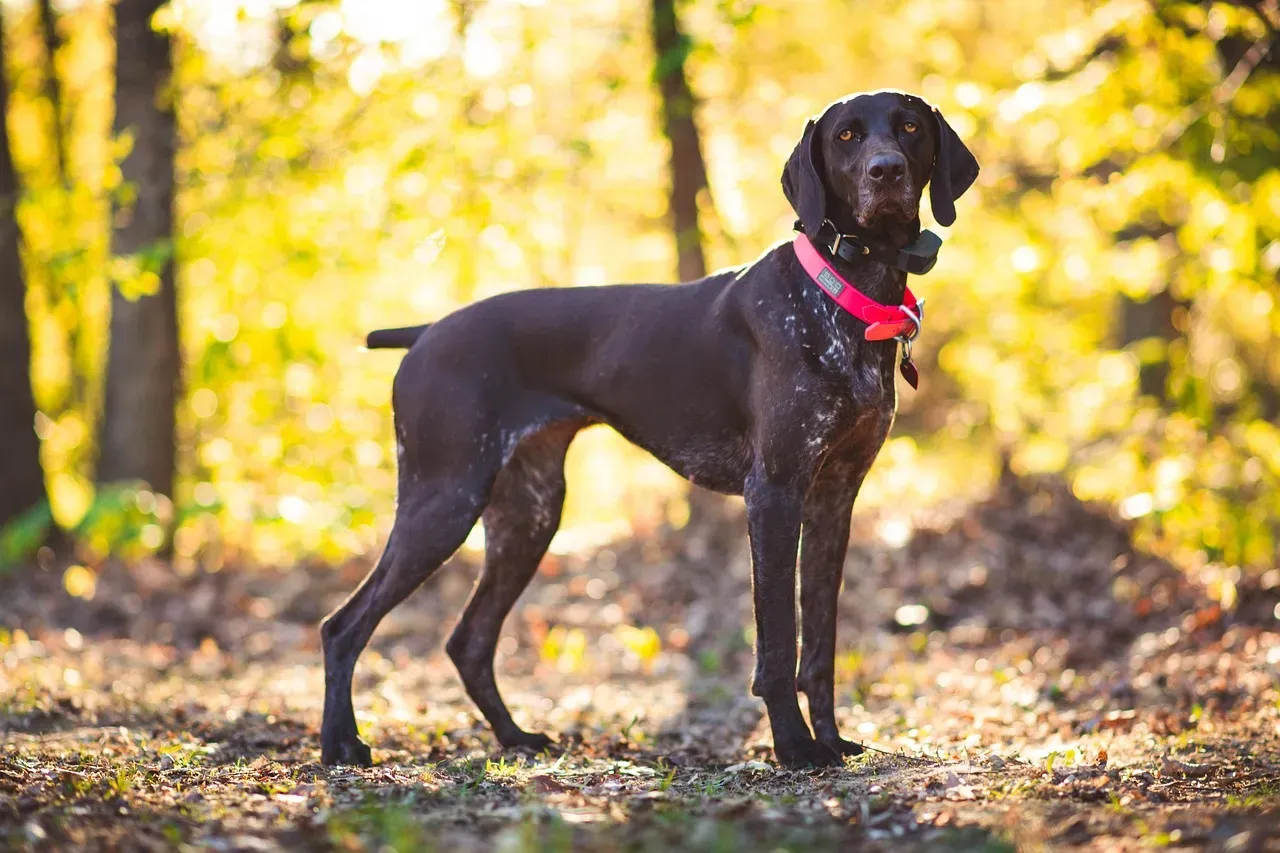
The German Shorthaired Pointer is a highly intelligent dog with almost unlimited energy, skilled in pointing, tracking, and retrieving and even excelling in dog sports like agility and obedience. These dogs were bred for all-purpose hunting, which means they possess incredible versatility and stamina.
You will want to aim for one to two hours of daily exercise when you own a German Shorthaired Pointer, as they are active dogs with plenty of energy and can become destructive if bored, spreading the activity over several sessions throughout the day to help make it easier to manage and provide plenty of mental stimulation, like puzzles and interactive toys, while they enjoy hiking, biking, swimming, and playing fetch in open spaces. Without that level of engagement, they’ll make their boredom your problem.
Australian Cattle Dog: The Tenacious Herder

The Australian Cattle Dog, or ‘Blue Heeler,’ is a tough, agile breed originally bred for herding livestock, with endless energy and sharp problem-solving skills, they do best in active households, and are fiercely loyal and form strong bonds with their owners, but don’t be surprised if they try to ‘herd’ your family members too.
These muscular, compact dogs are relentless workers. They were designed to manage cattle across harsh Australian terrain, and that toughness translates to a dog that won’t quit. In other words, if you’re on the lookout for a marathon training buddy, look no further than the Australian Cattle Dog, as these medium-sized dogs are smart, athletic, and known for being excellent running partners, while like other high-energy and intelligent dogs, they may become bored or destructive if left alone for too long. A peaceful, sedentary lifestyle will drive them crazy.
Conclusion
Choosing a dog is one of the most rewarding decisions you’ll ever make, but it’s also a serious commitment. Without enough exercise and mental stimulation, these dogs tend to channel their energy into destructive behaviors like chewing or excessive barking. If you love tranquility, work long hours, or simply don’t have the time for multiple hours of daily activity, these breeds will challenge you in ways you might not expect.
That doesn’t mean they’re bad dogs. Far from it. In the right hands, with the right lifestyle, these energetic breeds are loyal, brilliant, and endlessly entertaining companions. The key is honest self-reflection about what you can truly offer. So, what kind of home do you really have? Are you ready to match their intensity, or would a calmer breed suit your lifestyle better? Tell us in the comments what you think.


