
Your Dog Can Understand Your Moods Better Than You Think – Here’s How
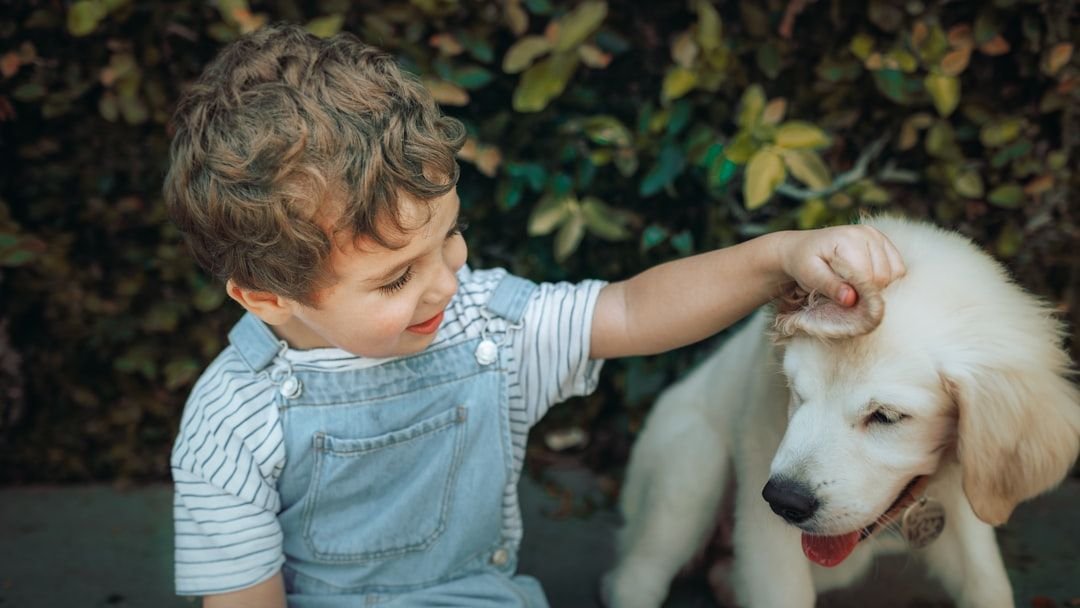
You walk through the door after an awful day at work, face tight, shoulders slumped. Before you even kick off your shoes, your dog is already there. Not bouncing. Not demanding attention. Just there, with those soft, knowing eyes fixed on yours. How do they do that?
It’s not magic or some mystical connection, though it certainly feels that way. Dogs possess an extraordinary ability to read our emotions, one that goes far deeper than most people realize. They’re not just reacting to your bad mood. They’re actively deciphering it through a complex web of sensory cues we barely understand ourselves.
They’re Reading Your Face Like a Book

Dogs truly recognize emotions in humans, and they do it in ways that might surprise you. Dogs can recognize individual humans and distinguish between basic facial expressions, such as anger or happiness, just by facial features. Think about that for a moment. Your pup isn’t just guessing based on whether you’re smiling or frowning.
They can even identify happy or sad faces when they only see part of the face, isolating features like eyebrows and mouths to piece together your emotional state. Dogs show a subtle right-hemisphere bias when processing emotional cues, tending to gaze toward the left side of a human’s face when assessing expressions, the same pattern seen in humans and primates. It’s hard to say for sure, but they might be more tuned in to your expressions than your best friend.
Your Voice Tells Them Everything
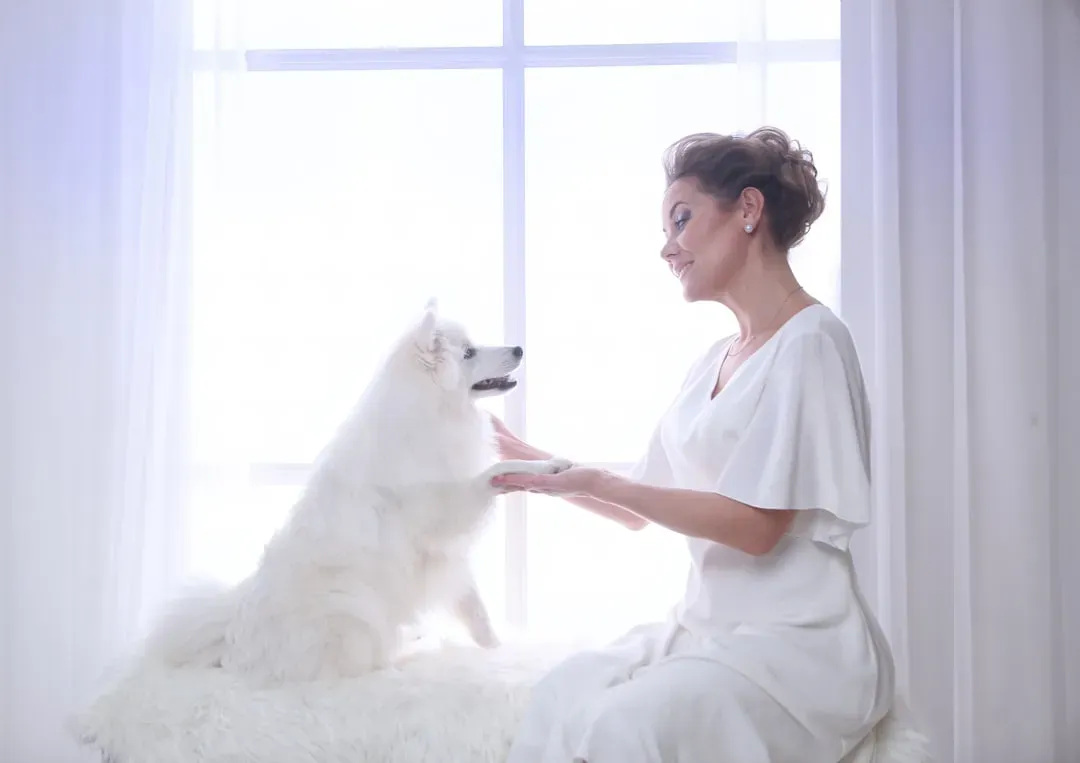
Words matter less than you think. Honestly, it’s the way you say something that your dog picks up on first. They can observe your facial expressions and body language and listen to the tone of your voice.
A cheerful, high-pitched “Good boy!” with a relaxed posture sends a very different message than a stern shout with rigid body language. Research revealed that dogs’ brains light up in ways similar to humans when they hear human voices, suggesting shared emotional processing mechanisms. Your tone, volume, and even the words you choose all weave together into an emotional tapestry your dog can instantly decode.
They Can Actually Smell Your Stress

Here’s where things get fascinating. Research showed that dogs can detect stress from sweat and breath samples alone. Let’s be real, that sounds almost unbelievable. Dogs can detect when humans are experiencing stress, with studies testing whether baseline and stress odours were distinguishable to dogs.
Dogs can even sniff out emotions, with a 2018 study showing dogs exposed to sweat from scared people exhibited more stress than those smelling relaxed samples. Your anxiety smells unpleasant to your dog, whereas your relaxed happiness can put them at ease. So when you’re anxious before that big presentation, your dog knows it before you’ve said a single word.
They Mirror Your Stress Levels Over Time
The connection between you and your dog runs deeper than momentary mood detection. For the first time, research reveals an interspecific synchronization in long-term stress levels between dogs and owners. Owner’s personality rather than dog’s personality affects hair cortisol concentration, suggesting dogs mirror the stress of their owners.
This isn’t just about picking up on a bad day. Short-term stress seems contagious between dogs and owners, and the fact that dogs share their owners’ everyday life could lead to an interspecific long-term stress hormone synchronization. If you’re chronically stressed, your dog is likely experiencing elevated stress hormones too. That’s a sobering thought.
Your Mood Actually Changes Their Behavior
Your stress impacts your dog’s well-being, influencing their emotions and the decisions they make. Dogs were more hesitant to approach a bowl in an ambiguous location after smelling the odor of a stressed stranger, becoming more pessimistic about potential rewards.
When stress odor was present, dogs were less likely and slower to approach a bowl they were uncertain contained a treat, suggesting being stressed around your dog may negatively affect your dog’s mood. This means your emotional state doesn’t just register with your pup. It actively shapes how they see and interact with their world.
The Bond That Made This Possible
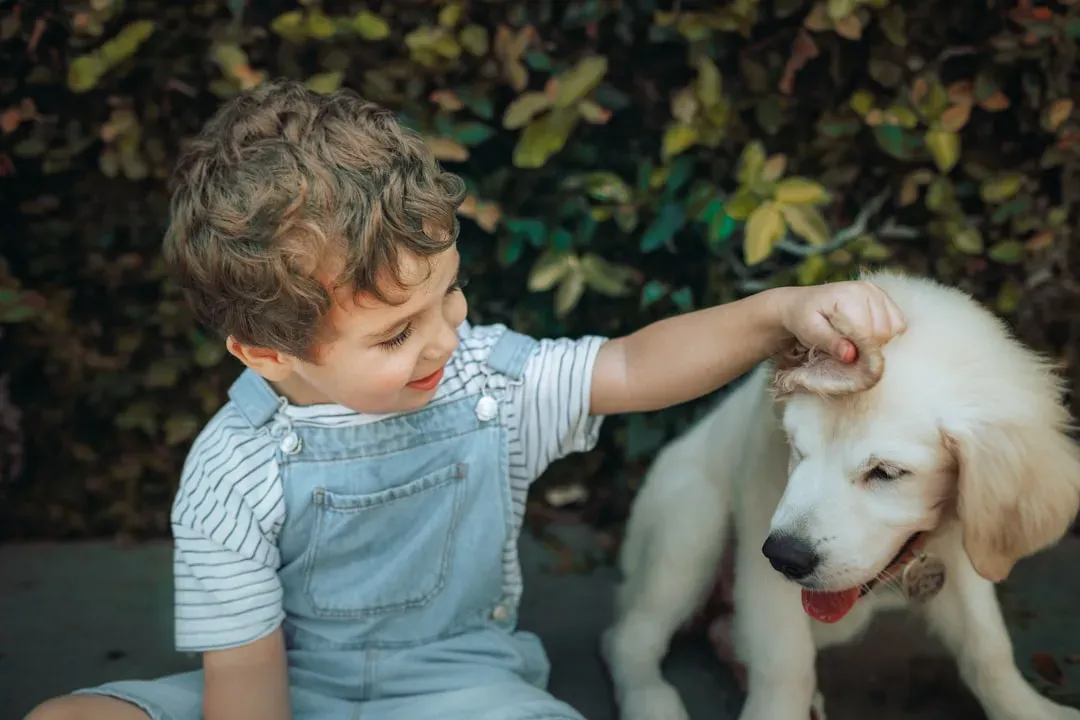
People and dogs have been living intimately with each other for at least 14,000 years, and in that time, dogs have learned plenty about getting along with humans. Thousands of years living as our companions have fine-tuned brain pathways in dogs for reading human social signals.
Dogs have smaller brains than wild wolf ancestors, but domestication may have rewired their brains to enhance social and emotional intelligence, with breeding for friendliness enhancing brain pathways that help them form bonds. When dogs and humans make eye contact, both experience a surge of oxytocin, the bonding hormone. Your dog isn’t just observing you from the sidelines. They’re chemically and emotionally invested in your wellbeing.
Conclusion

So the next time your dog curls up beside you when you’re feeling low, remember this isn’t coincidence. They’ve detected your stress through scent, read the tension in your face, heard the strain in your voice, and adjusted their behavior accordingly. Their ability to understand your moods is woven into thousands of years of shared history and reinforced every single day you spend together.
The real question isn’t whether your dog understands your moods. It’s whether you’re paying enough attention to understand theirs in return. What would you notice if you watched your dog the way they watch you?