
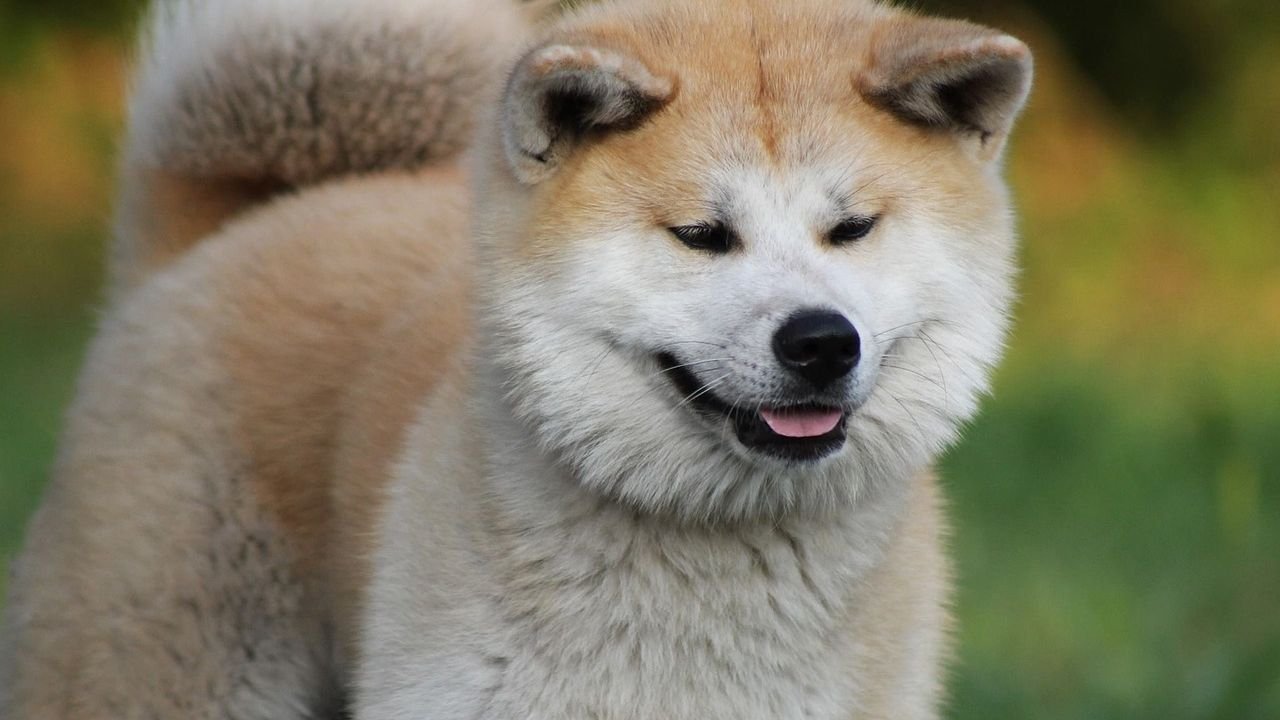
There’s something truly magical about finding a dog whose temperament matches your lifestyle perfectly. Some dogs are born with hearts as soft as their coats, ready to curl up beside you after a gentle stroll. Others? Well, they carry a spark that demands patience, consistency, and a steady hand.
Understanding these differences is one of the most generous things you can do for a dog. It’s not about labeling breeds as good or bad. It’s about recognizing their nature, respecting their history, and giving them what they need to thrive. Let’s dive into the world of canine temperament, where sweetness meets spirit and every personality has its place.
Golden Retriever: The Quintessential Family Friend
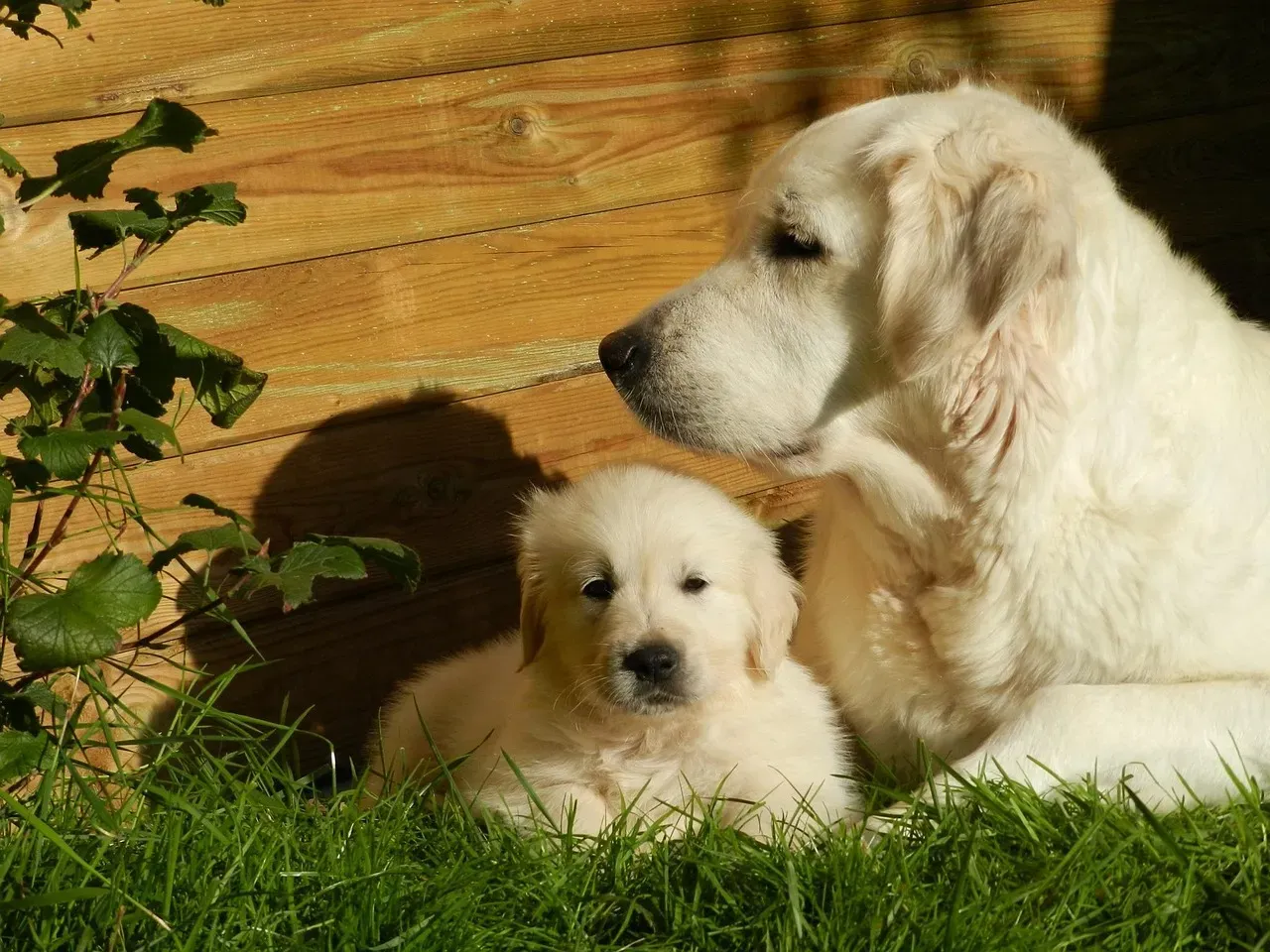
Golden Retrievers are easy-going, affectionate and playful, but gentle with children, making them an ideal family dog. There’s a reason this breed consistently tops popularity lists worldwide. I think what truly sets them apart is their ability to adapt their energy to match their family’s needs.
A mature Golden Retriever that’s emotionally and physically satisfied is most likely going to be calmer than a puppy of the same breed. These dogs were originally bred to retrieve waterfowl with a soft mouth, meaning they wouldn’t damage the bird. That inherent gentleness translates beautifully into family life today. They respond well to positive reinforcement and genuinely seem to crave your approval.
Cavalier King Charles Spaniel: Royalty In Spirit And Temperament
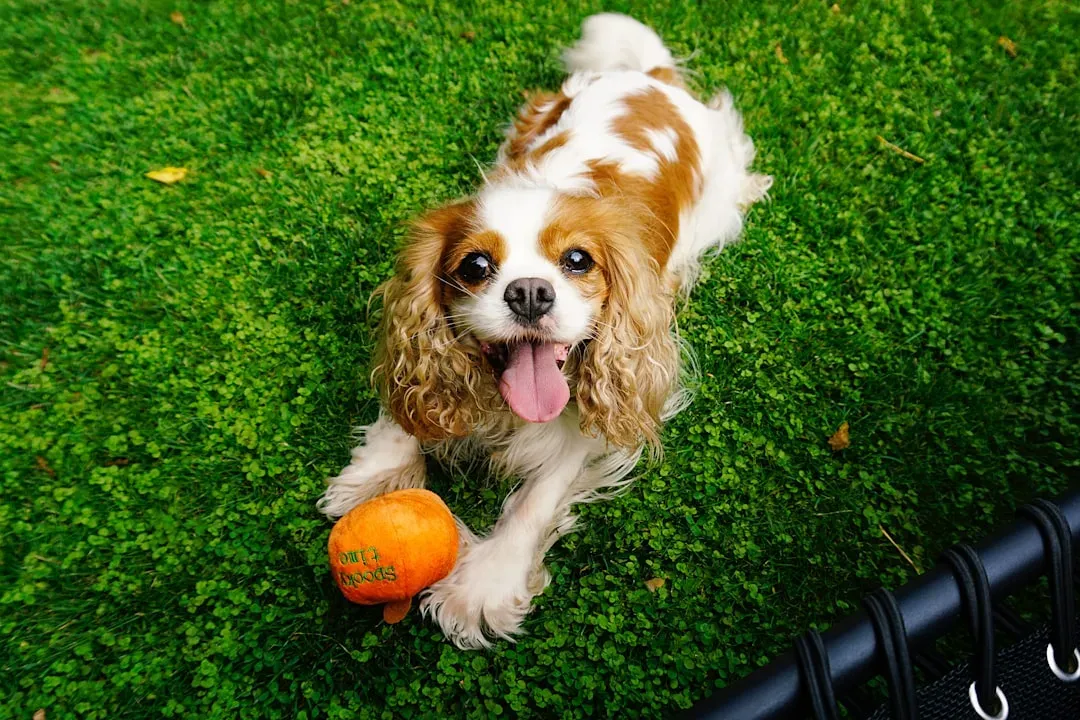
Dating back to Renaissance times, the Cavalier King Charles Spaniel is known for their prestigious nobility and gentle demeanor, bred through generations of royals like King Charles I and his son Charles II. Their sweet expression and round eyes make them hard to resist, honestly.
They’re small, quiet and have those big puppy dog eyes that exude calmness, and as a low-stress dog breed, Cavalier King Charles Spaniels are gentle, affectionate and naturally suited to providing emotional support. These little companions thrive on closeness with their humans. They’re perfectly content nestling beside you for hours, offering quiet companionship without demanding constant activity.
Newfoundland: The Nanny Dog With A Heart Of Gold
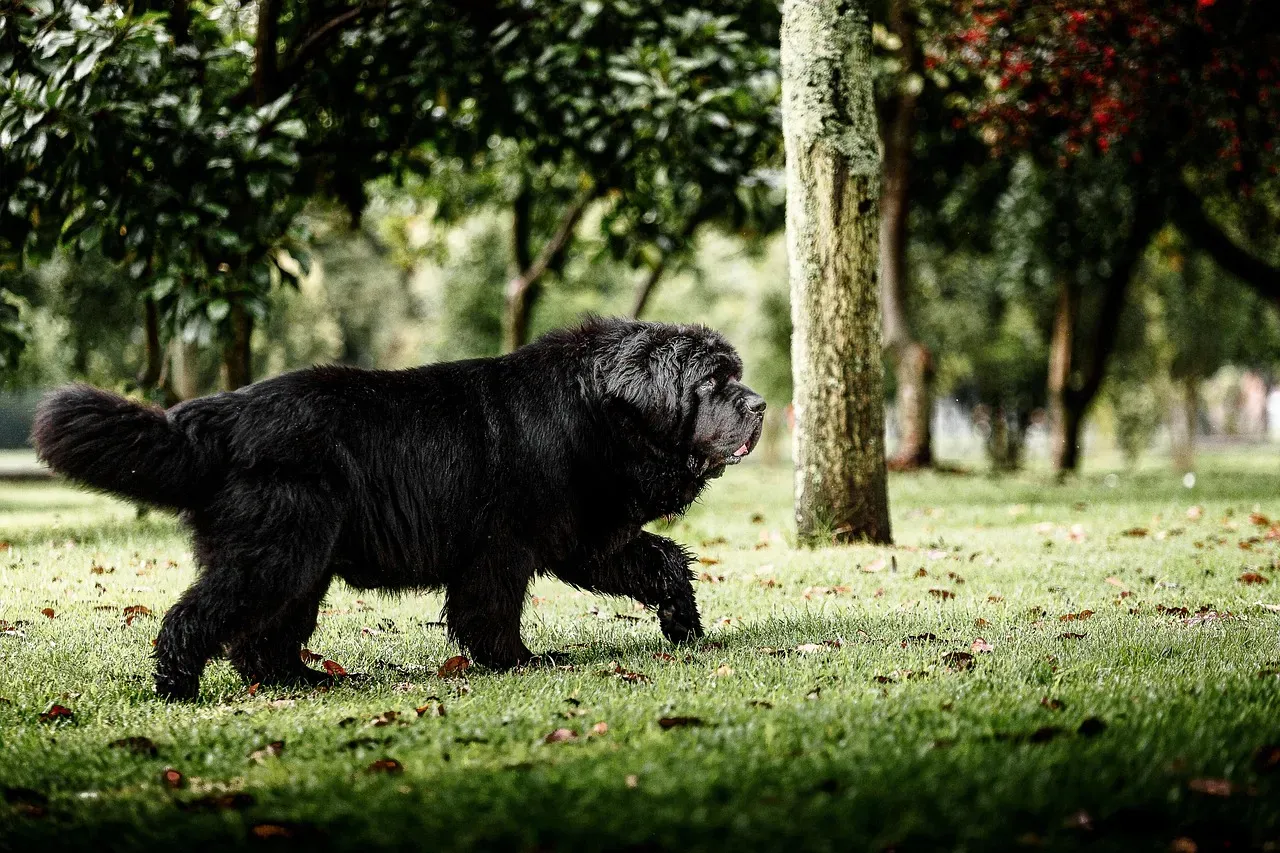
The Newfoundland is dubbed “the nanny dog,” and you won’t find a more devoted and empathetic fan of your kids. Despite weighing over a hundred pounds, these gentle giants are remarkably patient and protective.
Newfies are 100-plus pounds of fur and drool, but people who are fans of the breed love the affectionate and good-natured temperament of these dogs, as they love kids and are easy to train. Their calm stoic demeanor makes them wonderful companions, especially for families. Still, their size means training should start early so they learn proper manners around smaller children.
Irish Wolfhound: Gentle Giants With Tender Hearts
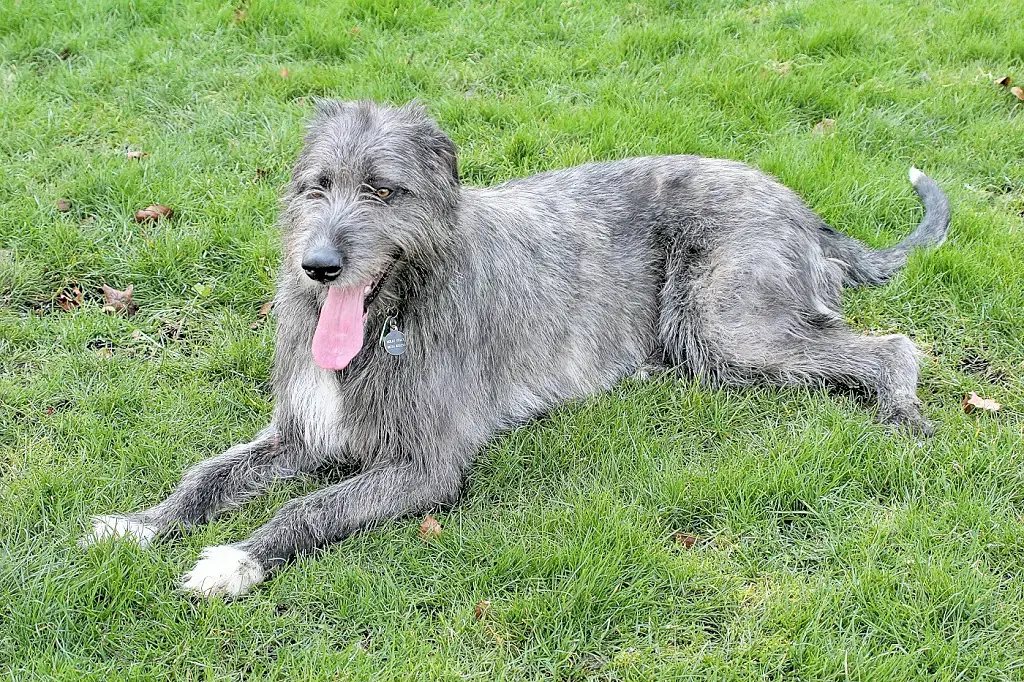
Irish Wolfhounds learn quickly due to their incredible intelligence and are both calm and sensitive to the emotions of humans, making them qualified for a wide range of therapy work. These towering dogs may look imposing, yet their hearts are incredibly soft.
Their slow, steady energy can be incredibly grounding for anxious people, and as one of the most comforting dog breeds, the Irish Wolfhound is known for its gentle, almost therapeutic presence. They’re affectionate with their families and rarely display aggressive behavior. However, families with very young children should supervise interactions, simply because their size can lead to accidental bumps.
Basset Hound: The Laid-Back Sniffer
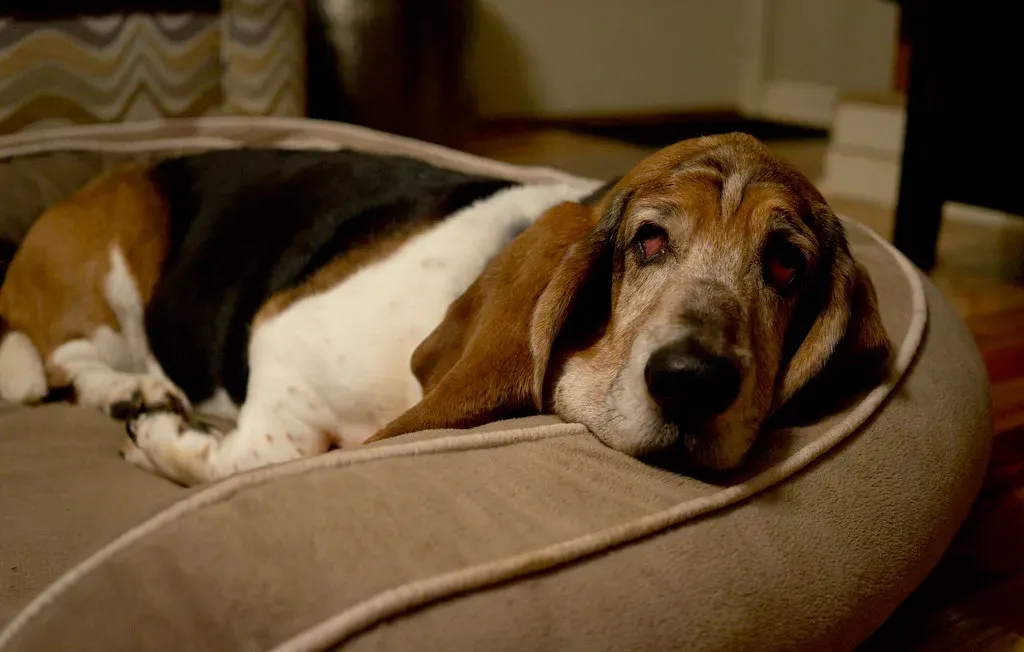
The Basset Hound is a calm, gentle dog breed that’s adaptable to new surroundings and content with moderate exercise. With those droopy ears and soulful eyes, they practically ooze tranquility.
Their best asset besides being amazing companions is their incredible nose. Their energy levels tend to veer more toward couch potato vibes so, when you’re looking to kick back after a long day, your Basset Hound will be happy to join in and cuddle with you. They’re low-intensity dogs who enjoy sniffing around at their own pace rather than running marathons.
Greyhound: The Couch Potato Sprinter
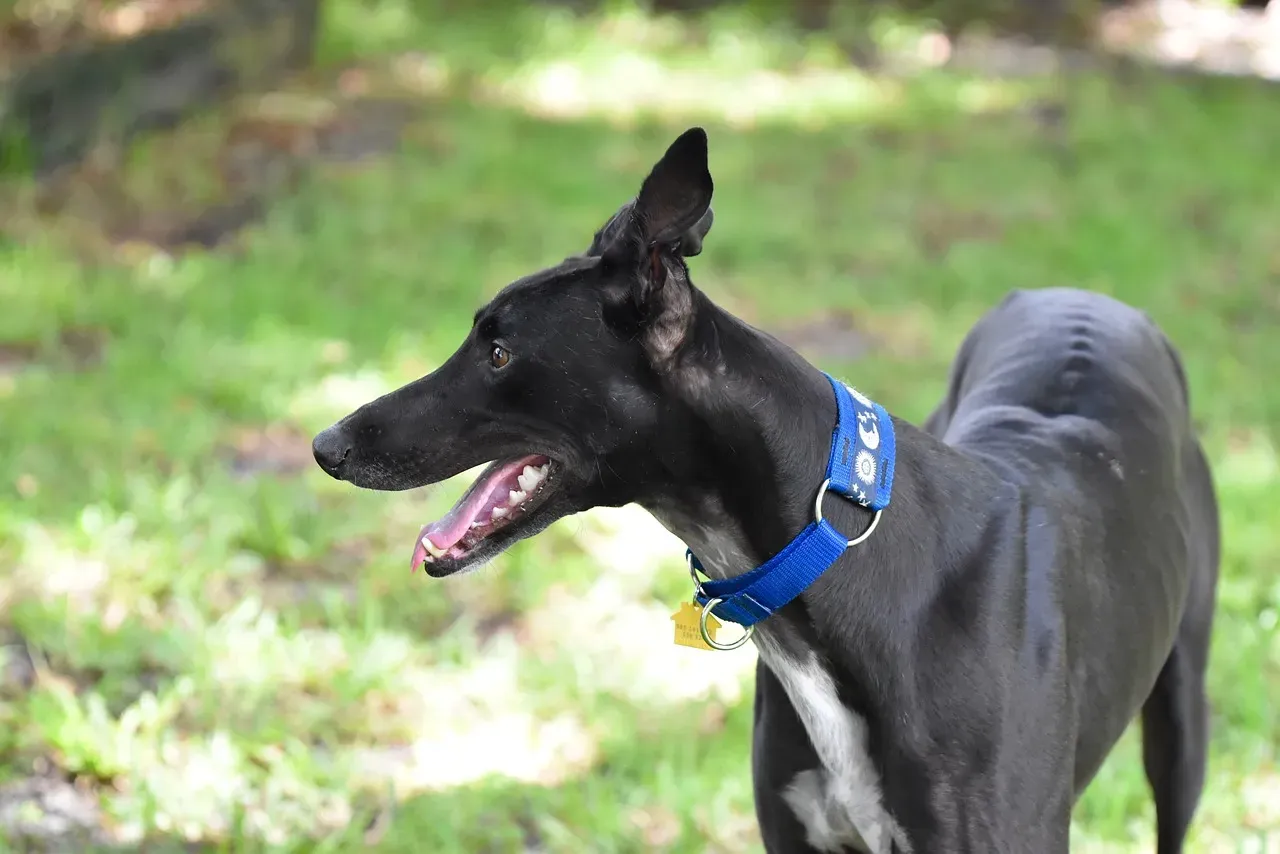
Here’s something that surprises most people: Greyhounds are content to just laze around the house, and this gentle, calm breed is just as happy on the couch as they are sprinting and doesn’t need excessive exercise. Despite their racing background, retired racing Greyhounds often become wonderfully mellow house pets.
Greyhounds are often called “couch potatoes,” and their calm indoor nature surprises many people as they are typically quiet, polite, and sensitive to harsh tones, which makes them a strong match for gentle households. They may be timid with new people at first, requiring patient socialization.
Pug: The Charming Little Shadow
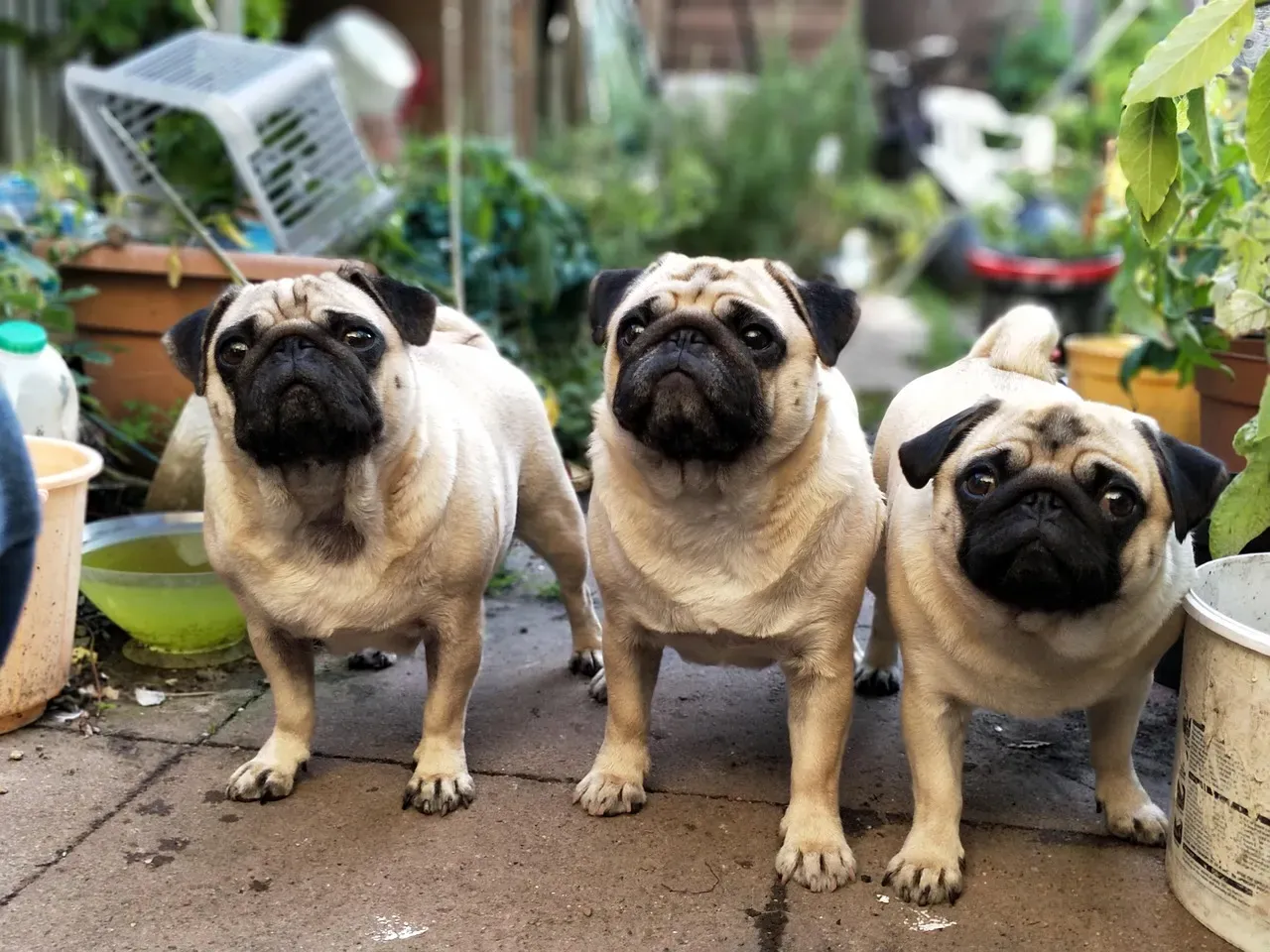
Because they were bred primarily as companion dogs, Pugs adapt beautifully to slower, quieter lifestyles, as they don’t demand intense exercise and are content with short walks and plenty of indoor relaxation. These wrinkly-faced darlings have a knack for turning strangers into friends.
Their gentle, even-tempered nature also means they’re rarely reactive, as Pugs tend to greet guests with curiosity rather than alarm and are often happiest simply being near their people. They settle down easily after playtime and offer emotional comfort without overwhelming demands. Just be cautious in extreme heat due to their flat faces.
Bernese Mountain Dog: Soft Souls In Sturdy Bodies
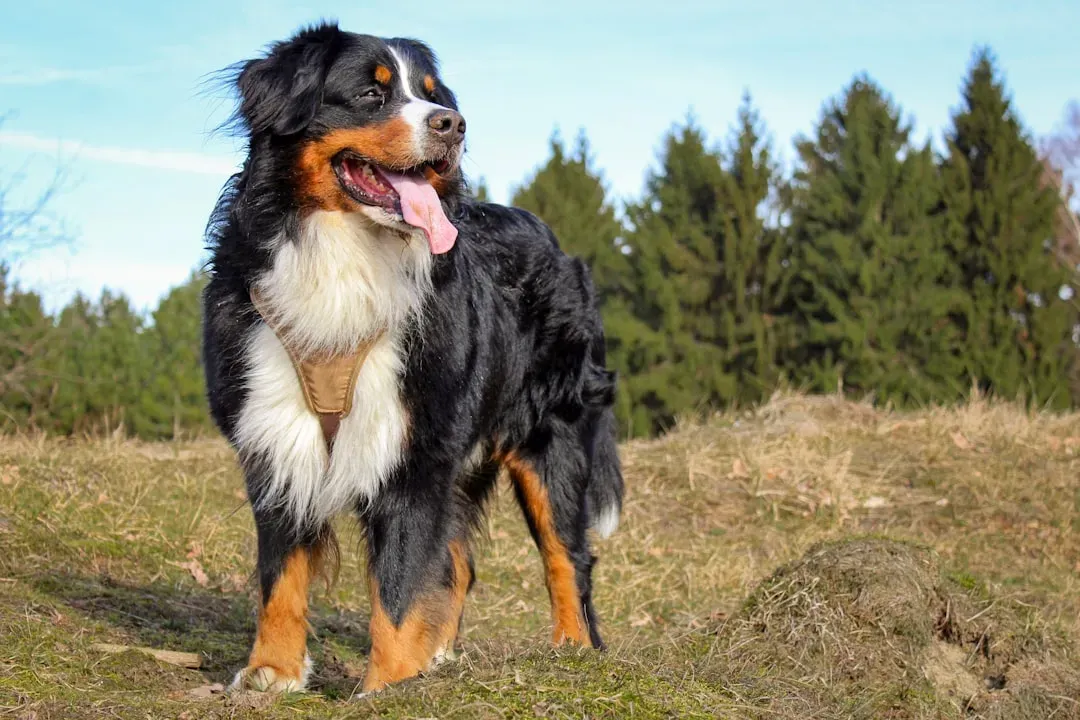
These majestic, large dogs from Switzerland possess a serene and even-tempered nature that endears them to many, as their calmness is one of the Bernese Mountain Dog’s most prominent traits. They rarely display hyperactive behavior indoors.
These dogs have a calming influence and often get along well with other dogs. Bernese Mountain Dogs are affectionate, loyal, and often naturally gentle in how they interact with people. They prefer being by their family members’ sides as often as possible, making them devoted companions for those who can accommodate their size.
Great Pyrenees: Patient Protectors

The Great Pyrenees is indeed great, as they are a massive dog about 100 pounds but gentle. The Great Pyrenees Club of America notes their absolute intolerance of all predators, coupled with extraordinary patience and kindness to stock, meaning they are patient, calm and gentle with those they love.
Their zen-like manner and lush coat are better than any teddy bear. They were bred to guard livestock, so they’re naturally protective yet incredibly kind toward family members. Their imposing size requires early training to ensure safe interactions with everyone.
Siberian Husky: The Independent Free Spirit
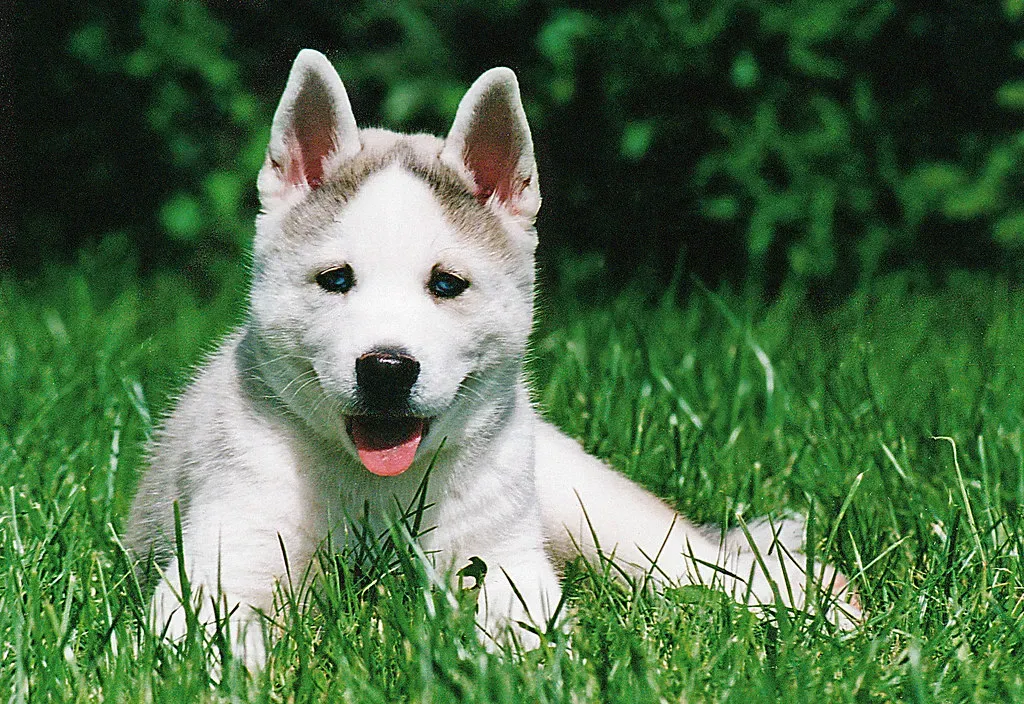
Now we shift gears to breeds that require a firmer, more consistent approach. Siberian Huskies are known for their gorgeous appearance and high energy levels, and because they’re a very active breed, they need dedicated training as they are intelligent and independent, which can make training a challenge.
These dogs were bred for endurance and teamwork, traits that make them brilliant but also notoriously independent thinkers, as while their intelligence is admirable, it often translates into selective hearing during training because Huskies prefer to analyze commands rather than obey them outright. Without firm, consistent leadership, they’ll test boundaries creatively. A bored Husky equals a destructive Husky, so extensive exercise and mental stimulation are absolute musts.
Akita: The Dignified And Strong-Willed Guardian
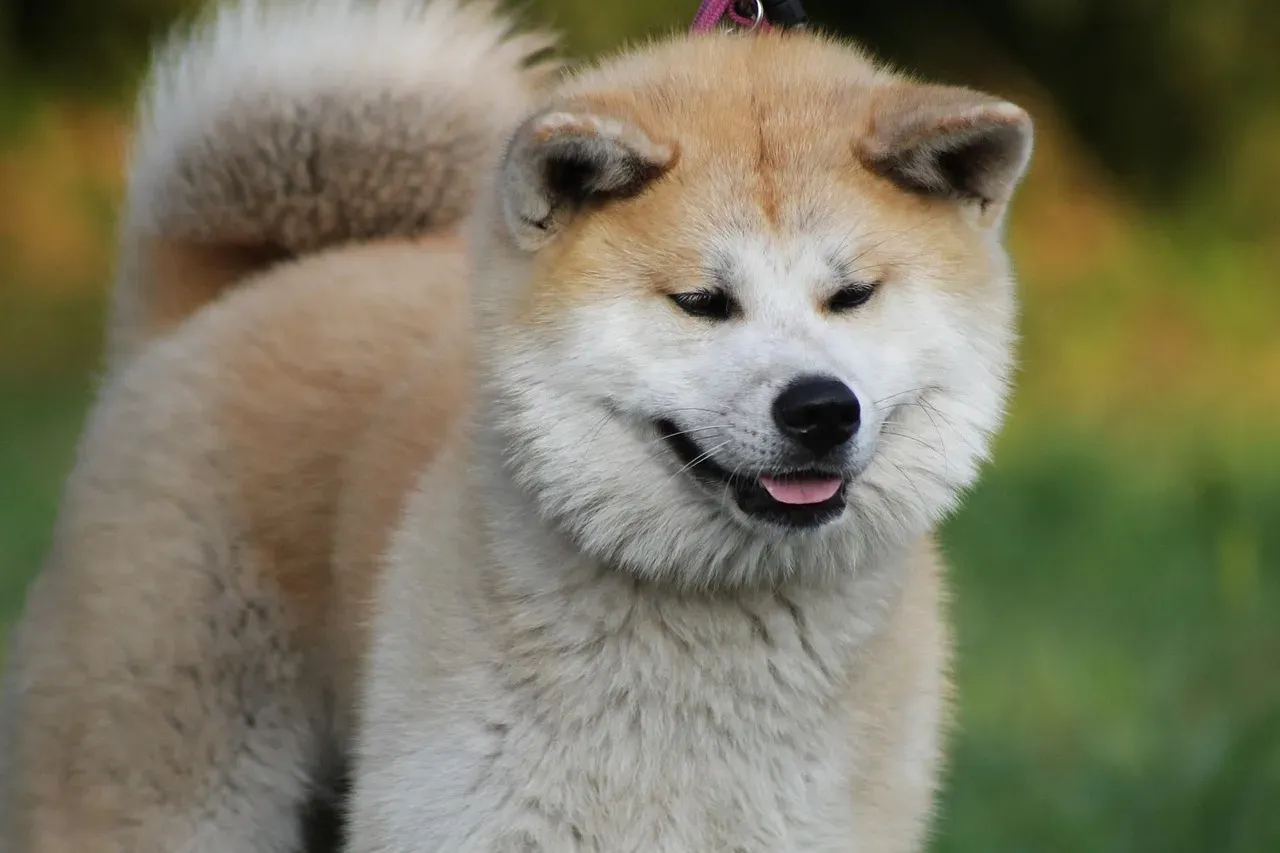
Jack Russell terriers, American pit bull terriers, malamutes, Akitas, German shepherds, Rottweilers, American cattle dogs and Catahoula leopard dogs were bred to be strong-willed. Akitas are loyal and protective, but they need early socialization and training.
The Akita, also known as the Hachiko dog, is considered to be one of the most loyal breeds of the world as they make incredibly loyal companions and thrive on human companionship, however, these fastidious dogs are anything but people pleasers. They’re hardcore working dogs who need experienced handlers who recognize their independent nature and can provide confident leadership without harshness.
Chow Chow: The Aloof Aristocrat
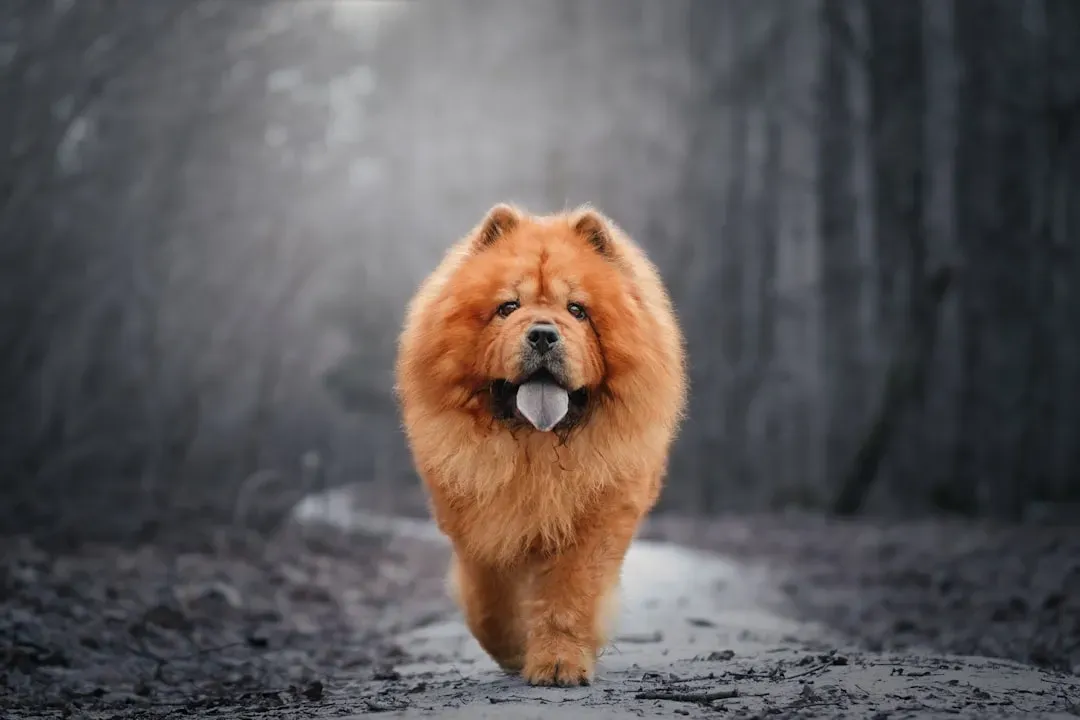
Chow Chows are notoriously difficult to train because they don’t possess the eager-to-please nature found in many other breeds, instead, they’re strong-willed and discerning, often questioning the necessity of commands before acting. Their lion-like mane and distinctive blue-black tongue make them instantly recognizable.
These breeds today have evolved to be more loving towards their human families, but have some traits such as aloofness and independence hardwired in their genes, and they are famous for being selective listeners. Early socialization with reward-based positive techniques is crucial to gaining their trust. They can be wary of strangers and require extensive socialization.
Shiba Inu: Small Dog, Big Attitude
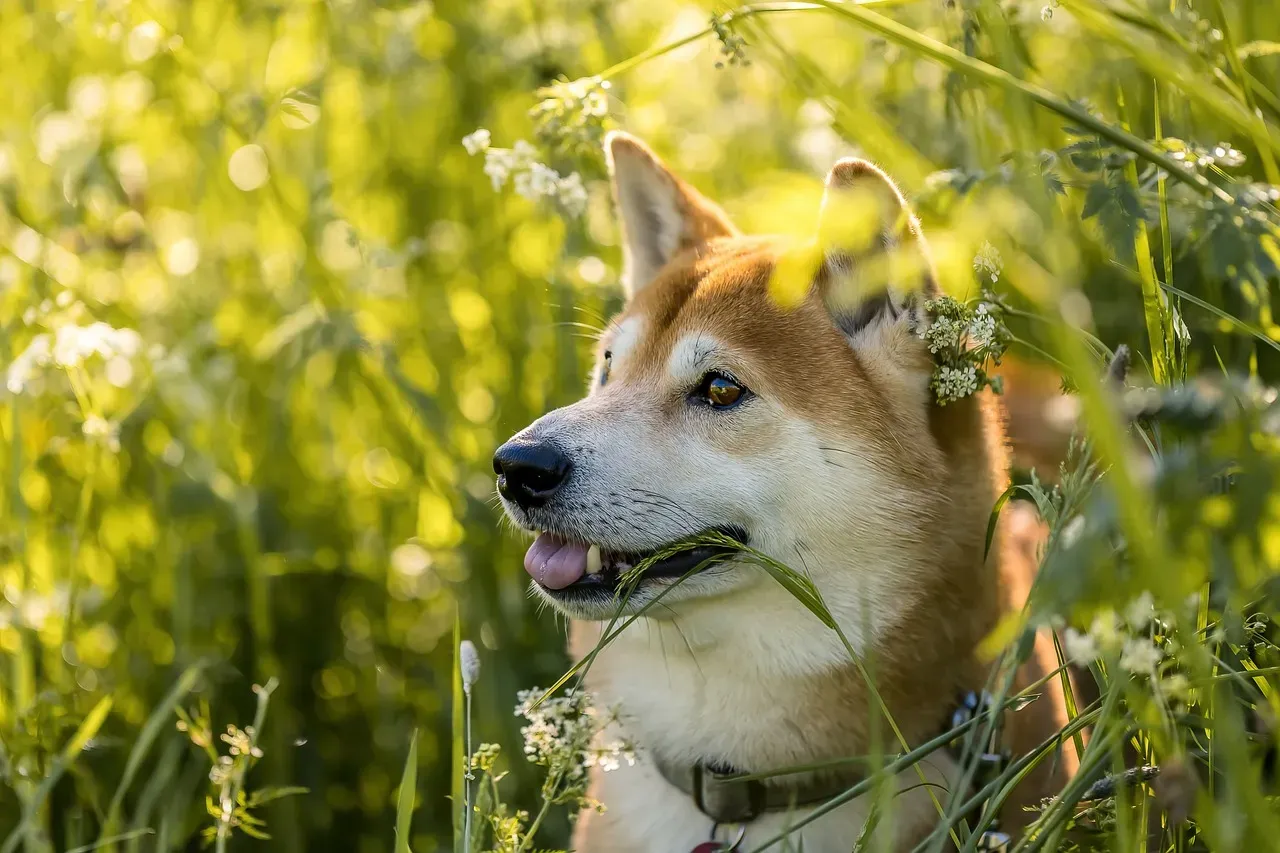
Shiba Inus are small in size but have a big personality, as they are known for being strong-willed and can be quite stubborn when it comes to training, and this breed requires a consistent and firm training approach from an early age.
They respond well to positive reinforcement techniques but need an owner who can be patient and persistent, as your Shiba’s attention span is a sprint, so keep sessions short and sweet, around 5-10 minutes. Use playful lures and surprises to keep their clever minds engaged. Their independent spirit means they’ll question your requests regularly.
Afghan Hound: Elegant And Independent
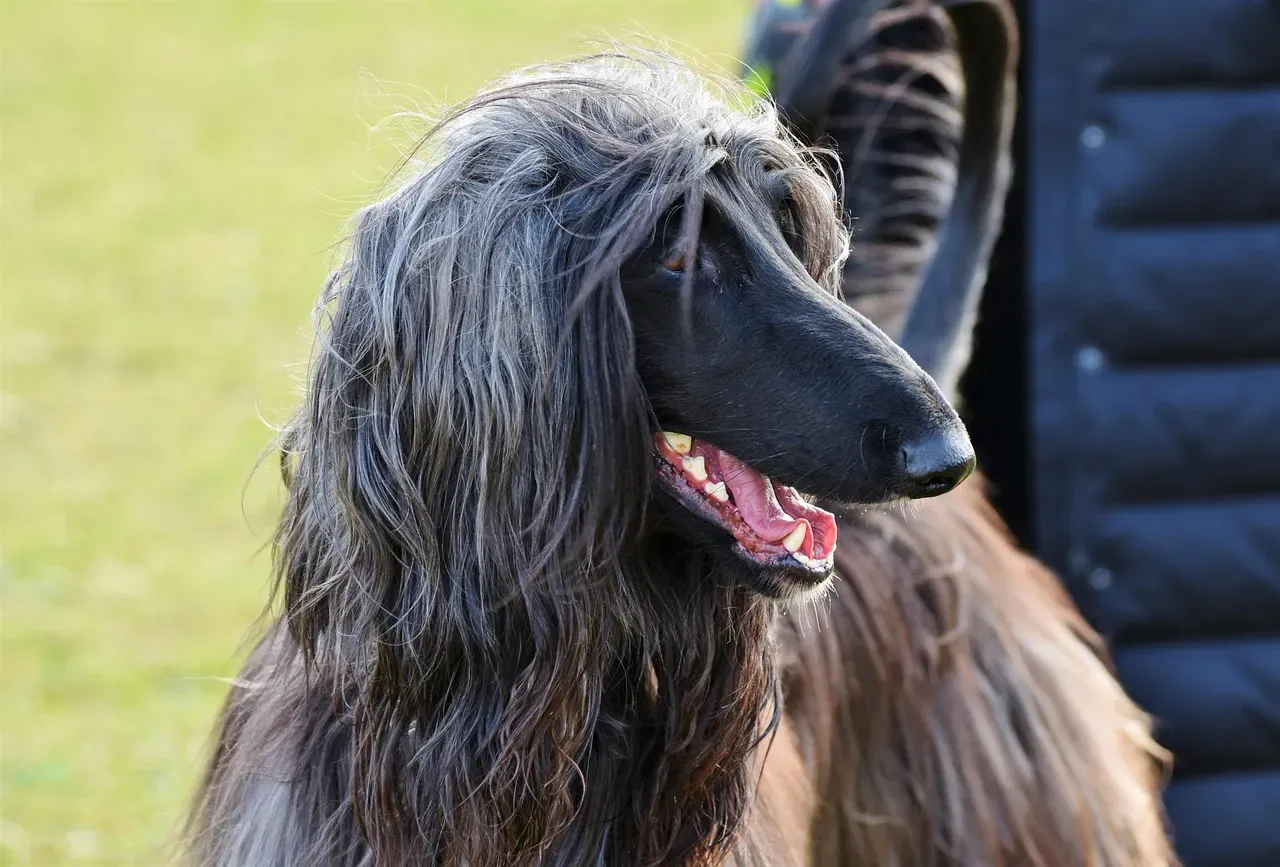
Afghan Hounds’ noble appearance often conceals a mischievous and fiercely independent spirit, making them one of the most challenging breeds to train, as they are highly intelligent but tend to think for themselves. These elegant sighthounds were bred to hunt swift prey.
They prefer doing things on their own terms, much like a cat, and will often ignore instructions if they aren’t in the mood, and this independent streak, coupled with their aloof nature, can frustrate novice owners attempting traditional obedience training. Their lightning-fast reflexes and powerful prey drive make recall training nearly impossible without early consistent reinforcement.
Finding Your Perfect Match
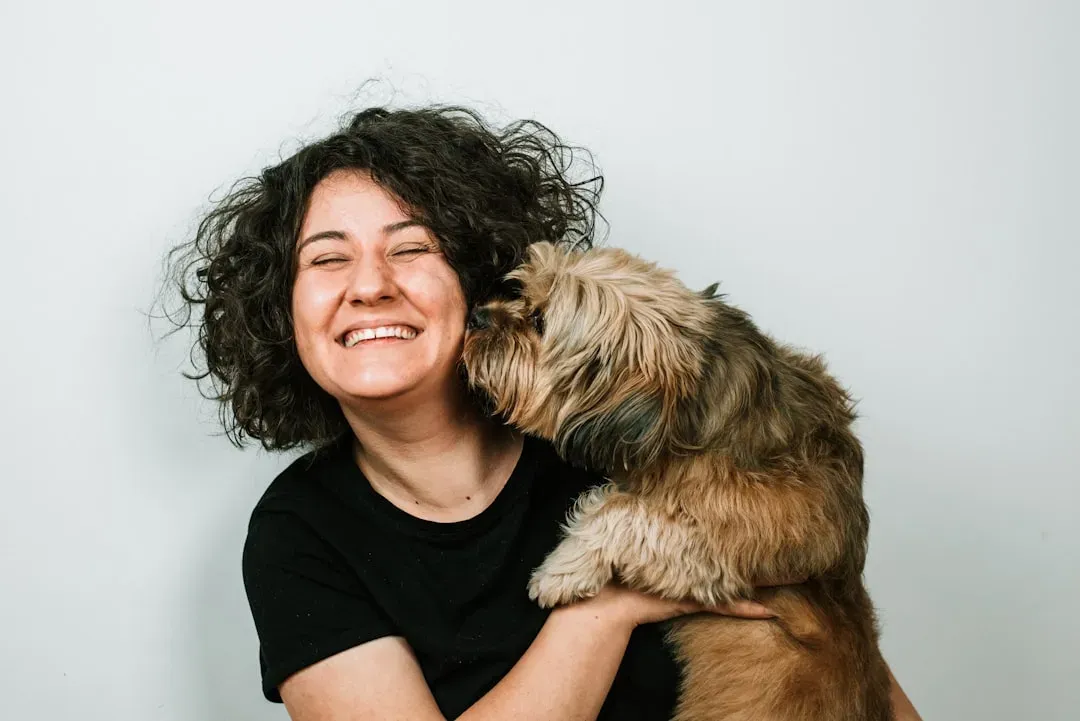
Every dog deserves an owner who understands their nature. The gentle breeds we’ve explored thrive with soft voices, patient guidance, and calm environments. They respond beautifully to praise and gentle corrections, making them wonderful choices for first-time owners or families seeking laid-back companions.
Those breeds requiring firmer handling aren’t difficult dogs. They’re simply independent thinkers who need confident, consistent leadership from day one. They demand more time, energy, and experience, rewarding dedicated owners with fierce loyalty and intelligence. Positive reinforcement works wonders, combined with clear boundaries and structured routines.
The most important thing? Honestly assess your lifestyle, experience level, and commitment before bringing any dog home. Whether you’re drawn to the sweet-natured Golden Retriever or the spirited Siberian Husky, understanding what your chosen breed needs sets both of you up for years of joy together. Which temperament speaks to your heart?


