
7 Essential Tips for Stress-Free Apartment Living with Dogs
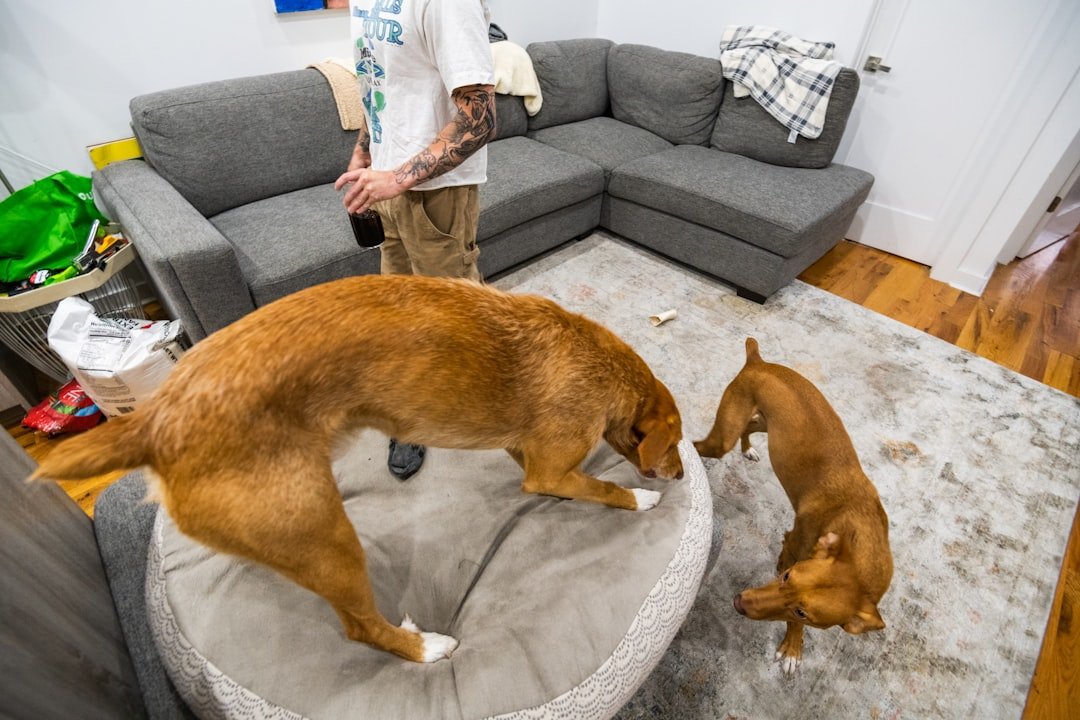

Apartment Hunting Starts with Pet Priorities (Image Credits: Unsplash)
Apartment residents who share their homes with dogs often navigate tight spaces and close neighbors, yet simple adjustments turn potential challenges into rewarding routines.
Apartment Hunting Starts with Pet Priorities
Prospective renters with dogs benefit from beginning their search well in advance. Communities vary widely in policies, from non-refundable fees to breed restrictions, so early research uncovers the best fits.[1]
During tours, owners prepare targeted questions about weight limits, on-site dog parks, walking trails, and waste stations. Such amenities ease daily life and foster community among pet lovers. Ground-floor units or those near elevators simplify outings, while proximity to green spaces supports regular exercise.
Training Forms the Foundation of Harmony
Consistent training prevents common issues like excessive barking or accidents, which neighbors notice quickly in shared buildings. Owners focus on basics such as sit, stay, come, and potty commands from the outset, often using professional classes for reinforcement.[2]
Crate training provides a safe retreat, reducing anxiety during absences. Devices like remote cameras with treat dispensers allow monitoring and positive reinforcement, keeping solitude calm. Early habits ensure the dog remains a welcome presence rather than a disturbance.
Exercise Keeps Energy in Check
Dogs in apartments require structured activity to avoid restlessness. Morning walks followed by play sessions set a productive tone, while evening strolls aid relaxation. Interactive toys, puzzle feeders, and lick mats deliver mental stimulation indoors.[2][1]
Professional walkers fill gaps during work hours, ensuring bladder breaks without disruption. Nearby dog parks offer socialization and running room, vital for breeds with higher energy needs. Balcony potty pads serve as backups for quick relief, especially at night.
Organization and Proofing Safeguard the Space
Dedicated zones for feeding, resting, and play maintain order in compact areas. Elevated bowls on mats prevent spills, while vertical storage keeps toys and leashes accessible yet tidy. Puppy-proofing involves securing cabinets, cords, and trash to avert mishaps.[2]
- Install safety gates to limit access during absences.
- Choose durable, easy-clean furniture like leather alternatives.
- Set aside a “doggy damage fund” for unexpected repairs.
- Use air purifiers and regular vacuuming to manage fur.
These steps preserve the home and reduce owner stress.
Fostering Neighbor Relations Builds Community
Courteous habits distinguish responsible owners. Prompt cleanup of waste, using provided bags at stations, avoids conflicts. Open communication addresses concerns early, turning potential critics into allies.[1]
Resident events like “Yappy Hours” or pool “Puppy Plunges” encourage mingling. Noise control through training and white noise machines during alone time respects quiet hours. Such efforts create supportive environments where dogs thrive alongside urban life.
Key Takeaways
- Research pet policies thoroughly before signing a lease.
- Commit to daily routines for exercise and training.
- Invest in tools that promote independence and cleanliness.
Implementing these strategies transforms apartment living into a joyful partnership for dogs and owners alike. What challenges have you faced with a pet in an apartment? Tell us in the comments.