
Some Dogs Really Do Prefer Their Own Company – And That’s Okay!

We’ve all seen them at the dog park. While most pups are romping around in a furry frenzy, there’s always that one dog sitting calmly by their owner’s side, seemingly content to just watch the chaos unfold. Maybe you’re the proud human of such a dog. You might’ve wondered if something was wrong, if you failed at socialization somehow, or if your four-legged friend is secretly unhappy. Let me tell you something that might just change everything: your dog might simply be an introvert. Yes, really.
Just like us humans, dogs have distinct personalities. Some are the life of the party, while others genuinely prefer a quiet evening at home. Honestly, it’s one of the most endearing things about our canine companions. They’re not all cut from the same cloth, and understanding this can transform how you care for your best friend.
The Science Behind Independent Dogs
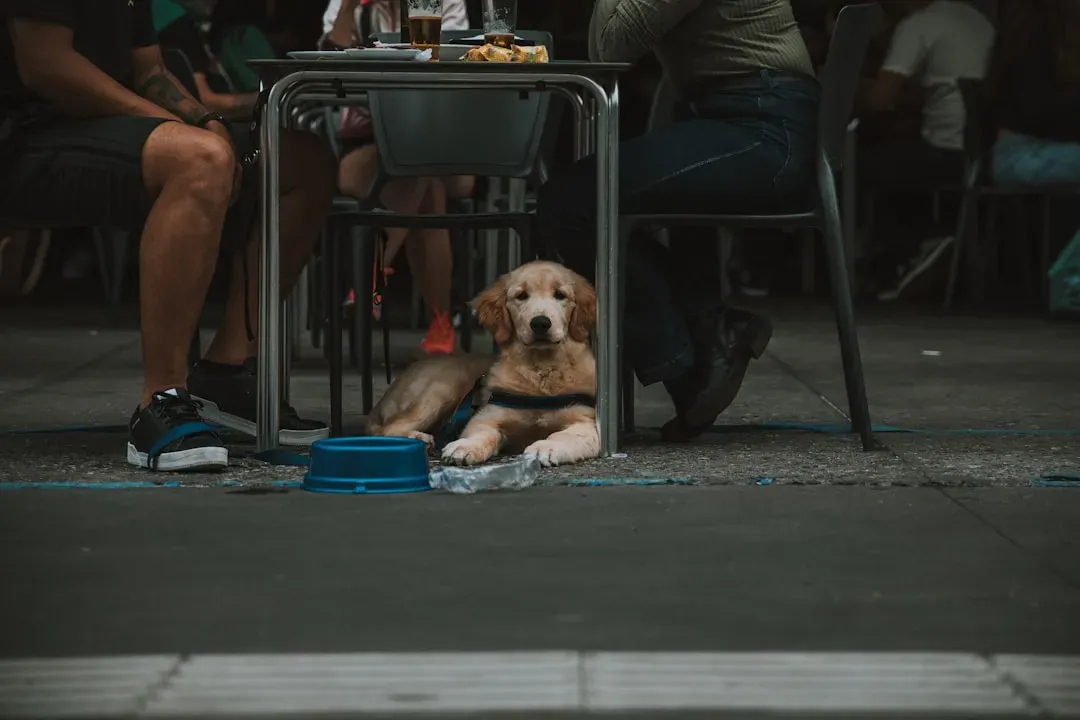
Some breeds were historically developed to work independently, which shaped their aloof temperaments and reserved natures, and these independent dogs express love and loyalty differently than other breeds. Dogs bred to work solo, such as livestock guarding dogs like Anatolian Shepherds and some working group dogs like Akitas, can be more introverted than other dogs.
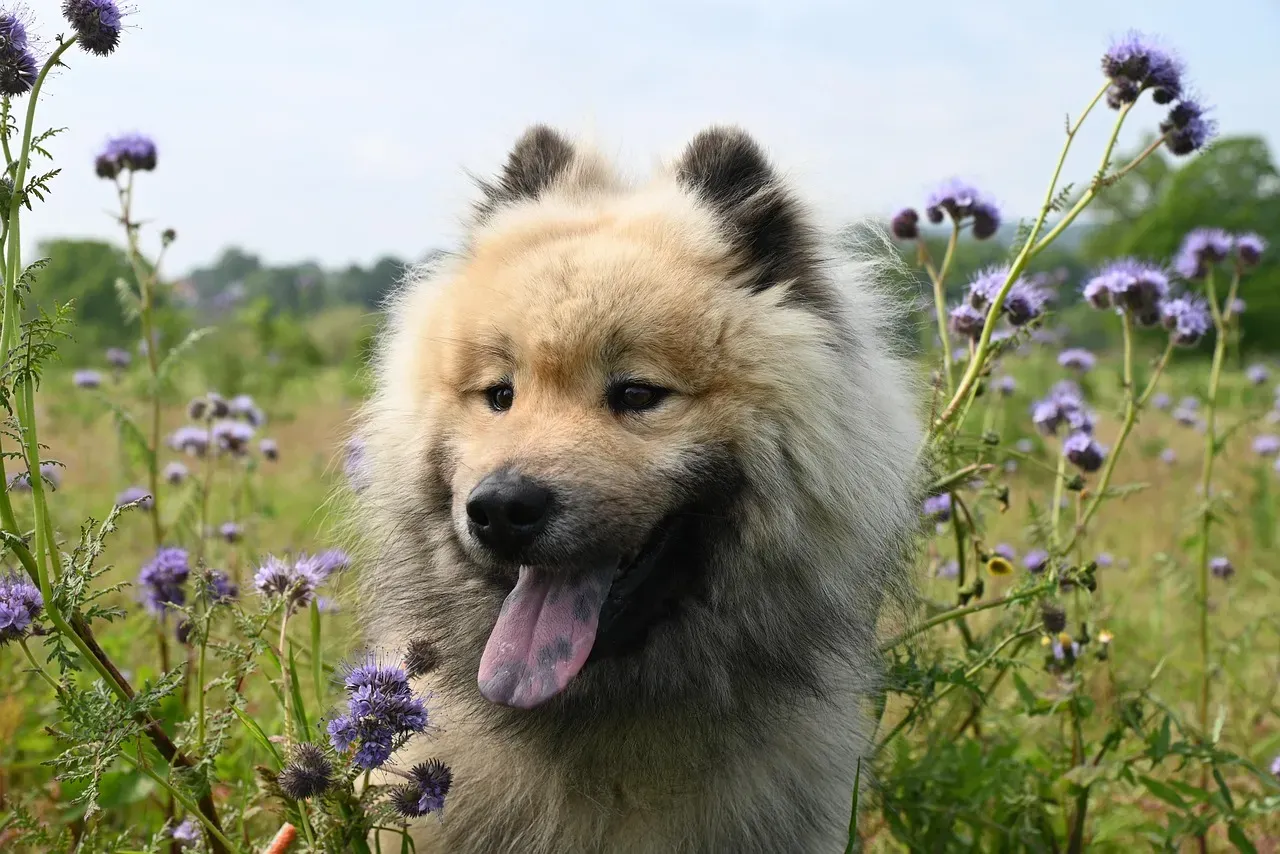
Here’s the thing: genetics play a massive role. Think about it. Greyhounds usually prefer to have their own dog bed in a quiet place where they can retreat for some solitude as needed. Similarly, the Chow Chow’s working heritage combined with their calm disposition makes them one of the most independent dog breeds, and though independent, they’re loyal to their family and typically bond deeply to one person.
It’s not just about breed, though. Life experiences shape personality too. A dog’s early socialization, environment, and individual temperament all contribute to whether they’ll be a social butterfly or more of a wallflower.
Recognizing the Signs Your Dog Is an Introvert
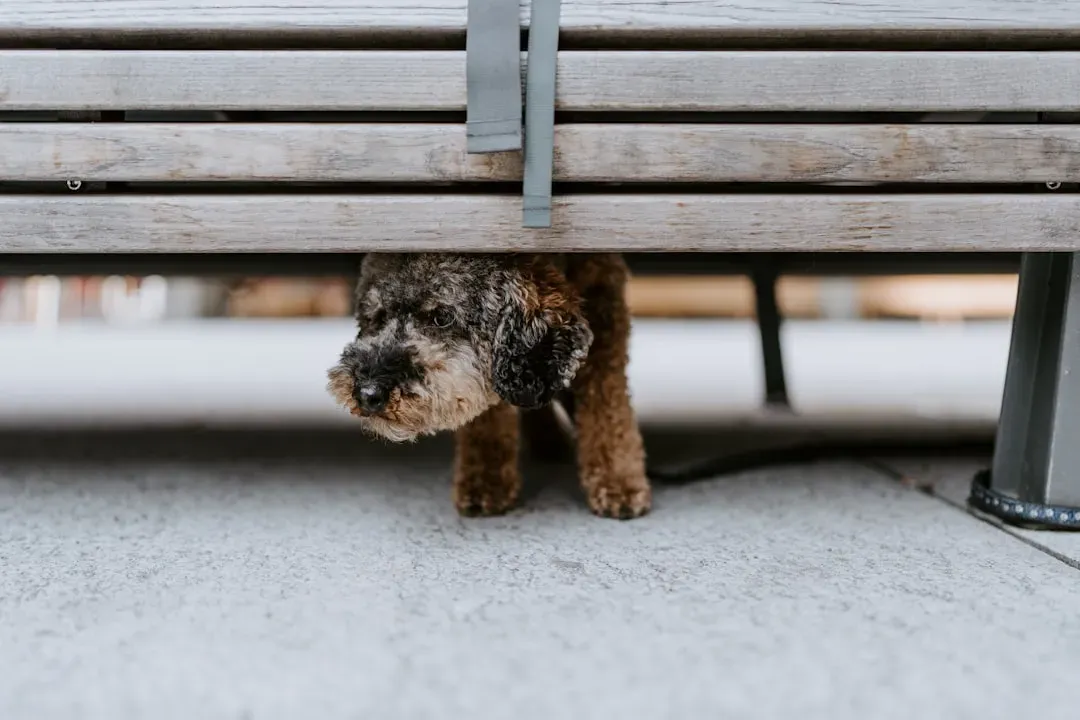
Introverted dogs spend time alone or with a few trusted people, and may retreat to corners of the house. Does your dog avoid the chaos of the dog park? A canine on the introverted side will be much happier sitting on the sidelines watching other dogs play, and if your pet prefers playing with you or on their own rather than joining in, they may be an introvert.
Watch for these telltale behaviors. Some dogs hit their social max quicker than others, and your dog may feel the same way humans do when they’re “peopled”-out and need alone time to recharge. Your pup might stick close to you during walks instead of investigating every dog and person you pass.
You’ll often find introverted dogs resting away from busy areas, spending time in their bed or crate not because they’re lonely but because they wish to recharge emotionally, and these peaceful moments help them regain their energy. That’s perfectly normal, not a red flag.
Independent Breeds That Value Their Space
The Shiba Inu is known for its strong and independent personality, and while loyal to their families, they don’t constantly demand attention, with their independent nature sometimes making them seem aloof, though they’re affectionate in their way and enjoy having their own space. The Basenji is notorious for being quiet and frequently described as having a catlike personality because of their aloof temperament, reserved nature, and tendency to groom themselves.
Other breeds that naturally lean toward independence? Afghan Hounds are known for their aloofness and independence, bred in rugged mountains for hunting large game, making them naturally solitary dogs that prefer to operate alone and will happily spend hours lounging by themselves in a quiet spot. Lhasa Apsos are intelligent and confident dogs with a strong independent streak, originally bred as sentinels in Tibetan monasteries and accustomed to solitude, able to comfortably spend several hours alone without developing separation anxiety.
The beautiful part? Independent dogs might prefer to lie in the corner while you’re watching TV instead of cuddling up next to you. That doesn’t mean they love you any less.
How to Support Your Independent Dog
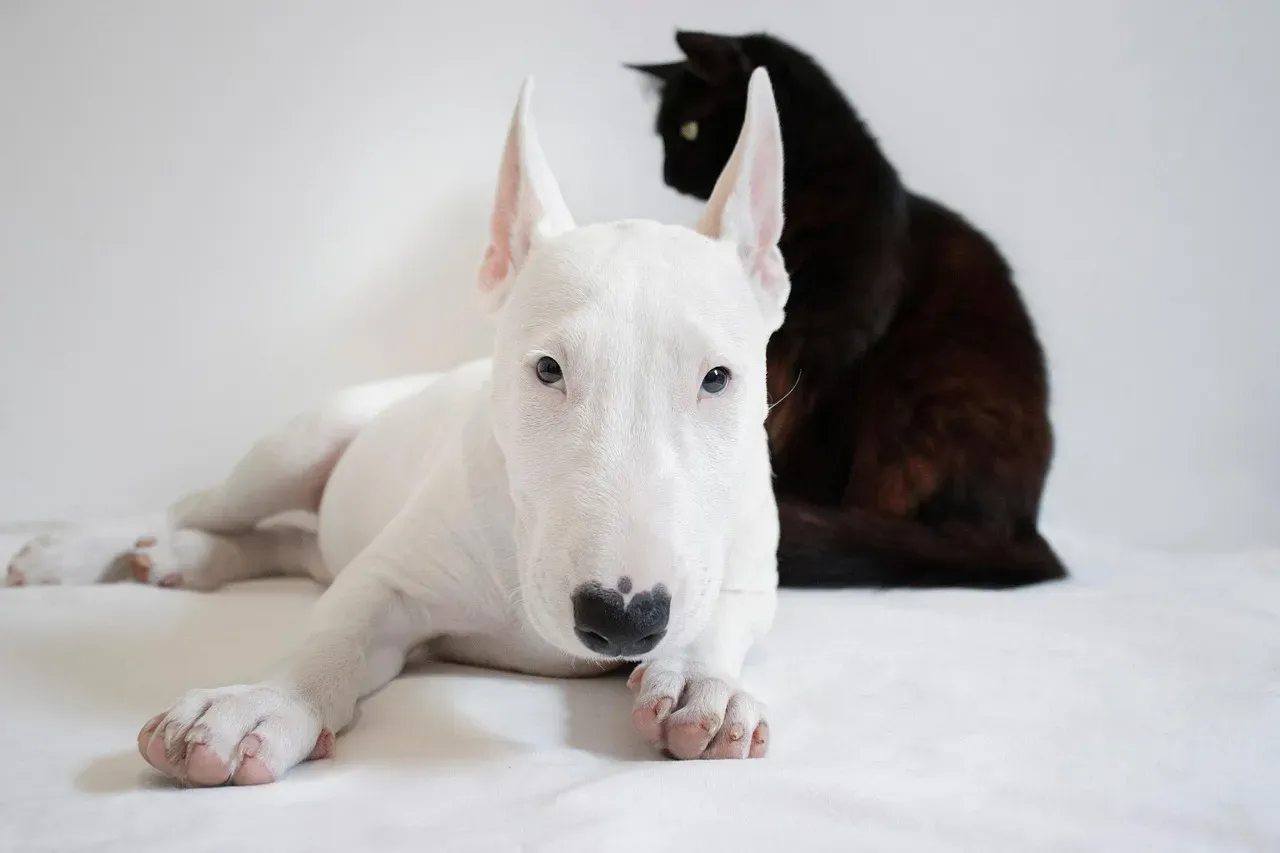
Create a calm foundation by giving them a cozy space where they can retreat and enjoy some alone time, and never force them to interact with other dogs. Think of it as respecting their boundaries, the same way you’d want yours respected. Recognizing when your introverted dog is no longer calm and removing them from that situation can help ease anxiety, and provide quiet time every day while avoiding forcing them to interact with others if that causes anxiety.
Puzzle toys, scent games or quiet training sessions can offer them the right kind of stimulation. These activities let your dog engage their brain without the overwhelming social pressure. I think this is where many dog owners get it wrong – they assume all dogs need constant playmates and bustling dog parks to be happy.
If your pup doesn’t seem overly stressed in everyday life and their behavior doesn’t bother you, it’s perfectly fine to carry on, as your dog doesn’t have to interact with strangers or other dogs to live a rich and fulfilling life, and as long as you’re aware of their body language, letting a canine introvert do their own thing is totally fine. Let’s be real – some dogs are just happier that way.
The Difference Between Introversion and Anxiety
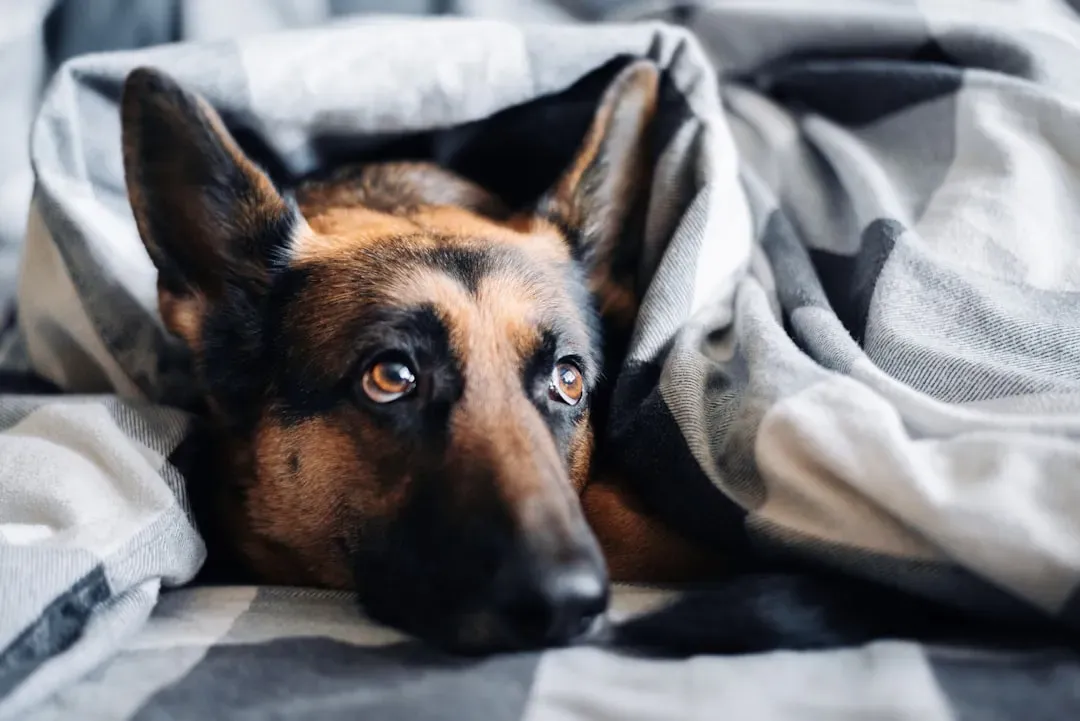
Introverted dogs like to be alone and don’t interact much with other dogs, but anxious dogs show actual signs of distress like barking a lot, quivering, pacing unnecessarily, having accidents around the house and engaging in destructive behaviors. This distinction matters enormously. Introverted dogs are calm, quietly withdrawn but alert and comfortable, while anxious or fearful dogs show signs including trembling, cowering, avoidance behavior, and persistent stress.
It’s crucial to understand the difference. Being introverted shouldn’t be associated with nervousness, as nervousness indicates stress or discomfort while introversion is a normal state of being for many dogs, though introverted dogs may find social situations overwhelming more quickly, and repeatedly putting them in stressful environments can be harmful.
If you’re genuinely unsure whether your dog is simply introverted or struggling with fear-based issues, consult with a veterinarian or certified animal behaviorist. They can help you determine what’s really going on and provide guidance tailored to your specific situation.
Embracing Your Dog’s Unique Personality
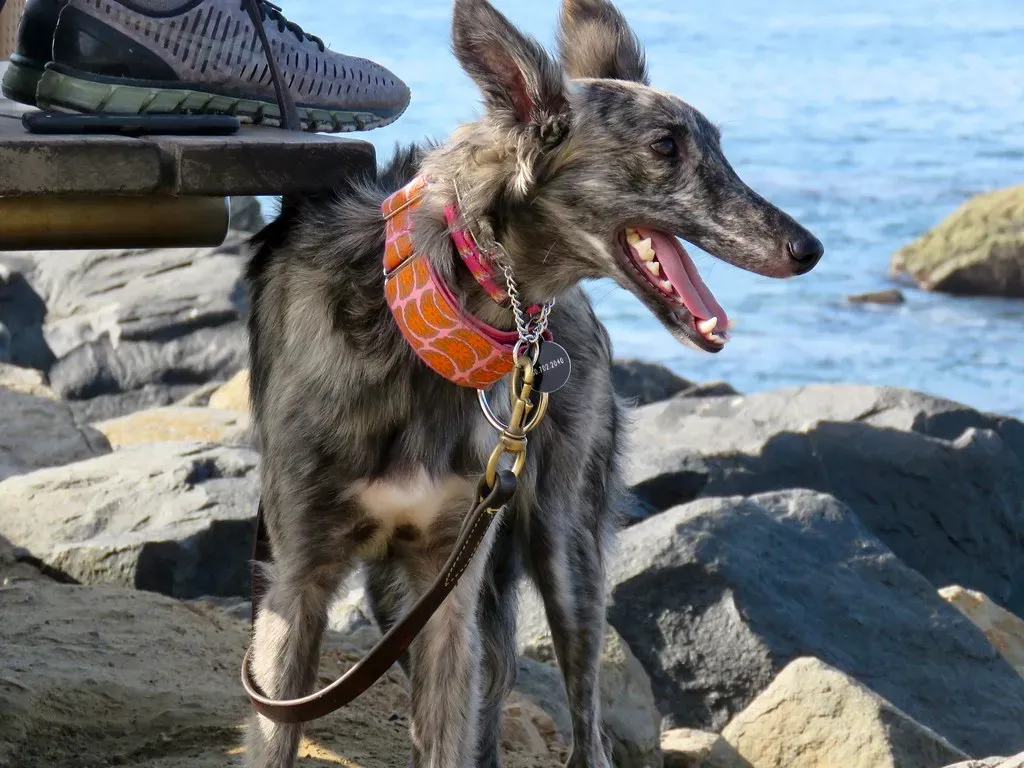
No dog should be left alone constantly or consistently as this can lead to anxiety and behavior issues, and every pet relies on you to fulfill their needs with daily time and attention necessary for a happy, healthy, and well-adjusted pet. Still, respecting their need for space doesn’t mean neglecting them. It means understanding what makes them tick.
Accept your dog for who they are, and if your pup would rather say hi and then go chew a bone by themselves, let them and never force them into interactions. Independent dog breeds show that being self-sufficient doesn’t mean lacking affection, and these dogs strike the perfect balance between valuing their alone time and cherishing their bond with their families.
Think about it this way: you wouldn’t force an introverted human friend to attend every social gathering, right? The same courtesy applies to our dogs. Breeds like the Chow Chow and Greyhound carry solitude with ease, showing that loyalty doesn’t always mean staying close, and companionship can be steady and silent, built on trust more than touch. Honestly, there’s something quite beautiful about that quiet understanding between you and your independent dog.
At the end of the day, whether your dog is a social butterfly or prefers their own company, what matters most is that they’re content, healthy, and secure in your love. Some of the deepest bonds are formed not through constant interaction but through mutual respect and understanding. Your introverted pup might not be the star of the dog park, but they’re probably the most devoted companion you could ask for – on their own terms, of course. What kind of personality does your dog have? Have you noticed they prefer solitude over socializing?