
Are Small Dogs More Aggressive? Science Says Maybe The Surprising Reason

You’ve probably noticed it at the dog park or on your daily walk. That tiny terrier yanking at the leash, barking ferociously at every passerby. Or that petite Pomeranian growling at dogs three times her size. Meanwhile, the gentle giant Golden Retriever sits calmly, greeting everyone with a wagging tail. What’s going on here?
It’s a pattern many dog lovers have spotted but rarely discuss. Are small dogs actually more aggressive, or is there something else at play? The science might surprise you. Recent research from top universities has uncovered fascinating truths about our pint-sized companions and their sometimes feisty behavior. Let’s dive into what the experts have discovered.
The Science Confirms What We’ve All Suspected
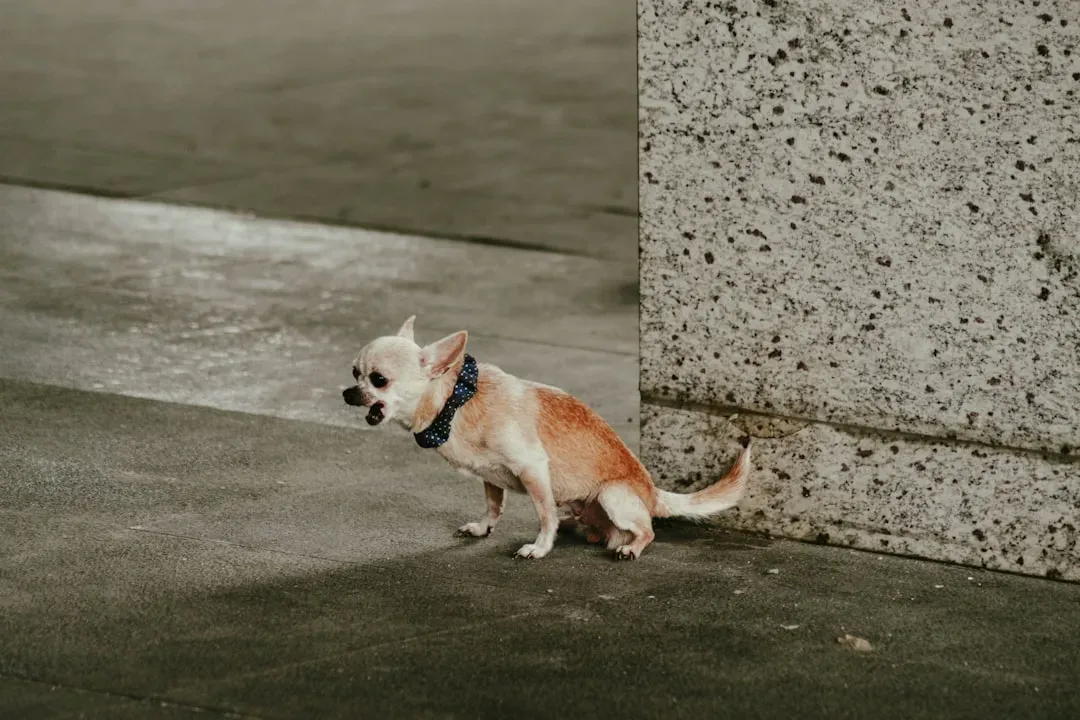
Research involving over nine thousand dogs reveals that several factors increase the probability of aggressive behavior toward people, including small body size. Dogs under twenty pounds were reported as more fearful, more aggressive, and more attention-seeking, but less trainable than larger dogs. This isn’t just anecdotal evidence from frustrated dog owners anymore.
Studies have demonstrated that smaller breeds were roughly fifty percent more likely to be aggressive in nature than larger breeds, and about forty percent more likely to act aggressively than medium-sized dogs. Think about that for a moment. The smallest members of the canine family are statistically the most likely to snap, bark, or lunge. These numbers came from rigorous scientific analysis, not casual observation.
Scientists used detailed behavioral questionnaires completed by thousands of dog owners to paint a clearer picture. The findings consistently pointed in the same direction across multiple studies.
Fear Drives the Behavior

Here’s where it gets really interesting. Researchers speculate that aggression in small dogs might be a fear-based defense tactic, since smaller dogs tend to be more fearful. Imagine navigating a world where everyone and everything towers over you. Every footstep sounds louder. Every movement seems more threatening.
For a five-pound Chihuahua, a playful Labrador approaching might feel like an avalanche coming your way. Fearfulness was identified as a significant factor that increased the probability of aggressive behavior toward people. Dogs rated as highly fearful by their owners were up to five times more likely to show aggression.
Small dog syndrome is really just anxiety manifesting as defensive behaviors. Those snappy reactions aren’t about dominance or a Napoleon complex. They’re about survival instincts kicking in when a dog feels vulnerable. When we understand the root cause, suddenly that barking Yorkie seems less bratty and more frightened.
We’re Part of the Problem
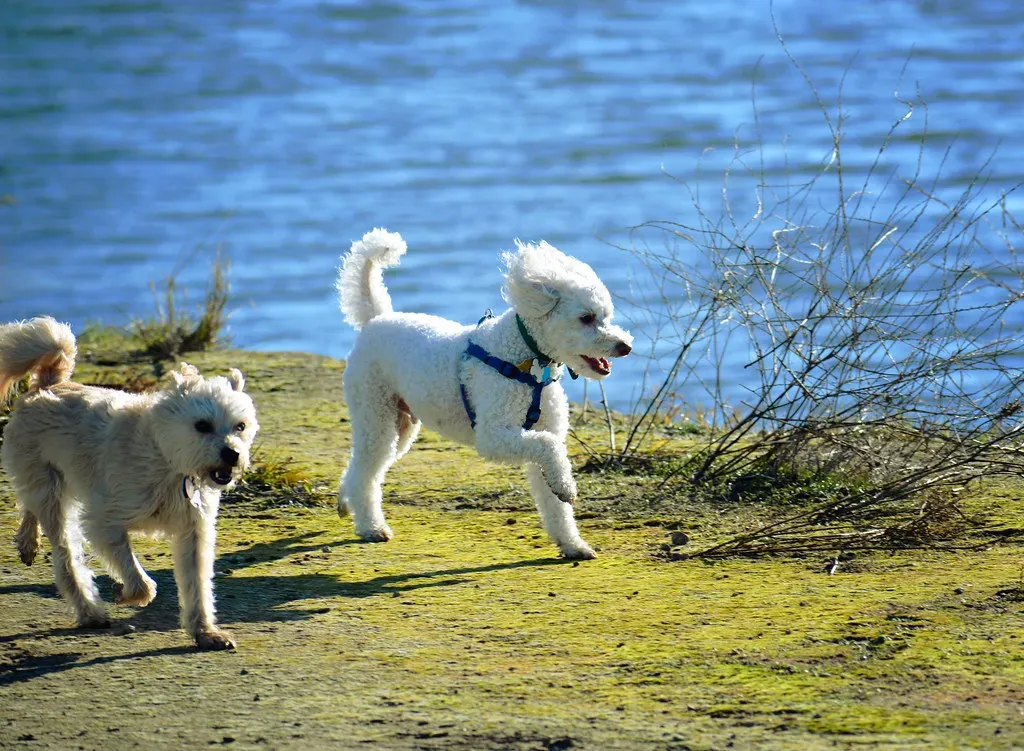
Let’s be real here. Smaller dogs may not be trained as well as larger ones since they can cause less damage when aggressive. Think about how you’d react if a Great Dane lunged at another dog on a walk versus how you’d respond to a Maltese doing the same thing. We pick up the little dog and laugh it off.
Small dogs develop this syndrome because humans treat small dogs differently. If a large breed dog displayed the same behaviors, owners would immediately issue corrections. Research showed that small dogs were more prone to being excitable, disobedient, anxious, fearful and aggressive, but owners were an important influencing factor, as they were less likely to train, walk or play with their dogs and more likely to be inconsistent in their approach.
We scoop them up when they misbehave, which they interpret as a reward. We skip formal training classes because managing a ten-pound dog seems easier than wrangling a seventy-pound one. We allow behaviors we’d never tolerate in bigger breeds because, honestly, it seems harmless. Yet these patterns create insecure, anxious dogs who feel they need to defend themselves constantly.
Genetics Might Play a Role Too
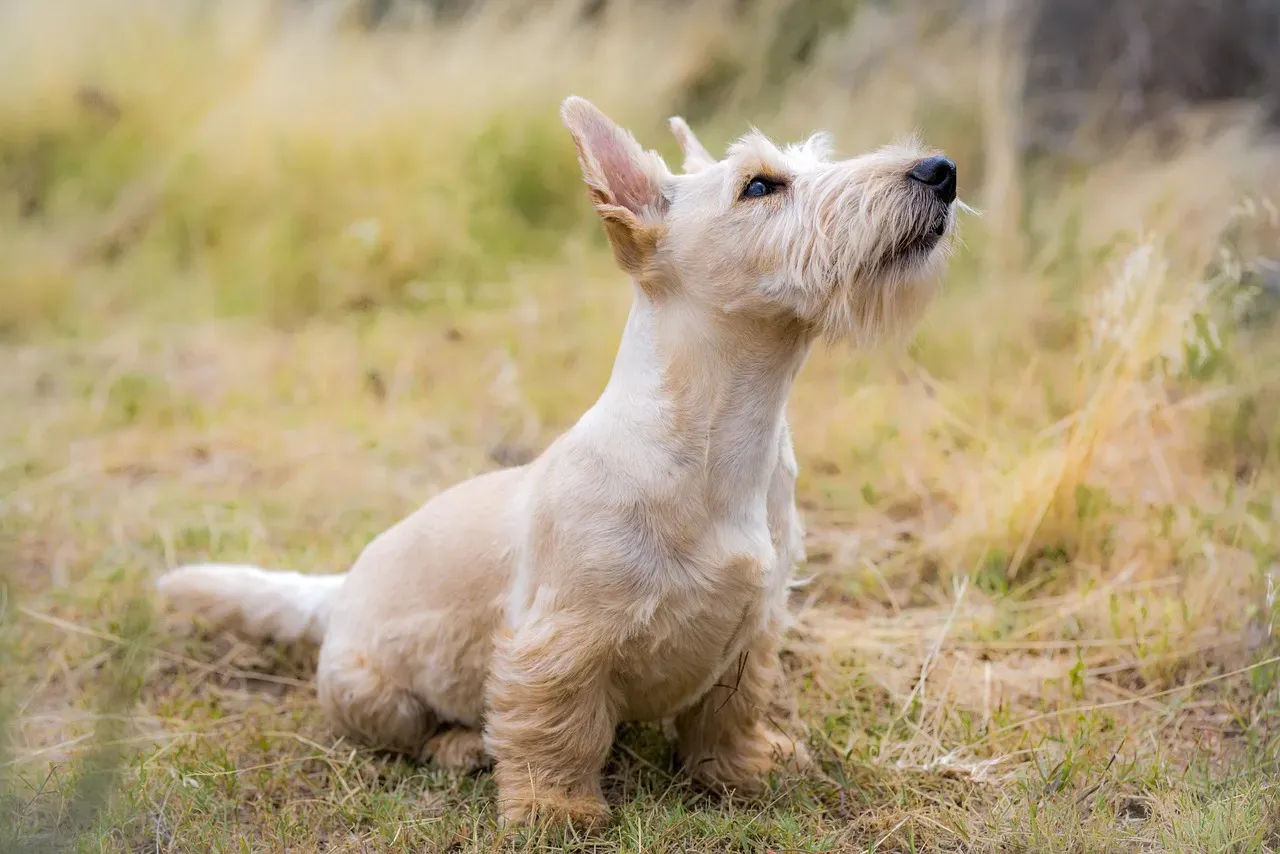
The picture becomes more complex when we consider biology. Studies have found a link between aggressive behavior and the growth factor gene that makes small dogs small, and research has shown that small dogs aren’t just more extreme in their aggression-related behaviors but also tend to have more severe separation anxiety, usually bark more and are more likely to urinate in the house, which gives credence to the theory that genetics plays a role.
This doesn’t mean small dogs are doomed to be aggressive by their DNA. Rather, certain genetic factors might predispose them to heightened reactivity. The probability of aggressive behavior also differed between breeds, suggesting inherited traits influence temperament alongside environmental factors.
Honestly, it’s hard to say for sure how much comes from nature versus nurture. Most experts agree both elements interact in complicated ways. Your Dachshund’s tendency to bark might stem partly from breeding for alertness when hunting badgers underground. Combined with inadequate socialization, that genetic predisposition can amplify into problem behaviors.
What Dog Lovers Can Do About It
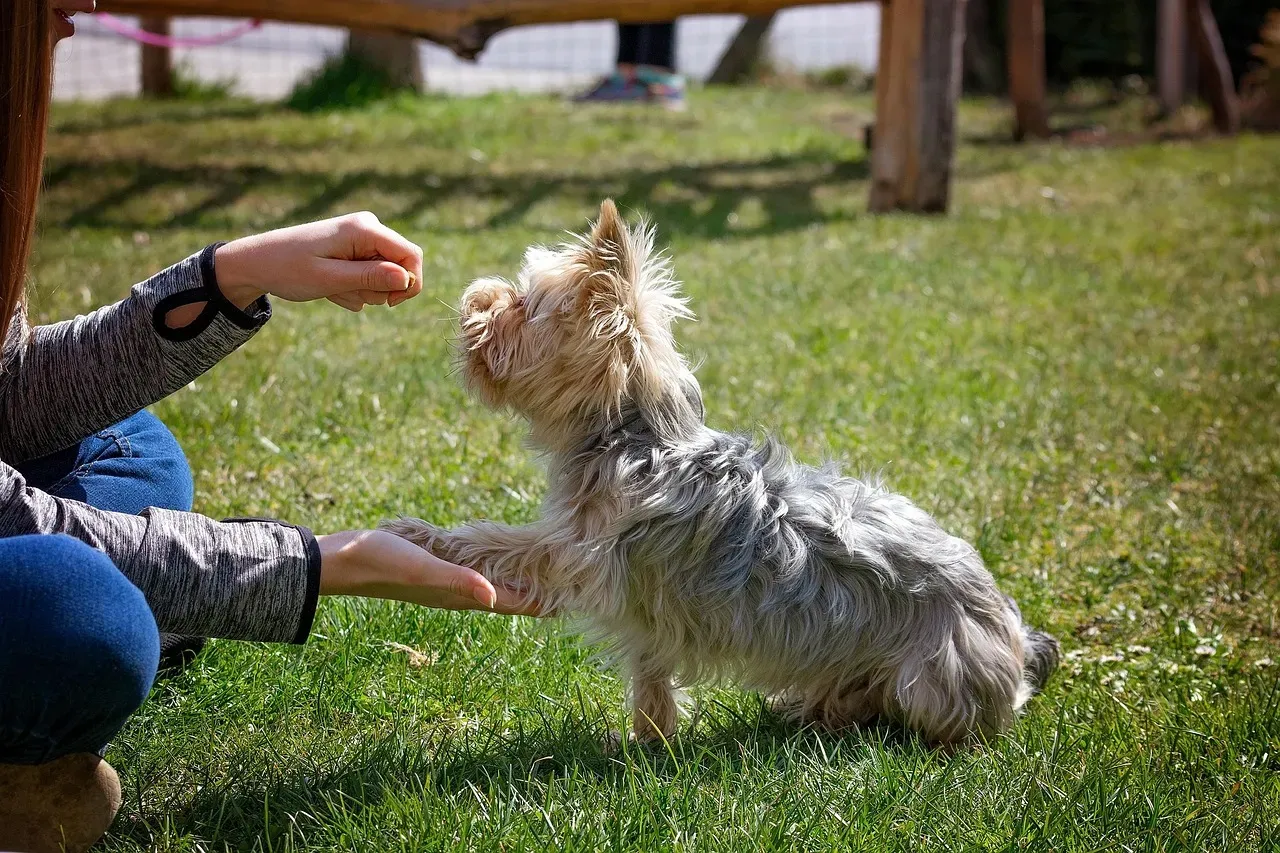
The good news? This isn’t a hopeless situation. Small dog syndrome is typically not based on biological factors alone and can likely be fixed. Consistent training makes an enormous difference. Treat your small dog exactly as you would a large one when it comes to setting boundaries and expectations.
Factors contributing to better obedience in smaller dogs are consistency of the owner’s behavior, frequent engagement in training and play activities and increased use of rewards. Start socialization early, exposing your puppy to various people, dogs, and environments in positive, controlled ways. Don’t carry your dog everywhere. Let them walk on their own four paws and build confidence at ground level.
Behavioral problems could be reduced by avoiding habits of punishment that might reinforce fear or fear-related aggression. Focus on positive reinforcement methods instead. When your small dog encounters something scary, resist the urge to immediately scoop them up. Stay calm, use treats to create positive associations, and gradually decrease the distance to whatever triggers their fear. Professional trainers can provide invaluable guidance tailored to your specific situation.
The Takeaway
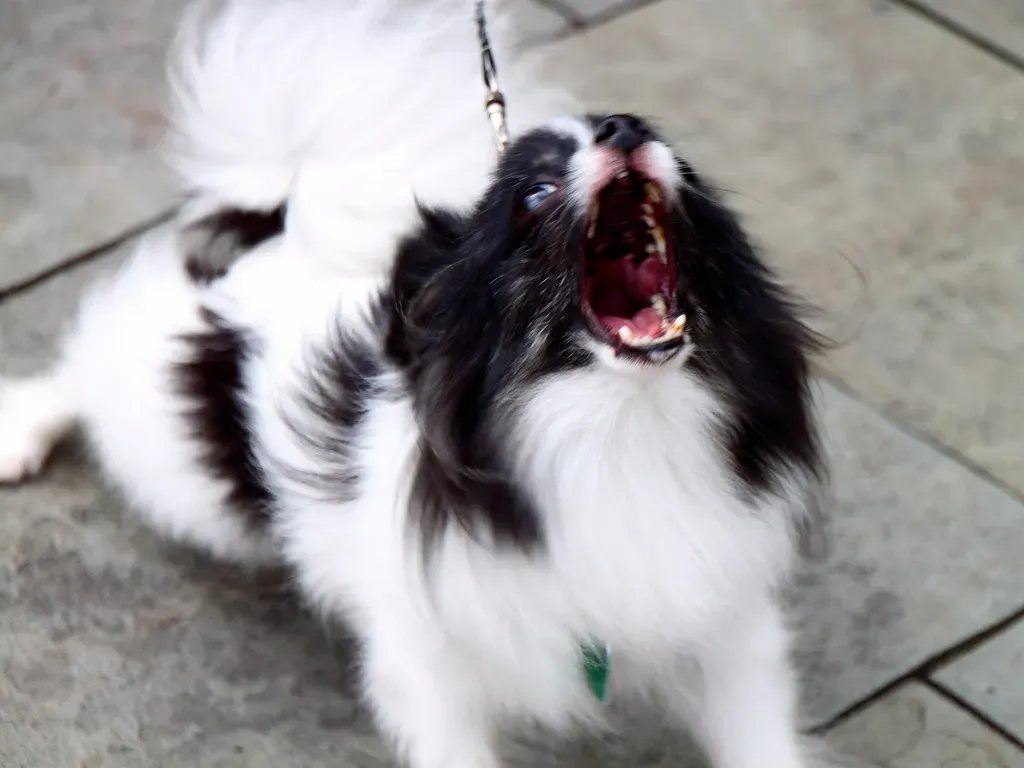
So yes, science confirms that small dogs display more aggressive behaviors than their larger counterparts. The reasons are complex, blending fear responses, inadequate training, inconsistent handling by owners, and possibly genetic factors. Small dogs aren’t inherently mean or badly behaved. They’re often scared, under-trained, and responding to a world that feels overwhelming.
Understanding this changes everything. That snappy little dog isn’t a brat. She’s anxious and needs help feeling safe. Armed with this knowledge, we can do better by our small companions. They deserve the same respect, consistent training, and proper socialization that large breeds receive. Their size shouldn’t determine how seriously we take their needs.
What do you think about it? Have you noticed these patterns with small dogs in your life? Tell us in the comments.